Wander at Moss Lake with Washington Outdoor Women

This quiet County Park rests in a lake bed of ancient silt and glacial till. The surrounding area of relatively flat wetlands and lowland coniferous second growth, holds a mix of soft woods, logged off at the turn of last century, over one hundred years ago. The slope to the northwest is deciduous maple dominant, with some hemlocks which were undesirable in timber sales. Because of the more intact forest surrounding a hard to access marsh pond, there are a lot of exciting plants and animal sign to reflect on, as well as bird song and mycological mysteries, along pleasant walking trails. The group was perfect size to gather, learn, and reflect in a way where all voices were heard. When leading these walks- and they are walk, though we do a lot of stopping, observing, and reflecting our surroundings together. The shared experience of nature brings out so much rich layers of each set of senses. Someone sees a fern, shares it with the group, another pulls Pojar/MacKinnon (Plants of The Pacific Northwest) out and looks up ferns, several standing with her to watch how she uses the field guide and quickly finds the fern section, looking first at silhouettes and then turned to a page- “Oak Fren” Gymnocarpium dryopteris. Noticing this smaller fern among sever others, noting the landscape, time of year, shapes and sizes of the other ferns. We all learn together.

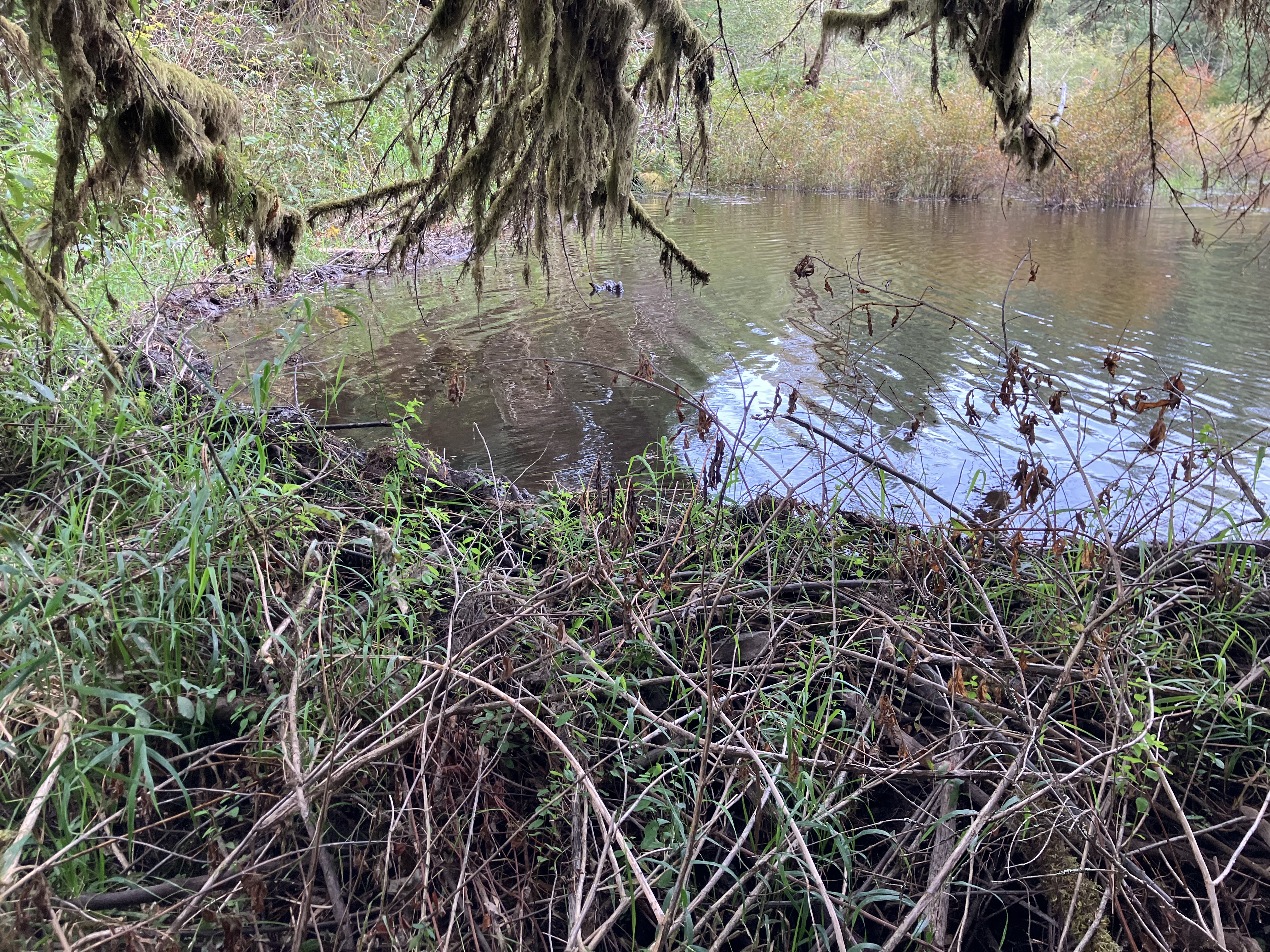
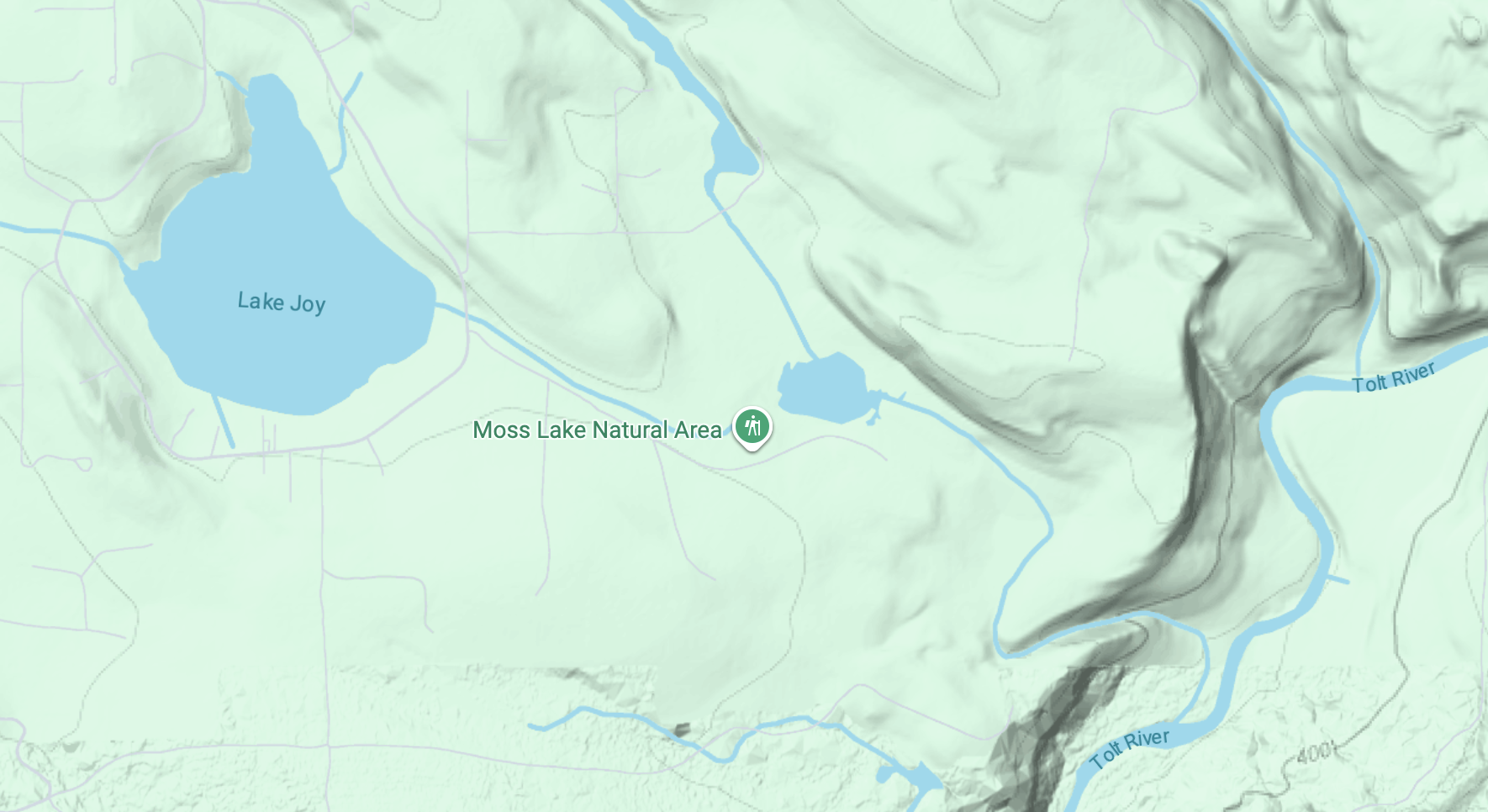
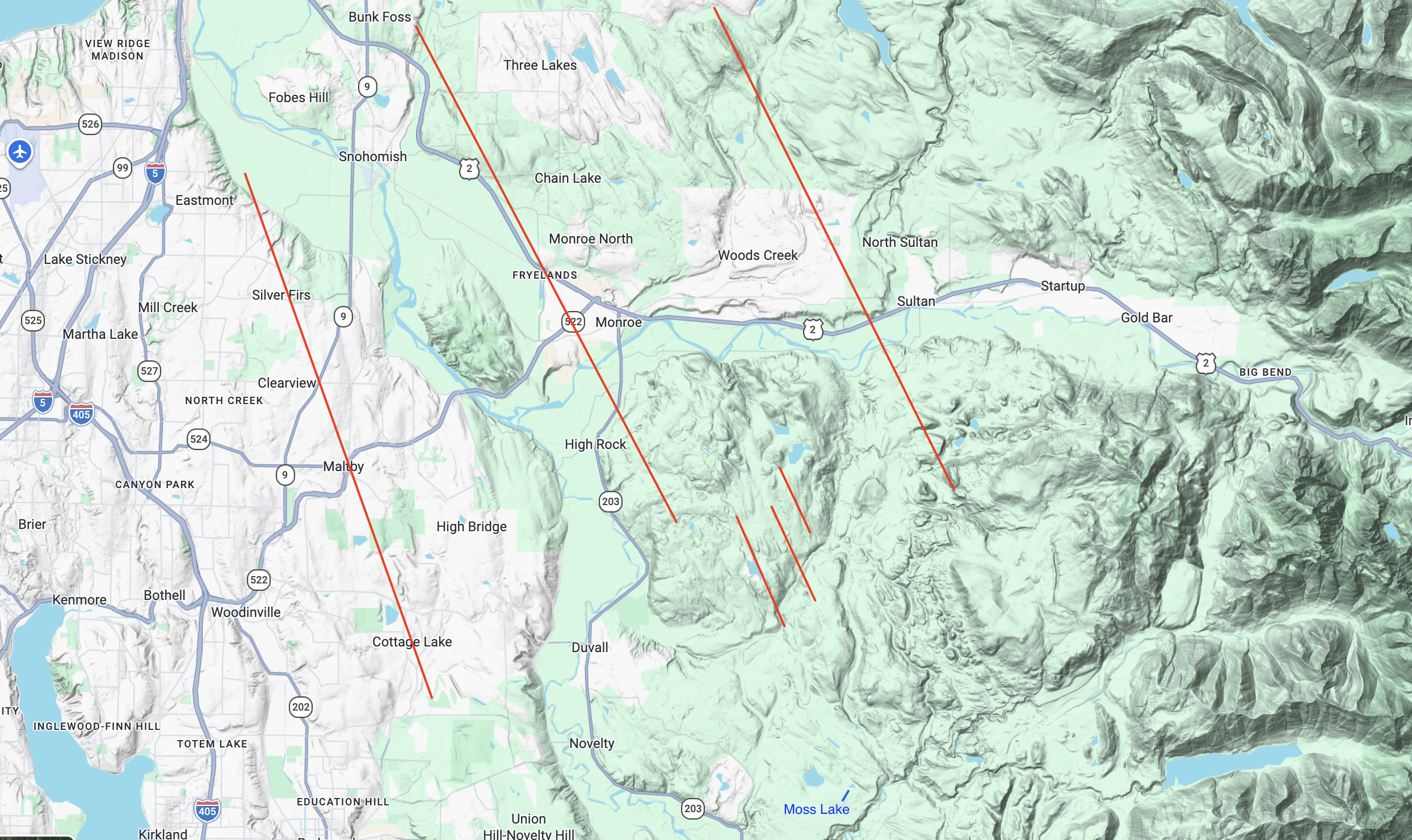
I’m bringing some knowledge basics, a way to invite curiosity by sharing my own naturalist bug. I wanted to know why the lake was sometimes dramatically different levels within a single season, and found the beaver dam at the main outflow of the creek. I then observed human management of the outflow, and noted flood control for neighborhoods down stream, into Tolt River. The flow is carved out nicely in the geology, showing a slow melt over time, with fluctuations and flooding tens of thousands of years back, when the last ice age retreated, leaving a north-south scrape into bedrock. Tectonic uplift hides a lot of what the ice carved up, but closer to the sound, the Puget lowlands speak to a mile of ice which once carved out most of this upper region in The Pacific Northwest.

Geology of a place sets the tone, in this case, glacial till, uplift, and hydrological shaping. The returning forest slowly matures, with protection, as this wetland marsh and surrounding vegetation remains rich and diverse. Just outside the park, plantation fir plantings contain mono-crop stagnation for industrial harvest. Our group took a walk into this tree farm setting to compare ecologies. The difference was night and day. It takes time to train the eyes, especially in nature, where we spend less and less time. Seeing the landscape, what’s growing there, how the land is so changed by human carelessness, how it can restore in time. Moss Lake was a set of homesteads, with livestock, dreams of a better life, and seemingly endless wood to cut and sell, clearing the land for grazing and building. The land was too wet, so much bog and insect life, eventually, laws changed, protecting wetlands. King County saw an opportunity, or received a donation to start the process in turning agriculture back to nature again.

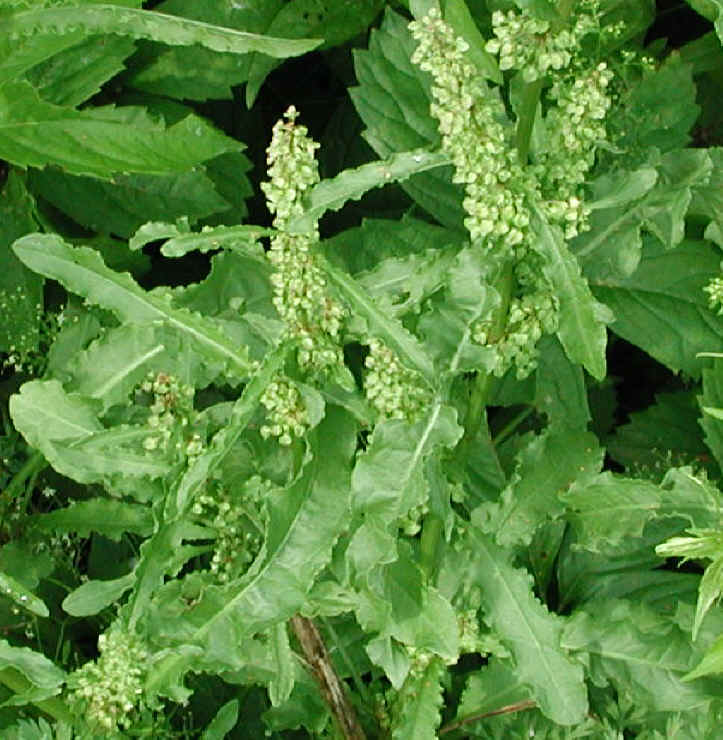
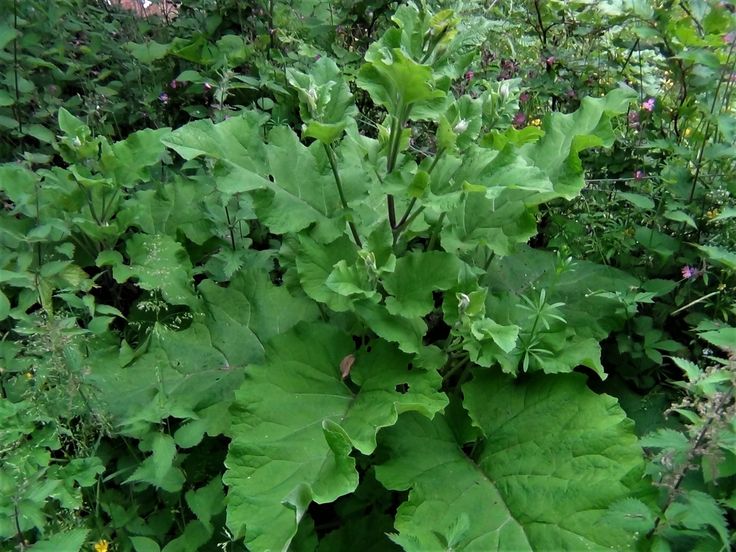
Our group was well established in the makings of this place, but the characters still thriving in the soil continued to surprise and inform. We walked a well packed gravel ADA path for the first quarter mile around the lake. Gravel trails usually carry many weeds, and we acknowledged a helpful one, dock Rumex obtusifolius. Some of the gardeners in the group moaned, it’s true, the tap root of this plant is very hard to pull out once established. I stepped up to the plant, smiled, then leaned forward and bite off the top seed head, green and lush in its first growth of late spring. The young seeds are edible raw, and high in nutrition for an active body in warmer months. Foods should reflect the land where it grows, being lush and fully alive at this few hundred feet of elevation in the peak sun days. It’s edible tap root dives deep to send water down through compacted soil- like the edge of the gravel walk, or livestock paddocks with too much use, therefore, detrimental compaction.

Temperate rainforests are amazing places, especially where there is intact canopy and legacy ground covers like salal Gaultheria shallon and red elder Sambucus racemosa. Someone else asked if the root was edible, I said yes, then there was confusion with another plant we had not seen called burdock. That is another edible root known as gobo. We focused on the dock, I talked more about its uses, cooking the leaves to eat, as well as harvesting dry seed to make a coarse but satisfying “bread”. I usually supplement this with plantain seeds, another compaction loving weed we encountered. The leaves, like those of dock, are good to wrap things in. Someone related a story about using plantain leaves as a bandage around her finger. The plant learning through medicines, materials, and food give more context and reliability to a place we might survive in. Really, we’re surviving everywhere we go.

The natural world is just one place, full of ecology that determines the constraints of our survival need. Here in a more nonbrittle landscape there is so much vegetation. Breaking “the green wall” can be challenging, and I know there are still many plants I don’t know, and even more that I confuse with names I’m familiar with. We had the talk about common names- it’s a problem when you’re merely talking about plants outside their physical context. Dock and burdock sound similar, but they are not the same. That’s why these walks and learning in person at the source are so crucial to being a well versed naturalist, which is part of your survival kit. Dirt time is never wasted, and consistent wanders help you bring the natural world closer, that shared experience builds even more trust and confidence, holding community in nature, women learning together, experiencing place with purpose. I cannot say enough how thankful I am to share these moments in appreciation of life all around us. This is the survival mindset, it keeps us alive and allows our senses to manifest all we need.

Working Waterscape

We’re all about passive systems here at EEC Forest Stewardship. Earthworks projects on the farm revolve around water catchment, redirect, and slow/sink intentions. Out of such work and planning, water, which we sometimes get a lot of here in Western Washington, has a good place to go for long term investment in drought resistance.

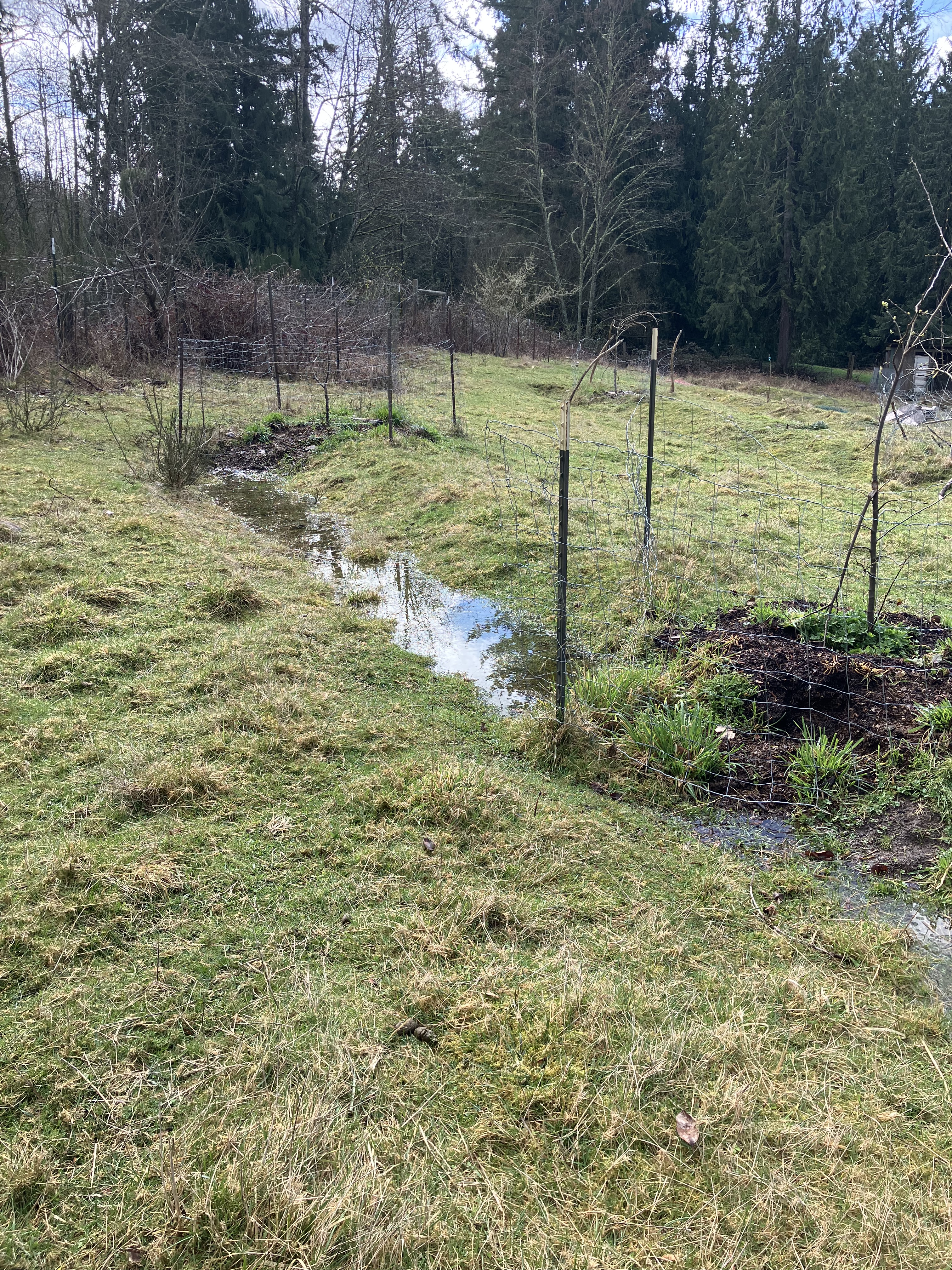
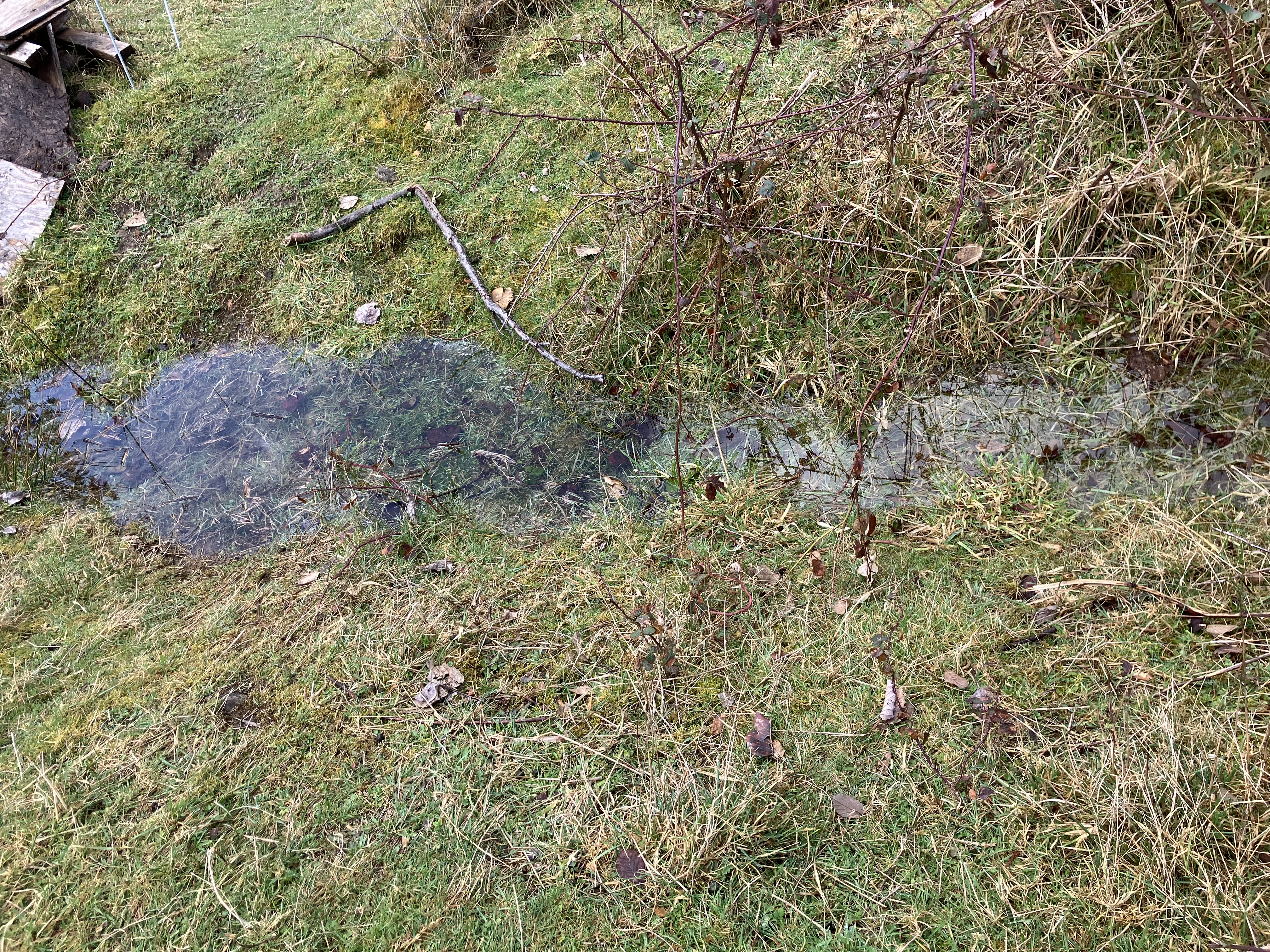
Our swales are one of the most simple ways to slow, sink, and store water. Above you see a swale at work with recent rains. The water can sit and slowly sink into the ground, moving down hill towards the young fruit trees establishing on the mound down hill. Other than initial earthworks, done in a few days after a year of planning, this system is self sustaining and crucial to keeping the forest alive as it slowly returns. This water will also make it’s way down into the aquifer, which feeds the well on this ridge. With all the housing developments down the hill from this farm, much of the water that used to sink in on this ridge in the once complex old growth temperate rainforests, which are now completely gone, now spills down and away along road ditches to the ocean beyond, lowering out potable water table until wells run dry. The housing developments below are unconcerned, because they rely on city water- like so many today. The corporate nation dreams of the day it can fully privatize water, which, though a fundamental human necessity to survive, would make a great commodity on the markets- already does in bottled water. Our utilities are becoming more and more expensive, with less and less investment in the infrastructure and care needed to sustain the expanding construction to keep up with housing shortages. So, it’s good to keep a well and work to keep the water where it falls- or nearby enough to support the living vegetation also crucial for our survival as a species.

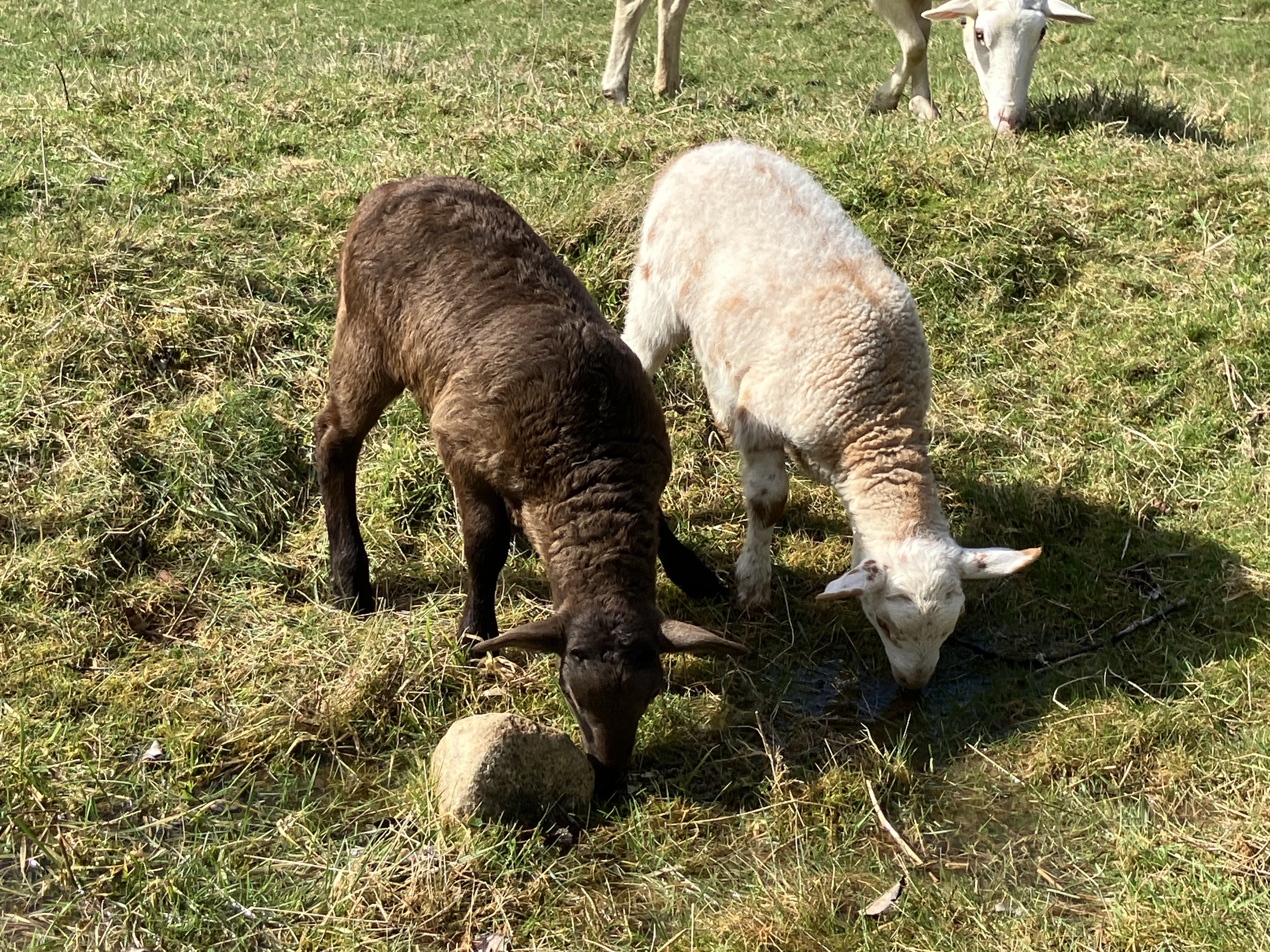
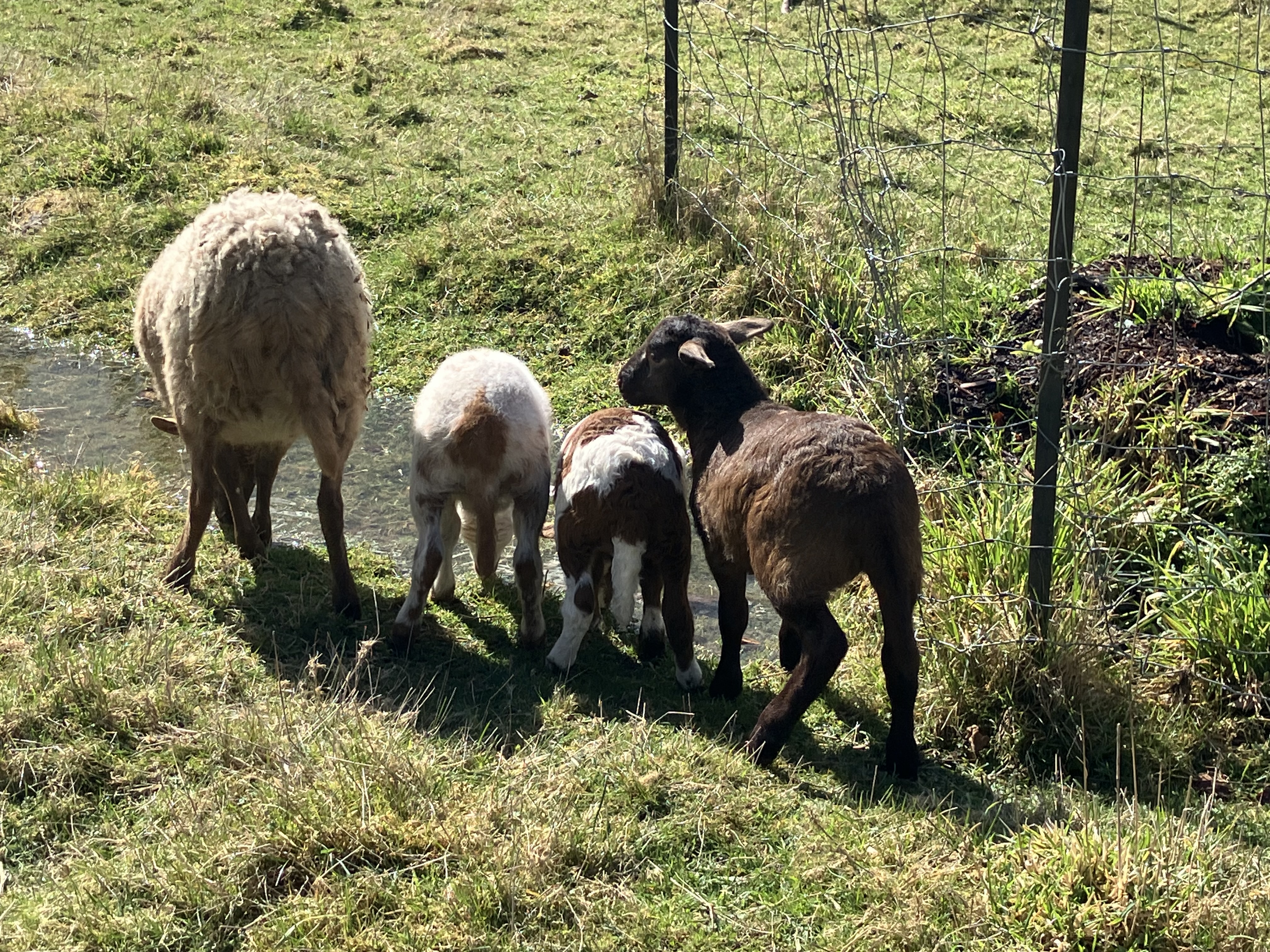
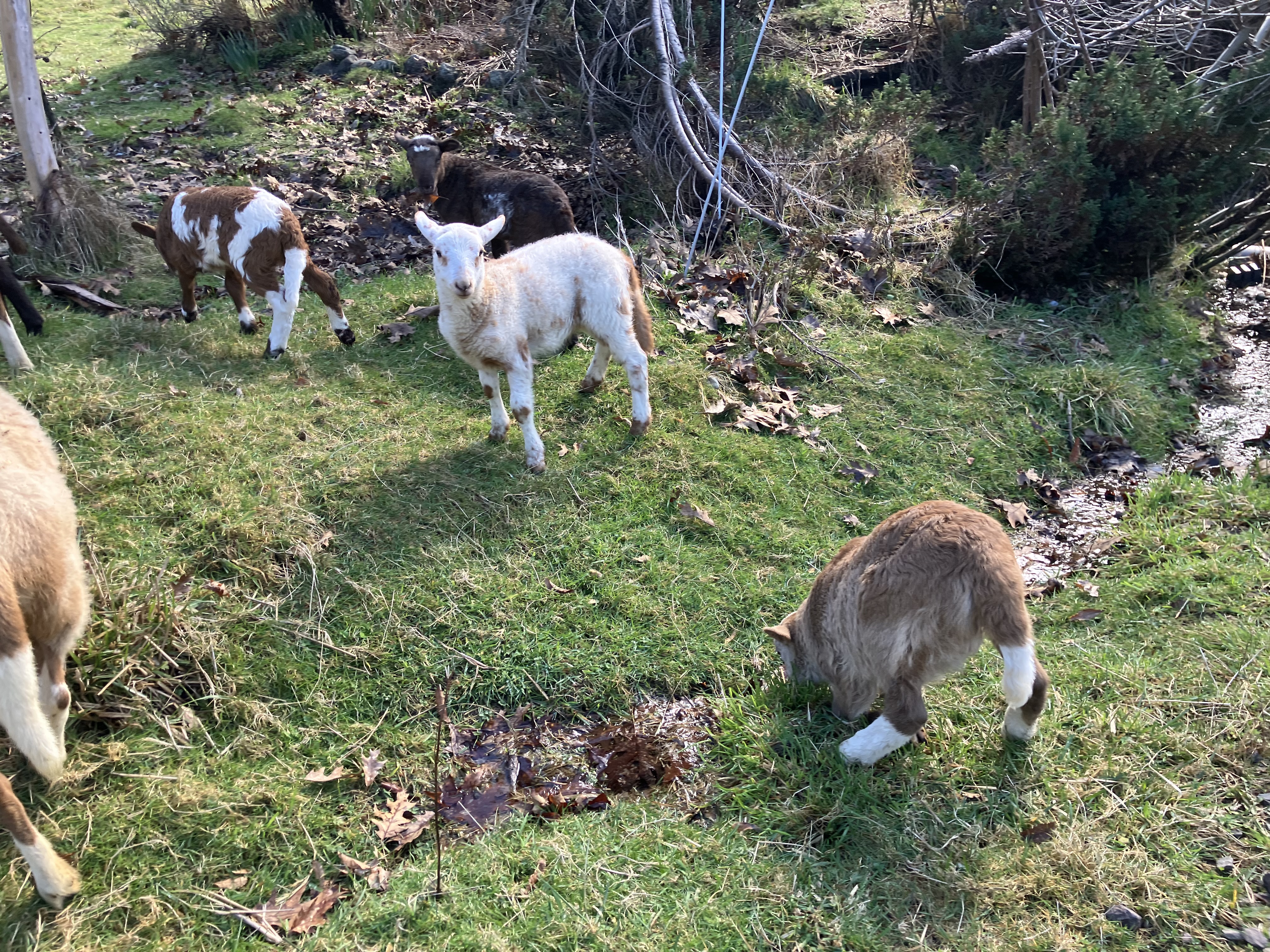
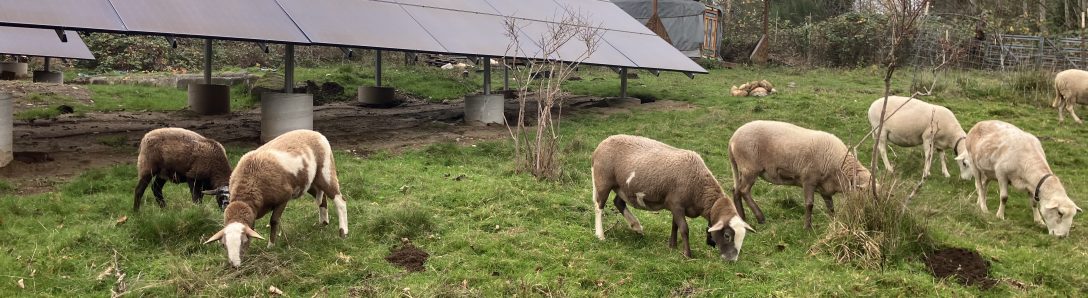
When there are major rain events, like the nearly 1/2 inch that fell the night before these pictures were taken, the water sometimes sits on the surface “day-lighting” for a day or two. Our sheep and chickens, as well as the geese, enjoy the fresh water to drink and play in. Some of the water is directed into catchments. There are a number of pipes under driveways and gardens which lead to our central water feature- the pond. With years of observation come smart design with nature. After reading the water running across the land for many seasons, it becomes easy to make a smart water plan for catchment. I’ve even added more design over time, after the initial implementation of earthworks. Having a machine do so much of the digging at the start is helpful, but takes some planning and investment. The rewards are endless, because once you’ve set the design in place, the rest of the work is passive and free.

One of the most recent redirects implemented at EEC goes from a rain garden wetland habitat, down a driveway, around the back of the pole barn, and into the pond. For almost a decade I watched a stream of water heading down the driveway and on down past the barns, along an access road to the back pasture. It was starting to cut into the road as it picked up speed down hill. By redirecting the flow at the top of the hill, the erosion was not only stopped, but more water then went to the pond during major rain events. We’re now catching even more surface water to slow and sink for the aquifer, and forest below. The pond is not sealed, so water can slowly seep into the ground. The pond does remain year round, and there are fish living in this modest waterscape. The system has yet to fill the pond high enough to actually top the outflow, but having two input pipes should bring us closer to that goal. Stay tuned for our next major flooding event.

Tree Island Build

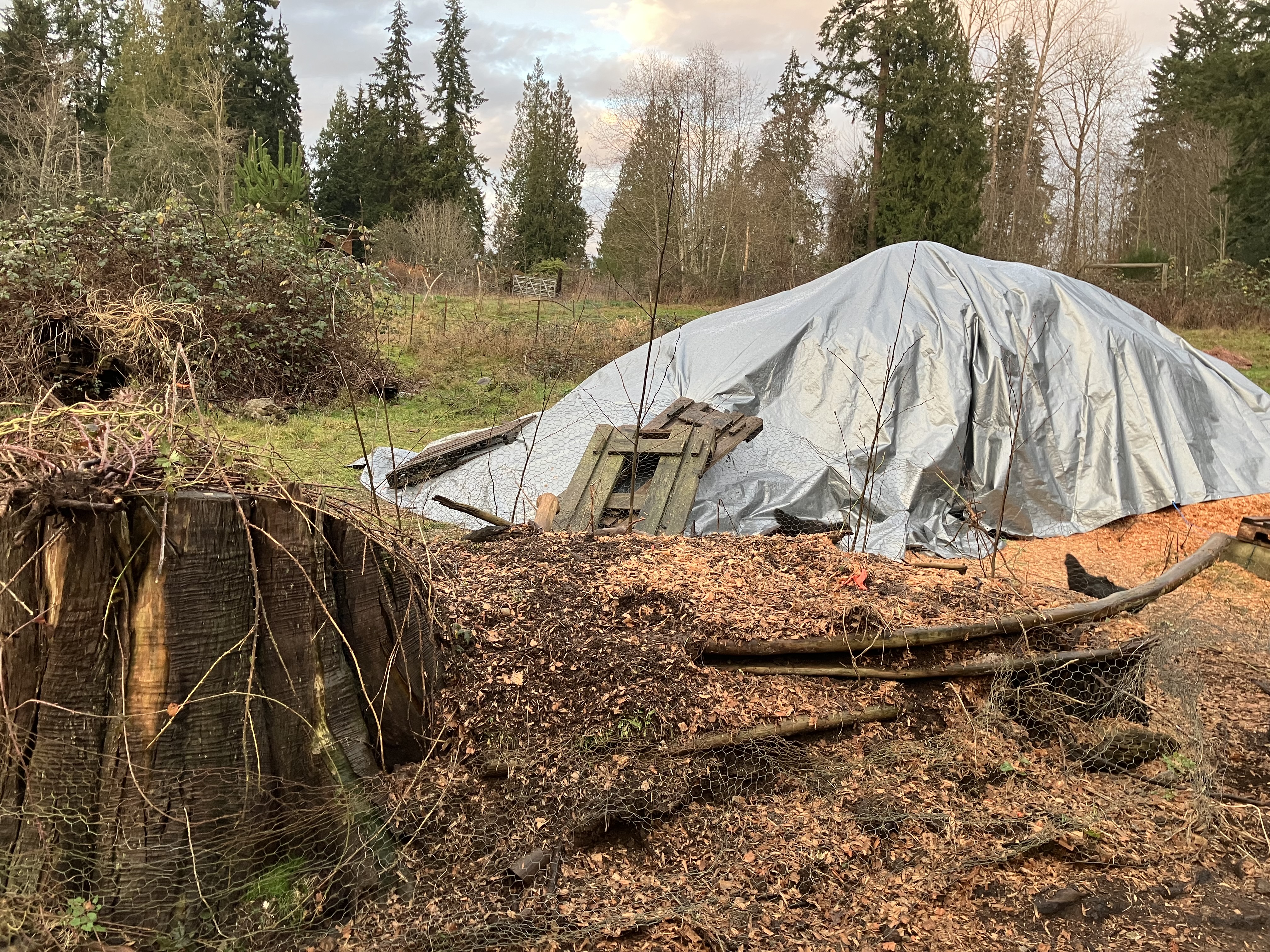
It was a late fall day and I had a bucket of native plants that needed a new home. A few days earlier I’d been on my driveway pulling up all the young alder trees to re-home them away from main thruways. Now I had a combination of canopy and understory plants that were ready to put back in the soil in there forever home. I’d been eyeing one of my worm cities as a possible location. It had some good legacy stumps and banked fertility in some piled compost of sheep barn bedding which had been cooking down for over a year and was ready to host new plantings. I was going to shovel the whole thing into the bed of my truck to transport across the property to another raised bed that needed some topsoil. Then I thought about how much work that would be, and decided to bring the plants there and make a nice tree island.

A tree island is my name for a small cluster of trees holding a little island forest habitat, surrounded by open pasture. One might call it a grove, but I like the idea of an island of raised habitat on the landscape. To prep the “bed” I turned the surrounding soil up onto the old pile until there was a substantial mound. Then I planted the shorter understory plants on the south side, mulching them with some shavings. It’s important to keep track of young plantings if you can. I use bright orange flagging tape to show where things are. I also snuck a couple of oaks in for long term growth. On the north side of the mound I transplanted the red alders from the road. They are already over head height in stature, and will easily keep above the smaller plantings as everything sets. It certainly transformed a muddy stack into a beautiful bed of young native plantings that are sure to add layers of vegetation, diversity in ecology, and change in terrain for the eye, to name a few benefits of establishing a tree island.

This is also a berm, well drained in flood months, yet mulched to keep summer sun off the soil. More layers of animal bedding that is nitrogen cold, will be spread in lower outer rings to be turned into more compost as soil builds. alders will be thinned and even pleachered to allow sunlight north of the mound where other swales and more established tree islands are set and growing for a decade. The south facing hillside gently slopes on the north end of the property, so I’ve planned sun isles through the future standards that will litter the upper pasture and main living area of the land. Oaks will eventually be harvested for wood heat, some acorn production similar to native hazel, and savanna silvopasture with deciduous nut and fruit trees dominating the canopy.

This tree island will host 20-30 years of alder and oak growth, while hosting long term hedge and shrub species for pollination and further starvation food wildlife habitat. Our chickens will use the young stands as shelter and as summer clutch rearing habitat until chickens are phased out of restoration plans for EEC Forest. Though chickens are a jungle fowl, avian flu and other bird carried pathogens in our area might cause the necessary culling of flocks if infected. Leafhopper will comply with any state mandates, but if our animals are slaughtered, we will not plan future production livestock and phase towards total rewilding sooner in the 60 year lifetime plan of my direct work with this landscape, in hopes of cleaner air, soil, and water for future generations of all living things.

These tree islands will thrive and grow with or without human tending, in a succession stand of oak savanna, the most successful forest in this soil, with the glacial till drainage, and sloping topography. Layers of slide alder, hazel, and in seasonally flooded areas of the land, willow to root long term understory deciduous drought resistant hundred year canopy return. There are enough maturing trees already on sight to produce native coniferous species as long as current climate allows. That’s where I try not to scry the future few hundred years with too much confidence. Soil building takes thousands of years, in which time, for this rather active geologic web of tectonic sudden upheaval and strata volcanic presence invites. Paring that with exponential climate instability with the not so subtle storms of wind and water, drought and fire to uncharted ferocity akin to fears of AI.

The weather is happening in real time, and when it’s privatized by that shadow cabal known as prosperity to the few at the cost of the many, we’d all earn some ancestral wisdom in looking up at the sky, watching the light, clouds, wind, and colors of seasonal shifts and nature’s language of entropy, which is usually experienced by us as slow and uneventful- most of the time. Hopefully the trees survive into some forest cover, and nuts offer food source that even humans can eat. This tree is fire friendly, drought tolerant, and could fend off blackberry with chemical warfare. They are spaced well from the long term establishment of understory shrubs planted in the island ecology. Mock orange and service berry are drought tolerant, also friends of fire, and offer food, materials, and medicine. Together, these plant companions will establish a long term cooperative adaptation, and provide layers of abundance and regeneration for the landscape through all of nature’s change.