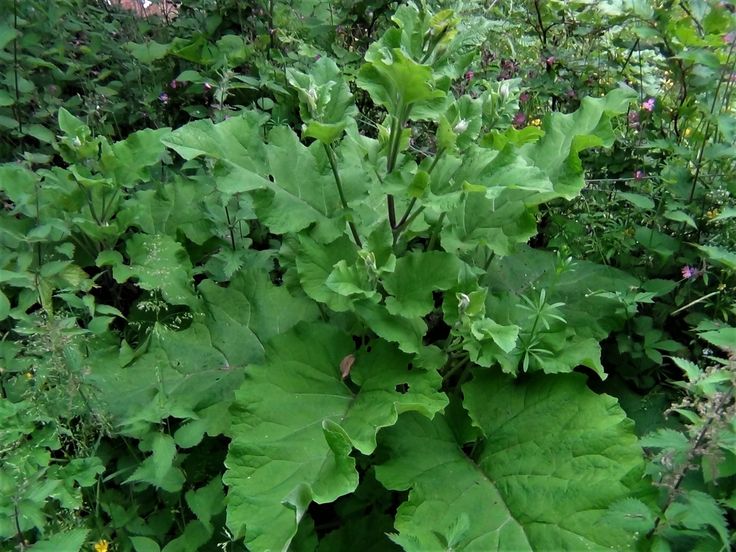
It’s summer here at EEC Forest Stewardship and the zenith of vegetative growth has peaked with the sun’s light. Every morning, when I step outside, the scent of my thriving jasmine vine overcomes the senses. It’s one of my favorite summer gifts, the scent of so many flowering shrubs. Mock orange is also turning heads. My farm tours end up gravitating to them as we walk around. People ask, “what’s that amazing smell?” The unassuming white flowers compel our attention. There are some less enthusiastic white flowers- bind weed (morning glory) being the most insidious, but they don’t have a smell to draw us in. In the fruit tree canopy, cherries are ripe, apples are slowly growing and taking on their blush of red, and yarrow has flushed out in it’s own white foaming ground-cover. The atmosphere is alive and thriving, with lush green leaves broadly shading around the edges of otherwise evergreen forest. The dark mossy understory continued to hum with pollinators buzzing about, ants carrying the world into the soil and layers below our site.
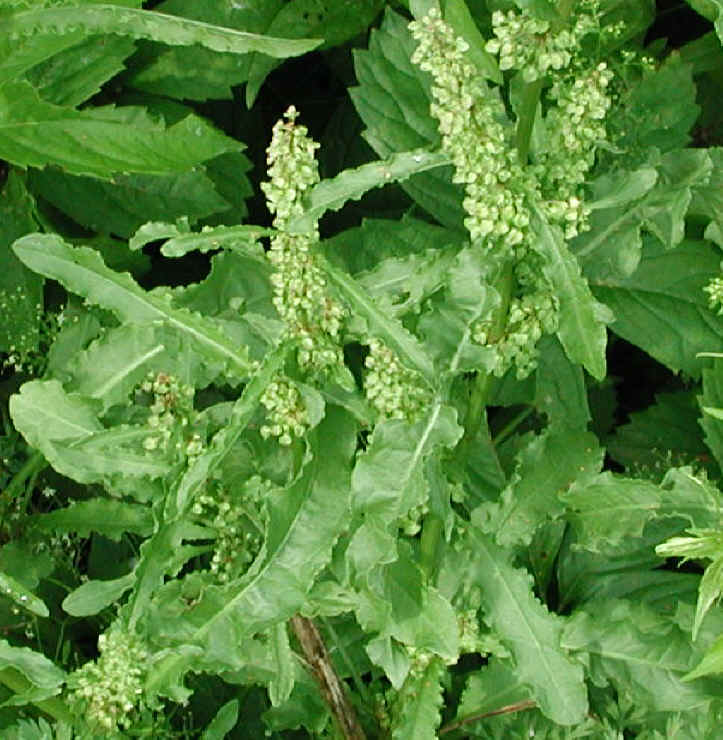
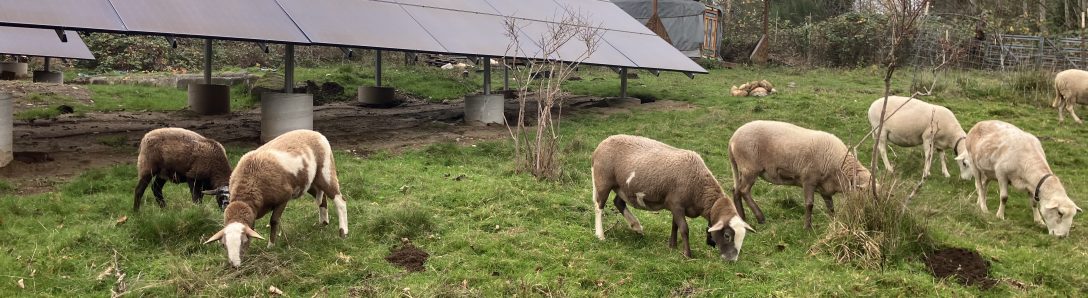
I fold into these working systems with shears and a shovel. There are still lurking invasives to pull out of the order. Canadian thistle, Scottish thistle, and the morning glory all have to go before seeding out another generation of work for my heavily gloved hands. Sharp thistle spines are hard to get out of the skin, and an irritant latex sap pours out of the bindweed while I pull back the choking vines to let my garden breath. Always wash you hands after gardening. The fast growing pasture has compelled the sheep to eat well, and recent rains gave everything a boost. I’ve even got my ram back into the rotation, tethering him along the fence line where he easily takes care of the edges and cleans up around the gate to give the farm’s entrance that manicured feel. A chuckle escapes me as I write this, because manicured might be too formal a phrase for this operation. I don’t own a lawnmower, but the weed wacker is activated to keep summer growth off the buildings and out of the major walk ways. Sheep can’t graze around electrical wires or human access points, so mechanical means are implemented.
The cedar waxwings are back- feasting on twin berry in a stand I planted about eight years ago. The plants were once knee high, and now reach towards a third story height overhead. Establishment is good for the ground, and wildlife. Shade protects the vulnerable understory, while offering shelter to winged ones and some small mammals that manage to avoid our cats. I’ve been finding more shrews and voles dead along the path, and have taken to shunning the young cats when they try to show off such needless kills. When a mouse shows up, praise is applied liberally, and if a rat ever joins the count, I’ll be ecstatic. No rodent sign at the barn- Lucia, our oldest and wisest queen stands alone in all her black cat glory. She circles the grain room on patrol, and teams up with me to check the hay loft before feeding the poultry each morning. All is well here in the chicken coop too.
Eggs are in full production. I gather eight to ten a day as the hens come into their own. The younger pullets have grown to maturity, though I miss there smaller “first try” eggs. A younger rooster begins his crackled crowing, far less acoustical than his father’s full throated call. They are all drowned out by geese cackling at me to feed already. A row of ten gaggle around to receive their daily grain. Momma goose and father gander look a little overwhelmed as their clutch of 8 grows on into fully realized birds. I’ve fenced off the pond to keep out the hoard, but waterfowl must have some consolation, so I’m getting a kitty pool for the kids. Overcast skies teas us with a hint of rain, but the ground speaks to our continued drought. None of the birds will be getting a shower today, and that goes for the livestock guardian dogs too. They never bath, water is a deterrent- I think I could build a mote to keep them in. Big dogs don’t swim, they strut along the fence line reminding would be intruders that a pair of fine protectors are on guard. I’m so thankful for security.
Black capped raspberries are ripe and falling off the vine. I pick all I can and they still outpace me. Red raspberries are also ripe and ready for picking. Though much more modest in scope, they offer about a hand full each day when I walk by, which is enough treat for me to reach for them. This fruit is for immediate eating, not packaging and sending off. The literal fruits of my labors each year. I am grateful for the sweet treats along the way. Blueberries are not ripe yet, but the branches are filling up with young fruit, signaling a good year for the bushes. July will bring peaches too, and our tree is hanging low with its future bounty. The apples I mentioned earlier also look well, perhaps a mast year. I can’t say the same for pears, though there are many on the branch, we’ll see if they make it to maturity. Fruit trees do shed abundance before it ripens, if there is not enough water to spare. Most plants accommodate the weather to survive, and it’s going to get hotter as the summer progresses.
All this comes from being outside. I try to be in the middle of everything, seeing the changes all around, adjusting my own planting and harvesting to match the living world, which compels us to respond. I wonder how many people are trapped inside- inside themselves too. Stepping outside helps us gain perspective, breath the air and know if it’s healthy or not. For so many, the very breath they take invited toxins into the body. But that’s hippy dippy talk right? America first- at 250, what a site. We’ve been riding this circle of independence for so long now, without realizing it’s a merry go round. That’s not to say this great experiment is not profound. I’m lucky to be a citizen- or am I? Not sure what to think of country, just living in the freedoms my ancestors fought and died to protect. That’s the narrative, and my success is based off of such understandings. I don’t have to pass it on though. My bones will return to the earth and I will rest in peace some day. In the mean time, I’m able to sleep through most nights without incident, and survive into another day. That’s a miracle.
The dawn chorus continues, each bird following it’s original instructions to sing, fly, eat insects, glean seeds and spread them to make new trees and forest- even if it’s holly dominant down the road. Worms still crawl along through the soil, aerating and arranging minerals to help the plants grow- though again, invasives are also destroying our native forests. No matter how much hype about these damaging species comes, I still can’t help but observe that humans do the most damage all around. Perhaps if people were stepping outside more often, they would see and appreciate the natural world, rather than trying to dominate her. Yes, there is a parallel to misogyny and mother earth. Echos of man’s abuse to the environment continue through the generations to come. Put that in your pipe and smoke it. I’ll keep smelling the jasmine and picking cherries- life can be a bowl from time to time. Moderation in all things, or so I hear.