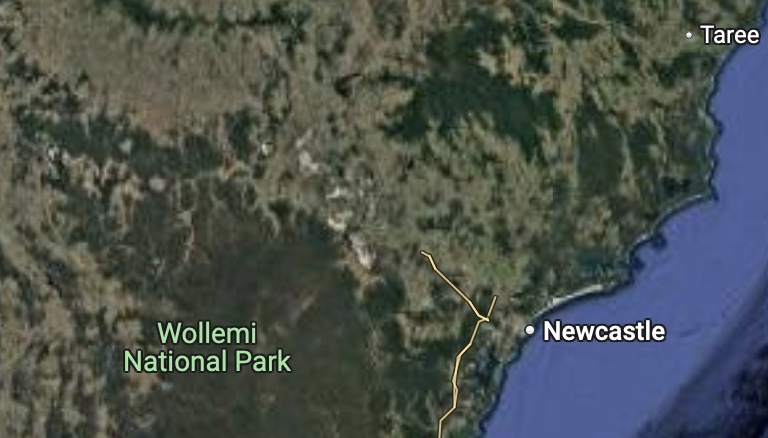
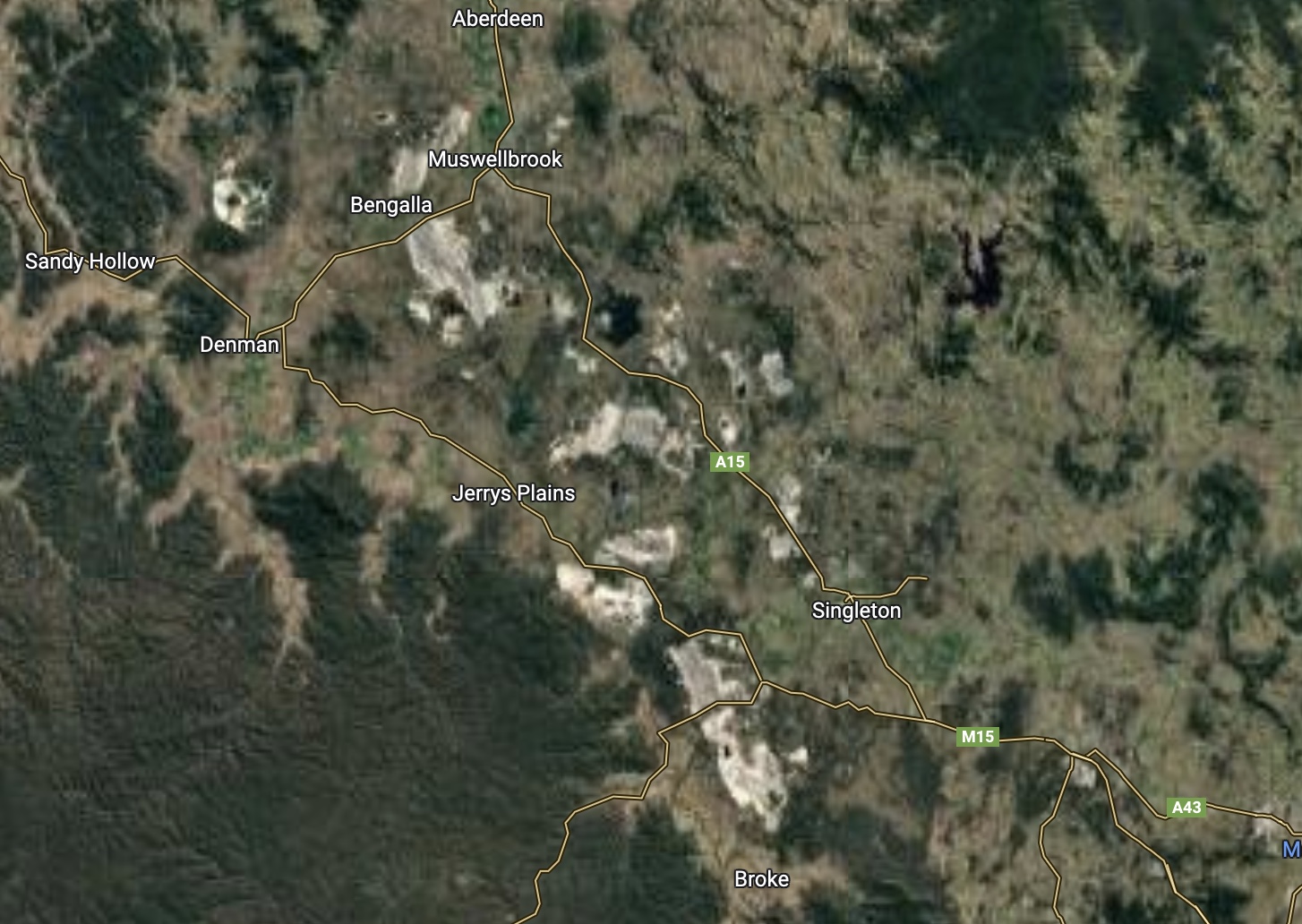
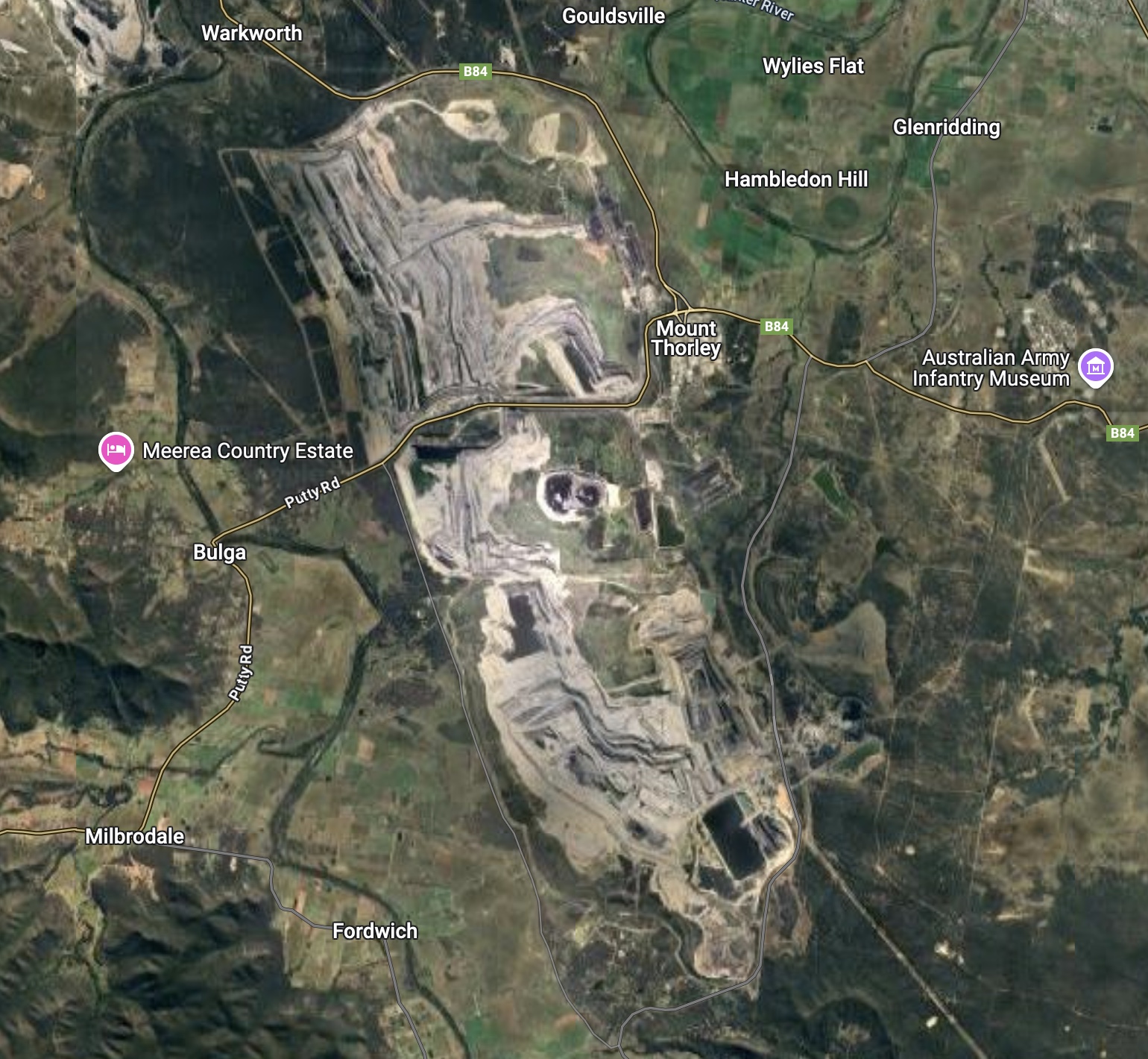
I’m reading Glenn Albrecht’s book: Earth Emotions New Words for a New World with an online book club led by Rowen White. She encourages new language to help us grasp the times we are living in. I approached this book with interest, and so far, the reading journey does not disappoint. In digging a little deeper into the author and his journey, I felt compelled because he pulled so much of the narrative I use in trying to grasp the current epoch: Anthropocene. The book helps transcend from this nightmarish necrophilia towards our planet, into a future of re-connection with place and the living world in The Symbiocene. He uses the example of his home in New South Whales Australia, in The Hunter Valley, where mining operations have destroyed much of the ecology and special places he knew and loved as a child. Though hard to fully comprehend, these mines are the largest active open face mines of their kind in the world- and many operate 24 hours a day. Below is a series of satellite photos of the mines- which you can see as white splotches from space.
This area is already stressed by drought and logging- which still goes on today. Massive wildfires in 2020 decimated much of the forests. Mining is not highly regulated in NSW, or much of Aulstrallia. There is a history of imposing colonial extraction throughout the continent. For Glenn, this experience with human destruction of environment continues to evolve as the mines grow, and neighbors once excited about the economic opportunities for the local economy, are now awestruck by the destruction and intrusion of industry into their lives. This story frames Albrecht’s concepts, as he takes us on a tough journey into phonetics, philosophy, and a collective thinking that bridges us from wanton destruction towards restoration and collaborative connection through place. The reading is thick, and I am looking at his concepts through many lenses to help me better understand how to reshape my own language towards Symbiocene. Earth Emotions tends to the lexicon with grounding stories of place, along with collected sources from around the world.
Albrecht’s argument for our individual choice in moving away from destructive, towards productive restoration and return to our ecology through community, grounds the idea of collective into daily action and vocabulary to evolve out of a society of fear and into direct connection with abundance through cooperation. Recognizing the complexities of life and how we as humans, part of this living world, live within ecological systems or parish in an artificial world of self-destruction. Both are happening at the same time. For the human psyche, this reading releases guilt, reshapes reality, and shines a little light on a future of harmony and refocusing on the finite time we have to thrive on this earth.
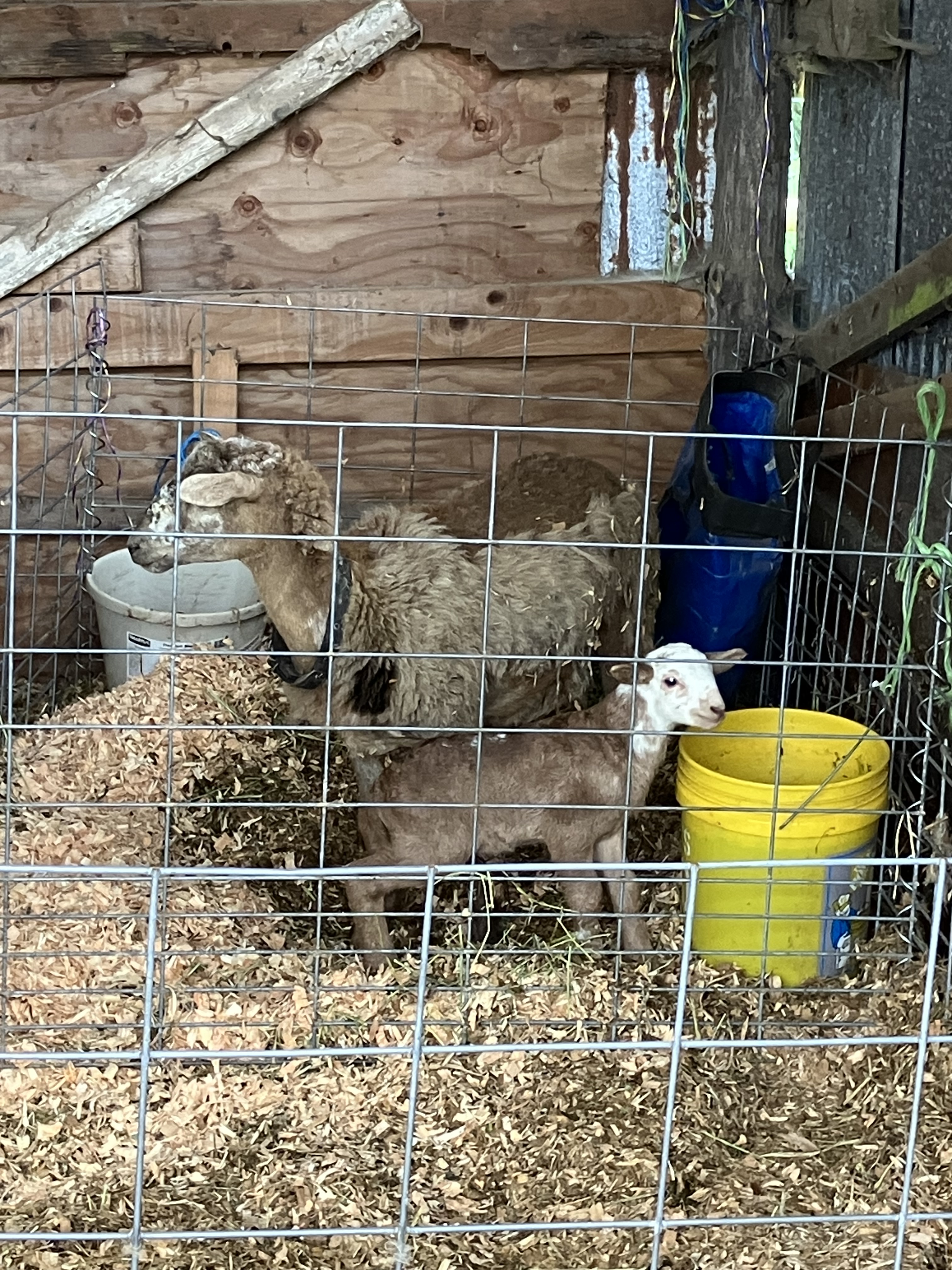
This is my first ecophilosophy read, and I recommend looking at other outside sources while reading this book- I’ve noted many in the text of this blog for a start. It’s refreshing to read in the direction of affirmation in my work, I was truly blown away at hearing so much familiar thinking, thus grounding my own vision of the world more soundly in an insane place. Excuse me now while I go feed the sheep and visit the newest lamb to our flock, Quern.
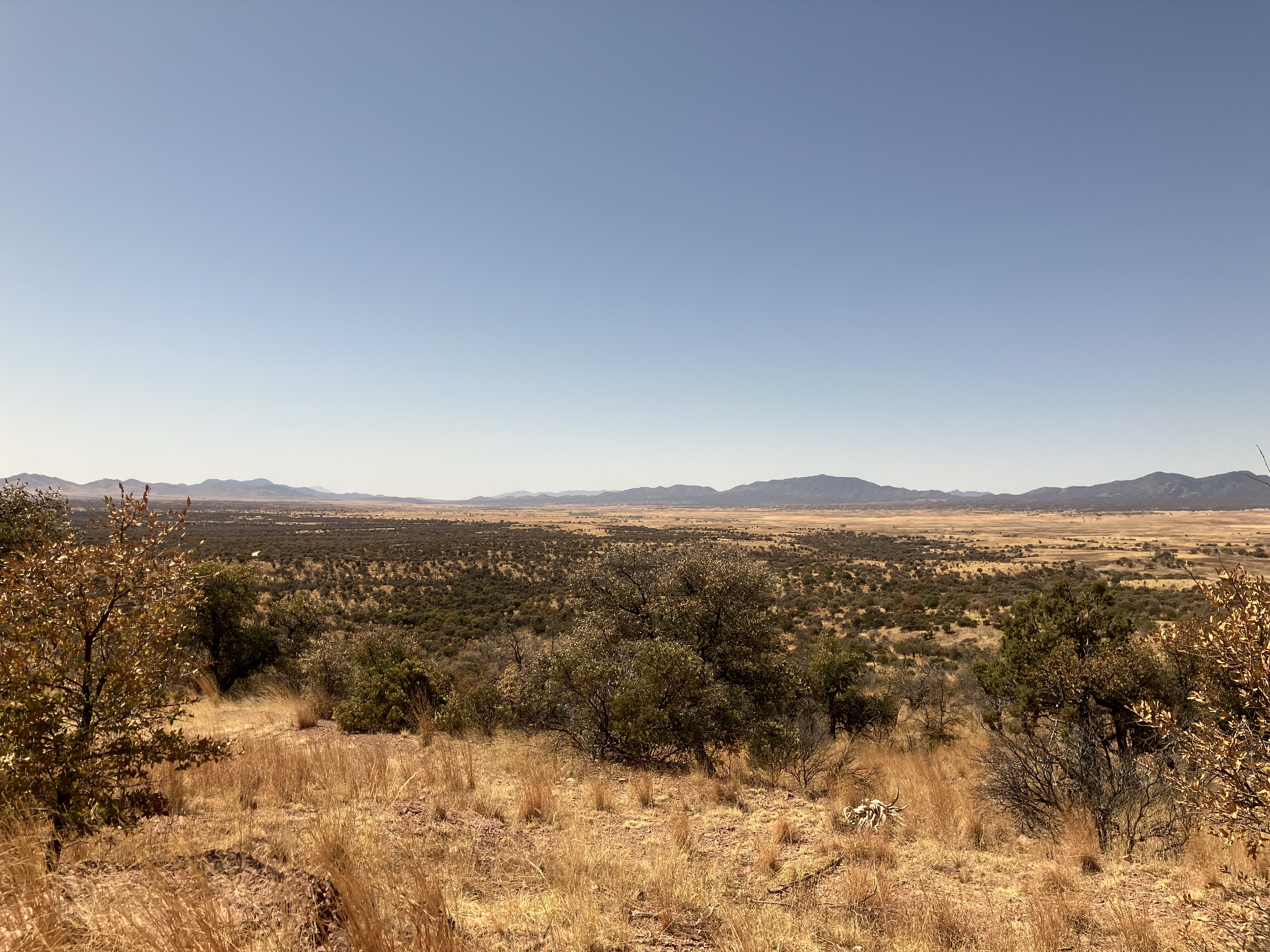
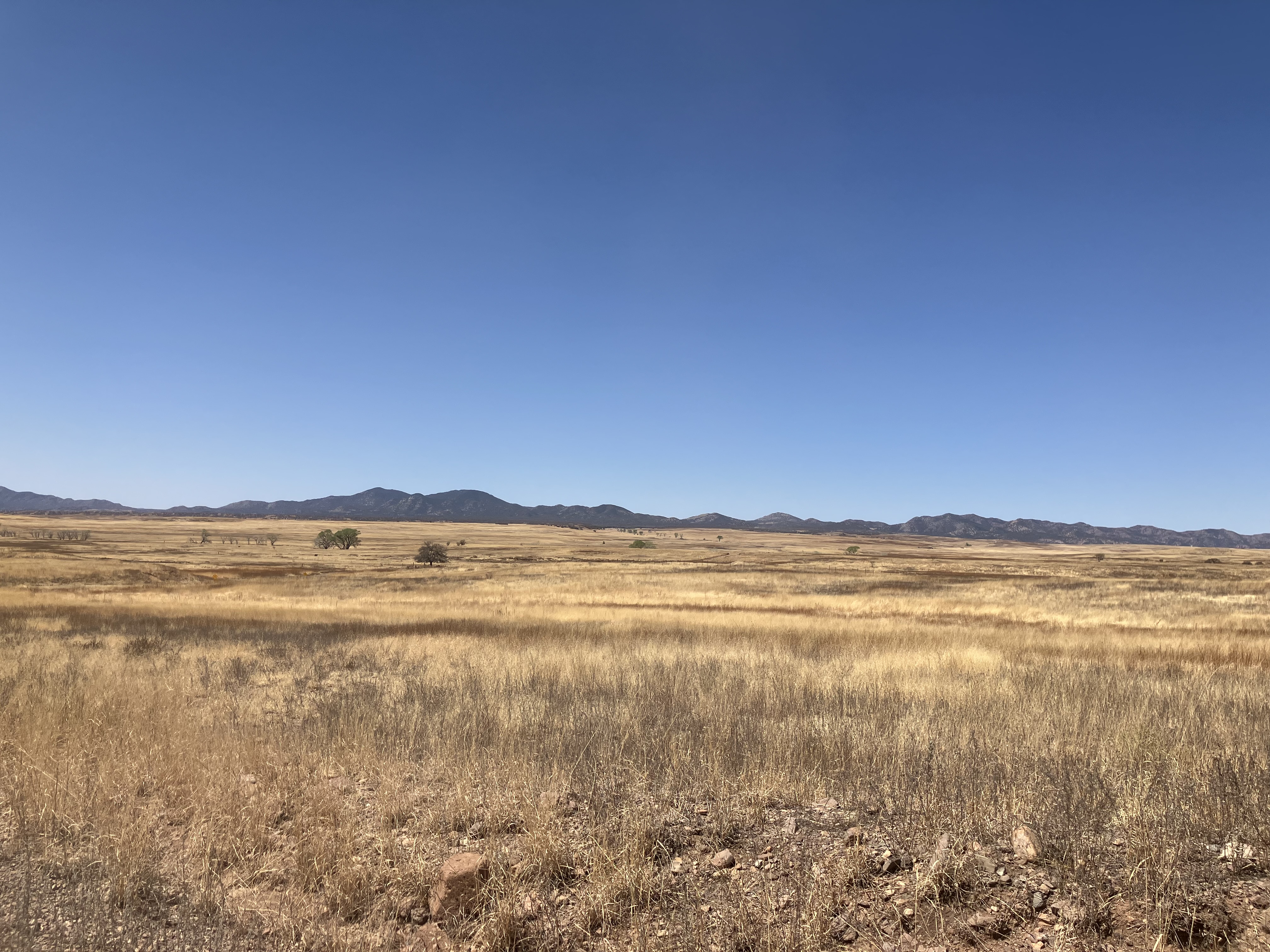
A rare chance away from the farm found me in Southern Arizona for a few days. I was lucky enough to get a road trip tour of The San Rafael Valley from my family Appy, who truly loves this special place. We started our day in Tucson AZ, which is a very different ecosystem of low desert cacti and mesquite. We then ascended several thousand feet, to about 5400′ through The Canelo Hills and down into the largest short grassland prairie left in North America. Even in April, temperatures rose into the nineties as we crested over the pass and down into the expansive plain. Oak now dominated what little canopy remained. Along the mostly dry creek beds, cottonwood towered, signaling seasonal flow in an otherwise bone dry landscape. Crackling yellow grasses bent in the breezes, rustling reminders of a record dry year for the state as a whole in 2025. Spring green is lost to the dormant browns and dust covered leather leaves that did remain on evergreen oaks.
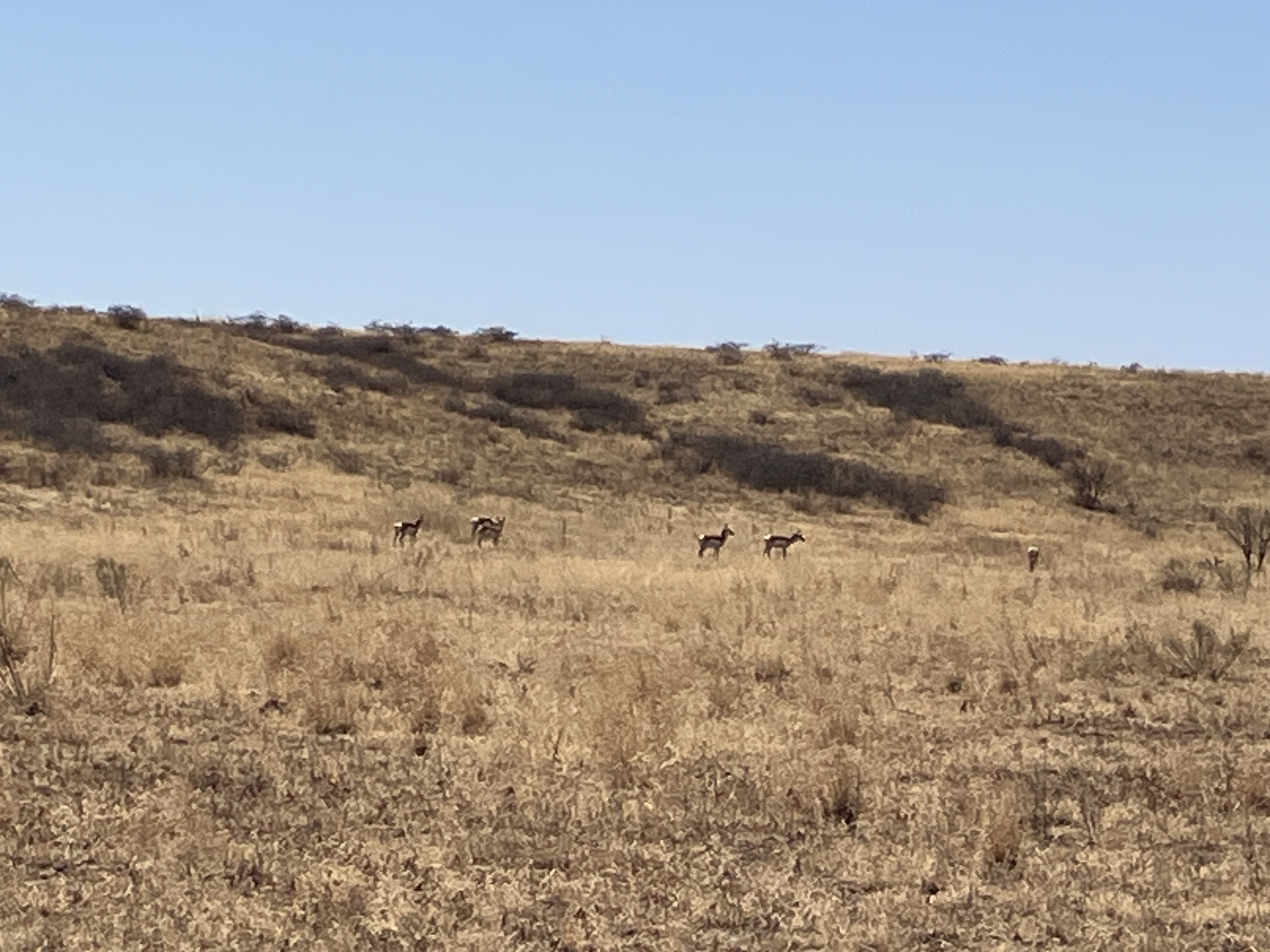
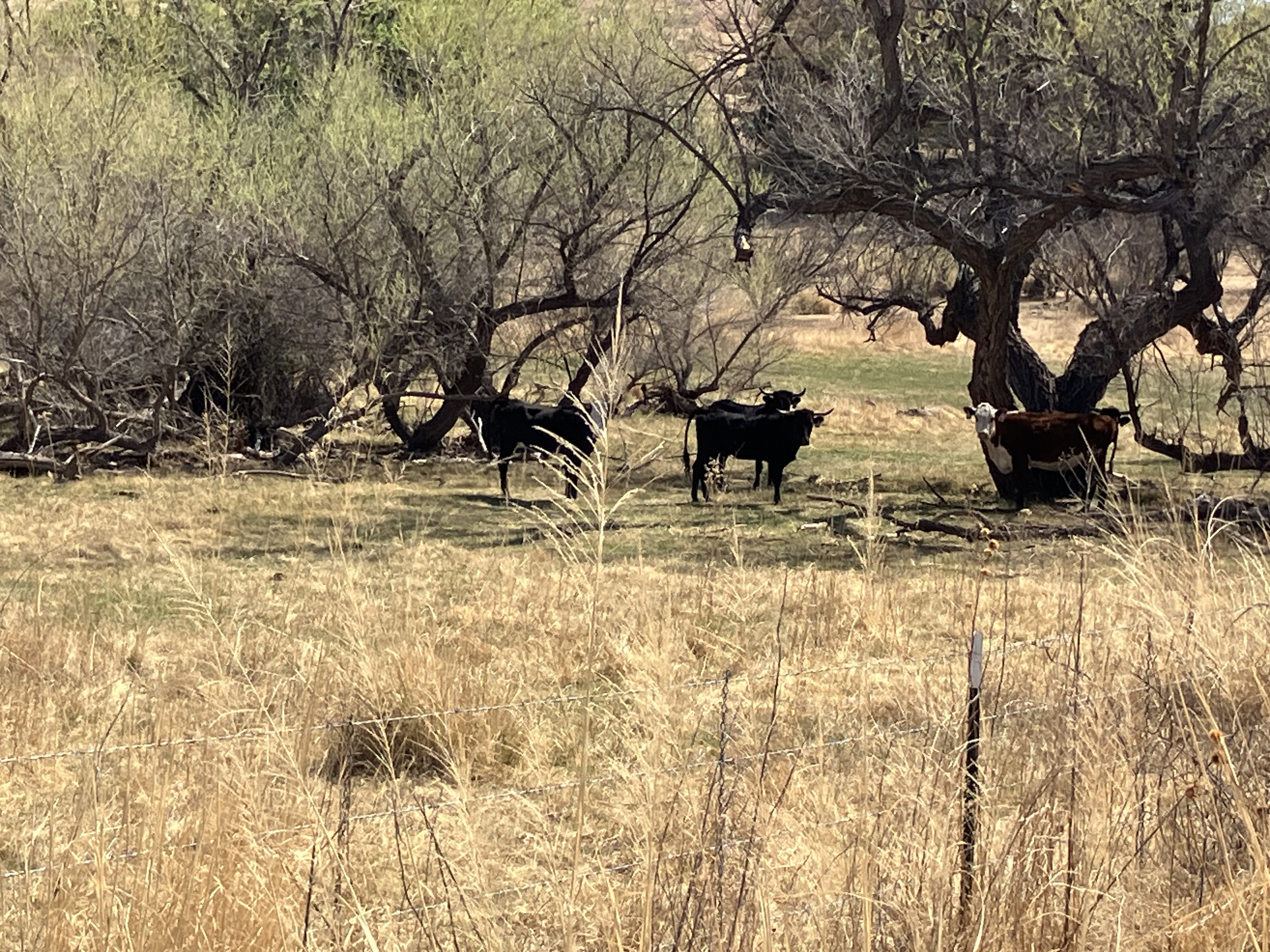
For the wilderness left within this State Natural Area, pickings are slim, but sign of life moving in search of better grazing remain present. On an landscape dominated by cattle, these pronghorn follow well trudged lines through the dead grasses in search of nutrition. Many fenced pastures show the worn signs of overgrazing. As I walked along the roadside for a moment, looking with binoculars at a blimp floating along the boarder with Mexico, I wondered who lived here before Colonial exploitation began. Chunks of chert lay about, I thought about how large the elk herds had once been, hunted by people in deep connection with these grasslands and the surrounding mountains. . Merriam Elk once ranged this area, until over hunting, overgrazing, and the influx of white men who founded the ranch legacies. We want so badly to romanticize these early Americana roots into good land stewards who took care of place, but exploitation remains the true legacy of cattlemen across this landscape, and the cows are still ruling these grasslands. No elk or tribes remain today and the conservation doubles down on that exclusion through private property trusts. There is some National Forest land to access, but much of the old ranch lands are still closed to the public.
If elk were reintroduced, the cattle removed, and some areas of oak groves fenced and protected for a few generations, we might see this valley as it once was, but for now, with cattle grazing, little protection for the young oaks- I only saw one, at it will be eaten by the cows later this year, and no discussion with the first peoples who once lived here and may still have some history to impart about care of the region, this place will remain a Colonial legacy of exploitation. Traditionally, the Jocom and Jano People lived here. They made tools from the chert, and moved around seasonally, like so many people who live closely with land. The Spanish Conquisdadors and their priests were the first non-natives to write about them in the 1600s. There is a 1990s study of historic land use in San Rafael Valley, but supposedly, no surviving Jocom or Jano people are available today to share their oral histories. I did find a National Park bit of writing that tries to bring more context to the area and liked what was said.
It’s a classic case for American History to only reach back into early Colonial records. People who think 100 years of settlement entitles them to ownership is a custom of Eurocentric thinking, which has been transferred into Americanisms that we think of as founding values, but they were imported customs of ownership by white men. Customs of the land owning the people are more in the direction of tribal thinking, though without living descendants of the first people in these landscapes, a complete picture of relationship between people and the landscapes they inhabited before Colonial contact remains difficult. I will confidently say that the land was abundant and thriving before cows, mining, and general explorative thinking arrived with The Spanish, and degradation continued with American ranching and mining settlement.
In the readings, colonial voices often describe “abandoned” village sites throughout the area. They were not abandoned, but merely fluid places of stay, which were utilized when the people were there, and then left for the next return. Understanding these assumptions made by early white arrivals helps us understand why, when the tribes returned to their seasonal larders, they found them ruined by settlers who created permanent place on the land, thus leaving it no time to recover between uses. This story plays out across America’s founding. I would be like Russian or China coming in to our national parks today saying- “those resources are just sitting there, abandoned- why not use them?”. In fact, there is a movement in America to reclaim those resources for our benefit, and you might one day see mining and cattle in Yellow Stone or Yosemite. Extraction thinking is all about taking something for nothing with no care of the surrounding impact. And yes, for anyone wondering, industrial mining continues in the area today.
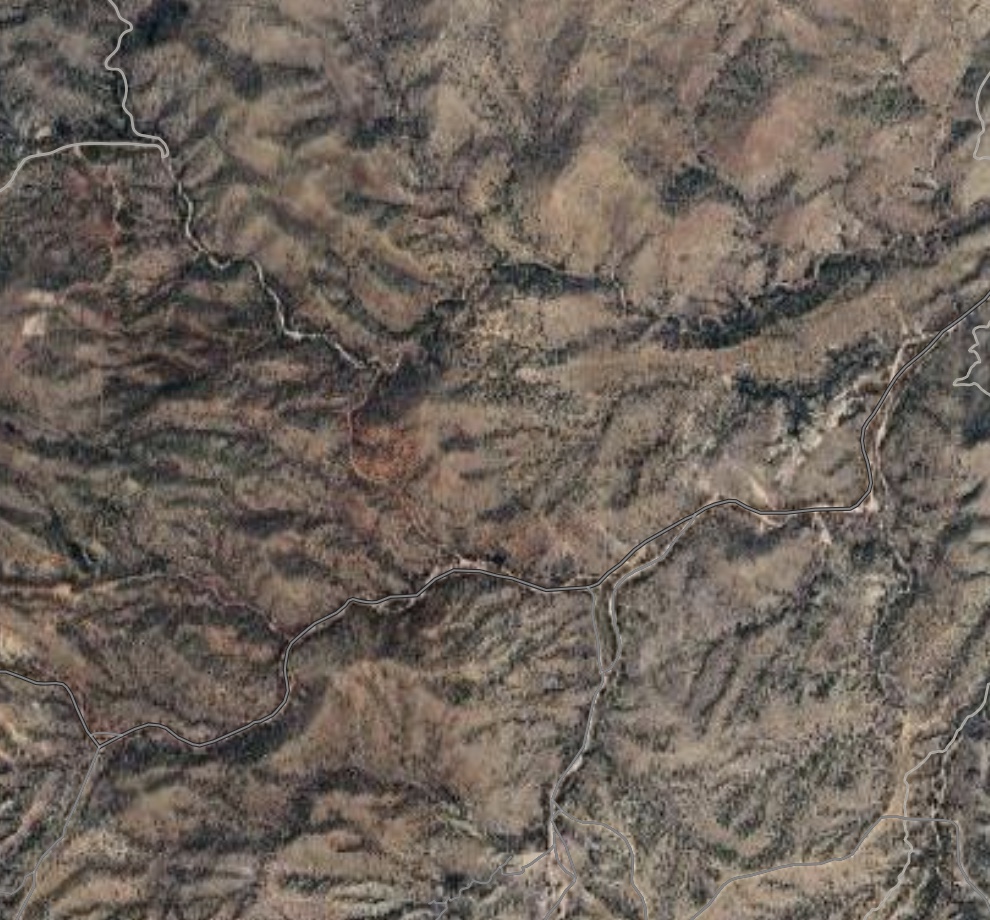
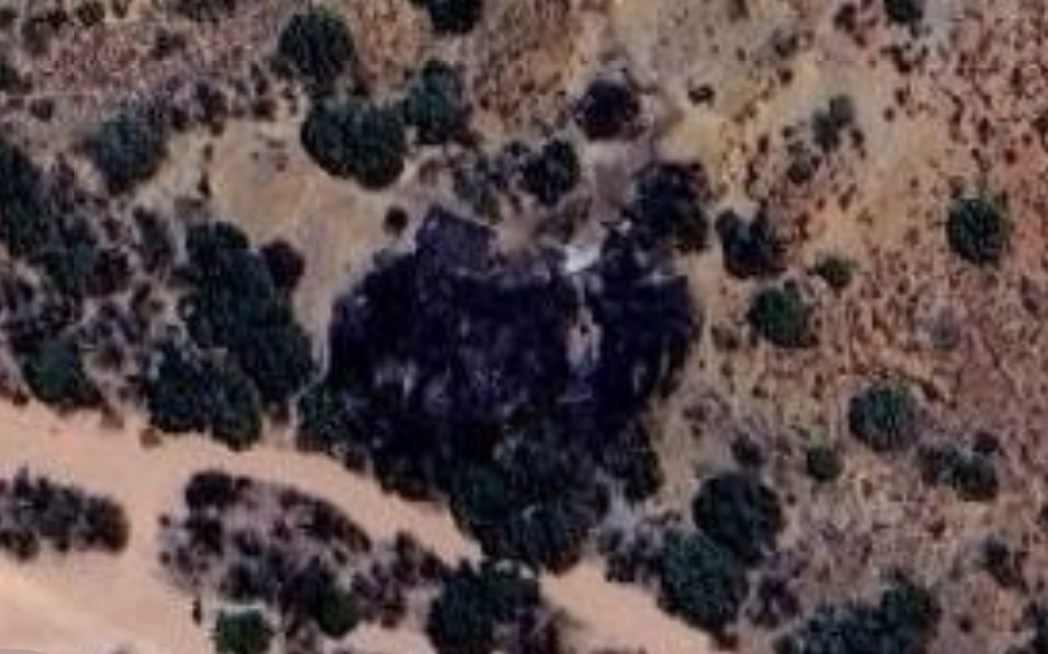
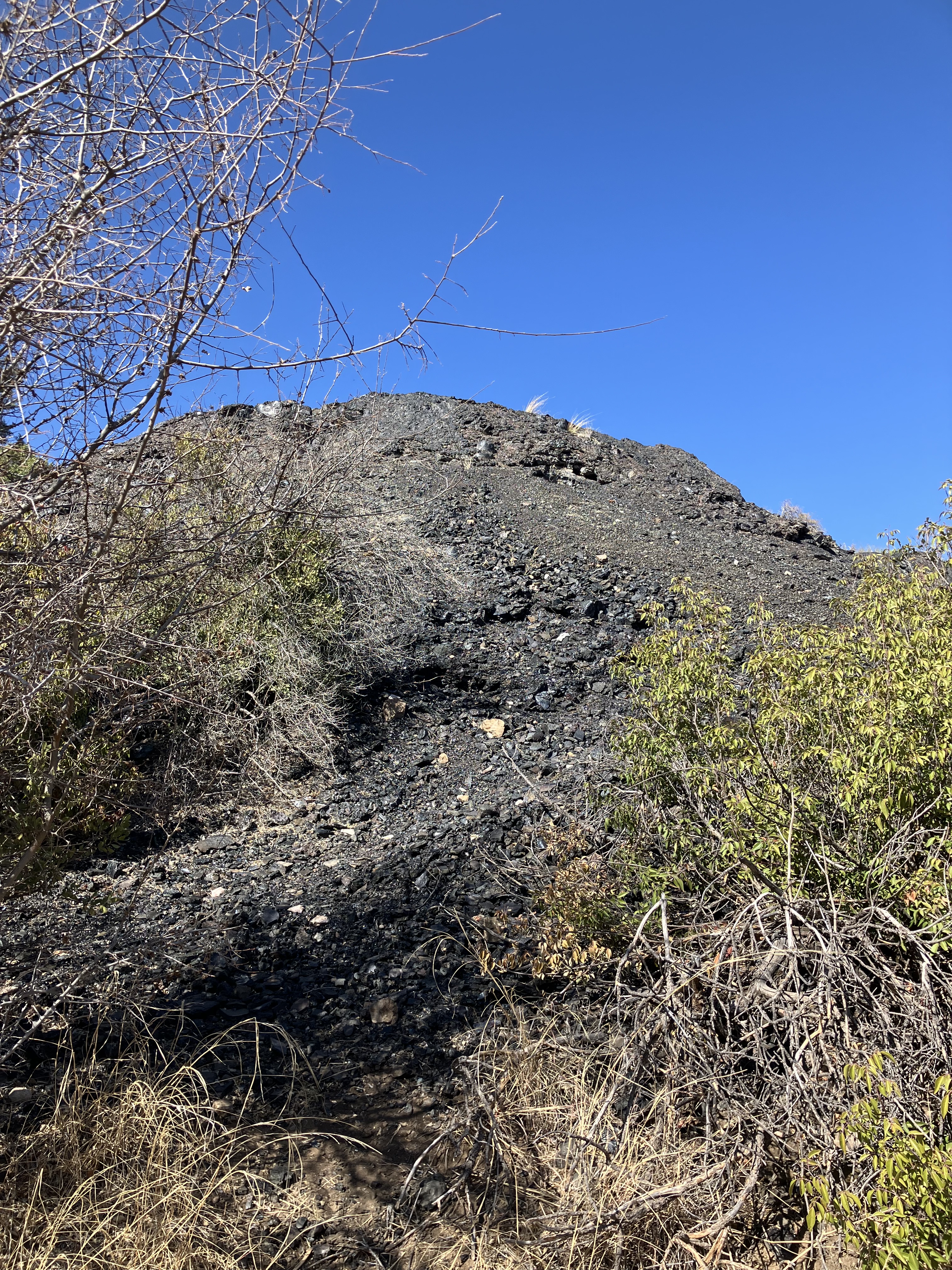
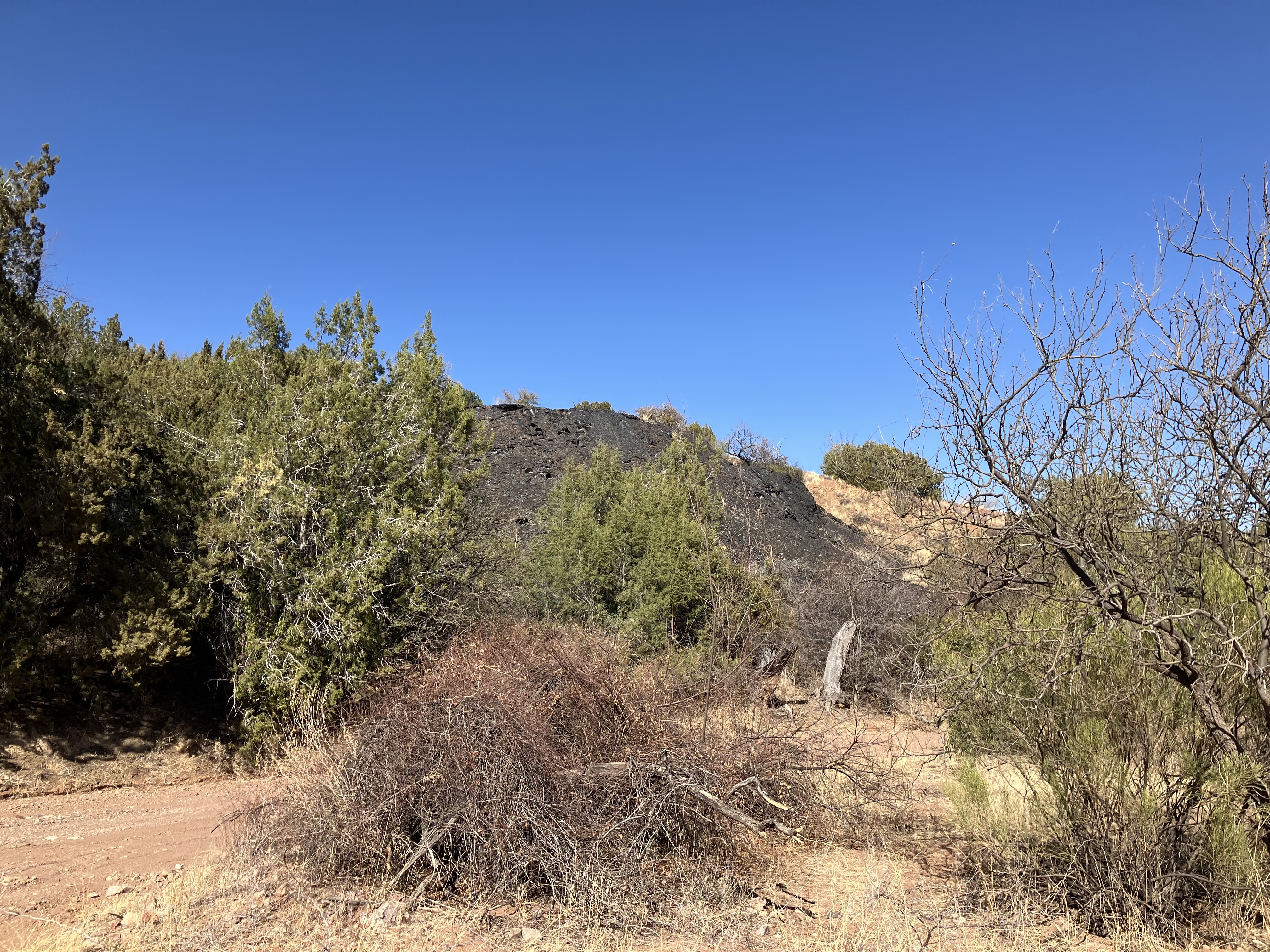
The drive was still a beautiful tour of some wonderful natural beauty. The rock hound in me was tracking all kinds of geology as we drove along. From red sand stone to limestone, there were many variations and colors in soil and sand. That’s part of why the mines are here too, but without any digging, there were plenty of amazing rocks and stones to enjoy. As we began our drive back to Tucson, there was one more off-roading adventure on a forest road that ended up being gated, so we turned around. As we drove back, I suddenly saw this towering pile of what looked like dis-guarded asphalt along the roadside. Looking closer, I realized it was not man made, but a natural outcrop of obsidian. Yes folks, we found a deposit of mahogany obsidian by the side of the road. I had a little freak out, then ran over and climbed into the glass to take in the wonder. It was my first obsidian find ever, and I was ecstatic. Below are some photos of this needle in a hay stack.
It was a wonderful way to top out the adventure. Though the glass in this outcrop is not pure, I’m sure if I came back with the right tools and protective gear, I could find some workable material. It was an honor to see this deposit and touch the magical stone from it’s formation. I did take a few samples- we were on national forest land and I am not reselling what I took, so it’s within legal bounds of pick up. I did leave some of my hair as a thank you for the rare gift of naturally formed glass. Mahogany obsidian is a great tool stone, and often used for arrow points and needles by stone age people. This stone forms when lava cools quickly, forming an igneous glass rock. Though chert is more likely to be found and used for tool making in this area, the obsidian would also make excellent points and be easier to work in some cases. I was thrilled to find it, and share the discovery with Appy. I’m mailing a few back to Washington in hopes of spending more time with this stone and maybe, shaping some tools. I’m not a great stone worker, but I do deeply appreciate the craft and the sharp blades which come from this sacred rock.
Visiting The San Rafael Valley and surrounding mountains was a great adventure day trip with family. It was a pleasant surprise to go from cacti to oak savanna in just a few hours of driving. The expansive grasslands and twisted oak trees scattered about captivated my imagination. I hope that in future, the land will continue to recover, inviting the return of flora and fauna that once called this place home.
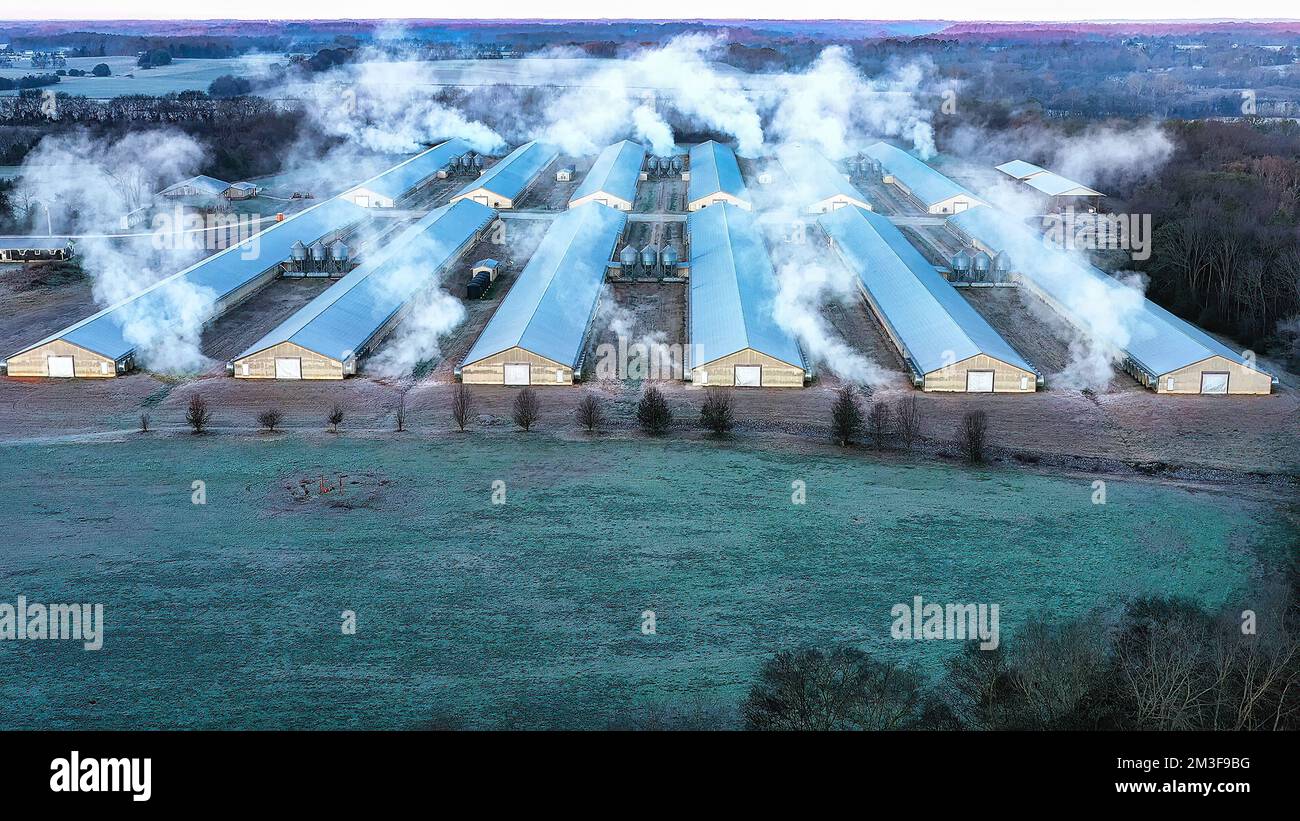
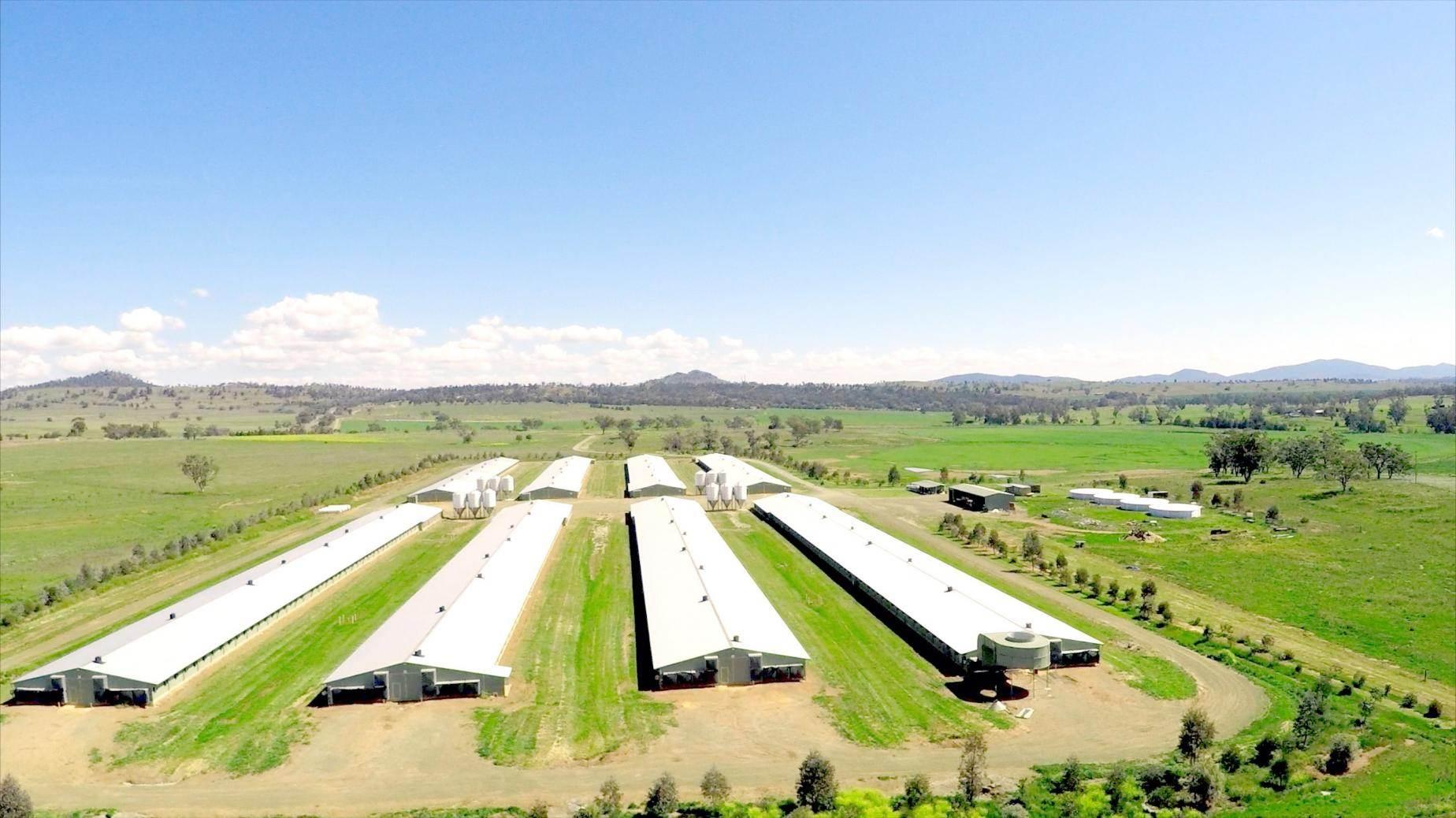
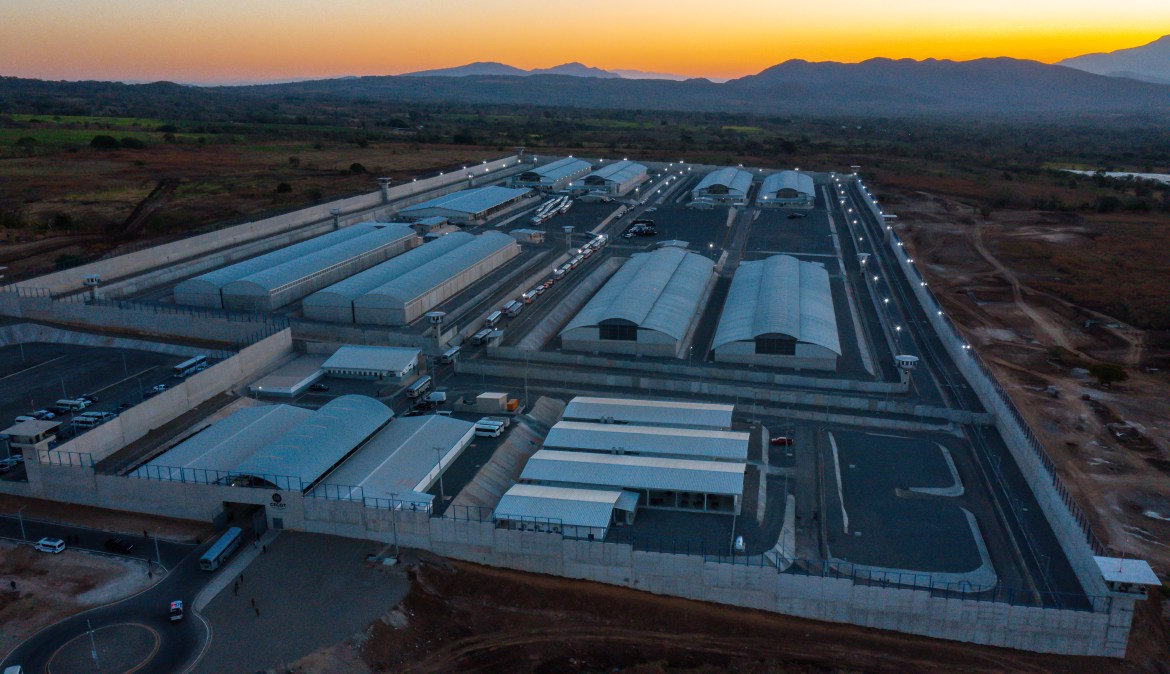
Take a few moments to look at these photos below. They all have one thing in common- mass containment of animals.
Now take an extra moment with the last in this series of six, bottom right. That’s a prison in El Salvador where people are abused, like the other animals in the structures above. Dense crowding, no hygienic services, death and disease stalk these habitats of confinement. None of these photos are what nature intended, none of them are sustainable, but they all make a profit. This is the industrialized animal system we’re buying into with our earnings. This is the technological advancement of controlling life. I’m just a shepherd, so it’s hard to put what’s going on into words, but this continued action dehumanizes us. We’ve become blind to our actions, dismissing responsibility, and supporting the global militarization and dominion which is the snake eating its own tail, our modern world.
We’ve convinced ourselves, in our very limited understandings, that order and structure are what’s needed to control for the sake of keeping the populace docile and complaisant. Dumbing down so you can build up fanatical loyalty through fear. Be scared of the other, that person/culture/religion you don’t know or understand, because you won’t question or explore, critical thinking went out the window, we’re all watching the show in Plato’s cave. How to get out? A little less news, a little more nature, some outside time, inward reflection, working with gifts, accepting compromise, realizing survival is about cooperation. There is endless possibility here, and some parts more active than others, but just like cycles in nature, there is a time to bloom, and a time to die back, sending the life force back underground to germinate another day.
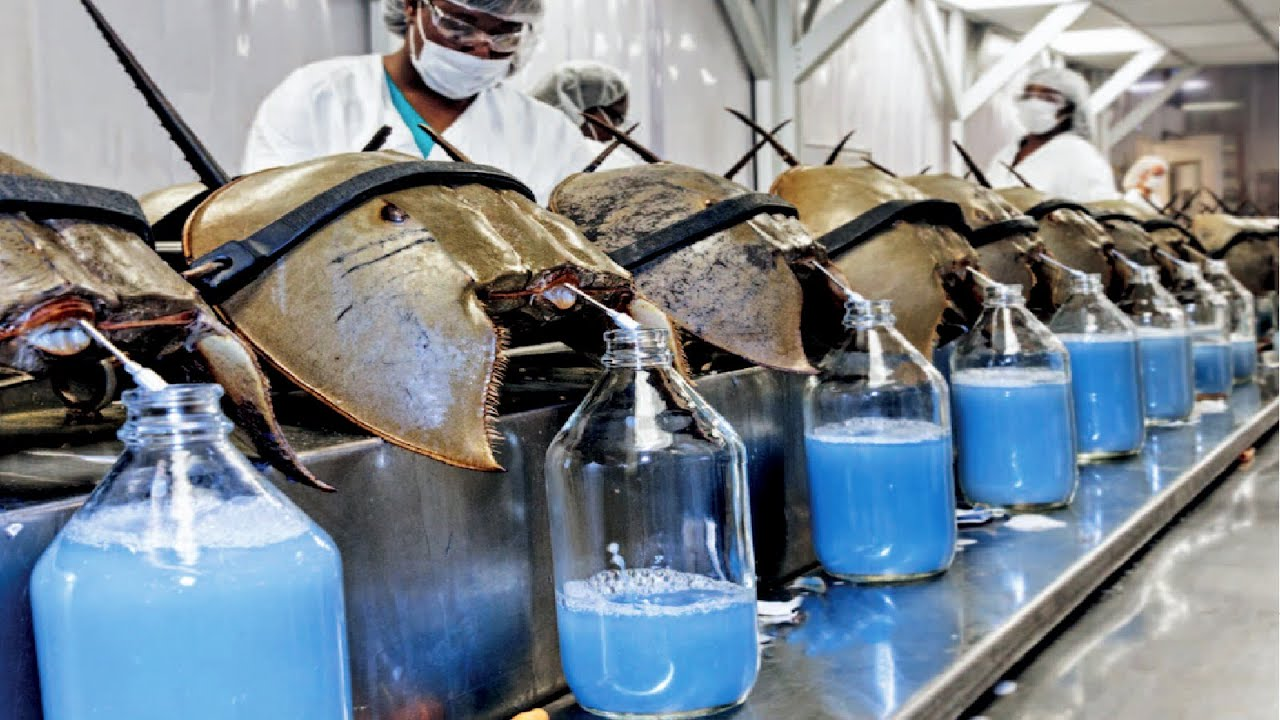
Lifecycle rule us all, but hubris tells us we can artificially create these cycles and abuse them. I call it abuse when you keep egg laying birds under lights during the winter, when the bird would naturally take a break from producing to take care of its body, in preparation for more laying in the coming season. I call it abuse when we force breed our cows continually to keep them in milk, taking away the babies when they are born, putting them on milk substitutes so we can drink the good stuff ourselves. If the calves are kept alive, it’s only to feed the veal industry. What about keeping a sow in a metal vice while she’s got piglets, forcing her to stay in place all the time so she won’t crush her babies or get free? How about milking horseshoe crabs of their blood? These ancient marine animals have no legal protections, so they are caught in the wild, put in labs and bled, and destroyed when they succumb to the out of water torture.
All this is done to perpetuate our lives as mass consumers. We’ve chosen the path of money, which will take every last living thing for profit. There is no escape from this global prison of wealth abuse, but there are easy ways to distance yourself from it. Buy local, fresh, and stop buying box store stuff. Get rid of online ordering addiction- you really don’t need it, and lived without it long before it came into use. Convenience kills- it’s killing us all with ease. “But I don’t have time…” yes you do, and you did before this stuff came into our world. Reach back into your ancestral lineage to remember what we did before money. Reach back to a time when we crafted things, made do with what we had, and enjoyed the free things in life, like outside time, friends, and community. Community works together to keep everyone healthy and happy. It only works if we buy in- with our time and money. For all the time spent in our cars, on our computer screens, or in our phones, we could be connecting with each other and sharing life experiences, and our gifts. Instead, we’ve been herded like cattle into offices, 9-5 routine, and a paycheck not really worth the efforts, if we could only break free.
This system of life is meant to imprison our minds, and it’s working rather well. Fear is the mind killer, the crippling doubt we all face each day and bow to in our quest for happiness. Does that sound counter intuitive? Well, it is. But we’ve been taught so much scarcity, so much expectation of what success and happiness are. Money can’t feed us, water us, give us the fresh air we need to survive. Sure, we can pay for these things in theory, but the reality is we’re strapped in just like those crabs, being bled out till we die. This is not what people thrive in, and it’s time to make some changes in this world so we can better live with it, rather than on it. Just some food for thought.
“I’ve really become aware of how much has had to die for humans to live as we do in the 21st century.” -Marcus Reynerson
So much gratitude to the friends and mentors who made this incredible work. Thank you for the lessons and good vision forward. I highly recommend this film, and others like it by Wild Confluence.
Are we truly smart enough to surf the web of today? I’m getting tricked now and then, and by tricked, I mean clicking on something that sounds interesting and then falling into a false narrative. So much critical thinking now goes into what I would call white water rafting, which is eddies and currants, with rocks, waves, multiple people in a team effort? No, that’s not how we’re building websites today- in most cases, but some social media is a step in the right direction, it just needs to be open source and free. Freedom that includes privacy. The right to privacy has been wavered by our acceptance into false reality- a virtual reality. Escaping is part of the mindset humans enjoy- or abuse, moderation right? What am I talking about?
“I want to spend less time on my phone.”
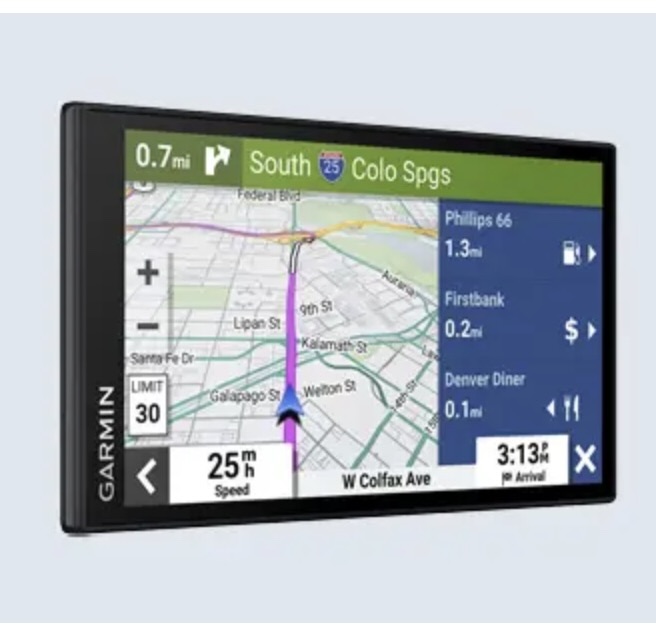
Some ideas- I keep most apps off my phone and use no social media. It’s text or call, map or weather checks only- and sometimes news. I have audio books and music on mine too, but no work or passive scrolling. I’m actually moving towards flip phone with GPS navigation in the truck, and hard copy road atlas. I love looking at recreation maps, which include terrain and roads. Knowing the elevation in hand with seasonal weather conditions are crucial to successful access in alpine and sub alpine back-country. GPS navigation possibilities are endless, and some mapping programs allow application downloads, but it’s all navigation. This is a tech I am thankful for; though it’s honed by military spending in our national budget- an example of federal taxes put to good use for citizens wealthy enough to have access to the hardware and knowledge of software. Also, if the satellite fail or become privatized at a price most can no longer afford, we’ll all be cut off. Support public libraries, because for many, this will be their only internet access.
Social media is like that plot in Batman Forever, where people buy in to a media gimmick which enhances screen experiences with the artificial while removing the viewer’s intelligence. That’s actually how the internet is training AI today, stealing content. We’re creating this smorgasbord of priceless data for predatory commercial use. Observing a young person say, “I don’t care what the internet takes from my content, they aren’t getting anything private like my bank account or social security number.” It’s true, not literally, but if you’re doing online banking from your phone, that info is out there, along with most of our health records, social security- which my generation will not have much of, and by the time I’m in my 60s, might not exist at all, along with the democratic governing I grew up believing in. But let’s stick to social media for now.
I’ve been off FaceSuck since 2015. There are market places, networks, and social contacts with liking out of reach now, but I do use Craig’s List. Lots of free stuff and networking to be had, with less algorithms or data stealing- so we hope. I do realize, that for most of the 1990s buy and sell sites that have survived- EBay is comparable to this Perl written gem of a market place. Though criticized for vulnerabilities which have led to online sex trafficking and a still thriving red light consumption avenue. The 1990s were a wort of wild west for commercial internet development. Law like The CDA were passed to protect corporate interests and crack down on sex trafficking and child pornography. Special shout out to The ALCU for defending free speech where necessary. This is the fine line between adult content and child protection settings on your personal computer. Again, digressing into the rich, layered history of the past 30 some odd years of internet awakening, this Spielberg generation bridges the gap on one path through tangled webs, browsing on a select course of some screen time pros.
Any online free marketplace- buy nothing, barter, direct trade- all of these real time “I have one of those and would be happy to exchange…” There are a lot of safety caveats in this system, in person or through the webs, so brows up on digital literacy every once in a while. Or be lived by it, which is a fine line when our existences are mostly digital now. How can that be if we are still living in it- as in, reaching for this glass, I take a sip of water, swallow, and see the light of afternoon sun in a new place across the floor in a south facing room. That is living. Taking in the black letters on this page, my words or encouragement, or resentment, those emotions, which are now woven in digitally. Ones and Zeros, I cannot put any faith in those powerful coding limitations- powerful in that we are truly written into them, and limited, in that they are 1 0
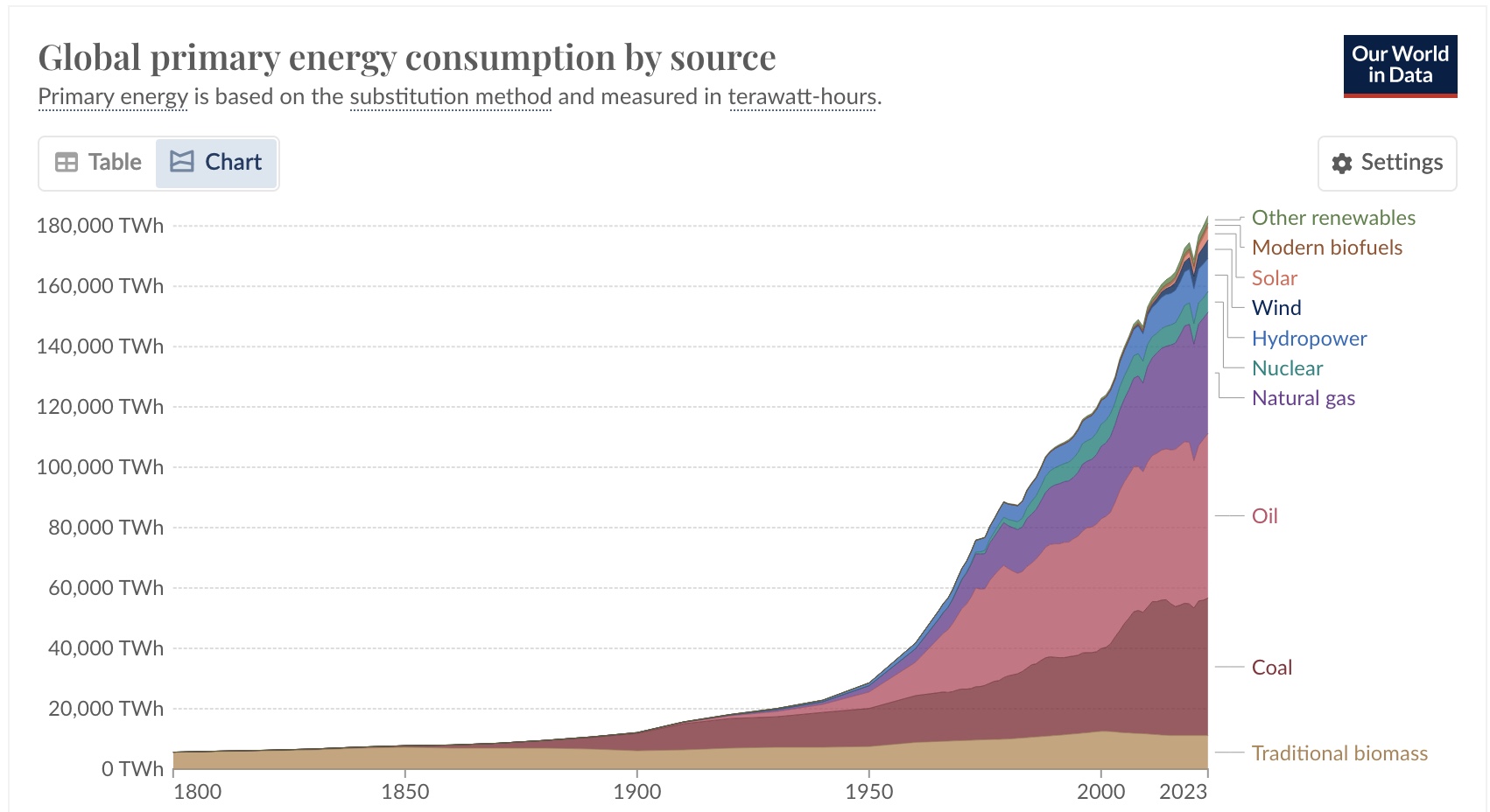
The little blip is 2020- COVID shutdown of world goings-on. But the rise is consistent with industrialization into commercialization. The green energy trend only ups consumer capability- we’re not stopping the fossil fuel endeavor, just adjusting for futures in fraud coin. The AI consumption alone far outpaces any daily gas guzzling SUV use. Orders of Data Magnitude should be on our minds. These data storage complexes will be our consumption future on screen time and digital worth. At least trying to maintain some in person activity and outside connection. That’s why I’ve chosen this lifestyle on the land and worked on craft and mentorship in community. Even supporting one or two other good people in a personal quest, shared purpose, and a sense of humor, also a sprinkle of patience- there’s good stuff of life worth living outside the digital sphere- but sometimes, enhanced by brief interludes of social media. I prefer texting, emails, or snail mail when possible. There can be equal connection through online screen time- maybe? I don’t think the social equity compels.
Is this writing a jumble to anyone? It’s called “Social Media”, and that culture was the ultimate isolation tool for individualizing experience while exporting a feeling of connectiveness through the web. There are no hugs *place emoji here*
At EEC, there is a lot of Entropy going on- in the living environment, things are composting away but also regrowing. As I listen to the sheep grazing, I can hear the grass being shorn off a few centimeters from the root base. Their hooves stepping across woven mats of rhizome, covering over living soil, teaming with complex chemical equal and opposite reactions that have honed over billions of years, echoing the scale of universal matter, existing all at once, and online, we don’t grasp that vastness. We become individual shining stars, or soap box mouths, or movement to conserve and protect, or whatever you’re online seeking, doing, or watching; that screen time ticks by. Flashes of light, Plato’s Cave in such vivid color- but offering no life giving truth, that’s where sorting the black and white of survival comes in order of need:
mindset
water
food
shelter
sun
This is literally the simplicity of human life. Probably most life on this earth exists through these few things- their are always caveats; define life. Is the internet part of life? AI cannot get us there through our screens, yet a true MATRIX has most of us on our phones or making CREAM through these flat constructs. I’m glad the other animals remain connected to planet earth and tuned into a full life address where there is still room afforded them. The entropy of actual habitat by human demands for commercial space remains strong. Shelter is on the list of must have for survival. But we can’t get through more than 3 days without water. We won’t know to drink if we don’t have a head on our shoulders. Critical thinking, that’s the ticket to survival. I hope we can all stay beyond mere survival and access some kind of sustainability- hopefully thriving in at least occasional laughter and interpersonal relations beyond mere screen antics.
Still, as a child of The Mtv generation, I want my entertainment and escapism, along with my quick glance at something funny, novel, inspiring, or sit back and listen generations now embracing podcasts- like audio books, stories that captivate, but not clouding our reason with hours of scrolling doomsday. There’s also something fishy about smart technology, these little digital live stream conveniences tie us deeper into energy consumption growth, quality with quantity, a perpetual motion misnomer. What started out with ideas of better living through chemistry have consequently morphed into better living through television, and then, the world wide web.
I’m not sure what the long term data will show in this grand tech experiment, where there does seem to be a sold out crowd for connective screen time and social isolation in the same bed of roses. In observing the lives of those who spend less screen time enjoying life, there is undeniable quality. Appreciation to all who use some of their personal time in reading these reflections and questing for better living through outside engagement with others. Gratitude for online applications where questing to engage with technology as tool, like any other. Invention is crucial to survival, so dive in!
The dramatic changes in weather over the past few weeks is a sure sign Spring is here. In one afternoon, I took a little time to capture an active system moving through while I worked in the garden. The day began sunny, with clouds building up to the southwest, drifting over the landscape, cotton fluff drifting into larger thunderheads, which eventually did rumble. I looked up from my weeding and saw the colors above changing rapidly. A storm was mounting the tree line with dark and menacing shades of grey at the horizon beyond. I thought I saw a green hue to the sky off in the distance, that’s when I began to take note of the day’s turbulent weather to come.
The winds picked up, signaling the pressure change as a front moved through. The trees began to dance, and I stepped under cover in anticipation of a sudden downpour from the turbulent heavens. A few taps of grapple on the tin roof herald the approaching tempest.
A handy cellphone check on the weather app told me the storm would be quick, so I headed under the porch to watch the show. Then, a spring storm came down from above. The grapple dominated at first, followed by heavy rain, blowing and whipping all around. By the time I remembered to capture the moment, a lull left me in limbo, with only some minor tap tap tap of small ice pebbles on the roof once again.
There were more bands of unstable meteorology to come that day, and I reveled in the active Spring weather which will encourage new budding growth in the land all around. Tulip leaves are piercing up through the soil, with little pink blooms just starting to form. The flowering currents are showing bright color as they blossom out too. The sheep are grazing eagerly at spring tipped grass in the pastures, where clover and vetch begin sprouting up from the muddy soil. These rains bring nature back to life after cold dark winter, so much gratitude for the change in season and return of bright days to work and play.
We’re all about passive systems here at EEC Forest Stewardship. Earthworks projects on the farm revolve around water catchment, redirect, and slow/sink intentions. Out of such work and planning, water, which we sometimes get a lot of here in Western Washington, has a good place to go for long term investment in drought resistance.
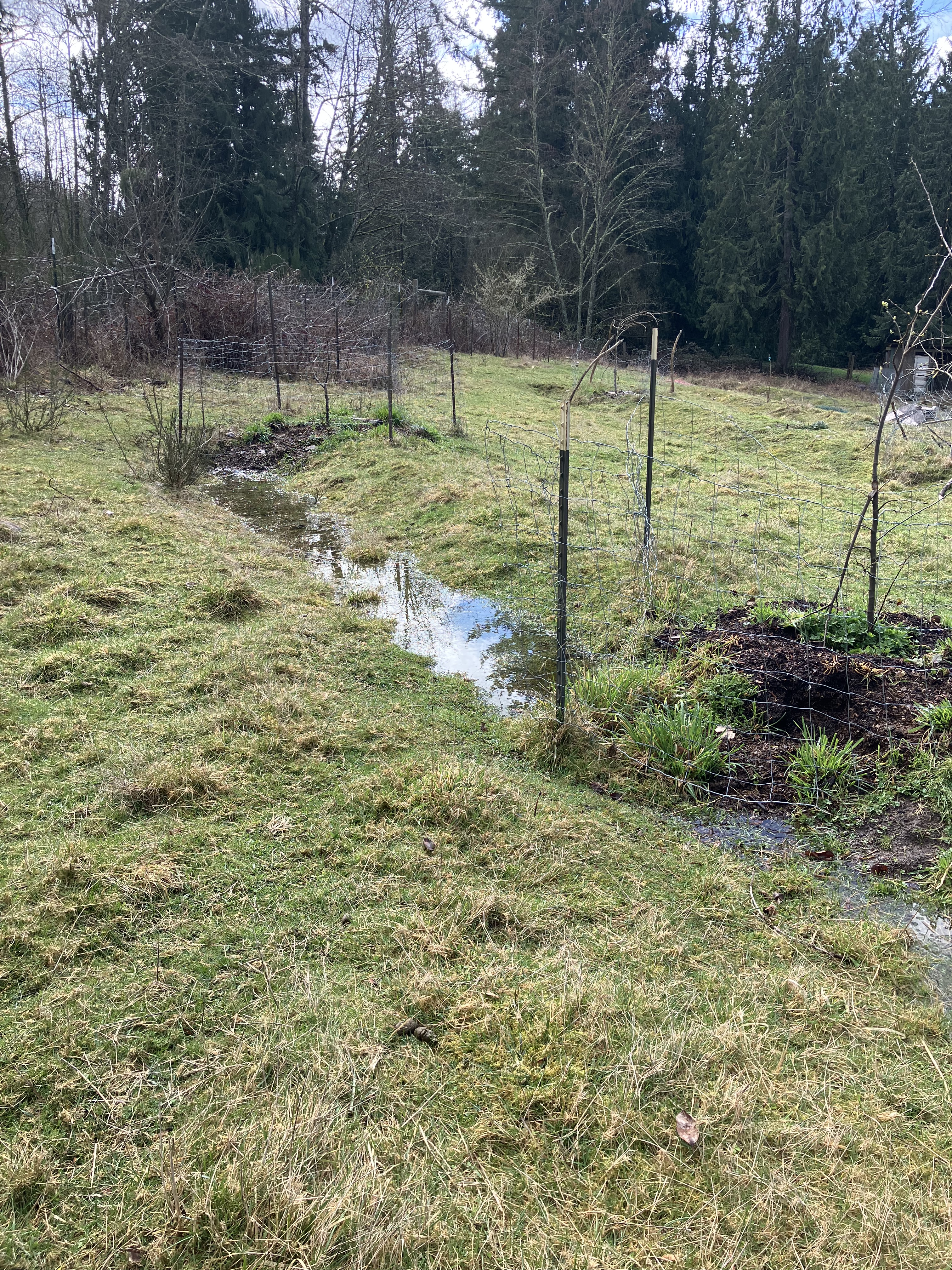
Our swales are one of the most simple ways to slow, sink, and store water. Above you see a swale at work with recent rains. The water can sit and slowly sink into the ground, moving down hill towards the young fruit trees establishing on the mound down hill. Other than initial earthworks, done in a few days after a year of planning, this system is self sustaining and crucial to keeping the forest alive as it slowly returns. This water will also make it’s way down into the aquifer, which feeds the well on this ridge. With all the housing developments down the hill from this farm, much of the water that used to sink in on this ridge in the once complex old growth temperate rainforests, which are now completely gone, now spills down and away along road ditches to the ocean beyond, lowering out potable water table until wells run dry. The housing developments below are unconcerned, because they rely on city water- like so many today. The corporate nation dreams of the day it can fully privatize water, which, though a fundamental human necessity to survive, would make a great commodity on the markets- already does in bottled water. Our utilities are becoming more and more expensive, with less and less investment in the infrastructure and care needed to sustain the expanding construction to keep up with housing shortages. So, it’s good to keep a well and work to keep the water where it falls- or nearby enough to support the living vegetation also crucial for our survival as a species.
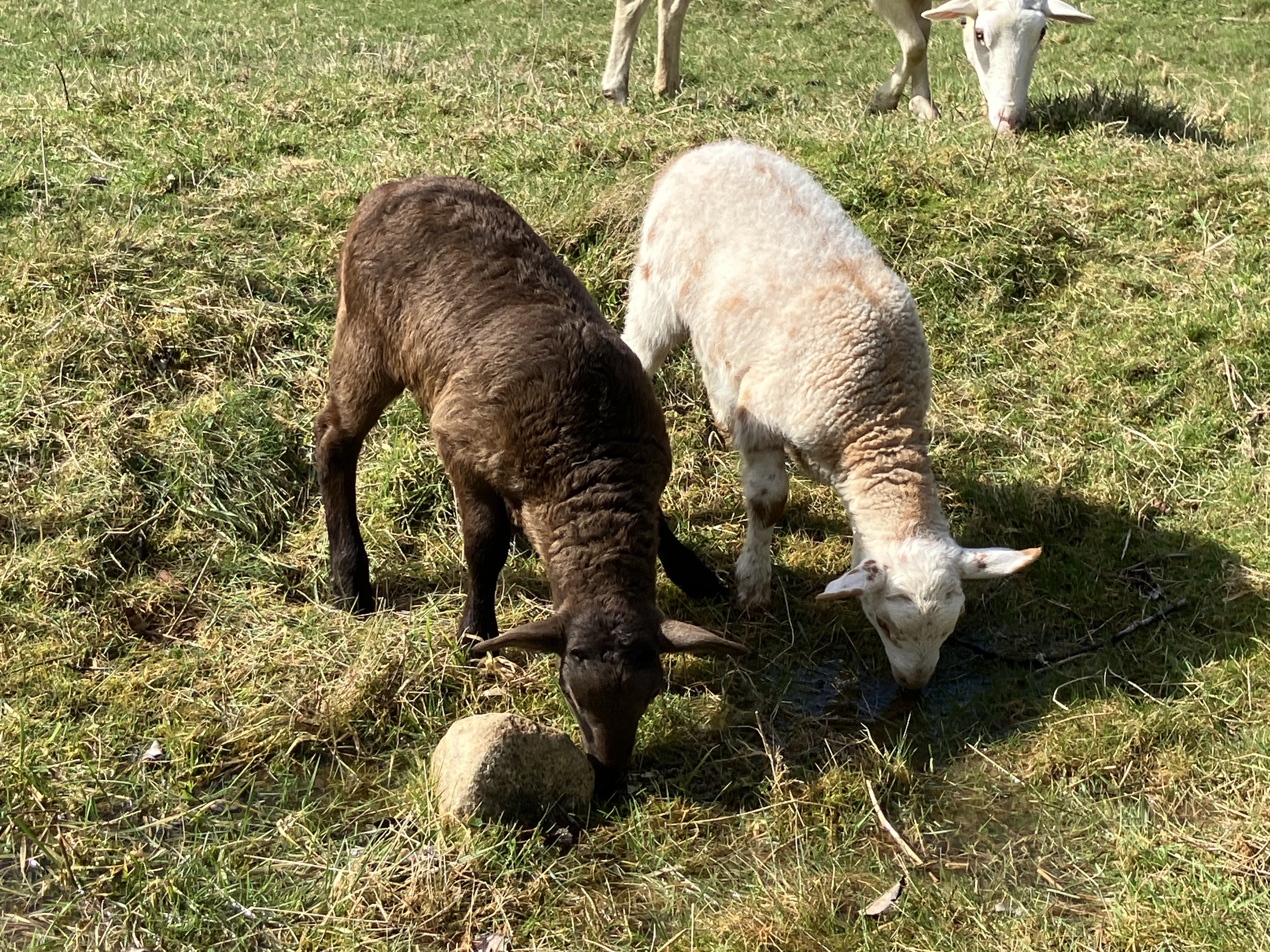
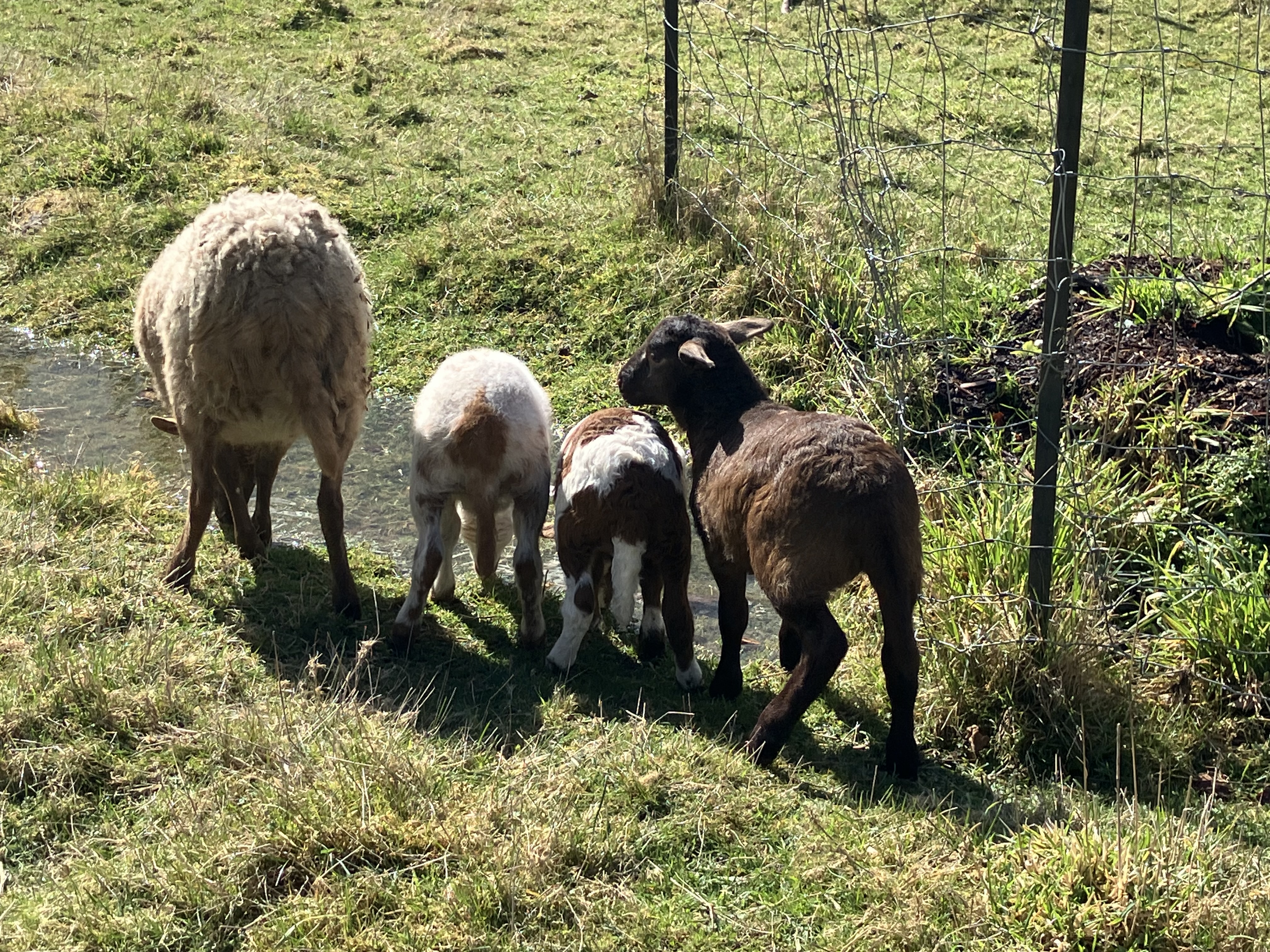
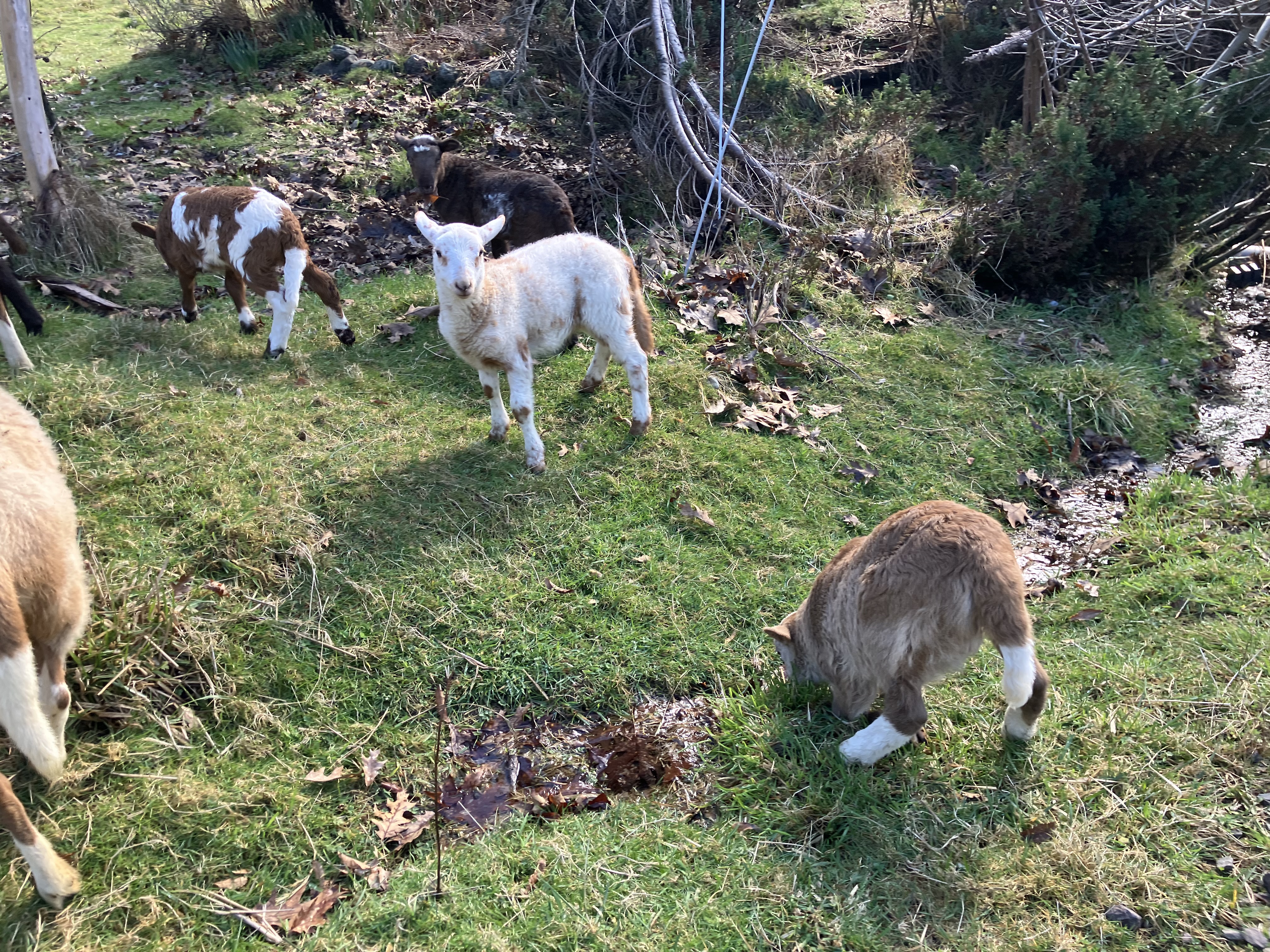
When there are major rain events, like the nearly 1/2 inch that fell the night before these pictures were taken, the water sometimes sits on the surface “day-lighting” for a day or two. Our sheep and chickens, as well as the geese, enjoy the fresh water to drink and play in. Some of the water is directed into catchments. There are a number of pipes under driveways and gardens which lead to our central water feature- the pond. With years of observation come smart design with nature. After reading the water running across the land for many seasons, it becomes easy to make a smart water plan for catchment. I’ve even added more design over time, after the initial implementation of earthworks. Having a machine do so much of the digging at the start is helpful, but takes some planning and investment. The rewards are endless, because once you’ve set the design in place, the rest of the work is passive and free.
One of the most recent redirects implemented at EEC goes from a rain garden wetland habitat, down a driveway, around the back of the pole barn, and into the pond. For almost a decade I watched a stream of water heading down the driveway and on down past the barns, along an access road to the back pasture. It was starting to cut into the road as it picked up speed down hill. By redirecting the flow at the top of the hill, the erosion was not only stopped, but more water then went to the pond during major rain events. We’re now catching even more surface water to slow and sink for the aquifer, and forest below. The pond is not sealed, so water can slowly seep into the ground. The pond does remain year round, and there are fish living in this modest waterscape. The system has yet to fill the pond high enough to actually top the outflow, but having two input pipes should bring us closer to that goal. Stay tuned for our next major flooding event.
It’s been a fabulous season of cold sport and endurance adventure in the wilds of The Central Cascades. From snow shoeing to hiking on foot along the back logging roads, the snow has invited me to track, ascend, discover, transcend, and descend in and out of the elevations. I’ve also had a chance to keep an eye on the edge space between industrial logging and public land that has been protected up until now. At the change of political ambition, from protect and value back to exploit and abuse for a few gluttonous multi-national business interests, none of which will be directly impacted by the ecological collapse to come. But they will feel the painful outcome none the less. There are more bills set to pass soon that will continue to erode protections on federal lands. These bills have amendments slipped in, like the one below:
This may seem a minor wording change, but it’s removing any mention of environmental protection wherever it can. Why? To strip any mention of a vision for restoration or long term respect for our environment- to “make libs cry”.
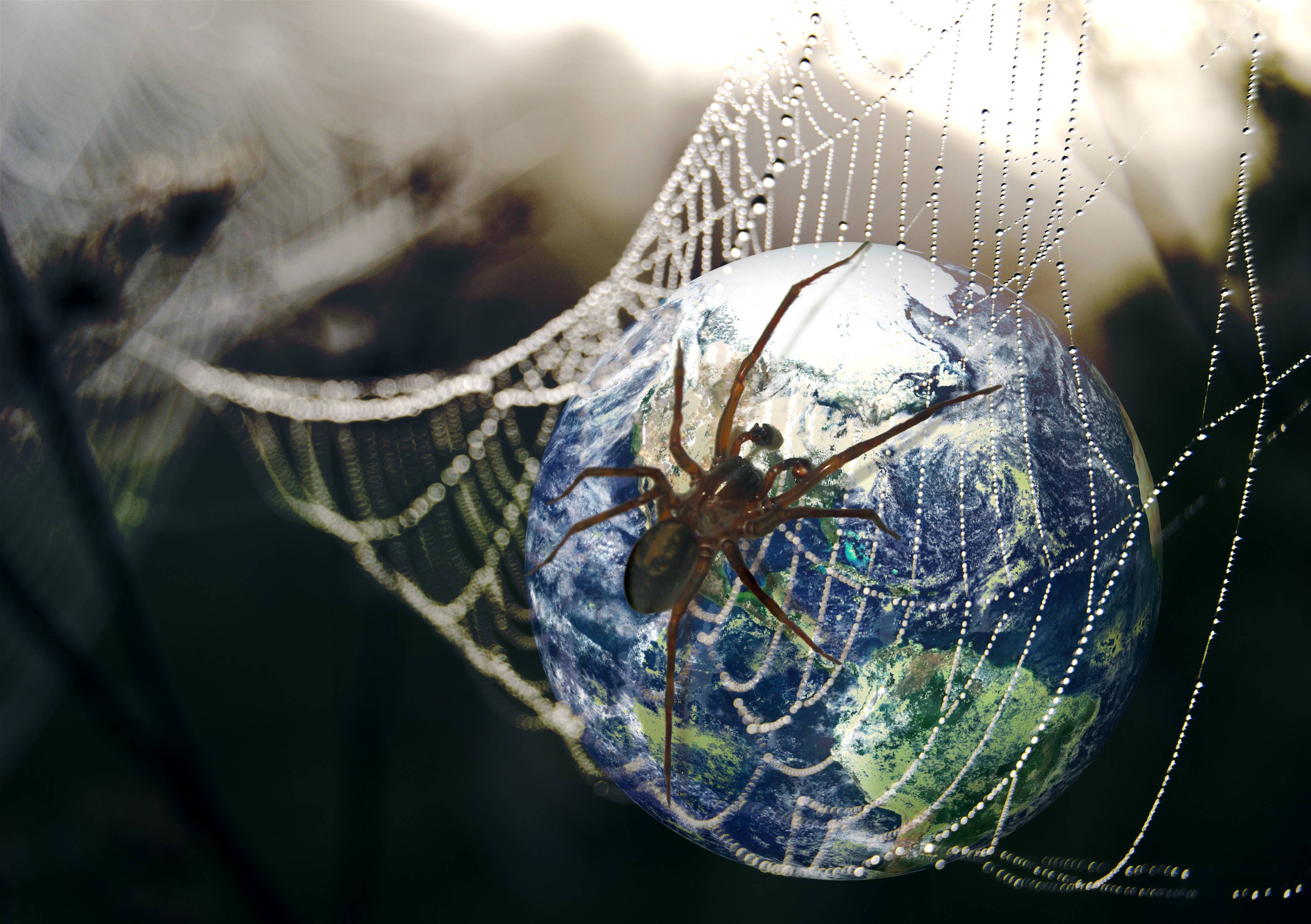
Spiderweb strands spoke around the steep slope clearcuts of recent logging operations in this active industrial timber farm. Colonial extraction continues, with ecological degredation in the long term, which has continued to deplete the land of nutrients and productive ability for the short term gain of board feet sales. The truth is, most trees cut in these tens of thousands of acres go to pulp mills and chippers rather than building lumber. Biomass energy scams are burning millions of these trees, whole forests, to power the “green” energy farce. Biomass energy also includes the burning of carcinogenic railroad ties, tires, and trash. These are some of the new “renewable” sources powering your “clean energy” electric cars and smart home tech. Nuclear is the other silent plan- I say silent because the tech industry expects to power it’s cyber currencies and AI revolution. But I’d like to bring us back to the trees in my greater backyard. They are being harvested, and will be for years to come, with more gusto as the EPA protections continue to roll back. We’ll see more steep slope cutting, access into our public lands to cut second generation growth, and even old growth if it’s outside the ever shrinking boundaries of wetland setbacks, recently abolished by the 2025 Trump Administration. Plans like the one shown below, part of The DNR Trust Lands Policy in Washington State.
Federally, the forests are about to go through a massacre of cutting, thanks to Biden dropping long term protection plans, and a new 2025 Project Trump Administration to drill drill drill and cut cut cut. All the setbacks protecting the slow restoration of our salmon streams and rivers, as well as the slow return of flood buffers and wetland protection will be ignored by the commercial industries already at work in our, OUR forests, the ones tax payers fund. Since private corporations are already not paying much if any tax, they are happy to waltz into public lands and devour them for private equity. This has been going on for a long time, but it’s going to amp up on a level yet unseen by most in these modern times. What does that look like? In a word, Devastation.
In a few months, the snow will melt out of higher elevations, inviting new perspective forests to be accessed. I’ll be continuing to keep a close watch on what happens in the few forests I gain access to myself each year. There has been a lot of work done to plan out the regrowth of forest buffers for our long term survival. Floods will keep coming, winds will get worse, and droughts will draw out longer and longer in the summer months. Watching all this change happen so fast, sometimes overwhelms, but here at EEC, we keep planting roots, planing for drought tolerance, and slowing water to encourage saturation rather than run off. It’s a small 10 acre project, but with more landowners turning to restoration every year, most of humanity is actually on board with restoring our forests to protect our clean air and water, as well as healthy soil for our food. What kind of crying will we see when the future generations are left with cancer ridden bodies and life cut short in a toxic environment? Fewer and fewer inquiring minds want to know.
This winter, I hiked into an area right at the edge of the tree farm, bordering DNR land around some alpine lakes where a few old growth trees grow on scree slopes where the timber wood would shatter on the rocks if felled, so they have been left, for now. There slopes, only a few hundred feet away, are actively logged, and this spot is prepped for cutting in the spring of 2025. I’ll share pictures of what this alpine forest of spruce dominate stands looks like now, and then again once it’s cut later this year. It’s always hard to fully comprehend how much biomass is whisked away in a single clearcut, but visually, it’s important to at least see in practice. Remember, most of this wood now goes to fabrication, not lumber. Because the industry no longer cares about diameter, they can cut younger trees, which makes it easier to cut sooner, thus getting more biomass faster. None of these active plots will ever be restored to old growth, which seems ok in a clearly demarcated commercial space, but the ecology surrounding and inside of this heavily manages area suffers the consequences of our mechanization and separation from our environment.
WAYS TO HELP:
-Contact your local and state reps to tell them you want our public land protected, not managed by corporate interests for private equity extraction.
-Join a public science initiative to track the health of your local environment.
-Follow local action groups that protect the environment, there are also well known national organizations, but local action is where you start learning about what’s directly affecting your back yard ecology first.
-Find out which First Nations People’s live in your area and if they are active publicly, many are. Join their mailing lists and find out what kind of restoration projects they might be working on.
-Volunteer- from mentoring young people to writing letters of action, non-profit and local civic clubs are usually in need of your time, talent, and passions. Help make a difference in your local community.
-Buy local, know your growers and what practices they use to produce your food.
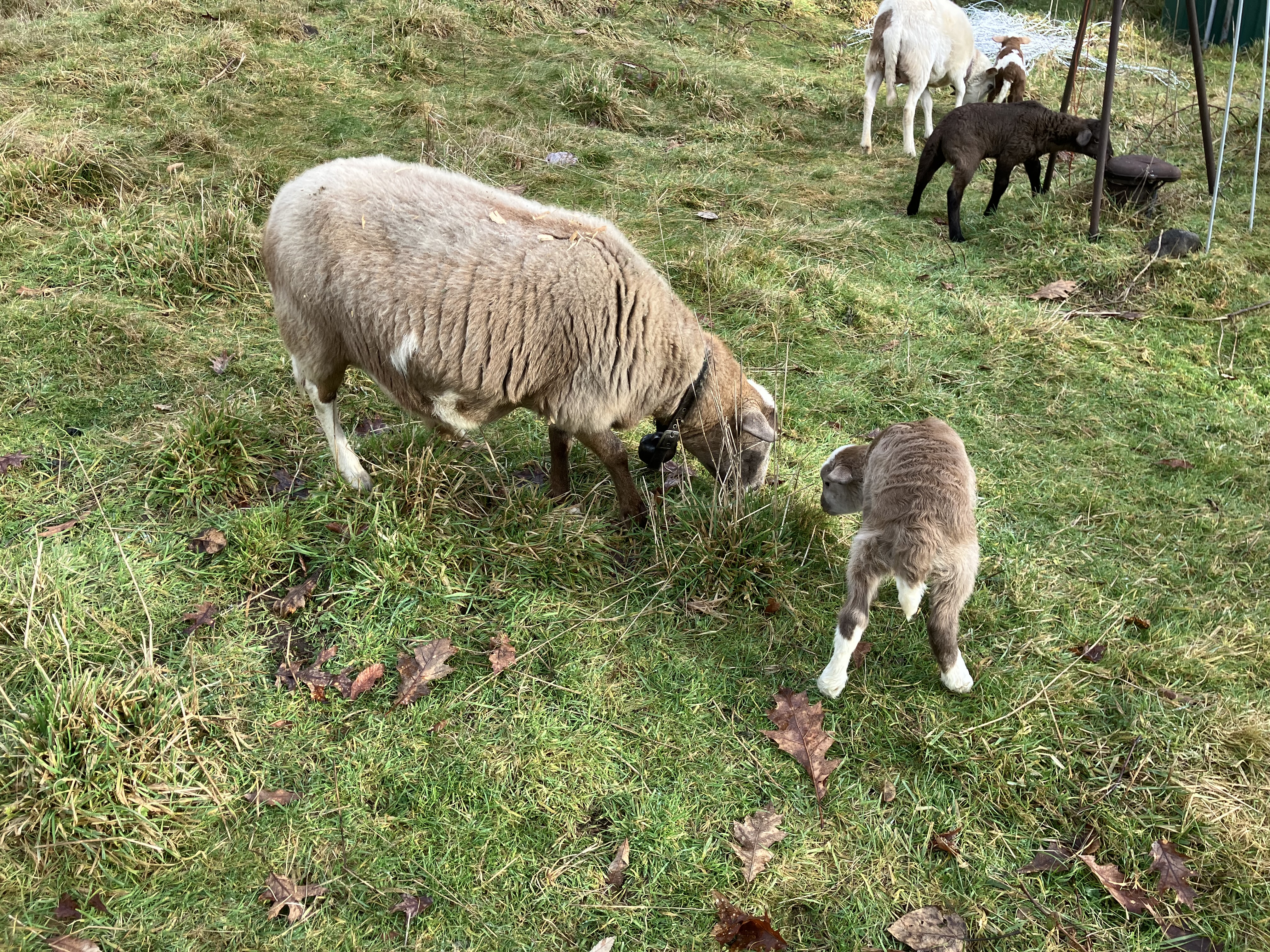
We’re embracing spring here at EEC Forest Stewardship! The lambs are growing fast and all are out on pasture when it’s not raining to eat up the fresh young growth as temperatures rise and the sun stays longer and longer. I harvested my first nettle last week, and made pesto- so fresh and delicious. Stinging nettle is one of the healthiest greens out there to enjoy. I advise at least blanching it first before eating, but you can carefully crush up leaves and eat fresh if you like. Fresh is best! I can’t wait for the dandelions to start popping- I mix the wild flowers with nettle to make fritters, and it’s the best spring food ever from the land. This is such a time of budding abundance, red flowering currant is leafing out, oso berry is already in full bloom, and tulips have popped up in the garden, letting me know trillium and Solomon’s seal is not far behind.
Last week, mid March, I finished getting all my native plant root stock in the ground, literally working till 7:30pm, dusk, and as the spring rains were coming in. Wet soil is great for planting, and all these future trees and shrubs are happy to root down and take hold. Two new species on the land are golden current and tamarack. Both are found on the east side of the state, in our sage step ecology, but are now adapting to climate change and being sold by conservation groups on the west side- the wet side of The Cascades. Why? Because it’s drying out here in the summer, and getting much hotter. Our cooler temperate loving species are beginning a slow retreat, and we’re planting adaptable species now to avoid total ecological collapse. This change seems slow now, but to plants and animals which evolved over millions of years of slow change, the speed up time is making it impossible to shift in time to survive. Take a note folks, it’s going to happen for us too.
This year is already looking dry, but the grass is still growing, so we’ll keep running sheep and developing good pasture practices to move in step with nature’s changing ways. Humans used to be mobile, moving from place to place in small tribal groups through the seasons. We lived lightly on the landscape, and moved to always have fresh food on hand. Today, staying put has put a huge strain on nature, which is not given the chance to recover from our use of its finite resources. This is the single biggest detriment we’ve imposed on our living world, and such behavior will not be without consequences. Fold in ten generations of industrial progress and there is now enough pollution in the air, soil, and water, that we’re poisoning ourselves with dividends of microplastics, heavy metals in our drinking water, and soil that pulls up all the industrial chemicals into our food. Yum yum! Since there is no mass testing for these poisons, we’re ingesting them in higher and higher doses, leading to all those jumps in cancer rates that will get us all in the end. We can’t jump ship in this lifetime, and the guys who dream of colonizing other planets are not thinking about the residues from their rockets in their own children’s food and drink, much less their own. WAKE UP!
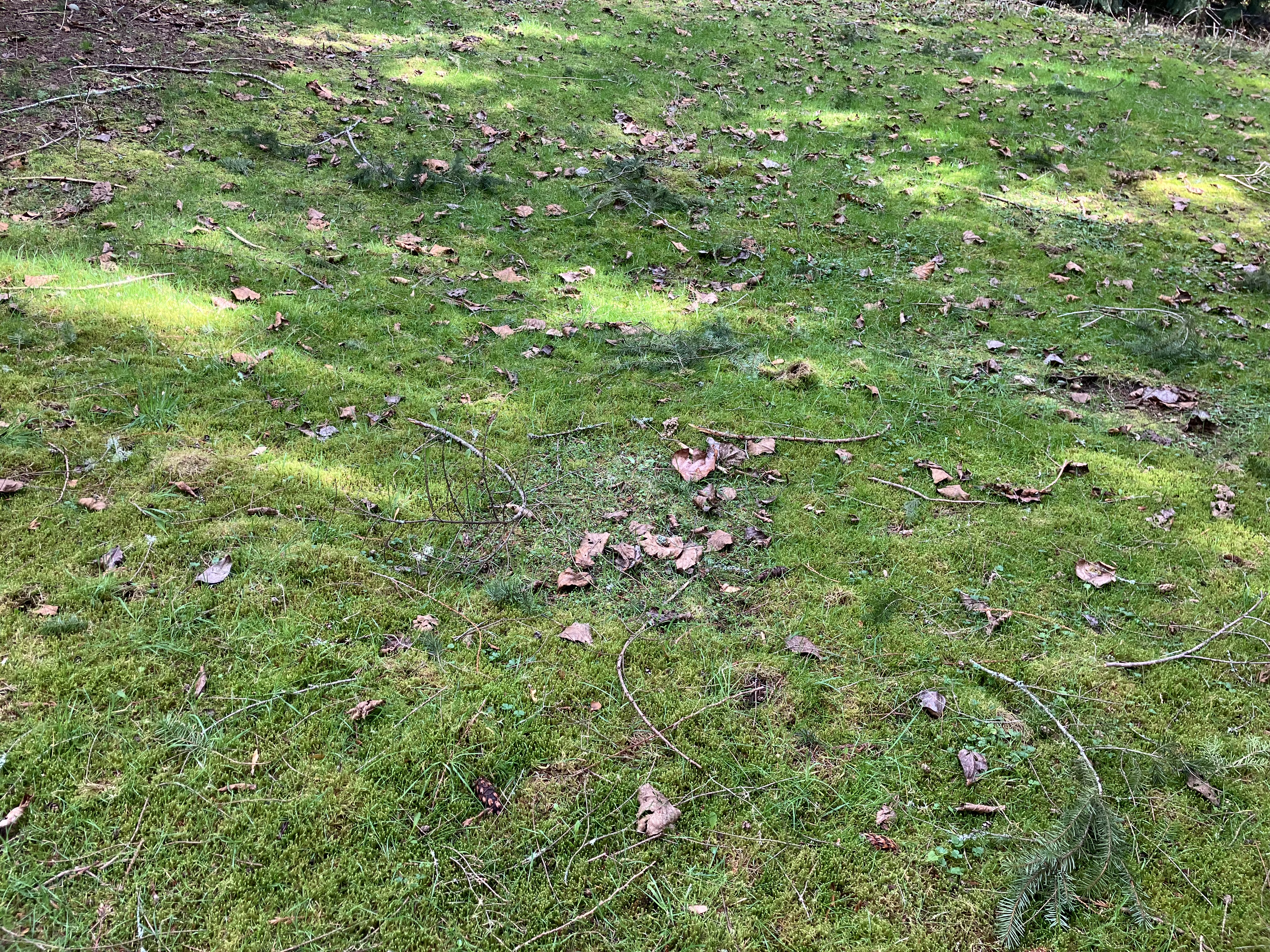
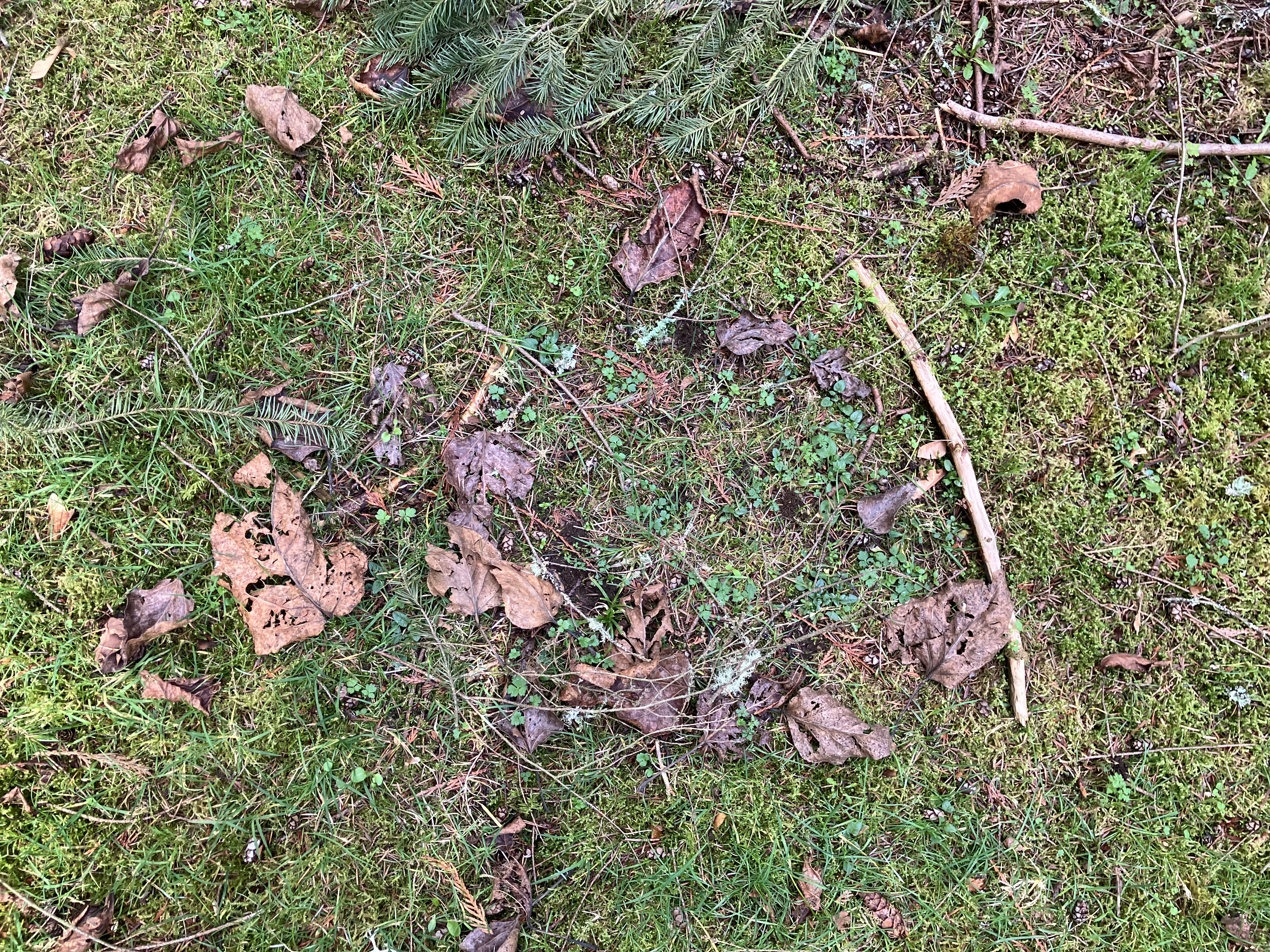
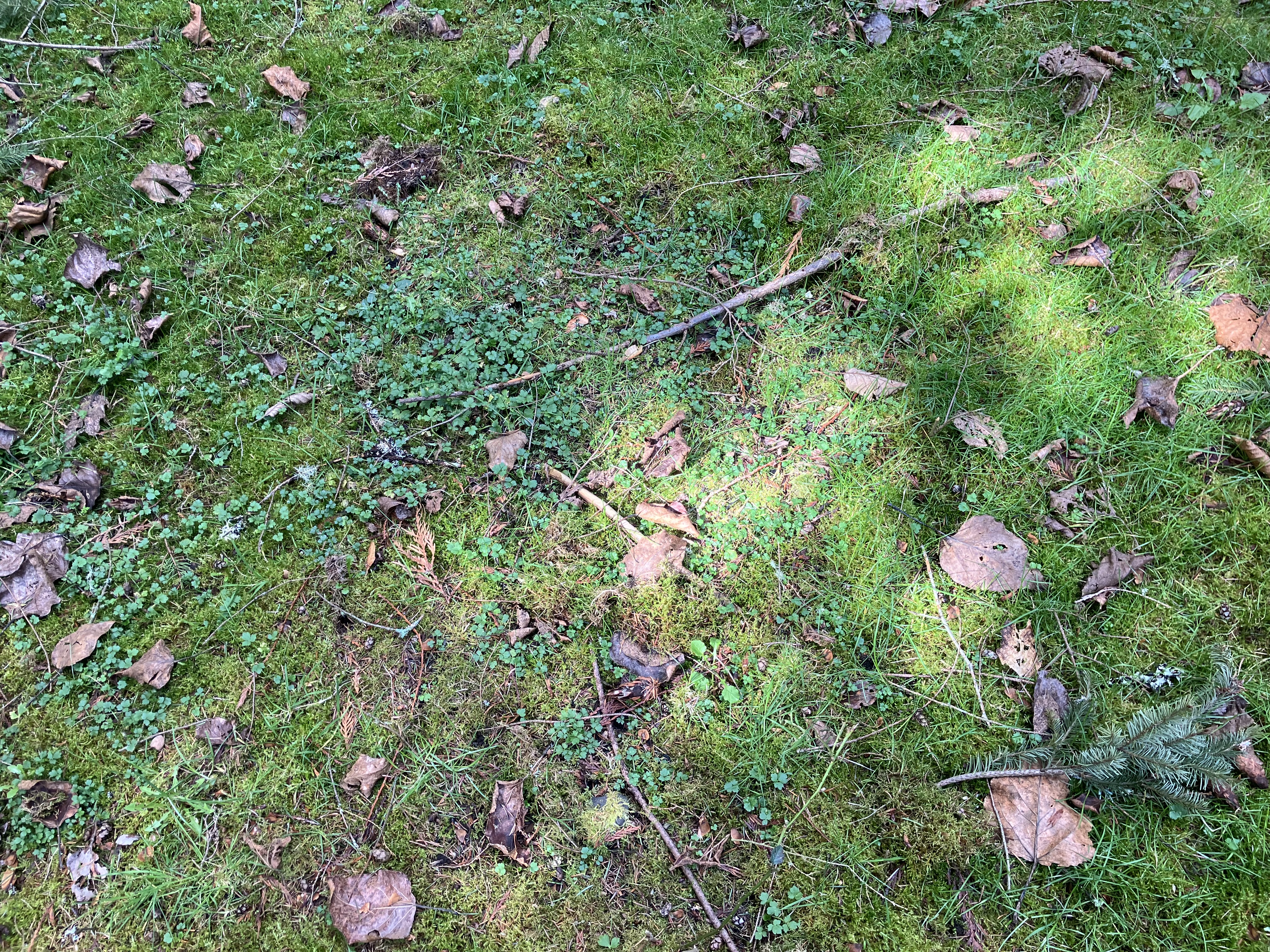
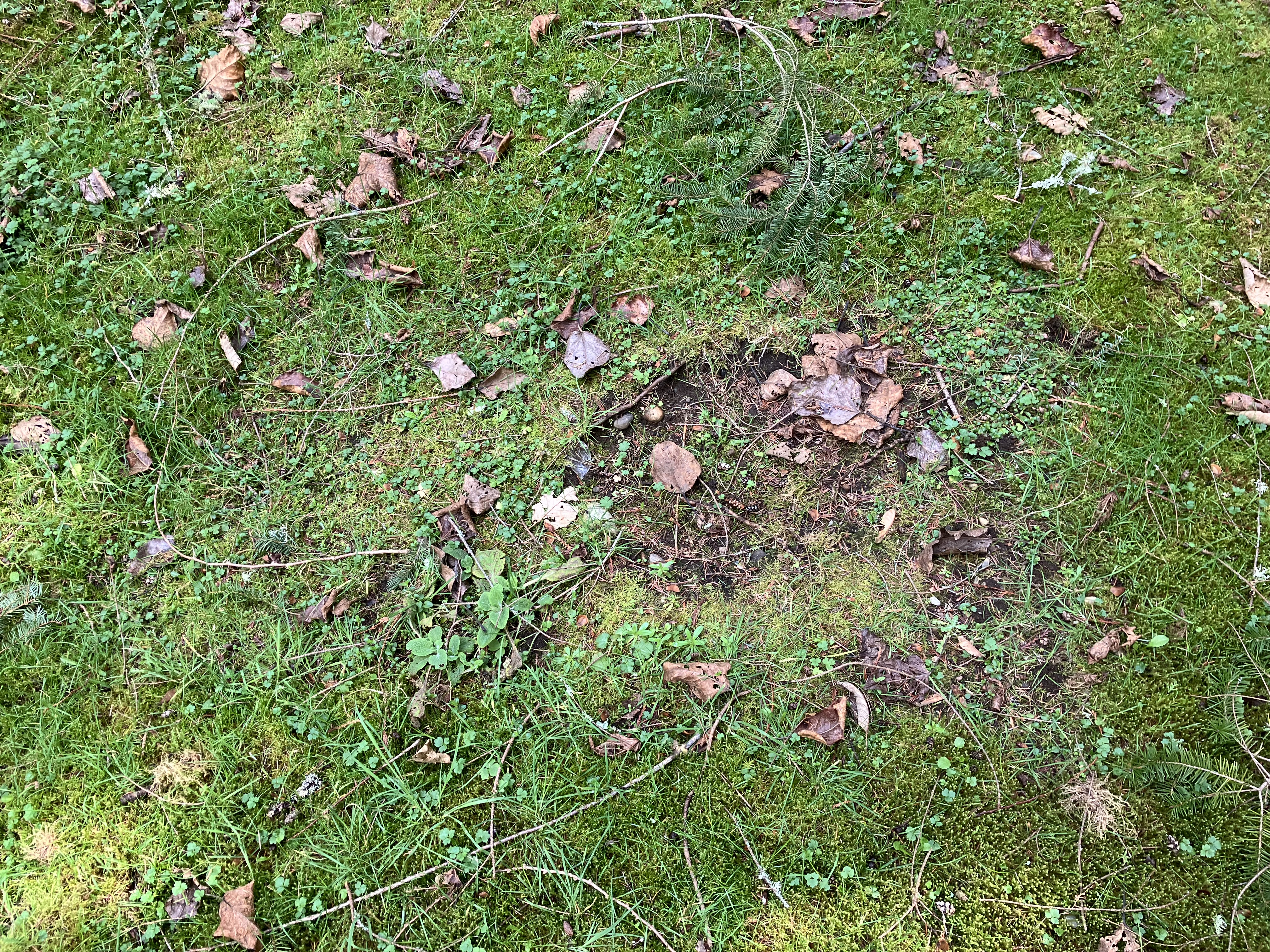
In other news, there’s an update on an experiment I did last fall involving moss removal to see what might spring up from the soil if the dense mass of non-vascular plant matter was taken out. I made a few squares in a patch of the pasture to see what would happen over time. Now, over a year later, I’m back to see what’s been growing on.
In fact, a lot- mostly invasives though, they are so opportunistic. I’ve documented fox glove, bugleweed, trailing buttercup, crane’s bill, and more. It’s still early days for this experiment, and the sheep have not been in to graze yet- they love to eat most of the invasives listed, but it’s good awareness to see what happens when you make space for growth and see the unwanted come in first. Invasives are good at filling a void, that’s how they invade. What will help keep them out in the long run is an intact forest canopy and time. This area will remain pasture for now, so the sheep can help me keep things under control, but in future, when this area is replanted as forest in a few more decades, we’ll use oak and pine to weed out the unwanted species. The good news is, sheep can’t eat moss, but they can eat the other weeds growing in. I’m not planning on peeling up all the moss in these woods, that would be like trying to keep a forest floor uncluttered. Another observation I made, was that leaf debris seemed to linger in the non-mossy spots. That’s a great way to keep debris on the ground to break down, amend, and rebuild soil.
I had hoped that removing some moss would let grass come in, but there is not enough sunlight to encourage the grass, so it’s on to seeding in better natives in these patches, to see if we can set the ground with more diversity. The good news is, nettle will grow here, and just a few feet away from these patches, it is. Hopefully, we’ll spread some nettle seed here in the fall, and see if some pops up next spring.
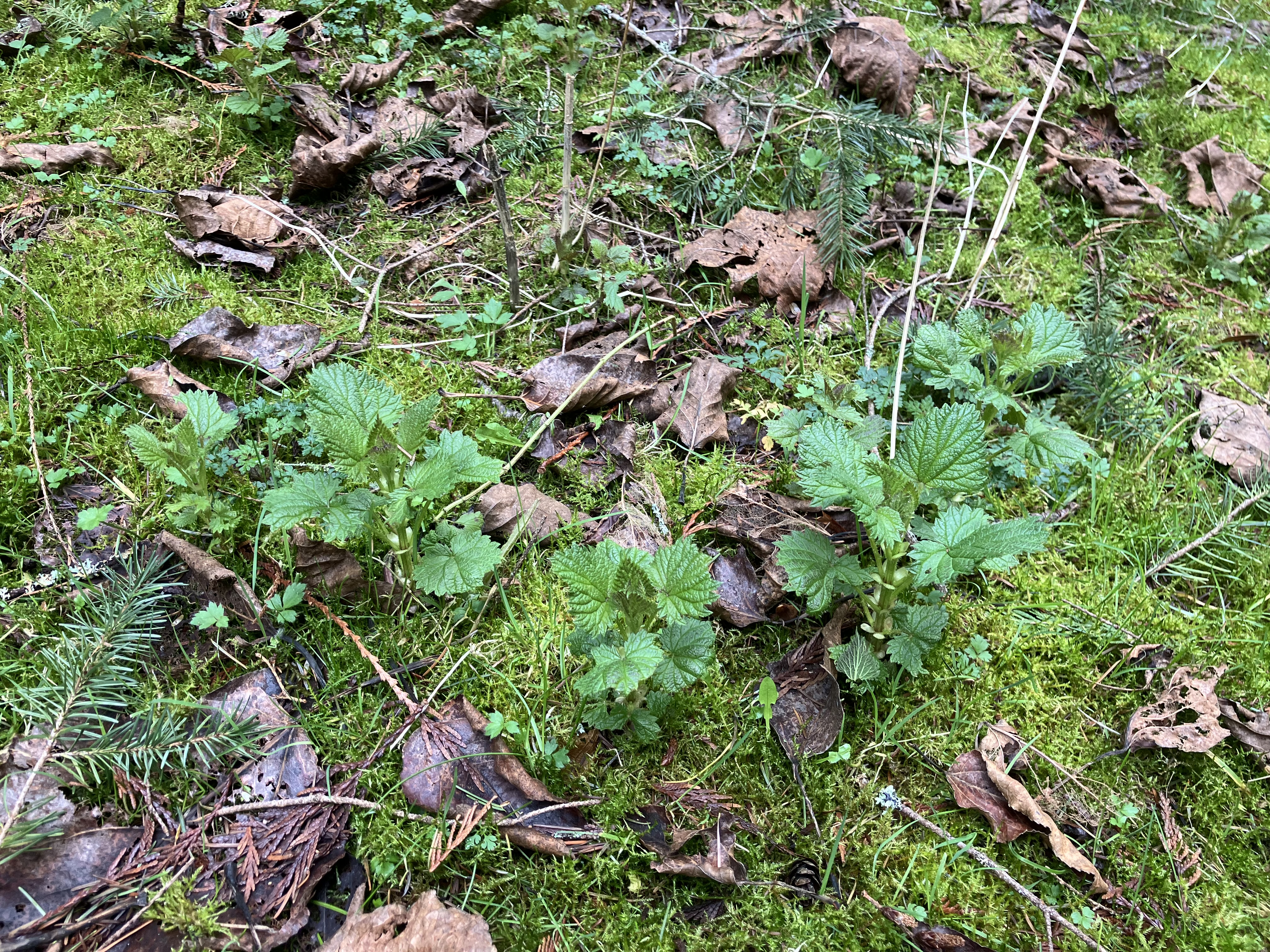
Nettle is our best wild crop at EEC. It’s nutritious, a great soil amendment, and easy to chop and drop, allowing the plant to whither and become edible for the sheep. Though considered a weed plant by many, here at EEC, we let the nettle thrive for human and animal feed. It also a good tell for healthy soil. It’s mapping out some of the best places for future replanting. In the mean time, we’ll embrace our nettle friends and feast on fresh spring greens in thanks for winter’s release. Remember to only harvest edible plants from safe areas- roadsides are toxic, urban waterways are also compromised. Public parks are usually chemically treated to look good, so don’t pick there, and check to make sure patches in your neighborhood are not being sprayed before you harvest.
If we stopped using chemicals today, the future generation would thank us, and have access to so much more healthy food from healthy soil. Perhaps then cancer rates might start to go down too. At EEC Forest Stewardship, we use NO chemicals on our land. I have a small applicator of neem oil for garden pests, and I do amend the soil with the farm livestock manure and tree shaving bedding. Our chickens eat a totally certified organic diet, and the sheep get winter alfalfa, which is not certified organic, but is from a no spray farm on the east side of The Cascades, which has it’s hay checked each cutting for nutritional yield and quality. I’ve also used vinegar on some tenacious weeds along the driveway. Other than that and the passive exhaust pollution of occasional vehicles, 2 stroke engine maintenance machines which run minimally, and environmental pollution like smoke and acid rain, the land is organic- as organic as can be without costly certification. If I had 400 acres like this it would be wroth the certification, but a modest less than 10 acres is not worth the cost to USDA Organic cert.
Instead, I invite patrons to visit the farm in person, see what goes on, look at our feed, animals, and landscape, and then make their own choice about health and safety. This is not to say that Organic Certification is unworthy, for larger farms, it’s amazing, and cost effective, but on small neighborhood farms, just visit and ask what’s being used to maintain the land, feed the animals, and restore local ecology. If all us small acre farms worked towards good restoration farming practices, we’d improve the land for everyone and everything living on it. Ask your farmers what practices they use, and if you can’t ask them, ask the vendor selling their goods. If you still can’t get an answer, it might be smart to find another place that can and buy from them. It’s ideal to see practices first hand, and any farm worth it’s production should let you in to see what’s going on. Farm tours are the best, and are often offered at seasonal times in hand with pumpkin patches or you pick establishments. Take the tours when offered and be ready with good questions. When we’re connected to food, place, and people, we have a greater community resiliency in the face of great change, which is on it’s way folks. Find a farmer and make a friend today.
Please grow heirlooms and save your seeds. It’s going to be a hard world to survive in without food folks, and the industrial farming most of us know today is starting to fail. If you live in a city, you can still have a few plants inside your house with a small grow light. It’s possible, and I would encourage all to start growing something to keep the seeds alive.











 EEC Forest Stewardship