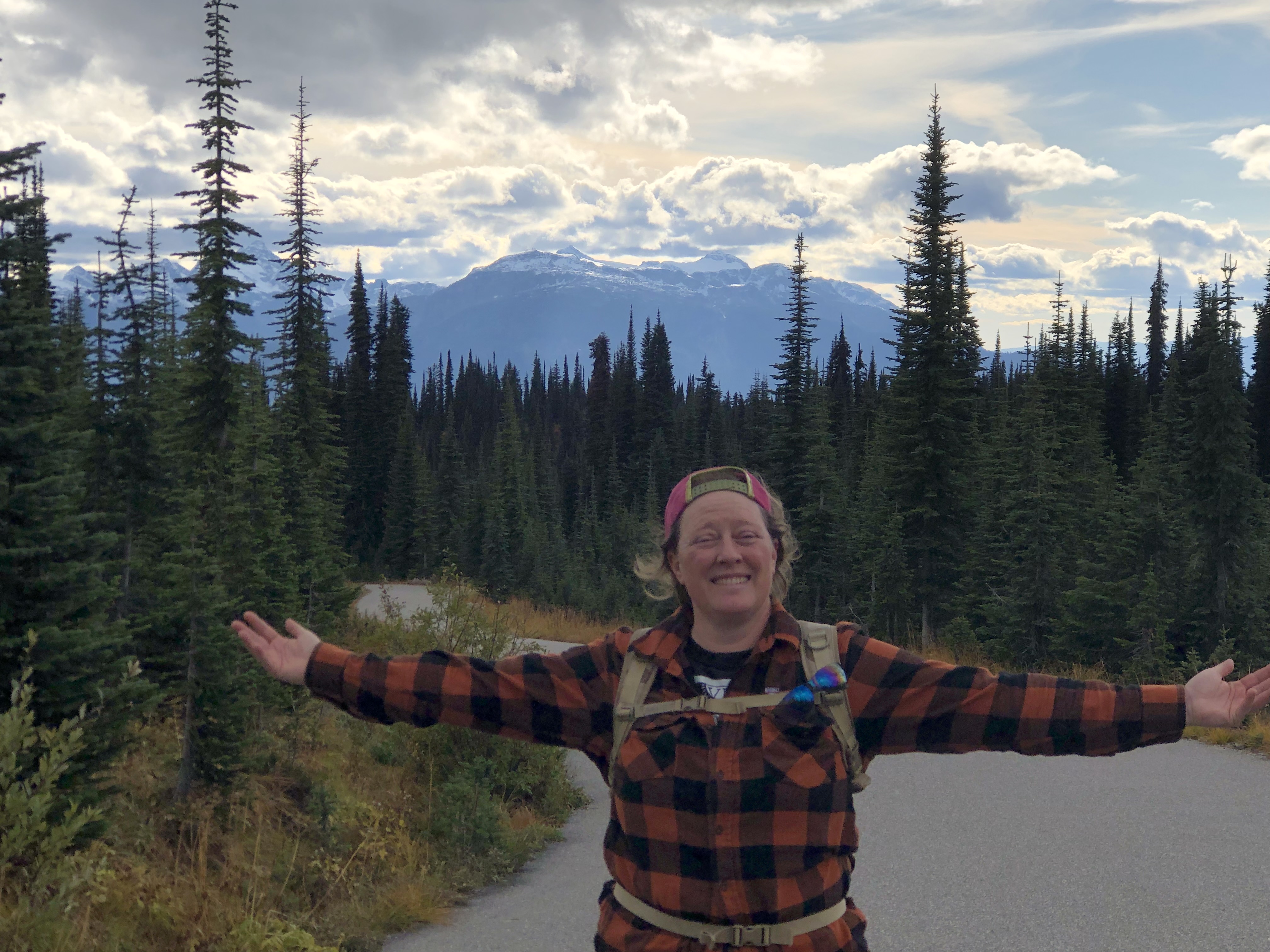
I’ve been planning a trip to BC for over a year now, and finally launched into the north the first week of October. The road trip would be a full week of hopping through National and Provential Parks across British Colombia. The half way point was Banff, at the edge of Alberta, where we planned a two day stop over before our return back home. My housemate Brenn accompanied me, and was a patient navigator and companion through this adventure. We were blessed with good weather and smooth driving (for the most part). Fall color was coming on quick, and we reveled in the golden larches and aspen along the way. Out goal was to see wilderness, and that’s what we did, driving up to Revelstoke, then Glacier, and finally, Banff. Our first few days were quiet and relaxed, with sightings of bald eagles, a big horned sheep, and lots and lots of mountain peaks. We were also learning as much as we could about the geology of the area. The rocks were off the hook- and so divers. In short, this part of the world is known for hectic geological confusion, a lot of tectonic uplift combined with a conveyor belt of Pacific islands crashing into the west coast builds quite a picture in millions of years of evolution.
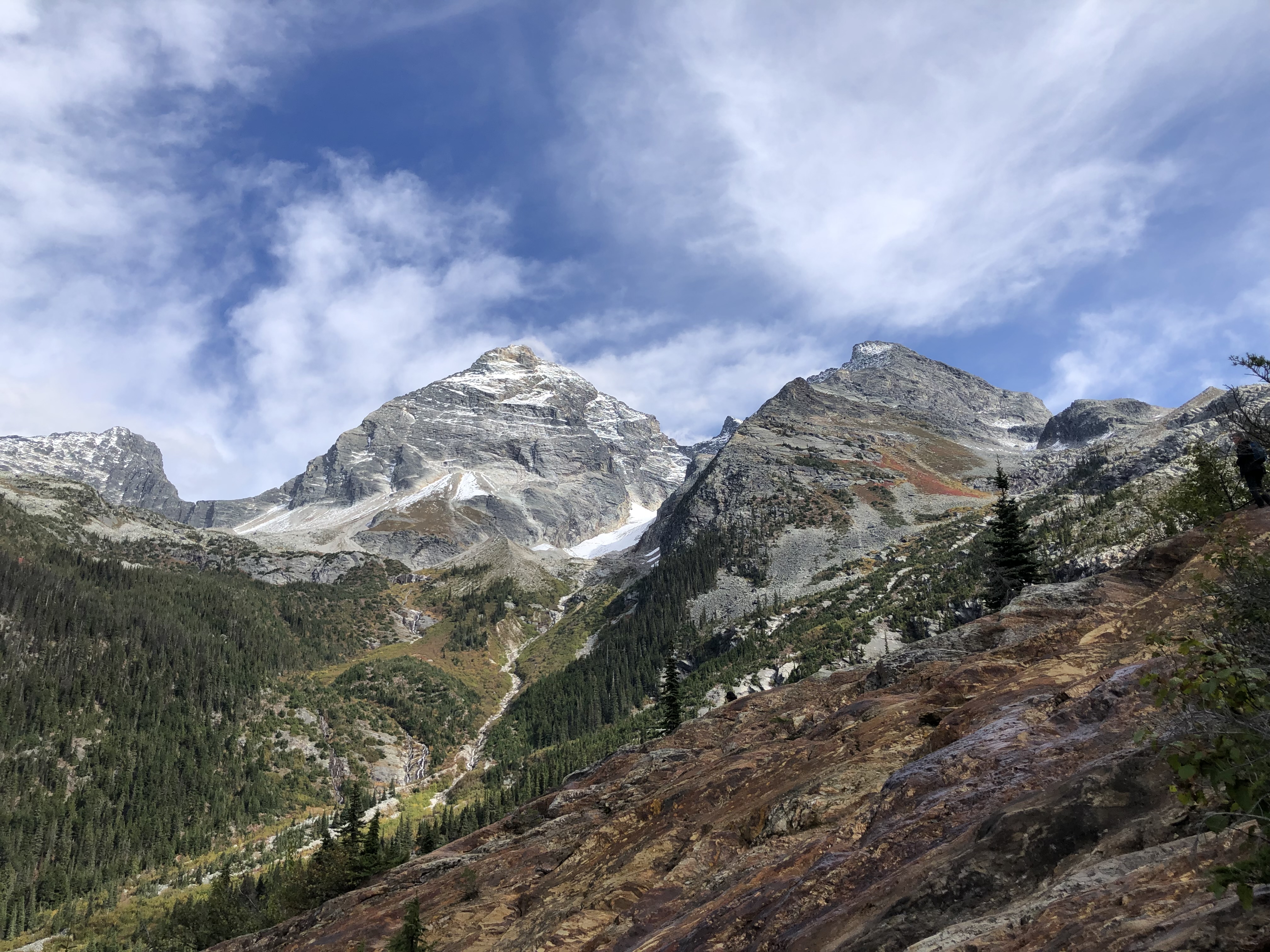
Then there were all the glacial terrains, including some still active ice caps in the higher elevations. We went on a hike to see the ice, and instead, learned about how quickly these relics are melting away. In Glacier National Park (Canada), we were greeted with a waterfall, where once a great sheet of ice formed. It’s sometimes still a shock to see how fast climate change is happening all around us. But the reminders are so important. We did see the ice from the parking lot, and coming back on the highway, but glaciers in this part of the world remain in retreat, and will probably be gone from these mountains in our lifetime. Something else that remained elusive on our trip was the carnivores- which was probably a good thing. I had been a little nervous about being in grizzly country on this trip, but the bears stayed away, and we only encountered one trail that was closed for bear activity.
At our campground in Revelstoke, there was a bear locker at our site. I was very appreciative of it’s presence, as everywhere else we camped we had to keep the food in our truck- where we were also sleeping. Eek! Again, no problems occurred, but we took the threat seriously and always cleaned up our camp before bed. In Canada, you can be fined for “baiting” if you leave any food out. That’s a fair consequence in my book, because the animals are euthanized if they become problems in campgrounds. We did not see anyone else being careless, so the message is getting through.
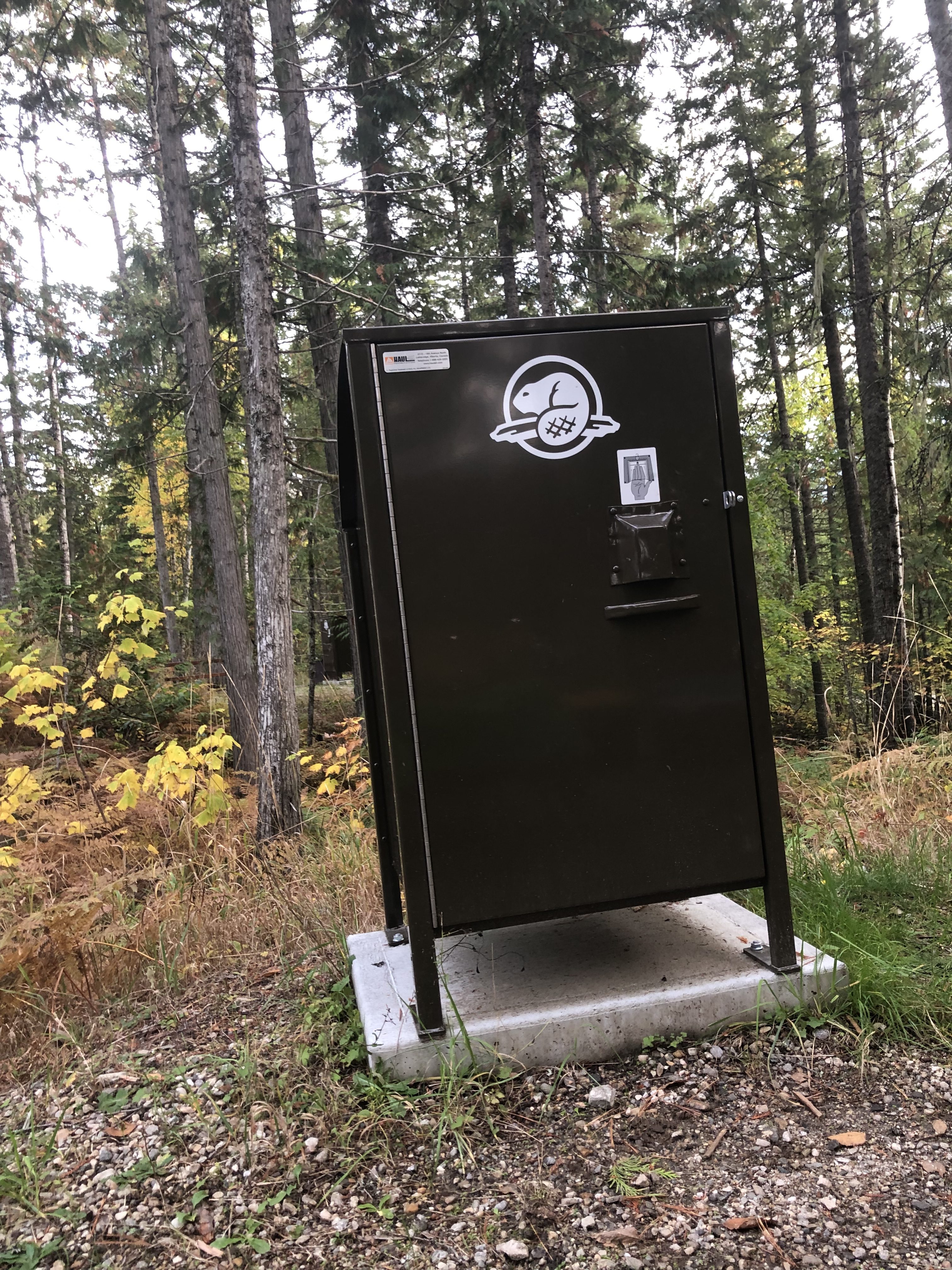
That cute beaver symbol on the bear locker is the Canada National Park emblem, and I love it. The image is a statement of rehabilitation in the parks, where they are embracing natural restoration through the amazing powers of beaver damming. Sure enough, at Revelstoke, beavers are hard at work on The Headwaters of The Colombia River. We were in awe of all the wetlands below in the river valley. The picture below is our attempt to show what we saw, but scale is hard to capture in the great outdoors.
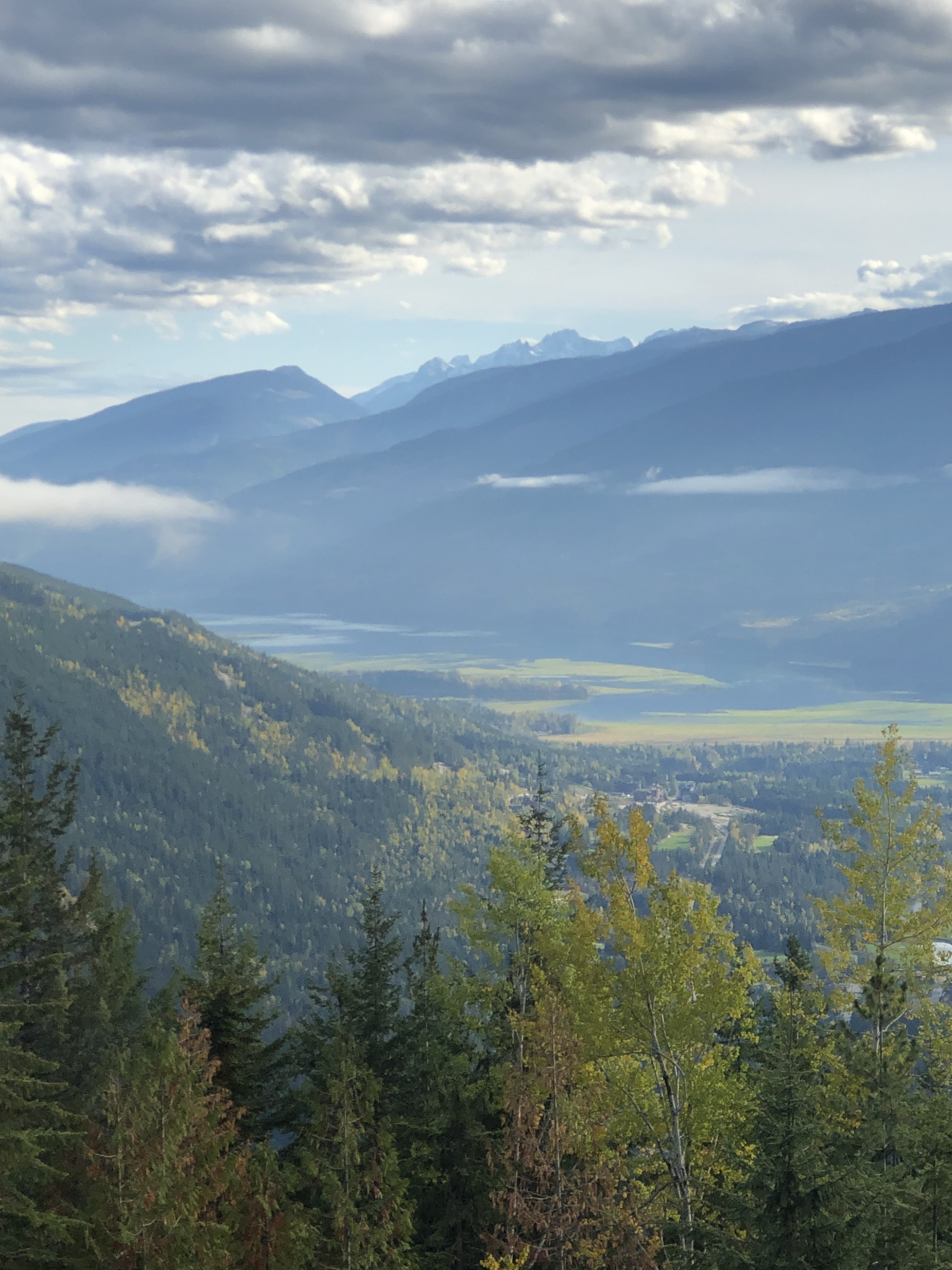
Though much of our trip was in the truck getting from place to place, we still had daily hikes and wonderful fire cooked meals each evening. It was great to get back into the camper lifestyle, and we slept well and warm in our bed in the bed of the truck. Most of our meals revolved around hotdogs and cheese, meals were simple and easy. Breakfasts were Brenn’s specialty, a lot of pancakes! PB&Js supplied our lunches, and we did enjoy hamburgers one afternoon on our way home.
One place we did not sleep so well was Banff. After a few days of really sinking in with nature, we arrived at what we thought was our main destination for the trip, Banff. But Banff was a mob scene- with so much tourist trap agenda and throngs of people pressing into each other in town. We arrived at our campground in shock, seeing the city of RVs and trailers with little vegetation or privacy from site to site. Our reserved spot was next to the bathroom, with no fire ring. I had no idea this place was so huge and developed, with plug-ins everywhere. As we settled in to cook our meal, a tour bus pulled in across from us and unloaded 12 Chinese tourists with their luggage. The folks began unpacking tents and setting up, yelling back and forth in agitation, as the wind picked up and made setup much more difficult. The yelling went on well into the night, but once things quieted down, a new racket picked up; the trains. Trains run through every park we stayed in, which is very different from American National Parks. In Canada, trains built the nation, and keep it running, so trains always get the right of way. In Banff, they line up to get through a tunnel under The Rockies, and stage this transition at our campsite. Diesel engines were idling below us all night long, and as one faded off into the tunnel, another would arrive to wait its turn. It was a nightmare- and we got little sleep, even with ear plugs. By morning, I had resolved to get the heck out of there, and we did.
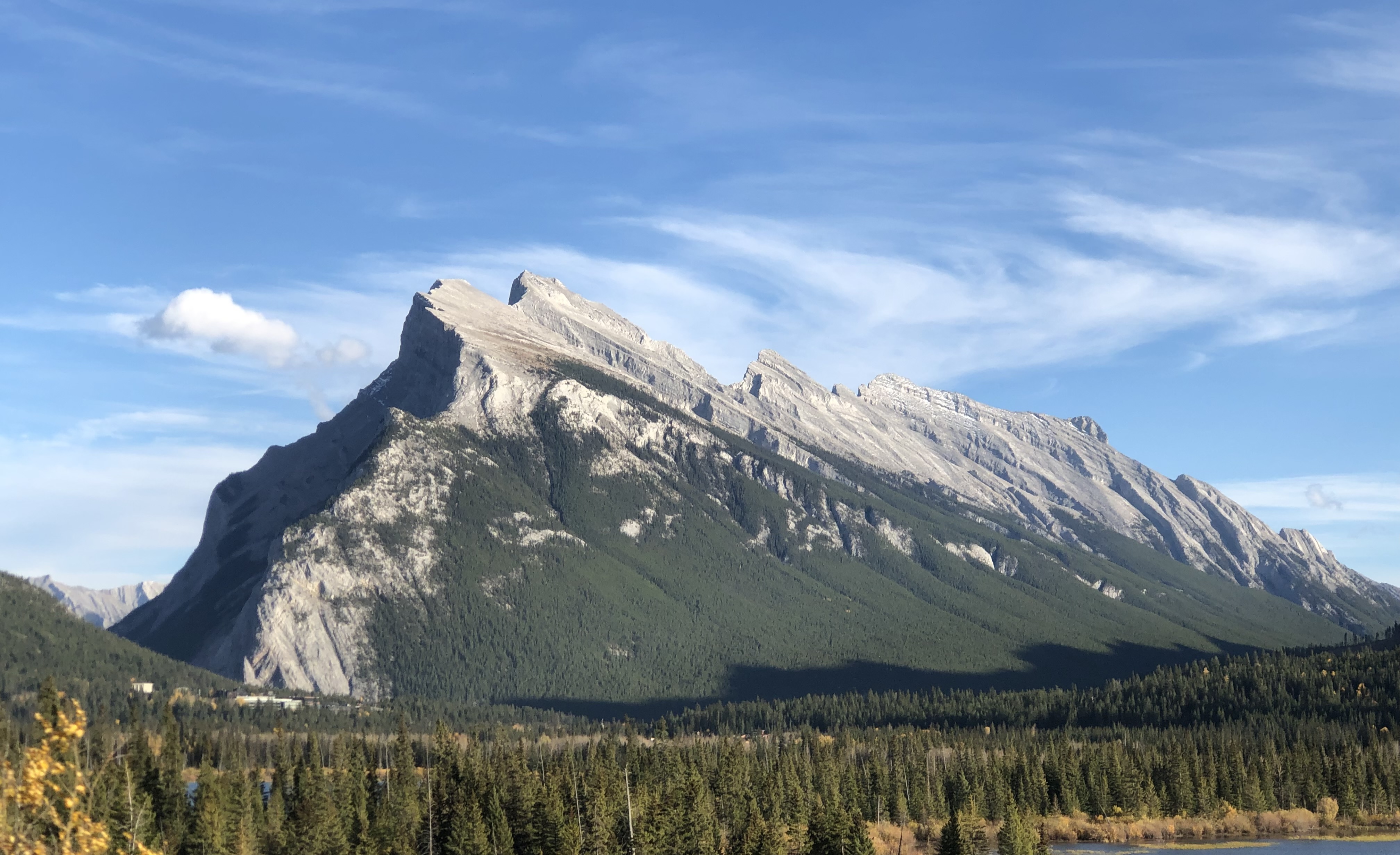
Though out original plan was to stay in Banff a couple of days, we drove right out of there, and headed south to Radium for some hot springs, which we learned were not open till later in the day during the winter schedule, so we headed back towards Glacier and Revelstoke, sad that we had not been able to enjoy Alberta. Our spirits were much lower that day, with little sleep and a lot of driving to get back into wilderness once more. We found a recreational camp site and settled in to rethink our trip. Brenn was still craving hot springs, so I got out one of the maps and found two thermal sites to the south. This rout would change our trip considerably, but we were ready to pivot by then and decided to go for it. Now our destination was Arrow Lake, and the hot springs there. We ended up on a surprise free ferry ride, as Arrow lake is a deep glacially carved lake- like Lake Washington, which makes setting bridge pylons impossible, so they use ferries. We had a delightful crossing with great views of the landscape, and friendly Canadians eager to meet and greet during the crossing.
Our hot springs adventure set us back on track for the rest of our trip. We relaxed for an afternoon in the hot mineral waters of Halcyon Hot Springs and then found our final campsite in Canada. Mable Lake Provential Park was our final stay in BC. This was the only time we experienced mild Canadian anger about how our administration has been treating our neighbors. I don’t need to go into details, but in short, we were charged double rates at the site, and were given stiff smiles with thick underlying contempt for being “foreigners”. We understand why many Canadians are upset with The US, and that’s part of why we chose to go on our trip there, so we were spending our money in Canada, and appreciating there great landscape and hospitality. We were actually surprised there was no more attitude, but as usual, Canadians remain friendly and willing to reflect with visitors who show respect and appreciation.
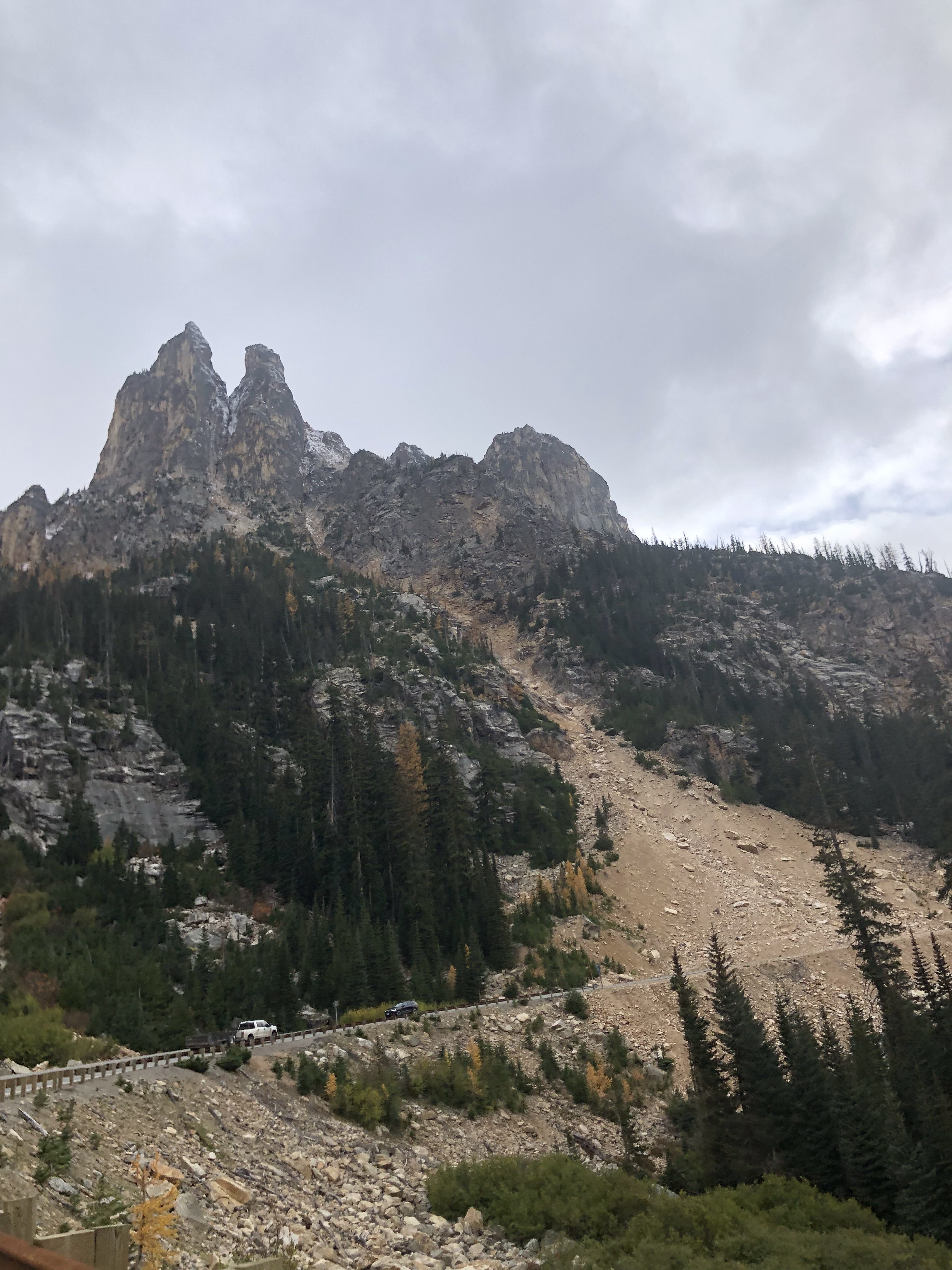
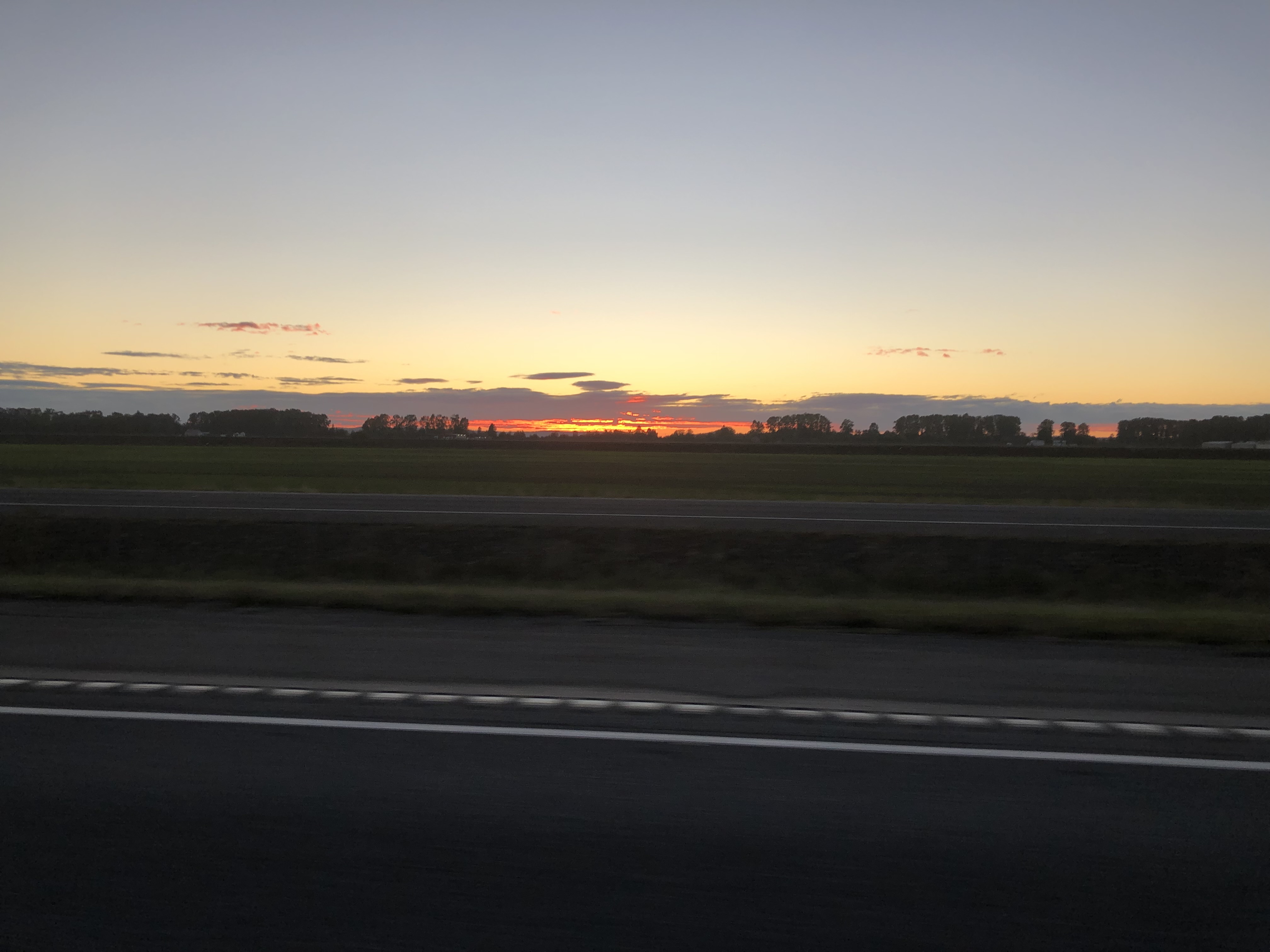
Because we had changed plans after Banff, we ended up making a surprise visit to my sheep mentor on the east side of The Cascades, near Tonaskit. It was wonderful to be together after several years, and a little Canadian Whisky brought laughter and good cheer as the cold continues to set in. On our last day of the trip, we crossed through The North Cascades National Park. It was snowing. The mountains are so beautiful, and we made a safe drive through them, back into Western Washington, just in time to see the sun set on our west coast as we made the last few hours drive home.
So much gratitude for safety, amazing landscapes, good company in my friend, and lots of friendly and helpful Canadians. We saw and learned so much, and hope to return for more in future. I’d like to plan a Banff trip where we don’t camp in town, and plan to go up into Jasper too. One thing we did see a lot of on our trip was burn scars. It was apparent that a lot of Canadian forests have burned, and it’s looking similar in Washington too. Along with the retreating glaciers, summer drought is leaving our western forests vulnerable to fire. It’s made worse by all the timber plantations now dominating the tree line throughout the west. Timber forests are not well managed- lacking the thinning needed to keep fire danger low. Very few of the parks where the native growth is left to nature were chard, and if there was evidence of burning in them, it was low and slow, and not able to go far. We could all take some valuable lessons from this- that nature has her own ways of protecting against fire, by building up great sponges in her root systems, with the biomass left on the ground to help keep groundwater from evaporating. Beavers can also play a crucial role in this protection of forests, by banking water and holding it along forest edges. When nature is allowed to manage herself, we thrive too.
I cannot say we should stop all forestry practices, that would mean more fossil fuel plastic crap in the world, but we can stagger our plantations, allowing swaths of native forest to grow between the lumber stands. Timber plantations should be thinning, but they delay it because it’s an expense with no income (they can’t sell the slash). That slash should be banked to keep moisture in the soil, not chipped and dumped along road sides. Until we start prioritizing the natural world over short term profit, the forests will continue to burn out of control, and our water will shrink away, until there is nothing left to drink. Write to your local and federal reps about this issue now. Tell them you want to see your forests protected, not cut down for shareholder dividends. Visit your national parks, and support local restoration projects where you live. Salute your local beavers and thank them for the hard work they do to keep water available. If you can, take a trip to Canada and spend some money there to support a friend’s economy. The exchange rate is great right now, so go north my friends, go north.


