Cool rains have come to the highlands. Sustained nighttime temps in the 40s signals the mushroom spring. The slopes of alpine mountains come alive as the last of summer’s flourishing spread begins to unwind. Mycelium remains active year round, processing the decomposing vegetation back into soil packed with nutrients. All kinds of mushrooms spring forth, on logs, in sand along creeks, under thick brush, and between the stumps of elder trees long hauled off on a truck to mills already in decline. Legacy old growth returning peaks like these offer magical glimpses into the world of fungi magic, and signal different chemical compositions within the forest floor. Interpreting that is a little above my knowledge base, but I can appreciate shape, color, base substrate the mushroom fruits from, and the age and composition of the forest. This helps me map species throughout the landscape and note what kind of habitat, weather, and elevation of the bloom.
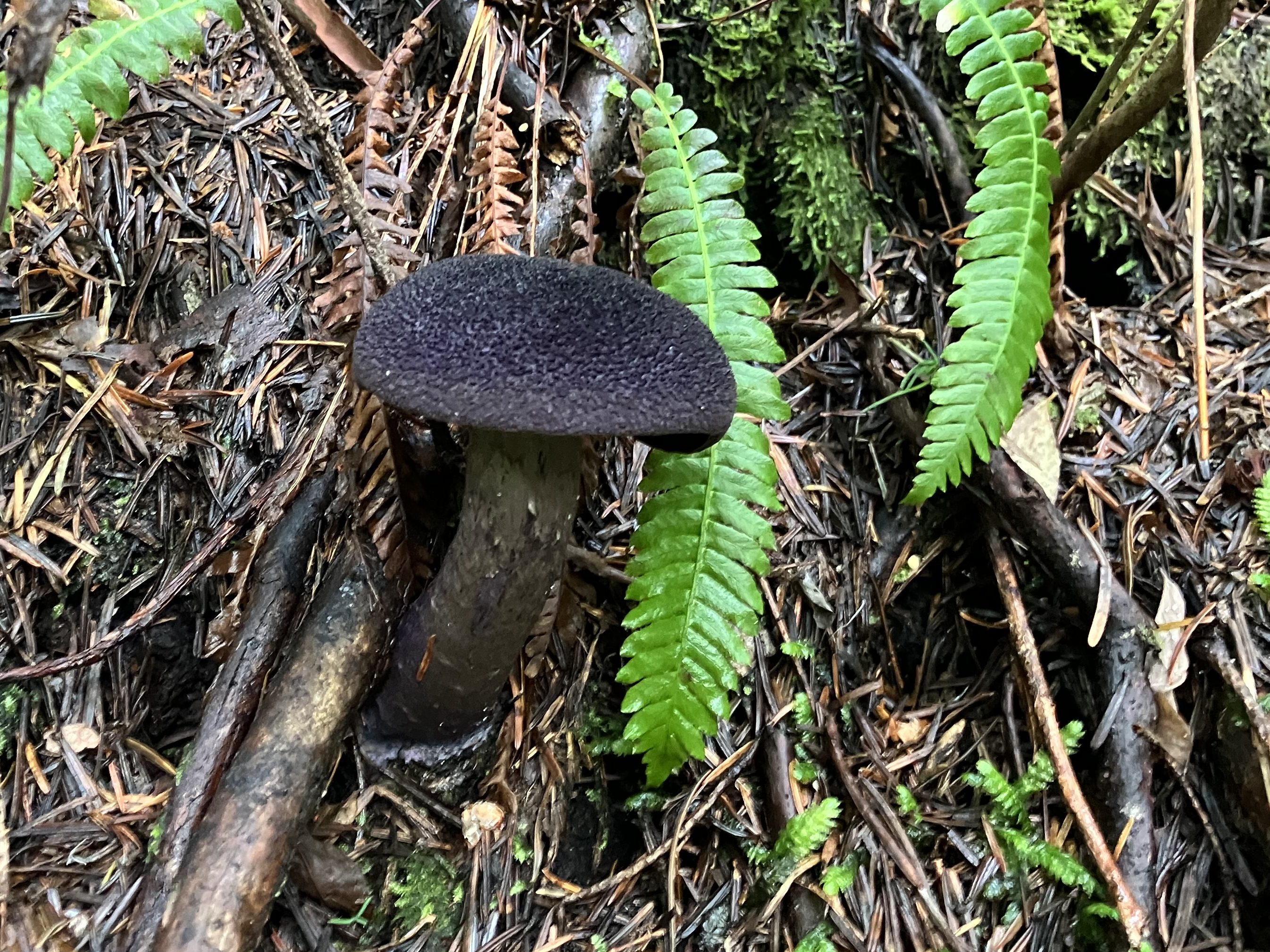
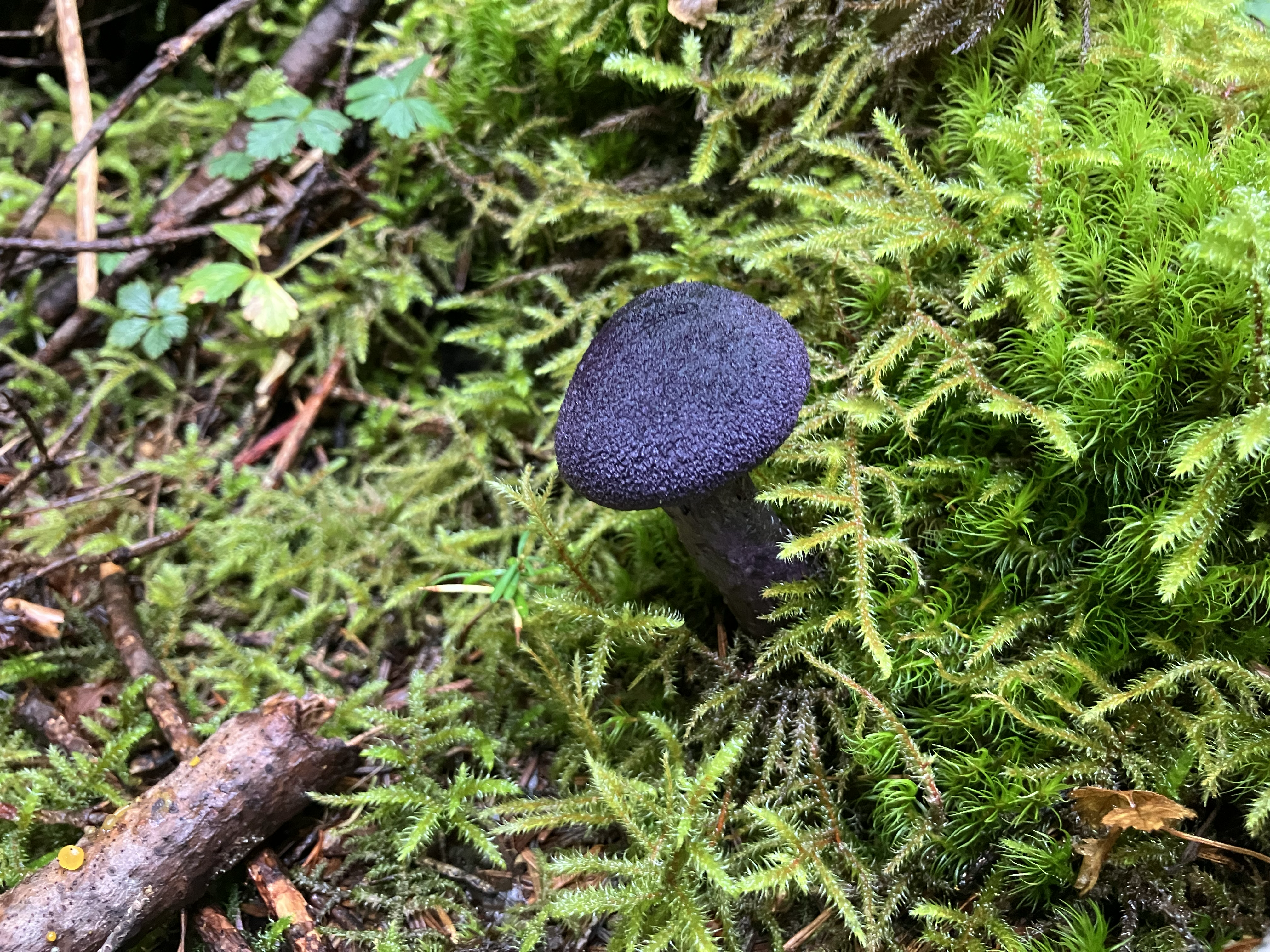
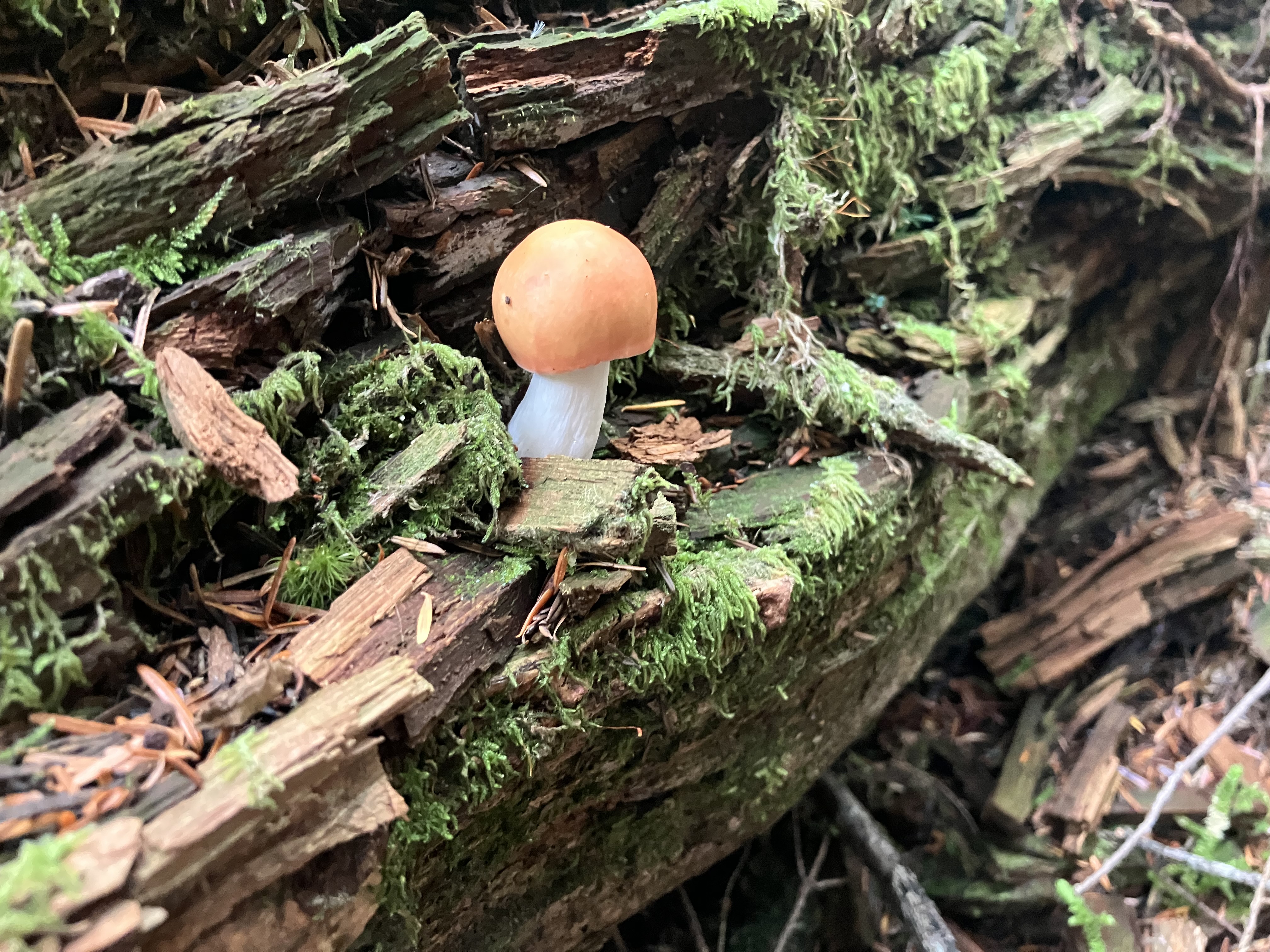
These details help me form an understanding of what mushrooms might be happening when, and where to seek them out. The edible ones are ideal, but the really cool looking fungi always gets an appreciative nod from me, like this Cortinarius violaceus, really pop on the spring green moss along the hillside. There were several in an area about the size of a pool table, all blooming from mossy debris. I wondered how the patch would develop over time, or if this was a one and done event, and the new spores would move on to settle on a new mossy bank to establish elsewhere in future. Mushrooms seem so random in where they pop up. Remember, that visible fruiting body is attached to a well established mycelia in the unseen substrate below ground. These colonies extend in mycorrhizal networks that travel under the soil for endless miles.
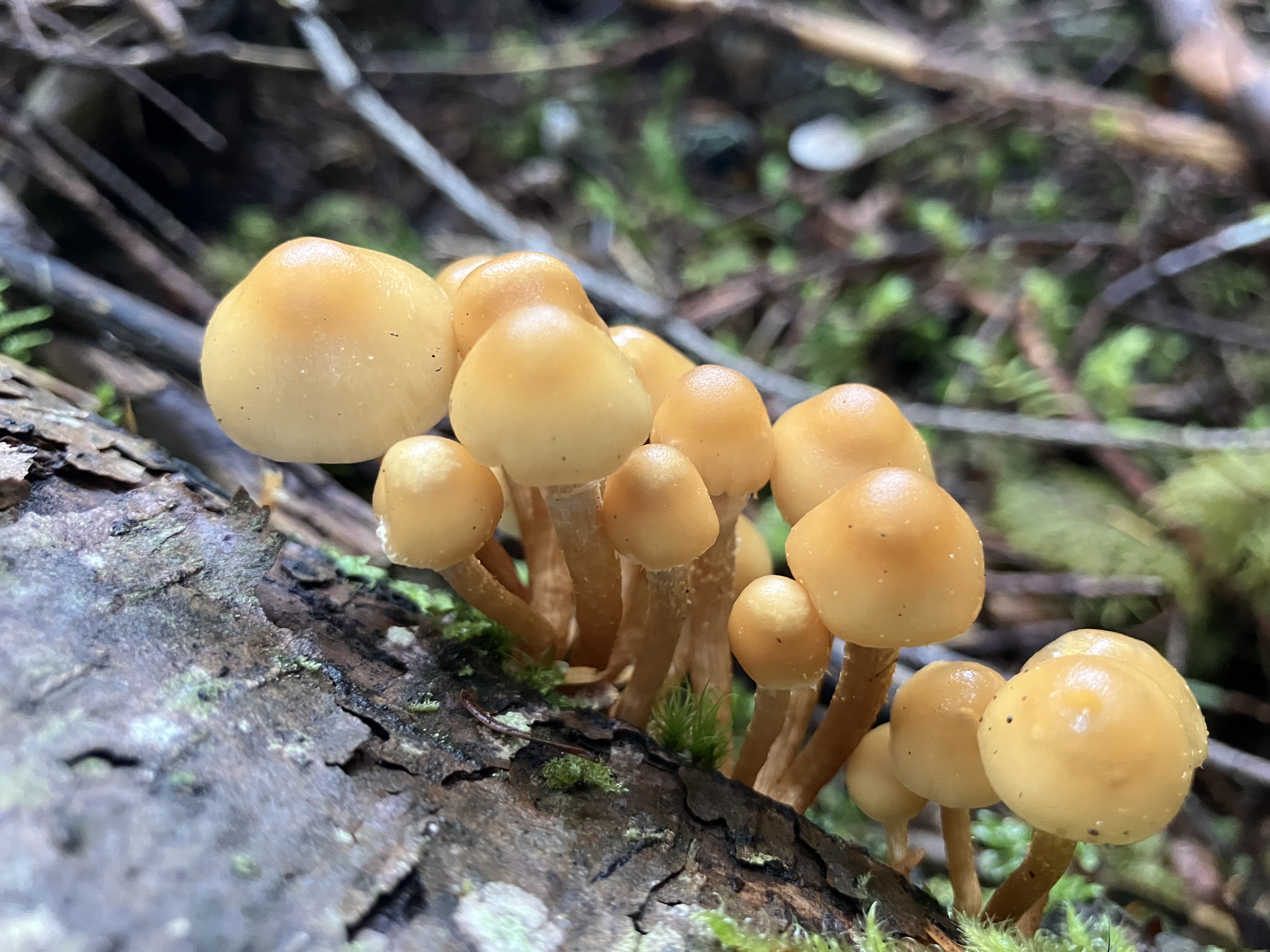
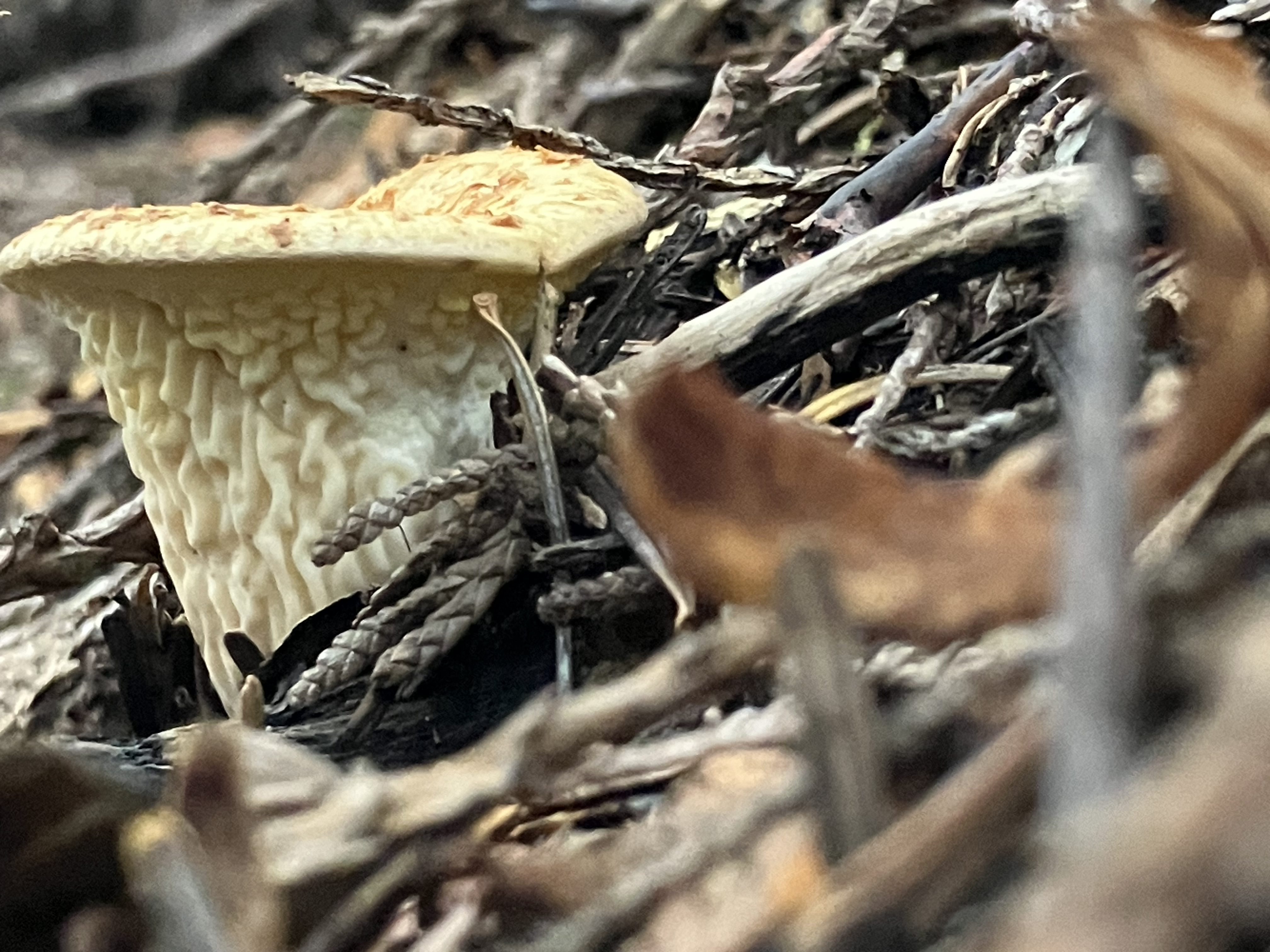
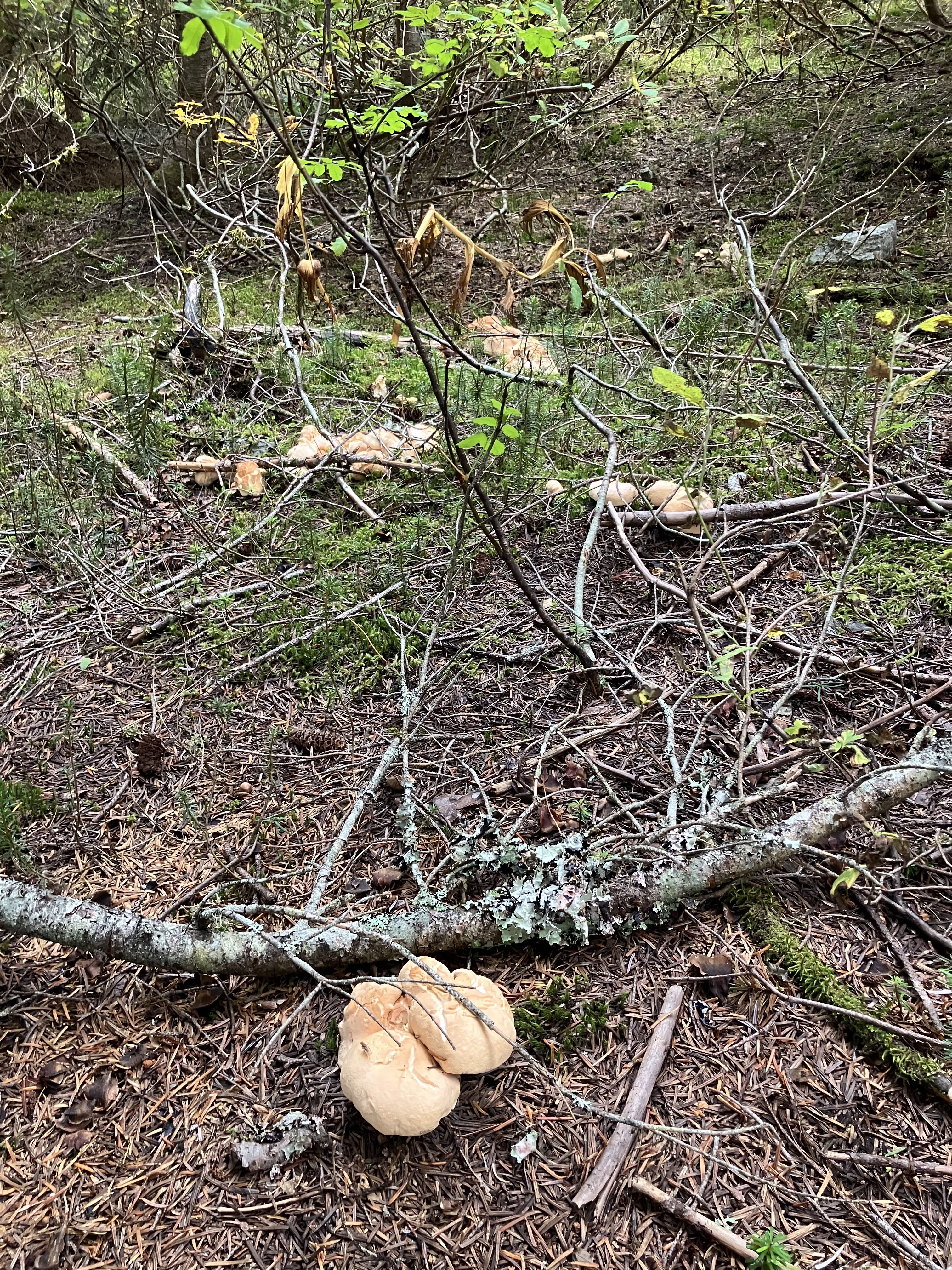
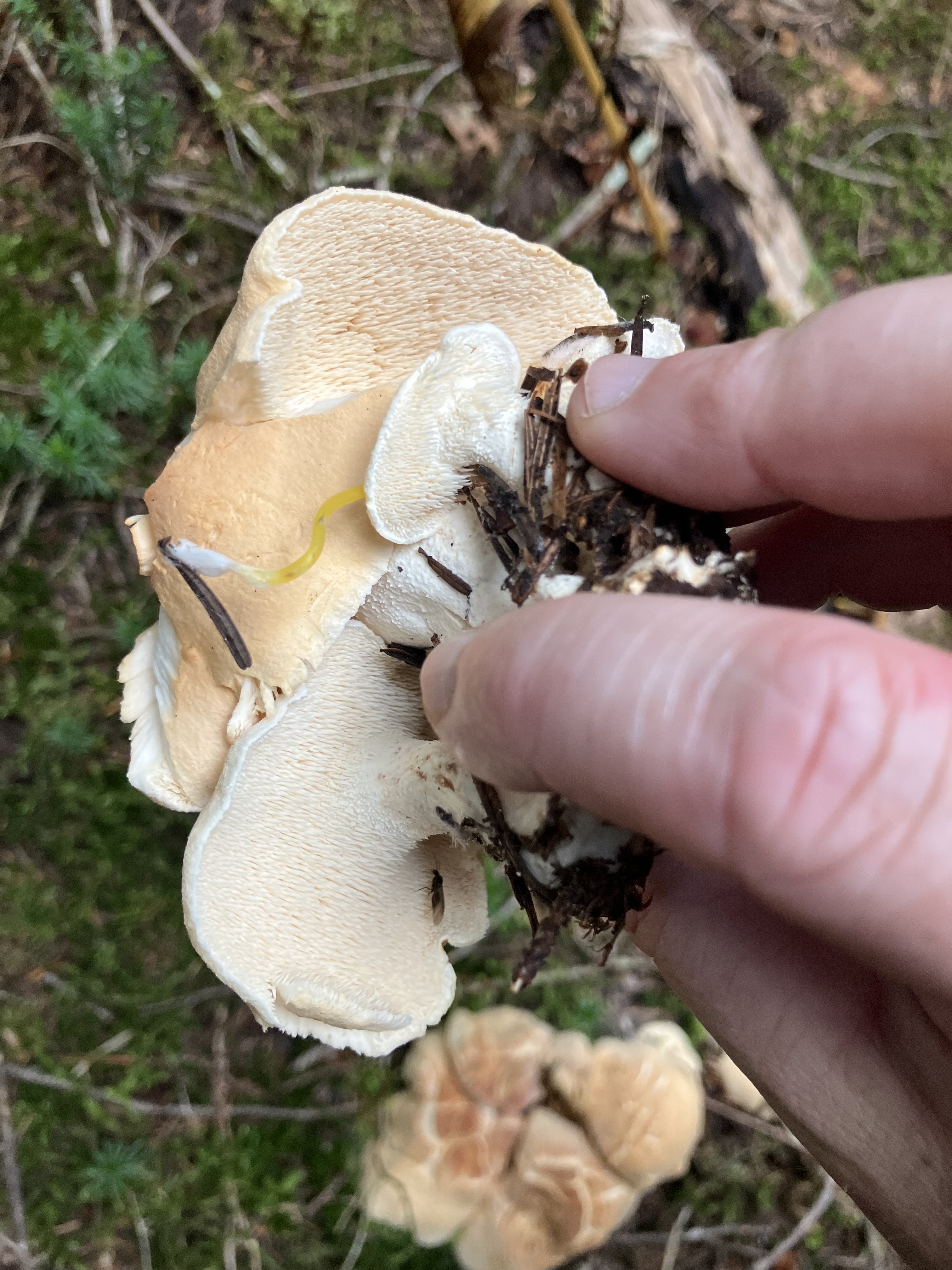
Some of the most charismatic mushrooms are for eating, like the hedgehog patch pictured just above. What a delightful find on my hunt, and below you can see how this species got its name. This family has a toothed under cap. I like to call them muffins of the woods- because that’s what the tops of the caps look like, strewn across the forest floor. It’s such a treat to come upon a flush like this, and I picked almost all of them- leaving a few to keep up the good work in spreading spores to plant future food- that’s sustainable harvesting, and it’s important to practice while foraging in the wild so that mushroom patches flourish across the landscape.
Another well liked species, with international reputation, is know locally as a king bolete, but carries the culinary title porcini. These are wold famous, and such a cherished part of the fall harvest for any passionate mushroomer lucky enough to stumble across them on a forage. We guard our spots, and they are usually reoccurring each year. You do have to hunt, but with the right timing, it does not take long to fill a modest cloth bag in a few hours of diligent hunting. In just a few hours of lazy wandering across alpine glades on steep hillsides, I harvested the collection pictured below- a feast to grace the table.
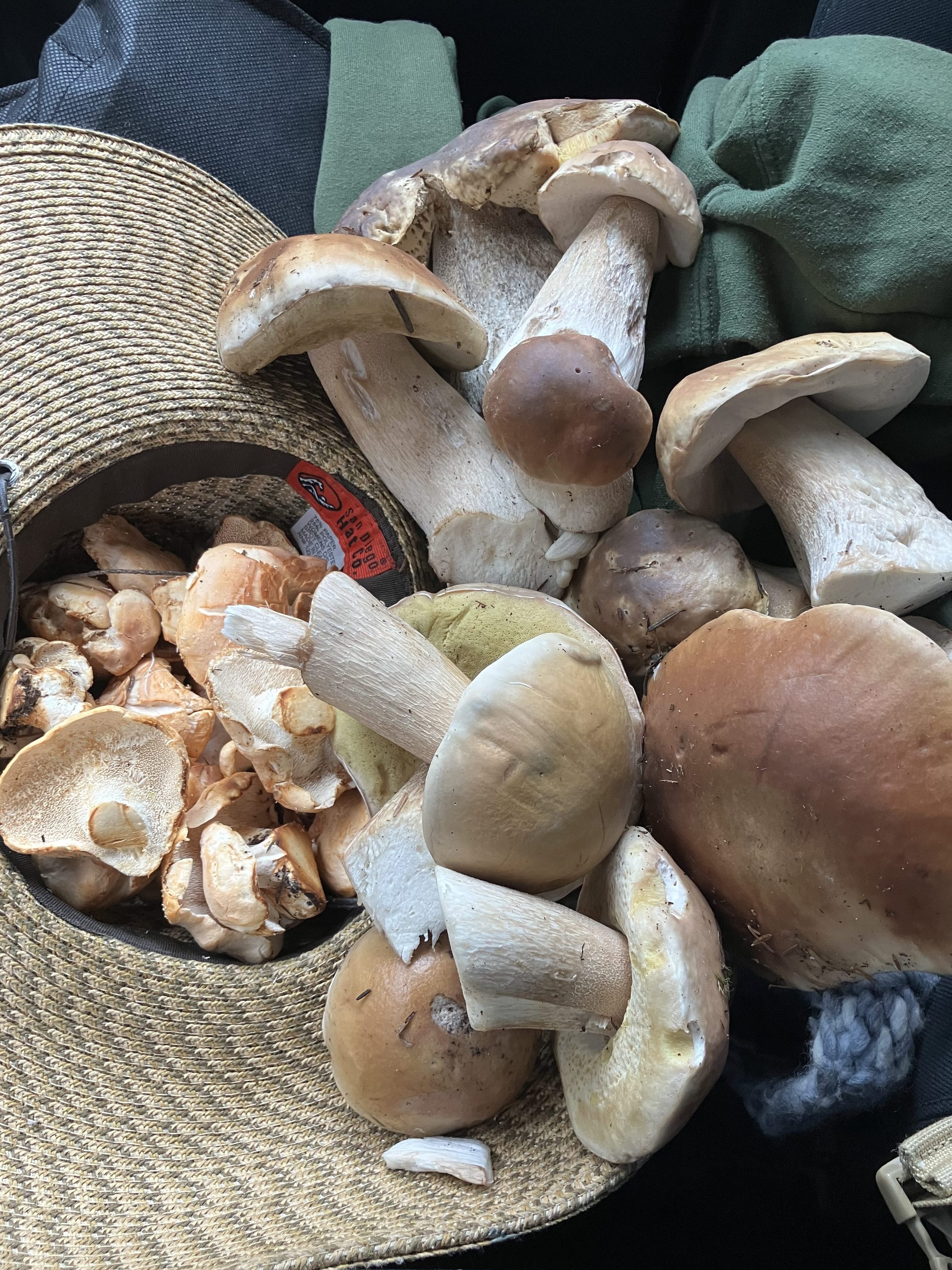
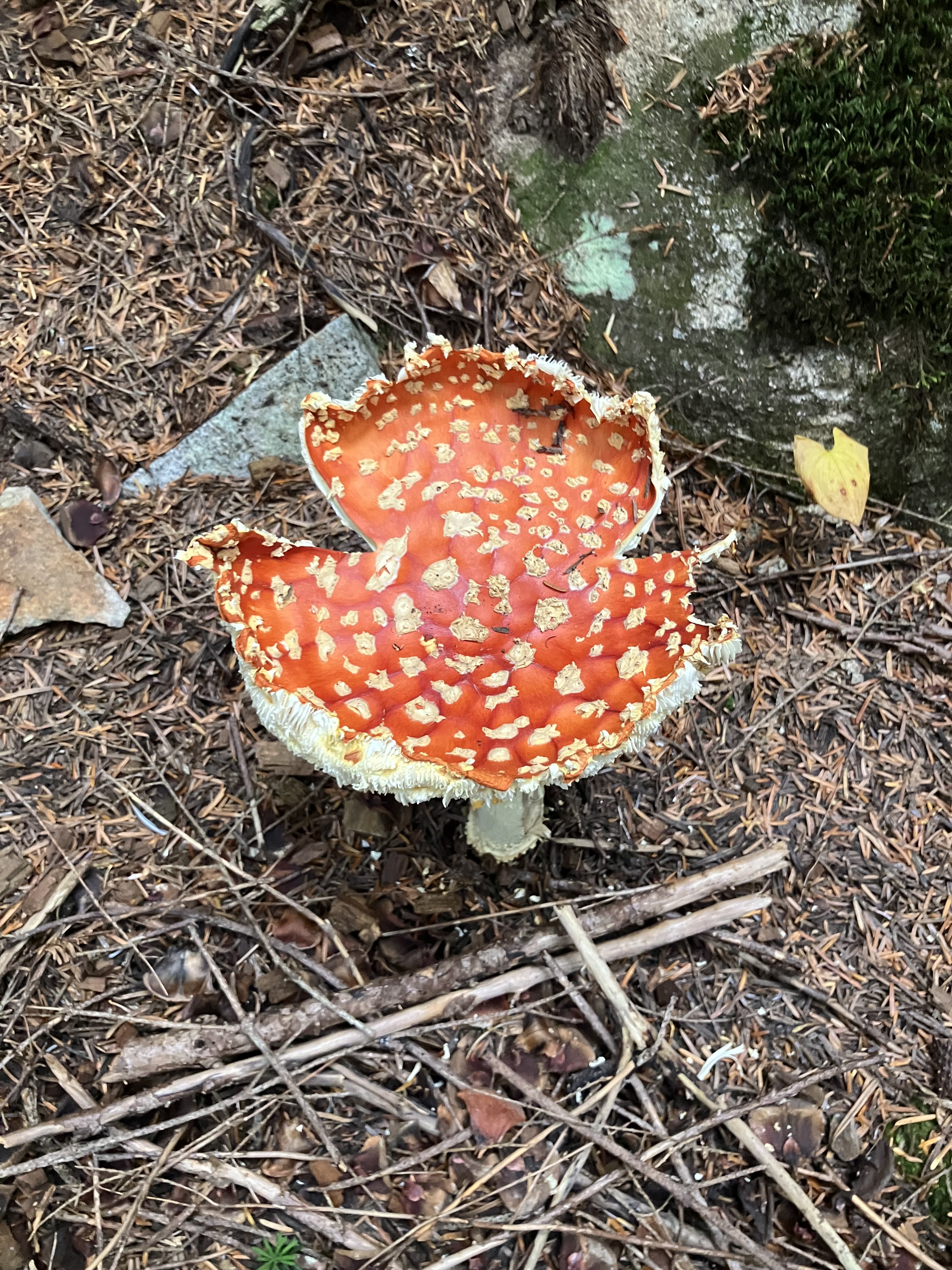
It’s in the bag if you get your timing right- I’ve been scouting my patches since the cool weather came in. Mushrooms fruit earlier at elevation- not much is out in the lowlands right now, it’s not cool enough yet, but once the rains start at Fall settles in, we’ll be sing chantrelles start closer to home. Up in the peaks at the end of September, things were hopping. I could not take more than a few steps before running into another beautiful mushroom. I appreciate all types, not just the tasty ones. I also appreciate mushroom aging, and trying to capture images of fading glory to help ID the fruit through all it’s stages. Mushrooms can go through quite the transformation form pinning out to flaking or melting away- almost overnight. The life of above ground mycology is fleeting at best- with the exception of bracket fungi, like reishi.
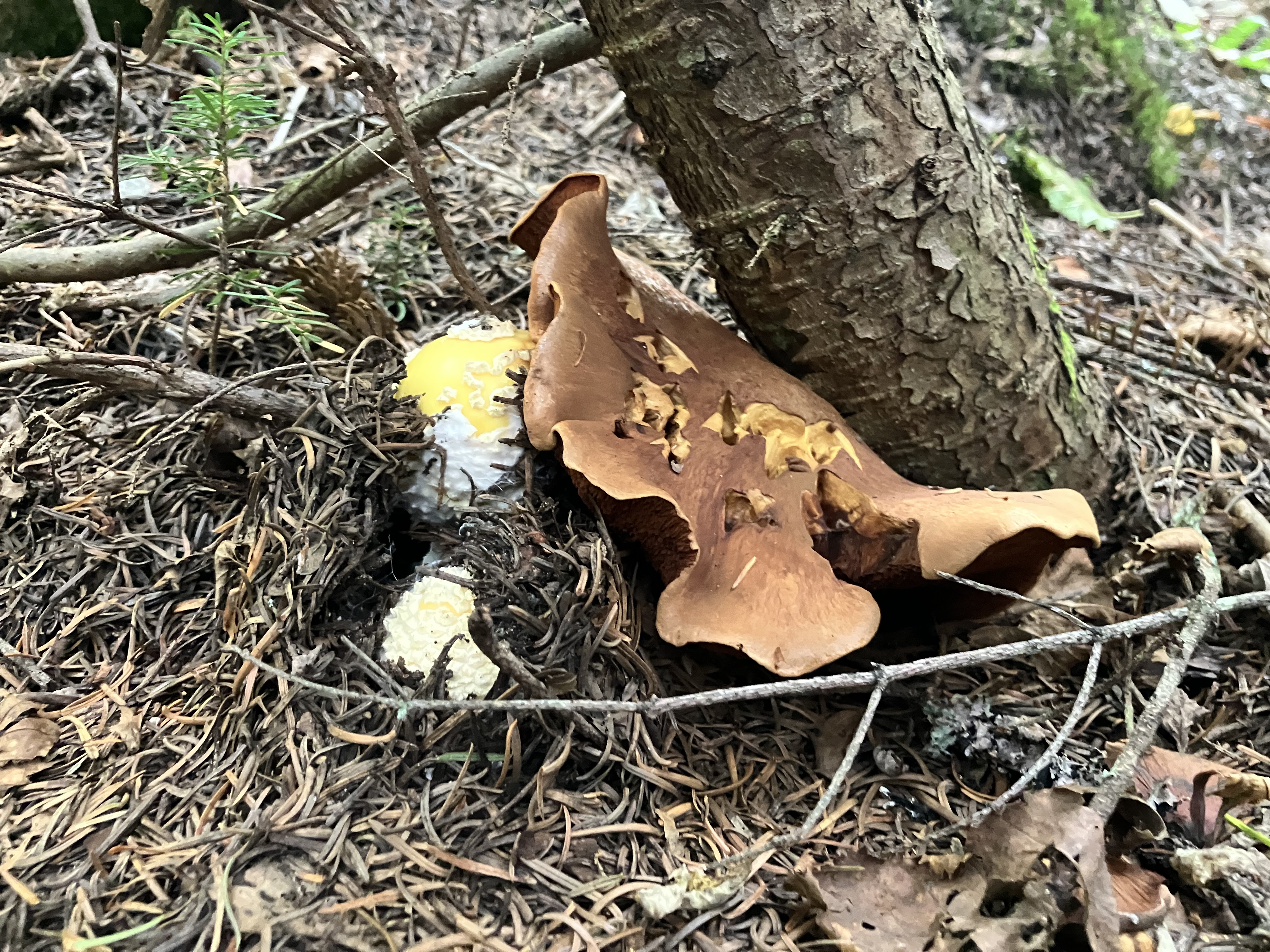
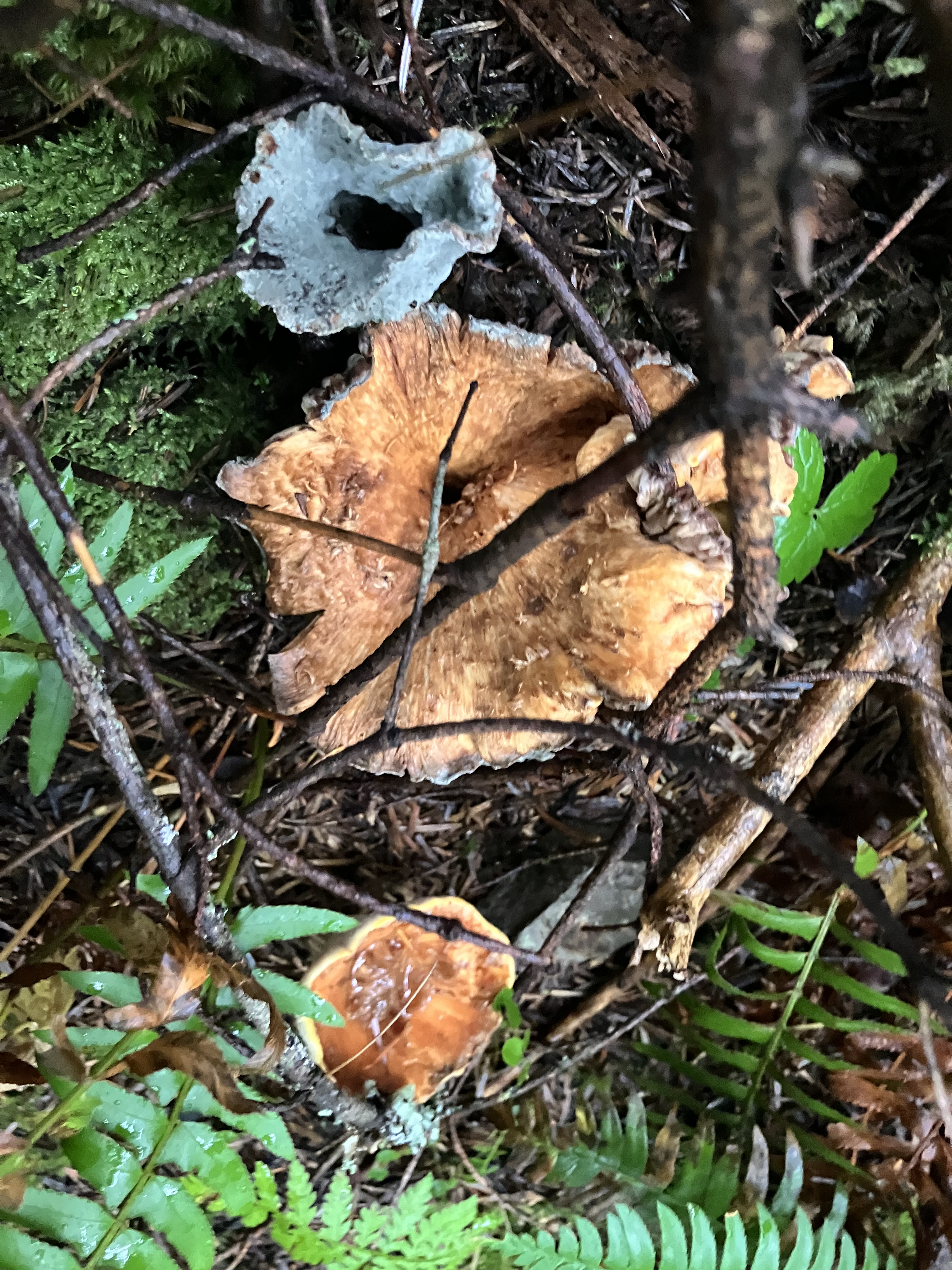
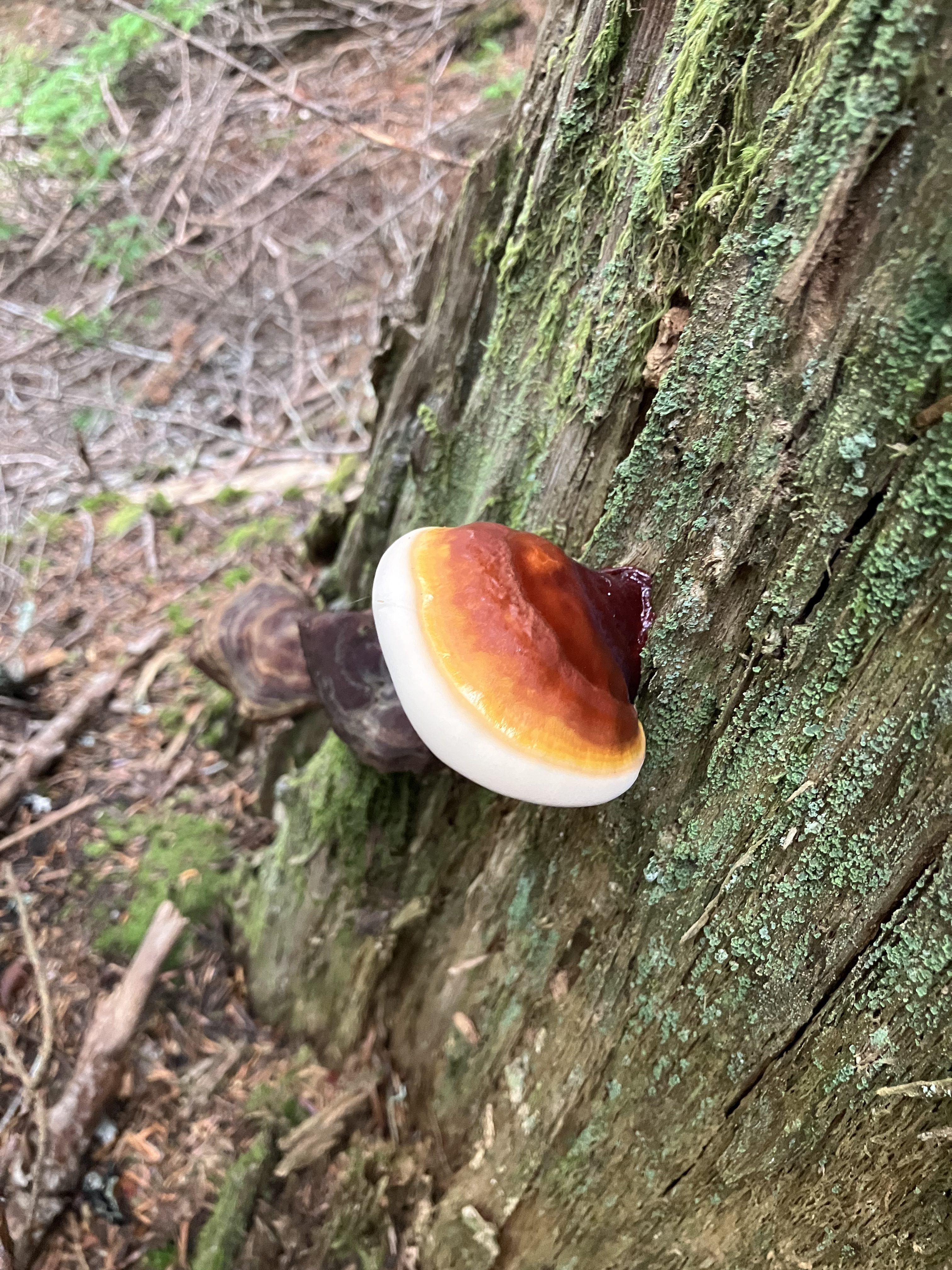
These hard bodied, wood eating fungi are much longer lasting, but in time, as the nutrition of the decomposing wood wanes, so too do the polypores. You can see past reishi blooms further down the stump. This particular species is rare in our landscapes, so I always take a picture, but leave the mushroom where it is. Please don’t handle a mushroom if you don’t know about it- not only could you be touching something toxic, you might also damage rare species unknowingly. Mycology is a deep learning journey, and I remain at the shallow end of the pool, but I’ve got enough knowledge to swim, but I can’t go beyond where I can stand. I’d call most mushroom beginners waders- just on the steps, or knee deep in the kitty pool. Want to go deeper? Take some classes with trained mycologists near you, join your local mushroom club, and take lots of good photos of what you see when you’re out. I’ve been cultivating my local knowledge for almost two decades, and I still have moments of confusion in the field- but not with the ones I take home to eat!
Ever since I was first shown chantrelles here in Western Washington, special thanks to Johnny Miller, the amazing human that first encouraged me to learn about mycology, I’ve been hooked on fungi. This kingdom of the living world remains so mysterious, so full of endless learning, and a heck of a strange thing on this earth. It’s such a pleasure to be out in the mountains appreciating the oncoming Mushroom Spring of 2026, beginning in the high country, with porcinis for the larder, and the popping eye candy that is violet webcap.