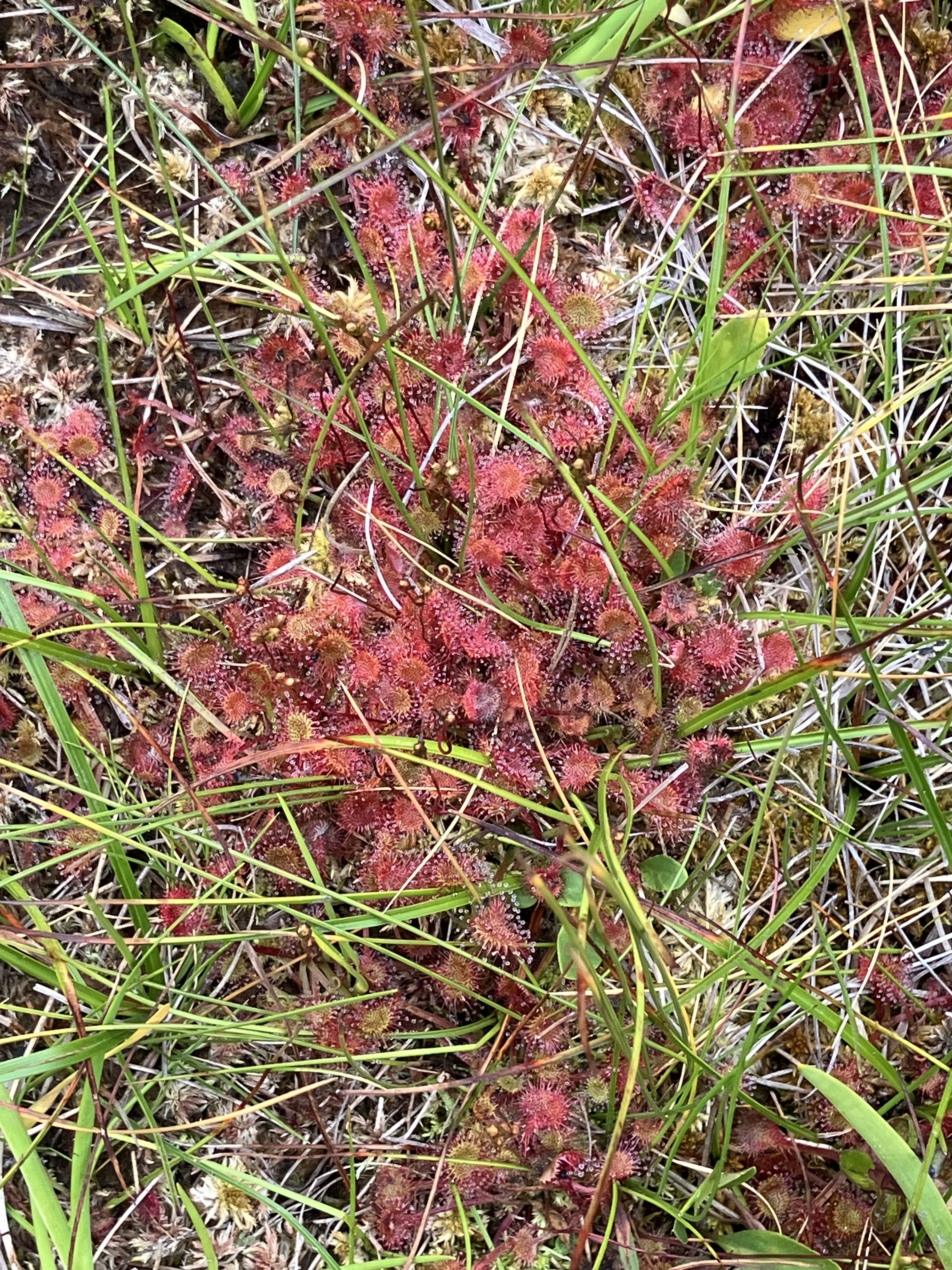
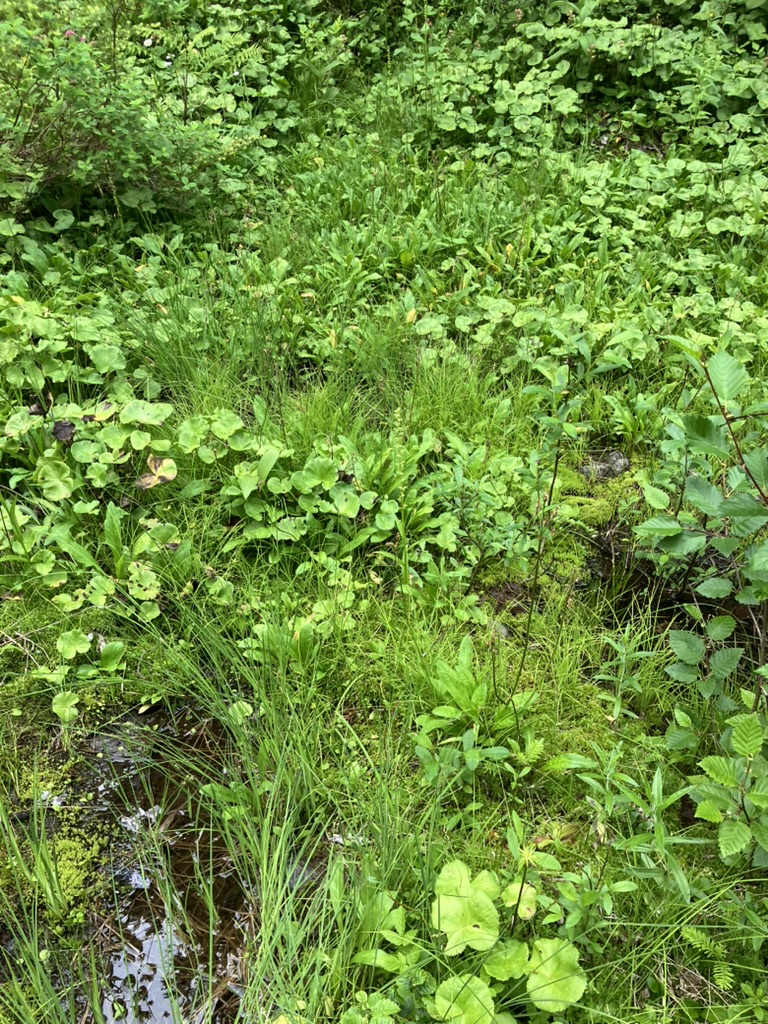
Along a favorite alpine lake, there are carnivorous plants thriving. These sun dew beauties are quietly waiting for someone to stumble in; passive hunting at its best. Wetland edges are full of diverse plant and animal life, making it a great larder for all. Much of Western Washington was once covered in wetlands, but European Colonial agendas knew that draining wetland uncovered fertile crop land, and where there were marshes, there were no pesky giant stumps of cut forest to have to clear. Bottom land was worth the work in these parts, and people happily ditched the sponge of crucial water that protected the land from fire, turning “worthless” land into black gold.
This was the way with settlers pushing into what they thought were “god given” acres for their use. To turn the land for good, planting crops and turning wilderness into precious pasture and field. They had already done so much of it back in their own homelands, though in Europe, only wealthy people with titles had land- in most cases. That was what drove so many to America, and why owning the land and making it your own is such a pioneer vision, still peddled as our divine right to this day, in a country with more public land than anywhere else on earth. All this land was taken, treatied away after generations of fighting, plagues, and forced conversion of the original people that had lived in deep connection with this incredible place for so long.
Where the wetlands are still intact, there are hints of what once was. Mosses, ferns, lichens, trailing blackberry, oso, salmon, huckleberry, countless understory trees, then the giants; towering pillars of apex standing. There were also beavers in these woods, keeping wetlands open and flooding new dammed areas where trees then slowly die back, thus opening up the land. Once the beavers move on, the wetlands will begin reverting back to meadow. Hundreds of years later, forest returns, or the beavers come through again, engineering the landscape more than any other animal, except us.
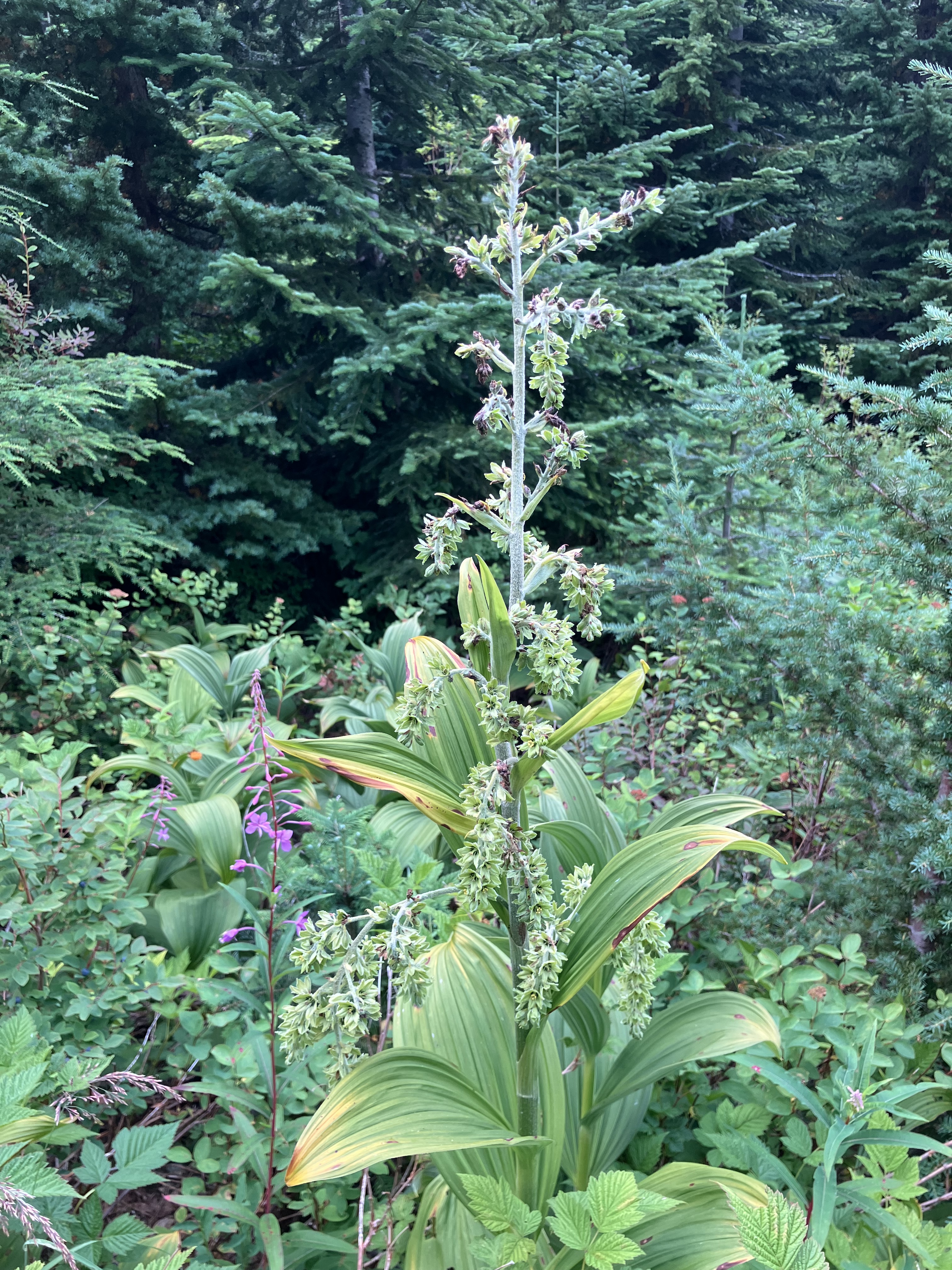
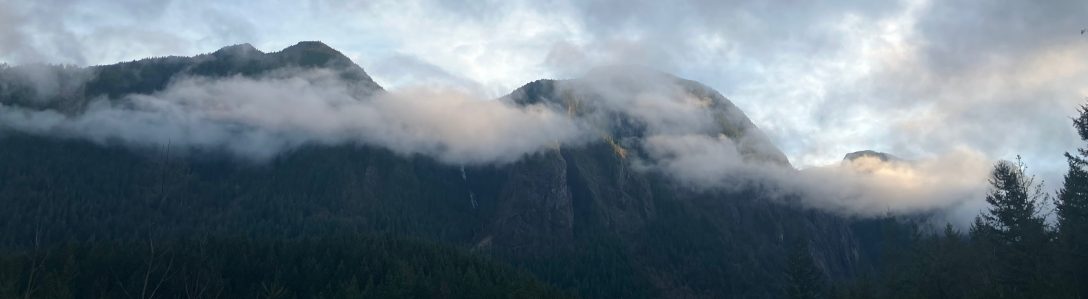
Hellebore flowers are so beautiful, towering purple, yellow, and green cascading down an impressive staff pointing up from unique wide leaves like stretched green fans. The nearby fire-weed looks enamored blushing pink in delight. Mountain spirea and blueberry cloak round the two where wetland edges meet forest. Beyond, high mountain hemlock and noble fir slowly gain height in minimal soil scattered on glacial till onto bare rock layers that echo recent volcanic building. These quiet alpine lake edges, where the marsh these plants thrive remains diverse and lush. After snow melt, the whole area floods, raising the lake level by 8-10 feet. I usually time my swim around when the water drops back down to its lowest level, the shallows- extensive on the south side, where this wetland thrives. The north side of the lake plunges into darkness, a hole that obfuscates into darkness. Steep scree slopes rise to sharp ridges that circle the north and east shores. No vegetation takes hold here.
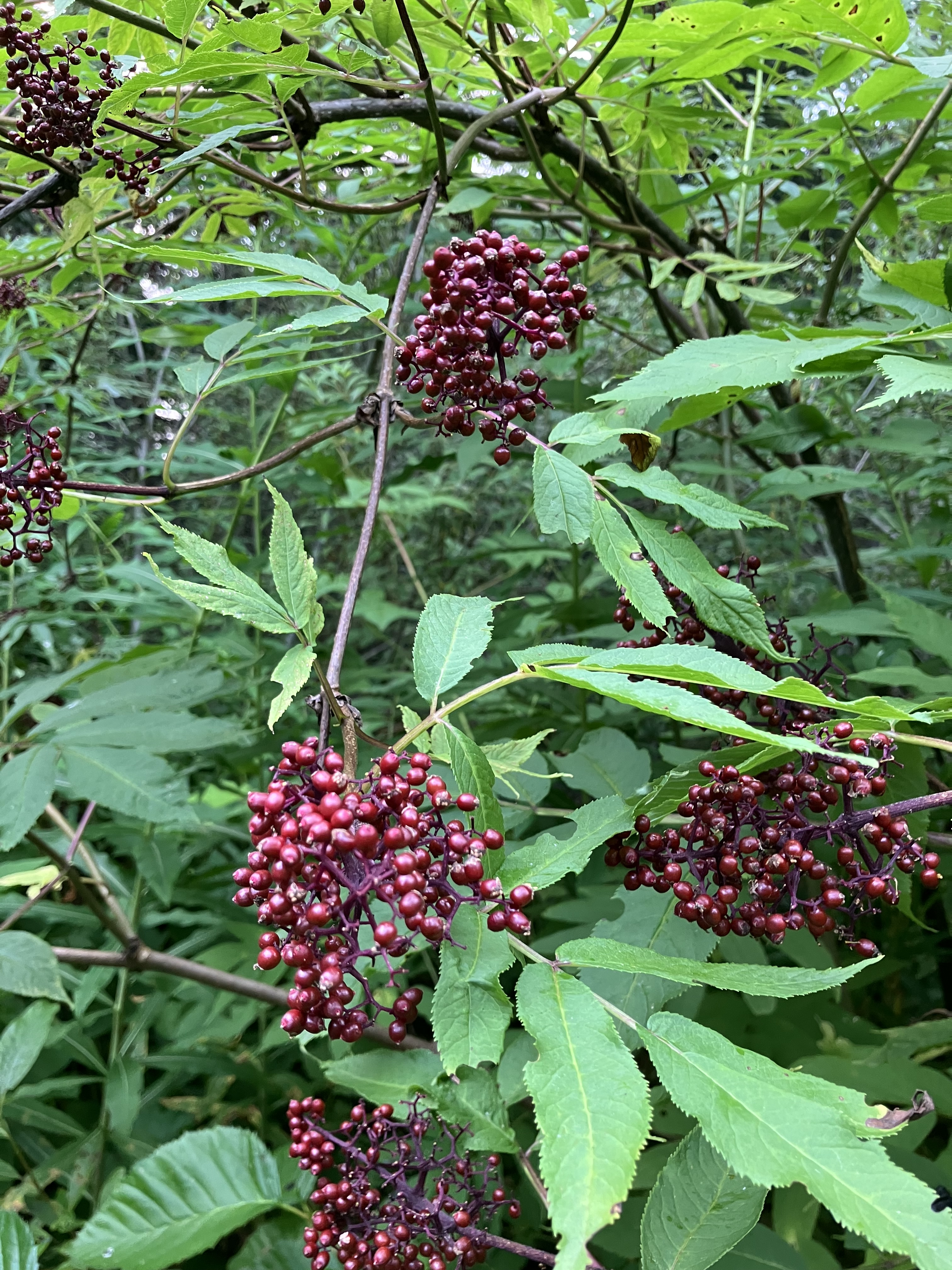
While hiking out from the basin that holds these sensitive ecosystems, more wetland plants take hold in a more rocky slope with good spring seeps that feed a ledge wetland wonder. Here bear grass, more mountain spirea and arnica, and even some lowland familiars like salmon berry and red elderberry, pictured below in a unique maroon color. Could this be a mountain hybrid with an east of the mountains variety? There is some service berry here. Would blue elder hybridize with red? I treat it as red, and would always cook the berries.
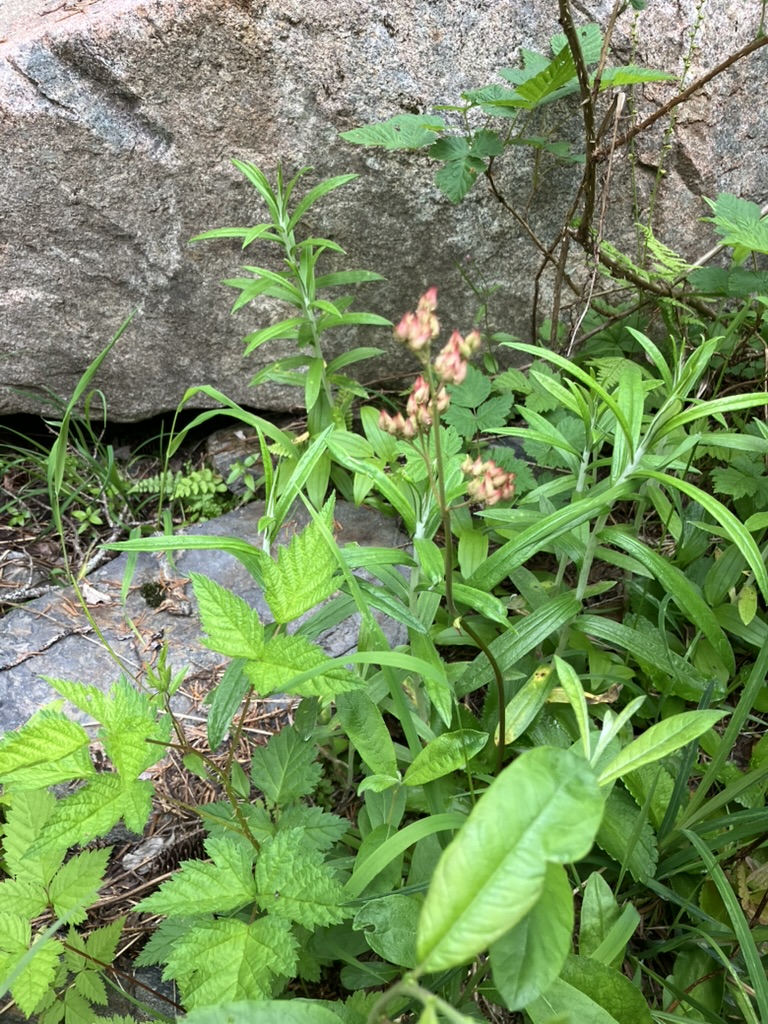
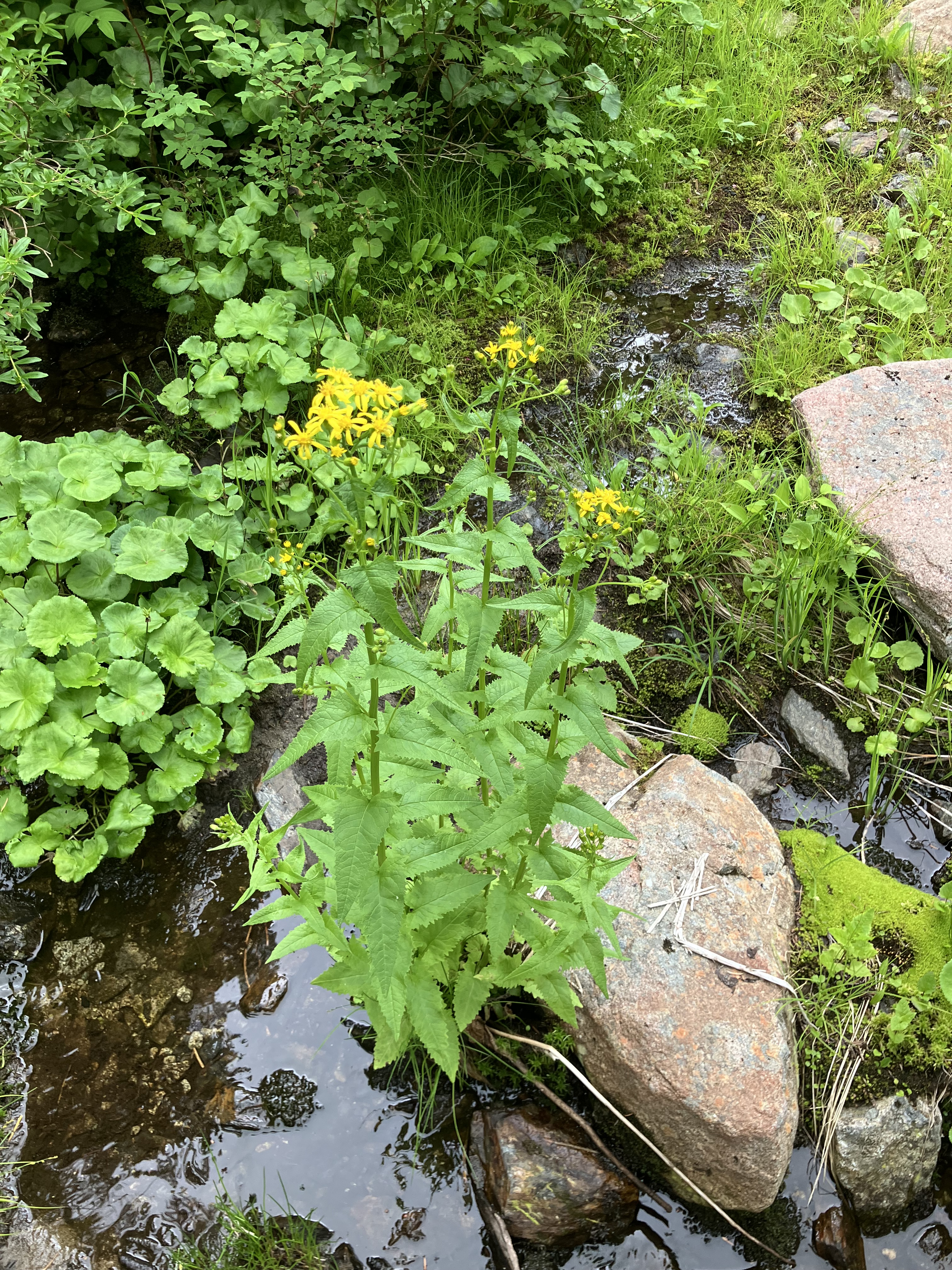
There are just enough pockets like this around these beautiful mountains to keep some rare and illusive ecologies alive. From orchids to lilies and bramble, these alpine wetlands and lake systems offer unique opportunities to see a small example of what our own Puget Lowlands would have been Pre-Colonial degradation. At least here in Washington, there is a more progressive naturalist awareness that leans towards ecological protection, preservation, and restoration. These highlands are protected because they are not convenient to access. The hiking trail I use to get in is a well established logging road that was punched through here in the 60s. These trees were cut with gas saws, and the crews quickly learned why earlier loggers had left the area intact- felling large trees onto rocky scree piles shatters the timber, splitting the fibers and structural integrity. Re-plantings are thick and mono-cultured, but some of the older growth still stands, seeding out new generations of native forest to come.
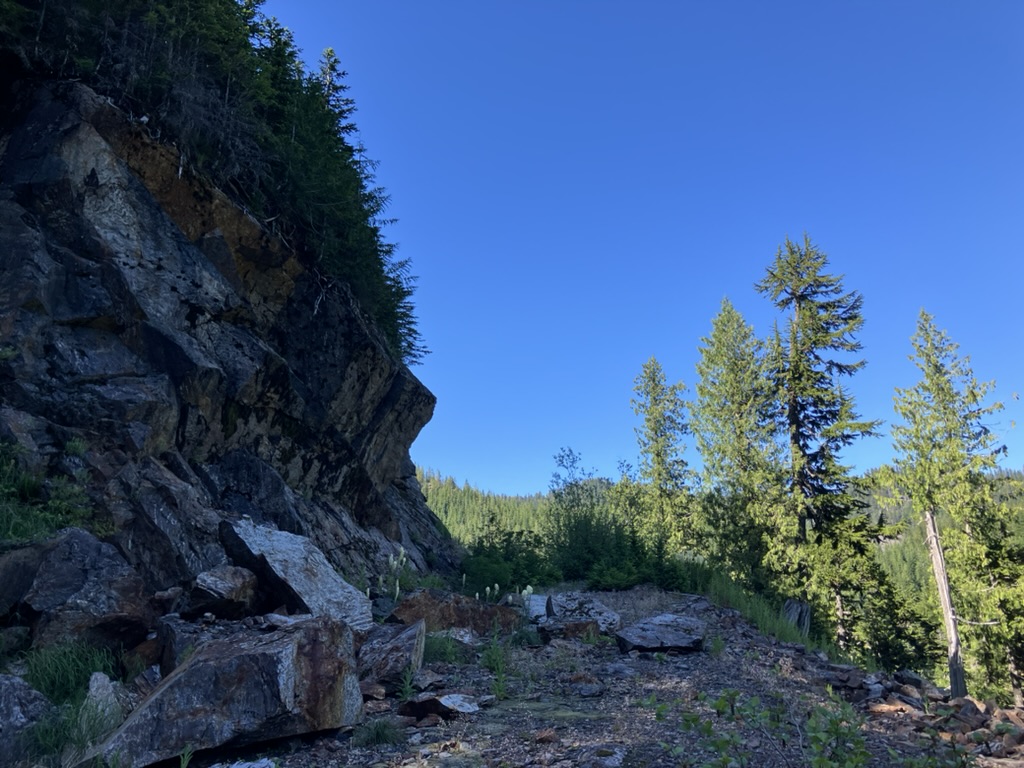
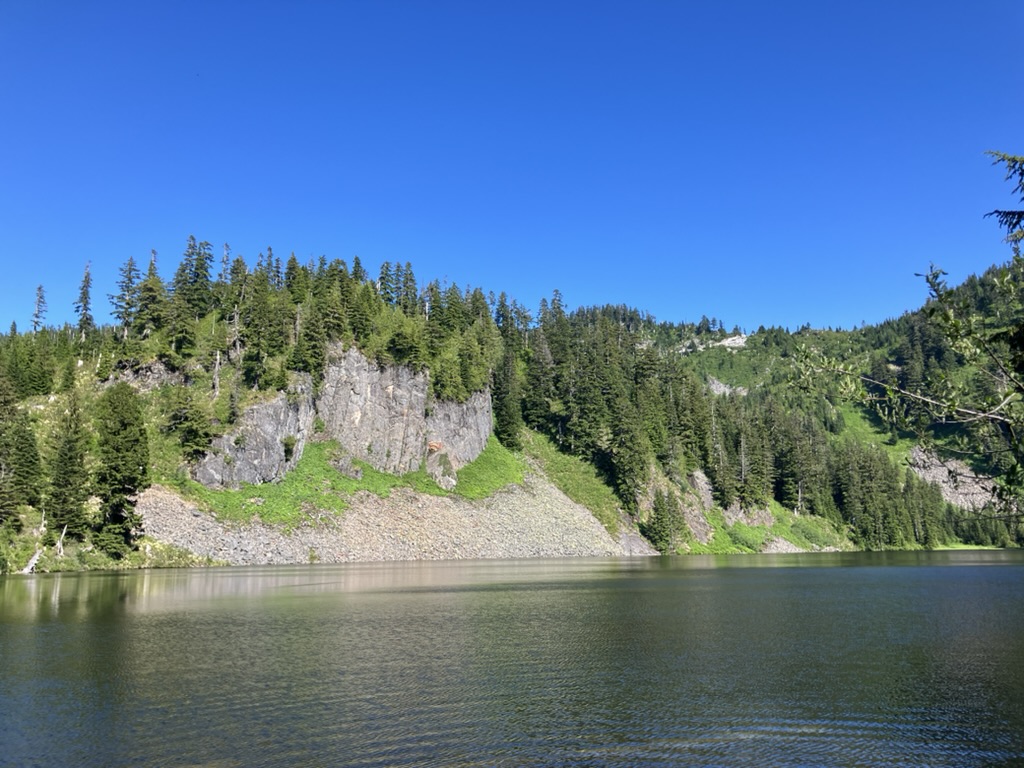
There’s no electrical grid, passable road, or big view selfie hot spot- yet. Current dominion madness could strike at any time, activating the accesses for rare earth minerals, or granite to build autocratic statues. Bulldozers are in our National Parks right now scraping way endangered species. Federal lands are being opened up to roads and private extraction contracts. Taxpayers pay for the costly infrastructure (and maintaining it), then corporations make their short term dividends. None of these industrial and commercial gains can ever buy back the land degredated, and this applies to our industrialized food systems too. Start documenting, naming, and witnessing this place as we begin to see great change in our atmosphere, which will dictate the future survival of all life on this earth.


