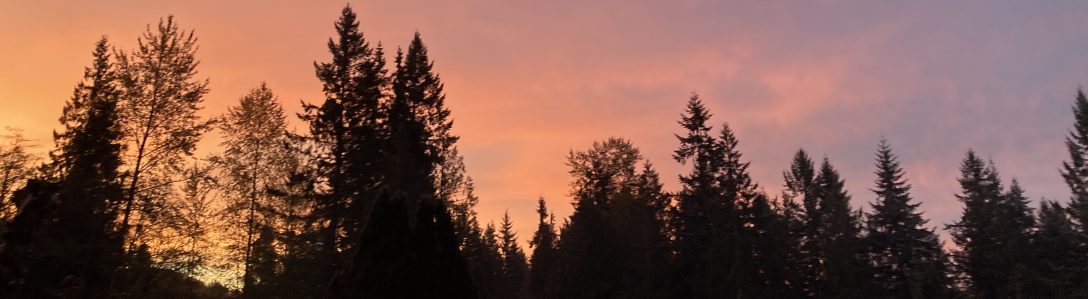
It’s early August, and the pollinator species are racing to gather what they can as flowers drop off in the apiary’s time known as dearth. I notice my herbs are still flowering, and become a beacon to the bees and bumbles wobbling around the landscape. I also make sure to put out water, as the land is parched and dry now here in the hill country of our beloved Central Cascades. This is the crucial time of year for me to place grass stems in the water buckets, giving parched insects a chance to drink without drowning. I like to get up early to water the garden, so insects can also catch a few drops off the plants before the hot afternoon sun sets in to bake the earth. Water is life, and even in a temperate rainforest, we have dry months- which are growing.
Washington is in a 5 year extreme drought right now. I’m sure you’ve heard on the news in recent weeks about all our terrible fires- especially the ones in and around Spokane, our second most populated city in this state. Eastern Washington is uniquely different ecology from the rainforests of our western parts. The sage step and ponderosa pines stand in stark difference to our rainforest mossy evergreens and bushy ferns. The picture below gives you some hint of the stark differences these two landscapes hold. The wet west side of The Central Cascades remains rich in groundwater.

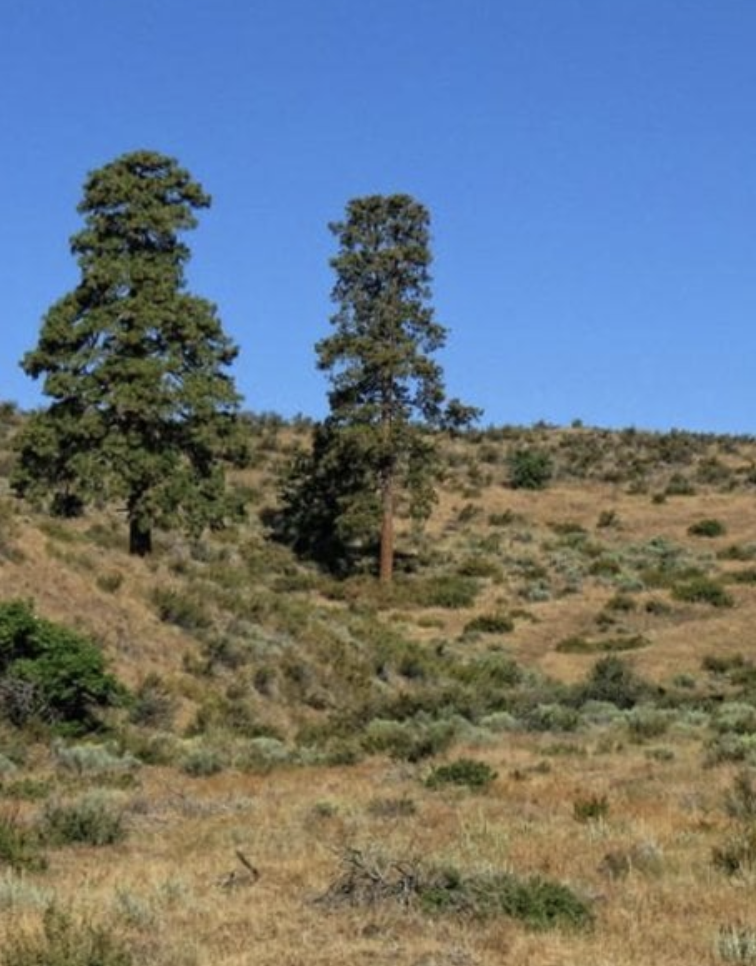
The east side of the mountains struggles to keep enough water available for irrigation farming. Without the damming of The Colombia River, there would not be and wheat fields or fruit orchards to feed America. Eastern Washington is the apple growing capitol of our country- not the west side, where too much water causes mold and rot on a level that threatens most commercial orchards. Small backyard orchards thrive here on the west side, but commercial growers stay where there is plenty of sun, and dry air to circulate through the groves, keeping the trees healthier. My fruit trees are great, but well spaces, and diverse in type. Industrial food production cannot diversify, that would make mechanical management very difficult, but it would also prevent mass crop failures and the need for so much chemical use to prevent insect predation and fungal blight. Climate change is creating a new threat to these commercial fruit ventures, which also rely on trucked in pollinator hives to get their vast plantations productive during spring blossoming. Heat and smoke are now disrupting bloom time, fruit development, and pollinator access. Though studies on smoke and agricultural crops is mixed at best, dependent on location, type of smoke, etc. Bees can’t work in high heat, and they are weakened by smoke. I am curious about how the wildfire smoke this year will play out in the fall harvest.
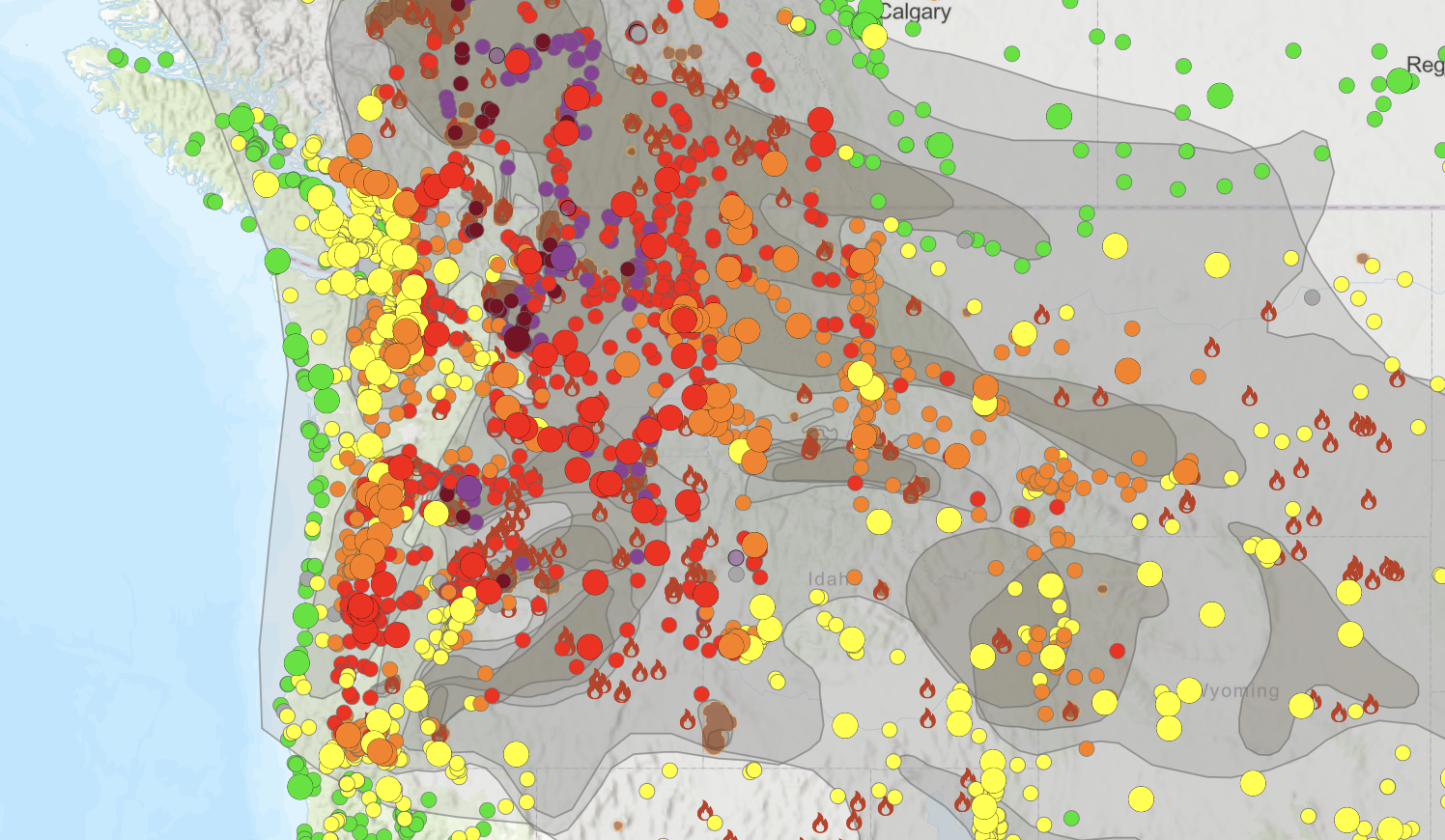
This is our smoke and fire map as of 8/6/26. It’s a heck of a year- maybe record breaking, but here on the west side of the mountains, we’ve only had bad smoke for the last few days, and the off shore breezes are scheduled to take it out of our area, pushing the ash back over the mountains to the east side. I am hopeful of this, for it’s very draining to work outside in this right now. Like the bees, and all animals exposed to smoke while trying to breath, less oxygen means less circulation, leading to exhaustion. Inside, I am running an air filter and occasionally turning on our little standing AC, which keeps the bedroom cool enough to sleep at night. These conditions don’t usually last long, but as the heat exponentially rises, we’ll struggle to keep the house and landscape habitable for us and our animals. Sadly, wildlife has no filtered AC shelter to rest in. It’s eerily silent here now, the birds are not singing, and occasionally, I hear eagles screaming into the sky, kettling up in an attempt to flee the smoke. Nature has been living in this dystopia since colonial exploitation began centuries ago. As a First Nations friend of mine once said, “The apocalypses has been ongoing for generations.”
Here, we sit quietly, pretending fire will not come to our area, because we live in a wet place, a safe place, but this is far from the truth, and I know, one day, this area too shall burn. But, the county and state officials are working out ways to stave off fire danger with more enthusiasm in recent years. We continue to upscale investment in our local fire brigades, building new engine houses and making sure prop funding gets to fire and rescue. Private firms are also stepping up, and in recent months, with the threat of “who’s fault is it?” playing out in state courts, it looks like electrical companies are becoming the main blame in city municipalities. I am not saying they aren’t a big part of the problem. Here, just the other day, I witnessed some of the prevention attention going on in our area to avoid future electrical fires.
On a recent weekend afternoon, I kept hearing helicopters buzzing around nearby. Finally, one popped over the trees and flew right on top of me while I was feeding the poultry. My birds are used to mechanical flying engines. They still alarm at high altitude commercial jets, but close flying helicopters and small prop planes from the nearby flight school are common place, and the animals are generally undeterred by them. This one kept buzzing us, and I finally stood and watched as the copter began hovering north of us, over the pipeline right of way- which also hosts power lines. I had my suspicions on what was going on, but texted a neighbor I knew scouts these flyovers, and indeed, he was keeping close tabs on the incident. Below are two shots of the helicopters flight paths around our farm and Duvall. Now, who was up there and what were they doing?
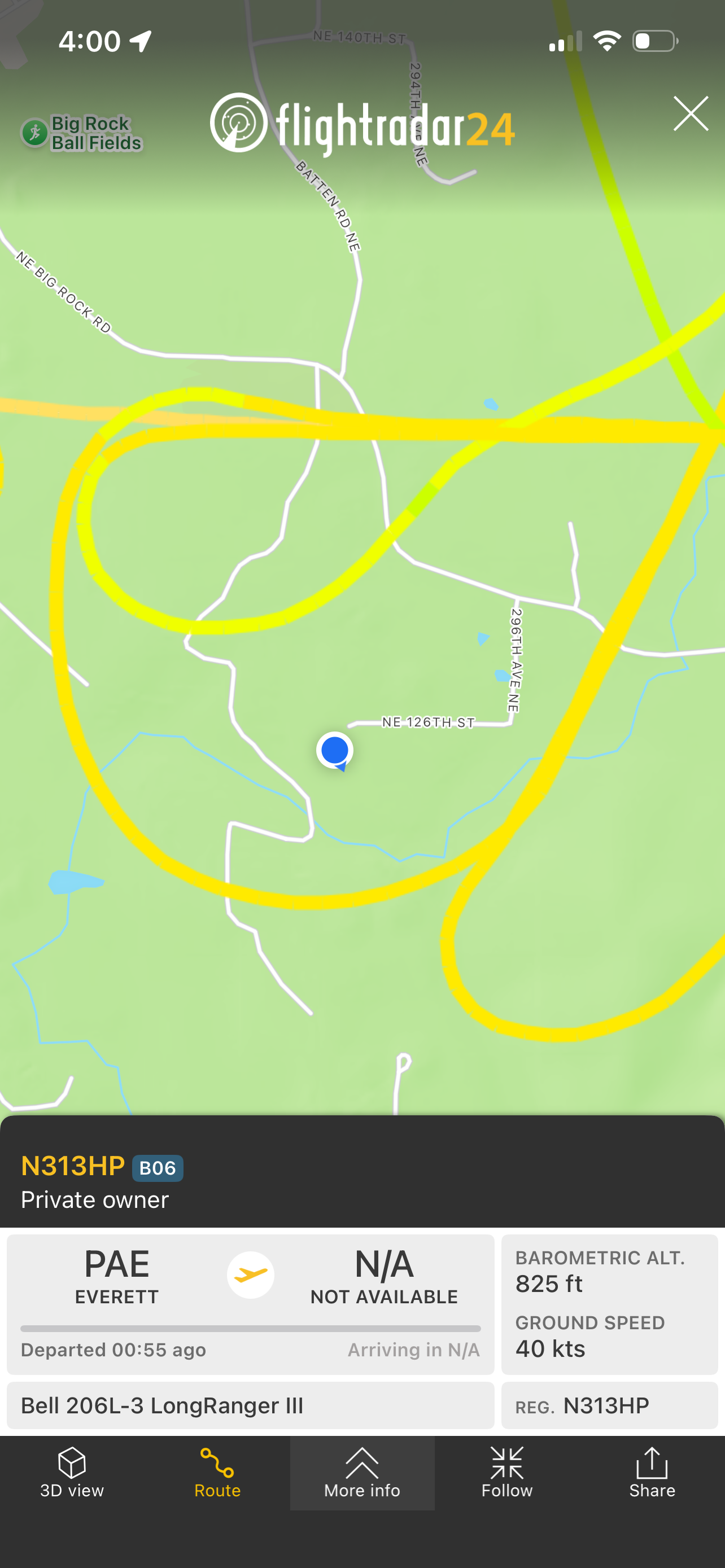
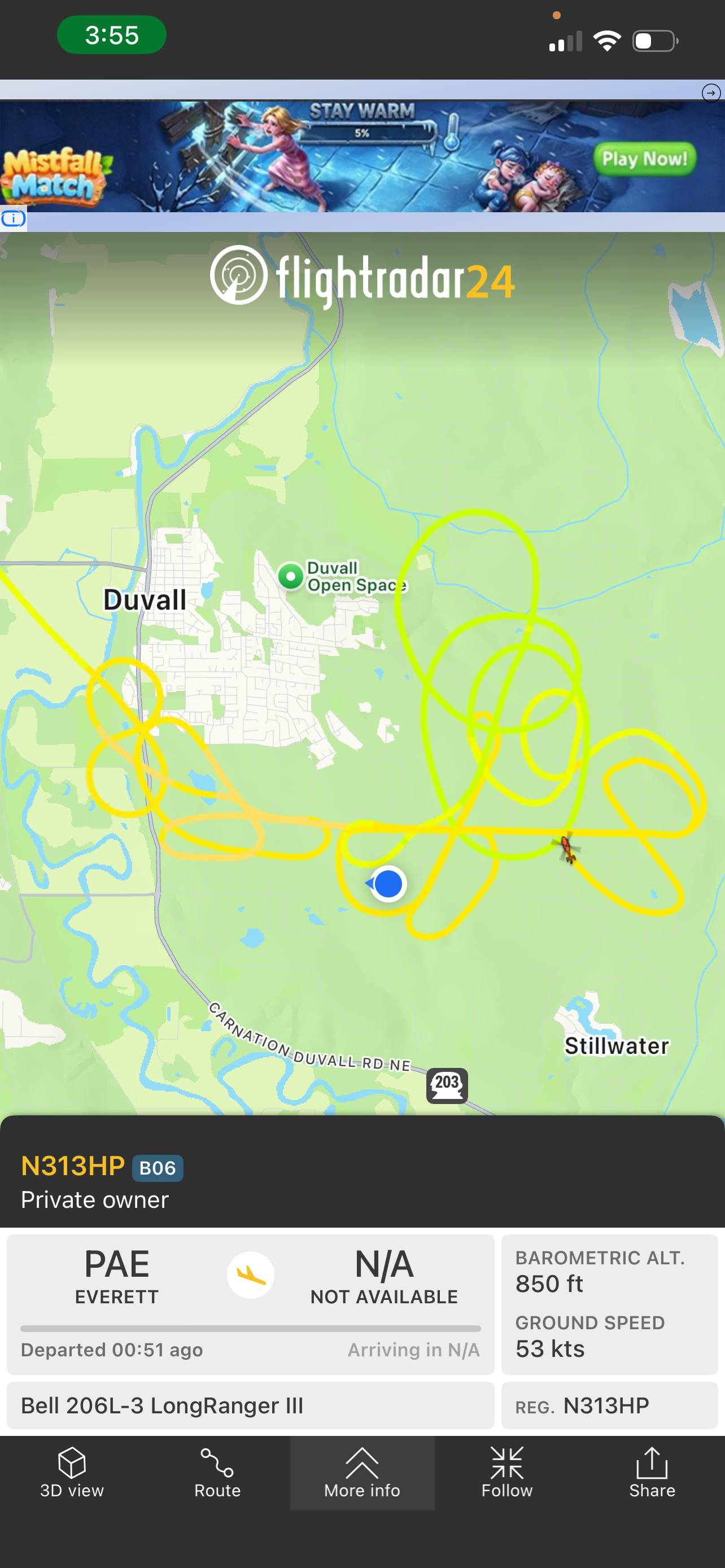
Well, my neighbor is a great researcher, and he looked up who reserved the flight, and it was a company called “Mount Saint Helens Reforestation Inc.”. These guys are reforesting contractors- mostly planting out new plantation forests for private timber industry. However, they are also consultants on fire prevention, and the map of their flight shows they are looking at high tension power lines and other lines running around Duvall. Here is a map of the utility lines, carved out of the forests in our area. Compare it to the lines above and you’ll see the lines match. This helicopter was flying around making visual assessments on our electrical fire risk. This company can then come back with a bid to thin the trees around the lines to mitigate fire risk. *sigh*
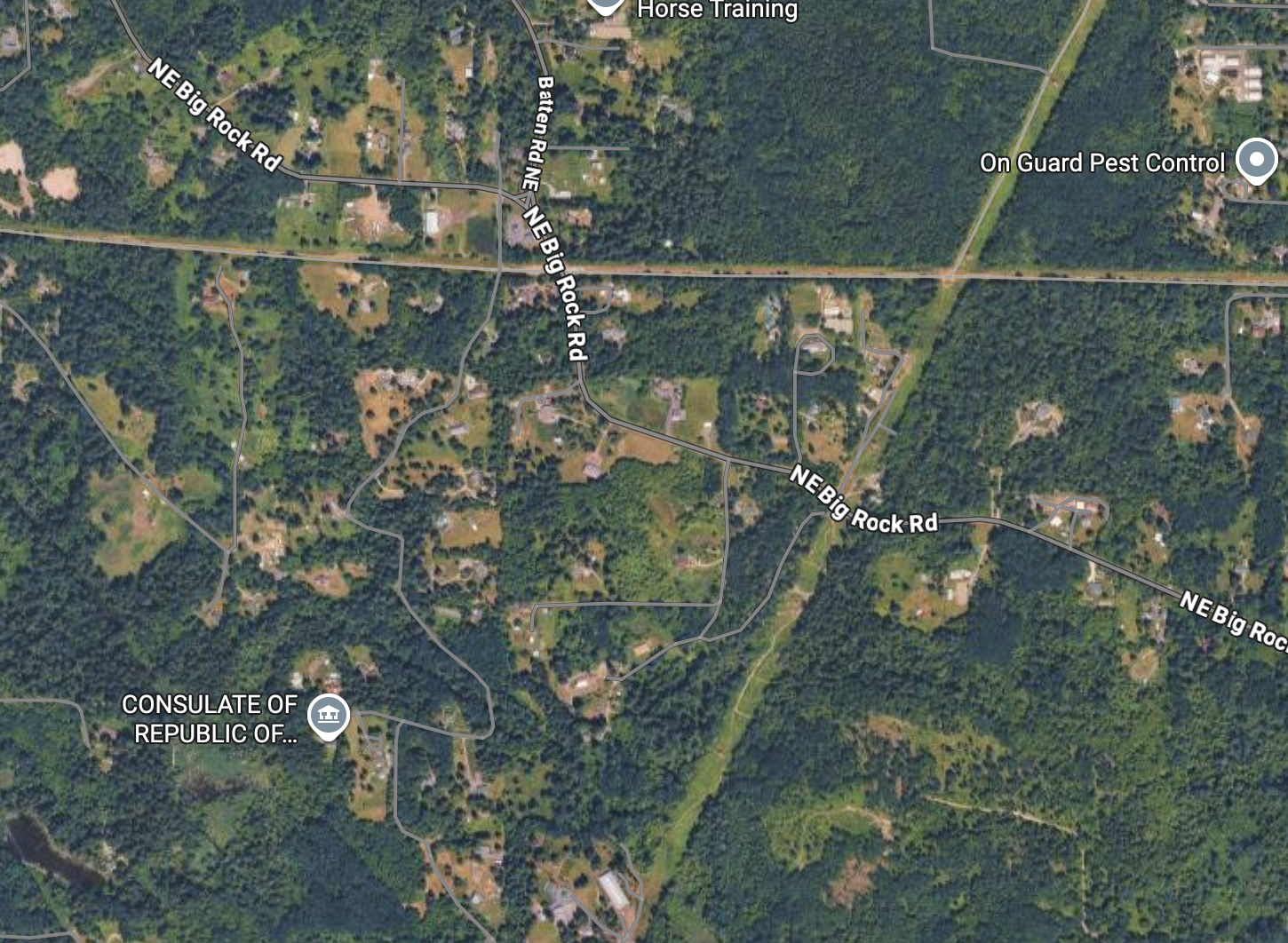
Here’s the bigger limitation of our area, similar to the challenges that both Maui and L.A. residence faced when they tired to flee in their cars from the blaze- there was not enough room on the roads to accommodate mass evacuation in a timely manner. our area has only two roads out of here- both two lanes, and far from accessible for the whole community to leave at once. We would be trapped here if a fast moving fire starts. But hey, mitigation is better than none at all, and I’m encouraged by the utility company trying to do something- because they don’t want to get blamed if there is a massive conflagration. My friends who live on off of the electrical lines pictured below witnessed a line sparking into flames from their backyard a few years ago. There was a fire started at the base of that pole, and the local fire department came in the nick of time to put out the flames while the electrical company remained confused and in chaos over the phone with my friends as they tried to explain the danger. They suspect that, it being a hot day, and the lines not being the caliber necessary to serve the ever growing development and demand on the power lines, caused a surge of demand in that late weekend afternoon, which heated up the lines to over capacity, causing them to combust and spark into uncut dry grasses. This fits with what happened in Hawaii for sure, and what has been declared by inspectors in L.A. We’re overbuilding and under-providing infrastructure for these developments.
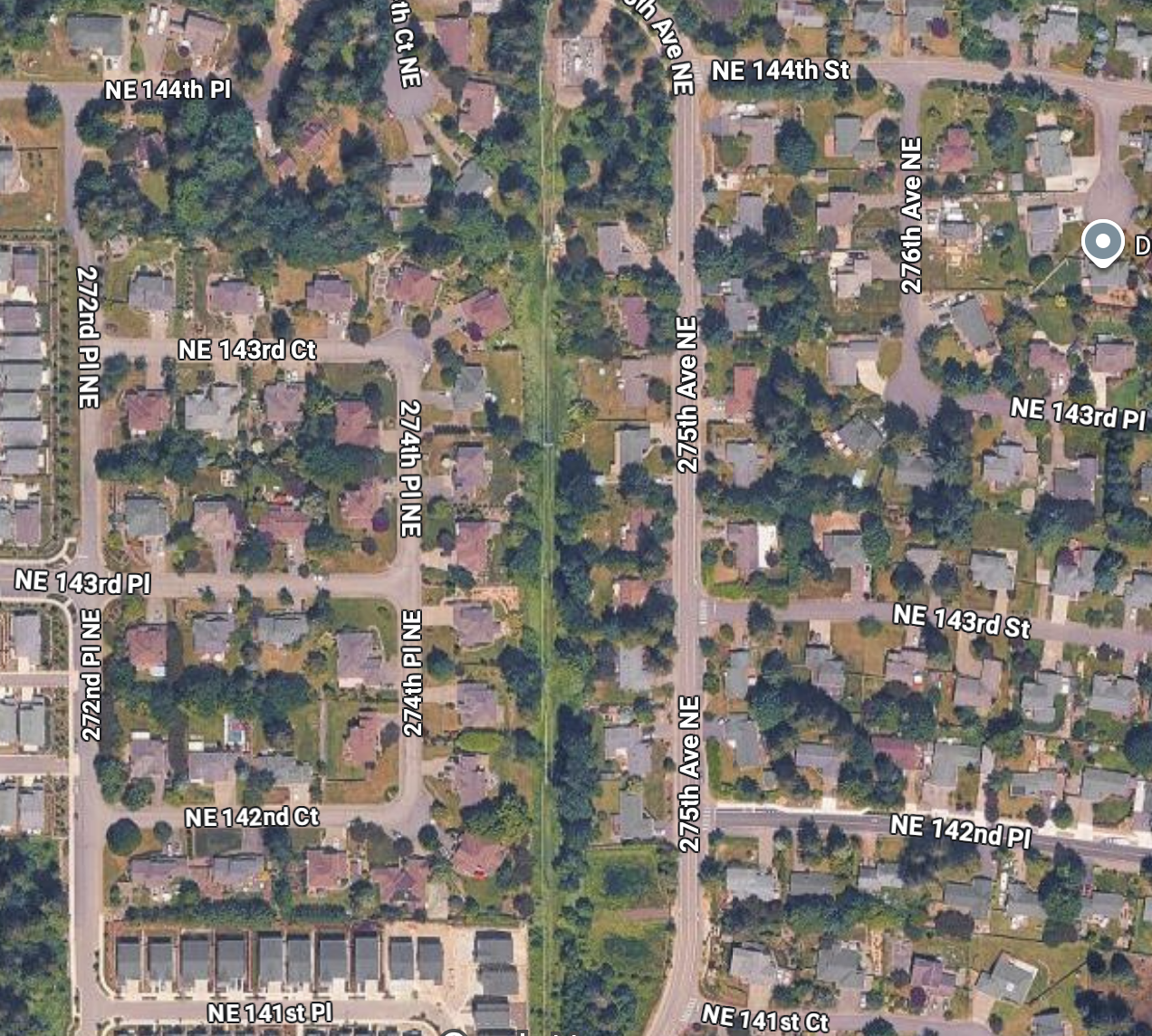
There was no flight path over these lines that day, perhaps incorporated Duvall had not asked for the consultation. It looks much more probable that county heads, or the provider, Puget Sound Energy, paid for the assessment. But Liz, what does all this have to do with pollinators and smoke? Well, fire has made the smoke, and though fire can also be a cleansing thing, offering new life a chance to take off after a burn has come through, in these more densely populated areas, fire threatens human life, and the recovery would be more building, not a return to wildflowers and forest replanting. I also remind people that European honey bees are introduced, not part of the native insect diaspora. The crops those bees pollinate are also introduced, along with the power lines, and the people who rely on that convenience. Would you tell a local First Nation Person the electrical lines are for their betterment? It did nothing for them but allow more colonizers and invading industry more and more foothold in the homelands of people already well established and thriving without high tensions cuts and suburban sprawl.
So when I struggle in the smoke outside, and watch the bumblebees still at it, trying to out-compete the European invaders for the last of summer’s bounty, I know why I don’t keep bee hives, and try to plant native flowers, shrubs, and trees to support the ecology that’s been here for millions of years. I recognize that tribes in this area were control burning thousands of years before Colonizers showed up, and the land was bountiful with wildlife, forests of great old trees, and intact ecology that supported people and animals, plants and the cycle of seasons with great abundance. Now we fight everything to try to keep a false narrative going. How deeply sunk in the pits of denial we are as a species. The smoke won’t go away, the fires are here to stay, the bumblebees will recover in time, along with the rest of this fire ecology, but the population of humans here now will have to be long gone to give enough space back to what was here before to return. Our hubris continues to lead us down a path of convenience, ultimately dropping us into a firestorm of consumption and complete abandon of our original instructions for the sake of progress.
Do we deserve to burn in this hell? Well, I’m not compelled by fire and brimstone, but I cannot deny the growing frequency of smoke and heat arriving in my own backyard. That helicopter was one of countless signs our development is out of control. The sad thing about that areial assesment was not looking at the greater problem at hand- we’ve cut away the ecology that developed hand in hand with fire for millions of years. The old growth forests had so much debris, soil, and water banked below, that any lightning strike or human induced burning came slow and low, not consuming the whole forest, but gently scalding her edges, awakening cones that only drop fertile seed in flash fires. Most of the native plants and trees in this area resist fire well. However, we cut the forests down and changed the landscape, suppressing fire for generations and ignoring the drought that has set in. I’m sure if they could, the native plants, animals, and people of this region would happily tell us to buzz off.


