
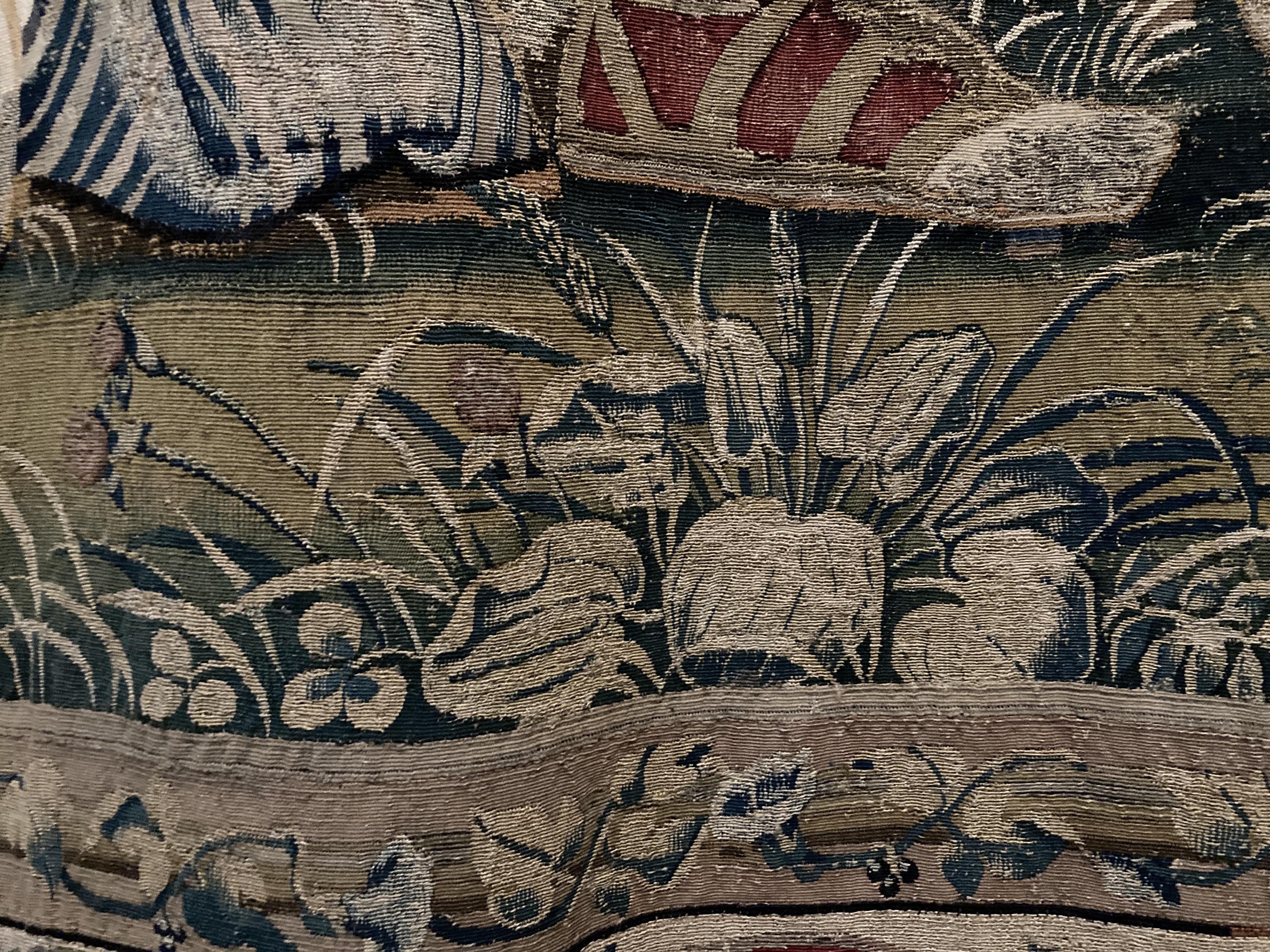
Come walk with me through a garden of earthly delights! In a moment of 15th century grandeur, we’ll weave upon loom this comic tale of chivalric French pleasure gardens and romantic tales of botanical metaphor. It begins with such a humble root, a broad leaf plantain with seeds abundant and deep veined leaves of evergreen hue, yet spring bright in sunlight- all depicted in strands of wool, dyed organic gradients of plant based hues. Hoofed domestic stock and cultivar charisma hang the living images onto painted cave for us to delight in; while sheltered inside, separate from, and still struggling with dominion of, our nature. From searing the wool, harvesting the silk, building timber frame looms on a scale to hold these castle wall sized textiles, nature plays an undeniable role in all around.
I’m no expert in weaving or natural dyes, but I do know a bit about botanical shapes, and there are some classic species depicted in these rich tapestries. red clover and morning glory weave in to the first close up pictured above, seeing the purple flowers of the red clover blows my mind, and how the plantain is pictured with it’s tall seed stem- amazing accuracy in an otherwise imagined scene. The botanical representations were so accurate because of the symbolic nature of each plant; artisans wanted the viewers to see the language of flowers and know what was being said. It’s a sort of clear handwriting to make sure the message comes through. Floriography enriches the tapestry’s tale, adding context, hidden messages, and beautiful forms of color to a cold stone room.
How can this imagery relate to our modern times? I know we’re not all living in stone castles today, but floral arrangements are still quite the decadent way to lighten a room and bring outside in. In winter, this adornment might be more challenging, but if you happen to have botanical tapestries hanging in your house, you’ve got the summer garden year round. Remeber that much of the world at this time was illiterate, so having something nice on the wall to look at was like a little light reading on display for all. Wallpapers would be another way to cover the walls in flowers today, though the fashion is kind of out of style- with the exception of an accent wall. But enough about interior design- what are the flowers in these tapestries saying?
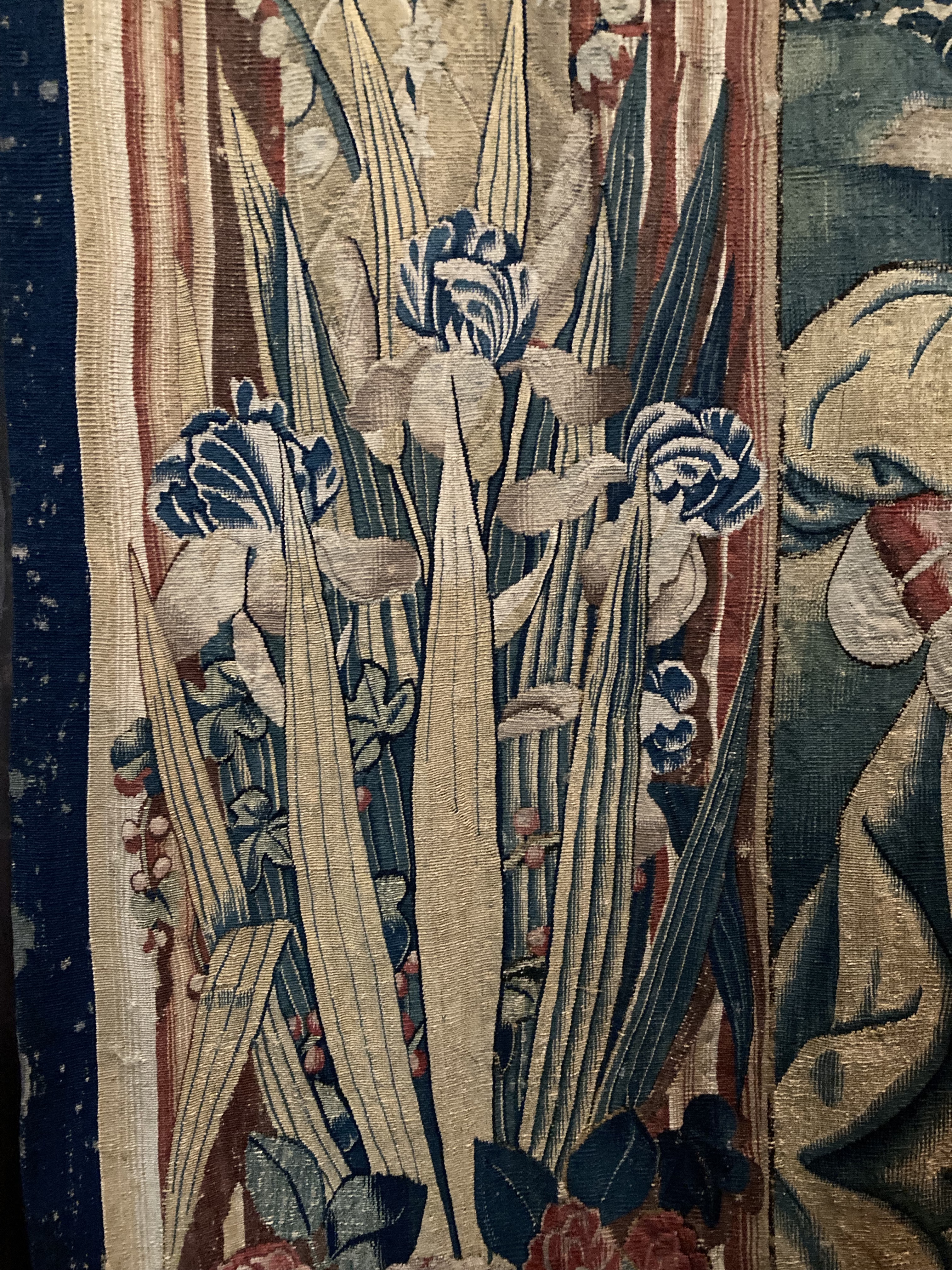
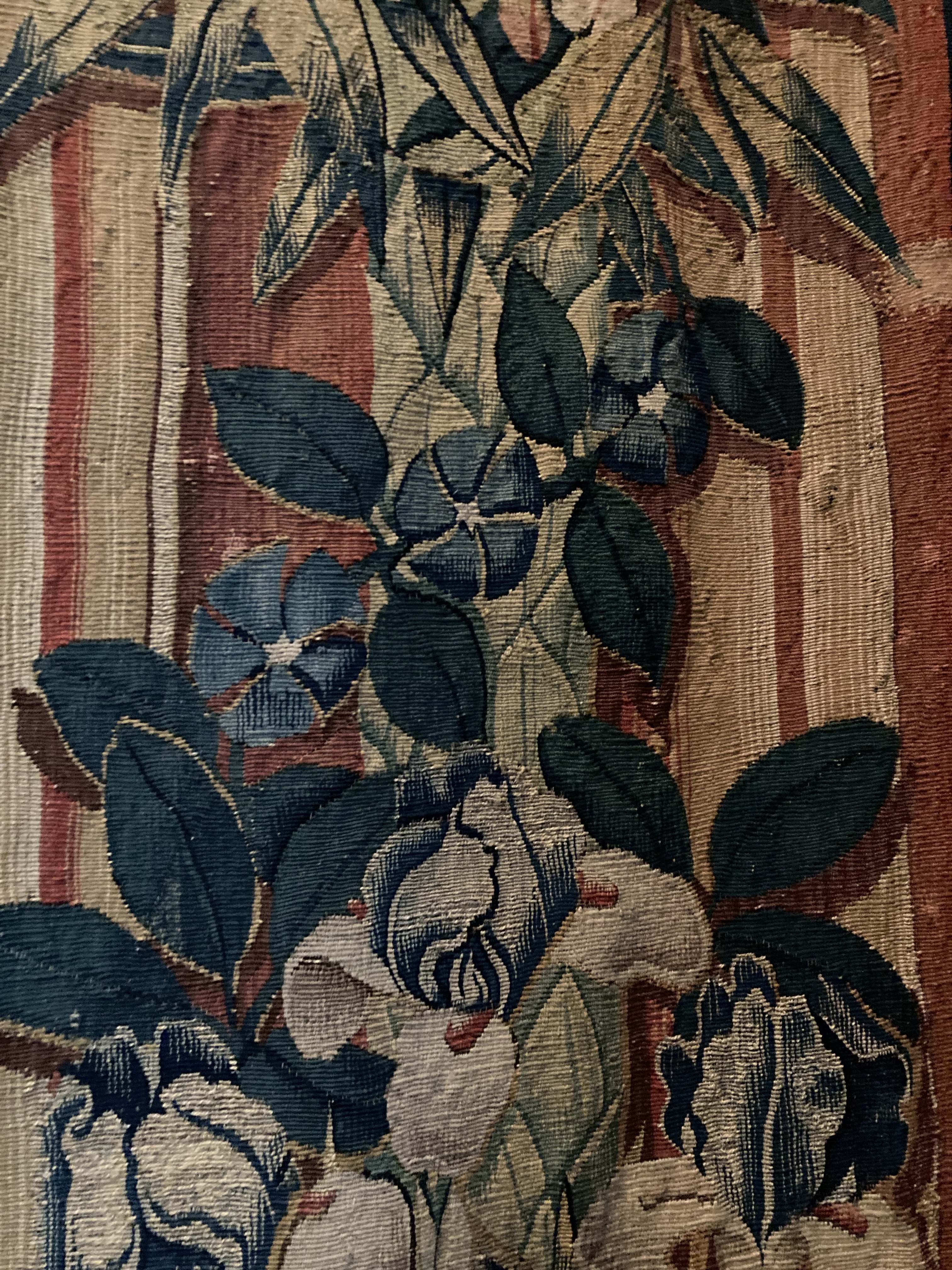
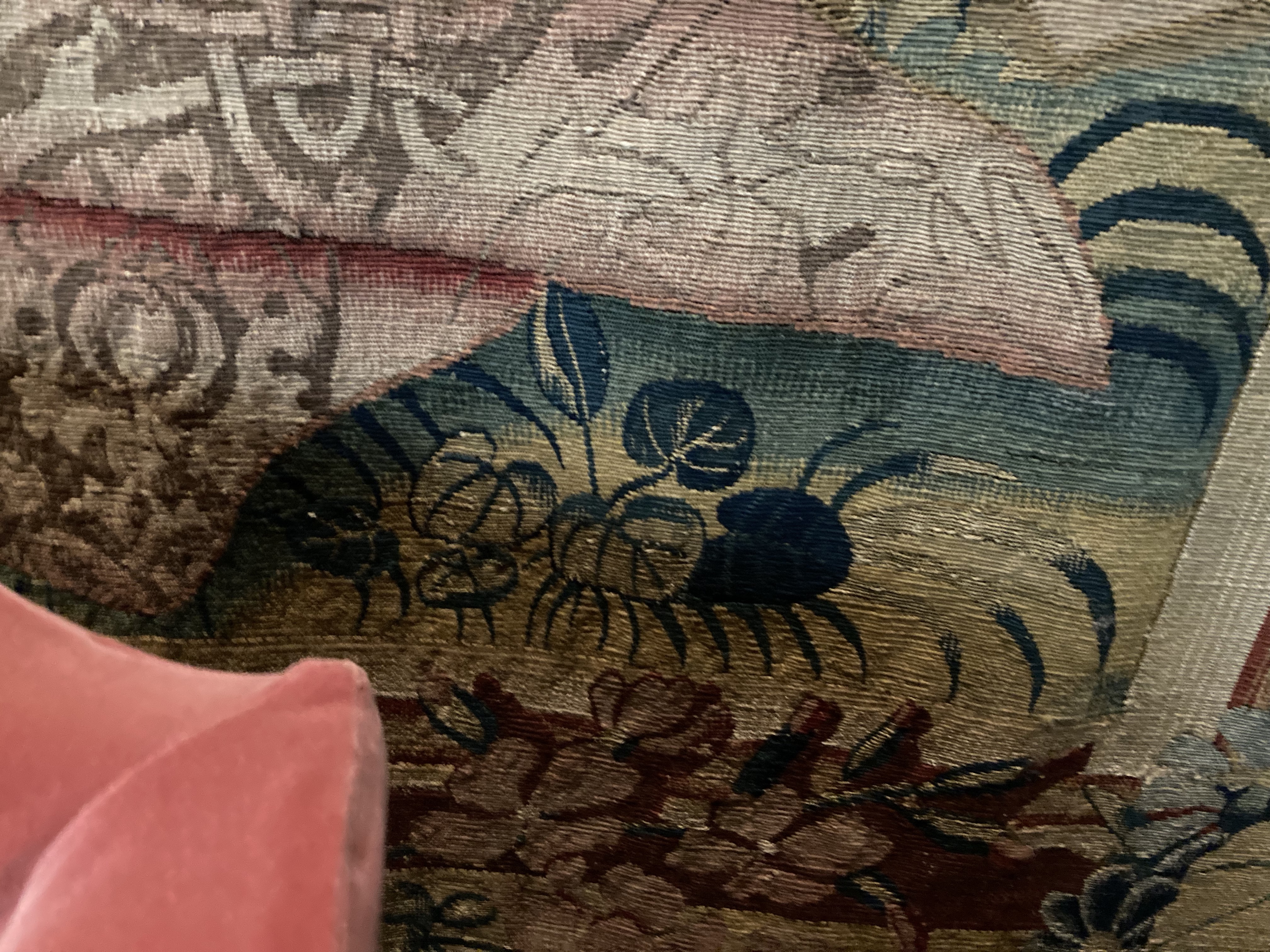
Below are a few close studies of different verities of botanical decor. Irises in France were a symbol of the king- hence fleur-de-lis. A blue iris reinforces this intention, but also stands for calm, faith, and communication in general. Standing next is the blue morning glory winding around a solid column could warn of toxic relationship. It can mean fleeting love, but also stands for spiritual growth. The combination of morning glory and iris could be a way of saying trust must build in new relationship over time. Or it could warn of desire and virginity being a fleeting virtue. The third picture along this top lineup caught my eye because there is an insect present- it’s far less articulated in this weaving, but might hint at the corruption lurking in any living place. Below the bug is a cluster of purple violets, a small ground plant that usually symbolizes fertility and love, a great foundation for any relationship leading to marriage and family.
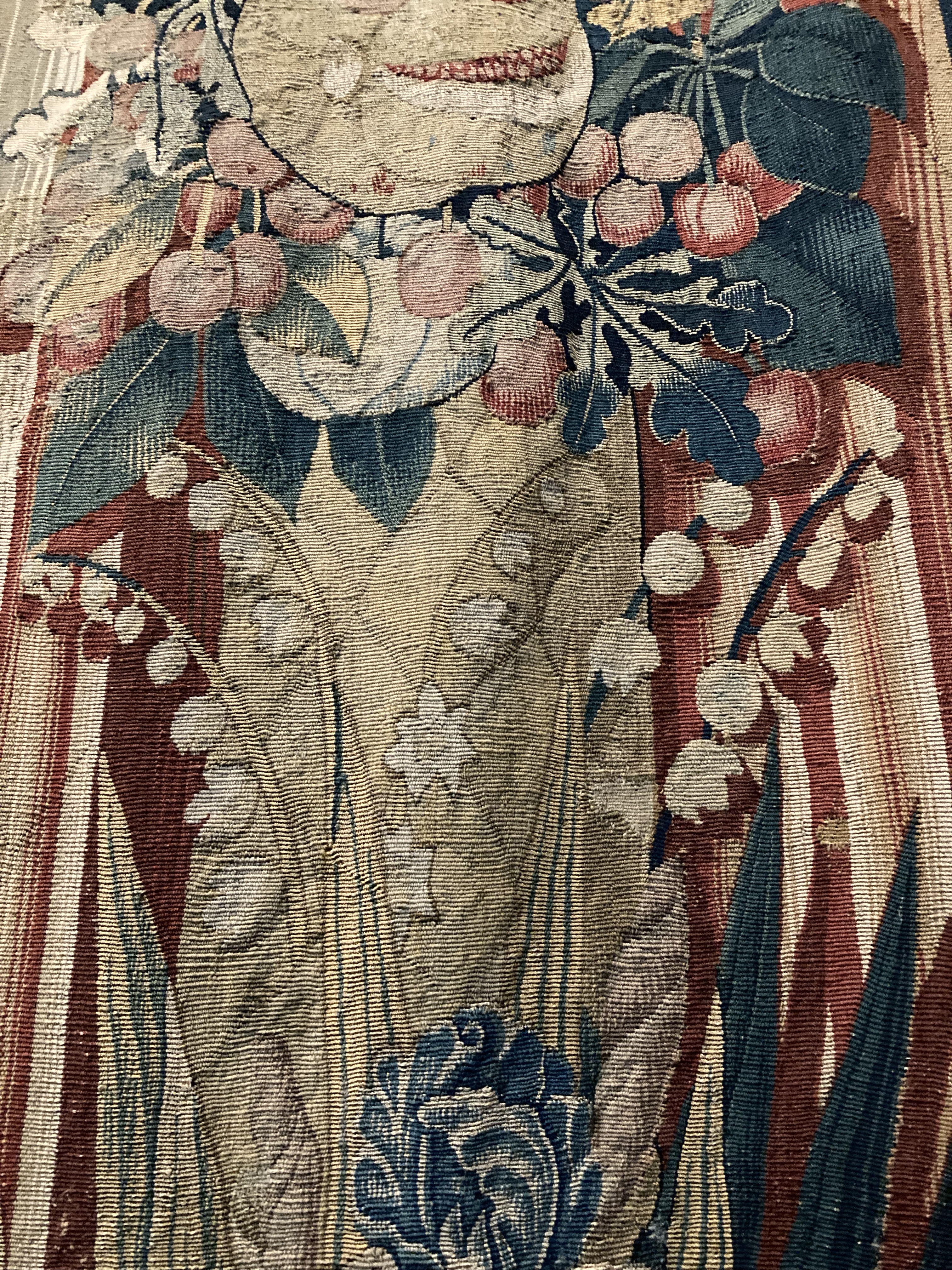

Vegetables can also find there way into any garden scene, and the cracked open squashes above reinforce fertility and abundance. Cherries are grouped with them as a sign of good fortune, yet another trait any couple starting off in life together want for a good relationship. Lily of the valley springs up from beneath this collection of auspicious abundance, referencing happiness, sweetness, humility, and good fortune. This bouquet stands in a white column as well- more stability for the relationship. I can appreciate this collection of shapes and color and what it’s communicating for the time. One final image lay modestly at the bottom left of one panel, the daisy- innocence again, modest in the bottom corner, standing alone to affirm the truth of this couple and their love. Perhaps a sign for us all in our hearts, to remain humble and true to ourselves.
I would encourage you to view botanical tapestries in person, and two mentioned in this writing are both on The East Coast. Chateau and Garden Tapestry: Strolling and Seated Lovers, about 1585-1600, can be found in The Isabella Stuart Gardener Museum in Boston, MA- along with two other tapestry collections not pictured in this writing. My other favorite garden tapestries, with arguably the best botanical accuracy known, are The Unicorn Tapestries at The Cloisters Museum and Gardens, outside New York City. Both of these collections are partial, as finding complete tapestry collections is impossible- just think of how many hundreds of years the heavy hangings have been cared for and protected through wars, house fires, and unstable economies. Even the famous Unicorn Tapestries have whole chunks missing from a few of the hangings. Even without the full story, we can still fall into these garden scenes and forget our troubles for a few precious moments.
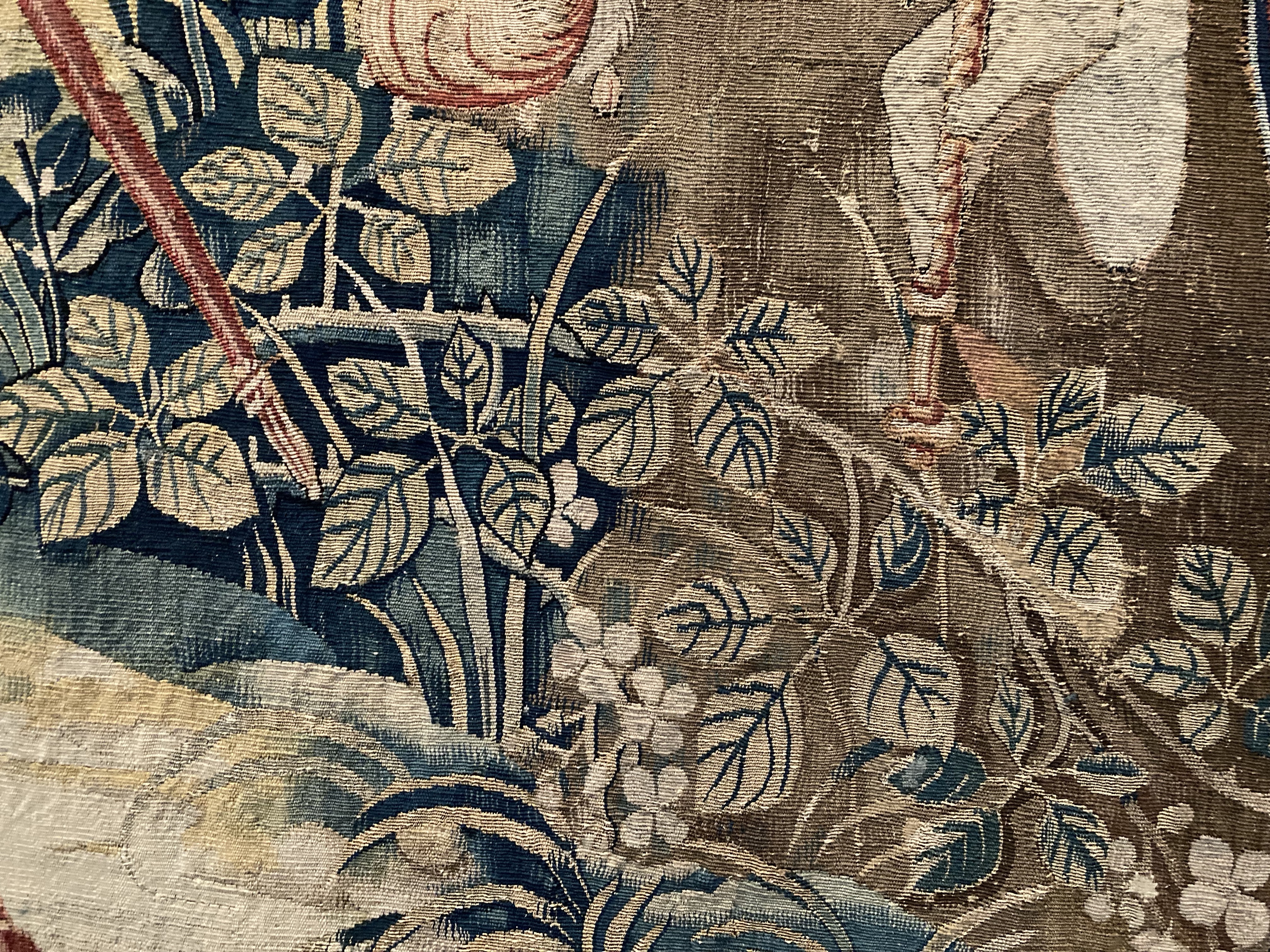
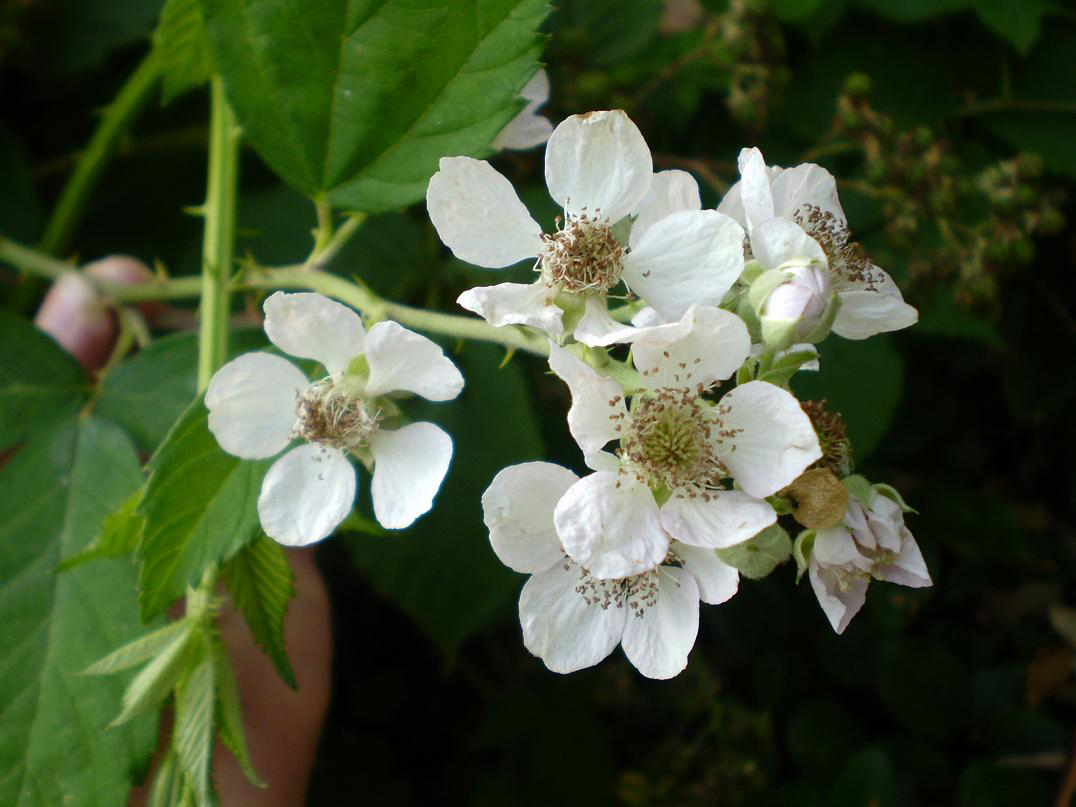
One image I picked up on very quickly was blackberry. This invasive to our region here in Western Washington, is endemic across most of Europe, even in medieval times. The leaf patter leaps out, then looking closer, I can see the sharp bramble spikes on the cane. There is no fruit on this plant yet, but the flowers are out in their white clusters that will, in late summer, turn to fruit. The weavers even get the yellow pollen heavy stamen in the center of these flowers. The vegetable dyes have faded over the past few hundred years, but I can still see the faint sun bright depictions. The petal counts is different. but that could the the variety, or more likely, the artists not wanting these flowers to be confused with another 5 petal white flower of another type. I know it’s blackberry without having to count petals on the flower, and the artists know this. Cherry and apple blossoms would also be 5 white petals, white periwinkle (a ground plant) would be another, the blackberry thorns and cane give you enough context to look past the four petal flower and still identify the plant represented.
In what other ways to flowers and the nature of botanical come into your life? Think of perfume, soap, paintings, sheets and bedding, patterns on your clothing, and corsages, what were once calls nosegay– a bright way to fend off bad smells in crowded cities without sewers. These small wearable bouquets were packed with scents like roses, lavender, and fragrant herbs. I still lay satchels of lavender on my truck’s dashboard to invite the summer smell of this much loved purple plant into the vehicle. It’s scent will remain through the summer, and into late fall. How else do you use the symbols of flowers in your life? How might you connect closer to the natural world by bringing botanical into your life? We can take a page from these tapestries to enrich ourselves through the imagery of nature in our homes. Hang photos of your favorite natural wonders- I usually have an annual calendar for this. Pick some roadside wildflowers to put in a vase at home. Take cuttings from your garden and make an arrangement- it does not all have to be bright flowers. How many of you deck your halls with bows of evergreen beauty in the dark of winter? I do. Think of all the endless ways you can invite the living world in. Gratitude to our connection to growing things- culture is cultivated, and our shared language of flowers and plants brings another abundant layer to this language with timeless charm.


