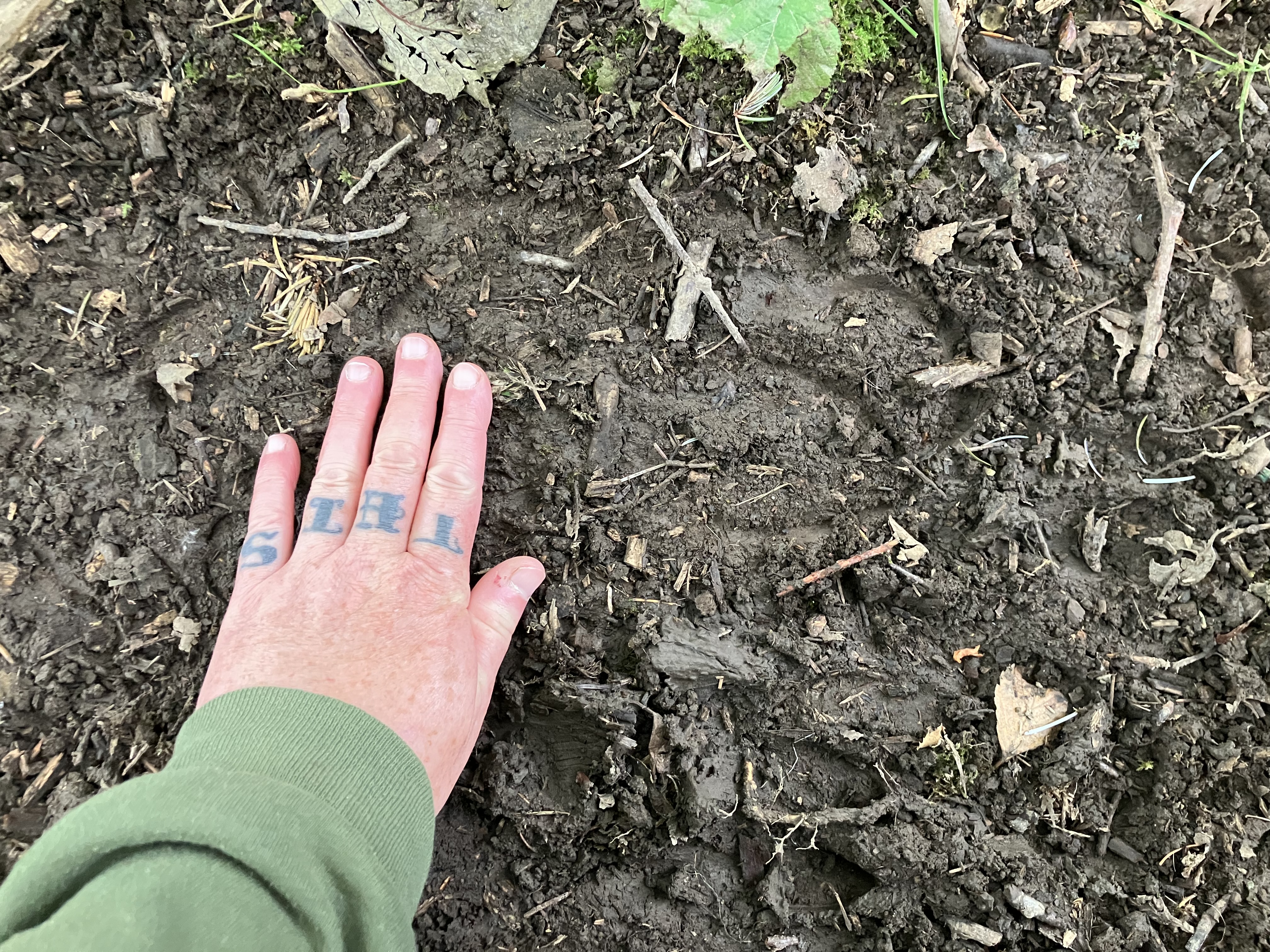
On Monday, I was tracking elk in baqʷab. The sign in this very active area offers lots of learning. Fertile loam from the river produce excellent substrate for capturing the hoof morphology from this giant land mammal so brilliantly. There are around 400 animals in this herd, which seems to keep at this population limit naturally. Though elk were historically present though the last 10,000 years of human settlement, the current herds were introduced. It helps to understand context of animals and how they got here to make it clear that this herd was imported, but to also understand that before colonial mass hunting, there were kʷagʷičəd living in sdukʷalbixʷ valley. When we use the indigenous language of the place we are in, we find even more deep context. If you would like to learn more about Lushootseed and how to pronounce it, you can go deep here.
The landscape where these animals abound is overtaxed in some ways, yet strangely manicured, like a stage set complete with live animals on display. The elk are here, but wolves are missing, this lets the herd stay in the valley without fear of predation year round. The habitat can’t fully sustain such concentration of large animals, and people who choose to develop and live amongst the large herbivores struggle with damage from wild animals moving through. The novelty of local elk still abounds, and attempts are made to mitigate conflict, but the herd is going to be here, so get used to it. The wording is not ideal, but the message is clear enough- the elk are a tourist draw, and also play some part in ecological restoration, but no wolves, and no, we don’t have to pull up stakes and give land back to the native people- I mean, wildlife.
Luckily, there is enough park land to keep the elk fed and wed to place. Enter, “elk land” or as our colonial tongue calls it, Meddowbrook Farm. The baqʷababš once lived here, and managed the open plains that might have been camas prairie long ago. Now there is white clover, plantain, and other colonial introduced forbs and grasses to feed the introduced elk. Why is this a thing? All these introduced species? Well, my colonial ancestors brought them here, shoved themselves into this place with rail and cable to perpetrate ecological genocide on the landscape and just plain old genocide on the people already living there. This is part of tracking folks, and if you are just now hopping onboard- welcome.
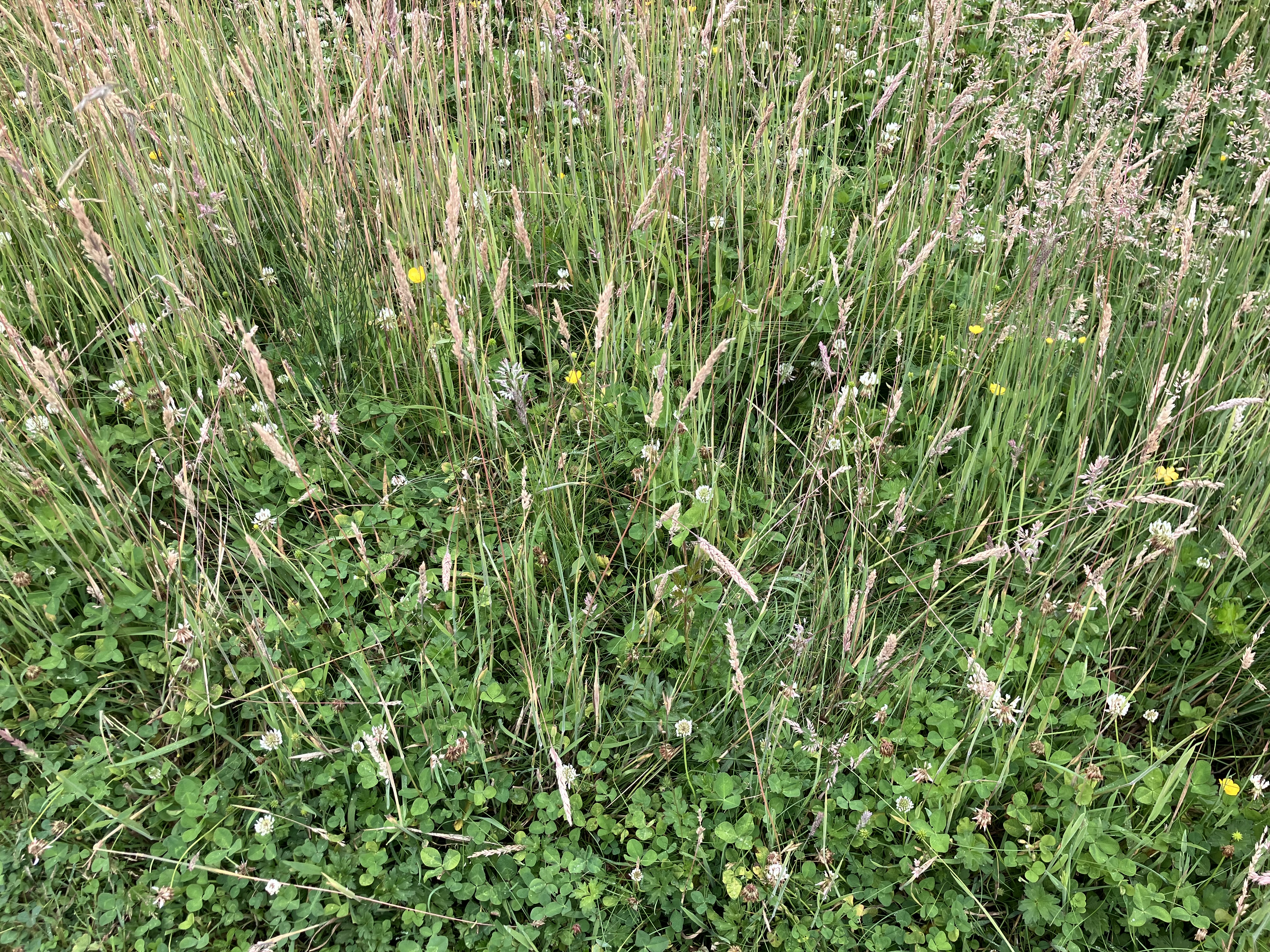
I might be leaning too far into the weeds for some of you- after all, you might be reading this blog for entertainment alone. Naturalist entertainment will feature, with some nice plant knowledge- in English so you know the names and understand the plants as things, not beings like ourselves. There is no name for clover in Lushootseed- it has no cultural relevance. For Lushootseed plant names go here.
baqʷab is a place that sums up our world so beautifully. Walking the gravel trail, we passed the remains of a yearling elk, run over by the mower, which keeps the walking trails maintained and accessible year round. There are sign posts to guide walkers around the edge of the fields- they are all in pastəducid (English). To be fair, this 460 acre preserve is owned jointly by two colonial towns. Though it is recognized publicly that the land remains the home of The Snoqualmie Tribe, we the people own it now, and that’s that. Unless you’re actively participating in the land back movement and supporting the sovereignty of local tribes. But hey, walking around in their ancestral lands to check out nature is cool right?
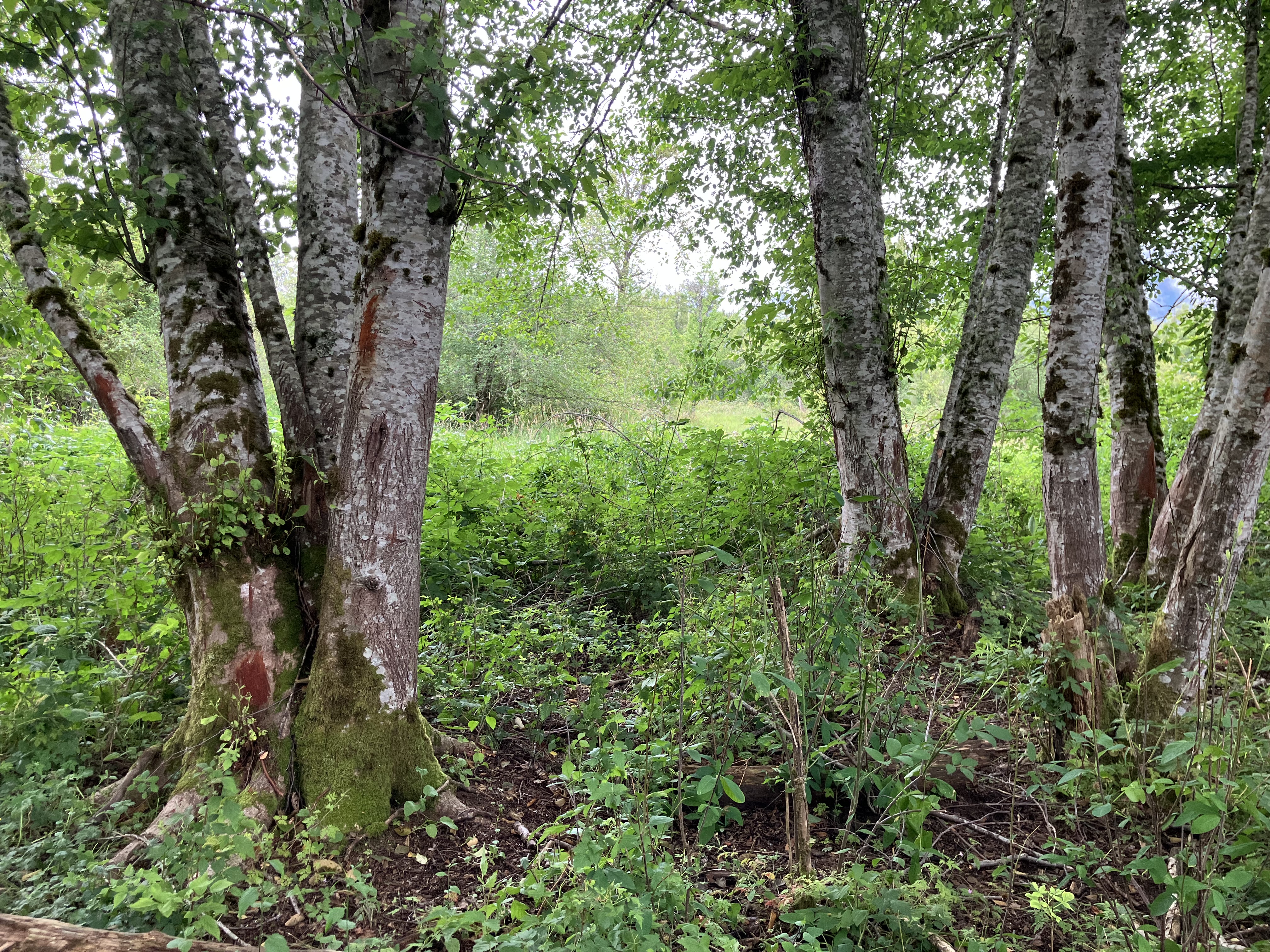
Talk about ancestral, these elk rubs on red alder tell of generations in communication here. The red patches are fresh rubs form this year, where as, the ashen scars are healed over many years. All the ground plants are waist high, manicured down by forging mouths with too little space to feed. Or maybe this is fire suppression at work? The only studies on elk browsing involved aspen in Colorado, so perhaps some money could fund such a study here in The Pacific Northwest some time? I look at the forest floor here and see a lot of missing species, but that’s also more likely due to generations of logging, so let’s not get too hasty to blame the imported elk herd yet. Though I will say, ungulate browsing in one place will prevent new diversity from growing over time. That’s evident here on my own land, where I let the sheep graze. You won’t find trillium or hooker bells in a silvopasture under-story, but you will find them reintroduced in fenced off forest restoration groves.
The habitat where these elk roam remains denuded of many species- and the spruces are being hit hard! I thought black bear cambium bark feeding was rough on trees, but the elk take the prize for continued calamity on a tree- just look at these wounds on the trunks.


I really don’t know how these trees will survive. But that’s concentrated grazing for you. Without predators to pressure the herd, they stay in the candy store as much as possible, until all the sugar goodness is gone. How do the forests survive at all? I’m not sure they will, in time, the trees will be girdled, and there were several standing dead snags in the woods to demonstrate what’s coming down the pipe. Maybe that’s how this prairie was formed originally? Maybe fire played a role too. It’s hard to make clear statements, as there’s not a lot of research out there on these things locally, and might not ever be without curious minds thinking aloud- and funding for the studies. Anyone up for some grant writing? I think I’d much prefer wandering through wetland edges witnessing the changes first hand. These pictures and reflections add to compiled information for the future generations. That can be enough right?
I know you can bring your kids to see the elk in Snoqualmie, and maybe even get close enough for a selfie. Even in hunting season, these elk hang in the valley and know they won’t get shot- unless a master hunt is called after they parade through the local golf course and the country club gets mad. That’s when action against the elk invasion comes to light. I’m not a master hunter, so I won’t be on those country club hunts. To “bag” one of these elk, you have to be lucky enough to find one wandering in the tree farm, and have your proper permits, or around public land near q̓ilbəc̓. I’ve set intentions in the past to harvest one of these outliers, but no luck yet. That’s a lot of meat, and a lot of work for a single person to carry out. I’d rather plan a base camp gathering so I have the extra hands on call if we harvest something. Please know there are laws protecting the hunting of animals, and qualifiers to earn the privilege to hunt- at least here in Washington. Most states have hunting laws, so be informed before you plan a hunt. There are some nice elk in this park, but it’s a park, and the animals are protected. I’m writing this because, once, while observing the elk from a designated viewing site, a man walked over and asked me how he could hunt those elk. It was apparent that he believed he could just bring his gun next time and shoot one. I gave him the fish and wildlife website, along with a few pro-tips for legal harvesting, and left hoping some of what I had shared sunk in.

baqʷab is where the elk sleep, and you’ll find lays all over the place in the field. Wildlife has to have safe places to sleep, eat, drink, breed, and give birth. Colonial development has taken away most of that space, and it reflects in the number of wild things left. None of these elk are from here originally, those herds were hunted to extinction. That does not mean these animals are not playing a part in restoring nature’s balance today. It just means, we have artificial on artificial, and that means a lot of management on the part of people to keep the elk healthy and sustainable. There are several surrounding parks with restoration projects on show. Forests that were fenced off as saplings, are growing into maturing stands now. Some native understory still exists, and will continue to recover if people stay out. Unfortunately, not all the restoration land around this valley is well protected, and some areas are being denuded by careless human habitation.
Near baqʷab, there is an area known as tucuwaʔdəb, it’s a naturalist area now, but was home to five houses know as “dying of tuberculosis”. Need I say more? No, I should. Colonial manifest destiny often sites lots of open, pristine land, ripe for tilling homesteads. No, that land was not just open and empty, there had been millions of people living all over North America before colonial genocide began. Due to other introduced living things, mainly viruses, millions of people died. This was long before small pox blankets, the Spanish conquerors landed in small villages and spread their plagues like wildfire. The cultures and people who had tended the land for thousands of years are still here, and many are trying to share some deep ancestral knowledge about how to better live with the earth, be lived by it in fact, to survive and thrive. Who is ready to listen and learn?
Lots of replanting has happened in tucuwaʔdəb, restoration of the natural world takes time, but is happening there. Elk are coming in, moving through, and people too- maybe too many people. I can see the compacted trails there, trails compacted by many hundreds of people, their dogs, and bikes too. It reminds me of the trails in Central Park, NYC- where I worked for a couple of summers in the late 90s. We would put up hard fencing to keep people out of areas in recovery. It felt like this place needed some hard fencing. On the south side of the river, under a bridge, I used to find all kinds of great tracks in the sand. The bridge protected the sand from rain, and saved weeks of wildlife walk through. Now, people are living under the bridge. That’s a big change for the environment. Wildlife can’t move through now, and trash is piling up, all sorts of junk being hauled in. There is even a spot where a fire is evident, with massive digging up around root balls to stop the fire going into the ground, traveling along the root highways and starting new fires throughout the forest. The whole area was wrecked by people who were already marginalized from somewhere else. People without an understanding of what this intrusion does to them and the ecology the live in. These people may not have grassy parks to lay down on, they may not have protected habitat to survive in. Restoration for all please.
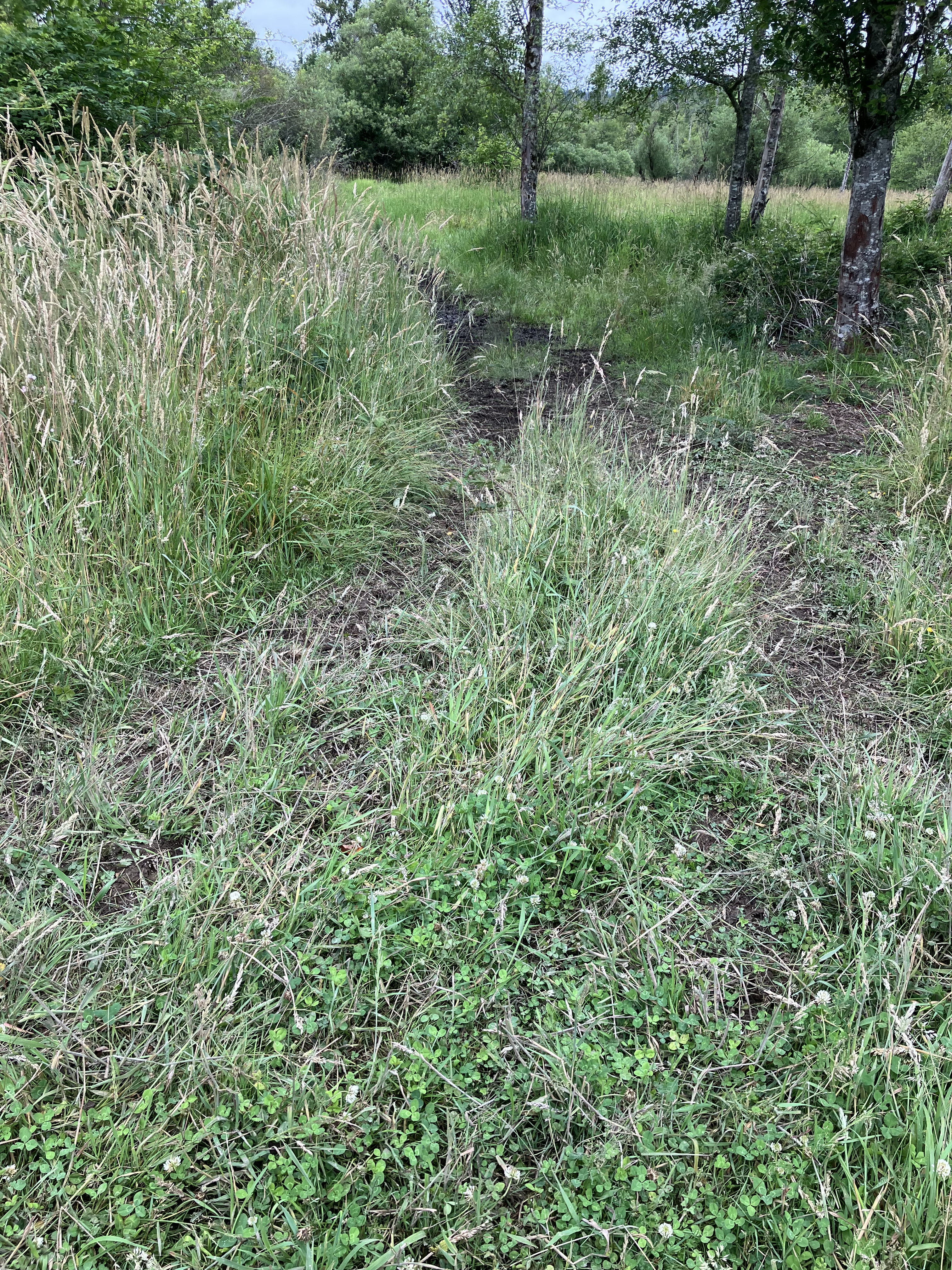
Access is crucial to maintaining successful habitat. The elk have established their own highways through the parks and forests of this valley. They carve out their own space, and show us where the wild edges are. Tracking was sometimes too easy, a hard cut in the soil with so many tracks, the two toe pattern was lost on itself. All the trees were blazed with antler rubs, red gashes, like cuts in the landscape, bleeding for lost ecosystems from long ago. When the dense evergreen forests towered over us, biding only owls and antlers into the woods. The people were in canoes traveling waterways between modest villages full of incredible crafting people with abundance all around. I’m sure there was still discourse and distress in complicated tribal exchanges that sometimes led to war. I don’t think any place was or ever will be perfect, but I do think the people who have lived here since time began, are still the best fit to lead us towards abundance and thriving in balance in this place. For me, that looks like ending colonial cycles of genocide by planting back forest and ending a long line of extraction based wealth madness.
There is still a lot of good life in this colonial legacy to live, and spending time in the last fragments of nature feeds this bright soul, and teaches connection, survival, grounding, and context in this great big world. After many hours of observing and trailing, the kʷagʷičəd revealed themselves and grazed contently on some private land nearby. From the truck, I watched them for almost half and hour, giving thanks for their lessons in adaptation and resiliency. We could all use a little tracking time in our lives, time set aside to be out in nature looking at what’s there, learning from it, and having some deep inward tracking moments that help us better understand place.


