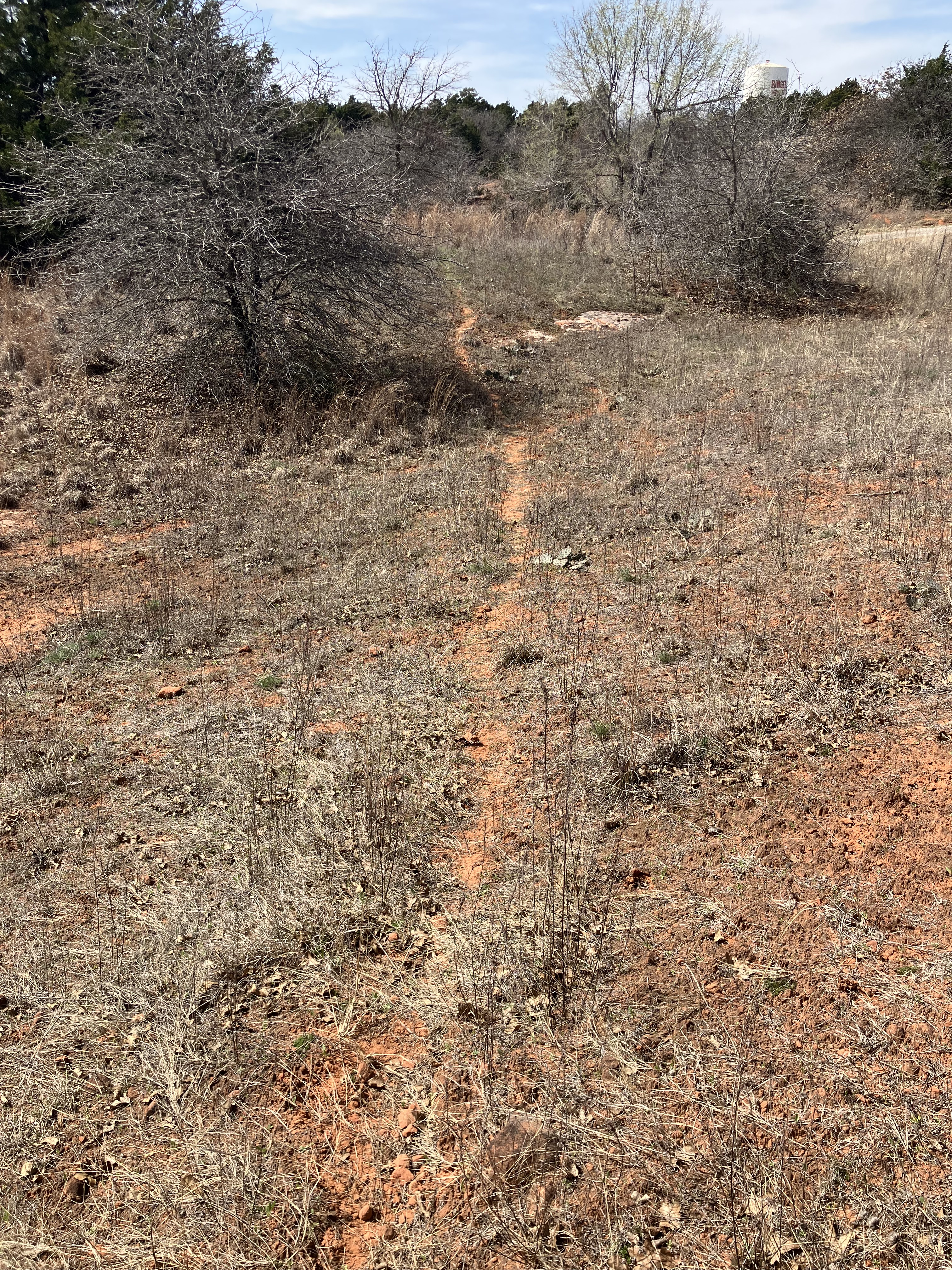
Whenever I get a chance to get some tracking dirt time in while visiting my home state of Oklahoma, I wander off into a side ditch or washout to see what’s moving around in the area. At my Dad’s, there is a lot of wildlife, so the damp clay rarely disappoints. It was March on my last visit, rains had come recently enough to turn the soil into perfect shape catchers. I’m always so humbled by this substrate. The evening light was perfect for seeking out tracks on the ground, so I took off over the barbed wire fence and into a neighbor’s field. This parcel was clearly shaped by post dust bowl swale work, done as part of The New Deal, to protect what was left of our rich topsoil for future generations of farmers. Well, this sloped space is not ideal for row cropping with large machines, but there is an old oil pad still on site, with decades of fossil fuel extraction, and all the spills of pollutants around. It’s at a high point on the landscape, surrounded by oak scrub canyons and eastern red cedar groves skirted by sumac and wild rose.
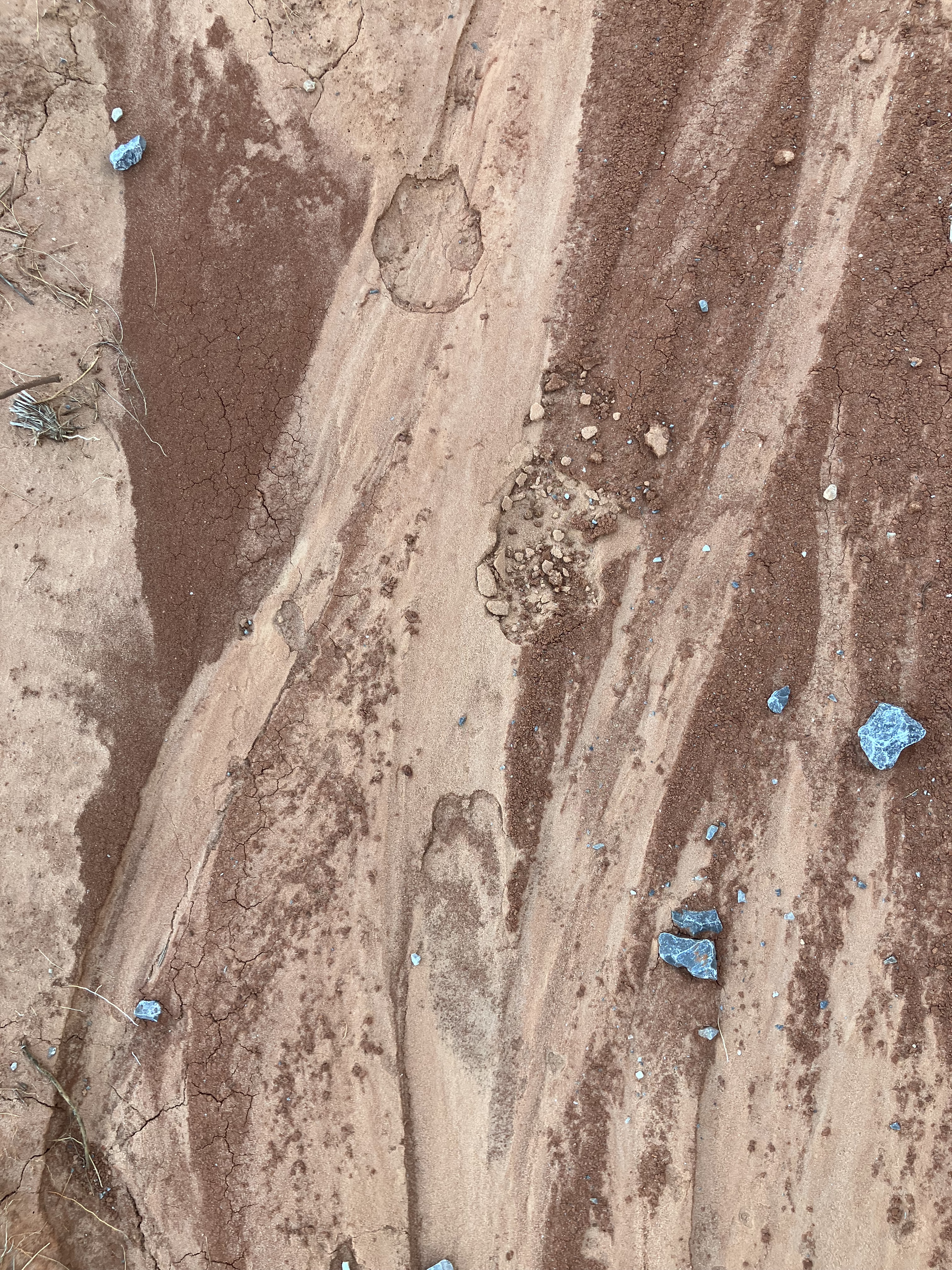
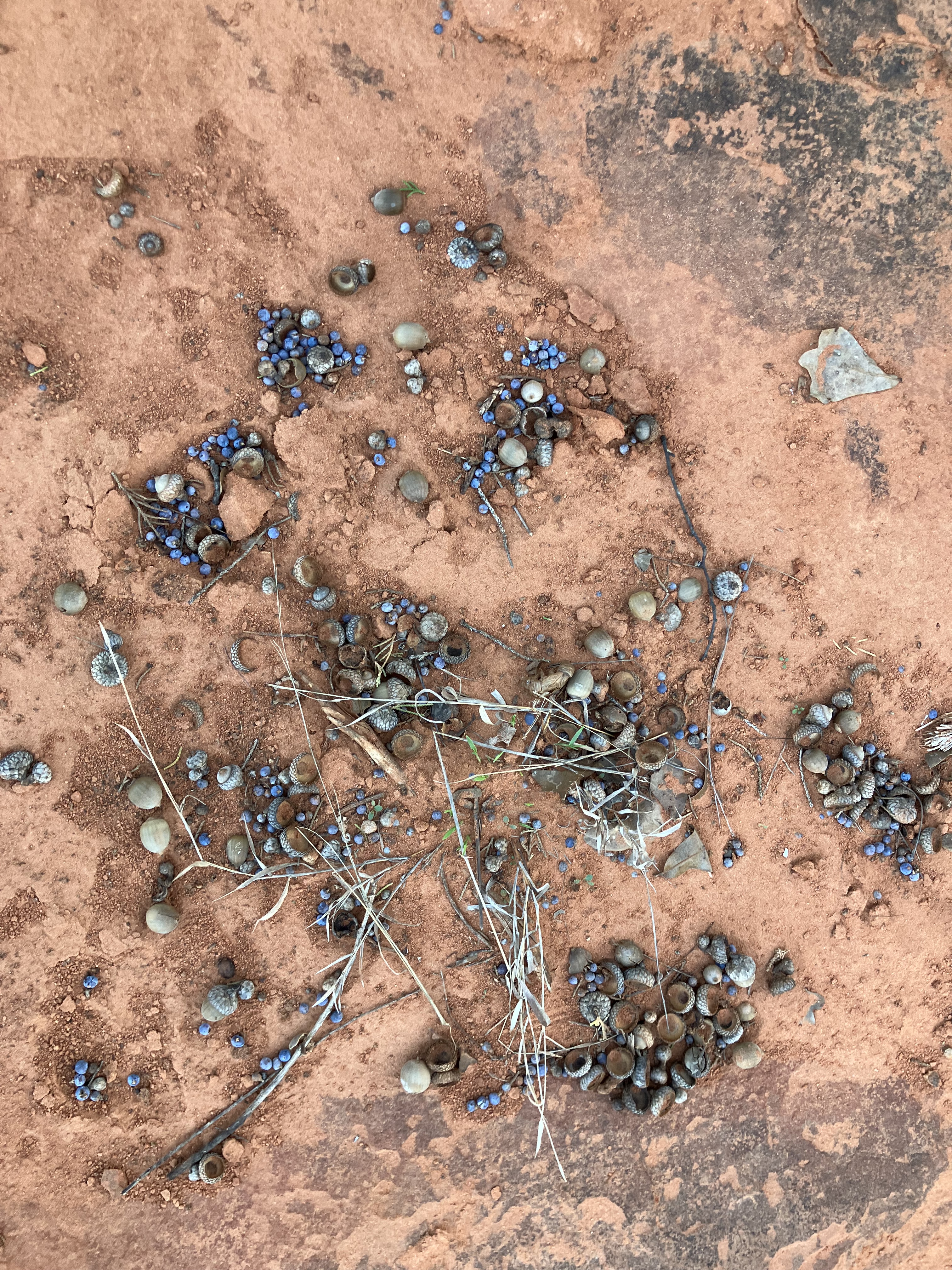
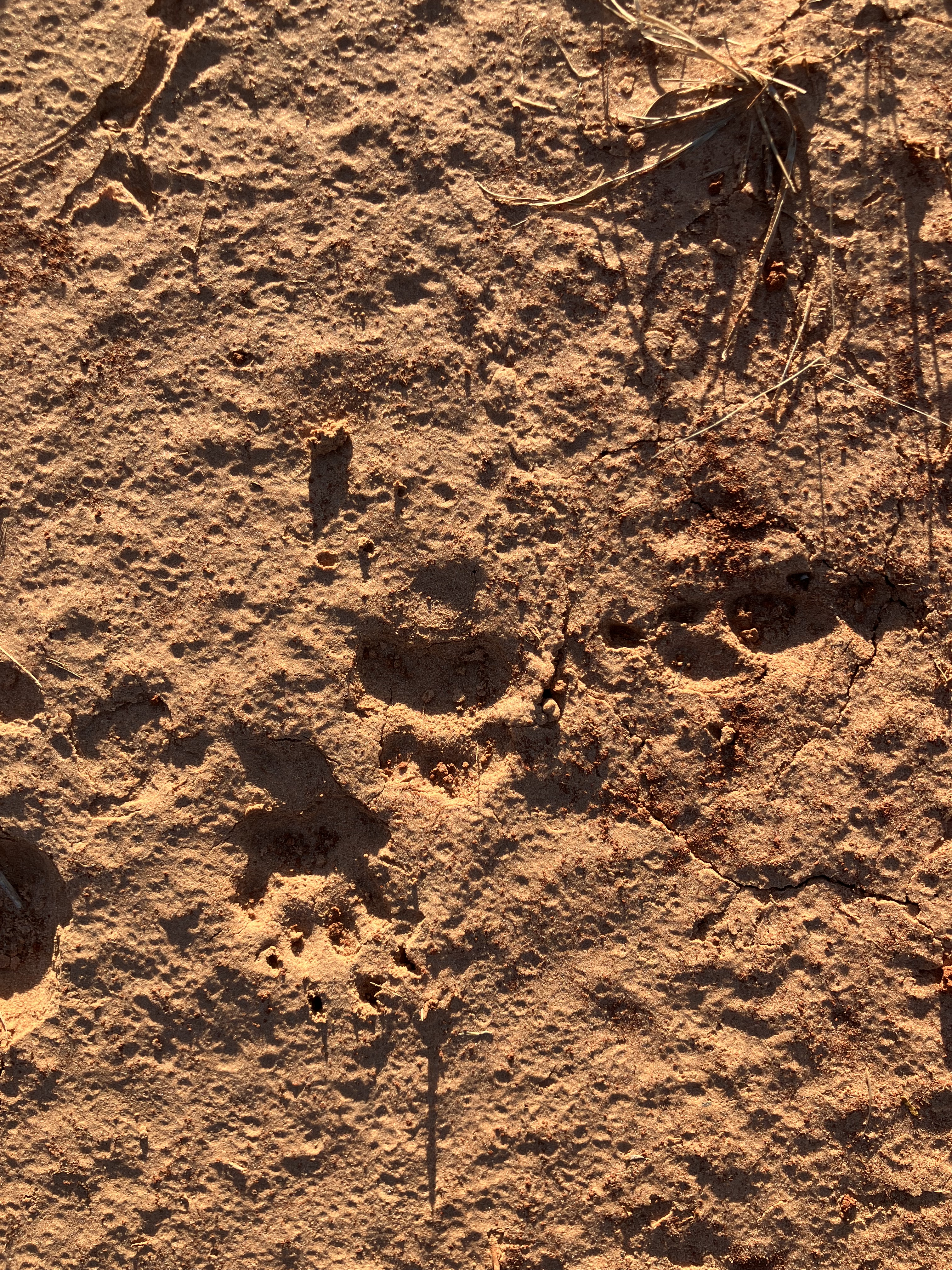
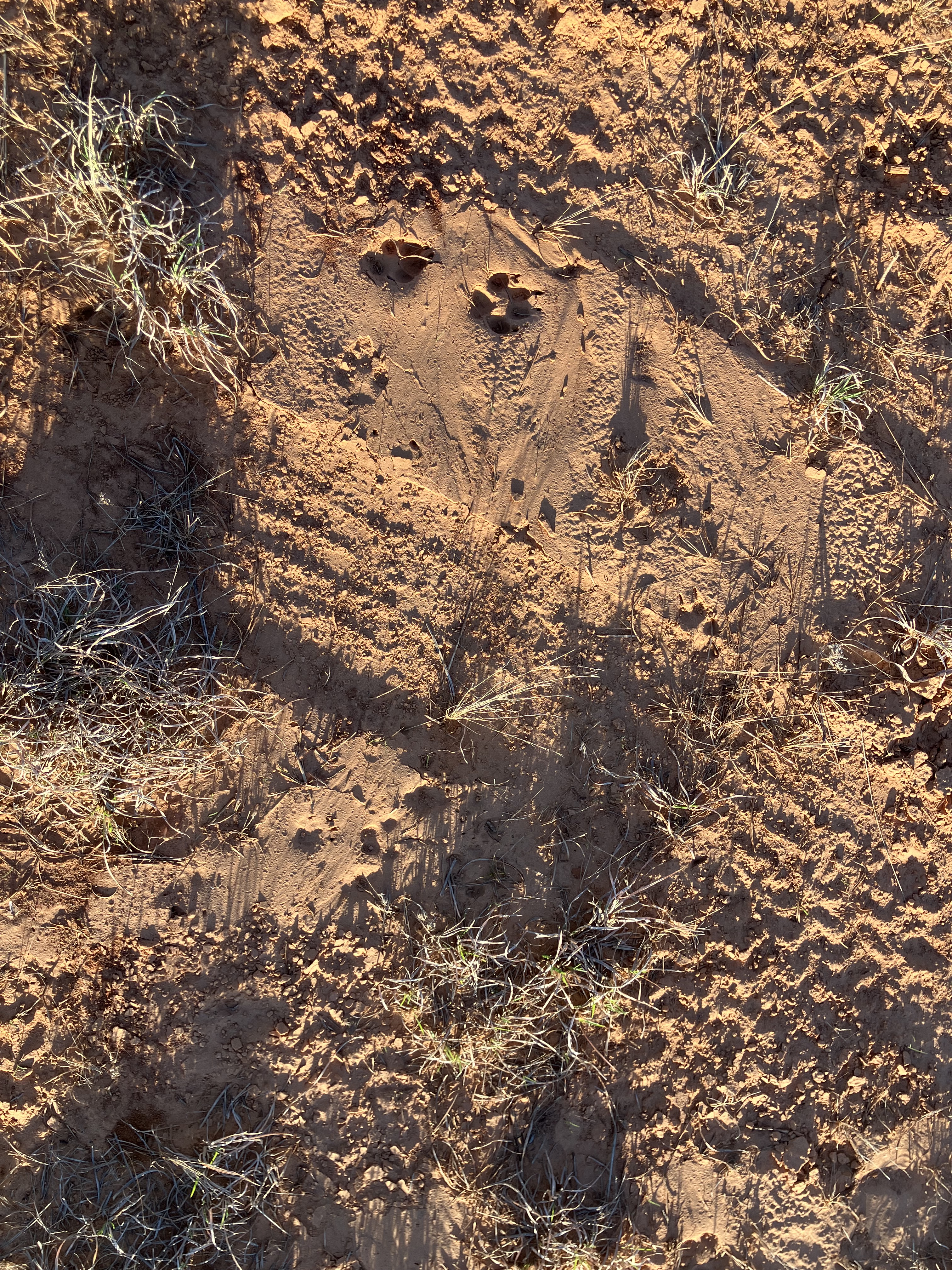
Across one of the swales, where trucks had driven through in recent months, an old access has become a wash, with brilliant trails of coming and going caught in the soft mud. Sun baked clay set the shapes in sharp relief. Here are a few of these beautiful lines I tried to capture and share in the photos below.
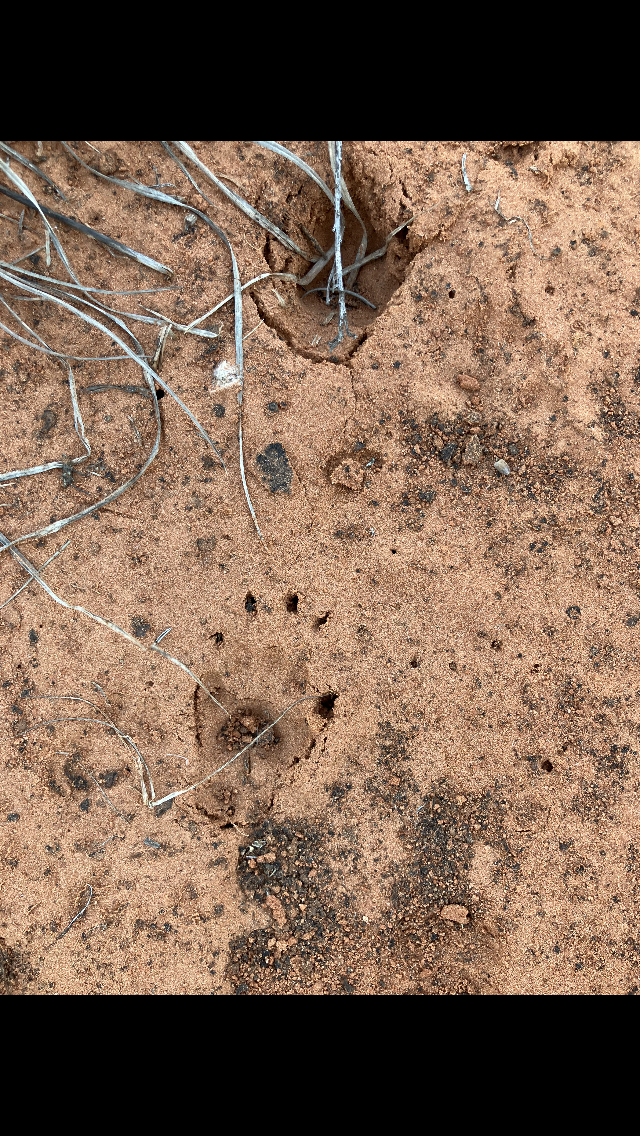
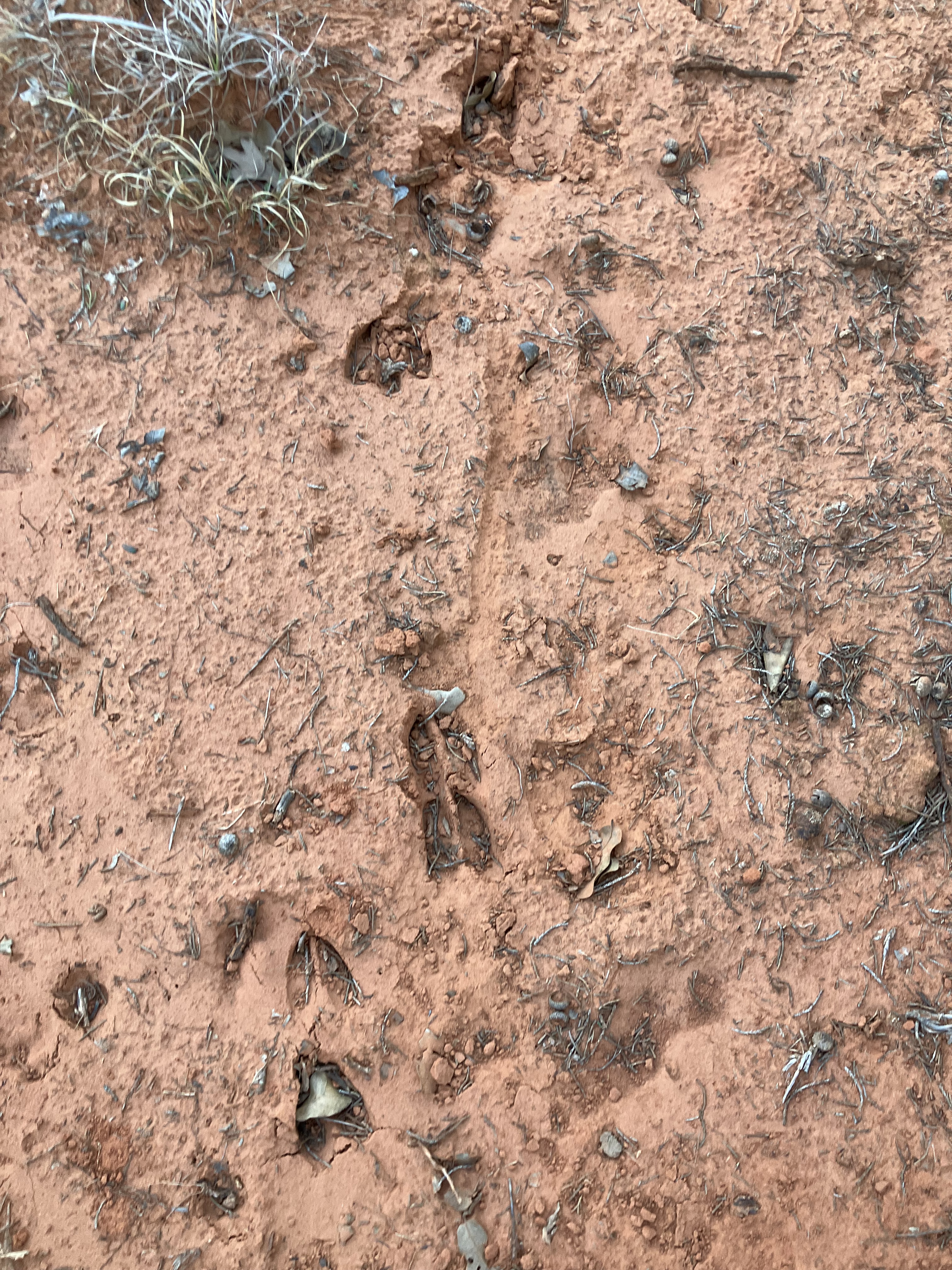
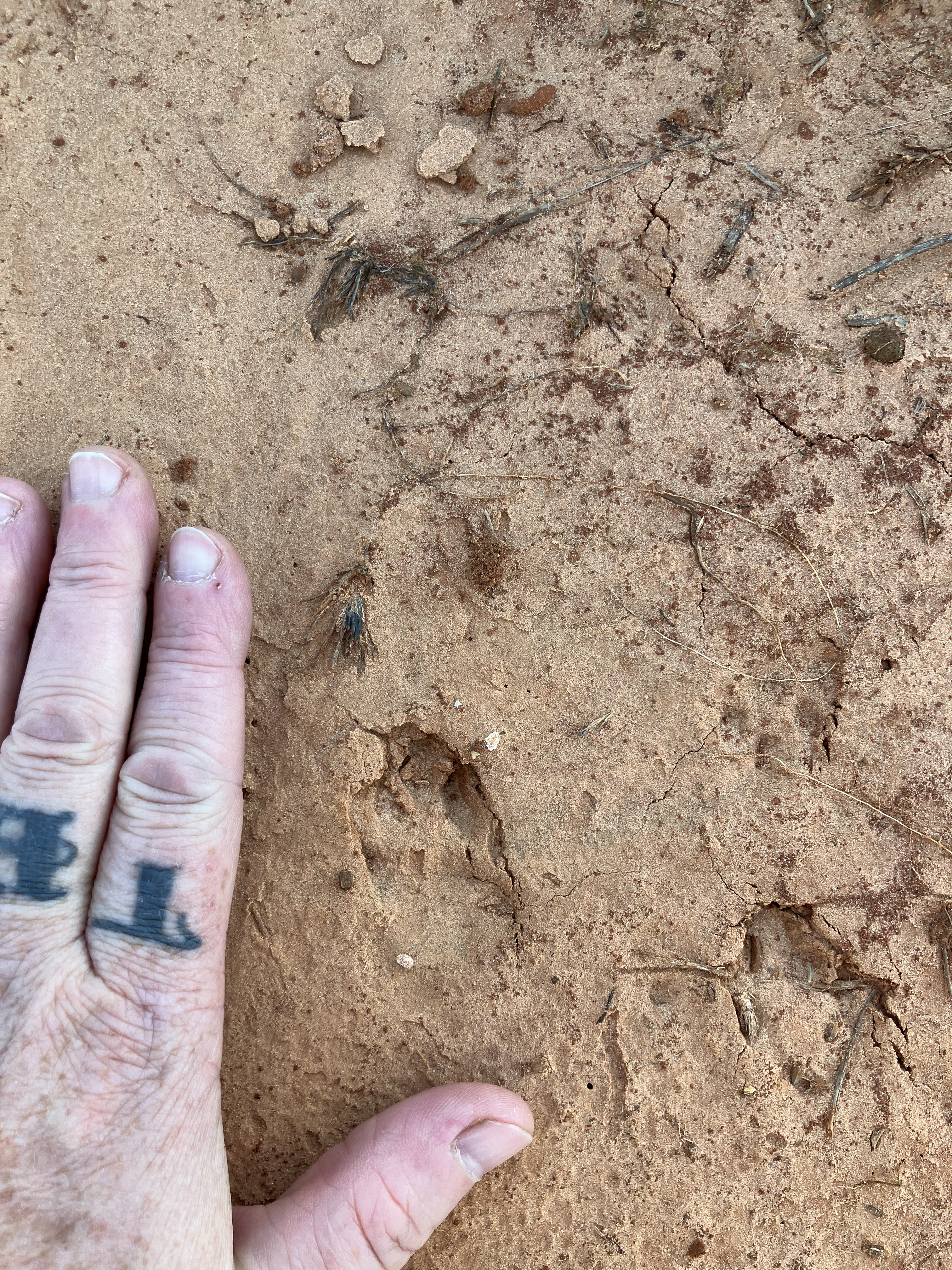
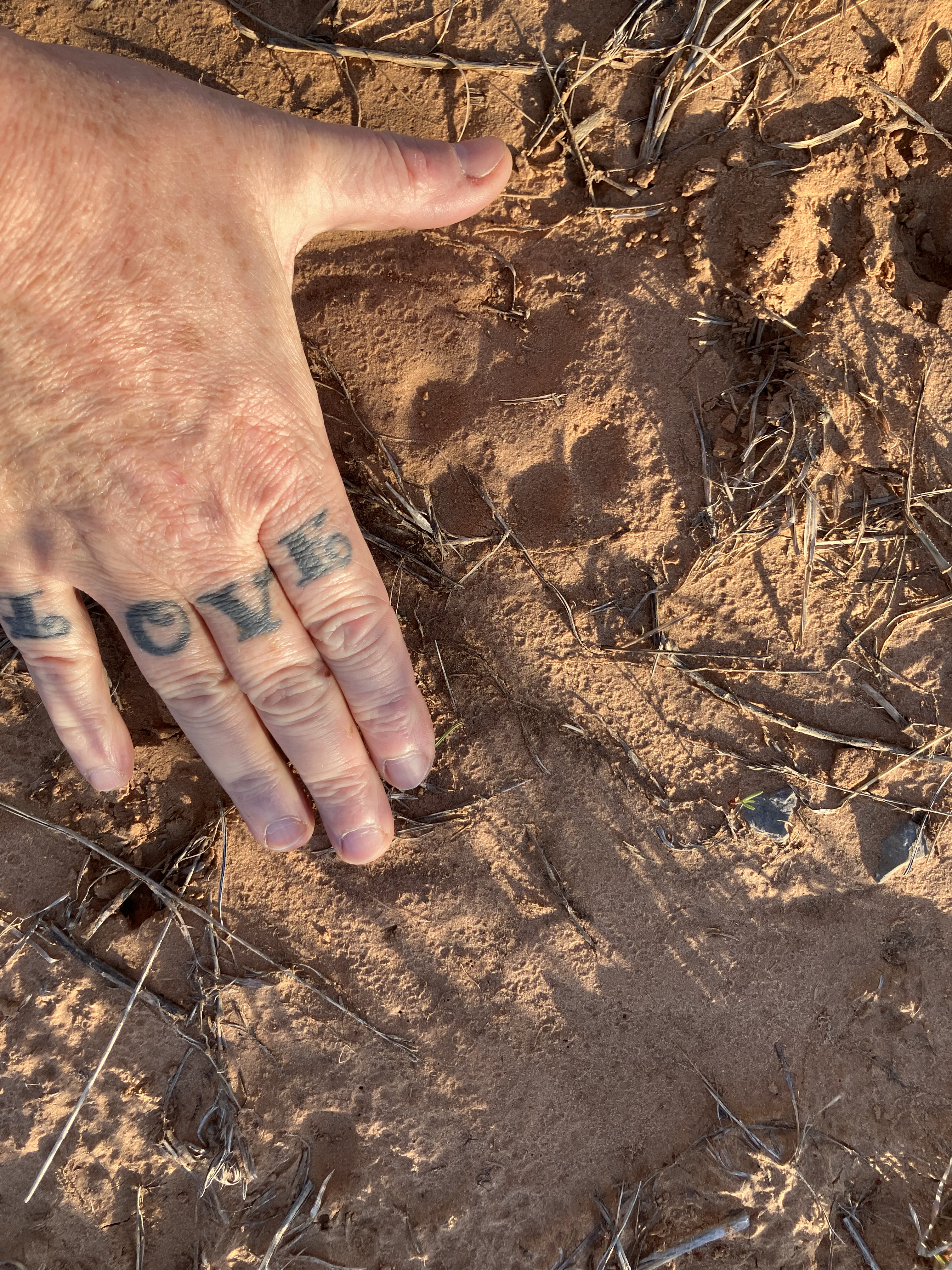
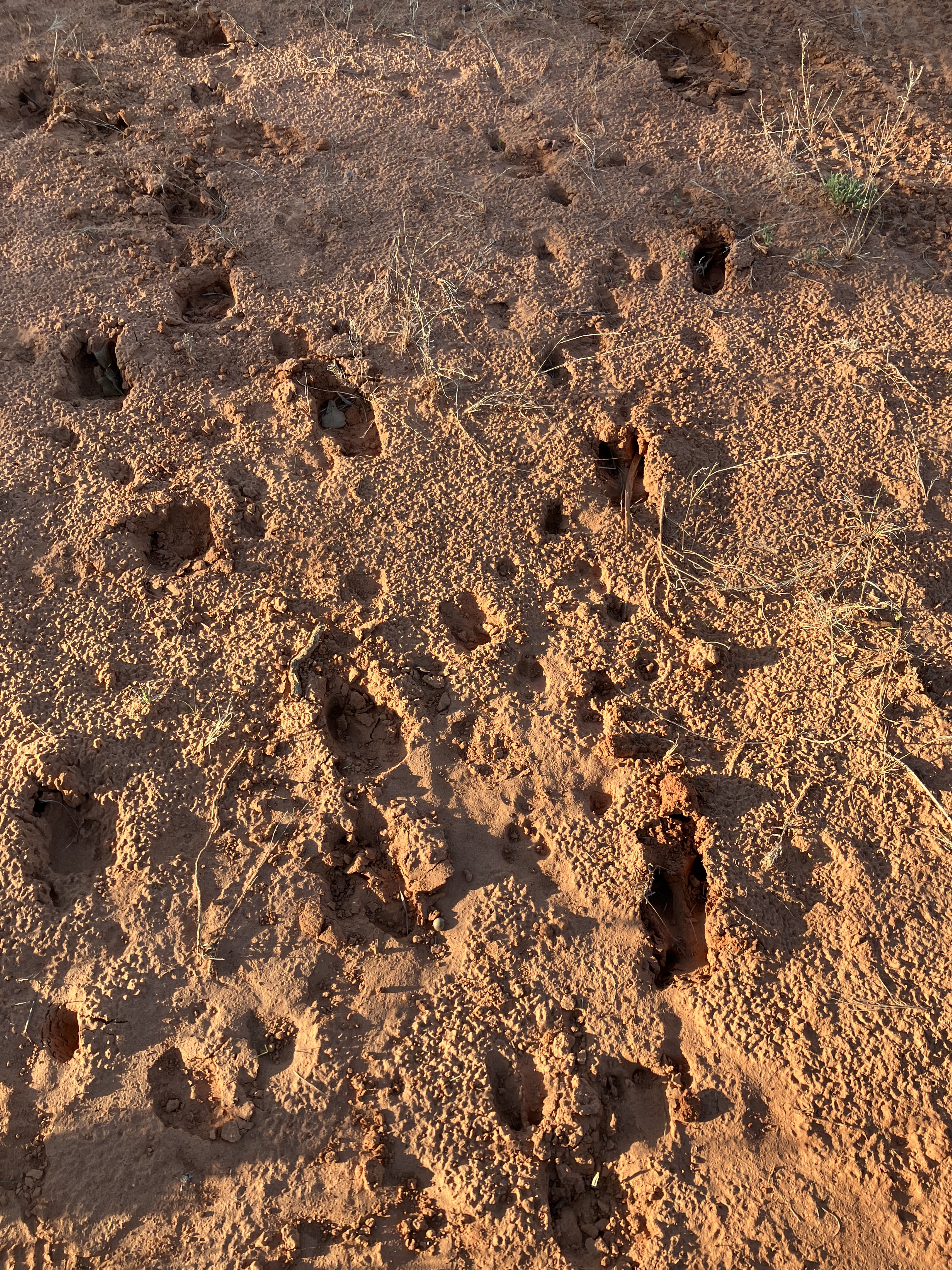
It’s often hard to fully capture a picture of tracks to share online. This red clay and dirt seems to be the most photogenic. There was so much going on, testament to the wilderness still surviving in a landscape now riddled with extraction wells, injection pumps, human development of all kinds, including overgrazing of domestic stock, which is painfully evident on my hour long drives to and from Oklahoma City. As I leave the built up industrial and old migrant farmer neighborhoods on the outskirts of town, cattle spread into wire fence checkerboards, decked with gravel pads of oil and gas reservoirs. A whole ocean of fuel we’re still tapping and capping for future use. Will the aquifer disappearing below our feet, the last of these tracks persist. There are many missing from this hillside. Ones I knew as a child, and creeping towards a half century later, they have vanished from the plain. Painted box turtles used to grace this landscape in the tens, once thousands, long before my European ancestors settled here.
The Wichita Tribes named the places from Mexico to Canada, all along this vast wide plane. Caddo migrated in from their homelands to the east, The Great Raft was cutup by river greed, waterway captains of industry, looking for longer inland routs to trade in people and goods. So the Caddo followed The Washita River up into what is today Caddo County, where my Dad lives. The area here has a lot of forest and water, for Oklahoma. It would have been more lush and thriving as an environment before men brought in cattle and overgrazed it. The “Green Revolution” in chemical agents to tame the land, killing unwanted pests, including the eggs of reptiles like the turtle, and birds. DDT was sprayed liberally to remove weeds and sterilize planting fields for new GMO crops. Cotton, peanuts, wheat, and alfalfa consume every corner of cropland, while in dry, vulnerable places, cattle roam and consume what’s left. Our neighbor has taken cattle off his pasture, redesigning it, with heavy machinery, to be more accommodating to wildlife, so people can pay to come and hunt there, and camp, and enjoy curated wilderness, but at least he’s restoring some of the native flora and fauna.
One of the biggest missing pieces of fauna on this landscape is The North American Bison. These native grasses are best suited to huge lumbering herds of heavy, bovine action. The deer don’t really forage on them, they need a specialized animal relationship that evolved over thousands of years. I can’t imagine what this land would be like with Bison, I’ve never seen them here. The cedars would be gone, taken down by huge roaming herds rubbing against most any small tree or shrub until it’s crushed down beneath the great bull’s weight. But the bison would not have been standing around long enough to destroy all the foliage. Wolves would be pushing them along, chasing the herds into smaller groups to pick out the young and weak. Big cats, like mountain lion, and smaller cats like bobcat, would be dropping down out of the trees to ambush smaller calves. In prehistoric times, I can see box canyons being good traps to drive herds into for atlatl hunts. Early humans living in this place must have experienced a paradise of ecological abundance. Water would have been present, lush marshes to support millions of animals.
Now, the landscape is a shadow of what once was. Not many people can imagine it’s glory, but I see it, and wish for its return. Instead, I’m tracking the vanishing lives scrolled in the mud crusts in far flung edge spaces. Catching glimpses of what’s left, eying the decline of this environment. Will we see yet another dust bowl? Are we not already dust to dust in this place? I’ve got another reflection coming soon to speak more about this. As the ecological basket unravels, so too do the people living in it. Today, a lot of folks talk of technology fixing things for us, like a god head from days of old, but putting off the saving onto someone else will not help us. We have to help ourselves. This looks like many things, all of them graspable. Being conscious of what you’re consuming, that’s the best place to start in measuring ways you can make a change in your own life to support a more ecologically minded. life. Avoid the AI craze- it’s pushing us faster towards the edge. Eat locally, and try to produce something yourself– even indoors in a small planter.
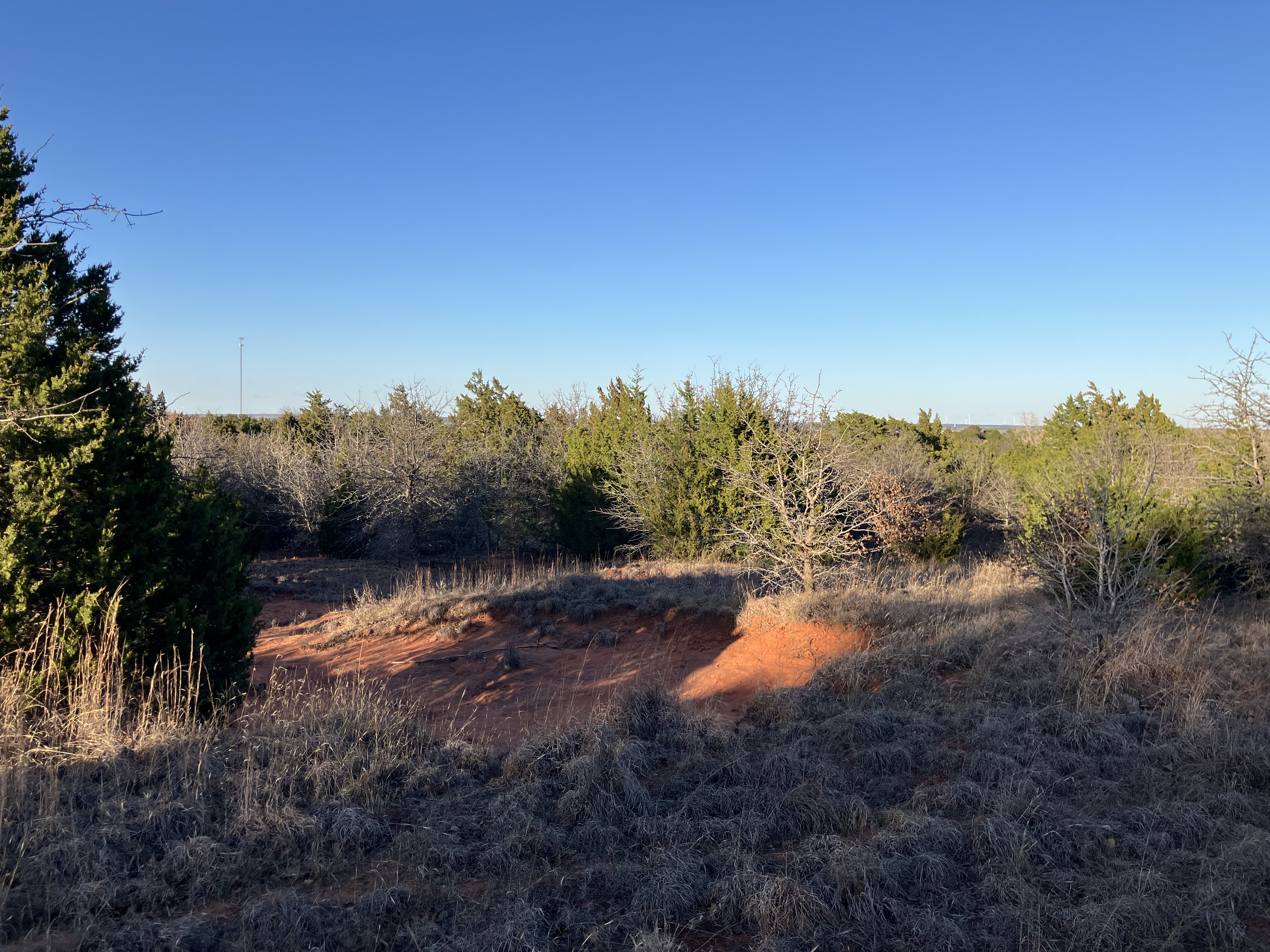
About a century ago, the landscape picture above was barren and sandy, stripped bare in The Dust Bowl era. It was a time we the people had a hard lesson in what ecological collapse can look like. The wheat craze at the turn of the century pushed agriculture into a bender. People flocked into The Central Plains to till up some soil for a wheat crop. We’d already killed off all the native Bison, and removed The Native People to reservations. Now the land was ripe for sewing, and mechanized agriculture tilled up the soil that had been built up by Bison and native grasses that rooted down tens of feet in the ground. It did this because it knew the effects of long term drought, a common occurrence on The Great Plain of North America. In hot, dry years, the grass stayed alive by reaching deep down to the Ogallala Aquifer. Conventional wheat does not have this ability, and when harvested, leaves a field barren and vulnerable to erosion. Since The Great Plains has a lot of wind, most of the good soil was picked up and carried off. Most went into The Gulf of Mexico and The Atlantic Ocean. With the loss of soil came a collapse in nature, countless plants and animals suffered through The Dust Bowel, but we often get so caught up in the human suffering, we forget the wilderness we destroyed.
How we’ve missed these lessons of ecological impact over time, I do not know, but it’s taking it’s toll in my home state again, only this time, the threat is coming from the energy market, and not just fossil fuels. AI data centers are slated to take up what’s left of this ecology. This last visit might be a final snapshot of what might soon also become shadows and eventually, distant memories. I grew up catching horned toads, box turtles, and American toads. None of these animals remains today in my backyard. With the loss of these indicator species, we know the ecology is actively in collapse. But it does not matter if you’re already building something else to make money on, as long as someone is making a profit from place, nature can step aside. We took away the people, the plants and animals, and now, only machines will thrive. I look at the skunk, bobcat, coyote, deer, and rabbit tracks here, wishing them all well in their short lives. Mine will stretch on a little longer, to see them disappear, and the loss of future generations in this place.
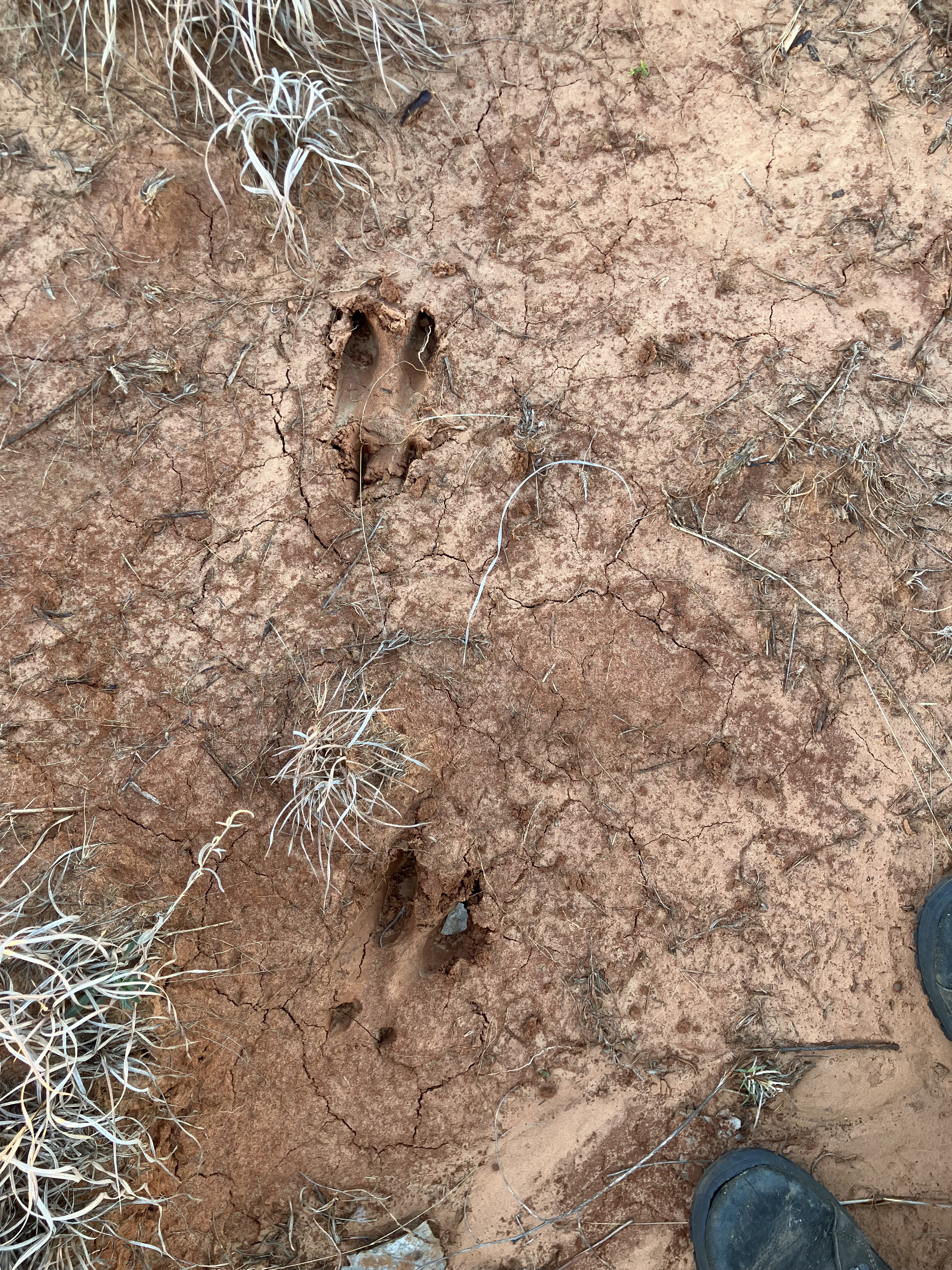
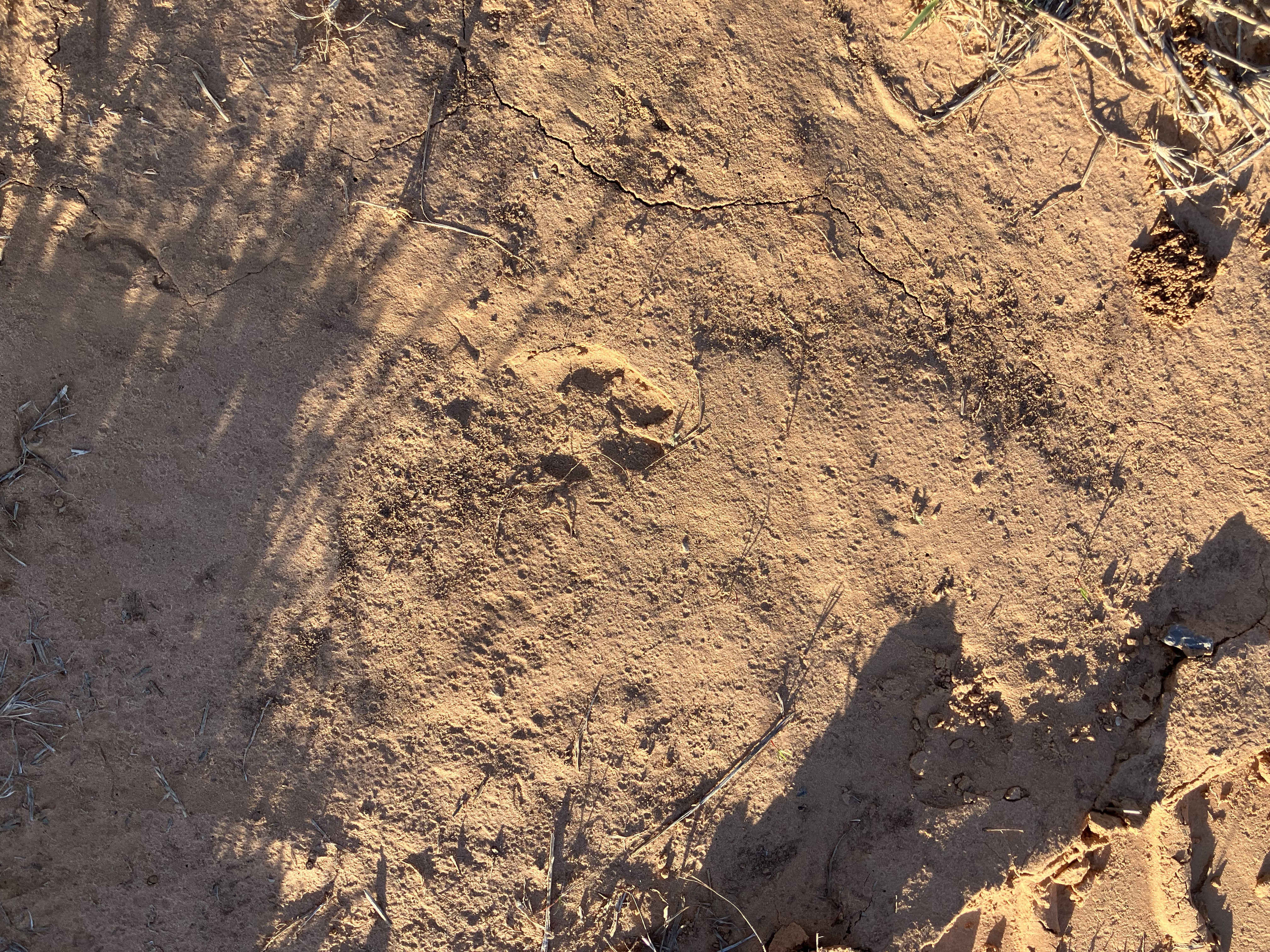
Sorry for the downer, but it’s important to recognize when something is disappearing like this. It’s happening all over the world, because we are in, what scientists are calling The Sixth Mass Extinction. Things will continue to accelerate, so if you can, start taking walks in your local wilderness, park, or green space. Enjoy the wildlife you have connection to, it could help you care more for their environment, and in turn, protect it from future degradation. We have to be the change now, each one of us has to stand up for the natural world. Acting is the only thing left to help form effective change. Donate now in time, talent, and treasure to conservation. What non-profits are you connecting with to save your local environment? What world work can you fold into? How can you better educate yourself about these issues? If you can, document what you are seeing too. I take pictures every time I’m outside. What’s the weather doing today? How are your plants looking? Is the forest up the street doing well? Have you seen the neighborhood coyote recently? What’s missing from your environment? Where and when did it go?
History helps build the framework for where we are now. My understanding of the missing bison in Oklahoma bridges many missing parts of the whole of The West. Understanding the native plants of an area also grounds us in what the climate has in store for our future. The world has been in chaotic climate change before, so there is history to glean from regarding what could happen as change speeds up. I’ve recently teamed up directly with another neighbor in gardening. She’s got a great setup and needs help, I need to turn my garden for a few years to get rid of a morning glory infestation. Helping a friend and supporting a great veggie garden is a great thing if you have access and time. Community gardening can make the task a little easier. Established infrastructure exists now in a lot of communities. If there’s not one near you, can you help create one? Take a deep breath, this is change, we adapt as best we can, knowing life is short, so make sure to get out and have a good time. Find a set of fresh tracks and follow the trail, find the adventure in little things all around.
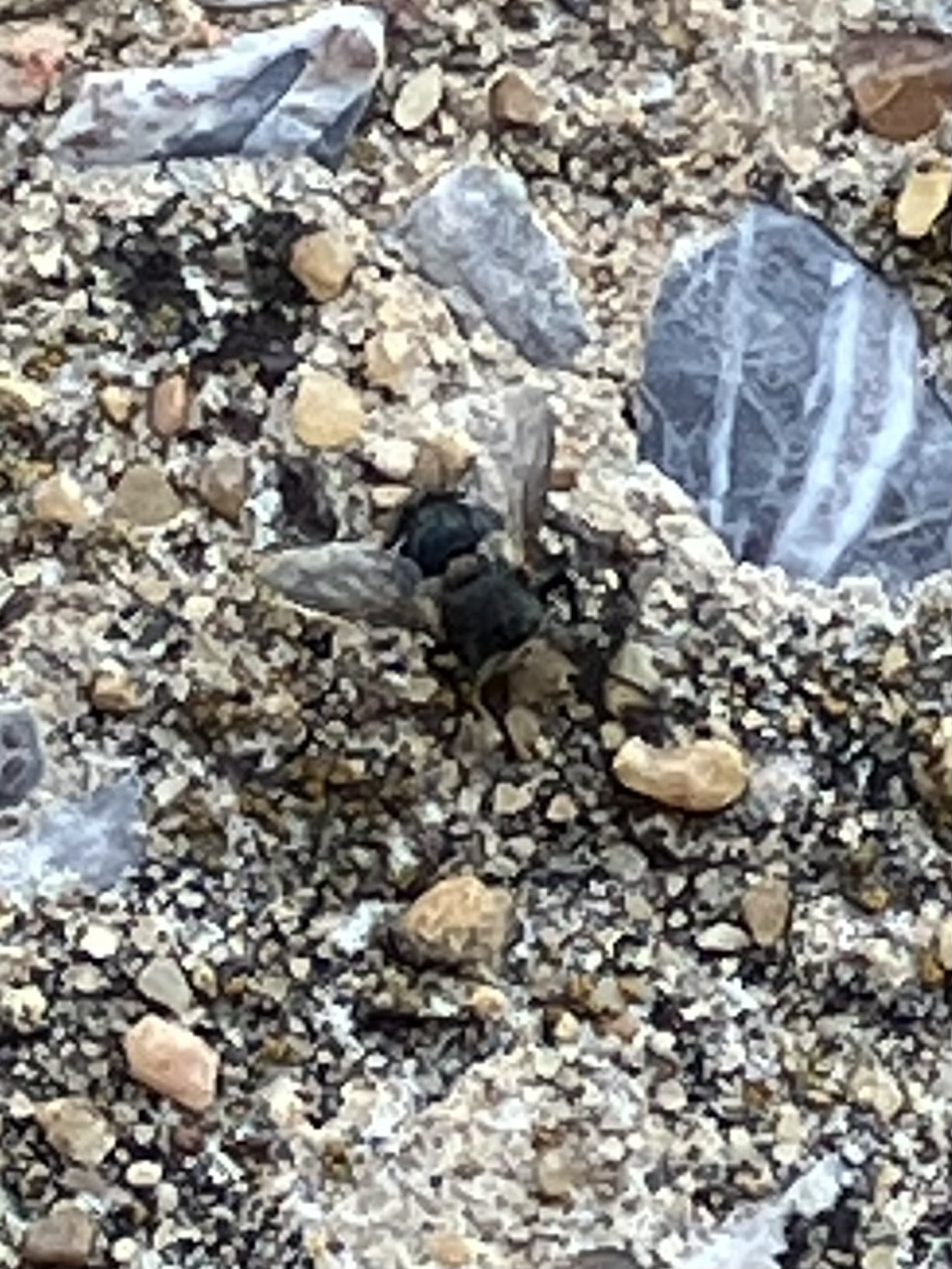
This small fly landed on the back porch where I sat reflecting on my tracking earlier that evening. The land was quiet, almost still, except that there’s always a breeze in Oklahoma. This small insect is making a life, and so are countless other animals, plants, and people. Resiliency persists, making it possible to dream of the world to come where restoration occurs. Nature has been sideline in many cases, but we can center it back where it belongs, keeping us alive and thriving. Be aware of what ecological collapse means for you and your environment. Act now while you can.


