We’re all about passive systems here at EEC Forest Stewardship. Earthworks projects on the farm revolve around water catchment, redirect, and slow/sink intentions. Out of such work and planning, water, which we sometimes get a lot of here in Western Washington, has a good place to go for long term investment in drought resistance.
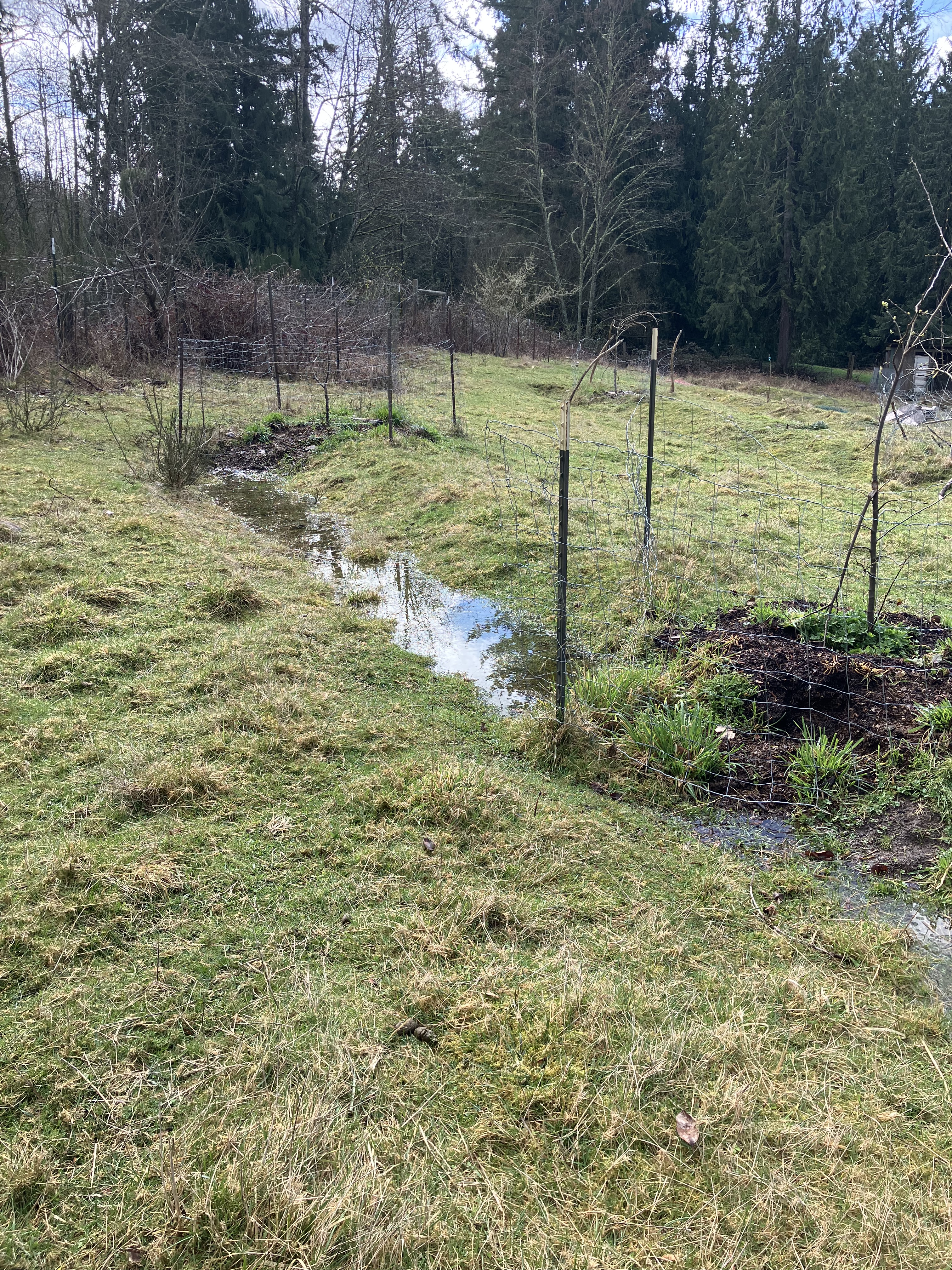
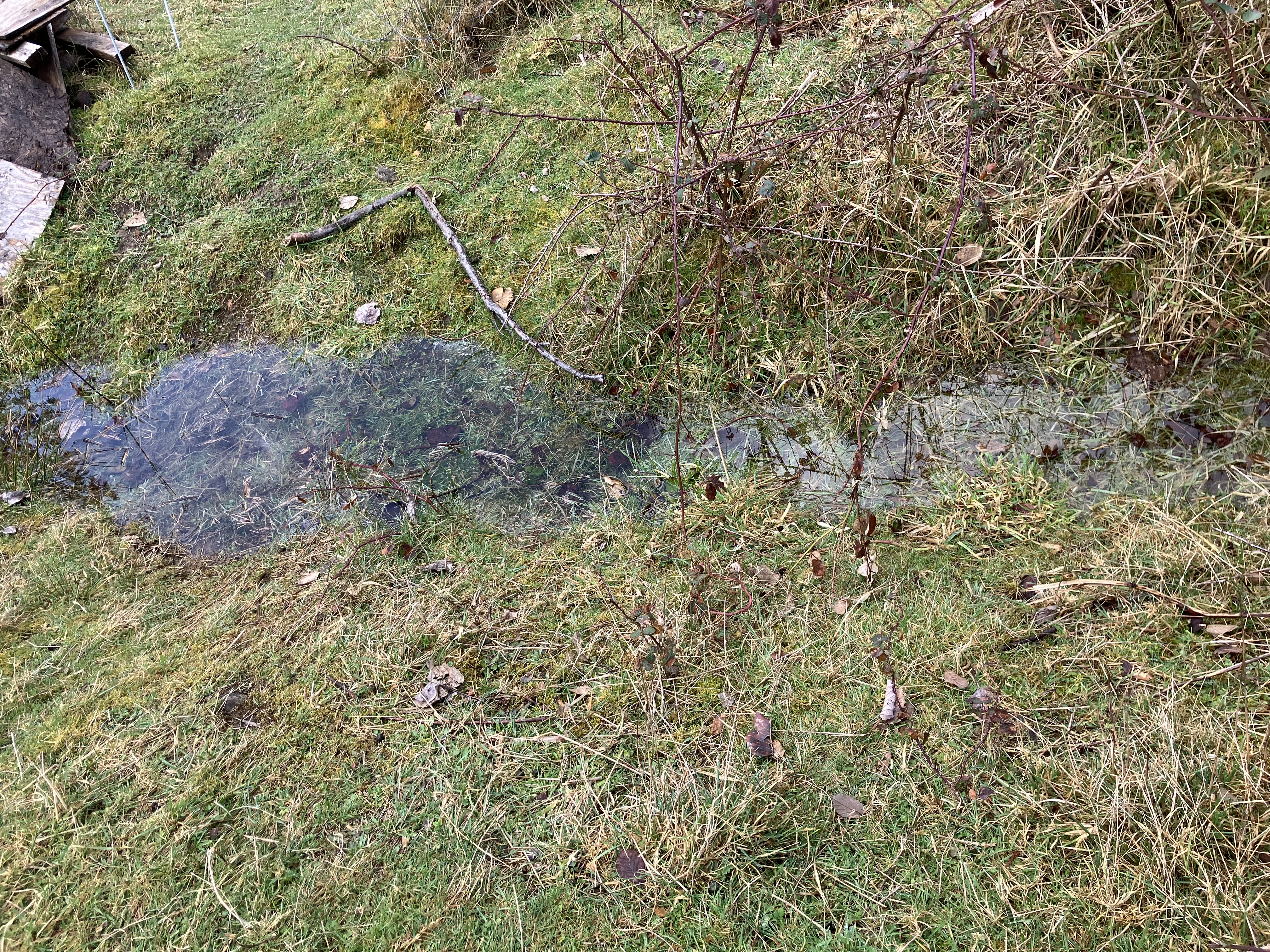
Our swales are one of the most simple ways to slow, sink, and store water. Above you see a swale at work with recent rains. The water can sit and slowly sink into the ground, moving down hill towards the young fruit trees establishing on the mound down hill. Other than initial earthworks, done in a few days after a year of planning, this system is self sustaining and crucial to keeping the forest alive as it slowly returns. This water will also make it’s way down into the aquifer, which feeds the well on this ridge. With all the housing developments down the hill from this farm, much of the water that used to sink in on this ridge in the once complex old growth temperate rainforests, which are now completely gone, now spills down and away along road ditches to the ocean beyond, lowering out potable water table until wells run dry. The housing developments below are unconcerned, because they rely on city water- like so many today. The corporate nation dreams of the day it can fully privatize water, which, though a fundamental human necessity to survive, would make a great commodity on the markets- already does in bottled water. Our utilities are becoming more and more expensive, with less and less investment in the infrastructure and care needed to sustain the expanding construction to keep up with housing shortages. So, it’s good to keep a well and work to keep the water where it falls- or nearby enough to support the living vegetation also crucial for our survival as a species.
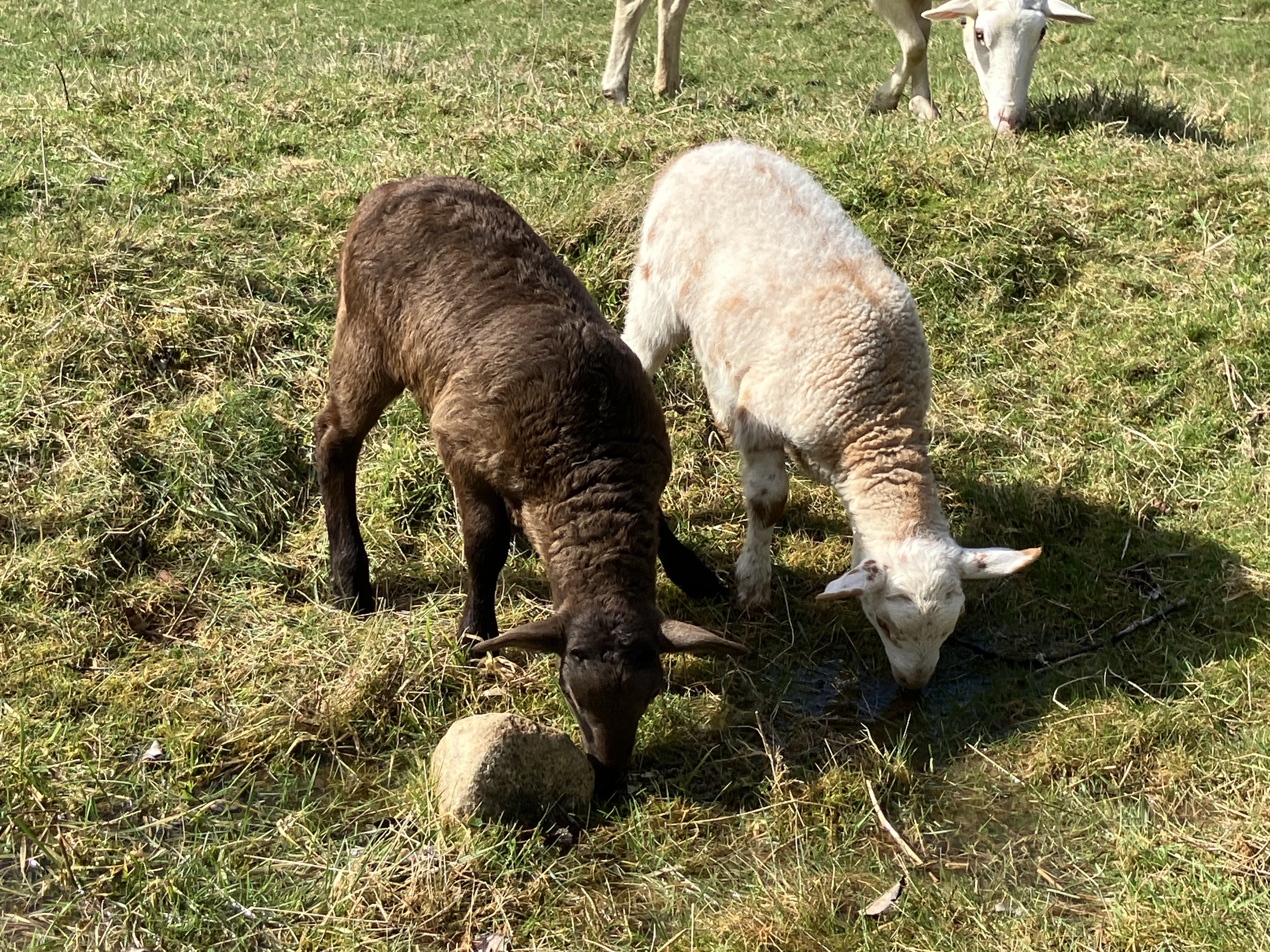
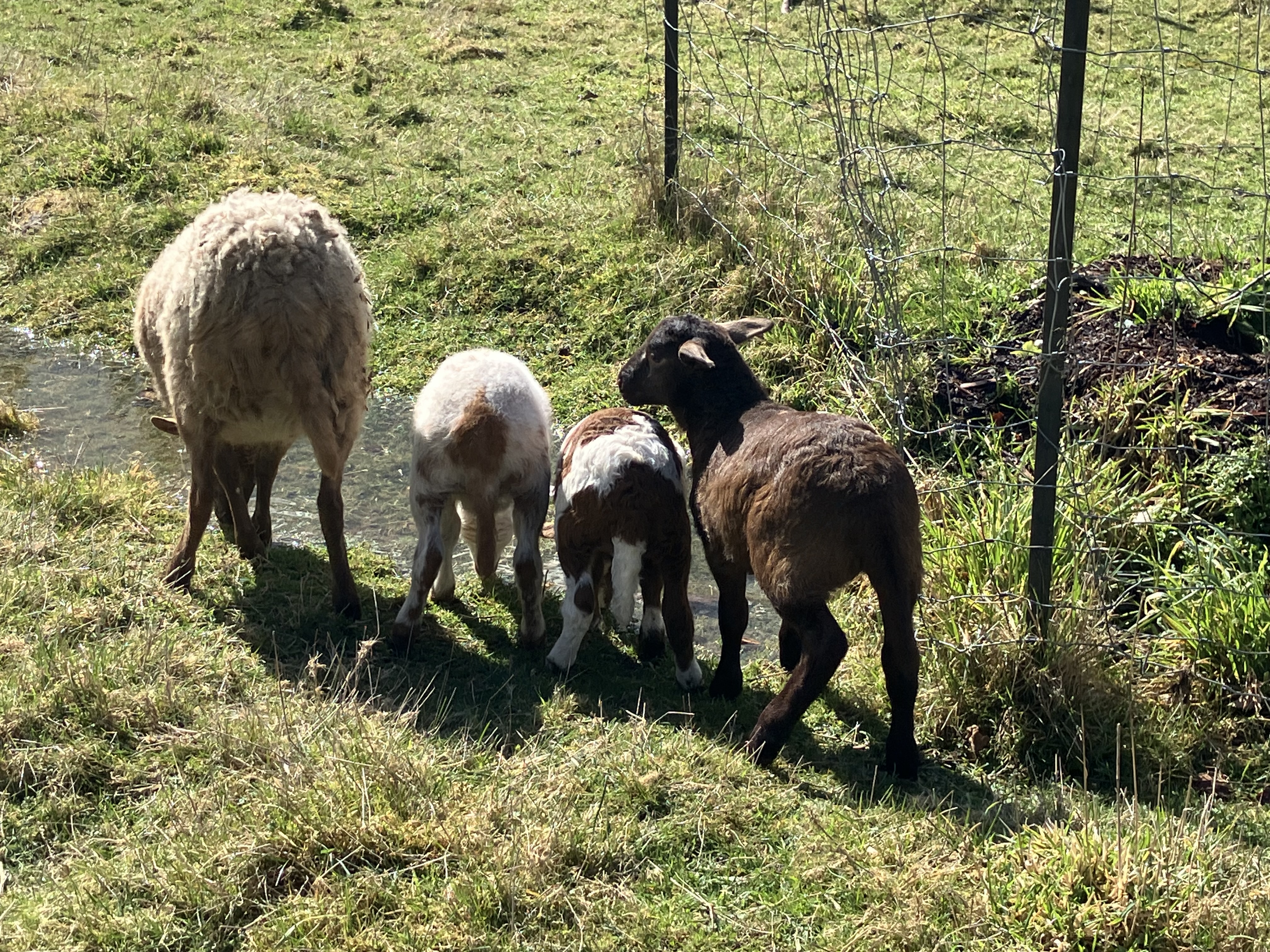
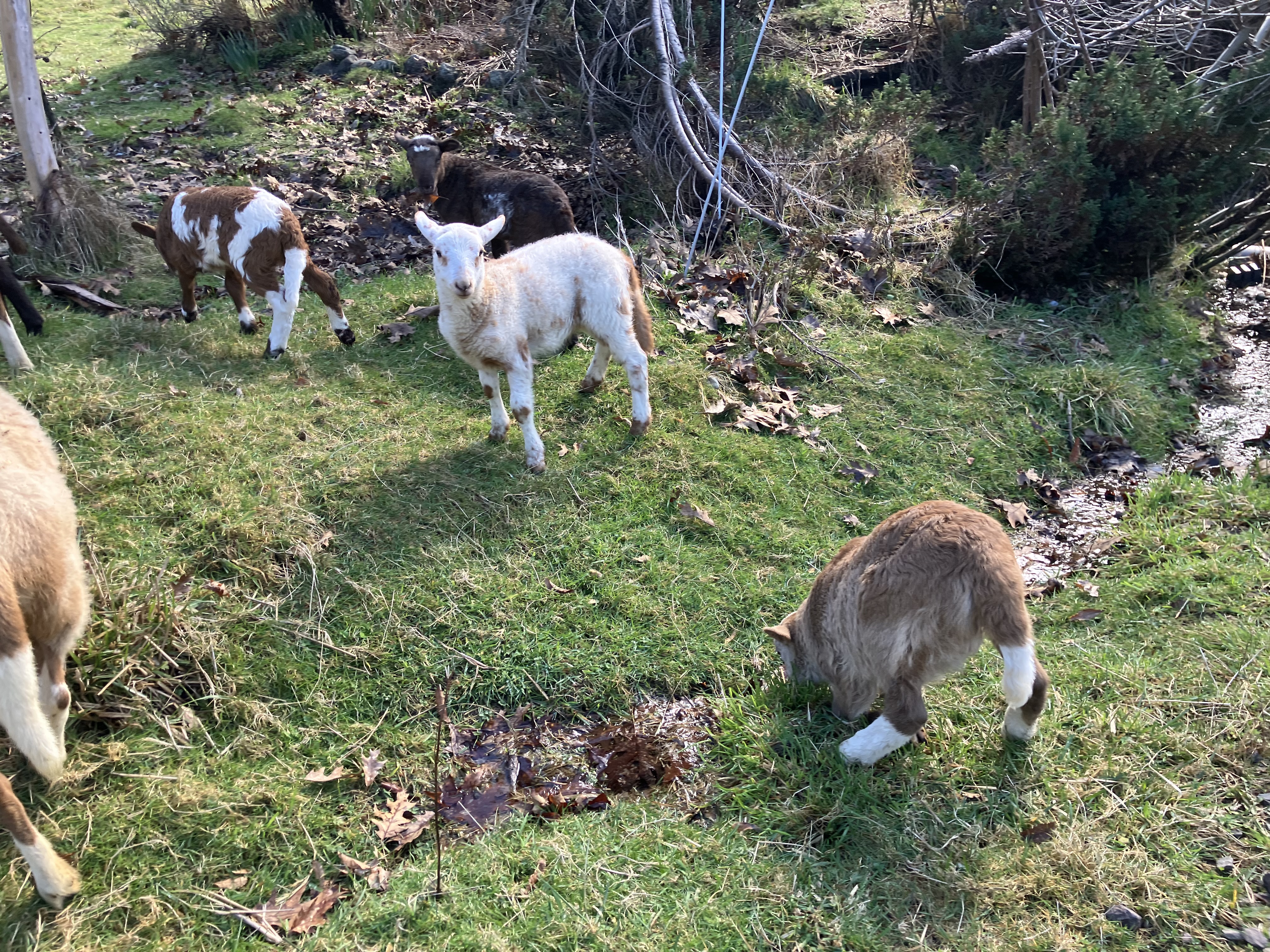
When there are major rain events, like the nearly 1/2 inch that fell the night before these pictures were taken, the water sometimes sits on the surface “day-lighting” for a day or two. Our sheep and chickens, as well as the geese, enjoy the fresh water to drink and play in. Some of the water is directed into catchments. There are a number of pipes under driveways and gardens which lead to our central water feature- the pond. With years of observation come smart design with nature. After reading the water running across the land for many seasons, it becomes easy to make a smart water plan for catchment. I’ve even added more design over time, after the initial implementation of earthworks. Having a machine do so much of the digging at the start is helpful, but takes some planning and investment. The rewards are endless, because once you’ve set the design in place, the rest of the work is passive and free.




One of the most recent redirects implemented at EEC goes from a rain garden wetland habitat, down a driveway, around the back of the pole barn, and into the pond. For almost a decade I watched a stream of water heading down the driveway and on down past the barns, along an access road to the back pasture. It was starting to cut into the road as it picked up speed down hill. By redirecting the flow at the top of the hill, the erosion was not only stopped, but more water then went to the pond during major rain events. We’re now catching even more surface water to slow and sink for the aquifer, and forest below. The pond is not sealed, so water can slowly seep into the ground. The pond does remain year round, and there are fish living in this modest waterscape. The system has yet to fill the pond high enough to actually top the outflow, but having two input pipes should bring us closer to that goal. Stay tuned for our next major flooding event.


 EEC Forest Stewardship