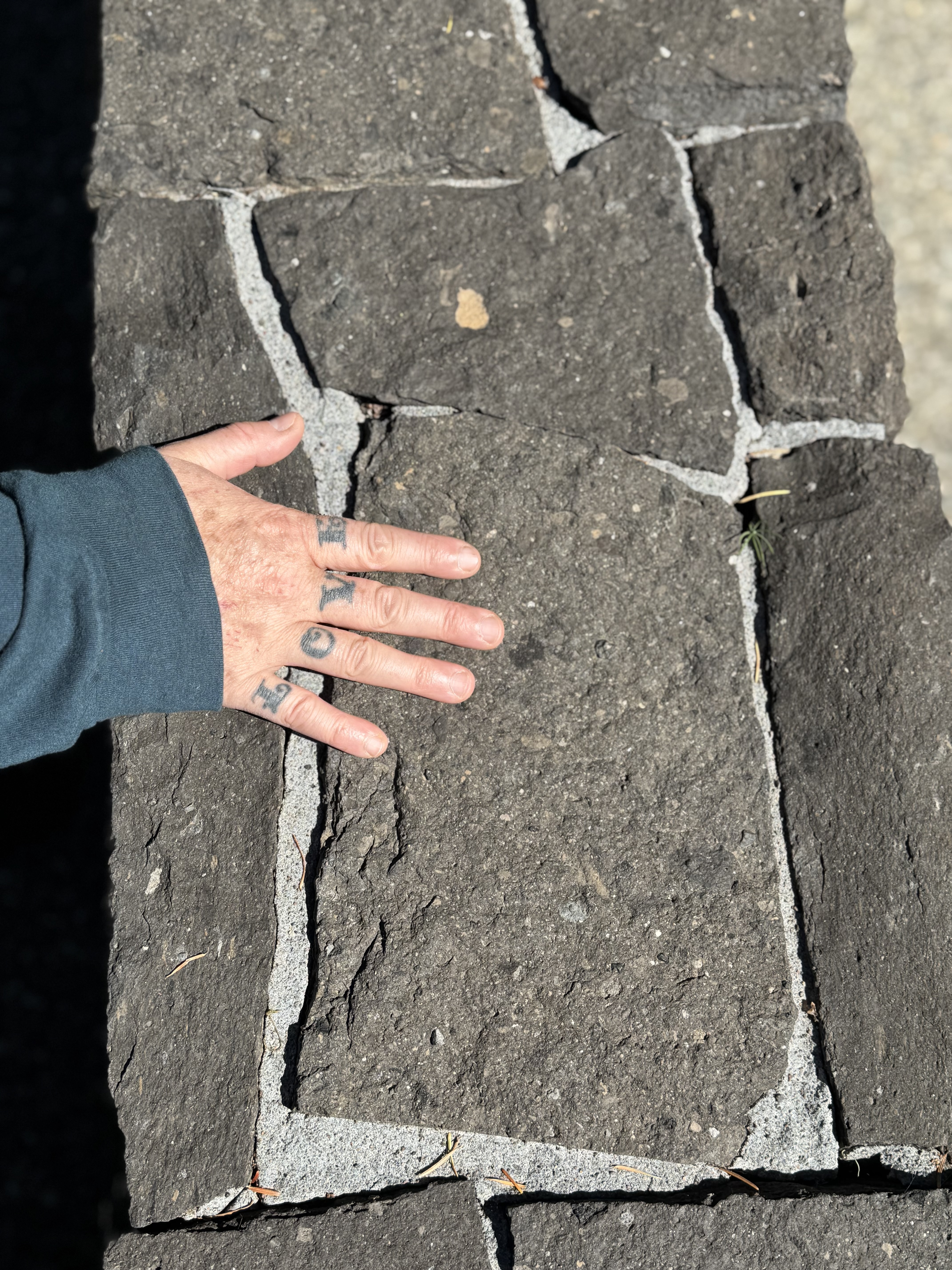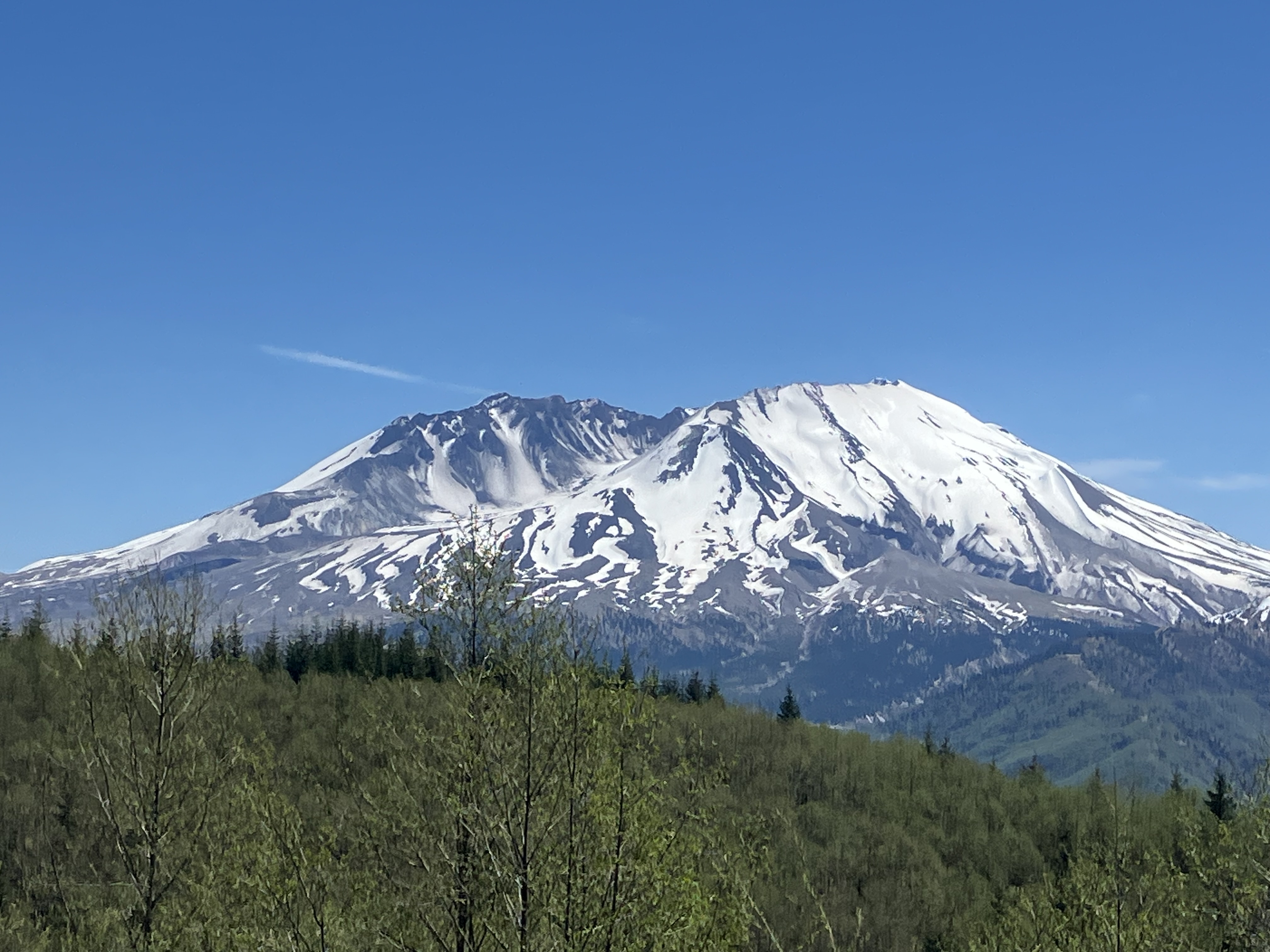
lawilátɬa or Loowit

You may know this mountain as St. Helens, but it’s called many other things by the people who have lived ear it for thousands of years. Tribal people have always been well aware of it’s unstable rage, from smoke to fire, this mountain pours out volcanic violence with little warning. Perhaps if the volcanologists had payed more attention to the tribal stories and oral histories, they would have understood the danger in 1980, when once again, the mountain erupted on the north side. Yes, in tribal oral history, Loowit would throw fire to the north at her sister Tahoma (Rainier). They were in a fight over their husband Pahtoe (Adams). Because there are so many tribes, there is not one single name or story for the various landmarks across the landscape, but this general theme seems to dominate within tribal lore. For a more complete list of tirbal names and stories, I loved this site.

Loowit is not a National Park, but a National Monument. This is a distinct difference; it’s a downgrade from park. Washington State has a few active strata volcanoes, and only one of them, Tahoma, is a National Park. Loowit was Weyerhaeuser territory in the 1980s, and the timber giant was not excited to give up land with forest, but after the blast, so much land had its trees blasted right off, that the company agreed to give up some land for a monument, in return for a lot of federal aid to rebuild access, and future promises about long term management, which is still under debate. With the current administration as of 2025, things don’t look good for the forests around this unique peak. Now that almost half a century has gone by, the timber has had a little time to come back, and nature’s incredible resiliency has dollars signs hanging from the branches now.

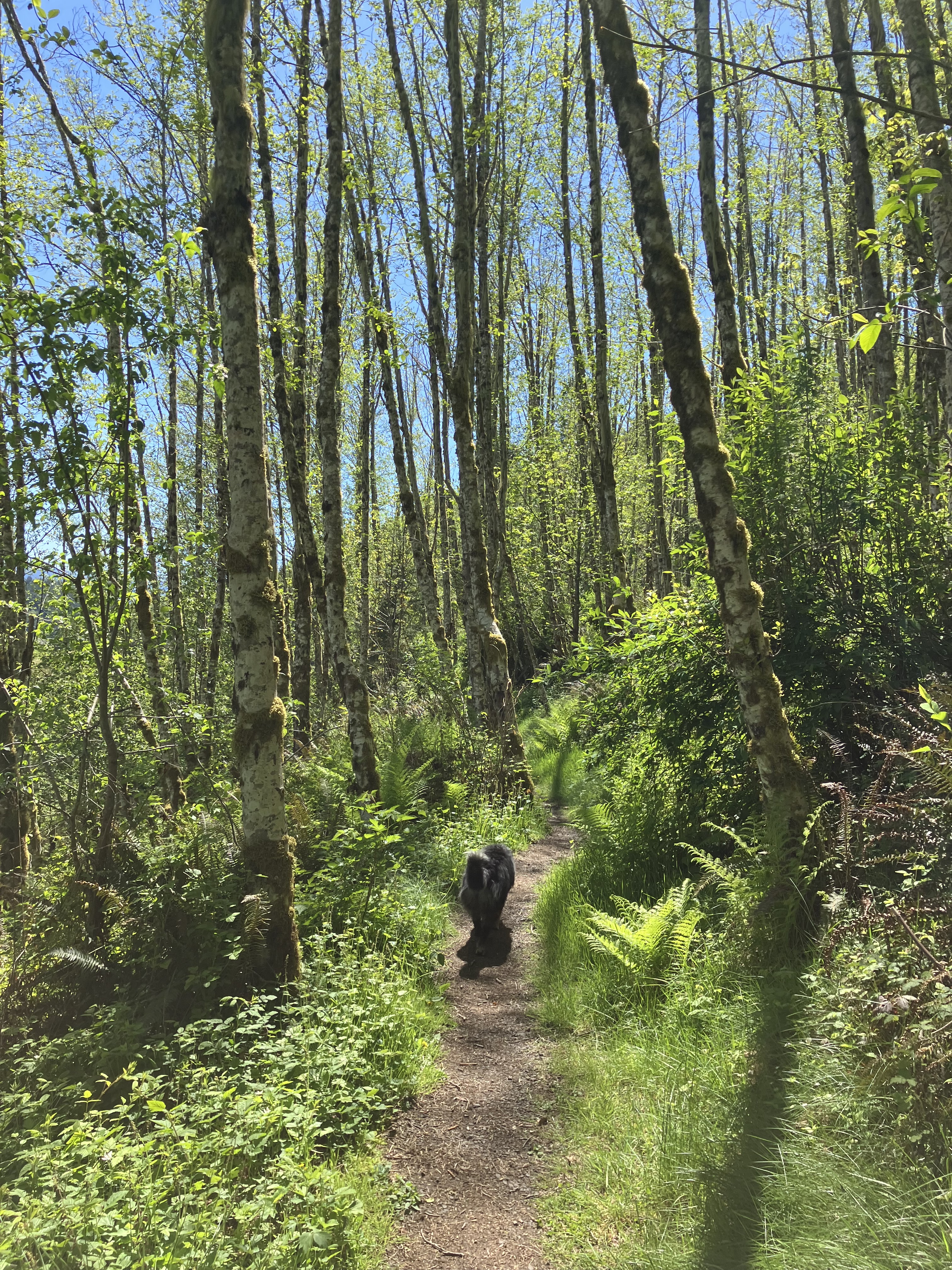
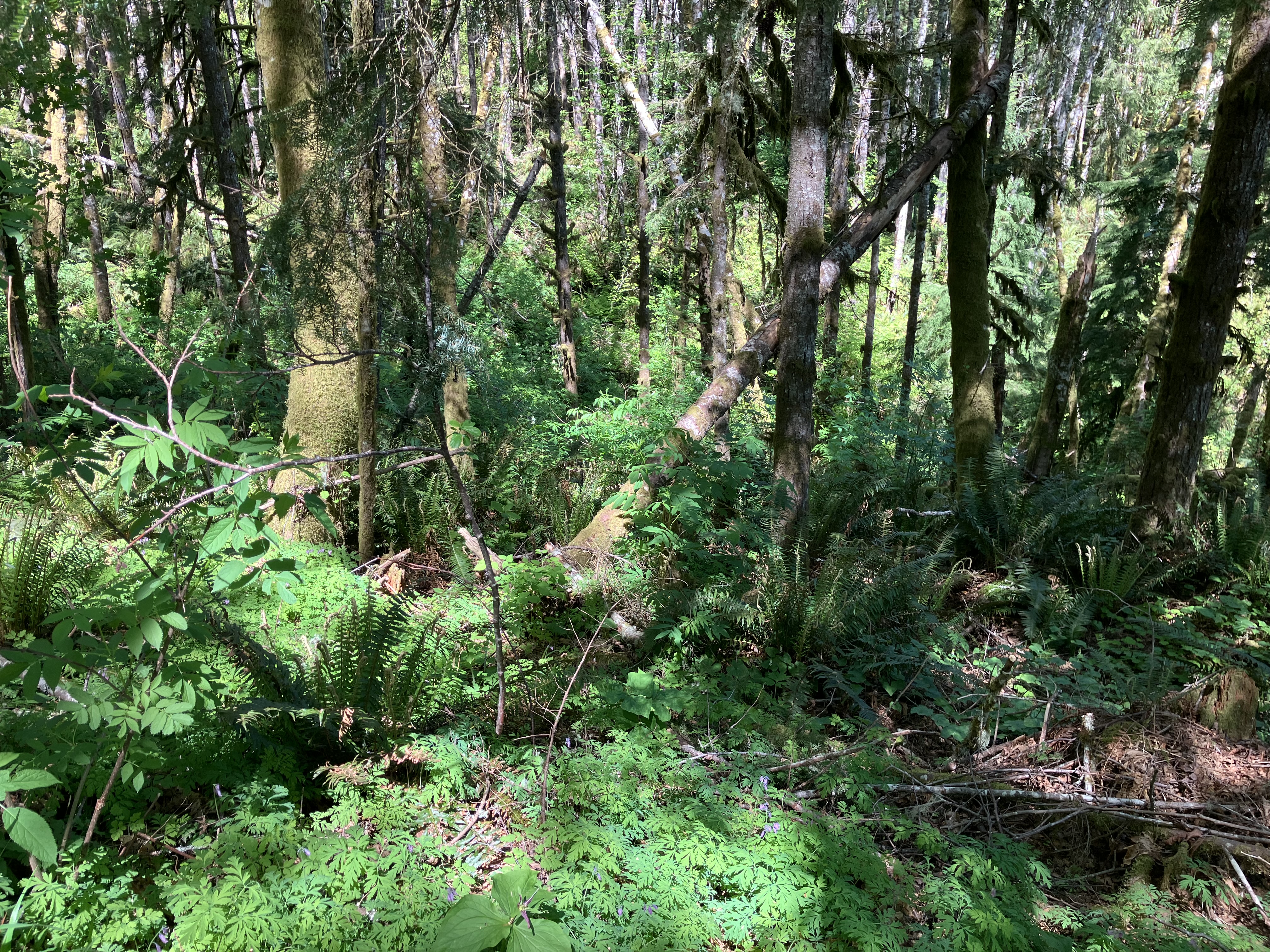
There is an incredible diversity of species and elevations of ecology around Loowit. The undisturbed areas of study after the blast to see how nature returns have brought countless understandings to restoration on disturbed landscapes. There are some folks tired of these ongoing studies, because it keeps people out of areas they once had access to. Though the land is considered public, it falls under protections as a monument, and is the only place in the world this crucial recovery research can go on. There are still vast areas of access for recreation, including two beautiful lakes, three educational centers, miles of trails, including back-country winter access. In planning my own trip to the mountain in May, 2025, I found more than enough free direct access, along with plenty of nearby free fishing, boat access, and well marked trails- some of which we could take the dog on. I would say Loowit is balanced for research observation, wildlife habitat, human recreation, and preservation of delicate ecology found no where else on earth for future generations.

In trying to find good maps online, I continued to realize how controversial this area of the country continues to be. Below is a map of the monument, which we never saw while there. We came right before official opening season, so we missed what I’m sure are amazing presentations by the park staff and volunteers that work at the monument seasonally. I bought a map at the gift store- which was open. It was still just a trail map, and didn’t have the park buildings or information on what was currently open. I’d been to this place in 2009 when I first came to Western Washington. We drove right up to Johnston’s Observatory and hiked a short loop from the education center. It was mind blowing then, but far more barren a landscape. Coming back 16 years later, I could tell the vegetation had grown in quite a bit more, and the logging trucks were running every ten minutes down highway 504, the only way out of the woods on the west side of the mountain.

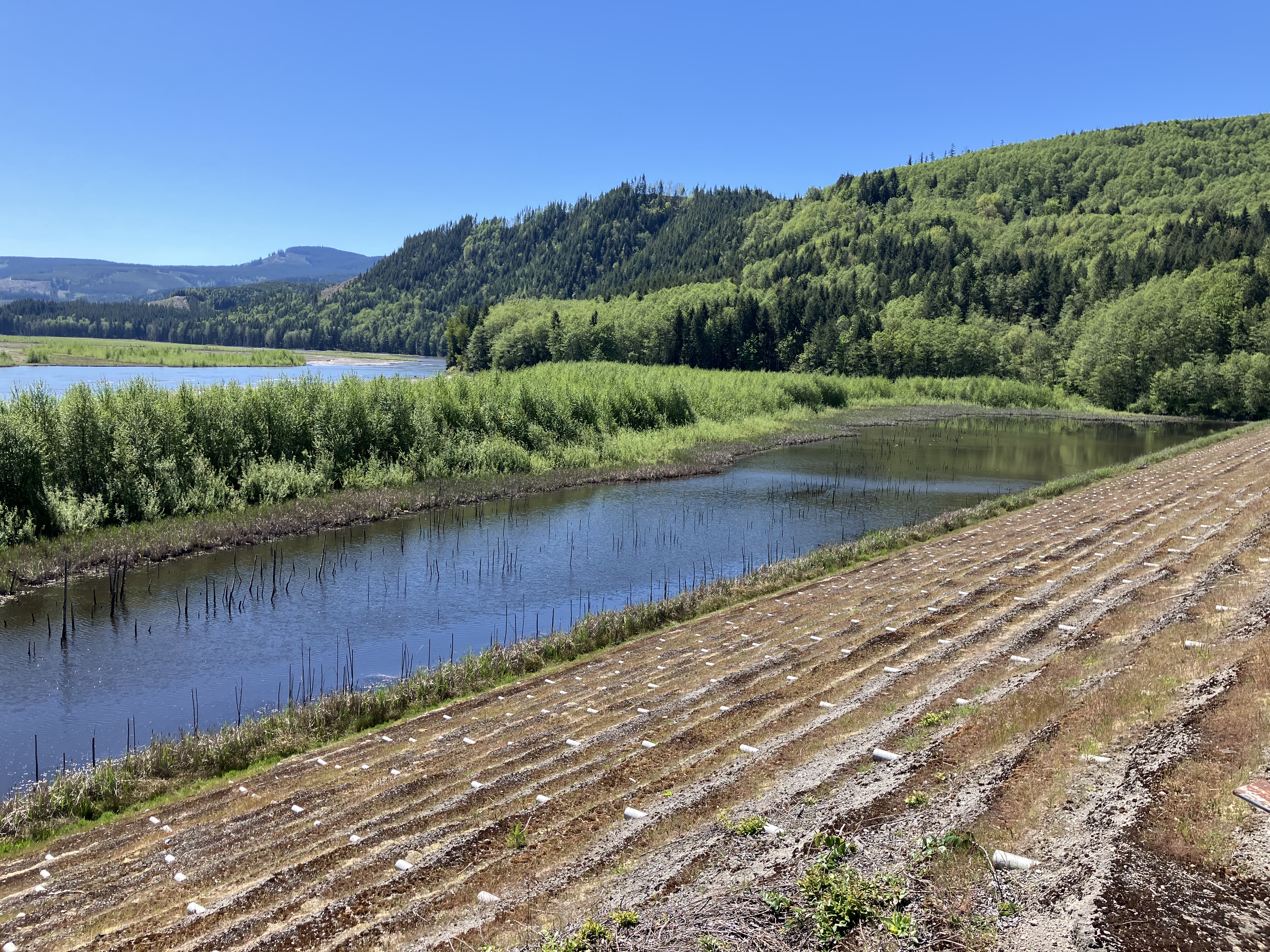
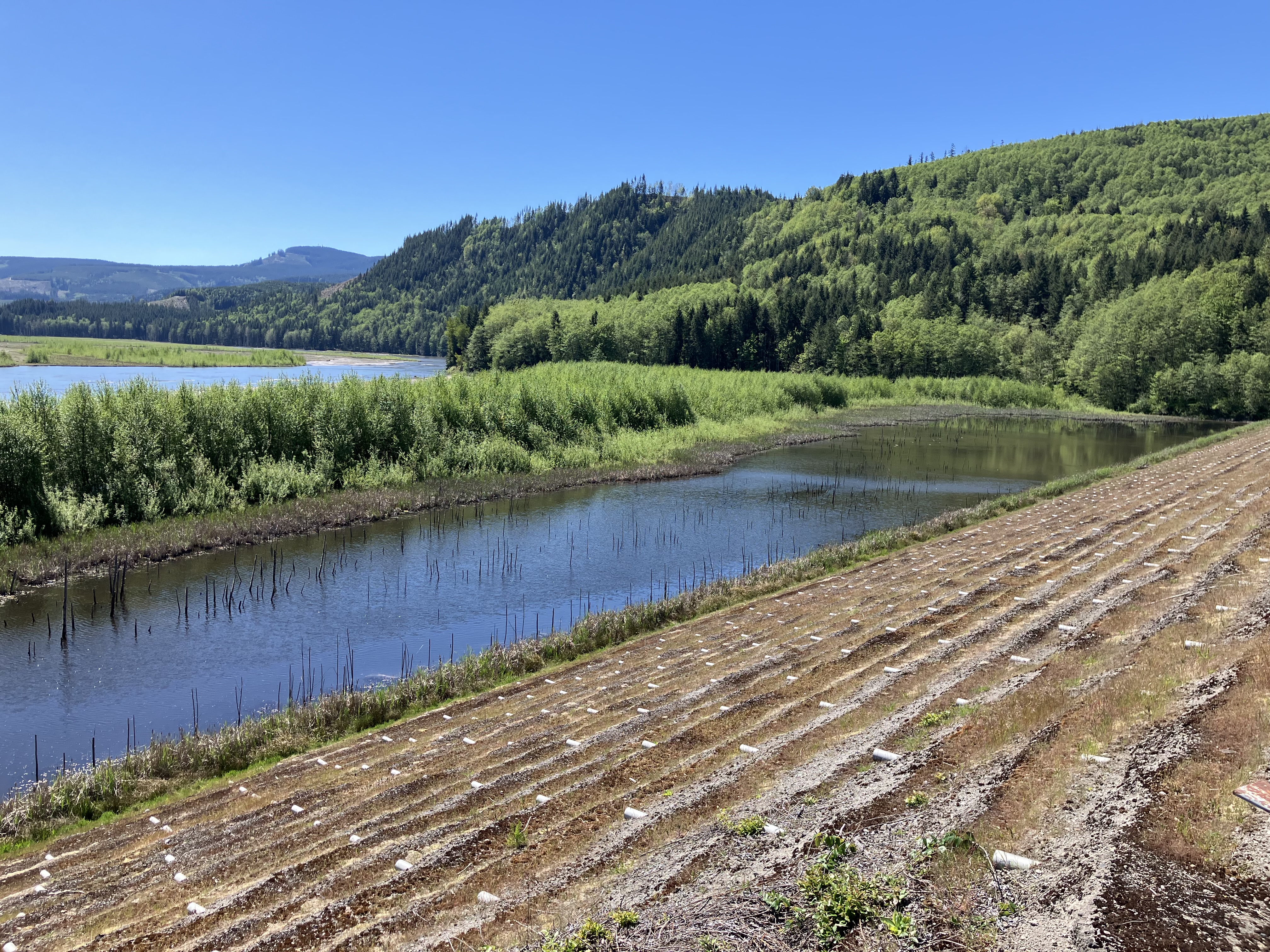
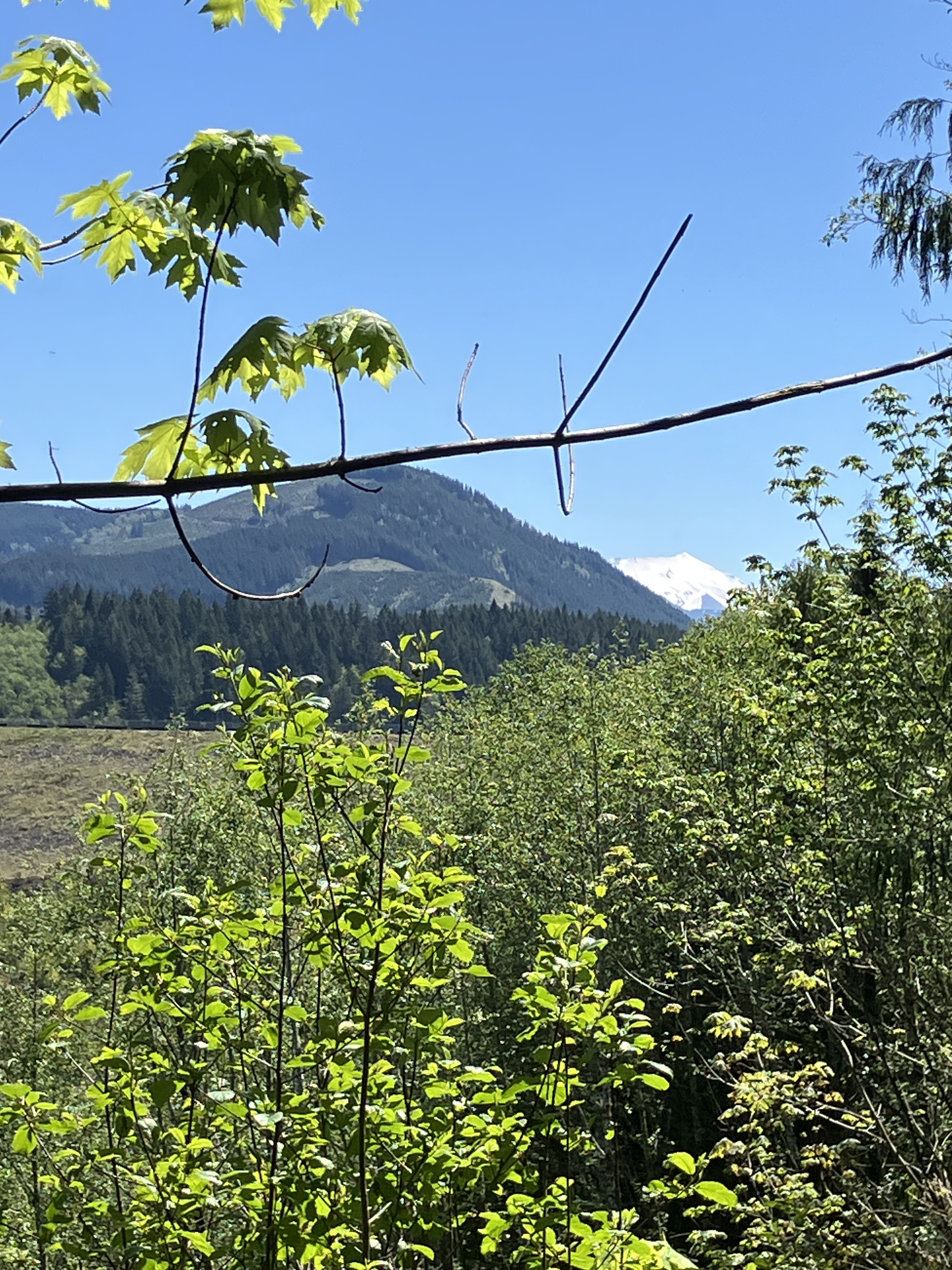
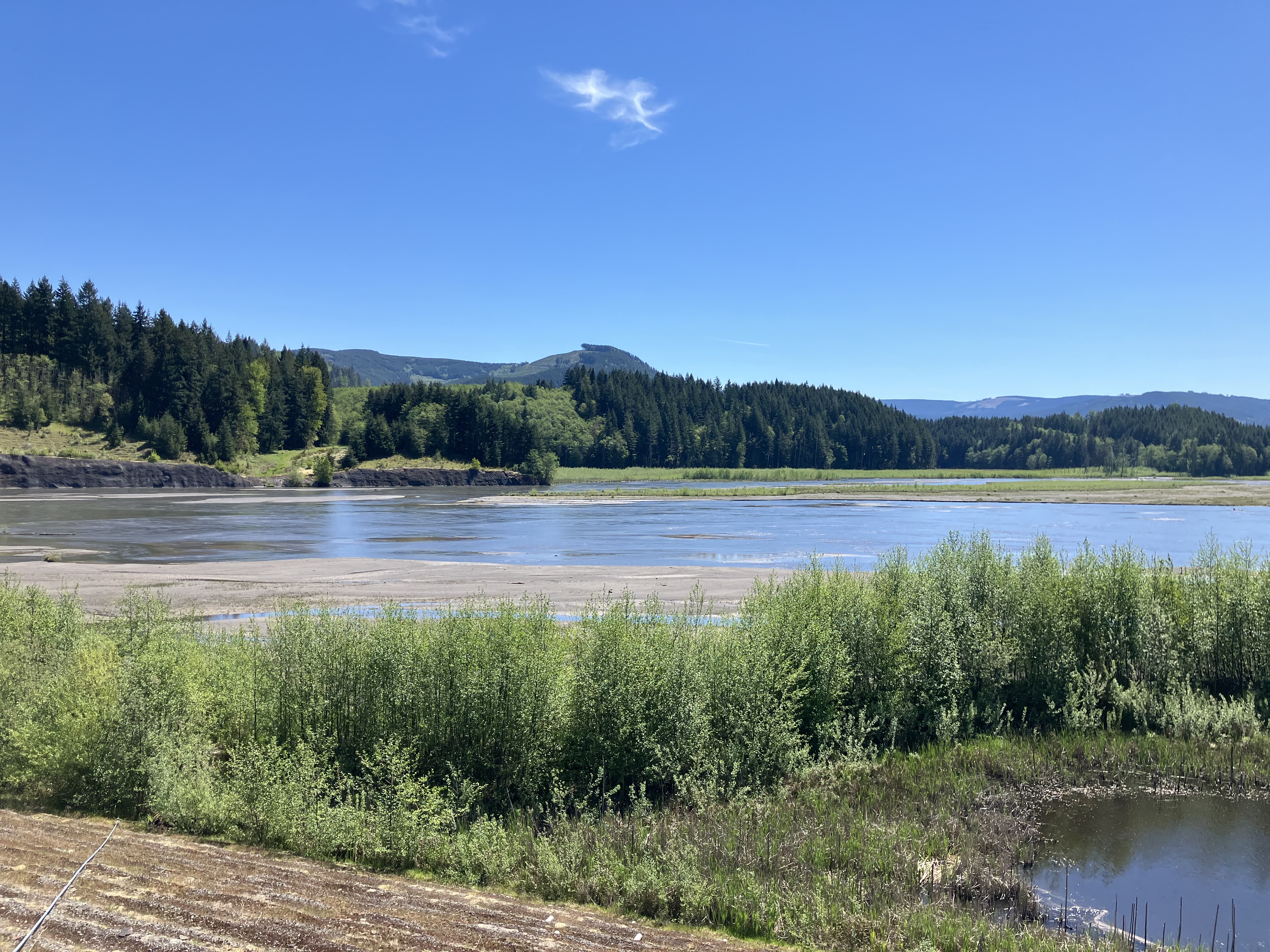
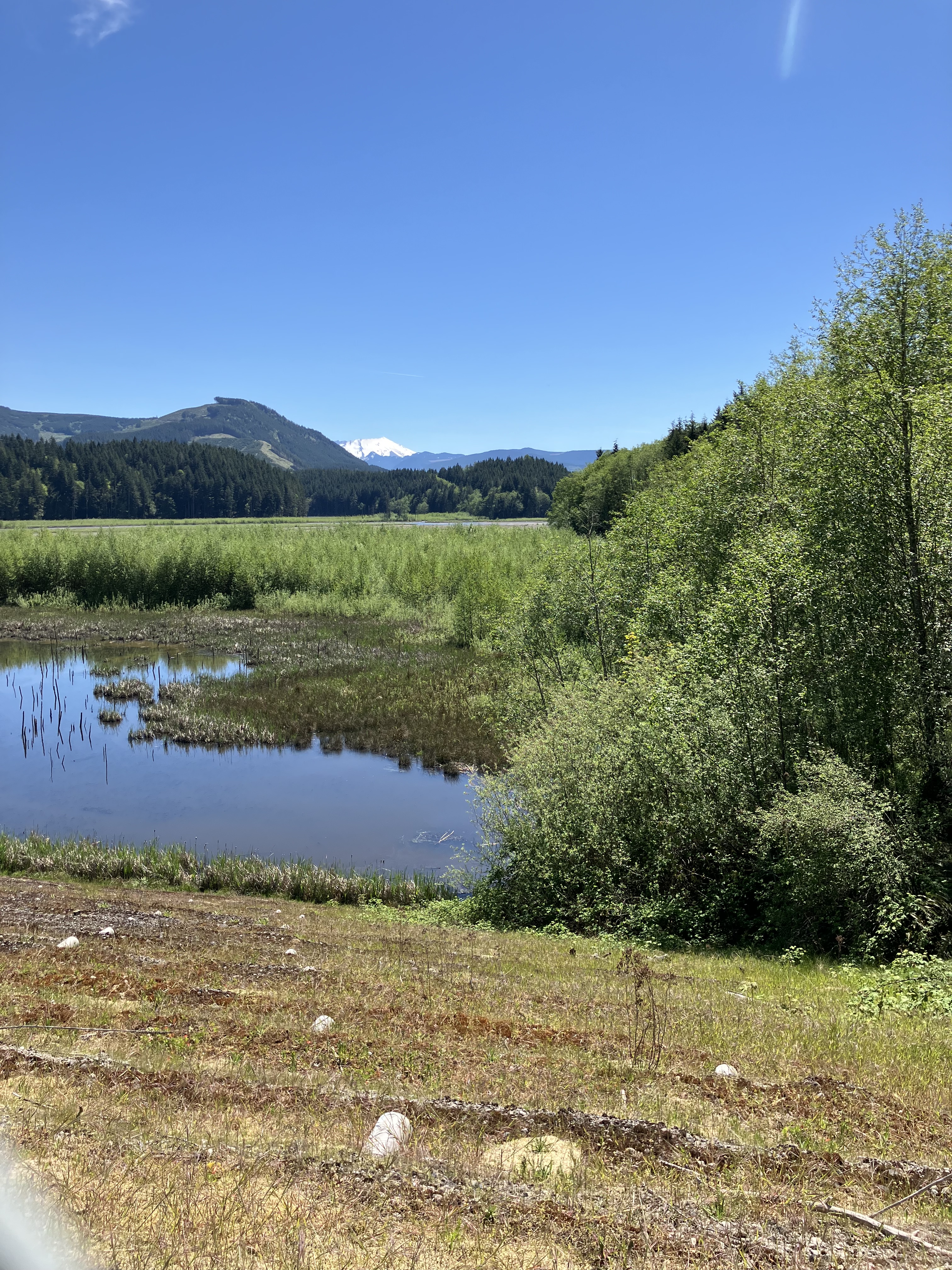
We stayed at Silver Lake, near the town of Toutle, which was the major emergency evacuation point during the mountain’s eruption in 1980. The area is about 20 miles from the volcano, and just at the edge of the blast zone. The Toutle River famously carried most of the lahar, which came off the mountain during the eruption. There is incredible video of this part of the disaster, which you can find here. The mud flows caused by lahars further down river, blocked several of the tributaries feeding into Toutle, which formed Coldwater, Castle, Spirit, and Silver Lakes. All five are now monitored and maintained by The Army Corps of Engineers to prevent future flooding in the towns and cities down stream. A huge sediment dam was constructed, to slow erosion as the ash and debris from the 1980 eruption continue their journey down from the mountain over time. This large man made structure offers an easy hike, some good signs with interpretation of the area, and interesting views of Loowit from the valley floor.

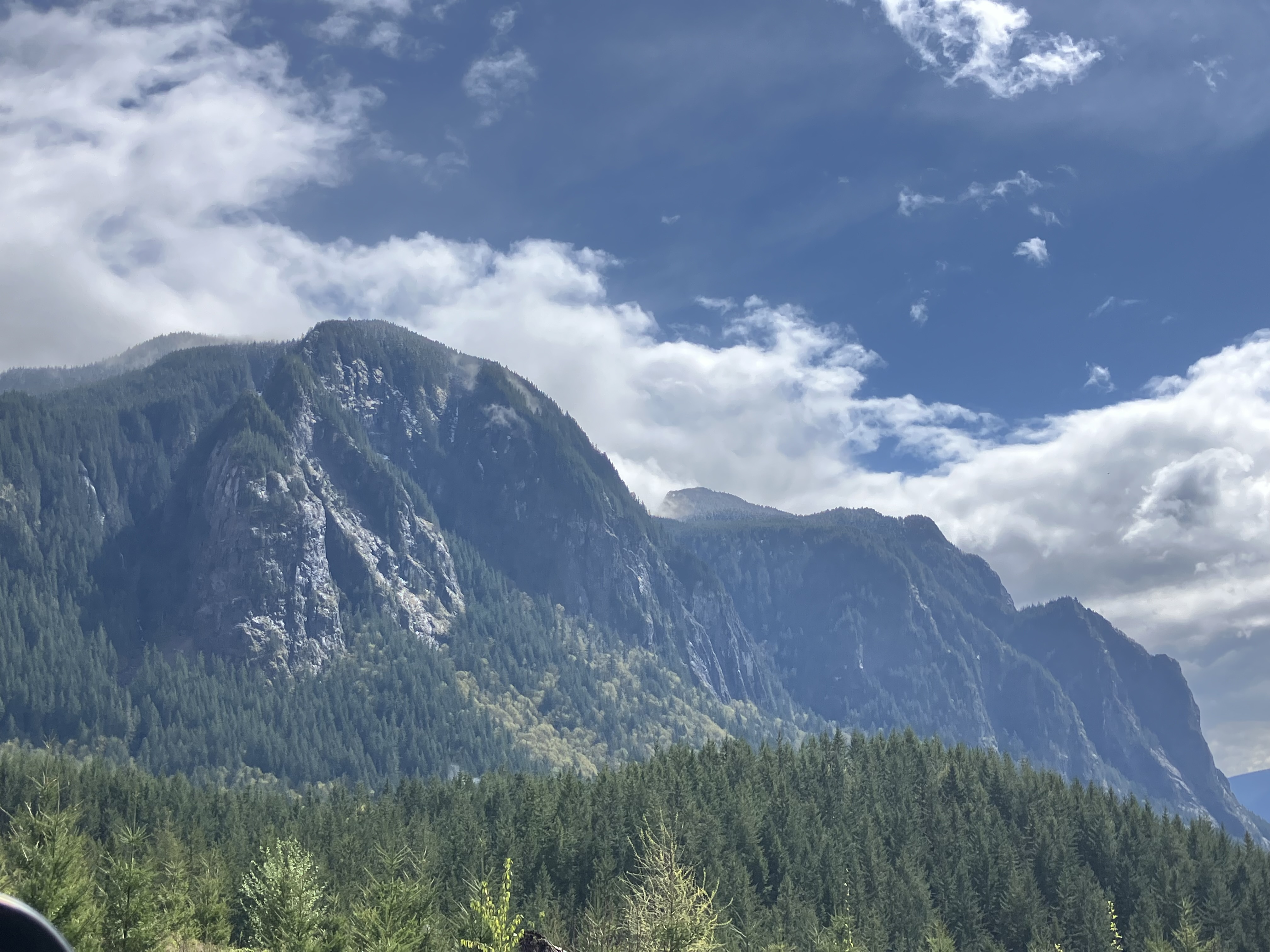
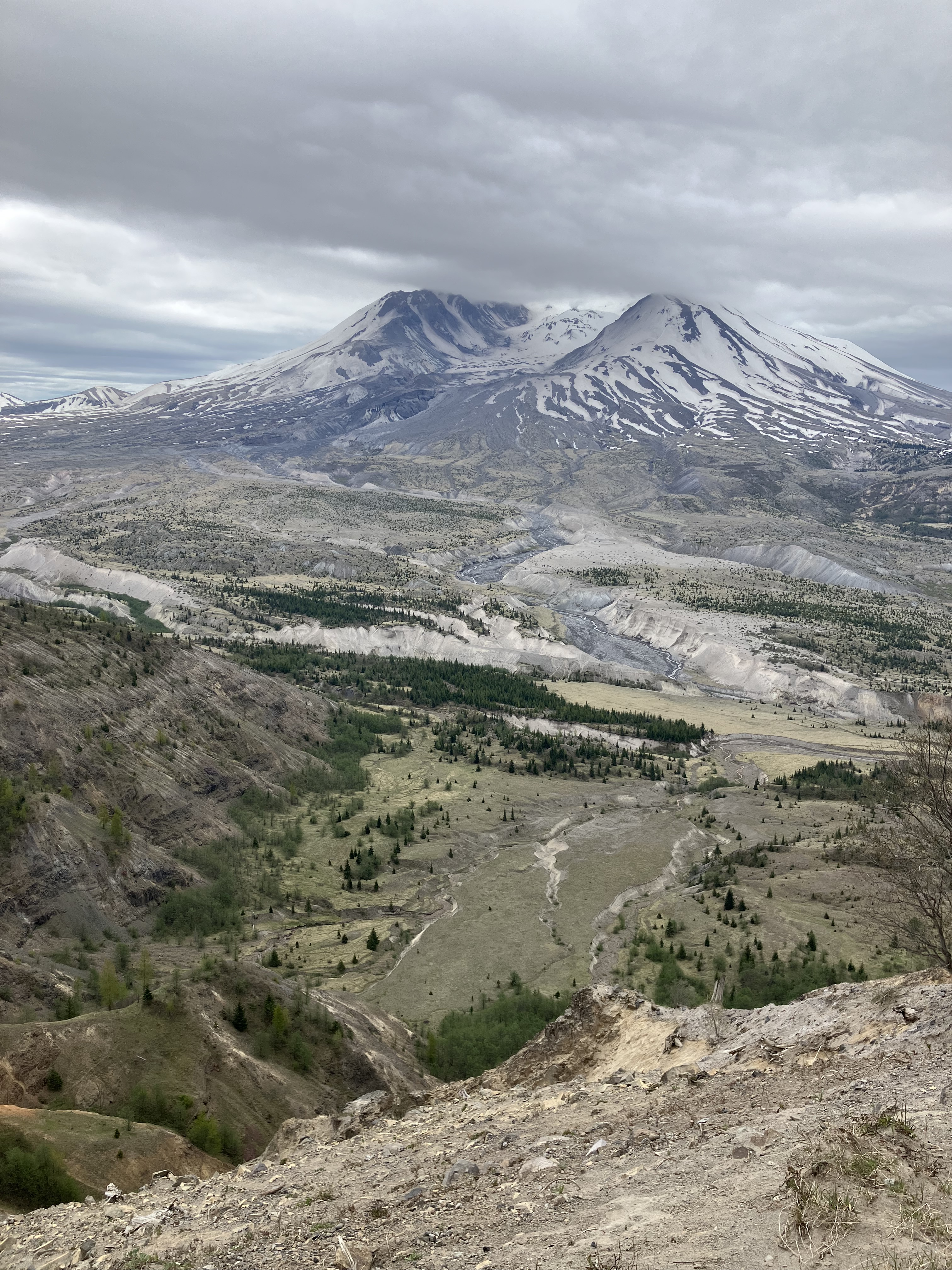
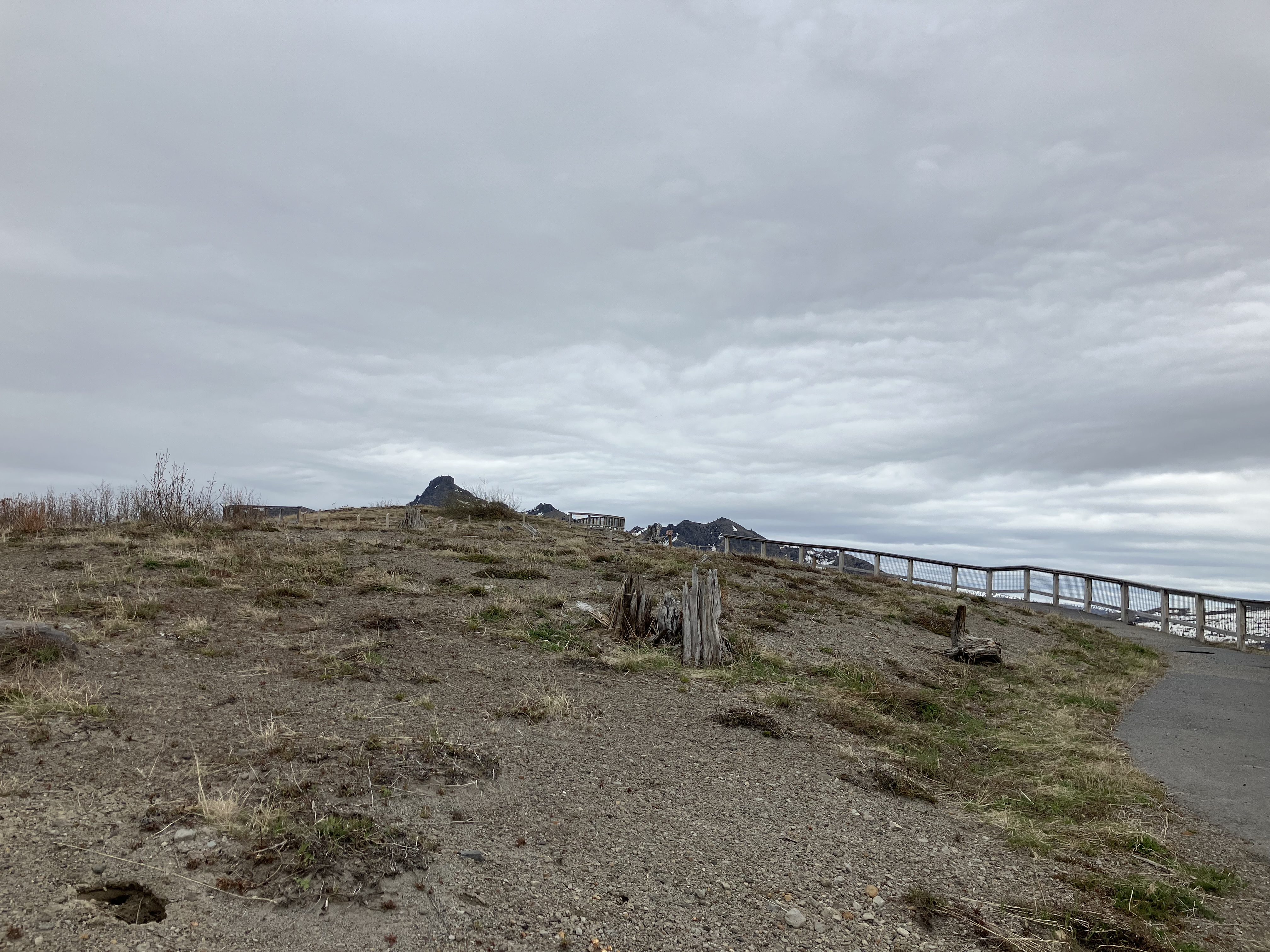
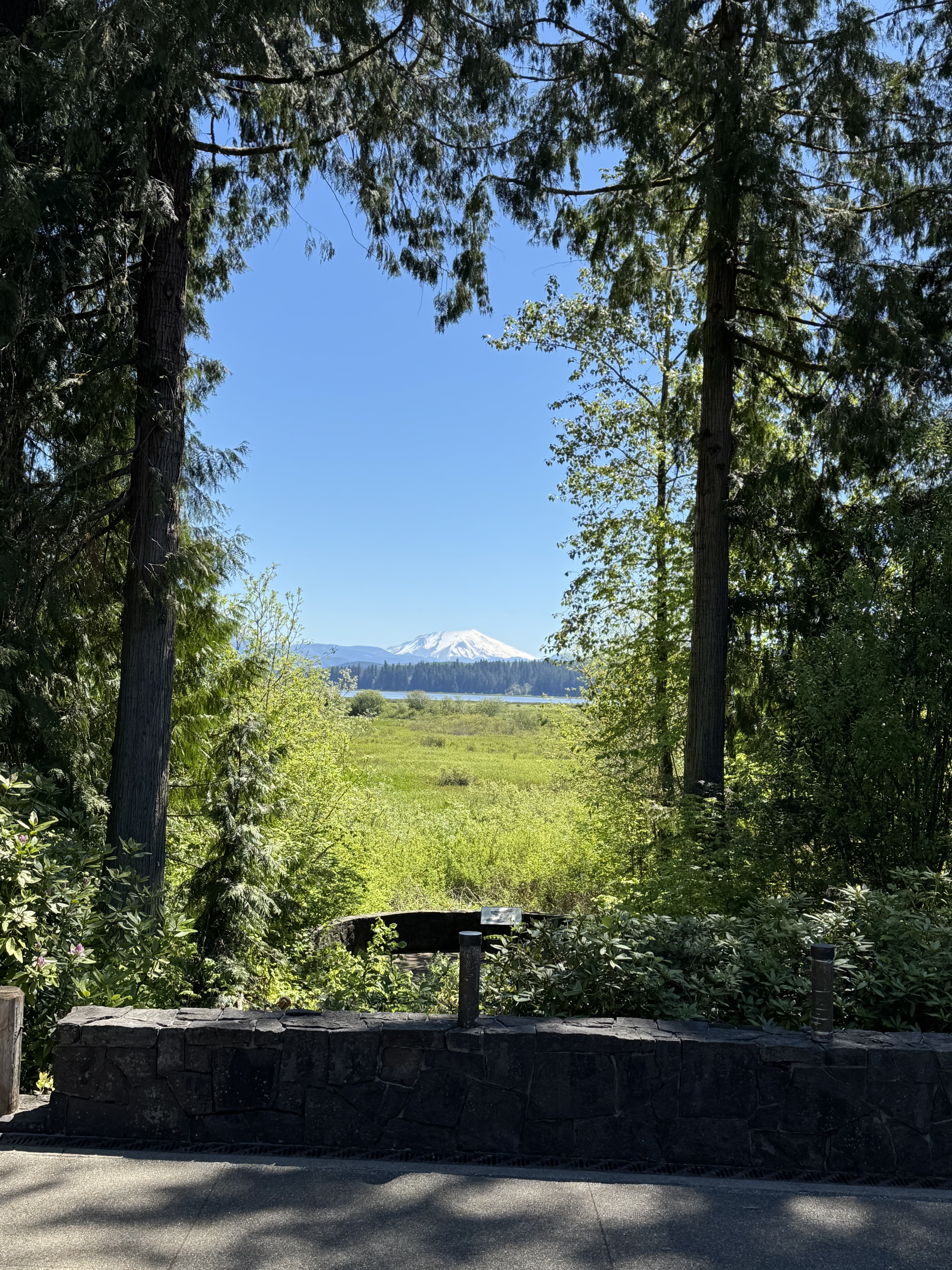
Scale is difficult to fully comprehend in this landscape. Form twenty miles away, the mountain looks like a sleeping strata, like all the other cone shaped peaks in the region. It takes some time, traveling over many ridges and across great gullies, winding towards what is slowly revealed to be a towering cauldron. Loowit has thrown out her peak to the north, at her sister Tahoma; opening her head in a rage, which still shows in leveled forests and hummock valleys all around. At each view point, we stopped to look in awe at this dynamic peak, still smoking as a new cone begins to rise from shattered center. Our minds reeled that the though of all that power, erupting violently from earth’s center. There were some not so subtle hints on the landscape, reminding us that we had stepped into the blast zone, where nothing had survived this cataclysmic geological change.

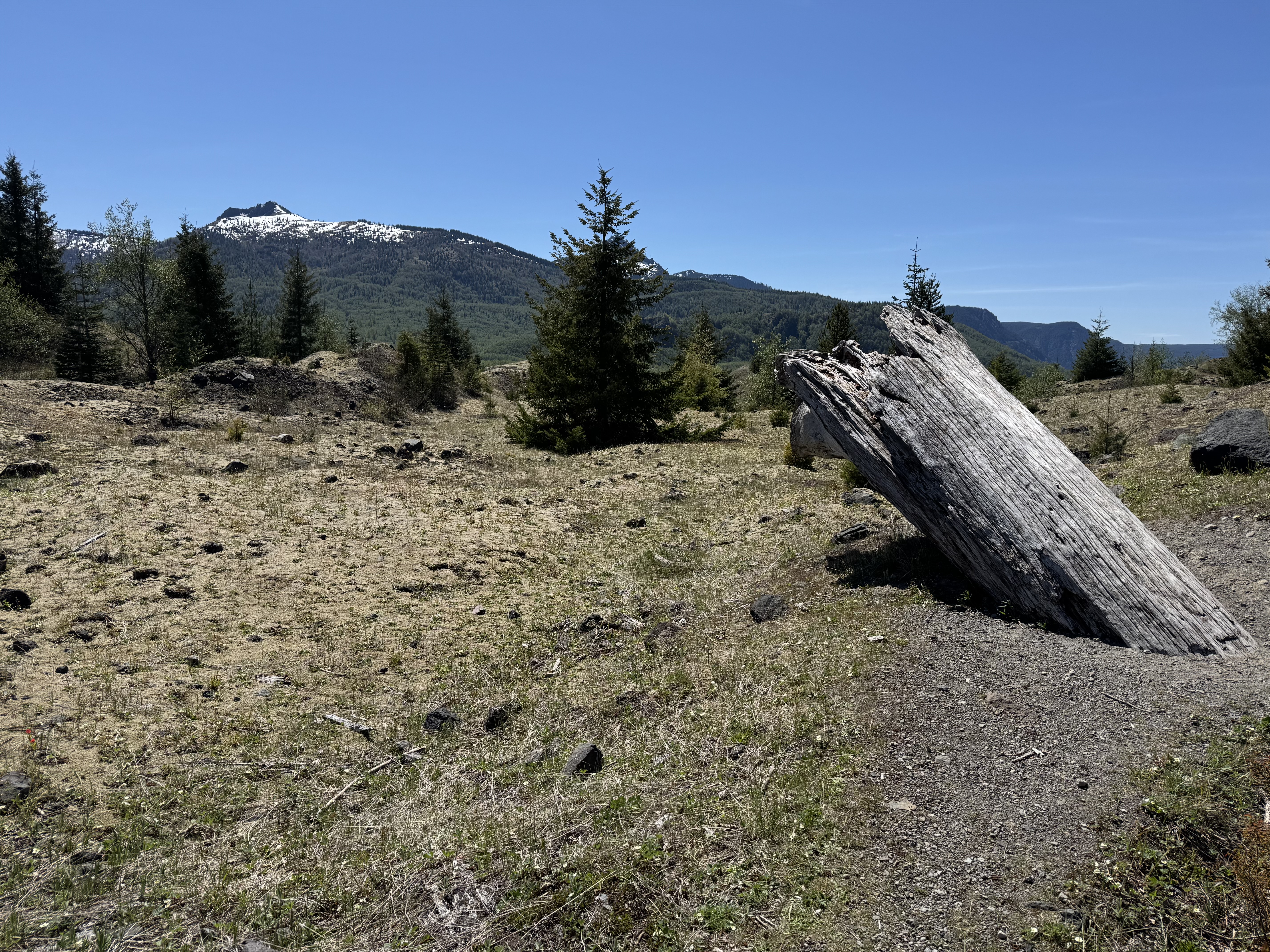
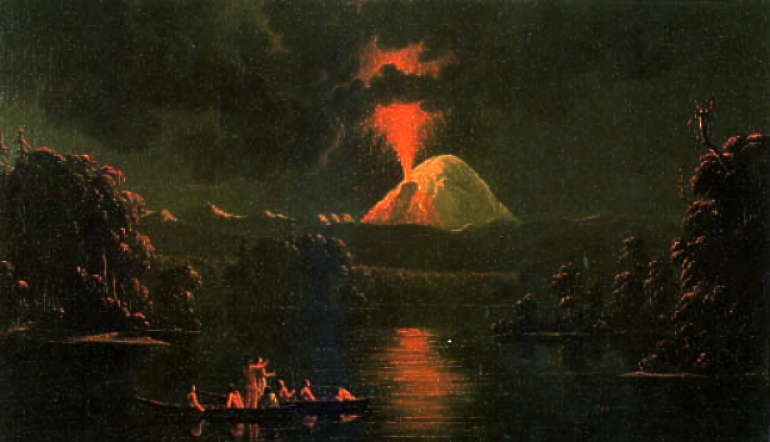
On The Hummocks Trail #229, you can see an old growth log sticking out of the hundreds of feet of ash and rubble, which came crashing down the northern side of the peak in May of 1980. Still the largest recorded landslide in human history, the eruption of Mt. St. Helens still haunts the landscape with evidence of many more sudden earth changes dating back thousands of years. Now, 45 years after this famous eruption, Loowit continues her recovery, with mother nature’s strong will to survive. Massive replanting were begun only a year after the catastrophe; Weyerhaeuser didn’t want to waste any growing time on the seedlings that would eventually repopulate the mountain slopes and ridge lines now cloaked in layers of ash, along with layers more under the loose topsoil, a legacy of unstable tectonic activity here in The Pacific Ring of Fire. Tribes that lived in the area for thousands of years, still hold oral histories that warn of the youthful vigor on Loowit’s slopes. Paul Kane, early colonial explorer, painted this eruption below in the 1700s.

This eruption, like all others spoken of by the tribe, happened on the north or northwest side of the peak. What happened in 1980? The same thing. I fact, a bulge began forming a week before the final cataclysmic end. It still puzzles me that a young Dr. David Johston and his colleges were camped out on the opposing ridge line northwest of the volcano. On May 18th, Johston happened to be taking his watch, and was able to get in a final radio call to The USGS stationed in southern Washington State:

“Vancouver, Vancouver, this is it!

The transmission was cut off by the explosion, which came crashing over the ridge, and many beyond. As my friend and I began our ascent towards the observatory that now bears his name, we walked amongst thousands of tree trunks on the ground facing to the north/northwest. They lay in alignment with the blast, which leveled thousands of acres of forest, both young and old trees, nothing withstood the amount of force coming out of that mountain. I made a little video showing the explosion coming over the ridges and traveling past our trail.

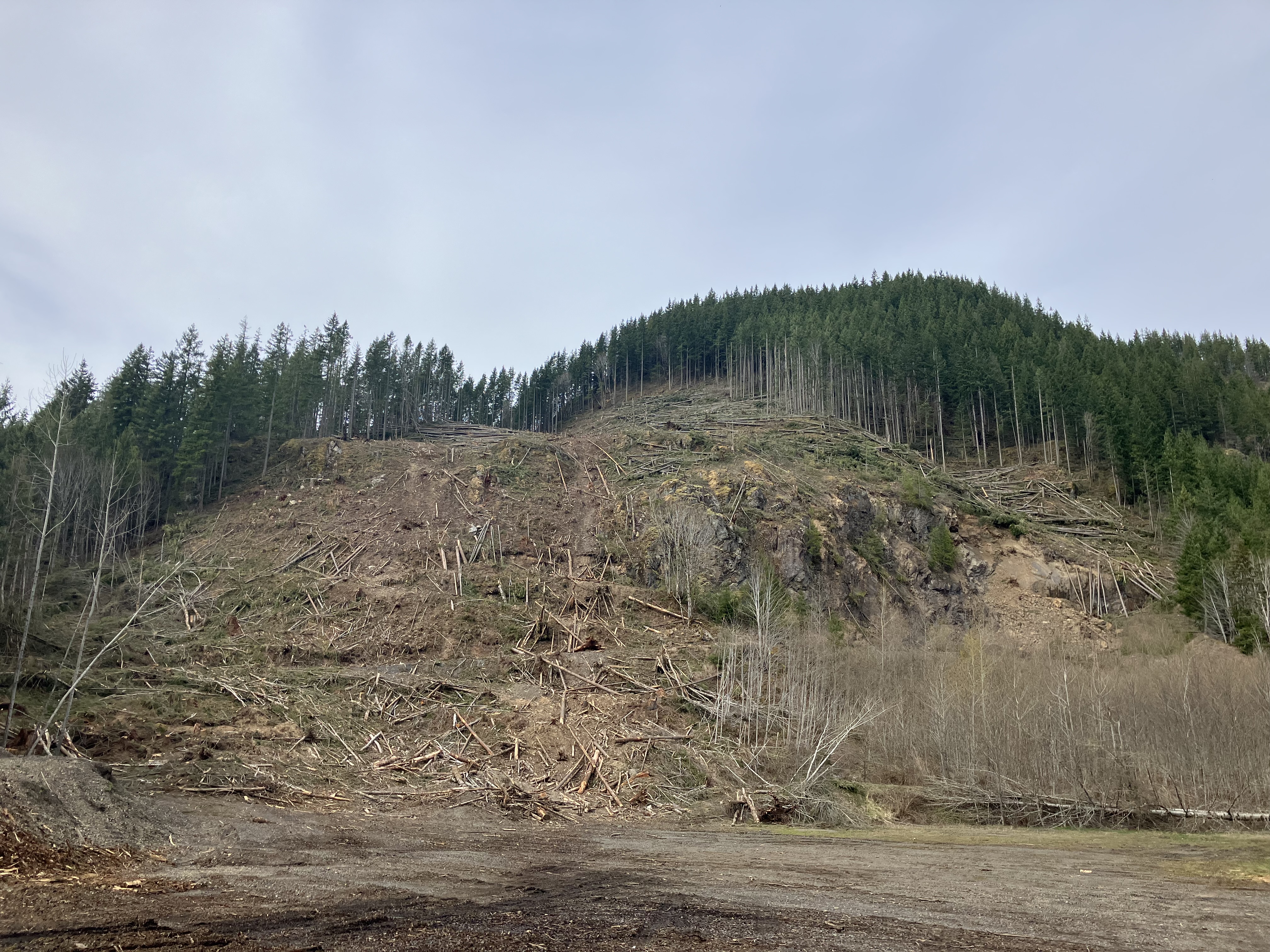
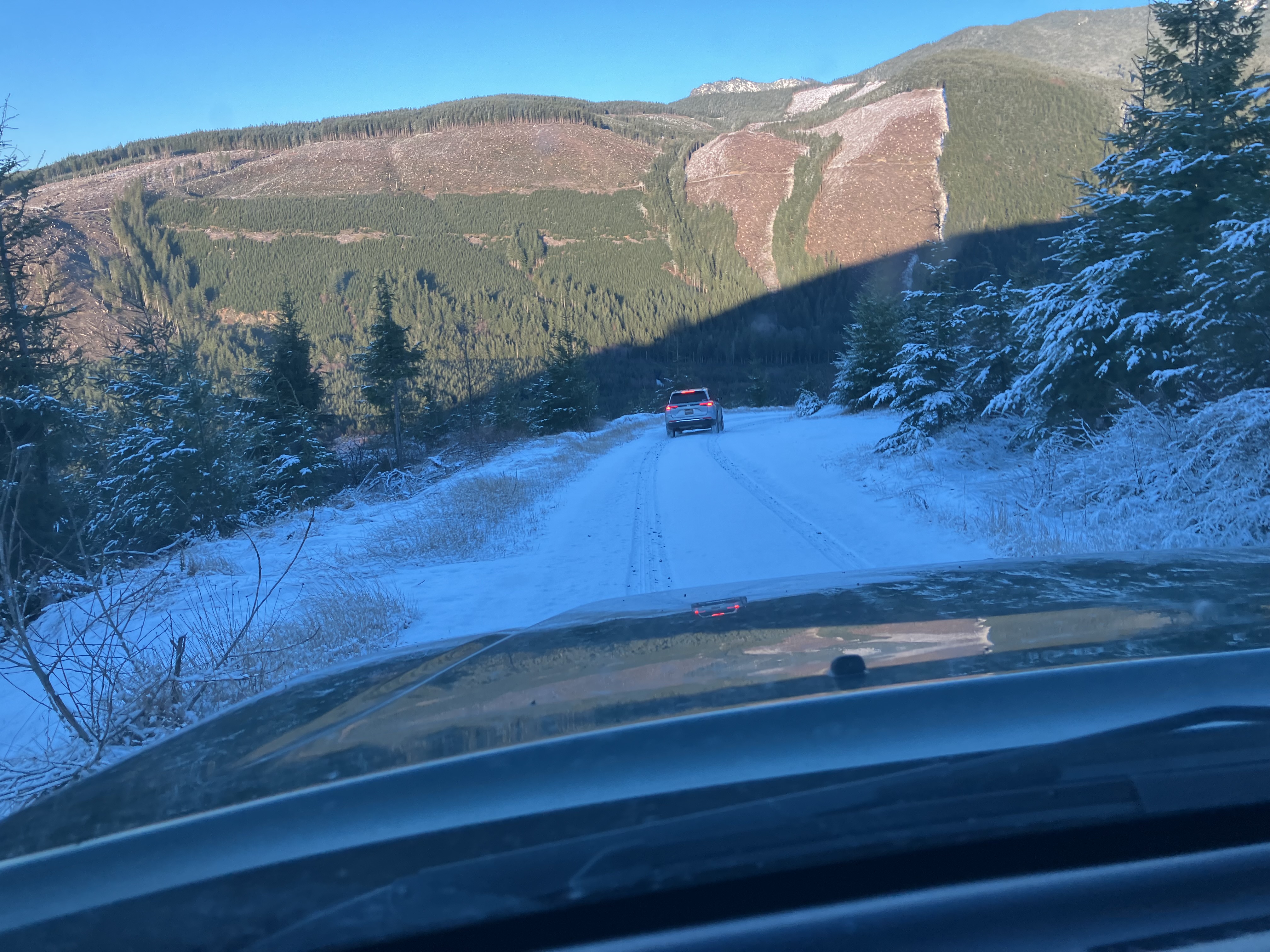
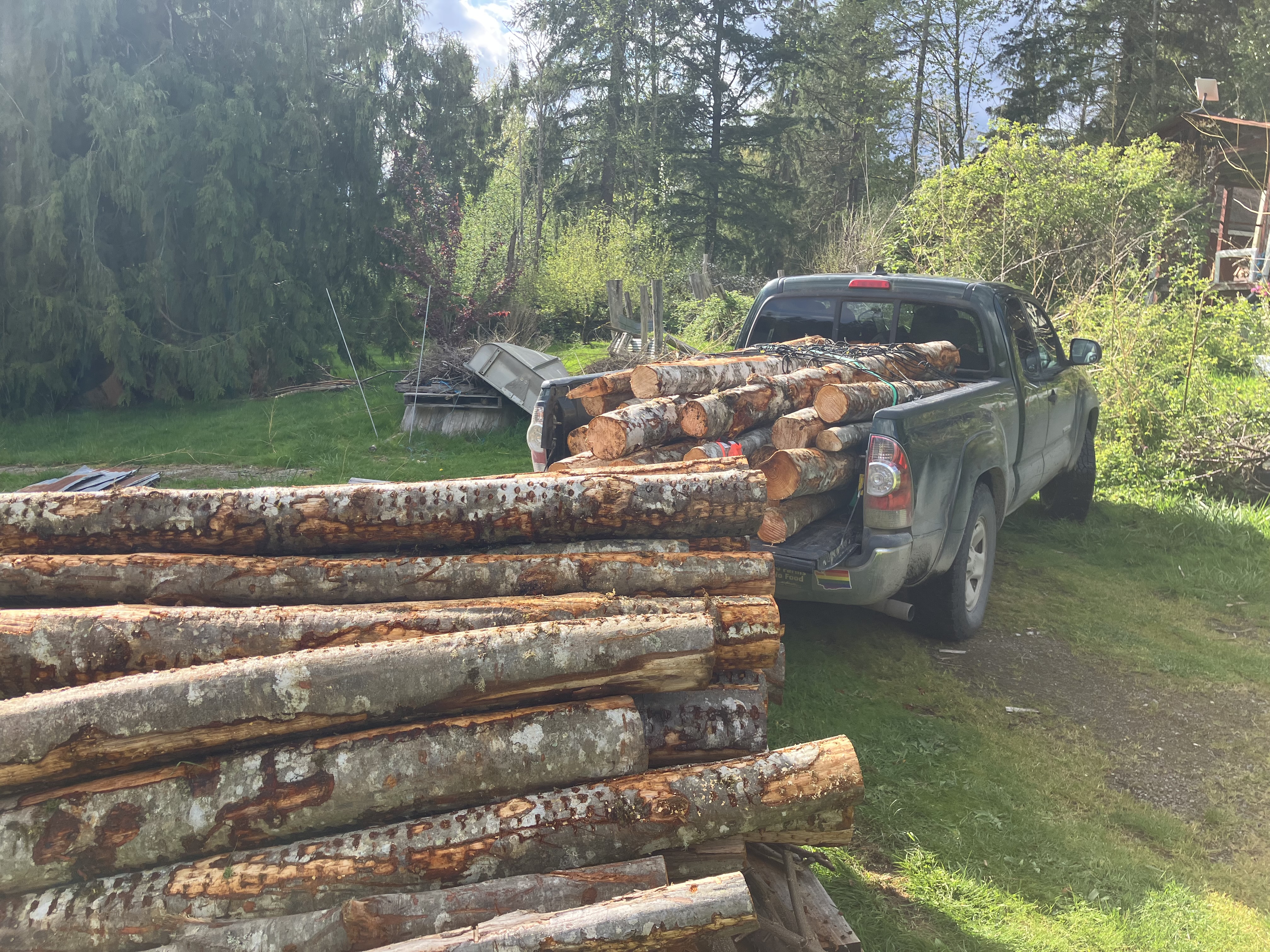
The sign of devastation remains deeply instilled in these ridges. For us, it was a magical walk through recent geologic upheaval, along with some good ecological restoration. The studies on complete desolation and recovery after volcanic inhalation remains ongoing, with so much great scientific discoveries and advancement. Better satellite tracking to monitor active volcanoes world wide, understanding of how quickly the environment can begin recovery after a major eruption, and much more. Just walking along the ridge-lines that were once buried in hundreds of feet of ash and rock, now hosting young forests, wildflower meadows, and crystal clear lakes that had been boiling churning muddy messes right after the blast. It is truly a testament to natures resiliency, when left to make her own recovery. On nearby hills that were replanted for the timber industry, clear-cutting continues. Mono-culture forests for profit are raked down and replanted, reducing soil health and removing tons of biomass that would have fed future forest layers imperative for old growth trees to mature. Truck after truck sped past us on highway 504, carrying off the very trees that might have stabilized the ashen soil and prevented landslides.

Instead, more cutting continues, destabilization of the hillsides remains a threat to the communities living down stream, and our tax dollars go to propping up logging, rather than supporting the much larger tourist industry around the mountain. I found it very interesting that so many trees are cut while the community remains concerned about landslides and flooding. Even highway 504 has been washed out a few miles from its end at The Johnston Observatory. Though it was very cool to have a private time at the center on that special ridge with a perfect view into the volcano’s crater, it makes this magical learning center less accessible to the public, and the road is not slated to be reopened until 2027. The Observatory will be staffed through the warm season, but without maintenance, the road cracks and weathering of trails erodes infrastructure, causing more expensive upkeep in the long run. Cuts to state park funding might soon see this amazing place shut down, or worse, sold into private hands, or handed back over to Weyerhaeuser.

What a wonderful opportunity to return to Loowit for connection with the active tectonics of this region and reminders of the dynamic landscape here in The Pacific Northwest. There is rich geologic history of this region, along with endless landscapes and incredible topographic features like active strata volcanoes. Was I concerned about a sudden eruption? No. Do I think there are more eruptions in the future of this volcano’s life? Of course. There are also four other strata volcanoes in our area, along with the threat of The Big One, an earthquake that would level Seattle and send tsunami waves into The Skagit Valley, salting the soil where most of our produce grows. Drought worries me the most in day to day life on the land. I spend more time watching my creek flow and observing soil health than thinking about the next mountain to blow her top here in Western Washington. What I do love is all the on site learning to be had here. I can visit an active volcano just a few hours from home. It may not bee spewing lava, but it’s left a legacy of learning I’ll not soon forget. Gratitude to the mountains, our time sitting with them and listening, for regrowth and recovery in time, and all the scientific studies helping humanity better understand their place in this world.

Oakie’s Second Year

It’s time for an update on our resident Ram, Oakie. The other day, my Mom was surprised to hear I overwinter a ram. It struck me that I have not talked more about the husbandry planning here at EEC Forest Stewardship. A lot of thinking goes into livestock, like planning out any garden, crop fields, or timber lot, one has to know soil productivity for growth of maximum pasture to feed the most animals- simple math really, or not. What kind of animals? What kind of ground? How much supplement is needed? Weather patterns, pollution, climate change, and on through till we finally realize what a complex system already thrives dynamically through the ages without our interference- but not at the maximum yield for human induced money profit. But what of the ram Liz? Ok, let me say, it’s not ideal to keep any intact male animals larger than a goose as domestic stock in your day to day routine. I have raised a few buck goats, kept them for a few years, and then, when I first shifted to sheep, I would get a ram lamb with my starter flock, with the intention of slaughtering him and getting another seasonal ram lamb the following year, and so on. This is an easy way to keep fresh genetics, and avoid handling rams throughout the year- because it can be a real safety constraint. Oakie is my fourth overwinter ram, he’s the second genetic strain from Canfield Farm, and his genetics are showing great improvement to the flock so far.

I’m planning to build a more permanent structure for the rams to accommodate having two or three overwintered to perpetuate starter flocks and long term genetic diversity. Oakie is a great foundational sire, and I look forward to seeing the family tree grow. The current rams lambs I’m looking to overwinter, include “Q”, and “Quinn”. The later is a serious long term contender, because he has the short legs and long back structure, with mild temperament I appreciate in my rams. It’s a top quality I breed for to keep my flock safe to handle; capitol definition of domestic. “Q” is a little less quiet in nature, but still manageable on the scale of ram lamb handling- they are springy young ones, with a lot of vitality to grow into.

above: “Q” and “Quinn” below:flock with “Quinn” out front, female lamb “Quasar” (red cape), behind her dark brown “Q”- all keepers, 2025

The flock development has been up and down with community needs. There is one listed right now for sale, available May 2025. It includes the other dark brown male lamb, pictured above to the left of “Q”, out front. Behind him, the two year old ewe, Opal, and her female lamb from this year, Quartz. The trilogy is well socialized and Opal will be a great lead ewe for the flock over time. She and her daughter are distant enough genetically to keep a good mix in the genes for several years as this flock develops over time, or the group will make a great summer feast of the lawn and fill the freezer with good local meat. All of these animals have been bred, born, and raised here at EEC with good pasture grazing and forest edge browsing on native vegetation of The Central Cascades.

Managing these feeding cycles is an ongoing quest for maximum yield and restoration enhancement. The old vision of clearing the land for open pasture was guided by the outdated model of maximum solar gain for seasonal growth, rotating crops through the growing season and tilling the ground between seeding. This method might be best in some situations, but in most soil, tilling breaks up the complex nutrient highways built by the living microbes within a soil network. Science is just now beginning to see the incredible production of intact soil systems in agricultural sights that have shifted to organic growing and no till methods of restorative farming.

In my decade of close relationship with restoration on a landscape that was once old growth rainforest, clearcut, farmed intensively to clear most of the flat land for cultivation of field crops, and animal grazing. Often, there is stunning dynamic change on this landscape, the sloped topography is sometimes illusive, especially as understory begins to return. Earthworks have also helped terrace the landscape to slow entropy and sequester water. Returning the complex layers of temperate rainforest, with the biomass layers to tend old growth trees will take many generations to come- thousands of years. To dive a little deeper, I looked up “pasture production equestion” -with the spelling error, and this was the second hit after the Penn State article referenced above.

Dr. Edward B. Rayburn “Pasture Production” 1998

All of these factors are constantly changing in the greater equation of human management. Mother nature has been honing a much more complex set of frankly, unimaginably complex systems of evolution she’s been studying and working on for millions of years- billions if you begin to fold in universal scale. Let’s get real, people are mere apes in the scheme of nature as a whole. Yes we’re invented tools, like so many other animals, and yes we took those tools to the next level, but to what end of success, merit, and true richness for all? Well, if you think it’s not about you, keep scrolling this screen with no intention. If you have intention, may it be for the good of all, or nothing. Separating ones self leads to death. Maybe that’s the road, but not for a thriving world. That’s the direction I hope to step towards with each day’s adventure. How can we put that into a binary framework- I don’t know, I’m just a shepherd, but AI still can’t fully map Mother Nature’s complexities. I keep using her as a strong indicator of the life vibe in our survival. But then there’s Oakie and his place on this small acreage that will not support an intact rainforest alone.

In my lifetime that’s left, another 50 years or more if I’m lucky, the livestock systems at EEC will shift, canopy will continue to return, and one day, sheep will no longer graze these hills. Oakie is a legacy of a few more decades at most, and he will see ten more years if he’s lucky, five would be more likely, because younger rams will out-compete him for dominance, and he will be too old to protect himself in the herd. My humane care of each animal prioritizes quality of life. That’s the covenant of keeping these little lives in this restoration system. Within the next 20 years, the landscape will have enough growth to host wildlife needed to keep most of the forest thriving and healthy. By then, hopefully, this forest will have survived a good natural fire. That may sound terrifying, and most likely will be, but the chances are growing with each drought our region encounters.

The sheep graze back most of the fire hazard. Woody debris breaks down into compost quickly, retaining a lot of surface water. Low hanging skirts on trees shade their roots, keeping the wet soil around their bases to deflect slow, low burn temperatures that would normally move through a natural burn area. In the picture above, The sheep have had access to the foreground to brows back, but above, in the background, another layer of understory bramble awaits their dining pleasure. Other areas of understory are fenced off, allowing the restored native plantings a chance to set and protect vulnerable soils, rooting the terrain in place for longer, slower growing trees a place to take hold. So, what governs these sheep on the landscape, and the future of rams at Leafhopper Farm goes far beyond mere pasture production economies. When we branch out and truly measure the full potential of these lifecycle in the context of restoration, rather than limited sheep production, we have opportunity to fully incorporate more of the rich, diversity of ecology to the best of it’s ability after millions of years of evolution.

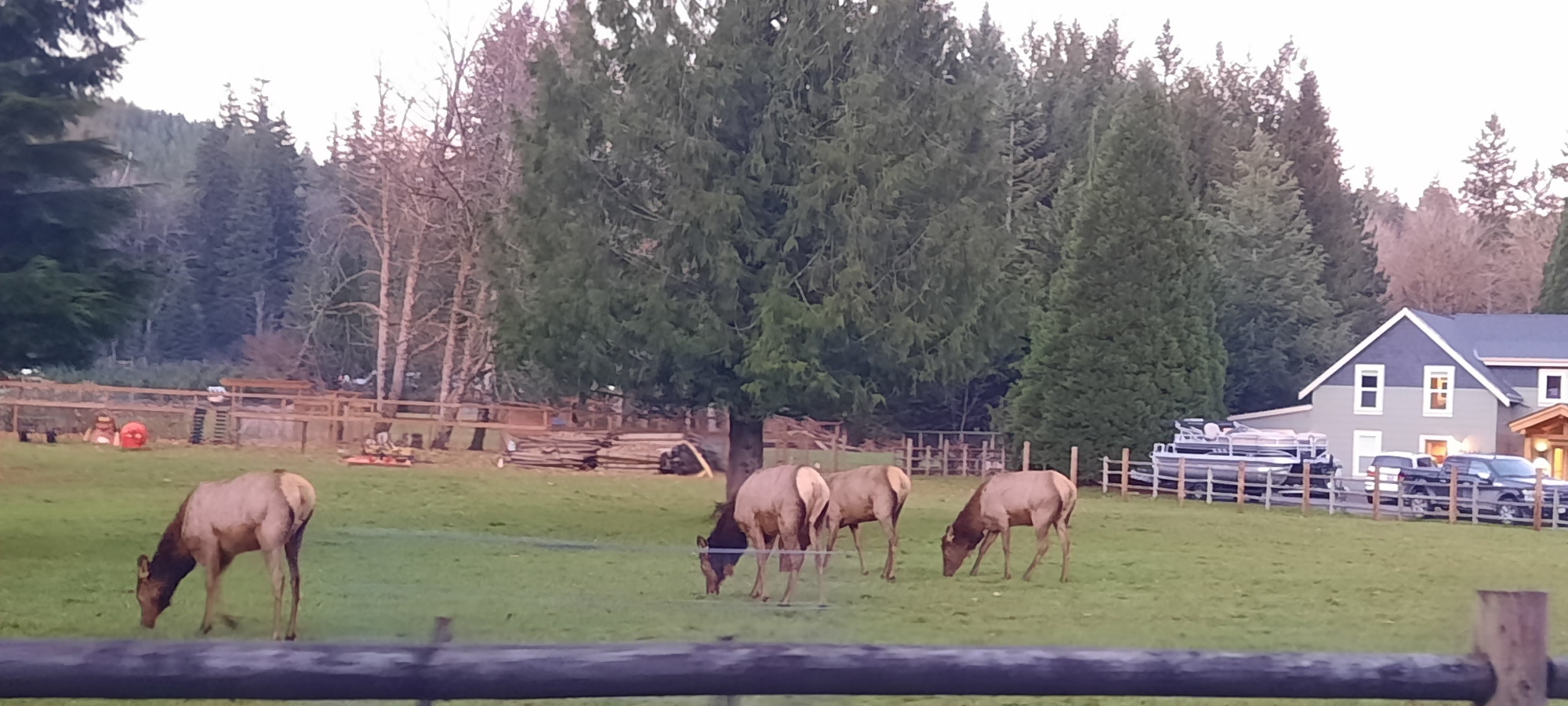
Snoqualmie Valley Roosevelt Elk on Tate Creek mc-mansion horse pasture

If we began to plan for elk to return, inviting them with good willow, young alder, and diverse understory for good browsing, they will have a place to return to. With all the development that continues to push them out, removing the complex systems they evolved in to simple golf courses and horse and cattle lots, the elk shrink away and disappear forever. There are elk in The Snoqualmie Valley, and their numbers have grown to outpace the limited habitat left in the area. They are pressed out of the agricultural river valleys and out of the livestock pastures, including the ones I have fenced here at EEC, but the long term plan here is for their return. Wildlife cannot survive without place, and in these more rural acreages, especially in water ways that are crucial to a healthy ecology across the region, public and private land owners should be doing their best to restore the land for native species so they can continue to adapt with the greater ecological changes facing our planet today.

Oakie is doing his part in restoration here at EEC Forest Stewardship by eating his way through the landscape. His genetic gift to the herd will continue to produce healthy lambs that grow up strong on the vegetation that grows here where they live. The complex micro level of biology between the ruminant’s gut and green plant matter builds the incredible unseen biome of bacteria and enzymes that keep soil alive and capable of growing all this important biomass- from our food crops to our animal feeds. It’s also the living soil that supports all life on earth, including the precious temperate rainforest that we’re trying to restore. The sheep may never fully understand that important role, but their presence is imperative to the restoration of this ecosystem. Gratitude for their original instructions to eat veg and build meat for us to eat. Thanks to all the growth and learning going on in this place.

Spring Sheds

There are numerous patches of hair, fur, and wool littered around the woodlands of EEC Forest Stewardship at this time of year. Soft pastels on green canvas, the art of scent makes clear statements of domain for the hair of this fluffy first coat shed. I’ve brushed out a “standing” -where this animal waits in place long enough for me to brush with a shed scraper- also used on horses. This large guarding animal makes their own scent signs on the landscape by rubbing tall grasses and clumps of vegetation, along with urinating. If this animal really wants to make a point, they use their large paws to scratch into the grass and soil, leaving physical markings, as well as scent and sheds. It’s worth noting his rout and placing groomings as a long lasting security. As the season warms up, more predators and their young will join us on the greater landscape of this region. We host lions, bobcats, and bears. Luckily, or sadly, depending on glass half full or empty beliefs, wolves are not present. Coyotes take a far second place as the most prolific and daring predators in the basket. When the elk fully return, the wolves will come too. Maybe some of The North Cascade Grizzlies will migrate down- but that will likely be long after my stock and I are gone from this living community. Gratitude for playing a part now.

In the action of brushing out my dog’s coat with intention, grafting lines of protection- warding, like a witch in the woods- how thrilling! It really is about creating lines of defense for the farm. As livestock are phased out, and forest replanted, long term wilderness will be the “order” of this small patch of “ownership” in a greater temperate rainforest ecology trying to claw back some semblance of resistance in this ever changing Anthropocene. So, using tools available, I impose human ambition of ownership in a small place, while also making slow, but growing accommodation to wilderness- towards old growth situ state. Acknowledging that part of that return would include tending by First Nation People, with intention to restore old growth capacity. What does that look like? The whole basket of wildlife precense- all the indicators, from marbled murrelets to Pacific giant salamanders. That will take generations of our lifetimes, and thousands of years more to achieve.

A little dog brushing folds in with keeping livestock, more imposing, but without the massive influx of biomass in manure, this soil cannot hold old growth trees. In fact, the cataclysmic instability of the greater landscape- strata volcanoes, tectonic uplift, and Pacific Temperate conditions, allow for the growth of massive ecological rainforest biome. In a world that needs to sequester carbon from the atmosphere to survive, old growth rainforest could start today with a meager investment of space and a blink of an eye in geologic time to right the atmosphere for human life to survive. It will take massive forest replanting and responsible tending- allowing the forests and wildlife to return. Humans as a species has taken so much, but we can give back just as generously. It would take that upper 0.001% of billionaires loosing their holdings to make the change, and the military industrial complexes would have to be dismantled, but hey, that’s a graspable target of mindful thriving we humans could achieve. I’ll start with dog grooming, shepherding, shit shoveling, tree planting, and a little blip in time where something was growing in the right direction.

For the wooly ones, itchy feelings signal scratchy rubs on anything that will take some of the winter coat off. There is no shedding comb for these gals, it’s fence posts, tree trunks, and even the feed troughs as rubbing stations. Once in a while I can pull some larger mats off, but the sheds are relatively smooth, with a mid look akin to mange in the worst state of transition. Hair sheep shed naturally, no shearing necessary. There is a little wool in the mix, enough to felt something with the hair, but you would not spin anything usable from these flocks. Their locks fall as calcium rich fodder in the soil building mix. Elk and deer shed their coats seasonally too, so the ground expects these shedding amendments, like the feathers from the chickens as they take dust baths, and all the muck out of their asses, the greatest worth of animal exchange with their plant prey. Incredibly complex microbial words infuse the soil and its surroundings with the living matter that forges super highway systems transporting all the necessary nutrients needed for thriving environments woven out of millions of years of evolutionary wisdom. Humans are indeed apes on this time scale, and should revert to their basic needs until capable of comprehending this small state of being in grand scale universal.

Our newest member of the flock, Quern, was born April 28th to Parsley Patch. He will bring his own unique biological signature into the soil her at EEC. His mom’s genetics were also completely home grown here; two generations grown from the landscape they were born into. Their bodies match this land more closely than mine ever will, even after twelve years of relationship, I was not built from the molecular signatures of this place. We don’t spend a lot of time thinking about this part of our creation. I’m full of signatures from Illinois corn, Oklahoma beef, Texas wheat, Nebraska Soy, and much more. There was no garden at my Mom’s house, or my Dad’s. My Grandparent’s kept kitchen gardens, and used chemicals in them. The commercial store items we keep eating are from such a chemical and atomic mishmash of biology grown all over this earth. What if we lived closer to where we are from? What if the majority of our diet was local? How could you implement this for yourself? Then you could shed your own closely linked outputs back into the land where you live… wait, but that’s a whole other talk, one you’ll find in previous writings on this blog.

At EEC, what we shed here does stay on the land. We host a well cared for septic system, so what we eat does stay close to home. The farm humanure system is not at work now, but has been and will be again, as the most efficient design for the composting of human manure. Human unine is great for marking territory to keep out predators. I’ve written about that practice and how it helps here at the farm. You can collect it and dump it in more exposed places. If we put our hair, and nail clippings into our kitchen compost, we could add our own calcium to the soil too. It’s great when passive systems fold in to help human ambitions in a balanced way. Brushing the dog is a more active implementation, and I could always pull the sheep’s shed as it loosens, like the vikings did with their Soay sheep. That’s how they collected the wooly hair of their flocks to make sails, tapestries, and clothing. I’ve pulled some shed from my sheep, but it bothers them when I pull it, and I’m not making sails. The shedding is natural, and spreads naturally too. Embrace the passive systems when you can, says the lazy farmer.

Gaggle of Goslings

Our Cotton Patch geese hatched out a brood of five goslings in late April 2025. Mom had nested up a month before, and Mr. Gander was not allowing any visiting time in the nest area. I’d moved the water and food stations over by the gate to better accommodate nesting time. Within a few days of bonding, the Goose was eager to get back on living ground and to introduce her young brood to the farmyard. The gander remains the agro-protector, and the whole livestock commune had gotten the short message with sharp beak and hard wing “thwap!”. I had my hand bludgeoned a few times when I took a dead hatch chick out of the nest to keep things clean. Luckily the fresh comfrey poultice kept swelling down, and I was able to keep using my hand. Herbal medicine does the trick when administered timely and fresh.

This week, just before the start of May, I let the gaggle have a wander and enjoyed watching the young ones learning their way around. Diligent parents continue to helicopter in the best ways with these babes, offering the basic life lessons in what to eat, what to avoid, and how to be geese on the land. I’m enamored by the intelligence and intention of these animals, and the lessons they continue to offer here at Leafhopper Farm. Five new goslings carrying new genetics in a heritage breed perfect for small scale homesteads. There is some potential risk having a waterfowl species during bird flu, so we are not planning any expansion to the Leafhopper flock in the next few years. Instead, the mated pair will remain our only full time resident geese. We are breeding for genetic diversity, so any breeding stock will be immersed into existing flocks to save the breed. The high breed standard requirements mean most will be culled and eaten in the fall. Updates on these fabulous birds will continue- stay tuned!

Spring Grazing

The whole flock got an afternoon on fresh greens across the landscape here at EEC Forest Stewardship. We’re about to have another round of lambs drop, the last due by mid May at the latest. Okie, our ram, had a great cover rate in the herd again this year, and his second batch of lambs show good health and mild temperament. All are eager to get some new grass and mixed vetch and broad leaf shrubs into what has been a winter diet of alfalfa. The land is bright and awakening with buds and tender leafy greens, which are perfect feasting for lambs and nursing ewes. The landscape is still tender after winter’s dormancy, so grazing is limited each day and the sheep are still enjoying a supplement of alfalfa. Full time rotational grazing will start in a few more weeks, one all the lambs are dropped and the temperatures remain above 40F. So far, the Spring of 2025 has been mild and sunny. This is not ideal, because we need rain. Moderate drought conditions are currently affecting our region, with the summer outlook even more dry.

The sheep want to be on fresh pasture, and they call from the barn with passion when I come down to check water and feed. It’s important to watch grazing impact in the early days of pasture growth, and the forest floor is vulnerable, with most of the young tree seedlings germinating right now. This is why certain parts of the forest understory are fenced off completely, otherwise the sheep would graze away all the young growth. These browsing sheep love taking broad leaf snacks from the shrubs and trees, as well as grass and vetch. If they graze away all the young growth, it will be harder for the ground cover to remain thick and healthy. This is the dance year to year with grazing. Things are so different through each season. Last Spring I was able to constantly have grass and keep grazing. This year, things are lush, but fragile. I’ll be culling more sheep earlier this year, and planning to buy hay sooner.

In time, the number of sheep in our Cascade Katahdin flock will shrink to make way for recovering forests. This year, the lambing is low- where usually each ewe has twins, this year is all singles. One of my oldest ewes had a stalled birth, in which her lamb died before birth and both animals were lost. It was a rough lesson in letting an older ewe breed. I’d planned to cull her last Fall, but decided not to, and now I’ve learned that lesson. It’s the journey through farming, there can be hard losses in a very real living world. I would struggle to handle all the failures on a much larger scale. I don’t want to grow callous to it either. Leaning into instinct with farming has never led me too far off the mark. There are no rule books to follow with nature’s adaptation. I’ve remained attentive to the subtle changes in weather each year. It was a pleasant surprise to have the mild summer we encountered in 2024, but I don’t think we’ll get the same generous rains in 2025.

Right now there is good sun, lots of new growth, and plenty of hungry mouths mowing the lawn and keeping the shrubs trimmed back. With the right amount of mobile fencing and conscious rotation, the pastures here at Leafhopper Farm will continue to supply wonderful local lamb, eggs, and chicken on small scale to friends and neighbors here in Western Washington. Much gratitude to the animals, plants, and people coexisting on this wild and wonderful earth. May we continue to work towards small scale, local production for the people by the people. May the sacred waters that keep all live conscious continue to bring us quenching relief when we are in need of life giving hydration that is safe to drink.

More Forest Protection Needed

Help by going here and writing a letter to stop commercial logging in what’s left of older forests that could reach old growth status in our lifetime. Legacy Forest Defense Coalition of Washington is helping to awaken awareness of the cutting of 100 year or older stands of what’s left of older trees in America. I receive updates through the forest defenders with clarity on who to write to and how to stop sly commercial interests from taking the very last stands of what will be old growth in our lifetime. 90 year old trees are rare now, and should be dominating so much of the landscape if we the people were better stewards of place, understanding that there is documentation of what was before we logged, burned, tilled, seeded, and mangled with our delusional dreams of domination over the life that dictates our very being. It’s the ultimate golden calf depicted in so many pop culture references, there’s really no excuse for modern main stream media educated scrolling gen dumb phone addicts to survive. Sorry, but if the trees could speak- “The Ents are going to war!” -J.R.R. Tolkien

Book for Our Insane Times

Earth Emotions, Glenn A. Albrecht | 9781501715228 | Boeken | bol.com

I’m reading Glenn Albrecht’s book: Earth Emotions New Words for a New World with an online book club led by Rowen White. She encourages new language to help us grasp the times we are living in. I approached this book with interest, and so far, the reading journey does not disappoint. In digging a little deeper into the author and his journey, I felt compelled because he pulled so much of the narrative I use in trying to grasp the current epoch: Anthropocene. The book helps transcend from this nightmarish necrophilia towards our planet, into a future of re-connection with place and the living world in The Symbiocene. He uses the example of his home in New South Whales Australia, in The Hunter Valley, where mining operations have destroyed much of the ecology and special places he knew and loved as a child. Though hard to fully comprehend, these mines are the largest active open face mines of their kind in the world- and many operate 24 hours a day. Below is a series of satellite photos of the mines- which you can see as white splotches from space.

This area is already stressed by drought and logging- which still goes on today. Massive wildfires in 2020 decimated much of the forests. Mining is not highly regulated in NSW, or much of Aulstrallia. There is a history of imposing colonial extraction throughout the continent. For Glenn, this experience with human destruction of environment continues to evolve as the mines grow, and neighbors once excited about the economic opportunities for the local economy, are now awestruck by the destruction and intrusion of industry into their lives. This story frames Albrecht’s concepts, as he takes us on a tough journey into phonetics, philosophy, and a collective thinking that bridges us from wanton destruction towards restoration and collaborative connection through place. The reading is thick, and I am looking at his concepts through many lenses to help me better understand how to reshape my own language towards Symbiocene. Earth Emotions tends to the lexicon with grounding stories of place, along with collected sources from around the world.

Albrecht’s argument for our individual choice in moving away from destructive, towards productive restoration and return to our ecology through community, grounds the idea of collective into daily action and vocabulary to evolve out of a society of fear and into direct connection with abundance through cooperation. Recognizing the complexities of life and how we as humans, part of this living world, live within ecological systems or parish in an artificial world of self-destruction. Both are happening at the same time. For the human psyche, this reading releases guilt, reshapes reality, and shines a little light on a future of harmony and refocusing on the finite time we have to thrive on this earth.

This is my first ecophilosophy read, and I recommend looking at other outside sources while reading this book- I’ve noted many in the text of this blog for a start. It’s refreshing to read in the direction of affirmation in my work, I was truly blown away at hearing so much familiar thinking, thus grounding my own vision of the world more soundly in an insane place. Excuse me now while I go feed the sheep and visit the newest lamb to our flock, Quern.

Southwest Adventure

A rare chance away from the farm found me in Southern Arizona for a few days. I was lucky enough to get a road trip tour of The San Rafael Valley from my family Appy, who truly loves this special place. We started our day in Tucson AZ, which is a very different ecosystem of low desert cacti and mesquite. We then ascended several thousand feet, to about 5400′ through The Canelo Hills and down into the largest short grassland prairie left in North America. Even in April, temperatures rose into the nineties as we crested over the pass and down into the expansive plain. Oak now dominated what little canopy remained. Along the mostly dry creek beds, cottonwood towered, signaling seasonal flow in an otherwise bone dry landscape. Crackling yellow grasses bent in the breezes, rustling reminders of a record dry year for the state as a whole in 2025. Spring green is lost to the dormant browns and dust covered leather leaves that did remain on evergreen oaks.

For the wilderness left within this State Natural Area, pickings are slim, but sign of life moving in search of better grazing remain present. On an landscape dominated by cattle, these pronghorn follow well trudged lines through the dead grasses in search of nutrition. Many fenced pastures show the worn signs of overgrazing. As I walked along the roadside for a moment, looking with binoculars at a blimp floating along the boarder with Mexico, I wondered who lived here before Colonial exploitation began. Chunks of chert lay about, I thought about how large the elk herds had once been, hunted by people in deep connection with these grasslands and the surrounding mountains. . Merriam Elk once ranged this area, until over hunting, overgrazing, and the influx of white men who founded the ranch legacies. We want so badly to romanticize these early Americana roots into good land stewards who took care of place, but exploitation remains the true legacy of cattlemen across this landscape, and the cows are still ruling these grasslands. No elk or tribes remain today and the conservation doubles down on that exclusion through private property trusts. There is some National Forest land to access, but much of the old ranch lands are still closed to the public.

If elk were reintroduced, the cattle removed, and some areas of oak groves fenced and protected for a few generations, we might see this valley as it once was, but for now, with cattle grazing, little protection for the young oaks- I only saw one, at it will be eaten by the cows later this year, and no discussion with the first peoples who once lived here and may still have some history to impart about care of the region, this place will remain a Colonial legacy of exploitation. Traditionally, the Jocom and Jano People lived here. They made tools from the chert, and moved around seasonally, like so many people who live closely with land. The Spanish Conquisdadors and their priests were the first non-natives to write about them in the 1600s. There is a 1990s study of historic land use in San Rafael Valley, but supposedly, no surviving Jocom or Jano people are available today to share their oral histories. I did find a National Park bit of writing that tries to bring more context to the area and liked what was said.

It’s a classic case for American History to only reach back into early Colonial records. People who think 100 years of settlement entitles them to ownership is a custom of Eurocentric thinking, which has been transferred into Americanisms that we think of as founding values, but they were imported customs of ownership by white men. Customs of the land owning the people are more in the direction of tribal thinking, though without living descendants of the first people in these landscapes, a complete picture of relationship between people and the landscapes they inhabited before Colonial contact remains difficult. I will confidently say that the land was abundant and thriving before cows, mining, and general explorative thinking arrived with The Spanish, and degradation continued with American ranching and mining settlement.

In the readings, colonial voices often describe “abandoned” village sites throughout the area. They were not abandoned, but merely fluid places of stay, which were utilized when the people were there, and then left for the next return. Understanding these assumptions made by early white arrivals helps us understand why, when the tribes returned to their seasonal larders, they found them ruined by settlers who created permanent place on the land, thus leaving it no time to recover between uses. This story plays out across America’s founding. I would be like Russian or China coming in to our national parks today saying- “those resources are just sitting there, abandoned- why not use them?”. In fact, there is a movement in America to reclaim those resources for our benefit, and you might one day see mining and cattle in Yellow Stone or Yosemite. Extraction thinking is all about taking something for nothing with no care of the surrounding impact. And yes, for anyone wondering, industrial mining continues in the area today.

The drive was still a beautiful tour of some wonderful natural beauty. The rock hound in me was tracking all kinds of geology as we drove along. From red sand stone to limestone, there were many variations and colors in soil and sand. That’s part of why the mines are here too, but without any digging, there were plenty of amazing rocks and stones to enjoy. As we began our drive back to Tucson, there was one more off-roading adventure on a forest road that ended up being gated, so we turned around. As we drove back, I suddenly saw this towering pile of what looked like dis-guarded asphalt along the roadside. Looking closer, I realized it was not man made, but a natural outcrop of obsidian. Yes folks, we found a deposit of mahogany obsidian by the side of the road. I had a little freak out, then ran over and climbed into the glass to take in the wonder. It was my first obsidian find ever, and I was ecstatic. Below are some photos of this needle in a hay stack.

It was a wonderful way to top out the adventure. Though the glass in this outcrop is not pure, I’m sure if I came back with the right tools and protective gear, I could find some workable material. It was an honor to see this deposit and touch the magical stone from it’s formation. I did take a few samples- we were on national forest land and I am not reselling what I took, so it’s within legal bounds of pick up. I did leave some of my hair as a thank you for the rare gift of naturally formed glass. Mahogany obsidian is a great tool stone, and often used for arrow points and needles by stone age people. This stone forms when lava cools quickly, forming an igneous glass rock. Though chert is more likely to be found and used for tool making in this area, the obsidian would also make excellent points and be easier to work in some cases. I was thrilled to find it, and share the discovery with Appy. I’m mailing a few back to Washington in hopes of spending more time with this stone and maybe, shaping some tools. I’m not a great stone worker, but I do deeply appreciate the craft and the sharp blades which come from this sacred rock.

Visiting The San Rafael Valley and surrounding mountains was a great adventure day trip with family. It was a pleasant surprise to go from cacti to oak savanna in just a few hours of driving. The expansive grasslands and twisted oak trees scattered about captivated my imagination. I hope that in future, the land will continue to recover, inviting the return of flora and fauna that once called this place home.

Food For Thought

Take a few moments to look at these photos below. They all have one thing in common- mass containment of animals.

Now take an extra moment with the last in this series of six, bottom right. That’s a prison in El Salvador where people are abused, like the other animals in the structures above. Dense crowding, no hygienic services, death and disease stalk these habitats of confinement. None of these photos are what nature intended, none of them are sustainable, but they all make a profit. This is the industrialized animal system we’re buying into with our earnings. This is the technological advancement of controlling life. I’m just a shepherd, so it’s hard to put what’s going on into words, but this continued action dehumanizes us. We’ve become blind to our actions, dismissing responsibility, and supporting the global militarization and dominion which is the snake eating its own tail, our modern world.

We’ve convinced ourselves, in our very limited understandings, that order and structure are what’s needed to control for the sake of keeping the populace docile and complaisant. Dumbing down so you can build up fanatical loyalty through fear. Be scared of the other, that person/culture/religion you don’t know or understand, because you won’t question or explore, critical thinking went out the window, we’re all watching the show in Plato’s cave. How to get out? A little less news, a little more nature, some outside time, inward reflection, working with gifts, accepting compromise, realizing survival is about cooperation. There is endless possibility here, and some parts more active than others, but just like cycles in nature, there is a time to bloom, and a time to die back, sending the life force back underground to germinate another day.

Lifecycle rule us all, but hubris tells us we can artificially create these cycles and abuse them. I call it abuse when you keep egg laying birds under lights during the winter, when the bird would naturally take a break from producing to take care of its body, in preparation for more laying in the coming season. I call it abuse when we force breed our cows continually to keep them in milk, taking away the babies when they are born, putting them on milk substitutes so we can drink the good stuff ourselves. If the calves are kept alive, it’s only to feed the veal industry. What about keeping a sow in a metal vice while she’s got piglets, forcing her to stay in place all the time so she won’t crush her babies or get free? How about milking horseshoe crabs of their blood? These ancient marine animals have no legal protections, so they are caught in the wild, put in labs and bled, and destroyed when they succumb to the out of water torture.

All this is done to perpetuate our lives as mass consumers. We’ve chosen the path of money, which will take every last living thing for profit. There is no escape from this global prison of wealth abuse, but there are easy ways to distance yourself from it. Buy local, fresh, and stop buying box store stuff. Get rid of online ordering addiction- you really don’t need it, and lived without it long before it came into use. Convenience kills- it’s killing us all with ease. “But I don’t have time…” yes you do, and you did before this stuff came into our world. Reach back into your ancestral lineage to remember what we did before money. Reach back to a time when we crafted things, made do with what we had, and enjoyed the free things in life, like outside time, friends, and community. Community works together to keep everyone healthy and happy. It only works if we buy in- with our time and money. For all the time spent in our cars, on our computer screens, or in our phones, we could be connecting with each other and sharing life experiences, and our gifts. Instead, we’ve been herded like cattle into offices, 9-5 routine, and a paycheck not really worth the efforts, if we could only break free.

This system of life is meant to imprison our minds, and it’s working rather well. Fear is the mind killer, the crippling doubt we all face each day and bow to in our quest for happiness. Does that sound counter intuitive? Well, it is. But we’ve been taught so much scarcity, so much expectation of what success and happiness are. Money can’t feed us, water us, give us the fresh air we need to survive. Sure, we can pay for these things in theory, but the reality is we’re strapped in just like those crabs, being bled out till we die. This is not what people thrive in, and it’s time to make some changes in this world so we can better live with it, rather than on it. Just some food for thought.