Mushroom Spring 2025

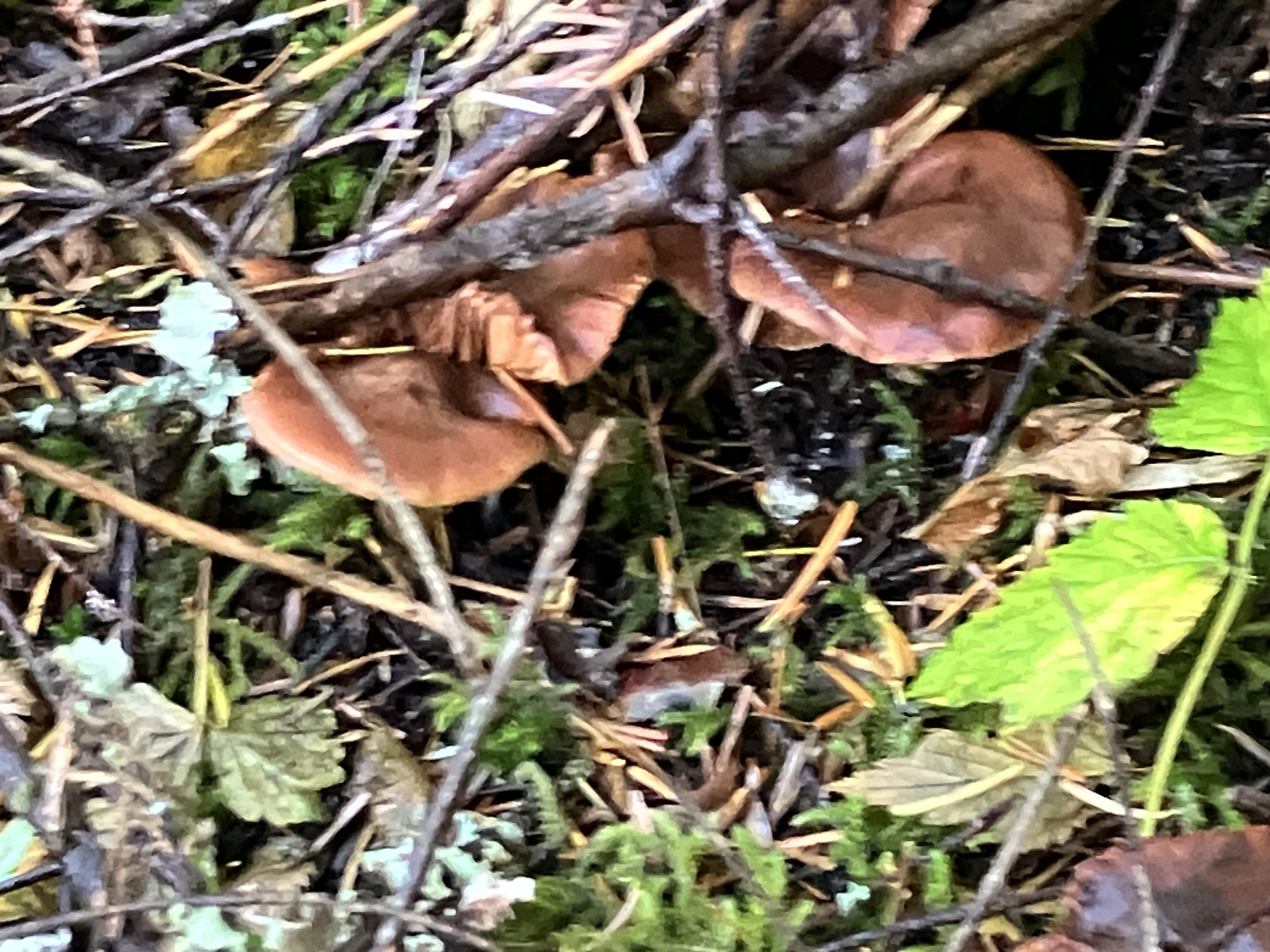
With cool weather and rains returning, the mushroom spring has begun! I had a chance in early October to run up to the elevations for a peek at what’s growing on in the high alpine woods. The fungal feast is off to a somewhat slow start, due most in part to the drought Western Washington continues to struggle through. It’s easy to see the drought in late summer, as the smaller shrubs and trees drop their leaves early to cope with the stress. We don’t usually spend time touching the soil to feel it’s moisture content, but crawling around in the woods on all fours looking for mushrooms invites my skin to come in contact with the ground a lot, and it’s still not wet to the touch. This non-technical way of feeling the ground does confirm to me that the soil is not damp enough for fungal activation. When it’s too dry, even after a hard rain, you’ll see a few token mushrooms make it up through the substrate, and a lot of little surface mycological communities trigger into bloom, but strains like Boletus need wet foundations to spring forth from deeper soil, below the leaves and needles on the surface. As I crawled around the forest floor, there were many small fungal friends out and about, but the larger edible crew is still holding back, at least in the forest I was in for a few hours in an afternoon. Forcasting mushroom blooms is not easy, and I find that taking a walk in the woods is the best way to feel out the Mushroom Spring.

This year I was told in late September, that chantrelles were up in local forests after a big rain, but I did not find any. These days, a lot of people are online following the news, and mushroom blooms are photographed and posted on social media like baby announcements. Someone sees a picture and thinks “it’s on!”. But one photo or one report from a friend of a friend is not enough to confirm a flush in your own backyard. Get outside, hike your local forests, and find out for yourself. I don’t talk too much about where I am harvesting- mostly to protect the spaces, because a lot of online learners come into the woods on a tip without any mushroom know how. Harvesting practices determine if mushrooms will be present for years to come. If you have not learned proper harvesting practices for each mushroom species, you can do a lot of harm to a grove when you pick. Best rule of thumb is- CUT the stipe, or stock, form the ground- DON’T PULL the whole fruit out of the ground. Harvest a third or less of what you see, and try to avoid the very young fruit, it needs time to mature and open to spread it’s spores. My biggest piece of advice for new mushroom fans is taking pictures, but not taking fruit out of the woods. We call mushrooms fruit because it is the fruiting body of the mycological fungus. When you pull up the whole “plat” roots and all, you remove the legacy body, which will put out fruit again next year. Also, if you don’t know how to harvest, you probably don’t have relationship with the mushrooms, as in, knowing the species. A brave mushroomer is a dead one, so take pictures and plan to go out with an expert to learn. There are lots of mushroom clubs around, use the internet to find one.

Although this first foray was lo win harvest count, I did see countless fungi up and fruiting all around. Little fruits laces in the leaves, twigs, and rocky soil of the mountain terrain signal Mushroom Spring is here. Many are blooming along the trail, partly because the spores are carried along trails on the animals and people that use them. I often follow game trails into the thicker woods to find mushrooms. But once I’m in the woods, my eyes track color, shape, and texture more than which way the animals went. On a mushroom hunt, it’s good to stay focused on the terrain, direction, and forest type. Mushrooms tend to avoid hemlock trees, and prefer a shaded slope just above water. I found most of the edible harvest just above a lake, in a well established grove of grand firs. This did not mean all the stands had fabulous mushrooms waiting, but a few stands did offer delicious harvest, enough to feed me and a few friends.

On this adventure, I did do some tracking of wildlife, as I encountered a lot of bear sign, which was expected where I was. It started with an old scat in the trail, a bear had been feasting on stone fruit, choke cherries, and left a large pile, which was picked through by grouse, who left their own scat sign in the bear’s. Then, as I made my way into the deeper forest, I found the classic sign of cambium bark feeding. What? beard eat trees? No, but yes- they want the sweet sap that flows under the bark in trees as Spring warms their layers. Bears smell this sweet treat and come to claim their share. They bite the base of the tree, peeling back the bark to expose the running sap. This can harm young trees, even killing them if the bark is peeled back too much. In tree farms, special bear hunts will happen if too many young trees are debarked. In this sub-alpine area, there is not a timber industry ruling the grove, so the bears eat freely, and the forest grows.

Am I worried about bears in the woods? No. I have my dog with me to alert if there is wildlife about. Nothing peaked my dog’s nose, so we foraged freely. If a bear was nearby, I’m sure it high tailed it away from us. bears don’t tend to like confrontation, and only really become a threat if they are habituated to people or a mamma bear protecting her cubs. It’s not cub season, and I’m out in the woods, a good 2 hours from the closest neighborhood where bears could be learning bad habits, due to careless human action, like leaving smelly trashcans out, hosting bird feeders and letting the seed build up, or any other number of seemingly harmless actions that could spell death for wildlife. Most nuisance animals are killed, because relocation rarely succeeds. People are the only cause of nuisance animals. We are to blame for every encounter we cause. On this day, I was clearly a visitor to the bear’s woods, and I leave the place as I found it- minus a few mushrooms, which the bear did not harvest for its self. Yes, bears to eat mushrooms- they are omnivorous, and glean what they can from the land as they move through it. Luckily, they left a few specimens for me.

Like I said, it’s a slow start to The Mushroom Spring. I harvested five mushrooms, but two of them were vollyball sized- and still good. Often times, larger mushrooms are too riddled with bugs for our plates. You ideally want to find mushrooms that are still firm to the touch, yet open enough that they have released their spores already. If you don’t know what I am talking about, please don’t forage until you know more- and take a class. More and more incredible information is also being shared online- from reputable sources- so always check your sources for mushroom info. Who should you trust? Well, academia is a good place to start. Or your local mushroom club. An organization that takes you into the woods to learn is ideal. I have clients here in Western Washington who I take out from time to time, but what I teach is limited, because I am no expert, and do not claim to be. I just love mushroom foraging, and have been doing it for over a decade. I started with experts in the field, learning some basics and then taking more formal classes at our local university when offered. I’m still a novice in my own opinion, and do not teach more than basic ID to most people.

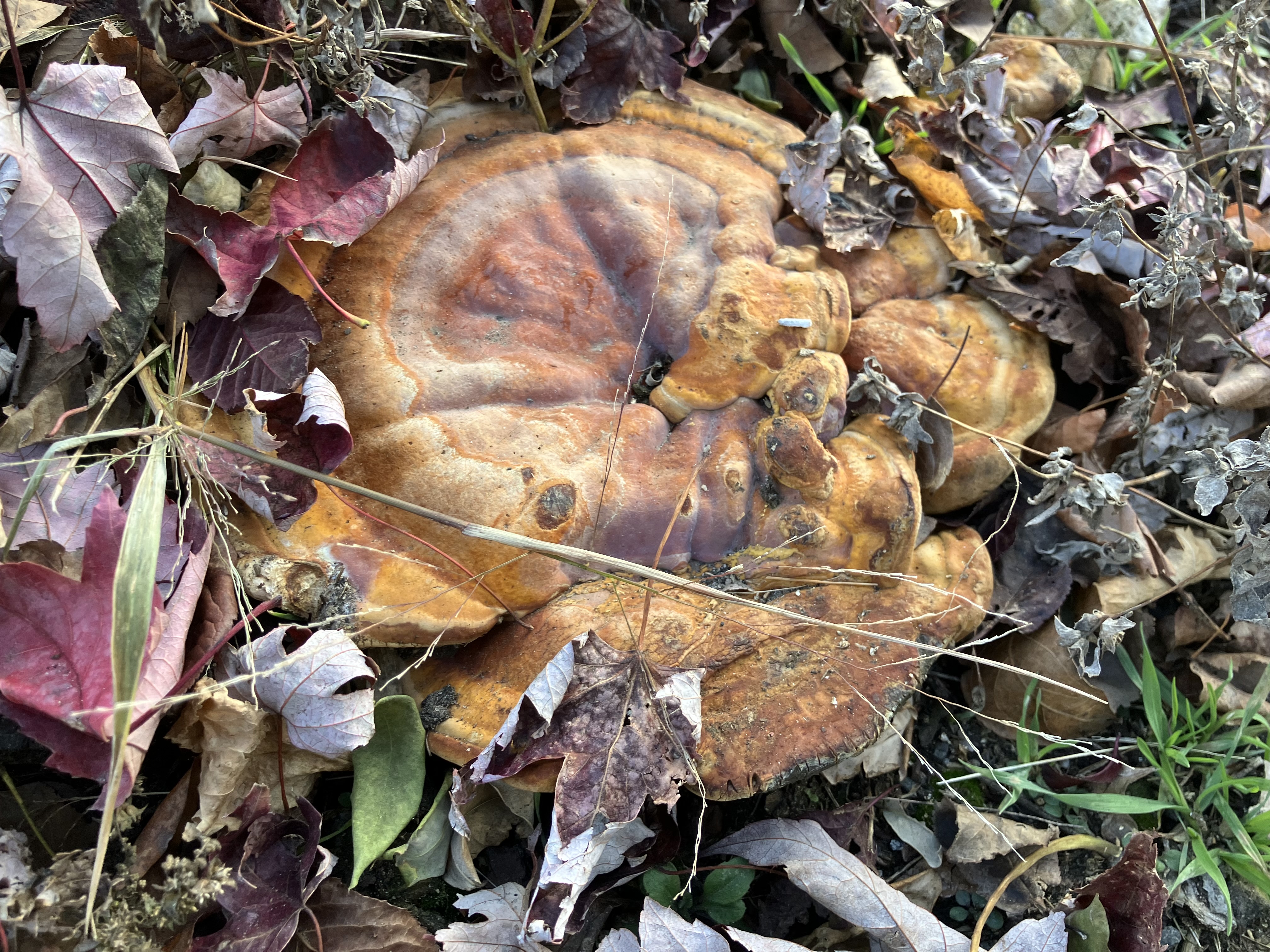
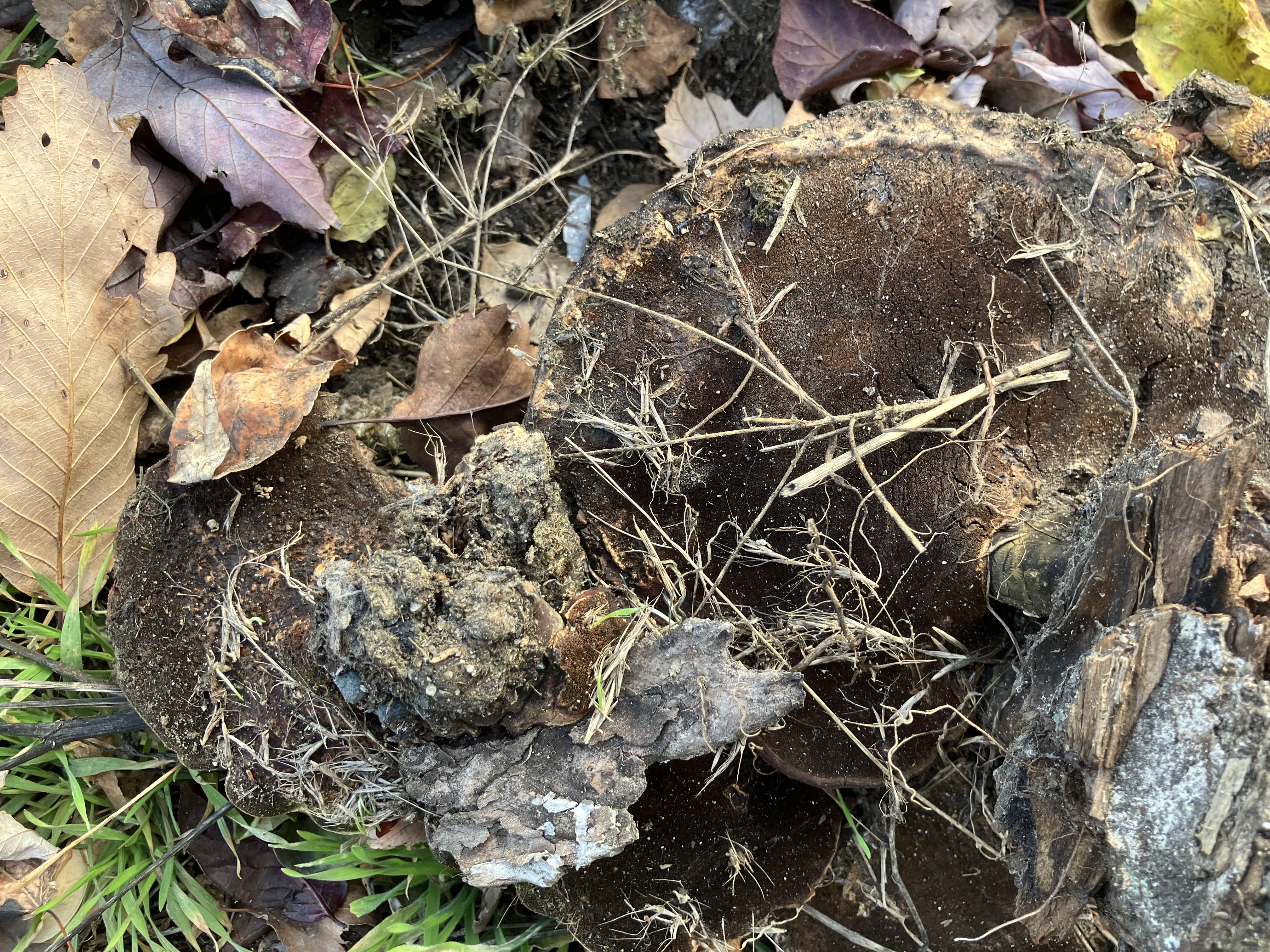
Meet the bitter bolete. It taught me about assuming all boletes are yummy. I harvested a bundle of these one year thinking they were queen boletes. They were not, and luckily, because I knew this family in my specific region was not poisons, I felt free to cook them up and eat- spit out, the very bitter fruit when it hit my tongue. That was a “kind” lesson from the mushroom world. Many other lessons can be deadly, so again, don’t play with mushrooms. How can I tell bitters apart from edibles today? Everything from the color of the cap to the shape of the pours, which took a decade of observing in the field. I still stick to non-gilled varieties, in general, avoiding the most dangerous look alikes. Again, don’t go if you don’t know. Take pictures, look around online to learn more, and take classes if foraging is something you really want to learn. For me, the excitement of seeing so many different kinds of fungi fruiting in the woods is thrilling. I’m looking for food, but also observing the sheer diversity of this remarkable kingdom.

Mushrooms are great teachers in my life, and I am so glad to have a friendship with them. Any time I go into the woods, I’ll see a mushroom in one form or another- from slime molds to bracket fungus, this world is full of every shape, color and texture you could imagine, and it’s all there to observe and learn from as you spend time in the woods. I am grateful for every foraging adventure I find, and also happy to be surprised by an unexpected encounter where I might take home a meal, or mystery to unravel. I’ll be sharing more about this season as it evolves, look for more mushroom updates to come!

Fishing

At the end of the summer, a friend joined me in the boat for an afternoon of fishing in Klaus Lake at The Snoqualmie Tree Farm. We both have recreational passes, and enjoy exploring, fishing, and hunting together in the woods here. Since it was late summer, the lake was down a bit, but a boat still fit in at the launch spot, and with a little punting, we floated out into this beautiful water. Earlier this Spring I had fished this lake with my mentor Wes. We caught a few small perch and had planned to come back a few months later in hopes that the little fish had grown into bigger fish. Well, they did.

I usually use a hand constructed lure of red salmon eggs (plastic beads), a Colorado spinner, and simple barbed hook. Then I bait the whole thing with a worm- red wigglers are best, but when the groud is too hot, I buy night-crawlers, which never catch the same amount of fish. NOTE- never put your bought worms into the ground when you are done, they are not native and to a lot of damage to forests over time. That’s another reason I prefer to dig worms out of my compost, though most of them are non-native. Baiting the hook, I plopped my line down into the deeper part of the lake as we trolled across to the far side to look for perch. For the ride across the lake, there are no bites. My fishing companion and I are a little worried we may have the wrong tackle. Should we put on a fly? No, the fish are not kissing the surface. It’s mid-day, not the best time to fish, because they like cooler weather at dawn and dusk in the summer. That’s when the bugs come out too. So we keep the worms and continue our hunt.

The far side of the lake holds a few floating logs and some aquatic grasses that offer good habitat for fish. When we reach the spot where I caught the perch earlier in the Spring, I cut the engine and point to an area for my fellow fisher to cast, and I cast the opposite side so we have less chance of tangling our lines. It’s important when you are with another person in a boat to plan where each of you will be casting so as not to hook one another or get lines crossed. My buddy casts out near one of the floating logs and cries “fish on!”. Her poll bends at the tip as she hurriedly reels. I quietly pull in my line and reach for the net to help bring in her catch. The thrashing fish comes up to the boat and I reach down under the fighting fins to haul it in. A new is crucial in boat fishing, because many of the fish are large enough to break off the line if you pull them out of the water. The net holds the weight of the fish and preserves your tackle for more fishing. The fighting fish is indeed a nice sized perch, so I offer the net to my friend, she carefully gripped the fish and pulled out the hook, then we plop the prize into an ice chest to preserve our food. In hot weather, it’s good to keep caught fish you plan to eat on ice so they don’t spoil.

Along with ice, I bring two poles, I have a two pole endorsement, so my fishing license allows me to fish with two poles. I like that when I am out in the boat alone, because I can actively fish with one pole, while leaving a bobber on the other. When I am trolling across the lake, I can have two poles in the water on each side of the boat for the troll. When I fish with friends, I tend to use only one pole to prevent any confusion if someone has a fish on. We both continue to work the area with our worms, and the perch are hungry! However, after my friend’s initial larger fish catch, the rest of what we reel in are too small for our dinner table, so we throw them back and move out of what I start calling “the nursery”. Often, smaller fish will congregate along the shore in the reeds and tall grass for protection. Our sights were set on bigger fish, so we pull out our lines and move on to another part of the lake. We troll a bit to find what my mentor calls a “honey hole”. Sure enough, in a few minutes we start getting bites again. I cut the electric motor and we fish the new spot, near another floating log, and a big boulder submerged just under the surface. Between these two imposing snags- things out hooks could get caught in, we carefully hunt the waters for larger prey, and indeed, the big fish are biting. In less than an hour we’ve caught four fish of nice size. We’ve found a honey hole, a place where the adult fish are schooling.

Shouts of delight echo across the water as we haul in nice sized perch. The worms are working, and our honey hole gives up a few great feasts, but all good things come to an end, and so, the school moves on, and we begin to get less and less hits, so we start our troll again across the calm waters. Sometimes it’s nice to take in the views while fishing, and this lake has some vistas to appreciate. To our south, Mt. Si looms above the treetops. It’s a famous hiking peak in the area, and the first real mountain you come to heading east on Interstate 90 out of Seattle. I’ve hiked it once, and it is a formidable climb. Today I enjoy viewing it form my boat in the lake, savoring the relaxed afternoon on the water, rather than climbing switchbacks to the top of a peak. So much gratitude for time on the water fishing with friends. Hiking too, but today we’re out harvesting wild food.

An overcast day can be to your advantage when fishing. We were enjoying this cloud cover, and the dull light encouraged the fish too. While trolling around, we caught the rest of our limit in perch. My fishing friend had never done this, and we celebrated her first limit catch. Catch limits are important, they keep the stocks of fish healthy for others to come and enjoy fishing too. Biologists spend a lot of time studying fish in these lakes, and have an understanding of populations, habitat, and the dynamic relationship of fishing and mother nature. Many of the local lakes are stocked with trout each year to help keep fish available to the public, but our responsibility as ethical fish catchers is just as important to keeping our wild food source available for all. If we over-fish the lakes, there will not be food to catch there in future. Following the state fishing regulations ensures we can all enjoy fishing for generations to come.

With our limit in perch caught, we talk about trying for the trout or bass that are also swimming in this lake, but we have 10 fish already, and that’s a lot to take home and clean tonight. We agree that we’ve caught enough for today, and turn our boat back to shore for the take out. It was a full afternoon of fishing, and we were glad to be heading home with our catch after a lovely calm day on the water. The perch had been good to us, allowing each of our larders to receive some fillets for frying or baking. Cleaning perch is a little more effort than trout, because you don’t eat the skin of scales. I took my fish home and filleted them, the froze the meat for later in the winter, when I would be craving fish but unable to go out and cast for them. Well, the lakes are open year round at the tree farm, but a cold boat in the rain is not so much fun. I try to keep my fishing to the warmer months out of a love of comfort, but I have been known to head out on a sunny day in February to catch a late season trout. To many more days in the boat on the water reeling in a fine fish.

Wild Women Wanders Class #1

Our first meetup was at Moss Lake outside Duvall, WA. It’s a King County Park where you can enjoy a natural lake with beaver activity, a range of forest types from hemlock dominate to fir monoculture. There are some more established woods around the water, but further into the forest you’ll hit The Snoqualmie Tree Farm, which hosts plantations of Douglas Fir trees. We stayed on the main gravel trail around the lake, but saw and learned a lot about our local ecology.

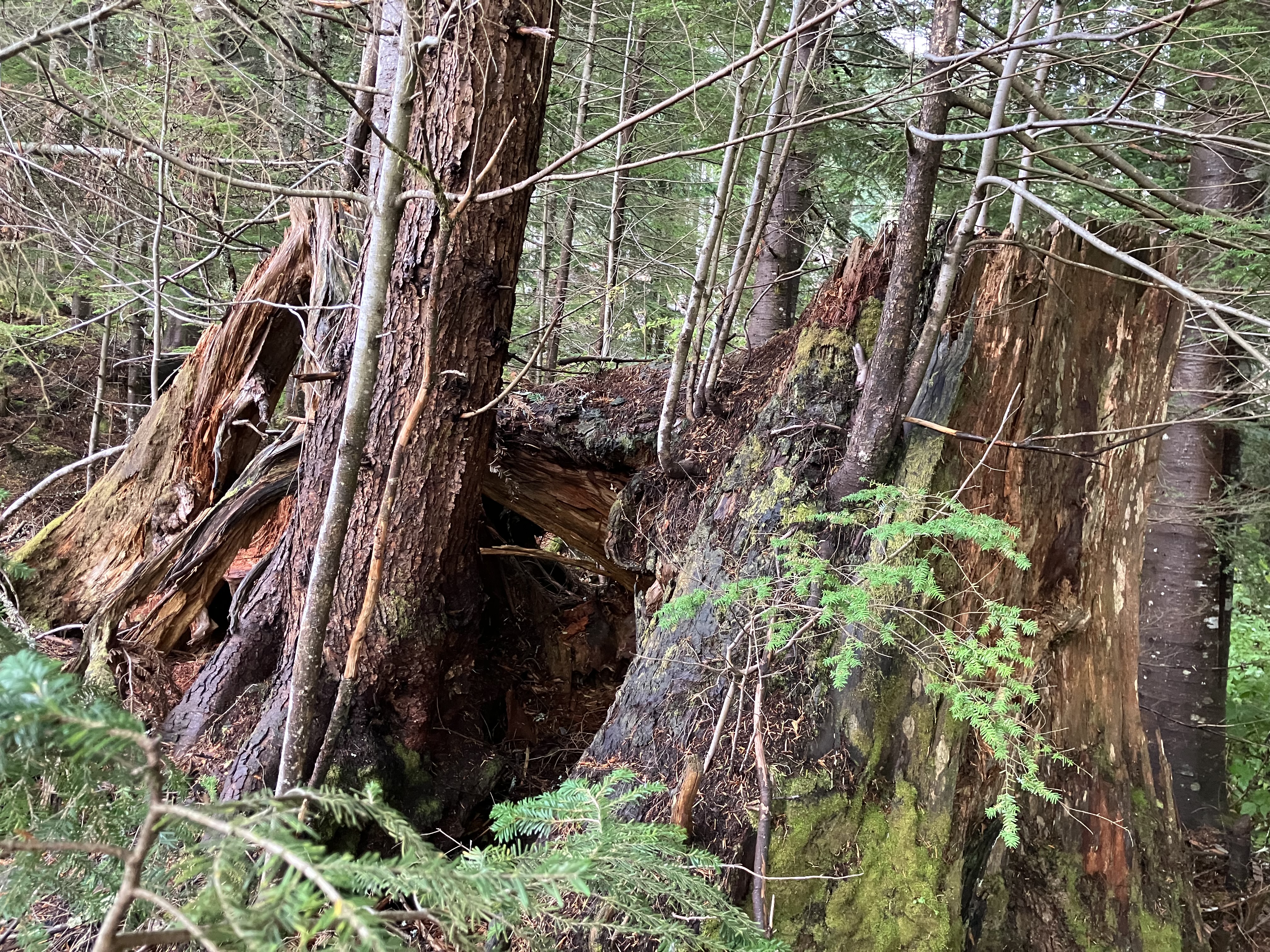
Shelter 101- find a good hollow stump to climb into, then stuff with leaves for insulation and enjoy a dry, warm rest. This stump was a great teaching moment for natural shelter in the forest. Two people could fit in there comfortably with the addition of debris. It took us only a few minutes of searching to find this dry spot to shelter in an emergency. What can you find in the woods to shelter under?

fire making 101- find dry, snapping sticks form low hanging brush and trees- from left to right: snow berry, salmon berry, hemlock tree, and red huckleberry. We found these tinder materials in the parking lot in less than a minute of searching. You want to find off the ground dead stuff if you can. All of these branches were dead, but still attached to the live plants, harvesting dead wood off a living plant should not harm it, in fact, your doing the plant a favor by pulling off the dead stuff so the living can thrive more. It’s also removing a potential fire hazard. Note- fully dead standing wood should be left alone. Snags, as the standing dead wood is called, become crucial habitat for wildlife.

We ran into this Palliated Woodpecker on down the trail. We heard it excavating in this standing dead hemlock before we saw it. What can you hear in the woods before you see it? Why is the bird above pecking at the tree? What else lives in standing dead trees? Dead standing wood can also offer good fingermark materials, especially the burned out ones. You can find dry charcoal and tinder in these hollowed out stumps.

The punky (rotted) wood smolders, but that can help extend your coal while you are building up your fire. The charcoal will light, and help get a small fire going. Just make sure all your starting materials are dry. The rotted wood was actually in a still living tree, so fire materials come from many places in the woods, look around and see. What kind of tinder materials can you find?

water 101- active beaver dam on Moss Lake. A great example of why wild water is not safe to drink, even in a more pristine area. Beaver fever is the colloquial name for giardia. You don’t want to get it- trust me. Always filter your water or boil. If we have fire, and a metal container of any kind, we can safely treat our water to drink. Note- boiling does not remove heavy metals or some dangerous chemicals that can get into our water. You’ll need a life straw or other high end filtration system to safely treat polluted water. Luckily, Moss Lake is not considered polluted, so you’re mainly concerned with pathogens that are easy to boil off with a little time and patience. A metal cup, pot, or water bottle is a crucial one of the 10 essentials for your day pack or overnight kit.

Near water you will often find special plants that only grow in wet places. Lichens like Usnea are a great example of this. These wispy hanging strings are an important wild first aid for cuts- this is wound packing material with anti-microbial properties. You can harvest some and keep it in your first aid kit for emergencies. Bonus, usnea is also a good fire tinder. Where have you seen this lichen in the woods? Do you know it by another name?

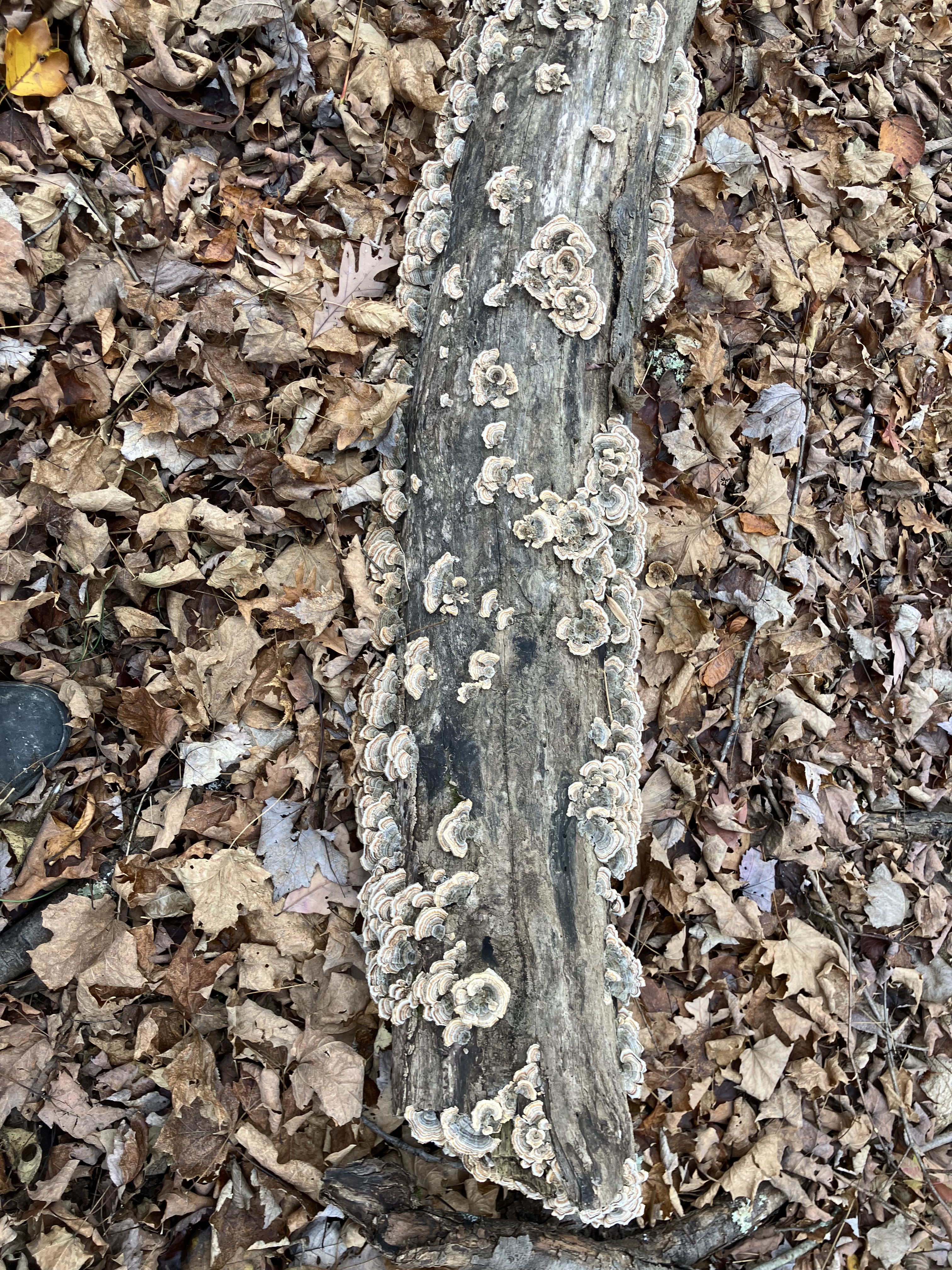
Mushrooms 101- we’re not here to pick edible anything, we’re just looking at what’s blooming on the landscape as we move towards The Mushroom Spring here in Western Washington. The chantrelles were not out yet in these woods, but there were some fungal friends popping up to say “hi”. Most were polypore– wood eating mushrooms, which are not too helpful for hunger. Again, we’re not eating these, but documenting who is out in the woods at this time. It’s still a little dry for many mushroom species, but fruiting happens year round in these woods. You might get lucky if you have a look. The one Xerocomellus chrysenteron we found- a bolete, was a sign of what might come to this area in future. Though again, we’re just talking species, not what to eat. Another fungal highlight from our wander was finding a Dyer’s Polypore– that yellow looking one bottom left in the gallery above. There’s always so much to learn from these amazing mushroom teachers. Keep your eyes peeled as the forests get wetter this fall, there’s a lot more fruiting out in the woods than just berries. What kinds of mushrooms have you found around town?

There was a great looking stand of big leaf maples in one corner of the park where I would head in late fall to build a debris shelter. Marking these places for later use is always helpful. Forests will offer many different opportunities throughout the year. Each season brings change to the woods. What do you see now that won’t be there in a few more weeks? Hint- they fall, from trees, and we love to pile them up to jump into. Try climbing into a pile of them to keep warm.

The woods at Moss Lake are diverse, and we looked at three main types in our location. Can you spot some major differences between the three groves below?

The first stand is a typical third growth forest of mostly hemlock and Douglas fir. These woods will have a mediocre understory, usually dominated by sword fern and some deciduous shrubs like huckleberry and vine maple. They are still heavily altered by humans through logging, burning, and ground compaction that will not let more sensitive species reestablish. Still, there is some diversity in tree age, and opportunity for more understory to develop in time. The second forest type above, in the middle photo, is a common alder and cottonwood mix. This forest is young, and has a lot more understory established. Why might that be? I like these forests for medicine, fruits, and usually, nearby water. Why is water usually nearby these stands? The third forest type is what you’ll most likely be running into where forests are “managed”. Mono-cultures are an easy way to replant timber forests. You pick the best wood products species- Douglas fir, and plant as much as you can all at once. This makes thinning easy, and will get you standardized size and growth in a woodlot, but it’s unhealthy for the ecology, even with a little more diversity in the understory right now. Eventually, these evergreens will grow tall, shading out the understory and limiting what can grow. Chantrelles favor these kinds of woods, but wildlife tends to avoid them. What kind of forest can be found near you? How old are the trees there?

Our lessons at Moss Lake were many, with a few put down in this blog for those who missed the meet up. There was some plant ID, some fire making, shelter finding, and landscape reading. My guess is, this forest was left alone after the big timber trees got taken out, leaving the hemlocks to fend for themselves. Most of the woods around this lake are hemlock dominate. Loggers leave them because they are a less valued wood in the timber markets, being too soft and prone to twisting when milled into building materials. I have heard from timber framers, that you can work with hemlock wood when it’s still wet, but expect the beams to warp as they dry in place. That’s my best guess as to why this area was overlooked for more logging, and why is was easier to get the land protected and put into a county park. Gratitude to this place and the public assess. It was a great location for access and learning, and I am thankful to King County Parks for keeping this place open and available.

Holistic Governance

When I reflect on the short 43 years I’ve been alive, and an American Citizen of The united States, I’ve watched a system of governing unravel under the strain of corporate pressures in economic strong-manning. We are mistaken to think a single man is running any show in this nation. The lines are drawn by investment, and returns. All the white collar 401K retirements are wrapped up in the corporate hustle. I watched the Enron melt down, and it set a precedent. Working people would not have a guarantee of concessions, should a company fail. So throw it all under the bus and walk away rich people- that’s what’s happening in The USA right now. Democracy is being thrown under the bus for the billionaires.

As a small farm in Western Washington, I may not have a hat in the ring of politics, beyond my vote, but this current runaround of a two sided coin is getting stale. I’m too smart for this BS, and it’s time to call it out. From the pasture, I’m watching the hay shipped abroad for global conglomerates that don’t give a fig about human rights and the wadge earning worker. What planet do you think we’re living on? I can’t raise sheep without hay- alfalfa through winter, yet the price of a bale is out of reach for small scale production, and priced out by horse people who enjoy riding. It’s preventing food from being grown, the act of equestrian hobby/sport/animal abuse. Sorry, but after seeing horses on The Mongolian Step, seeing any equine confined to a stall is the upmost form of confinement- like putting a person in a cage/jail cell. Truly, look at a prison structure and then look at modern barns and commercial/industrial animal production facilities. You’ll see cells, confinement design, shit lagoon drainage, or outdated septic fields. That’s what happened to Alligator Alcatraz/Auschwitz- bad poop management.

Our corpse is so toxic, we pollute our own water table if we die there. Take it in for a moment- we are toxic. When we become cancerous, from our environmental toxicity, we then poison ourselves with plutonium and “heal” to prolong our pollution on this earth. Prolonging our insult to this biological injury says a lot about our egos. Let’s all follow our original instructions; to live with the earth around us, in that soil on the hands, bare feet on the earth where and when we can, there is a way to work back towards holistic balance in this system. Running on cash has taken away the true values of life and hollowed out basic needs into streaming and same day delivery to all who buy in; giving themselves over to consumer driven capitol gains for a few at the top, while the rest of us, and they, buy now, pay later debt slaved, but only a little for those at the top, the bottom 99% will pay the interests so the wealthy 1% gain their capitol to throw bread crumbs at their investors- all in that 1%. None of these investments will support the majority- but trickle down? Yeah- in the shape of no more free speech, people grabbed by masked kidnappers and hustled into unmarked vans without warrent of any kind. Is it really ok that it’s “only” black and brown people.

Meanwhile, foreign trade tariffs are crippling our industrial farmers- growing the majority of our commodity crops, which run the agricultural arm of the country. Beef is not part of that commodity wagon- only corn, sot, and wheat are given subsidy crowns. 10 billion went to industrial farms in March of this year to cover some of the crop value crashes happening all over the country. Nebraska is declaring bankruptcy. Arkansas soy farmers are about to default on their farms, putting tens of thousands of acres into private foreign investment, and away from American ownership of the very soil we stand for. I’m waving a red flag here for my fellow citizens. Our very terra firma is on the line, and there are a few Peabody Coal Co‘s hauling it away. The legacies of human encroachment on nature for profit has left us all empty- like a pop bottle. Sorry, but I will ride John Prine’s words for support. It’s those musicians of the 60-70s that I’ve been reflecting on, along with post-modern impressionistic guitar strumming about love and loss. It’s that old cowboy ballad to calm the waning wild west.

I walked the land of a friend today. She had 20 acres of 3rd cut temperate rainforest on a glacial ridge above The Snoqualmie Valley. There is natural restoration happening here- with an understory on the rebound. Creeks and streams are still dormant, remaining underground during the dry season. That’s what Weiss Creek, the stream that flows through EEC will turn to in future. Imagine a childhood stream drying up when you grow up. It’s happening now around the world, and we’re the cause. I understand why many of our ancestors fled underground when things got tough. It might be the future for the next few generations- after the floods. But I hate to be a Nostradamus. This little plot of heaven will remain fertile and functional for at least my lifetime- if there is no major fire- or even if there is, I hate to put any limitations on the possibility. Future forecasting prevents living in the moment, which we should all spend more time doing. That’s the fountain of youth so many quest for, in my humble book.
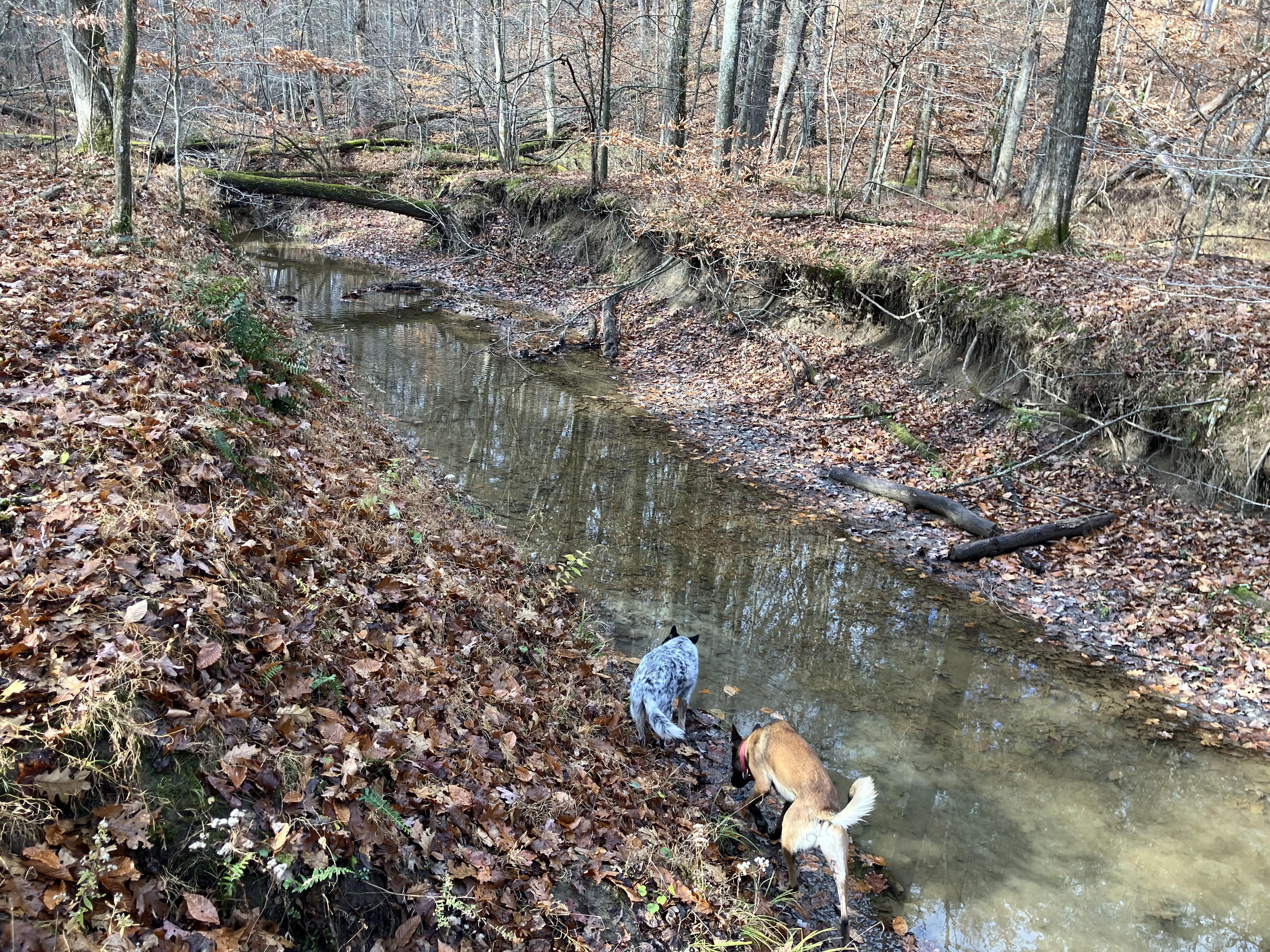
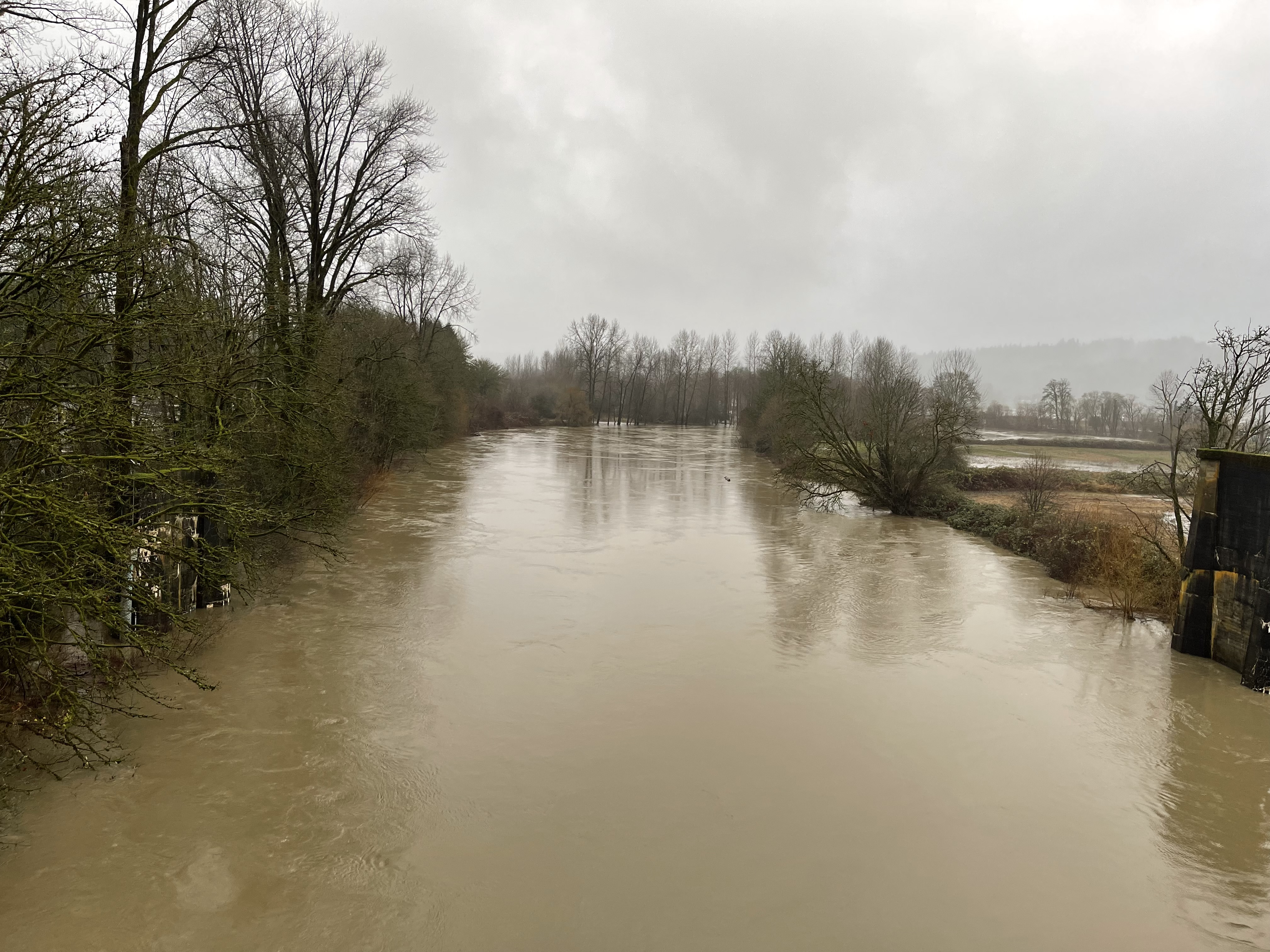
Thanks to Gina for this footage at Told River near Carnation.

After over ten years of sitting with land and working to better its fertility and restoration to native rainforest, I’ve had a little time to think about what’s going on, or growing on in our world. In this small corner, there is so much potential, and a willing return to what was, the old growth, sacred waters, and salmon, fish for all the people- humans, animals, vegetables, and minerals all fed by one source of great thrashing life. The fish are returning now, up the rivers in the valley below, and some to this very land, through the small creek sourced from natural springs. The Coho come here to spawn, from the Ocean; thirty miles away. How amazing- it’s still going, and some recovering, from our slaying of the woods, timber dollars raked from the land- even today, hundreds of acres at a time. What will the future hold for these scalped lands? Again and again, the trees grid planted by the millions, often paid for by our “plat a tree” endeavors. Beware the green wash– you should know better by now.

We are in a pivotal moment, where determining what is real has become almost impossible- at least online. I’m stepping further away form screen time inducements– even basic news. The narrative is skewed so far from my own reality in the day to day of this holistic farm and forest, I struggle to relate. Scales are tipping faster, the planet is shaking us off, with intensified storms, violent swings in weather, which for a tender of soil and ecology, means immediate adaptation and a sort of “hold fast” attitude. I’m still observing, taking it all in, both in the woods and the political gambit, to the best of my ability. I want to understand, it’s a life quest- to know what is, as I find it, and evolve. What I plant today may not be growing tomorrow, so I sew continuously, all kinds of seeds, expecting nothing and everything at the same time. What a concept. If only we could plant our political forests in the same mindset. That would be stagnation, no? How does this impact the little slice of land that is EEC Forest Stewardship? Well, from taxes to legal representation, it’s all based on who I vote fore locally. But is it still? Thay orange fool in that house of white gilded in gold has no place in my day to day, except in the executive, totally immune actions of an old white guy with a lot of missing information in his world view. Scary. But that’s been the way of things for my entire lifetime, and many before me.

As I walked this neighbor up the road’s land, I reflected on what could return if we would just let it. Instead, our current administration is gunning (yes, pun too) to build roads in to the last vestiges of public wilderness set aside for our enjoyment, and as a wilderness for our diverse wildlife and vegetation. Reflect on this please- the last untouched wilderness in The US is being carved up by mislead capitalistic resource plundering. It will be the final nail in American public lands privatization. Again, red flags for the land and soil of this country. I’m addressing the ecological threats, but our very democracy is at stake too folks, I’m just trying to keep the narrative I speak related to my own life and role in this world. I hope other land stewards and growers have awareness of these immediate conservation threats. The list keeps growing, but I have this moment and these thoughts to share with you now.

Thank you for your time in reading this, and your reflections on the continued erosion of American freedoms and values that I was raised with by several generations of hard working people, including two grands who fought in WWII against fascism, and one died over The Pacific- we never got his body back. This is personal. My great-uncle flew in a fortress pane that was shot down off The Philippines. My Grandmother’s family never got over the loss. I was not born yet, but my Grandfather, who did survive Guadalcanal, spent a lot of time outside with me, planting gardens, tending a small forest, and a creek behind his house. I took all that love of nature, from a man who was 16 when he signed up and went to war for this country, giving his youth to The Navy, and defending us against a belief that would have taught us to kill people that were different- or at least put them in camps and forget what happens after that- like The Tacoma Detention Center here in Western Washington, or the east side of the mountains, where farmers had to let their fruit crops rot on the trees because ICE took the migrant workers from the fields. One after another, the neighbors disappear, until they come for you.

How do I start the day with these thoughts? Well, I see the sun rise, hear the birds calling, watch the geese moving through the orchard, and see a dog’s tail wag as I step outside to take in a deep breath. My day starts here, on the land, with intention to grow things, learn, and share the bounty of this life with those I know and love. If I can help others tend a little bit in their own lives, we’re on the right track- surviving. Ideally, we’d be thriving, and in the scheme of the world as a whole, we are, but at such costs to others we’ll never know or see. What is balance? How to turn the wheel a little more smoothly through all the spokes so everyone takes a turn through prosperity. That would be the governance for me. Sounds- or smells, like Communism, or Socialism. Change is coming, and I’d like to lean towards a more liberal way to share a thriving world, rather than a totalitarian dictator male god head commanding my actions. I can’t imagine training my Kangal pup through demands and forced behavior, he would quickly turn on me, seeing my unstable actions as true weakness. That’s what we’re in now, a weak trend in leadership- rule by force, threat, and payoffs to the upper crust.

Ok, enough about governance, we have a top down running here on the farm. I feed what will one day feed me, but if I don’t treat the animals well, it reflects in their health and production. The cycle is unavoidable, you get what you put in, so if you watch a lot of youtube, but don’t plant any seeds, nothing will grow, no matter how much you stream online. I feel out country has become too much watching and not enough doing- we can all talk about what should be, but until we act on it, nothing will change. Plant ideas, stories of action, and move your feet, to the voting booth, the town meeting, the city council when it meets. Know your local representatives, and keep track of state and federal positions. Write letters demanding action, go to protests and march. When my sheep bray together, I hear them and get compelled to feed, move pasture space, or check minerals to make sure everything’s good. “We are without salt- get a block in here or we’ll have deformed lambs!” That is the consequence for not properly feeding the animals what they need. What is missing in your diet?

Yes, I’m embracing more metaphor for us here, but it’s all the same- and so, should be digestible for bright minds that follow this little blog on the corner of no where and everywhere. Now I’ll take a page from my old barn cat Lucia- take a nap on the couch and wake with a clearer mind. In praise of those who see the path and take it, following old footsteps of wisdom without stepping on the faces of our ancestors.

Welcome Coban to Leafhopper Farm!

In 2019, I had a coyote predation of my new breeding ram and thought it best to invest in an LGD. I took a deep dive into literature and the internet, thinking about a dog that would be good with people as well as a fierce guardian, but also have the patience and awareness to know what to bark at, and what to leave alone. My sheep mentor had a Kangal, and Topher (Christopher), was an amazing dog. When I first arrived at her farm to pick up my starter flock of Katahdins, this huge fawn colored dog met me at my truck and leaned in for a good scratch behind the ear. He was gentle and friendly to a stranger, reading my intention a mile before I had turned up the drive. I was taken aback by his behavior, as all the other LGDs I’d encountered, would rush the truck and bark agressivly until an owner showed up to pull them away. Kangal dogs are highly intelligent, tuned in, and a primitive breed of K9. They have lived with people in small rural villages in Central Turkey for over 5,000 years as livestock guardians. Kangals know when to stand their ground to fend off threats and when to make eye contact and slowly wander over for a good scratch on the neck. I wanted a breed that would greet people without any problem, but still know if something is up and alert as needed, not bark all night at shadows and the deer moving through.

I’d known a few Great Pyrenees dogs, and they were all too much barking and not enough smart observation. I also don’t like long haired breeds, and a white dog in Western Washington will be stained with mud all the time. The other LGD breeds are too risky with strangers, and there are lots of strangers coming and going from the land. I don’t want a hostile dog barking in the background when people come to visit. Kangals are quiet shepherds, stalking off into the shadows to observe and plan. They hold their bark until the predator is within eyesight, then the baying begins. They do not bark at everything like most of the other LGD breeds, they recognize the guy mowing next door, the deer who move through every night, and can easily tell the difference between usual sounds and a predator moving through. My personal experience with Topher also quickly convinced me this was my breed. As I continued to research it became easy to make a choice, especially when I found there are two well established and vetted breeders in Washington.

The Turkish Kangal became my top pick for temperament and work ethos, but I also needed a dog ASAP after the coyote attack, so I turned to Kangal rescues in North America. Kangal Dog Rescue Project happened to have a male Kangal nearby needing a working farm to be homed in, so I drove to Stanwood and picked him up, after a call to a few references and some light paperwork. Gill self loaded right into my truck without hesitation, and he came home to the barn during the winter, living nose to nose with the sheep. When lambing started in February, I watched with apprehension as Gill sniffed the blood, but when a ewe who had been raised with another Kangal backed her butt up to the fence after giving birth, I almost stepped in. But the ewe knew, and Gill came up to her and slowly licked the blood away, gently cleaning her. I knew over 5,000 years of this breed working with shepherds to protect flocks was alive and well in this dog. He bonded to the ewes and their lambs, and we’ve had no sheep predation since his arrival on the property.

As I fell in love with this breed, I began to think about future guardianship for the land. Gill came to the farm with a guessed age of 4. The vet thought he might be 6, we compromised at 5. He is now 11, and 15 is the upper age these dogs can get to with the right care. Since Gill was rescued off the streets of Istanbul with injuries and a chronic ear infection, his life might be a little shorter. I don’t dwell on this timeline, every day is precious. Big dogs tend to have shorter lifespans, but the Kangal is an exception, I think due in part to such amazing genetics and smart breeding. They had to be tough to survive on the open step of Anatolia, fighting wolves, bears, and even lions in prehistoric times. The continued selective breeding for health, temperament, and guarding flocks, has kept this dog’s more feral qualities. Most AKC breeding of dogs today is about removing the feral traits and replacing them with cosmetic likes to better assimilate them into human households. This does make sense with a pet, but not a working animal that lives outside and fights off wild predators.

Kangals had the hardest bite strength of any dog, you can’t ship them on commercial airliners or through the post-office because of liability- you have to hire a private carrier with special insurance. That was part of why I wanted to find a good breeder in state to drive to. It would also make it possible to visiting the kennel in person, before deciding to sign up for a puppy and placing a deposit. I can’t stress enough how serious a dog this is. Not a pet- possibly some puppies are docile enough to become companion animals, but never pets. The primitive traits in this dog are for working outside, with livestock, wilds, and space to roam. A few acres to run around in is not enough, they need a job. If you and your family become the flock they protect, don’t expect to have a lot of friends over or have any other pets, these dogs will kill cats, dogs, and bite people who don’t get the memo to stay away. They are not personal protection dogs- personal protection dogs are skilled in obedience. Kangals are ok with suggestions, but will take up their own crusade if they think something they care about is under threat- and living out in the wilds, they see a lot of threats, that instinct is impossible to “train” out of them, though they can get the basics like “sit” and “back off”, “come” is more like a circle up nearby. A dog like that would be chaos if trained to favor its aggression towards other people, just like a poorly trained protection dog. If you want training, obedience, and protection- be ready for hundreds of hours of working with your Belgian Malinois, German Shepherd, or Doberman.

Kangals are bred to be gentle with people and livestock, and that trait comes from removing the prey drive. That’s the drive protection dogs need most, but Kangals can’t have that trait or they would chase down sheep- and still do if not trained right. Gill didn’t get to be alone with the sheep of a whole year before I started putting him out tethered with them in the field. Then, after two years of observing and working with him, I started letting him stay out loose with them all the time, and trusted him during lambing season. The new puppy will not get to be alone with sheep for up to 3 years, as young dogs go through phases of trainability and cannot be trusted for at least the first two years. Coban is with the sheep, just through a fence to keep him out of mischief- and safe. A ram or upset ewe could kill him when he’s this little. Gill is helping him learn how to just chill out. The sit and observe stance of this pup is crucial to their learning and ultimate gardening skill. The sheep are also taking note of the new pup and file his presence for future encounters.

Guardian instincts take some good breeding, along with healthy genetics, and good training. When I first contacted Laura, of Hidden Meadow Ranch, in The Skagit Valley, I was struck by her wonderful application for a puppy, which I wrote a small novel to complete, and rightly so. This breed is rare, and high liability, if not trained well. We made additional introduction at her home where a younger bitch, the future mother of Coban, was hanging out in heat with her new male partner in hopes of a first successful breeding. Both dogs had good energy and gentle demeanor, and the other dogs were well socialized and healthy. As Laura and I talked while she took me through her farm to see the dogs, I felt I was in the right place with the opportunity to invest in a good dog from a legitimate breeder. I left having made a deposit, committing to a future puppy.

In late June, 2024, puppies were born. It was a few months past the original planned date of the litter, but a late pregnancy was better than none. A month later, I was back at Hidden Meadow Ranch to pick out my puppy and learn more about who would be coming home to the farm. Gill is so settled in, it will make the transition for the new puppy easier- I can’t say enough about having and older dog train up the younger one. It also helps the livestock know what’s coming. My breeder had hoped I would take home a female to pair with my male, but having a female stock dog (Valley) in the mix made it impossible to have two bitches in the field. Kangal females are the boss dogs in any pack, and will lead attacks on wolves and other predators in the field. They are in charge, and will fight with any other dog who thinks otherwise. I didn’t want to be dealing with dog fights at work, so I opted for another male. As I walked into the litter of 12 pups, one came with his mother to greet me at the gate. The roly-poly puppy sat down and sniffed me for a while, even after his mamma walked off. Laura watched with a smile, and when I asked her who the little pup was, she said “Gray”. Each puppy was named for the collar color each puppy had on.

When I came into the puppy enclosure, I was looking for calm, balanced dogs. All the puppies were hard to track at once, but Gray coming up to me first for a greeting was good, confidant behavior. Two other puppies later tried to jump on me and nip my hands, Laura corrected them firmly and told me they were the two biggest males that were going to a ranch in Wyoming. Another large dominate female pup was heading to Montana. She already had placement for the higher energy dogs, they would also be larger, and better able to defend against wolves. Laura breeds for size, health, temperament, and working focus. Again, these are not pets for the home, they are working animals with a lot of serious guarding behavior. As my relationship with this new coworker evolves, I hope to have a lasting relationship of shepherding with Coban, and continue to treasure my lessons from both the new pup, and my wise mentor Gill.

These dogs are priceless contributions to the continued restoration at EEC Forest Stewardship, and crucial protection for the livestock. These dogs also protect wildlife, as in keeping predators away from the farm, and thus preventing unwanted encounters that usually end in the predator being killed. In Africa, Cheetah recovery efforts are a success thanks to the introduction of Kangals as LGDs. These animals have been working with people to protect flocks in the hills since the stone age. Leafhopper Farm is a long way from The Anatolian Mountains in Turkey, but these flocks need protection from lions, bobcats, bears, and coyotes. Maybe, in a few more decades, wolves could return, and I have just the breed of LGD to keep predators and livestock safely separated, Kangals. They remain loyal, alert, and wise to their surroundings, adapting as required by season, types of stock being guarded, and navigation of diverse terrain. To remain capable at these levels, the dogs remain primitive, close to their ancestral base in size, courage, and intelligence. I know I’m going on and on, but really, these dogs are honed for their work and do an epic job.

Kangals demand the respect they are owed, and return it with devotion, dedication, and inspiring restraint- if given what they need to thrive. LGDs need room to run, a job- preferably guarding livestock, and the space to work- Kangals are independent and don’t like a lot of close contact. This is an important trait bred into the dogs because they are huge. You don’t want these dogs climbing all over you while you are trying to work. To be sure, Kangals are affectionate from time to time, but they prefer an initial greeting of a few pets and then head off on their patrol alone. They do work better in packs of two or more, so I am glad to have a second younger pup training up to be as excellent a guard as Gill. Since bringing Kangal energy onto the land here, no sheep have been lost to any wild or domestic dog predators. I sleep well most nights knowing there is a highly skilled night shift on his watch down by the barn. His alert tells me when I need to be up and out there helping to defend the stock. We’re a team, and the effort is well worth investment of personal time, and training a new generation of dog to work with human. What a phenomenal example of following original instructions.

Red Skies

There is always a feeling of uneasiness when smoke drifts into our air and hangs ominously overhead. We breath in the microscopic soot and toxic particles floating into our lungs as we labor. Why not wear a mask? The breathing is even more difficult, and when I’m doing heavy cardio, shoveling the manure out of the barns, it’s impossible to get enough air in with face coverings and last for more than a few hours. At the end of August, 2025, I awoke coughing in the early hours of the morning, my windows were open, and the smoke had come in from the south, where a forest fire was burning on The Peninsula. ICE agents took two of our brave firefighters out of the field while they were on site working to extinguish the flames. The fire keeps burning and I keep breathing toxic air. It’s not that bad, only moderate air quality, and I don’t have per-existing health conditions that would stifle my general function. On some days, my throat gets a little sore, but I’m more concerned with the long term effects of living in these conditions. I watch the animals and ask myself how their lungs feel, how the wild birds are coping. I see how much land is burning and start to wonder if people understand what is happening, on what scale, and for how much longer this will go on.

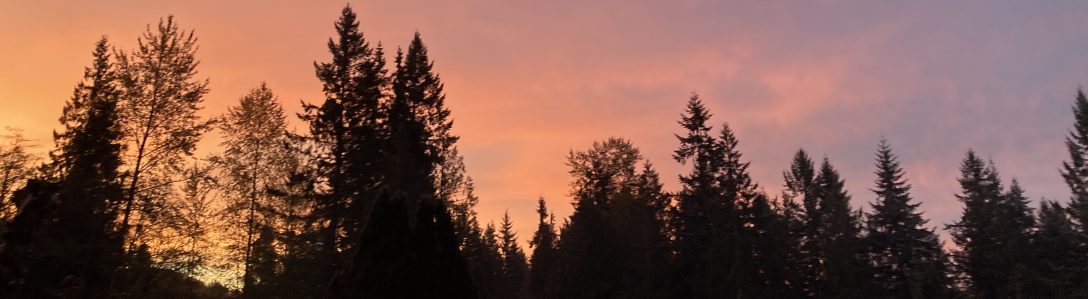
The full moon rose with the stains of blood red light, shining down on all our mistakes, giving a reflection, a warning of our actions, how far too far might be. I think by 2050 we will have learned, again, that we are small animals running around in a very complex world we little understand. Our god head ideas of order out of this chaos can only carry us so far, then there’s this physical plain we’re all living on together, and how that living world we’re woven into, it unraveling. Our actions change the rules of survival to match our warped truth, that we have some kind of dominion over all things. Radical right leaning conservative christian rhetoric is embracing the rapture, and will have a reckoning, but it’s not going to be Jesus on a white horse. That white horse is death, pale and looming, with a glowing red eye, arching across the sky. A little too gothic horror for you dear readers? I’ve let the mood run away with me? Perhaps, but cataclysmic change is fast approaching, might I suggest a recent song I’ve been humming? Johnny Flynn’s Wild Hunt carries a rhythm of merriment through the unknown, and the lyrics by Robert Macfarlane pitch and roll listeners through the hedges and obstacles of life in old time cycles of birth and death that all life shares in this world.

That seems to be the feeling of our current times. With continued destruction of what’s left of nature, habitat, wilds, whatever you want to call space where people cannot or have not yet developed, we are rushing over the cliff like lemmings. Wait, that’s a wrapped Disney view. We’re parading over the cliff in joyous melodies not unlike the song I mentioned above. The hounds are loose upon the world, hounds of war? How can a few acres of forest farm in Western Washington come to reflect on these global issues and wax philosophically while the world burns? No, I’m not playing a fiddle and dancing because things are on fire. I’m dancing because that’s how I choose to make my way through this life, when I can. Dancing and laughing, for tomorrow we die. With intention, each day a place with meaning, not a chore to be gone through and discarded like a plastic cup. But is that not what we strive for today with our conveniences?

When I work under a red sun, the light casting orange light through the windows and onto the floor, more bustling in the hedgerow, is all this a distraction from what really matters? What does really matter? Family? Friends? Nature? The nature of things? I’m picking abundant harvest, drinking clean well water, and have fresh air- most of the time. The rains are returning, life keeps going on, and my place in it does not change for another day. There is much to be thankful for, and grateful in, that in this western state, there is bodily anatomy, a belief in science, and a boat load of technology. About that last one… Home of Microsoft, host to Alphabet, both companies that happily do business with autocrats and authoritarians with the same gusto while aiding genocide. These companies are making spyware and algorithm to measure all citizens worth and risk for long term profits. How can we make you a debt slave addicted consumer? How can we own you? It’s in the fine print. But seriously, your phones are now tracking collars we’re all wearing for commercial enslavement. We are bought and paid for with every online order or streaming service.

The land of EEC Forest Stewardship may not be under direct attack, but right now, tens of thousands of other land stewards in this country are being forced out of farming after being led down the path of subsidies and fixed commodity pricing. Family farms are about to be no more. Most are gone as it is, but the few left, still bought in to buyouts- not handouts. This after the main sources of agricultural workforce was deported by ICE and no, there is not anyone else showing up to pick the crops folks, so food is rotting in the fields. Farmers are begging for cold hard cash to get through this year to offset tariff troubles. Pay attention now please, this is crucial to taking off the blindfold, our industrial agriculture is failing. The romantic notion of small family farms is gone. You can make investment in small farm land on the chopping block with Vice President JD Vance’s company AcreTrader right now. Oh wait, he is selling opportunities to foreign investors, not Americans- so it’s foreigners grabbing the land, like back in the late 1400s on here in The Americas. This is real folks, the fleecing of America is rampant under the current administration, and it’s on a level the general public is not quite catching up to yet- if ever.

I’ll argue that we’ve been on a narrow path of madness for a while, and our self-made leadership now reflects the carelessness with which this country has been operating for a long while. We’re just finally seeing the full spectrum of stupidity cultivated through years of not caring or knowing. Ignorance is no excuse, and there will be no silver bullet to reconcile this monstrosity of a misstep. Red moons and orange day glow are just a friendly reminder that we’re on this ride together, and there is no getting out at the next stop- we left the last stop and are heading full steam ahead, into what? I’ve got a barn full of hay for the winter, and sheep eating a final growth of grass that flushed after an inch of rain. Mucking is half way done as I race to pick fruit, haul manure, and prepare for a new LGD puppy who arrives next week. The chores and duties never stop, but that’s what I love about this work and lifestyle. There is also a lot of dedication and personal discipline, which I could always use a bit more of. Sanity stays where a heart rests in a warm and happy home. This home is happy, as much laughter as can be in a burning world. It’s been happening like this since the world began turning, or so some other singer poet wrote. He also claims we didn’t start it, but we did.

Each of us is a light in the darkness, with a chance to shine and share gifts we alone posses. Often, because of our isolation at the behest of individual consumer marketing strategies to sell more, we feel lonely. Our very nature is community. When we band together and find common ground, we achieve great things. This can look like bureaucracy, but that’s how complex systems are best managed. I think it’s why people have so much trouble comprehending the natural world. It’s not just what we see with our eyes, or even the microscope, it’s billions of years of evolution, and if we are part of that product, imagine what the other species posses? As a whole, this planet is phenomenal, and very rare, as we know more and more about each day we look up (usually through highly engineered telescopes for best picture) and we’re still only on the doorstep of the universe, which is most likely ever expanding. This is the closest to that god head so many cling onto for some kind of comprehension and connection to something greater, but it’s not needed when you accept yourself in something that is truly great on it’s own, in this moment, for the brief time we have to enjoy and comprehend some part of it, can’t that be enough?

But I’ve run away with this writing again, and passed far beyond the boundaries of the little acreage this blog represents, and one woman, trying to keep her place with original instructions that linger a few pages back in our evolutionary development as a species. We were living by the grace of the land, following complex celestial calendars that did have continually predictable outcome, through extremes came and went. Seasons compelled boom and bust cycles of the planet, and over time, with the belief that we were made in some higher image, floating above all this terrestrial mishap, would guide us toward dominion through pacification of desirable traits from nature. Cows that give endless milk, birds that lay golden protein dense miracles on demand, and the grains of genetic modification to match. We turned naturally selected into industrial production and powered mega development and technological advancement of incredible ability- from our own limited perspective.

My daily ritual of feeding raw grains and mineral mixes to chickens for their eggs, the alfalfa for pregnant ewes, whose lams feed local families, that work, for basic needs (food), grown as cleanly and ethically, environmentally and restorative for future generations to enjoy, that is my original instructions. When I am practicing this craft, art-form, skill set, employment, best life, I am not lonely, though I am alone a lot of the time, and I know that without the two listed inputs from above- grains and tons of dried legumes, the domestic stock would drop to numbers small enough that the land could host them year round, but only feed me. I buy the inputs to scale my production up so others can buy what I need in cash to pay my bills and taxes to keep the land. I use the whole property as a canvas for restoration and productivity. Temperate Rainforest is the original make of this landscape, so I am working to slowly send it back in that direction, with a few minor shifts in plantings in an attempt to adapt to the climate crisis we created by living beyond the capacity of our lands. Look at most collapsed civilizations for this key oversight.

We’re continuing to repeat this historically proven misstep in our survival, and when you keep repeating the same thing again and again, you have insanity folks. The human species keeps tripping over itself for immortality, and that’s not part of the finite planetary cycles in store for a harmonious life and death that offers such beauty in being. Am I going too far outside the limited subject of agriculture? Farming, the civilization buy in for food production and land ties for human survival are being subjugated by corporate greed and slavery, in that people no longer have place, we’re all renters and nobody owns, just corporate conglomerates that overcharge for continued interest in dividends for their circle of investors (only 10% of the country). The stock market sits below like dangling marionettes, where investment opportunities trickle down into 401Ks and the petty games of individual trading by people who think they are independently controlling their money, but black rock and the banks they leverage, really call the shots when it comes to global wealth opportunities.

These wealth agriculturalists are predominantly white men, and so it is that perspective the rest of us live under in our day to day lives. Often called The Colonial Gaze, this is the lens we’re all circling, but many are seeking to turn away from this gaze, to see outward from themselves, instead of inward at a stagnant same. I think it’s a balance of self, in the center, and looking outward, past the close circle of immediate relationship- family and friends, to well beyond into a much greater circle that becomes vast and incomprehensible. Now, many of us will not venture further past the inner spokes of our understanding because of things outside ourselves we cannot control. The less able you are to venture out of your center, the more limited in scope your comprehension. Or is that so? Those who can reach beyond a central ring of limited ability and understanding, can explore and learn, meeting newness and differences with curiosity, rather than fear at not knowing. I will insert here that trusting on faith works in both directions, you can have faith that the unknown is possibly just that which we have not yet learned, or that we prefer a limit, a wall we cannot go beyond and so, we have to worship an invisible white male gaze concept of subjugation? Wait, how is this helping me get my food? How does this directly impact a small forest restoration dream or your retirement?

AI is teaching us how little we know, but with a white male gaze. That gaze looks over this landscape and tells me, on a small slip of paper that comes in the mail each year, what my soil is worth, and what my structures are worth, then puts it together within a tax system that should be DOGEed (by the way, a super white male gaze). I have to come up with the cash each year, and like so many- most adults in this country, at least, pay the government what I owe to be a citizen and enjoy the ease of interstate travel, global military dominion through war, which drives the military industrial complex we still buy into. I also get some great libraries, subsidies to help support the overall movement of goods and services I’ll never be able to fully comprehend, but I do know much of it is being stripped right now, and that I’m now also funding domestic terrorism in the form of those ICE agents and National Guard holding American cities under military occupation. American freedom, like our ecology, is crashing.

I grow food without chemicals and restore the lambasted environment that was left by generations before me who wanted to make a living cutting trees and making a little homestead for themselves. They did not think about who might have been there before them, why the trees had been left to grow for so long, and that having to remove that stand to make way for more people might not be in the best interests of humanity as a whole. The industrial processes that are used today, even on USDA organic farms, still treats the environment in a way that make me, my stock, and those families I feed less safe over time. Well, we’re reaching that time, and red moons, orange suns, and extreme weather will continue to remind us that there is a higher power, her name is Mother Nature.

Frog Medicine

Since I first moved to the land that hosts EEC Forest Stewardship, the sound of a lone Pacific tree frog has called from a number of hidden places around the front porch. This wild companion has a love affair with potted plants, and I appreciate its careful tending of the somewhat exotic species that are watered more often and offer the frog a wet place to hang. The frog is here for the moisture. Usually, I don’s get to see it, but when I was watering the bonsai yesterday, the frog was out and enjoying the warm afternoon next to a blue marble. I had sat down to enjoy a brief respite in the shade when I noticed the amphibian friend. In that moment, I felt completely connected to place and self, the frog and I were living in the same world and resting in that moment together at peace. What an experience to take time with.

Frogs are a sign of water, grounding, and connectiveness of the two. The common bonds between all living things are held, symbolically, in this little creature. It’s a nod to emotional health, and well as physical. Reclaiming that center, I shared that moment with the frog on the porch and felt wonderful. What a privilege to just sit with another being, all the beings, the potted plant was also alive with us, still and present. The garden beyond, the forest, the stream, river to the ocean, back to the frog sitting under the tree, next to me. Perhaps, if we all took a little more time to sit and reflect in stillness, we would better anchor to place and have a sense of belonging. Connecting with other living things brings peace. For those unable to connect in such a way, there is great sadness and fear.

Alone is not part of the world’s being. Things are intimately connected throughout the world. Denying, refusing, or ignoring does not make it go away. You can always sit with your own heart beat if there is nothing else living around. Listen to the life pumping through you, carried in complex cycles, the blood re-oxygenated with your breath, electrical impulses from the brain, firing without your command, it’s happening independently, to keep you alive. The greater living world works the same way, independently, in a cycle to keep things alive. The frog is an anchor, holding water and soil together, relying on the cooperation of two elements, along with air to breath so its body can follow the same cycles, maybe in a slightly different physical composition, but connected in the same way. Sitting with frog offers stillness and inner peace. If you can, find your way to a wet place with some growing things around it and you can sit with frog too. You might not get a chance to see it the first few times you come and sit quietly, but eventually, if you keep at the connection, frog might come out to sit with you, to gaze into your eyes and have its own reflections on connection and place.

Late Summer Bounty

There is so much bounty in late summer here at EEC Forest Stewardship. We’ve been sharing the harvest with neighbors and friends, and receiving as well. Cucumbers and radishes from a neighbor’s amazing garden, baked goods and jam from other friends who came and picked blackberries, and more of the berries themselves, a fine crop this year, and good return for all the struggle keeping them from overtaking the landscape. There were rains in August, which set off another growing spree, and seed germination in any bare soil. I’m cutting back the grape arbor for a second time, watching the final maturity on the fruit, to harvest before birds, insects, and mold moves in. The weather is cooling off enough to invite mildew, so cutting back the new leafy growth on this plant will help ventilate the grapes to repel unwanted spoiling.

The fruit trees are having a mast year. I’ve been gathering early shed fruit from the ground and feeding the sheep a welcome treat. Why gather fallen fruit that is not ripe? It still rots and sends out a smell that tells bears to come and get it. By gleaning the dropped fruit early, you stay ahead of the bears and birds, preventing unwanted guests in your orchard. I was at a neighbor’s backyard, gathering plumbs last night, and taught them this savvy oversight to protect the trees and fruit crop. Bears like to climb up in fruit trees, and since most cultivar verities are dwarf, they don’t have branches strong enough to hold a heavily laden fruit crop and the bear at the same time. Bearing the bear becomes impossible, and branches break, causing the loss of part of that year’s crop, as well as future fruit from that hard grown branch, and much more for the tree’s long term health and balance. The devil in the details! I always talk about this, and it’s where a sort of evil can creep in over time. In the form of production and viability loss. But I can digress into tree health, fruit tree lifespan, grafting to salvage, and on and on, but this blog post is about bounty, and there’s a lot to eat.

It’s great to invite others for some evening pick your own. This year has produced enough bounty for 3 blackberry harvests over a month and a half. The right warmth and full sun brought on the flush of sweet reward, considering the aggressive nature of this Colonial introduced species. I’ll reflect on the fact that all this fruit is Colonially introduced, even the hybrid crabapples (far left below), are a far cry from q̓aʔxʷ. That’s Lushootseed for Pacific Crabapple. Pacific crabapple trees were prized by tribes as a late summer, early fall food crop. They preserved them in watertight boxed underwater! The advanced technology there is astounding, removing oxygen from the slightly cooked fruit for preservation. Let’s see ya carve or weave a water tight container, then fill it with the slightly cooked crabapples, and store it for a late winter food source. No plastic or complex global trade to meet basic needs, though the fruit was traded widely and often eaten with animal grease. Now, could the crabapples feed the cities of today, no, never. Well, maybe if we concentrated all our efforts on regenerative, climate resilient food growing and stepped back from our screens a little more. With population as it is, due in huge part to industrial processes that make more in the short term, but cost dearly in the tailing arc of human existence, we’re overtaxing what there is of this finite life.

We’re cooked. But maybe not in my lifetime, so I keep tending the fruit treed, planting berry bushes, and slowly bringing more Pacific crabapples into the mix. They don’t need the irrigation, pruning, or protection that the orchard of cultivar’s demands. I am glad to pick fruit the size of my fist, rather than the size of a pea. This Colonially developed fruit is a big payoff for my troubles, but without a dehydrator, glass jars, and freezer, I’m left with little time to scarf down all that I grow and share. The sheep, chickens, and geese get the fallen fruit, and what I can’t glean for eating or jam. Such bounty for my perceived labors and time, but maybe not for all of us, and maybe not available for everyone. The gratitude for this pleasure at crafting, labor of love that give back abundance in food and connection to place, this is the paradise spoken of in some holy books, but at great cost to many others in this whole.

Once there were uncountable salmon runs that fed the people who lived here for thousands of years. Enough berries, fish, elk and deer, birds, and endless forests, camas fields, all tended and lived with by intelligent, well established people. I took a deep dive on Nancy J. Turner’s work in finding a living presence of traditional land care practices up in British Colombia. The same species and practices were happening in Washington too, because First Nations didn’t have the same boundaries white men drew up when mapping “unexplored” land. Ecology linked the people in the greater landscape of this west coast, with inland trading and exchange, which was laced into a much greater framework that connected all the continents of what is today, know as The Americas. Again, pulling the wheels of my mind back to abundance and the bounty of this year’s harvest.

Here in the home garden, there is still a struggle with bindweed, an type of abundance I am not so excited about. The morning glory continues its vie for supremacy, yet with a half day of pulling, I can get ahead enough to let other plants shine. Figs planted last fall are now established and expanding their branches. Sunflowers are about to unfold their discs of sun worship, and native roses, berry bushes, and pollinator shrubs like mock orange, slowly morph from root stock to viable plant on the scene. Future understory champions to fill in the forest recovery effort. There’s a black cap raspberry making a jump to second story level after three years of coaxing into a stable south west corner of the garden. It’s teaming up with a swamp gooseberry to overtake a decorative snowball Viburnum, which is native to Asia. Still, towering above it all in the background is x̌payac, the life tree for tribal peoples of this area, still used for countless articles, from clothing to those water tight boxes to store crabapples. Yes, it took a lot of time and effort to make a box that was air tight and durable for food storage, but what are we doing today? Plastic air tight containers of forever chemicals, which are killing us, and making the future generations sick. I can’t avoid thinking about the microplastics in our food now, even these beautiful fruit trees many of us dreamed of planting in our own orchards, if we were so lucky. Anyway, that does sometimes keep me up at night.

I want to tie back to that bear climbing into fruit trees, and breaking branches. There is something rather smart in the animal’s culling of branches. He naturally prunes the fruit tree. Last summer, a black bear climbed into one of the pear trees and had a feast. he took all the fruit, and took down several of the tree’s branches. As I stand and look at my pear tree this year, at the same time, there is still tons of fruit on the tree, and in fact, it shed a few overburdened branches last week on its own. To help prevent more cracking branches, I’ve done a few shakes of the pear tree to let some of the fruit fall to save branches. I know I can’t eat all the Asian pears on this tree, and the early falling stuff is not ripe, but the sheep will enjoy them, and I’ll get more mature fruit from what’s left- if the bear does not come through again. One thing to point out- I don’t have to do any of this management on my native fruit bearing species- like that crabapple I’ve been going on about, but then again, q̓aʔxʷ would not put out so much soft, fleshy fruit that my culture, and pallet prefer. Gratitude for all the choices in food I get to make here at EEC Forest Stewardship, and all the people who get to share in this modest bounty.

Blackberry Wine 2025

The last two weeks of August have signaled the start of fruit harvest. Blackberries have been particularly abundant this year, and as I’ve been cutting back the bramble cane, I’ve picked fruit from the invasive hedges of Armenian Blackberry on the fence lines around the property. There is a sweet reward from all that bramble, and I’ve been taking full advantage of this corp for many years. This year, 2025, was the best yet, with about 60lbs of fruit picked and crushed, then heated and strained into two five gallon carboys for fall fermentation. Blackberry wine is divine, and I look forward to bottling the end of summer sweetness to uncork in the cold dark winter to celebrate, letting a little of that summer warmth pour into our festive cups.

wine making is an active craft, from harvest to bottling, each step takes hours of prep and execution- not to mention the clean up. During the first fermentation of alcohol, berries need additional sugar to feed the yeast enough for chaptalization, turning the glucose into alcohol. So, the additional 10lbs of sugar in each carboy are not there to sweeten the wine, but to feed the yeast for higher alcoholic content. The first three days of fermentation, oxygen is allowed into the jugs to multiply the yeast. After that, each carboy has an airlock to allow gas out, but no oxygen in. Ethanol and carbon dioxide are released during fermentation, so there has to be an escape rout for the gasses, but you don’t want air in, so the lock is a must for wine making. I am comforted by the slow bubbling noises during winter evenings, in fact, last winter when I bottled the wine and the airlocks went silent, it took me a few days to get used to the silence.

While cooking the fruit before fermentation starts, I take time to skim off froth and sift out some of the seeds. In my first batch, I did a lot of sifting. In the second batch, I only skimmed froth, and left most of the seeds through this first step in fermentation. After 2-3 months, I’ll rack the wine, sifting out all the fruit pulp and seeds, then let the liquid ferment another 2-3 month before bottling. It’s good to get the sediment out of the wine before final fermentation, otherwise you’ll have a lot of gross lee in your wine, which can develop funky flavors in time. Still, I like having the whole fruit in the wine for the first few months of wine making. It invites more fine lees into the wine, for complex flavors like nuts, honey, or bread in the taste, the dead yeast cells are included in this fine sediment that you might like in your wine. I’m not quite that advanced in my wine making skills yet, but every year I learn a little more, which then improves my wine making. I hope to have one of my most comprehensive batches in 2026.

Home-brewing is an important craft at Leafhopper Farm. Our two main crops for wine production are dandelions and blackberries, both endemic species here, and most of North America. They are considered light fruit wines, with lower alcohol count, and best served cold with a charcuterie platter. I’m also a fan of room temperature blackberry wine with stews or crispy goose. Combining the terrior of fruit from our land with the meat from our sheep makes for an incredible pairing. I also like to lay a few bottles down each year to keep for a few years, just to compare flavors over time. Blackberry wine can fortify nicely, if kept cool. I’ll often have at least one bottle pop in the summer due to warm temperatures in the house when the outside temps get into the 90s. It makes aging wine a bit of a challenge. I’m thinking seriously about building a root cellar to protect the vintages as I get more productive. No, I don’t plan to ever start selling wine from Leafhopper Farm, but it will feature with our lamb for friends and family.

As I wipe up all the spilled juice and sugar from the kitchen floor and cabinets, I think of the taste to come and don’t mind the mess. Home brewing is not simple, and you make a lot of mess, but the outcome is superb, unless your wine goes south due to a bad fungus infestation or what I call sock flavor getting in. This is caused by unwanted bacteria that can get into the wine if your tools aren’t sterile, or oxygenation happens late in fermentation. All sorts of problems can arise in brewing, any fermentation really, so ideally, you do a lot of experimentation and learn what works and what doesn’t. I’m now 15 years into wine making, and have so much to understand. Life long learning for sure! I’m glad to get a drink out of this schooling from time to time. I will say that at this point in my wine making journey, I bottle more success than bitterness.

Western “Greatness”, the Trouble with Dominion

In recent months, it has become impossible to ignore the current rewriting of history going on in These United States, 2025. I’d like to take a moment to reflect on history as I was taught growing up in Oklahoma and Texas, then on to New York and Massachusetts. From my geographical history alone, there is a great deal of diverse thinking and cultural identity in The US. In Oklahoma, I dressed as an “Indian” at every Thanksgiving I could, though as a little girl, I was encouraged to be a good pilgrim lady, who would have historically been chattel to men, into the 20th century and beyond- check out where we left women in Afghanistan after 20 years of military occupation. Last, week, news headlines circulated Pete Hegseth‘s publicly spoken belief that women should not vote. I grew up learning how important my right to vote was in this country, and I was certainly not surprised to hear leadership in The US is still questioning a woman’s choice. Our Supreme Court recently voted to take away a woman’s right to her body, so why not her right to vote, or have any autonomy? It was so much easier when she was subservient and under the protection of a man- husband, father, or brother.

So back in Oklahoma, before age 9, there is a holiday called “land rush day“, in which our private Episcopal day school would reenact the occasion and students would dress as “cowboys” and Little House on The Prairie folks. Again, I was in buckskin with a feather in my hair running around whooping and dancing in protest. Mom would even dress up (including a black wig of long braids), renting us both very culturally insensitive outfits- but not traditional regalia taken from a tribe somewhere– that would have been even worse. I knew, even at that young age, we were protesting.

I was taught by my Mother, University of Oklahoma graduate with a BA in History, about tribal lands being taken. She sat me through Dances with Wolves and explained the abuse of Native People, including how we took their land. I didn’t feel guilty about it, I didn’t know my ancestors personally, and was so far removed from that truly violent land grab for resources, it was hard to fully imagine what took place. I felt like I could make a change now, protesting the absence of Native People from the colonial narrative, acting out a part of something where a place holder was needed. It was culturally inappropriate, meant in ally-ship, but not a fully understood truth. That’s the clunky language used today by colonial legacies like me, trying to grasp history and how we’re continuing to repeat it.

From a young age, I understood that most of the surface history we learn is a facade. It can be very helpful to keep history brief and simple for the masses, and trying to get a one track narrative for all to accept and understand is truly monumental when you start trying to narrate world history. I think that’s because of all the rich perspective, but for the sake of this writing and your precious time, I’m going to stick to an Historical narrative about Western greatness and its major flaws. What a topic for EEC Forest Stewardship. In short, I wanted to write this because of a personal quest I’ve been on to track what point in human development did we make a wrong turn and begin our climb to the bottom under the somewhat obfuscated truth around western greatness.

I’ll start with the whole white men and their love affair with ancient Rome. That’s what we model our thinking on, those classical Greek philosophies and literal foundations of Grecian white marble capitol architecture in so many public buildings. Meanwhile, Native Americans were not so quietly wiped from the map as interlopers in the way of some kind of progress lay down by conquering Caesars long ago. Rome declined because of lead poisoning. The mining operations released air pollution that deeply impacted Europe and The Mediterranean for generations. We don’t like to talk about the failures of Rome, but slavery would be another one. The United States is not the first democracy on earth. The Greeks hashed out early forms of voting in the ancient history of democracy, but the formation of The United States was a world’s first at its inception, with a constitution that named all people created equal (though at the time, only land owning white men were seen as such people). No wonder the idea of women not voting is resurfacing. Also, our current Commander in Chief wants us to think slavery was not that bad. Well, the Roman Empire would agree wholeheartedly. And don’t worry women, if you were married, and having children, you would eventually gain citizenship. Though still owned by your husband, and your father before that. Marriage has always been about property exchange.

Speaking of property, please read The Serviceberry, Abundance and Reciprocity in The Natural World, by Robin Wall Kimmerer. She is helping humanity understand concepts like Gift Economy and how to be a gift to the land, rather than an owner. Our minds are so stuck in ownership of things, rights to something, and our instant gratification cannot be met in current consumer addiction cultureWestern Culture. In my deep dive into the roots of this culture, extraction economy has dominated our thinking for over two-thousand years. When Europeans finished extracting what they could from their own lands, they “explored” the world for more resources, wealth building, and found that they needed a lot of manpower to do that extracting, and so, they industrialized slavery and created international trade companies to control the sources of their wealth, in other lands. The Americas and Africa were the main pillaging points of European “Western” conquest. This dominion came in two waves. The first was biological, sickness washed over First Nations Peoples in literal plagues. Millions of people died, so by the time the second wave of Colonizers arrived, many of the cities of The Americas were empty, and the small populations ravaged by disease were more easily dominated through enslavement and genocide.

I’m sure a lot of you are getting tired of reading about the negatives, but this Colonial history is crucial to understanding the foundations of The United States and what we’re founded on. Colonialism was about taking natural resources to perpetuate wealth of a few back in Europe, then, as the white population exploded, more and more resources were needed, and too many people lived in the already stripped regions of Europe, so they were then exported to North America and other Colonies to be settlers, bringing a taxable group to the area who could implement better infrastructure and produce more economic growth for the invested wealthy owners of the land. The Land Rush of Oklahoma was so popular, because giving out free land was not the usual offer, but getting America settled for political and economic gain by a few investors had always been the plan of manifest destiny. It was, and still is, an idea of dominion pushed by a class of billionaires who, at least on a map of their own design, dominate the world economically.

We don’t use the planet’s own biorhythms to judge our success or worth, we add up figures related to material things. The guy with the most stuff makes the rules, and it’s been disenfranchising humanity since the inception of ownership. Once we were owned by the land and what it gave us, now we dig up the earth and dam the rivers for ourselves. Sure, we create a stable production line for profit, but slowly, like the mines of long ago, we’re releasing poisons into the air that will kill us all in the end. Today, it’s not only heavy metals, but now toxic ash and smoke from fires rampaging through overbuilt neighborhoods, and from the exhaust of our combustion technology, which still powers everything, including the screens and developing AI we’re all told to count on for redemption. Computer AI can’t possibly create the environmental needs for humanity, it does the exact opposite, consuming more combustion energy and exuding more pollution than we know, because there is nothing regulating it. But microplastics have us no matter what, along with the melting of our planet’s ice. These time-bombs are going off, but, like that frog in warming water, we just sit back and order or stream another pleasure online.

This is the decline of our “Western Greatness”. It’s all down hill from here. Much like The Roman Empire, we will fall to “barbarian” raiders. What? Yes, barbarians in the modern sense of rude, warlike, brutal, cruel, insensitive, and particularly dimwitted people. I won’t go into the history of education in this country, but the trend has been to dismantle public education and the internet scrolling has not helped. Woe to this nation for embracing conspiracies over competence, and now there is a despot leading the charge from our White House.

Montesquieu, the French philosopher who also came up with separation of power in governing, coined the phrase despot. He’s the guy to check out if you want to take your own deep dive into the classical development of governing- from a white, land owning, European male perspective, which also greatly influenced our own founding fathers when they drew up The Constitution. The barbarians of ancient Rome were much like the perceived immigration “invasion” of today. I can see why the white right is demanding immigrant expulsion from America. Though if we take a few steps back in our own county’s founding, we’ll discover that all of our ancestors are immigrants. What do we say to The Native People who were here thousands of years before us? We sweep them out of the way like Israel is doing to what’s left of Palestine today. Oh, and we’re also still sweeping Native Americans out of the way when Colonial legacies want something. Don’t think it stopped in North American.

The United States has a long history of invading, co-opting, abusing, threatening, and warmongering to get what it perceives it needs. Just ask the fruit companies invested in Central and South America. We continue to destabilize the governments of our southern neighbors to aid in our corporate control of world resources, in much the same way our ancestors did during Europe’s colonization of the world. I’m still trying to fully comprehend this tyrannical history that set the global trade stage of the 21st century. Most colonial legacies living in the USA today cannot backtrack far enough into ancestry to see how directly their families benefited, but we’re only living here now because of early successful takeovers through mostly violent means. More have lost in this battle than won, yet there is a feeling amongst many white people today that they are some how the victims. The topic of Land Back is a perfect example. White people in America love to talk about family heritage and ownership. “My family has been farming this land for generations, I have a right to be here.” The formation of said properties still holds a deeper legacy of stolen land.

This concept is not new in America, land has been fought over, taken, owned, burned, invaded, and claimed all over the planet, that’s true, but it does not make it right, or a successful way to live as one world. When we look at people who have remained connected to the land, living with it, rather than dominating it, we see a more balances possibility for a more holistic relationship with the earth. Material wealth tricked us all into thinking we have something, but it’s as empty as the plastic shells we’re all starting into for entertainment and cultural understanding. We don’t go to a community center to learn what’s going on, we check our feed. Well, we are being fed indeed, by an old narrative of dominion in the guise of patriotic freedom. The Christian Nationalist movement is a great example of this in action here in The US. As an atheist, I take great offense to other people telling me what beliefs are legitimate and which ones aren’t. I’ll say I think religion is a great form of control over the masses, and it’s driving hatred of the other on a mass scale here in The United States, as well as unraveling our Democratic process. . I know the teaching of Jesus, I was raised as a Christian. Love thy god and love thy neighbor. Top two rules, all else hangs on these two beliefs. Yet people can’t help splitting hairs and making an enemy of a neighbor somewhere to perpetuate dominion- that’s the devil folks, if you need a boogieman.

This is the narrative dominating The America of today. It’s so threatened by the idea that some of the past choices made by the powerful might not have been the best way for humanity, as a whole, to thrive. In a world of a few rich ruling the rest through whatever power-structure- religious, private global corporations, etc.- the living world, including humanity, continues to founder under such oppression. Without a new global political strategy, our abuse of the planet will ultimately cause a mass extinction, which will include the human race. I guarantee you this will happen before any White South African Apartheid despot can settle Mars, much less The Moon. Humanity has to stay grounded in the current world our population resides in. We must reweave ourselves into restorative change for all, not just a god head or your own family. The world is one family, the human family, the human race. We are bound to our finite planet and all it possesses. What a gift of responsibility, one we white people have squander in our quest for that dominion thing. Perhaps rather than forcing ownership, we look at our personal relationship to the natural world and how we are repairing it. This could be the turn in thinking that begins the restoration of our connection to our planet and each other.
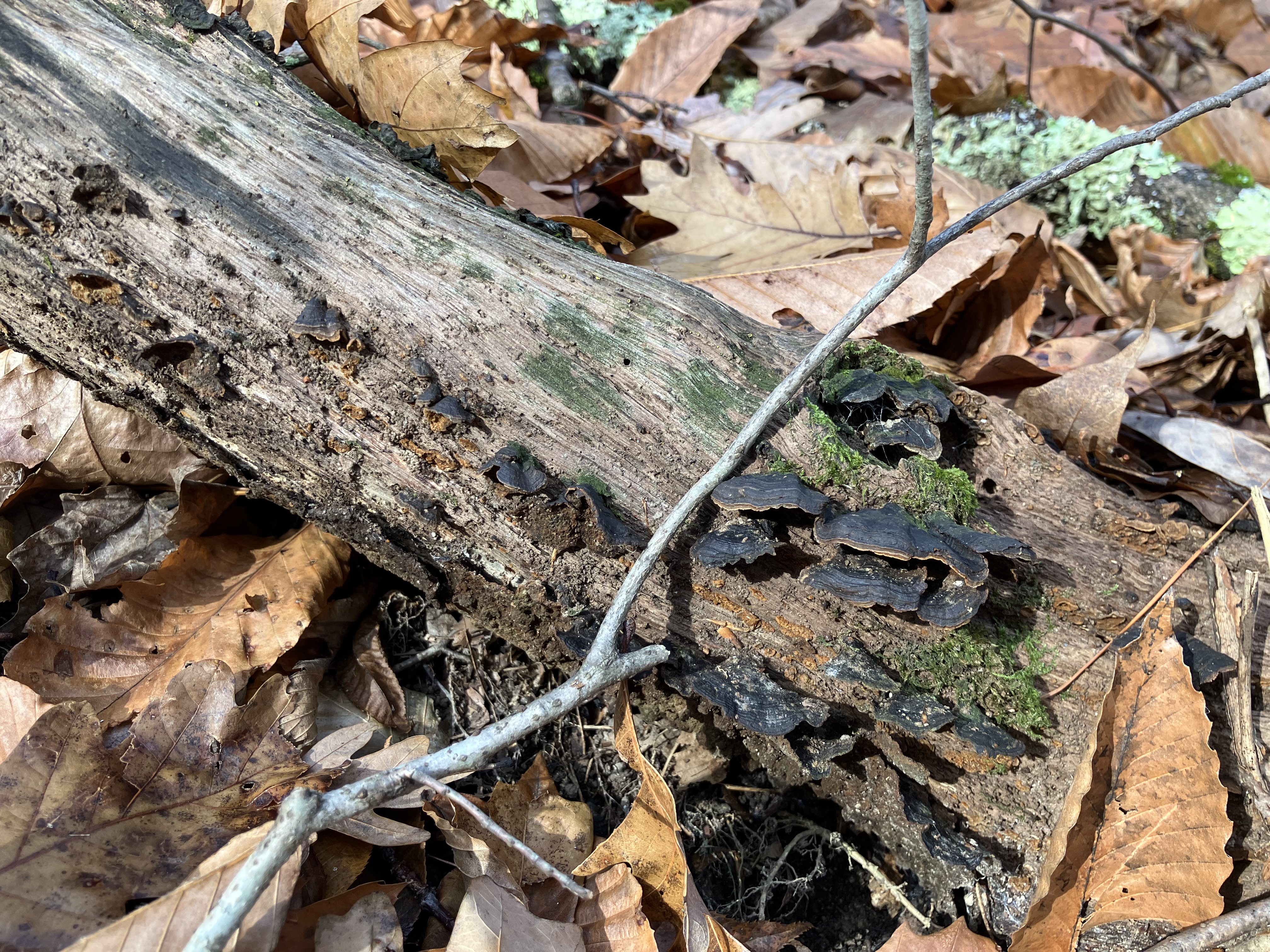
If however, we continue to cling to myths of an outdated Colonial narrative, as some kind of hero worship, we’ll continue to be at odds with our own survival. It’s scary to confront change and evolve. We humans like patterns and predictability, but that’s not how the world works, really, the only constant is change. Embrace the entropy model and figure out how you actually thrive within it. How can you shift the power dynamic? How might you change one or two small things in your life to step towards a more global way of thinking in your local activity? For me, it’s about continued learning, looking at broader narratives, like The United Nations. That’s a pretty good global temperature read based on broad multi-country data. America does not really like The UN, even know we host it in New York City. Though it comes out of the old colonial narrative, it’s also working to grasp global trends and actions that affect the most people on earth. If you’re repelled by this notion, finding it at odds with your America first notions, just remember that Rome fell eventually, and so will our own democracy if we continue to stick our heads in the sand and let dominion run our worldview.