Blackberry Wine

We’re back into fermentation fun here at EEC Forest Stewardship. Blackberry season was off the hook, and we took full advantage of this tenacious invasive bramble to harvest some sweetness. About 20 pounds of berries has gone into the pot with more sugar than I’d care to think about. That’s how you make alcohol with yeast, and we’re glad to get a handle on such simple chemistry to produce some home made drink to enjoy during the long dark nights of winter. It’s been a real challenge to get the chemistry right for best taste. For several years of attempts, I fought to keep the sugar inputs down, and ended up with fizzy juice rather than wine. Other years I’ve tried using only the natural yeast bloom on the fruit, but those experiments also came up short on taste. A recent almost success was kept in cask for 6 years before bottling. A wine expert friend suggested I put a little additional sugar in at bottling, which I did, and that batch was the best yet. Now, following a well reviewed recipe with simple steps of multiple sugar inputs and clear days of waiting between feeding the yeast and final racking, along with some added wine yeast has brought about two batches this year which I have high hopes for.

Blackberry wine is quite a straightforward process, yet its taken almost a decade to fully embrace all the steps and timing in a way to bring out the best success in the brewing process. The biggest challenge this year is temperature. Usually, September remains warmer, thus keeping the yeast active long enough to transform a good amount of the sugar intro alcohol. This fall, things are cooling off sooner than expected, and our fermentation has slown down considerably. The air locks on our carboys have stopped percolating, which signals the lack of fermentation. To counter this issue, we put a sweater on the jug and set it in the warm sun to heat up and start again. It’s working, so we solved that issue, but will probably freeze the berries next year and wait to ferment when the wood stove is going later in the fall. Temperature is so important in any brewing process, and without regulation, your future drinks may end up missing the spike intended. This is true for all fermentation, even food. A few years ago I tried making saki in the summer, not a great idea considering it was so hot out. We ended up with rice yogurt, which was yummy, but not a rice wine.

Fermentation is a great chemistry lesson, and fun way to preserve food. You don’t have to make alcohol, but it’s nice to have some home brew to enjoy and share with others if you drink. Fruit is a great starter in learning the brewing process, though beer kits are easy to find too. Because we don’t grow grains here at EEC, and blackberries are plentiful, wine makes the most sense. Just know there’s a lot of learning curve in perfecting your recipe and we’re still a long way from winning any accolades. However, this year’s batch is decent, good taste for great friends and family to enjoy a little flavor from our land. Gratitude to the bramble nation, the black fruit that comes on in later summer, and the hands that harvest and brew. Special shout out to chemistry, and the nature of fermentation- what an important gift.

Racehorse Creek Landslide Fossil Fields

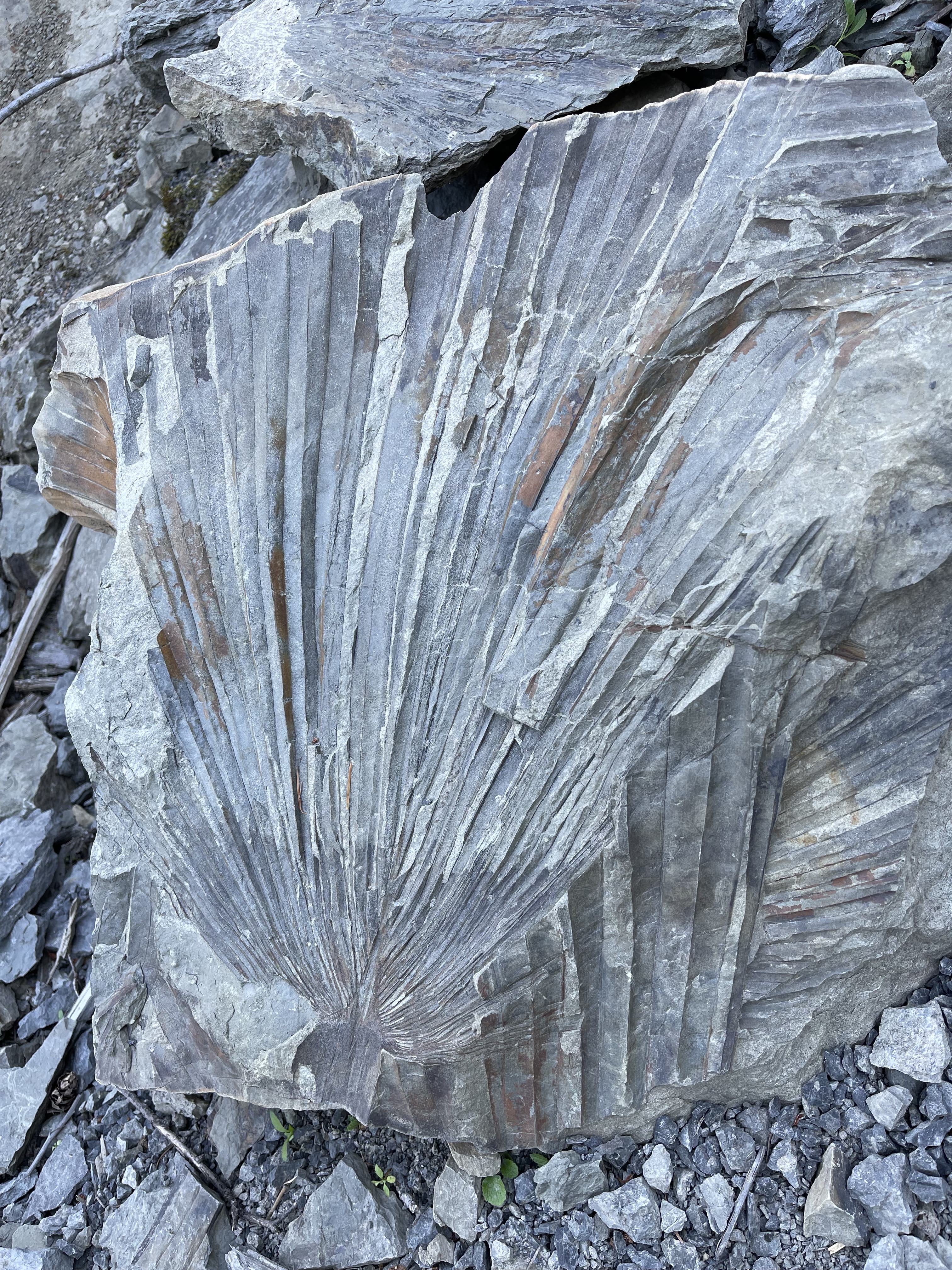
Fantastic Fern!

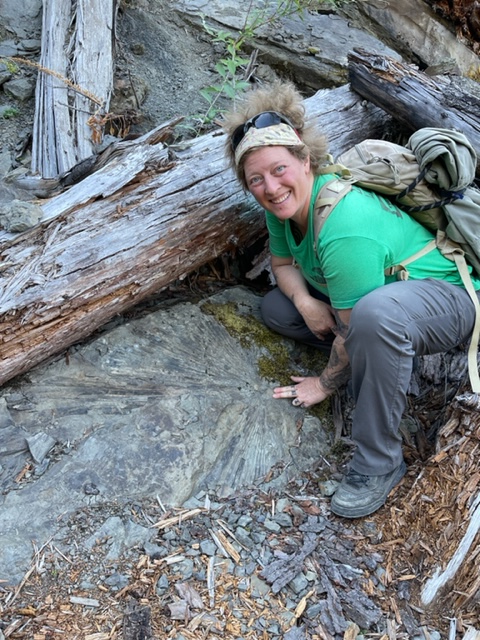
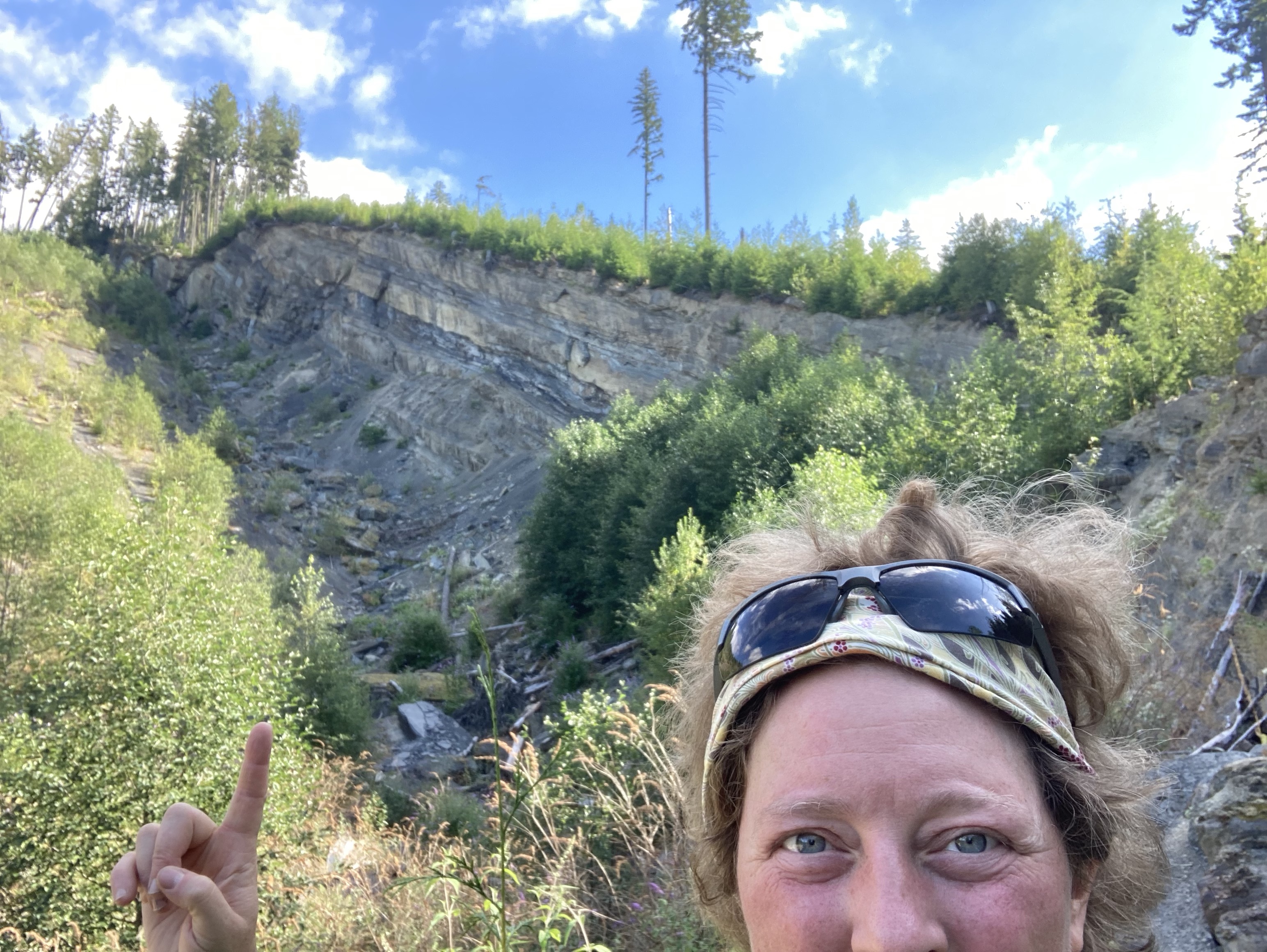
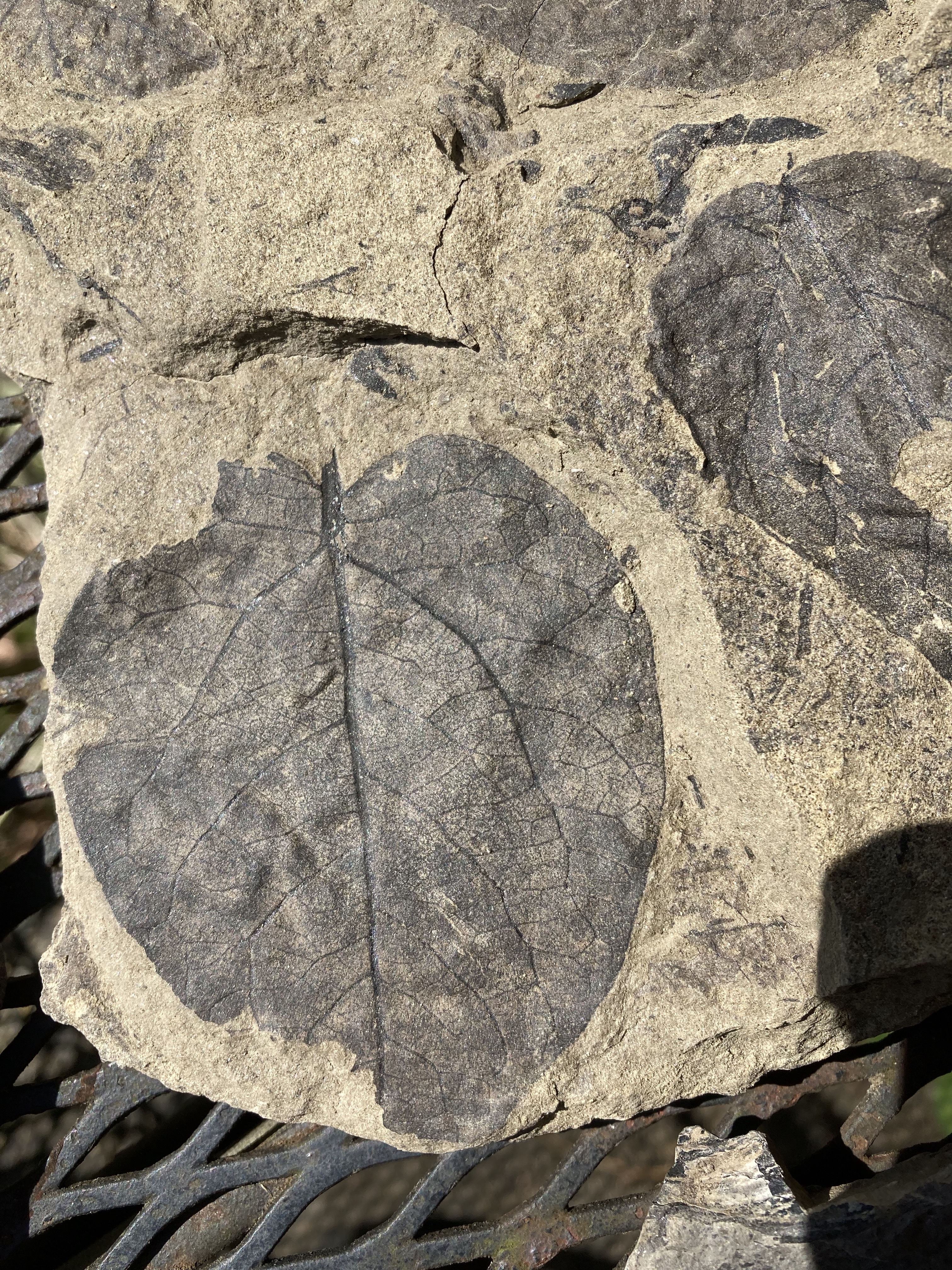
A late summer trip to Mount Baker for a fossil hunt. There’s a recent landslide that’s accessible by trail where you can find 50-80 million year old “talking rocks”. Much of the Baker area holds a treasure trove of fossils, in road cuts and flooded down creek beds, these Chuchanut Formation stone strata are revealed most dramatically just above Racehorse Creek on the north side of the mountain. There are great online maps and directions here. The hike is up steep escarpments, so be mobile and dressed to slip and slide on craggy terrain. If you not up for a hike to the slide area, you can hang out along Racehorse Creek at the base of the mountains and look carefully in the creek for fossils- you’ll find them.

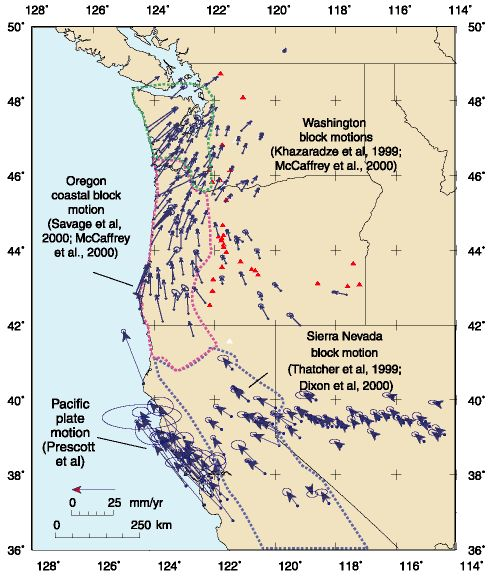
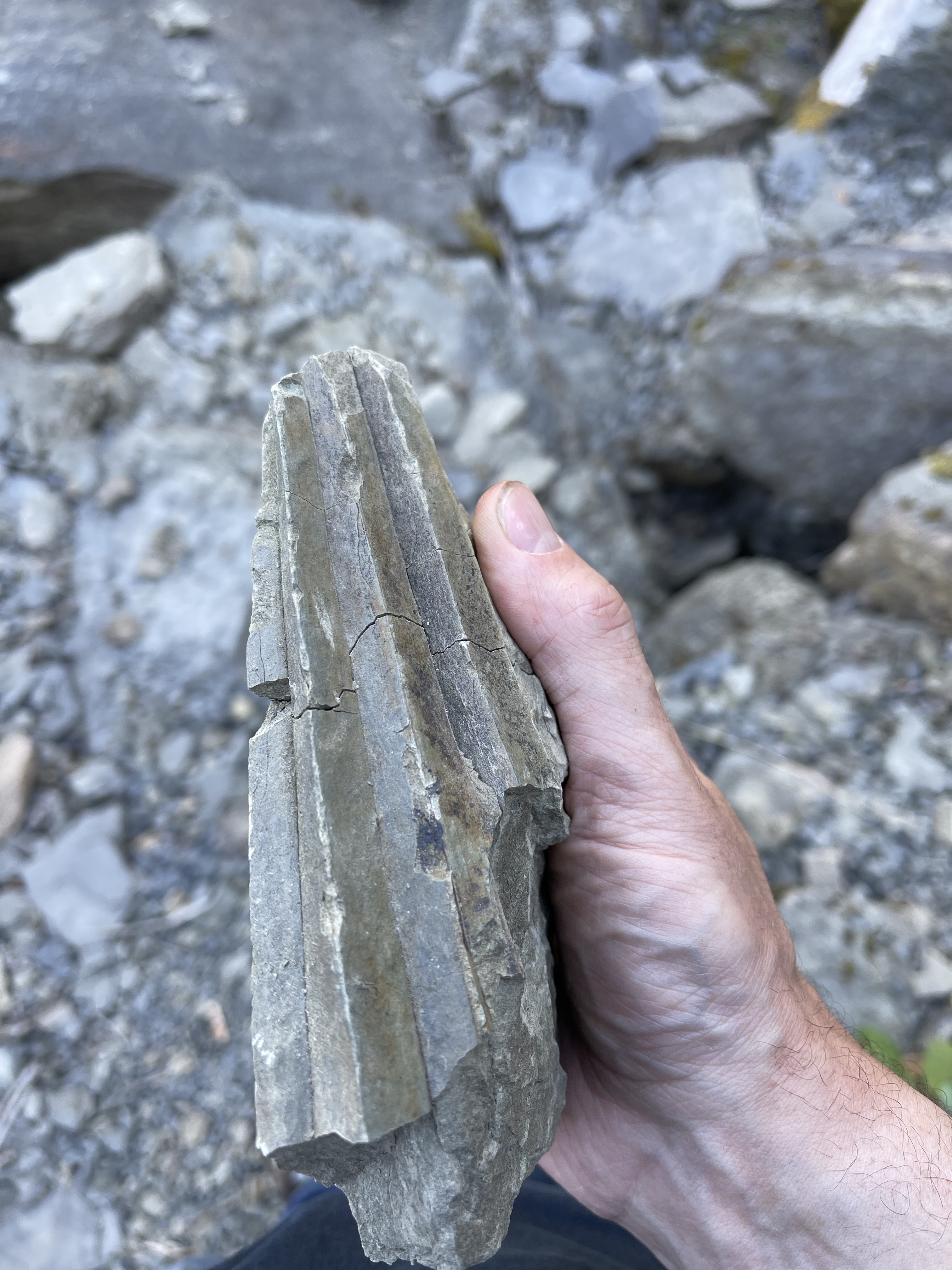
What you’ll see, with a good eye, ranged from full palm fronds unfurled several feet wide, leaves that might have just fallen from red alder trees of today, and bits of plant debris frozen in stone. No Medusa magic here, but millions of years compressed into petrified sand, mud, and fine silt. Geology is an active subject here in The Pacific Northwest. Out plate tectonics compel volcanoes and earthquakes on a grand scale. In the case of this landslide, we can visually begin to comprehend tectonic uplift from a distance, and count the layers of time all the way back to when this land was a beach, with tropical jungle located in present day Baja Mexico. That’s right folks, a lot of Western Washington has been moving up from Mexico for millions of years. That’s how tropical plants got this far north. The palms were not growing in The Pacific Northwest, millions of years ago the north west was under a mile of glacier ice. Below is a plate movement map, showing the northern push up from the south- the land from Baja continues a push north into British Colombia.

How it got here is exciting enough to understand- and the geological science is young, so stay tuned for more great evolution in the theory, for more on Washington State Geology and a lot of fun learning check out Nick Zentner of WSU. His Youtube channel is full of great lectures, in the field learning, and special guests sharing up to date theory. The Eocene fossils at Racehorse Creek help unravel the often confusing geology of our region. This area is known for being a hub of tectonic activity, and past slides of much greater magnitude have occurred in this area of Mount Baker before. Recent lidar mapping reveals an older, much greater landslide, and helps geologist forecast future instability in the landscape. It’s also opened up layers of strata to reveal eons of our past. That’s what drew me to this amazing place, and I hope some of you get a chance to head there for some awesome fossil hunting.

Chestnuts!

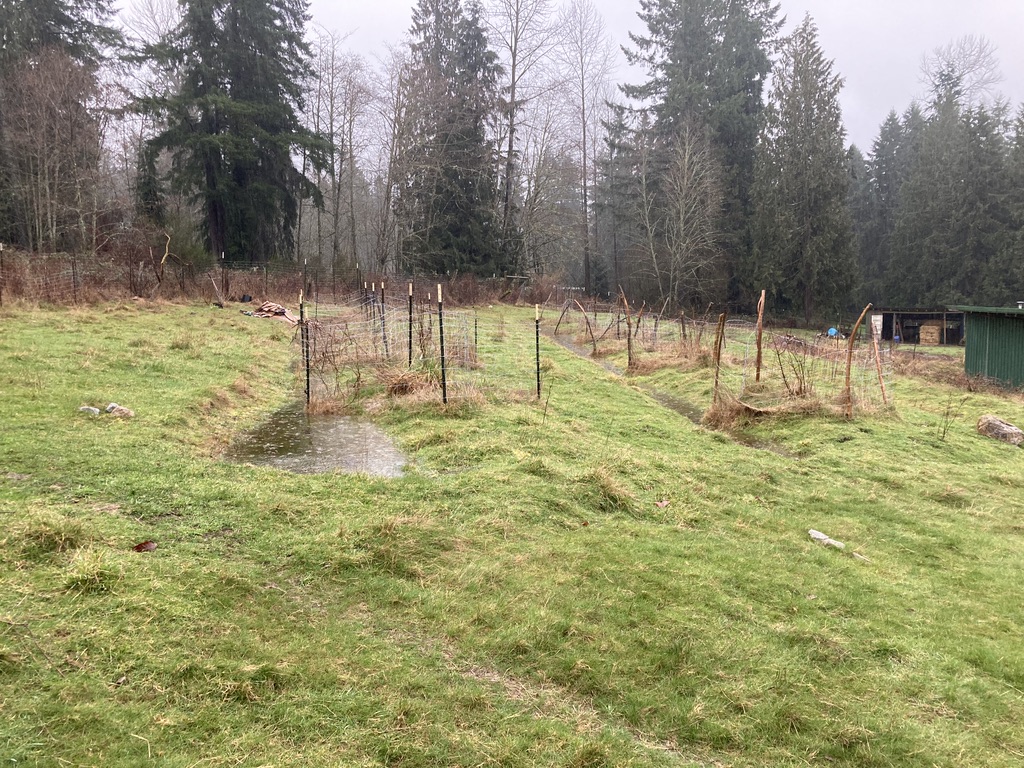
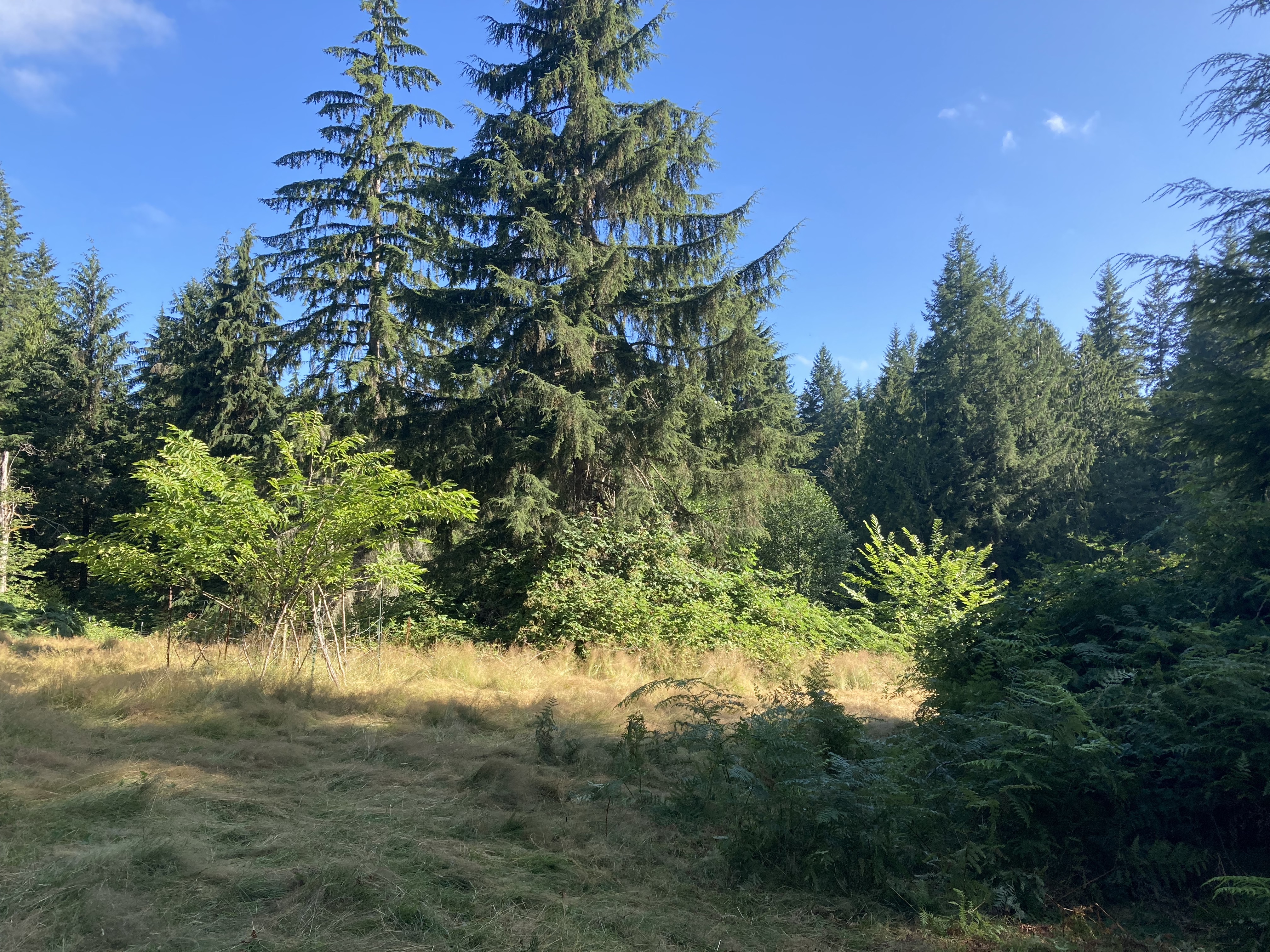
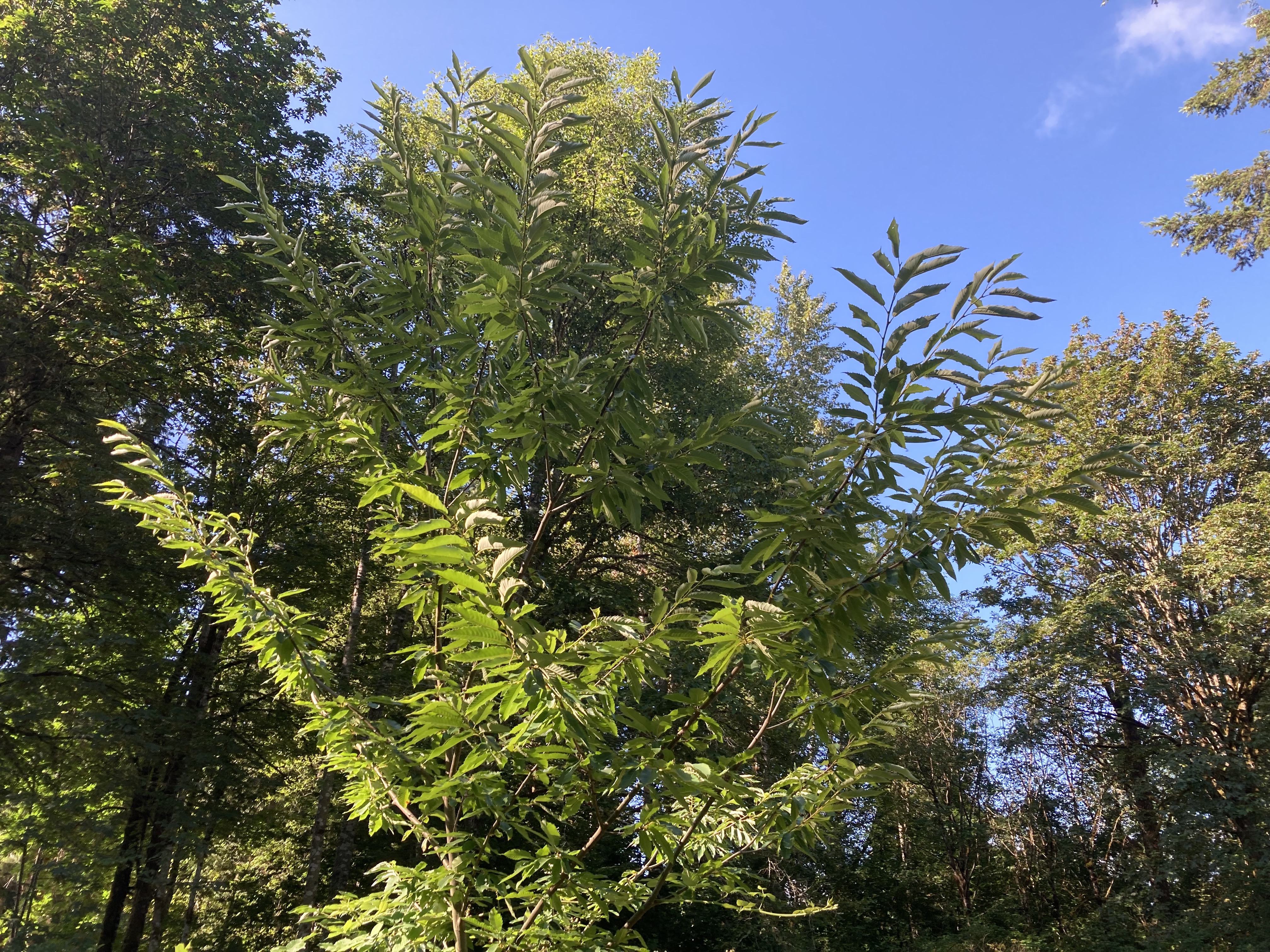
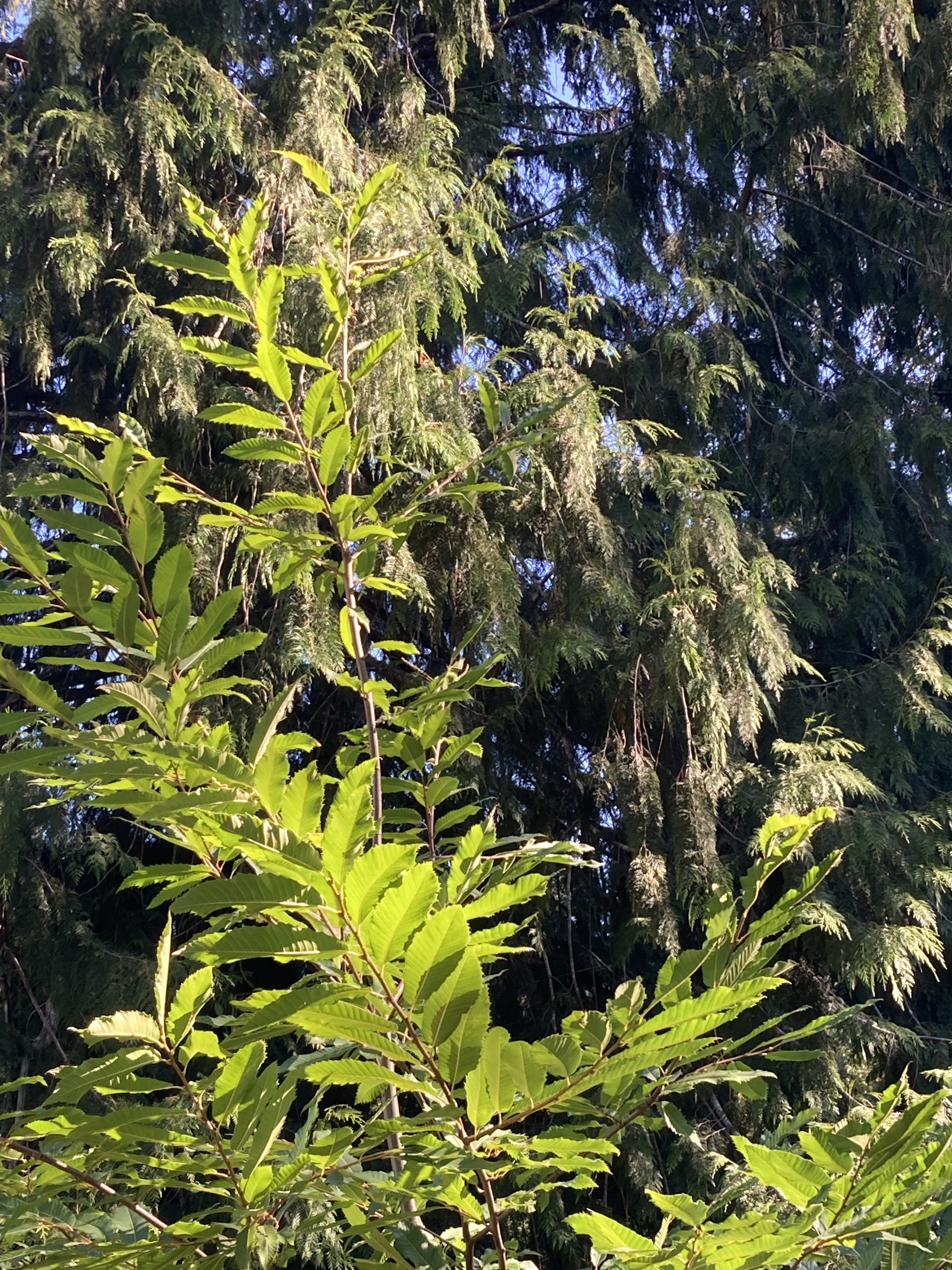
Yes, our grafted chestnuts are beginning to produce nuts at EEC Forest Stewardship. This fall, 2022, we’ll be acquiring more to complete our back field nut orchard. This deciduous initial canopy layer will offer luxurious protein and a great finishing crop for pigs. Within the next decade, more understory plantings will be implemented, and diversification of plants in our transition from field to forest will be fully established. The chestnuts will eventually be overtaken by evergreen natives and oak. But these cultivars will have a good long run beyond my lifetime. These tree islands are surviving without irrigation or pruning. The protective fencing around each tree allows sheep to graze without predating the young nut tree plantings. New plantings will also need protection, so more small fenced rounds with t-post backing will appear around each baby tree. Companion plantings should also be cultivated- and we’re already planning the transplanting of comfrey out of the established garden beds by the house. Yarrow and red flowering currant will be another good pair of understory plantings also able to out compete grasses.

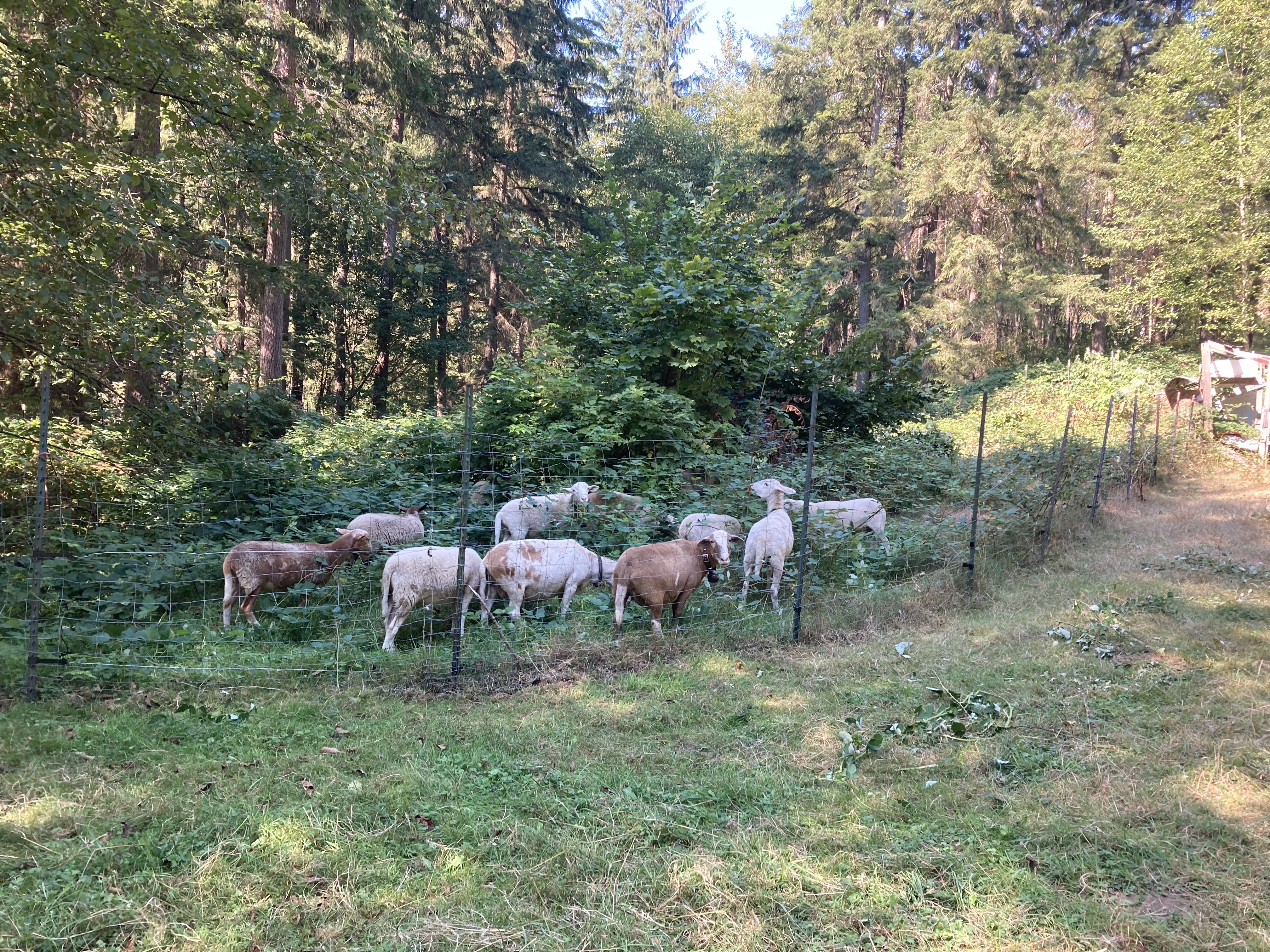
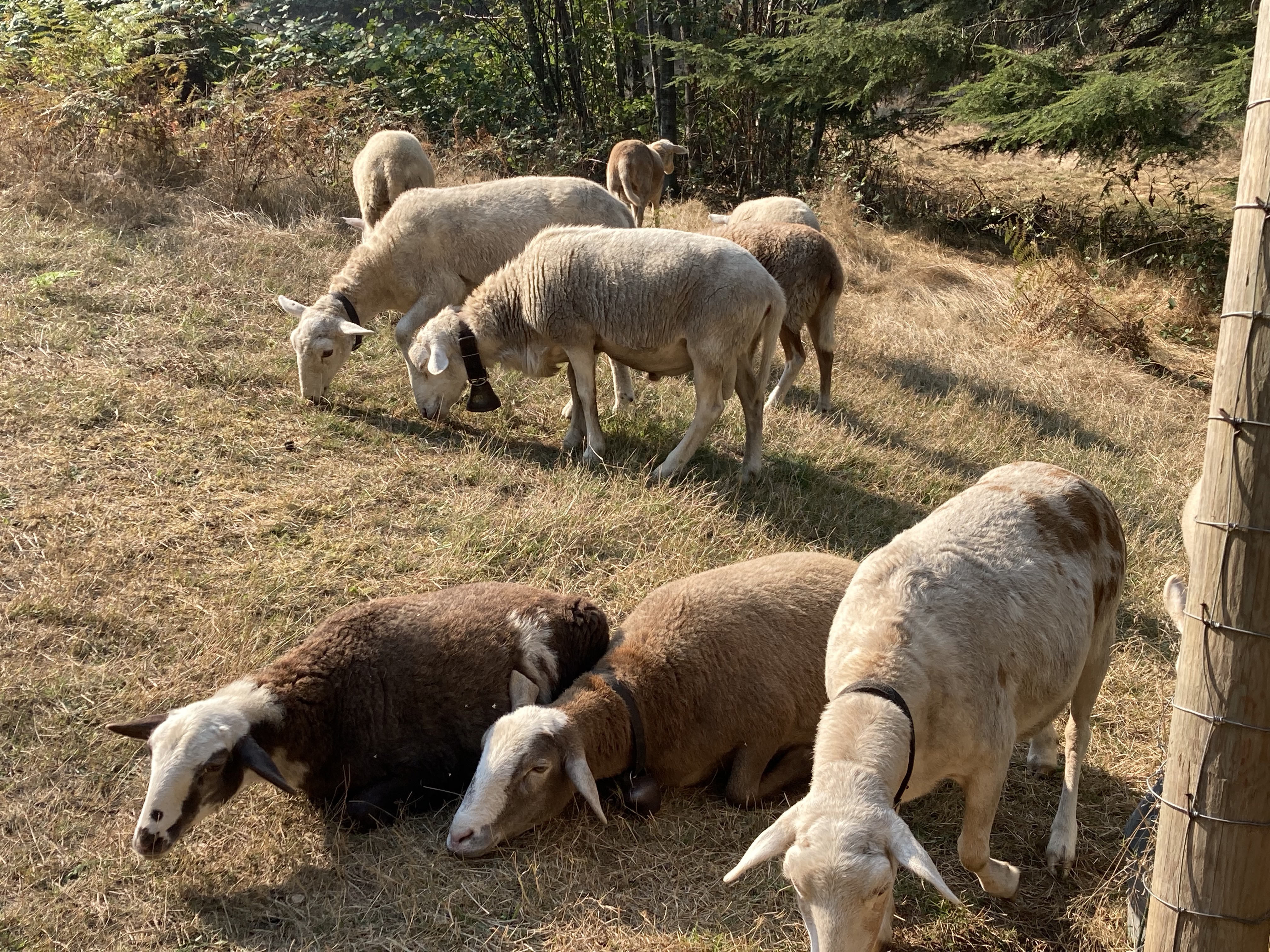
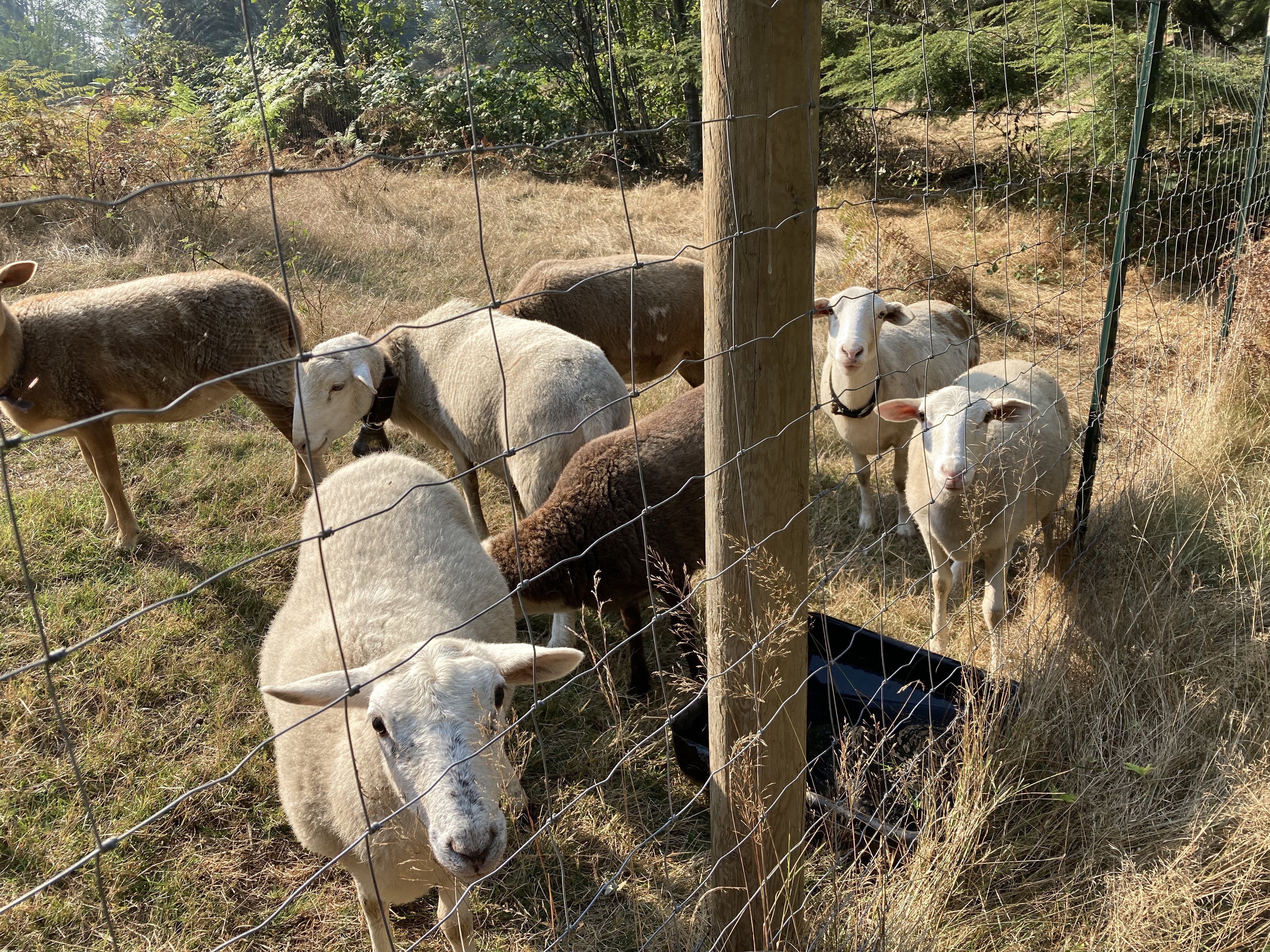
The back field is our next panned replanting of forest. It’s been a great tent spot for survival enthusiasts and a wonderful back field for our sheep to graze, and will continue to be a pasture and slowly morph into shrubs to brows and a mix of trees, openings, and layered ground covers. Our Cascade Katahdin Sheep are a browsing breed. Many sheep varieties- especially the woolies, graze grass, but struggle with leafy vegetation up off the ground. It’s important to have the right tools for the task, and here in the hills of Cascadia, browsing is a must to properly prune the thick hedges and brush trees. Our Katahdins love shrubs, including blackberry, and adapt well to hot summers and cold winters, like many of the species of vegetation we’re selecting towards here at EEC Forest Stewardship.

Sheep of all kinds also love to eat young trees, so the chestnuts have survived thanks to protective fencing around each trunk. We’re going to keep fencing our young trees so they get a chance to develop into strong towers of nut producing majesty. When it’s time to plant in the native forest around these nut trees, the sheep will be retired out of this field, or at least moved to part time, as the young plantings will need years to establish. A forest does not grow overnight, but it can get a foot hold in during a single lifetime. It’s an honor to be that snapshot in time where forests were invited back home to restore canopy cover here in Western Washington.

Continued Growth

Our tilled up strip in the pan handle continues to bloom. The deer are also browsing, but our diversity of options makes it hard for them to overtake any one species. There are also many deer resistant plants like yarrow and Gaillardia pulchella planted to improve our odds at establishing pollination. By the end of August, wildflowers seeded in late spring are showing their full glory in a first bloom. The color is subtle, but new flower friends are popping up all around, adding brilliant vibrancy to the narrow pasture space.

This Fall, we’re going to add more mulch, and put in a few selective fenced spaces to protect tree roots from vehicle compaction. This panhandle is also used by two neighbors as access to their properties in an ingress egress throughway, but the land is EEC Forest Stewardship, and the land on either side of the 14 foot access is mine to plant and cultivate. I’ve been in a bit of a struggle with said neighbors about changing up the space and taking away the lawn, but it’s my legal right to till the soil and plant my crops, so long as this action does not impede the road. Rather than hindering the drive- I’ve enhanced the view, and the restoration of the soil. What a win win for everyone!

My most aggressive neighbor still feels he needs to occasionally ground up my flowers with the blade of his tractor when he’s in a bad mood (pictured above). Since it’s a minor, passive aggressive action from a sad person with no healthy outlet for his rage, I can’t do much about fixing it directly. Some nice split rail fencing will help direct firm boundaries. I’ve been learning a lot about not so graceful aging, how to keep to the high road, and what change can bring. The flowers and healthier soil will continue, and a new generation with better land connection and restoration will outlive the old machine domination of an outraged, vulnerable patriarchy in its twilight years. Gratitude for land, legal boundaries, compassion, good work, and pollination stations.

COVID Testament

From a Manuscript at The MET Cloisters, NYC

It’s really not been that bad, because I am vaccinated- but could have been even better vaccinated if the government had not withheld protection. My Mom is not sick, which is a blessed thing- she was allowed boosters. I went and asked for one before the trip, was told no, but took the risk of traveling to New York City any way. My choice, my responsibility. What will haunt me now? Long term COVID, the possibility of other health complications due to COVID, and being a potential spreader. I’ve been masking since the start of this pandemic, and did all through New York, except when eating. Most others around my Mother and I did not. That’s how it spreads. Current theory on infection point was an unmasked luncheon with friends who did not mask at all. They found out the next day, after our luncheon, of positivity. We tested as soon as they confirmed with us of positivity and came up negative. I flew home to Seattle, spent a couple of days working the farm and catching up on things after a week away, and then came down with a fever the third evening back, and knew what had happened. Sure enough- the COVID test came back positive, and I spent a full day sleeping, followed by what it now my third day of symptoms, though far less aggressive than the first 24 hrs.

Though not religious, I can deeply relate to facing unknown (seemingly “evil”) circumstances, and looking to positive thinking as a way of transcending fear. In the picture above of imagined apocalyptic future, there are terrible monsters prowling the countryside, terrorizing the people. I think of human induced destruction of today, including ecological collapse, and the military industrial complex- we are, and have always been, the monsters attacking ourselves. Until each person can face their demons and exercise responsibility in the face of personal action- like not wearing masks, we will continue the slow slip into oblivion. Calling our misery a product of pure evil is an easy way to pass on our choices to fate. It encourages fear towards a perceived threat, where other’s actions will take something from you, rather than offering a hand in support. Christianity as I know it, having been raised in The Episcopal faith, and having an ordained Mother in that church, means love thy neighbor- every neighbor, and since we are a global community, we must all be neighbors and love one another. So, as reflected on in my recent bee hive collapse, what happens when the resources thin?

People want to be generous, but people can also be ruthless. We’re the only lifeforms that seem to juggle responsibility, ethics, and conscious- creative representation. That tree marker above was set with good intentions, with the understanding of humanity as a whole, in stewardship with the land, it’s precious resources, and the generations to come who would respect and protect them. Instead, “explorers” exploiters, recklessly wandered about robbing resources for greed, and it continues today as the legacy of Neo-liberal capitalism, as though money is all that matters today. Where once we were in connection with nature, products of it, and crafters within its seemingly limitless bounds, we turned it into a thing to be dominated through cruelty and brutality. Separating ourselves from that living world we killed ourselves, and repeat the process with each new generation. Our species is not regulating with nature, and so, nature is now delivering a universal leveler which we, as mere monkey mammals, cannot win against- virus.

St. Michael Slaying Satan at The Cloisters MET, NYC

Our faith in vaccines assumes we’ll forever adapt medicine to keep our species alive, but at what cost? Right now, I’m already a once infected person who was denied additional protection because I’m young and capable. But what are the longer health issues now activated withing this complex system of my body? I’m certainly still, a month later, experiencing brain fog, exhaustion, shorter temper, and some struggle with sleep- is it COVID? Could it be related- as the stress of sickness, climate catastrophe, inflation, the systematic attempted dismantling of democracy, loss of right to my own body as a woman, and hay prices challenge the very nature of my life? All of the above? Yes. People are very short sighted, and can’t see or won’t see the cliff ahead.

We’ll continue too crap in our water with household chemicals, burn our air into fossil fuel oblivion, and keep vaccinating as new drugs are offered up, until they aren’t. We’ve been watching, passively, on slow-mo thus far, but mother nature is revving up. We’re experiencing exactly what our medieval ancestors feared and knew to be the truth- that death cannot be bought off, it comes for us all at will. With helpful hands we drive, wash, spit, and crap into the wind through modern convenience and corporate greed. Just pop onto prime and order another load of guilt ridden consumerism. Tip back another glass and sing the end with joy. I know I did in New York, and COVID might be the least of my worries.

Bee Truth

Honey Bees are an imported species used to pollinate commercial food systems. Domestic honey bees have been developing in direct relationship with humans for thousands of years. Their abundant success lasted until about one hundred years ago, when cumulative chemical pollutants and devastation of habitat was just beginning. Now, with so much destruction of pollination larders, and food growing no longer in practice in most backyards, honey bees are feeling a lot of pressure. In the 1970s, a green revolution in better living through chemistry exploded onto the agricultural market. You can read more about post war to current age (there have been three) military industrial complexes here. There was understanding of what those chemicals would do, but little science on how these chemicals would impact our very molecular structure, once released in large quantities throughout our environment.

Science makes the world a better place, like feeding starving people around the world through bountiful chemical miracles. Humans thrive, while the clean air, water, and food we rely on to survive, saturates with poison. Many others in the animal kingdom, besides ourselves, have disappeared almost overnight in what scientists are now calling another mass extinction. This one is human induced, and more recent chemicals (industrial evolution in the past 100 years) we’re spraying on crops to counter our zealous for mono-systems, are fully vulnerable to catastrophic loss. Should the genetic modification prove faulty, which it always does, massive global starvation is inevitable. We’ve also spent so much time trying to fight off insects and fungi <- (this link is ominous at best), that we’ve stopped caring about what death chemicals do to ALL life.

For bees, the mono-chemical death blow was, and still is, a nicotine synthetic, neonicotinoid. This pesticide used widely in crops around the world, has been slowly weakening bee immune systems as they fight to stay alive in a slow poisoning. It’s also detrimental to many “pest insects” <- I have lost many plants to insect predation, but also gained much biodiversity, thriving bird populations, and good pollination on most production species, like orchards. The native plant pollination is usually exemplary, with our two most common invasives (blackberry and knot-weed) being corner stone pollination options for domestic bees. This all sounds so out of balance because it is. Bees are loosing the battle to sirvuve, and human use of industrial chemicals in agriculture is just the beginning.

In their immune compromised state, mites took hold, and you have to treat hives with other chemicals seasonally to keep the parasite count low enough for the colony to survive. You can use formic acid treatments, which are organic, but you still stress the hive and loose a lot of bees in the process. Hives are piled up next to one another in close setups. These social, physical animals will contaminate the entire colony rapidly with only a few initial infections. You have to keep treating for mites all the time, which does not feel very holistic or sustainable for the bees.

Meanwhile, why do we keep bees? HONEY! That medicinal wonder is in a highly concentrated form, please don’t think the chemicals in the bees isn’t also going into the honey, and we’re eating it folks. BE aware! The earth is a closed loop system, meaning all the chemicals we make stay, and sicken us as they do the bees, and all living things. Our pollution output has added up over the years, gotten into the soil, air, and water- even human blood carries a toxic signature, and we’re eating about a credit card of plastic each week. The bees are one of many indicators that things are at a serious tipping point.

After a recent war with another colony during a rough spring of slow starvation, the colony fled its rotting hive filling with maggots. The bottom super, usually a thriving nursery for brood, was half full of dead bees, and what was left of the colony could not clean them out fast enough. Rot set in, and the brood died, adding more death. The queen packed up and shipped out, swarming into the Japanese Viburnum, and then into a black cap raspberry shrub for protection. I set out a new, clean super, and, without a bee suit or any protection, slowly scooped up the branches holding the bees, and dropped them into the new box. I still have no idea if there’s a queen in this hive, but I have continued feeding the bees still there, and some do float in and out of the entrance with pollen. Perhaps the colony will survive, but EEC is not looking to perpetuate bee keeping, as we cannot produce enough food, or contend with the chemical treatments expected in keeping a colony mite free.

Our goal was to care for an important indicator species on the land, not harvest honey for any commercial gain. Perhaps, if the hive survives, and we continue feeding them 100lbs of sugar a summer (for one hive), we might take a frame of honey for medicine, but that would be it at this time. EEC does not use any pesticides or other synthetic chemical treatments in the soil or water. We do run engines, so chemicals are around, and we cannot control what our neighbors do, and some do use chemical agents on their lawns and on their flower beds. We do not know of any commercial agriculture operation near us now, but in the 70s, dairy happened up the hill. We test our well annually for nitrogen, which could eventually contaminate through the water table. Luckily, we do not have any evidence of PFAS in our area- yet. Because it’s all connected, even our atmospheric rain carries chemical pollutants around the world. Our bees have to take the stress of all these human inputs, then also provide food- a super food, which us usually what allows the bees to thrive and survive. Now that bees are barely surviving, they really don’t have extra for us, and we should acknowledge the loss.

It was a cold, wet June in 2022, so the bees were already struggling. Looking at what’s left of the brood comb with my mentor, she pointed out that many of the bees are butts out in the comb, instead of face out to be fed. My mentor called that starvation practice, which is another signal to me that the bees don’t have enough food, that our land cannot support a hive with other hives in the area. It’s ok, I’ve learned how much goes into propping up domestic honey bees and I’m making the choice to stop funneling energy in that direction at EEC. Instead, we’ll keep planting our more diverse flora and monitor the native pollinators, supporting them with good habitat and no chemical poisons. For insect control, we encourage beneficial friends like Coccinellidae, and apply neem oil on heavily predated plants when necessary (I’ve actually only used it once- on our Kaffir Lime).

We’re sad about loosing our bees, but recognize they are not a realistic system at EEC, for now. Our neighbor who is keeping bees will help us pollinate the orchards and be a source of local honey, so we’re happy to see this as an opportunity to encourage her bees while developing our habitat for denser plantings of pollination species. Our next update on the recently planted pan handle will feature these expanded habitat plans. There is also some amount of grief in giving up the hosting of bees. Learning from them was amazing, and their signal for us to develop stronger pollination habitat rings true. We’ll keep planting and restoring for our bumble bee and hover fly (too name a few), and enjoy seeing our neighbor bees flying through too. Recognizing the problem is the solution always reinforces the relationship of change in all living things, and to adapt as nature dictates.

Summer Reflections 2022

June was gentle, with cool wet weather delaying many flowers and fruits of the season. Peas were off the hook, and nettle held its lush, tender leaves. Grazing was fantastic for the sheep, and ewes put on good weight through milk production, and the lambs bulked up on rich milk fast. We sold out of stock this year before Solstice, which was a great blessing. Fishing continues, with the goal to find a small dingy for alpine lake trout. Cedar waxwings hung out, gleaning fig beetle larva off our Japanese Snowflake Viburnum. Because of the cool weather, we lost a lot of germinating seed in the garden- the risk of direct sewing. Slugs won this year’s garden race, but our established perennials are thriving.

July has been tame, giving us a feeling that this summer will be pleasant and typical for Western Washington. Strawberries were out late, but fruit trees seem well pollinated, even with the cold June dampness. Our Bee hive collapsed after a struggle for resources with another colony. Leafhopper Farm will not resurrect the hive again, instead focusing energy on the continued development of our pollination resources for native insects. Our new dingy, named “Alaska Amber” by my partner, has carried us into good alpine lake waters as we continue harvesting the wild and stocked bounties in freshwater paradise. The sheep are enjoying out “back forty” pasture with ram introduction. Gill, our LGD champion, enjoys good pets and doggie play time with Valentine.

July brought us a 90sF weekend with a 30 degree temperature jump overnight. As we head towards the end of the month, a week of 90s is set to push the limits of our ecology again. When August comes, wildfire threat will be hot to trot across much of The West. If this summer continues to be “normal”, we’ll hope for some rain, and cooler temperatures to prevail. Watering remains a high priority, along with weeding, including blackberry suppression. Harvesting herbs, seeds, and berries brings much looked forward to rewards of labor. Watching the swallow tail butterflies seeking nectar across the newly planted oak grove, gave me pause to think on an ever changing landscape, bringing many lives together at different times. I reflected on how much change the butterflies had imposed to that landscape over thousands of generations, compared to human impact in only a few.

Up until the late 1800s, people had lived on the land for thousands of years within tight knit communities that had thriving culture and established territories across the landscape within great temperate rain forests teaming with life of all kinds. Then, European manifest destiny came and imposed western implementation for resource extraction from what was deemed an inexhaustible supply. That generation of thinking continued into another, and another, and then neighborhoods of patched together squares and odd angles split land into pieces for personal want and gain. Pastures replaced slash and burn, and a new onslaught of domestic consumption arose. Horses, cattle, and human extortion through mechanical abuse continued into today, where we still mow, till, and sew our demands from the soil. That’s a brutal picture, and it’s important to look at with the same lens as the butterfly.

Nature has not stopped, the complexity before us, the system we are intimately woven into might be lost in some ways, but found in others. Temperatures will continue to rise, causing the decline in western hemlock, which you can see dying center stage in the video above. This clearing was cut and burned at least twice, and has been grazed by pigs, cattle, horses, goats, and today, sheep. But a forest is also growing here- big leaf maple and hazel stand with oak. There’s some knot weed, which will be shaded out in time. The oaks will outlive the maple, which will decline much like the hemlock if the heat continues. In this human lifetime, turning the tide on extractive, to a focus on regenerative shifts our impact towards the lofty butterfly. That winged pollinator drifts in unseen currents of constant change- it is adapting to what nature offers, not adapting nature to suit its needs and wants. The butterfly plays only one part in the whole. For people, it’s sometimes very hard to accept that the earth spins around the sun- so to speak. I promise you, it does, and we are helpless little beings that will only survive if we adapt and change.

Talk About The Weather

June in 2022 has been wet and cool. It’s fantastic in so many ways, I’m grateful for the cool comfortable working conditions, the abundance of water on the land, and lower fire danger, at least for now. Our currant weather satellite shows moisture vortexes being pulled up from the tropical southwest, this Pineapple Express has continued to carry atmospheric rivers into the Pacific Northwest, and it’s making the lush green forest and pastures thick with vegetation. Last summer I ran the weed wacker only a few times. Now, I am cutting back incursions of blackberry every few days. I wish the vegetable garden was as enthusiastic about this weather, though some crops are thriving, like sweet peas, and the beets have not yet bolted.

But the bee hive is struggling, cold, and unable to pollinate flowers that wilted early in the damp cool environment which persists. It’s not going to be a boom year for hot weather crops that take so much time to mature in the short warmer summer days this far north. I’ve tried to move away from greenhouse extenders. If I want tomatoes, I will go to the farmer’s market and buy a flat of tomatoes from the east side of The Cascades to enjoy and can for future need during the winter. I’ve focused more on what grows well here, from kale to nettles, there are fresh greens that thrive 8 months out of the year, and with cold frames, I have enjoyed kale and lettuce year round when I’m attentive. But in the ten years I’ve spent working with the soil in this place, I’ve come to realize I’m not a passionate gardener. I prefer establishing perennial shrubs and reforestation. My food production focus has and always will be the animals. The livestock build up enough fertility in this lifetime for a future forest to return.

We received a lot of grapple in early spring this year. It’s a nice slow seep way to get water on the land, and in the soil. I worried that the hard ice pellets would disrupt fruit blossoming, but the flowers seemed to dodge any major bruising, as fruit is starting to form on the pollinated buds. If I try too comprehend the continued exaggeration of climate shifts, then perhaps this grapple might grow to serious hail size in future, thus destroying the fruit tree blossoms down the road. I could also see things swinging in a warmer direction, in which our summers become long drought periods, which we’re already planning for with the pillow tank for irrigation, and earthworks to slow and sink all the water we can during the rainy season.

By mid July, 2022, we’ve experienced only one weekend of real heat, but it came in a great swing from mid 60s to low 90s overnight. That was a shock to most of the vegetation, and the animals I’m sure. In the swelter, our hive was robbed by other opportunistic bees looking desperately for food. We began the seasonal ritual of sealing up the house- including insulation sheets in the windows, and fans circulating the air inside as humidity rises. Last year, 2021, when we had a week of high 90s and a record braking 112F on our front porch, we invested in a standing AC unit, which will keep the appliances (like our fridge) from failing. It’s also a lifeline for us, as our inside temperatures last year reached 92F. On that day, my partner had mild heatstroke and spent some time in a cold shower to moderate his body temperature. Outside, our dogs had a shady plunge pool and the sheep hung out in a thicket to stay cool.

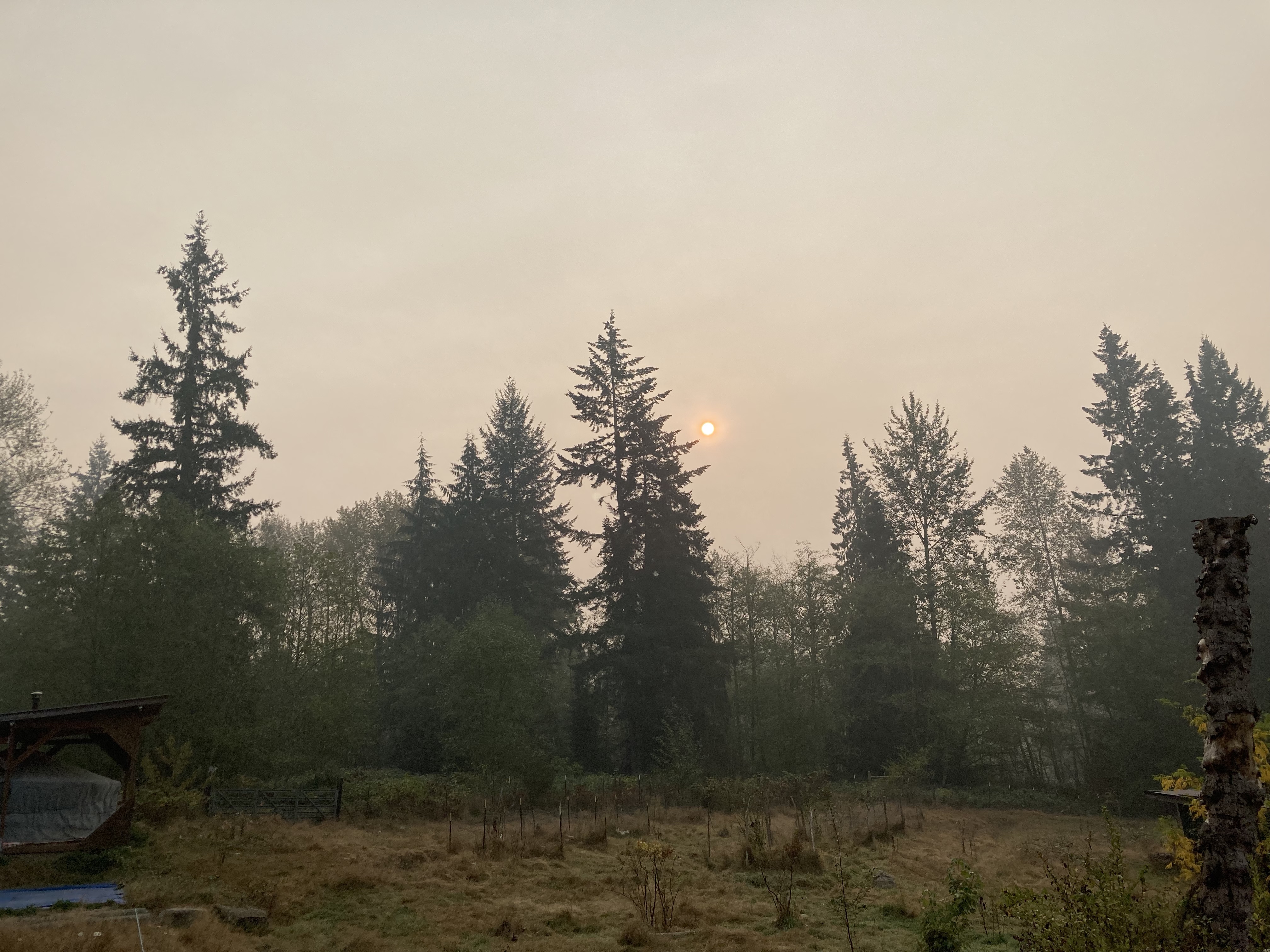
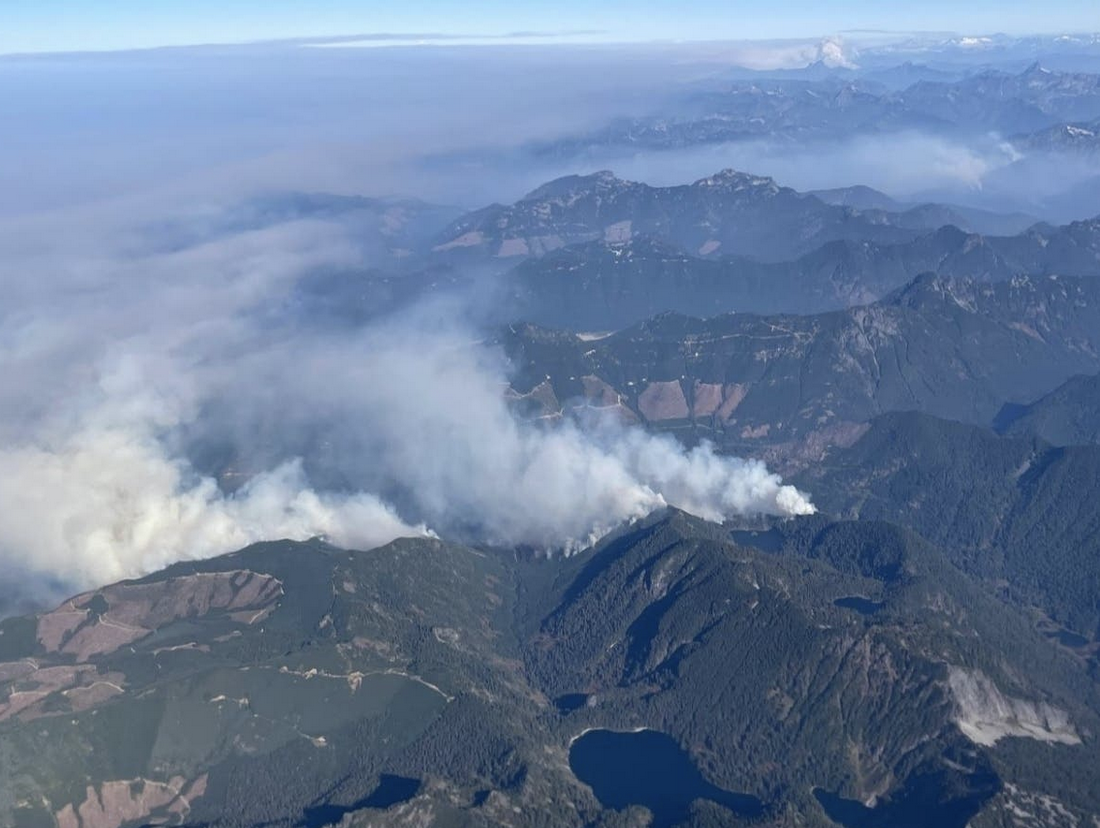
We’re going to climb back into the mid 90s next week, and it will be a time of strain for all the plants and animals, including us. We’re planning for weather like this to continue, and planting future generations of forest that can adapt. At EEC Forest Stewardship, we’re looking at the extremes to come- like harsher winters with heavier snow, and grapple that might one day turn to hail, like the events seen in Europe this Spring (2022). I’m also thinking about wind, wind and tall trees with shallow root systems. Yes, the weather keeps me up at night- especially when I sit and watch the treetops dancing ominously, listening for any snaps or pops near the house. But the greatest threat is fire. This year, we’ve been lulled into a false sense of security by a damp Spring and cool start to summer. Now, with two weeks of little rain, surfaces exposed to sun are drying up fast, and watering regiments dictate daily routine.

As the pendulum swings towards further extremes, we have to think about resiliency and catastrophic response capacity within community. Here in King County, there are well established response plans and evacuation centers setup throughout our region. Knowing where to go and when is important, so look into local protocols where you live. Have regularly updated first aid supplies for home, and a weeks worth of food and water rations. Create your own emergency response kit and check in with friends and neighbors about their preparedness. Make evacuations plans and know how to walk to safety if roads are blocked. We’ve experienced sheltering in place for COVID, and that taught a lot of important lessons for our future preparedness. Know that chances are slim, but by having your own ducks in a row, you can then support others in their time of need. This is the greatest importance of preparedness, by having a plan and resources in place, community as a whole becomes stronger in the face of coming change.

Silvopasture

Forest Stewardship is the name of the game here at Leafhopper Farm. Regenerative agriculture plays an important role in bringing back intact canopy of our keystone ecological system here in Western Washington- The Temperate Rainforest. Clear-cutting the landscape, especially in hill country, where the soil is more vulnerable to erosion because of slope, covering and retaining topsoil is most effectively done in these topographies with trees. It’s why any good hill farmer in Western Washington using livestock should be invested in silvopasture.

Here at EEC, the logging industry deforested this hillside multiple times, then 9.8 acres was subdivided out of a 160 acre parcel, and a homestead was born. By then, in the 1970s, elk were gone from the hillsides. The old forests, which had witnessed thousands of years, disappeared overnight in an horrific act of manifest destiny. With the protective canopy gone, rainy climate and sloped terrain in the foothills of The Cascades created erosion as soils washed down into rivers and out into the sound leaving degraded land cleared for agriculture. Pastures were established, and a few acres of forest somehow managed to naturally reseed and mature. Now, a generation later, fertility is starting to rebuild as the reintroduction of understory in shrubs and ground cover helps support the forests return to old growth. The sheep are also slowly removed from areas of the land as new forests are established. We’re planting in from the edges in most areas. There is a replanted maple and oak forest marked below on our land map. That and our CREP project in Weiss Creek are two officially replanted forests on the property.

This map shows the major part of our livestock rotational grazing area. There are two main paddock systems that are fully fenced, and we sub-divide those areas into smaller paddocks using portable electric mesh fencing. This is enough grazing for our flock of 13, and has supported seasonal grazing of up to double that number, with winter feeding almost exclusively on imported alfalfa.

The yellow area is out most recent replanting of maple, oak, and pine. It’s fenced to keep sheep out. We put our rams in there for short stints to eat up the blackberry and grass. The unmarked area to the left of the yellow area is the rest of that grazing paddock, consisting of three pasture spaces in about two acres.

The red area is out CREP planting, and no livestock systems can happen here. We move the sheep through on a road crossing a bridge over Weiss Creek, a salmon bearing stream, to access the back pasture south of the red CREP area. Much of this 2.5 acres has been replanted with native plants and continues to remain protected as restoration space and active wildlife corridor. This habitat remains the most divers and ecologically sound landscape at EEC Forest Stewardship.

This area of EEC is not commercially productive, but could be utilized as a foraging area for materials, medicine, food, and some animal forage- if we cut it and take it to the animals outside the CREP space. We also have permission to plant any other non-invasive species in the area, encouraging more diversity.

In the back pasture, we have established a nut grove comprised mostly of grafted chestnut verities planted in 2017, from Washington Chestnut Company. We plan to implement another planting in the fall of 2022. This fenced pasture is our largest at 3 acres. We can sub-divide the space into eight smaller pastures using portable electric mesh fencing.

The green highlighted area is about 1 acre. As the nut trees establish, creating good deciduous canopy, we’ll fill in with understory species of other food plants with a focus on native verities when possible. With climate change causing much dryer periods of time, many of the temperate rainforest species will struggle to survive, so EEC plans to introduce species capable of adapting to the fast changing times.

Our Cascade Katahdin Sheep are a perfect breed of browsing and grazing sheep to work in the many layered heights of vegetation. They are also adaptable to changing temperatures from scorching summers on the east side of Washington, where this flock started, to the bitter cold winters in Maine, where the Katahdin breed originated. Our flock has thrived in the wooded hillside environment through all the seasons now for going on four years, and EEC has been working with sheep on the land since 2013. In that time we’ve also established many new tree groves with understory natives, and continue to plant in from the edges with more forest and hedge to restore protection and stability to the landscape.

Fruit Orchards also play a role in our vision for the land here at EEC Forest Stewardship. Not all the forest we’re planting is native, some excellent domestic fruit trees are establishing, some of which are putting out fruit for the first time this year. It’s always encouraging to see fruit on a tree you planted- and a special shout out to my Mother for purchasing these trees. The grove is named in her honor. What these trees are in need of is ground cover companions. We’ve got a plan for that, and it has taken a few years of budgeting and some climate change revamping of species selection to better adapt to the hotter summers we’re expecting in future. We’ll also be replacing a couple of fruit trees that have failed, as some verities do when you are establishing any grove of trees.

At this stage of cultivation, we’re still trying out different verities of apple, and pear. Russet varieties seem resilient to blights and insect damage, and that’s what they were developed for in the first place. There’s endless info out there on heritage fruit, and it’s a wintertime pleasure of mine to pour over historical records of these fast disappearing gems. I’m also always thinking about the native North American fruits that thrive in our region. The fruit and nut trees have to be fenced off from the livestock, and even native young trees need protection when establishing. Though the natives take off faster and need far less attention to reach healthy maturity. That’s a fact I’m always turning over in my head when I’m looking at agricultural crops vs. wild species. In the long term, trialing blackberry will win out over strawberries or raspberry cultivars.

So why are the sheep so important to establishing the forests? They brows and graze, turning the vegetation into nitrogen rich poop which they spread around at they eat in the perfect quantity to regenerate fertility in the soil and providing meat protein for our omnivore diet. As I’ve talked about in other writings, the sheep are taking the place of elk and deer who would have roamed these hillsides in vast numbers when the old growth still stood and wolves helped manage the herds. We’re a far cry from that intact ecosystem, so we have to offer substitutes and take advantage of gaps in regrowth to input diversity in species for additional food and medicine we humans seek sustenance from through cultivation, which can still go hand in hand with restoration too. This creates a more furtive ground for the trees to thrive, the animals to jive, and the people to survive in an ever changing environment.

Gallant Grazing

Leafhopper Farm Cascade Katahdins are making a meal of our spring meadows at EEC Forest Stewardship. There are some great vegetative vantages with the help of more rain and cooler temperatures in June. Our flock is delving in to delicious abundance and we’re planning out our rotational grazing for a good mat of thatch to keep moisture in and temperatures down within the soil. June 22nd finds us still enjoying cool temps and misty rain, but by the 26th, in just a few days, we’ll be spiking to the 90sF and Summer with start off with a BANG! Having observed the flock in high 70s on Tuesday, I’m concerned about this sudden spike for the gals, and all living systems. It’s the exponential growth in global temperatures that will have greatest impact this year. We’re rolling out a small AC to keep our appliances in the house from failing. The sheep, dogs, cats, and chickens will have shade, water, and as much comfort as we can provide outside.

For the land, we insulate the ground by letting the grass grow a little longer, and moving the sheep a little sooner than usual. The fields look shaggy, but that rough cut will provide mulch the soil will need to protect against hot temperatures. Evaporation from exposed topsoil would make any cultivator cringe, so keeping grass on the ground is imperative for water retention. If you mow your lawn, set the blade up a few inches so the grass remains thick near the root. I’m always surprised at how grass is cut so short in the hot summer. If only we could see the evaporation happening, the loss of water from the soil kills all life on the surface. UV rays bake the earth’s surface, and sterilize, which denudes the soil of its living structure, rendering it sterile, which is impossible to cultivate food in. Yes, tall grass can be a fire hazard, but only if left up- our sheep stamp down a lot of the tall grass while grazing, mixing it together with dung and mud while things are wet. It’s a great tonic for soil health, and keeps our sheep fat and happy.

Seasonal changes always dictate grazing rotation. Anyone actually running stock knows there’s no magic formula of guaranteed output because of climate shifts and environmental impacts far beyond the control of animals or the people caring for them. Spring is the boom time when weather is cool and the ground remains wet. We’re having a lot more vegetative production right now, so I could be feeding twice as many sheep. Why do I not have more sheep? By September, after a few months of baking hot temperatures and little pasture recovery, like last year (2021), I’d be feeding my sheep hay in the barn two months before the winter season (wet season) officially started. That puts additional costs on me, expenses that my clients will struggle to accept in lamb prices going up. There is a tipping point. I’ve mentioned it before, and it’s a closely watched subject in these times of poor supply lines and record breaking inflation. I’ve not secured alfalfa for next Fall, no one is promising orders right now. East side planting just went in (over a month late) and it will mean a shortage.

In a boom Spring like this, why not cut hay? We do some hay cutting- with a scythe, and have an offer from neighbors with a tractor to come rake up their cuttings. We might be doing that this year, which would be a lot more work, and still cost in labor and time. At that point, we’d cull down to 4 sheep and keep a home flock, thus shifting from production farm to reforestation, which would be moving 20 years ahead on the EEC conservation plan, but hey, seems the world is in need of rewilding, so hey, skip ahead. That would mean a personal pivot from being a farmer/shepherd to getting back into the work force and completely changing personal career plans, but that’s also common in this age. EEC has been developing into a food production template, and when that space for cultivation is needed, things are ready. That has always been the short term goal, and we’re about there as far as restoration activation. If we walked away tomorrow, the land would be cleaner, more diversified, and enriched for long term growth, but it would be ideal to have another 30 years of active replanting continue to optimize restorative potential. That’s still my personal commitment to this place within my lifetime.

Livestock systems are so crucial to this restoration process, and if this land could leave one solid lesson in legacy of its transformation, it’s holistic grazing. From the time we first became stewards of this property, animals were the driving force. Goats, Pigs, Sheep, and Chickens have played a role, mimicking wild ungulate numbers if they were healthy. Yes, though it feels like there are a lot of deer in the neighborhood, there would be far more, and countless elk moving through, pushed up into the foothills by wolves on the hunt. Humane development has stagnated wild lands in our area, and around the world. Suburban Neighborhoods scour over important habitat, which then snuffs out the capacity of a landscape to support animal and plant life. Here in Western Washington, wetland setbacks have begun to set a limit on development in certain areas, but enough money can be thrown at anything to change the rules. Mitigation ponds (holding ponds) are now accepted alternative to preserving wetlands in high development potential zones. Again, hubris in thinking human construction can perfectly replace the complexity of a natural system.

So, are the sheep kind of the same thing? Oh yes, they are a sad mimic to elk, deer, and wolves. Our dogs don’t chase the ungulates out of lowlands. Though Valley, our Aussie mix, is a great herding dog who does move the sheep off old pasture and onto new, much like her wild cousins. Only having 13 sheep and a few acres is limiting, but our rotational plan and animal numbers keep a fine balance of ecological health and food production. That food is meat, fruit, and vegetables. Ecological health looks like native plantings, temperate rainforest restoration, as well as the preservation of clean soil and water. All are in play, with or without human “stewardship”. But we’re here, and cultivating change, both productive and destructive. Livestock can be incredibly detrimental to landscape and its delicate ecology. If left unchecked, and degraded landscape will collapse under animal predation.

If EEC were to stop using sheep tomorrow, we’d have to do a lot of mowing and replanting of forest fast. The Katahdin sheep do very important work keeping land clear, and meat on our table and those of our dear patrons. They are also sewing endless fertility in manure for the soil, and thatch for carbon boost and water retention. The mower can’t add manure fertility, it’s only chemical output is toxic- and we’re still using a few two stroke engines, but not all the time. If the sheep have access to grazing, they are eating. A good flock will happily munch into darkness and rise again for a midnight snack during the warm dry summer months. Right now, July 2022, our flock is in the back pasture busily grazing grass and blackberry. The lambs, ewes, and rams are putting on good weight. Weening and breeding are in full swing, as peak abundance arrives.

Gratitude for these animals, their original instructions to graze, brows, and grow, and the land fertility we cultivate together in shared partnership. Thanks to the dog nation and these two pups who help with the sheep, keeping them safe and providing support in vigilance, loyalty, and grace. Gill, our Livestock Guardian Dog, provides necessary protection from very real predatory threats like cougar and coyote. Without the dogs we would not have a flock on this land. Our relationship with predators is one of respect and the acknowledgement that they were here first, and a very important part of the natural system. We welcome them in the same way we welcome the elk. We create space for them, and plan long term habitat restoration to offer more food and shelter. Many generations from now, long after the sheep are gone, we hope that bear, cougar, bobcat, coyote, elk, and all the other native wildlife will continue to thrive in this temperate rainforest home.