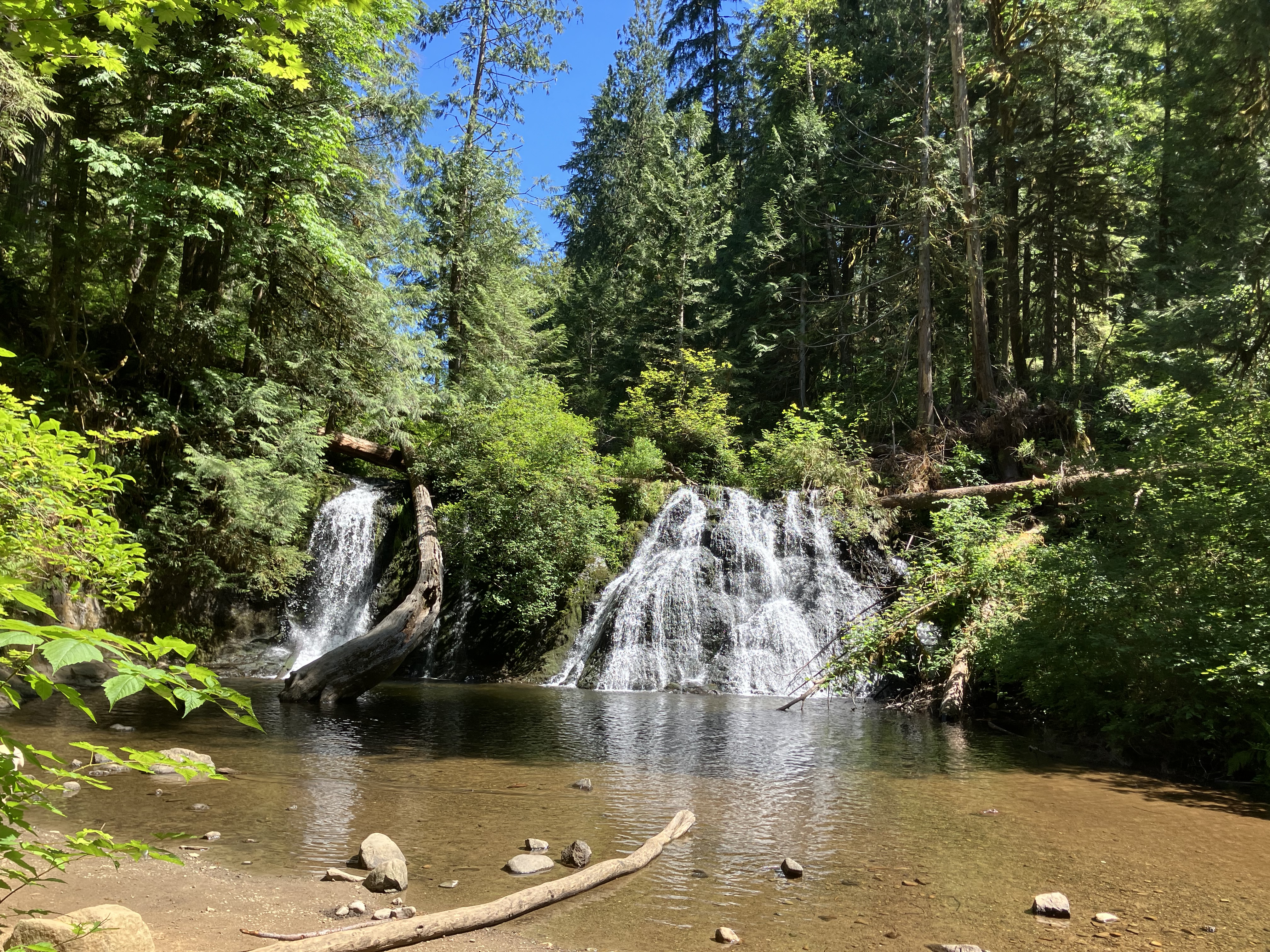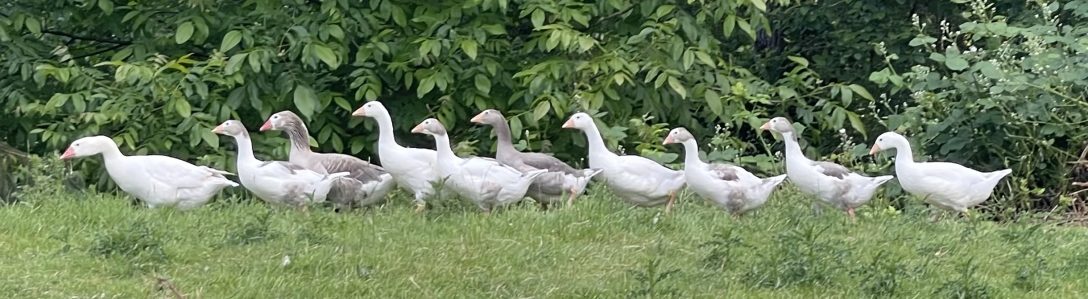
Well folks, it’s happening, we’re using too much potable water around the world, and the solution is to just keep using it. De-desalinization plants right? Reverse osmosis ok? Both these systems are costly, take a lot of energy to run, and waste more water than they make. Somehow, our mad world is operating under the assumption that it does not matter if our water costs so much to make, we can, so we will. Meanwhile, our living world dies. What will be left in only a few more decades? Why is this a problem here in Western Washington, where you have so much fresh water? Well, the summer droughts are still a problem for us here, and global climate change will effect everyone on earth. I’m taking a moment to talk about fresh water and its finite place in the web of life. All life on earth needs water, and most of that demand is for the fresh stuff, which is becoming a rare commodity. How many of us now live off bottled water? Yes, your flavored water in a can is still “bottled” water. We’ve been living like this for a long time, but the consequences are just starting to become blatant.
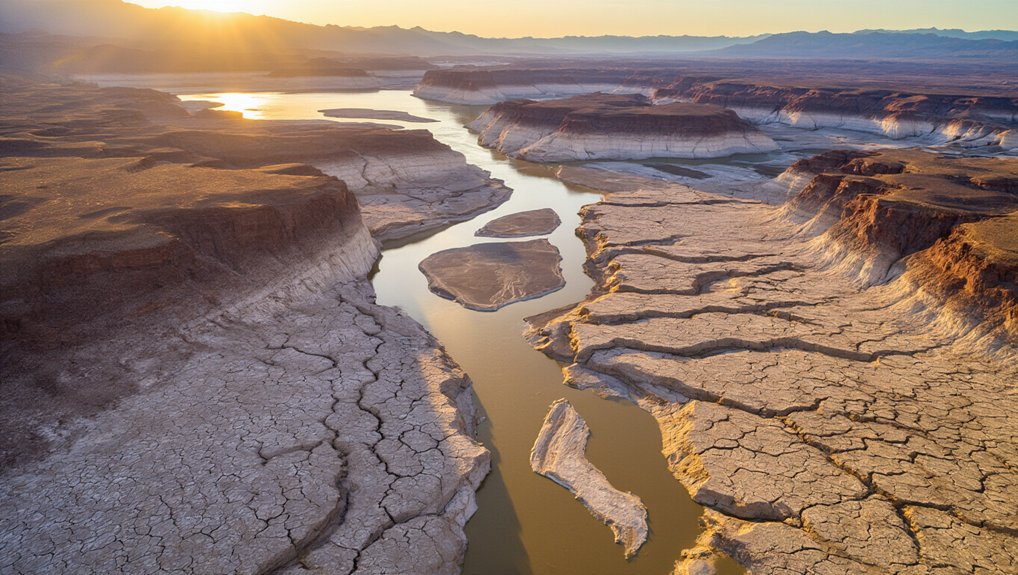
Here in The West, we talk a lot about The Colorado River. It’s a lifeline to several states, and has been dammed extensively to control the flow of crucial fresh water. In just a few generations, we’ve tapped out the entire river (pictured above). It’s a river fed by the snow melt of The Rocky Mountains. No, we do not get our water here in Washington from The Colorado, but what’s happening in that river system, can happen in all the other systems over time. Remember that global language I was using in my introduction, it’s true across the globe today. One river, The Po in Italy, can help us grasp what a drought stricken river means to the greater community, and the world. Without rivers, we can’t irrigate our crops, and without grains, our food systems begin to fail.
But wait, there is hope. If we wanted to shift what crops are grown where, prioritizing dry farming in dry environments, and putting heavy water use crops in places with good hydrology, that could save a lot of water. We could also face the fact that at least, in The USA, our dietary preferences are pushing the use of too much fresh water. Also, most of the agriculture grown in the US is shipped elsewhere, adding massive amounts of fossil fuel to our food and water bill. Even here at Leafhopper Farm, we import alfalfa from the east side of the state. There, the dammed Colombia River irrigates most of the alfalfa fields. Now, the alfalfa I buy is for winter feed, most of the year my sheep are on pasture here at home. But, my small farm is not part of the big issue in fresh water consumption, it’s industrial activity, scaled up to huge cities and massive deserts turned to crop production- like The Imperial Valley in southern CA.
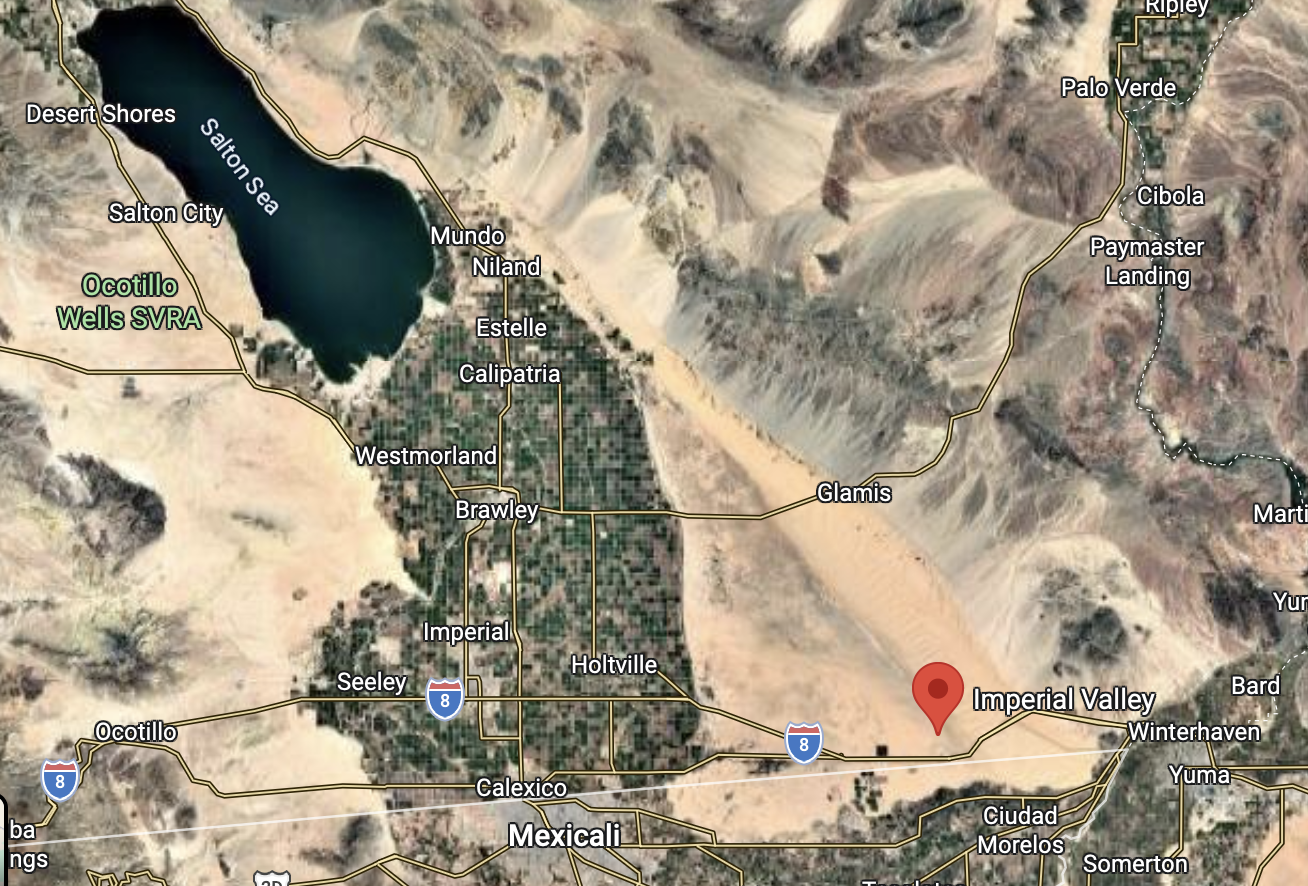
This valley supports California’s beef and dairy empire- the largest in The US. The salinisation of the soils across the world is coming. Salts are concentrated in farming inputs like fertilizer, as well as creeping in from oceans to coastal water-tables. When you pump the aquifers dry, especially near oceans, saltwater seeps in to fill the empty underground space left when the fresh water is withdrawn. This issue is affecting Western Washington, especially up in one of our state’s major agricultural valleys, The Skagit. This farming space is protected by countless dykes and ditches to keep high tides out of the fertile soil. Yes, these techniques are innovative, but against the march of rising sea-levels due to melting glaciers, this valley is doomed, yet people continue to deny science and push for more public money to pour in for new defense construction projects. I’ll also mention that dams further up The Skagit River are blocking salmon runs, causing ecological collapse. The human mind’s ability to block obvious destructive evolution due to our own action boggles my mind. Talk about a derangement syndrome.
Again, there are step by step solutions to all our world’s water needs, we as a species have to take action. You can do this in simple small ways today by yourself by buying locally grown foods, avoiding online same day delivery and try to make do with what you already have- because you have more than enough. Use community “no buy” groups to save on shipping and manufacturing. Don’t move to arid places already struggling with shrinking water supplies. If you are living in these areas, can you move away, or can you help reshape water use in the area? What else can we do? Slow population growth to slow consumption. It’s a huge way to help the earth cope with our overpopulation- and maybe that would be less an issue if we lived more lightly on this planet. As things stand, exponential growth, the economic system we keep propping up through buyer’s addiction, is taking the last of our finite resources for commodity trades to fill a few 401Ks- but mostly to make billionaires, trillionaires.
In recent weeks, the island of Puerto Rico, part of The US, is on a major water restriction order. People are crowding potable water access points, because in house plumbing is not running water consistently. The shortage is a combination of failing infrastructure and climate change drought. An American territory does not have enough water. This is the future for the rest of us if we do not work to change our consumption conveniences. With natural disasters on the rise, more and more people will experience water scarcity. More and more municipal water systems are becoming hazardous as complex infrastructures are not upgraded or replaced. Sadly, municipal water systems are not very sexy on the long list of budgeting demands in any town or city, so we keep turning on the tap without concern, unless our bill spikes. Guess what? It will anyway, because of the droughts we’ve been talking about. Also, those AI data bases are guzzling their unfair share, and we’re investing confidently- or are we?
What would it look like for US to invest in our finite resources? What would it look like to invest in ourselves as a species by investing in the ecology that allows our very survival? It’s not dollars and stocks we drink, but a finite natural resource. How can we redesign our economy around our natural world’s limitations? What would that look like? Here at EEC Forest Stewardship, we’re invested in reforestation for the future of this temperate rainforest, this means building our soil to host the young trees we plant for the next few thousand years by banking fertility and water in the soil its self through earthworks to slow and sink water, as well as planting predominantly native species to diversify and therefor enhance the landscape for generations to come. In my personal life, I choose a lifestyle revolving around seasonal production of food, medicine, and material from the landscape where I live. This includes gardening, hunting, foraging, and tending full time. What are you making in your life- besides money. Sure you can go out and buy anything, but making it yourself is a powerful tool of independence and a skill-set worthy of your community. There are countless ways to play your part in sustainability, better yet, a thriving life for yourself, and all those around you.