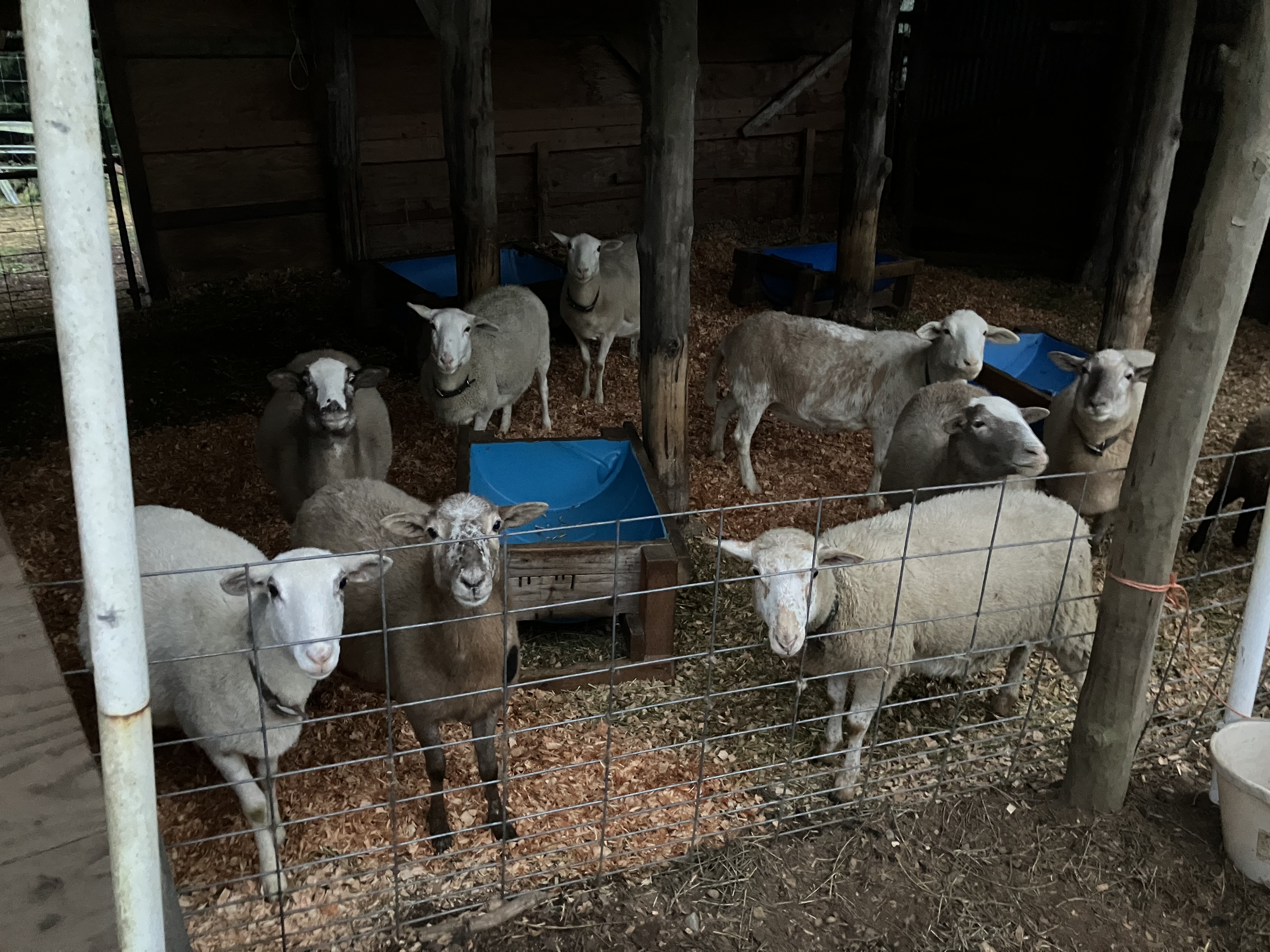
The gals are at it again in another winter lambing, which will start in the next few weeks. Now that I’ve said that, it will be another month. Ha! The ram went in late July 2025, and that means any time after Solstice was open to lambs dropping. Here we are a month later, and a few of my early ewes are showing up almost there. It’s a bit of a guessing game, but that’s half the fun with a small flock. Industrial flocks are synced to get them in the same cycle, which shortens the lambing season into one stretch of just a few weeks. In large flocks, scanning is also common practice. Professional outfits will come with all the necessary equipment and expertise in reading the ultrasound to ensure good prediction of production from each ewe. What a mouth full! It’s also a burdensome cost for a small farm like mine, so. I don’t participate. Katahdin sheep are also great mothers, birthing independently, and usually taking to their lambs with enthusiasm.
Not all sheep are like this, and that’s down to commercial breeding. Responsible operations would ideally breed for traits like good mothering, but often fleece, carcass size, and a certain look are more important to get the best price for each animal. Value is relative- remember that when you think about buying anything. We’re entering a world now with dynamic pricing, and that’s having a profound effect on where I’m willing to do business. This concept is not new, but it’s being implemented now on many items that used to be price stable, with good reason, especially when it comes to shelf stable food. Not much of what Leafhopper Farm produces is shelf stable, hence, most of our fruit and meat is sold at the time of harvest. That’s also the easiest way to sell food. If you dehydrate, preserve, or do anything with your products that involves a kitchen, you’re in need of a USDA inspected facility.
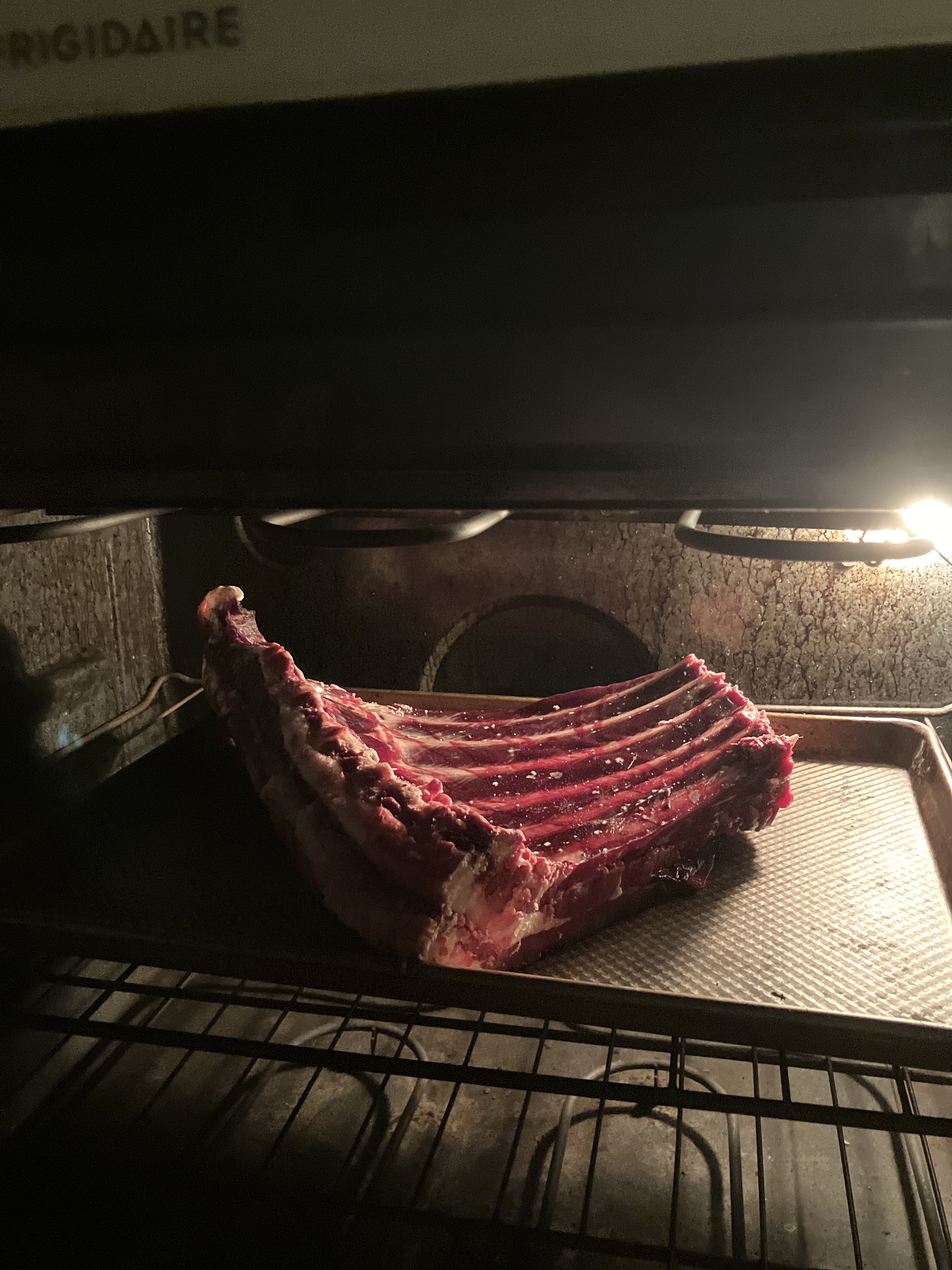
If I wanted to sell my lamb by the cut, I’d have to have a USDA certified kitchen and slaughtering setup, or have a mobile slaughter truck come, then take the carcasses to a butcher. The latter is a possibility, especially if I have clients who are less hands on, but luckily, at Leafhopper Farm, the learning through hands on experience remains a priority. We’re a demonstration farm, showing people how they can better connect to their food, the living earth, and each other. Clients buy a live animal, take possession of it, then I help them learn slaughtering, hanging, and butchering. They leave with the whole carcass wrapped and cut by them. It’s a great way to learn, and I have clients that now come and buy their animal and do the whole process themselves. That keeps things as local and fresh as possible. My sheep are born, raised, and die here, without any unknown handling, processing, or transportation- all of which is quite stressful for the animals.
At Leafhopper Farm, we’re striving for quality of life for all the animals that live here, from better habitat for wildlife, good clean food and water, safety from predators, and the natural cycles animals prefer to live within. The sheep graze during the growing season, and remain on pasture during the warmer dry months. All the lambs are pasture raised, naturally weening from their mothers as they grow up. The flock is small and intimate, living together as one unit, without separation, except the rams during lambing. An uppity ram might hit one of the ewes and cause her to miscarry, so the males stay in a separate pen, which seems to be a relief to the ewes during pregnancy.
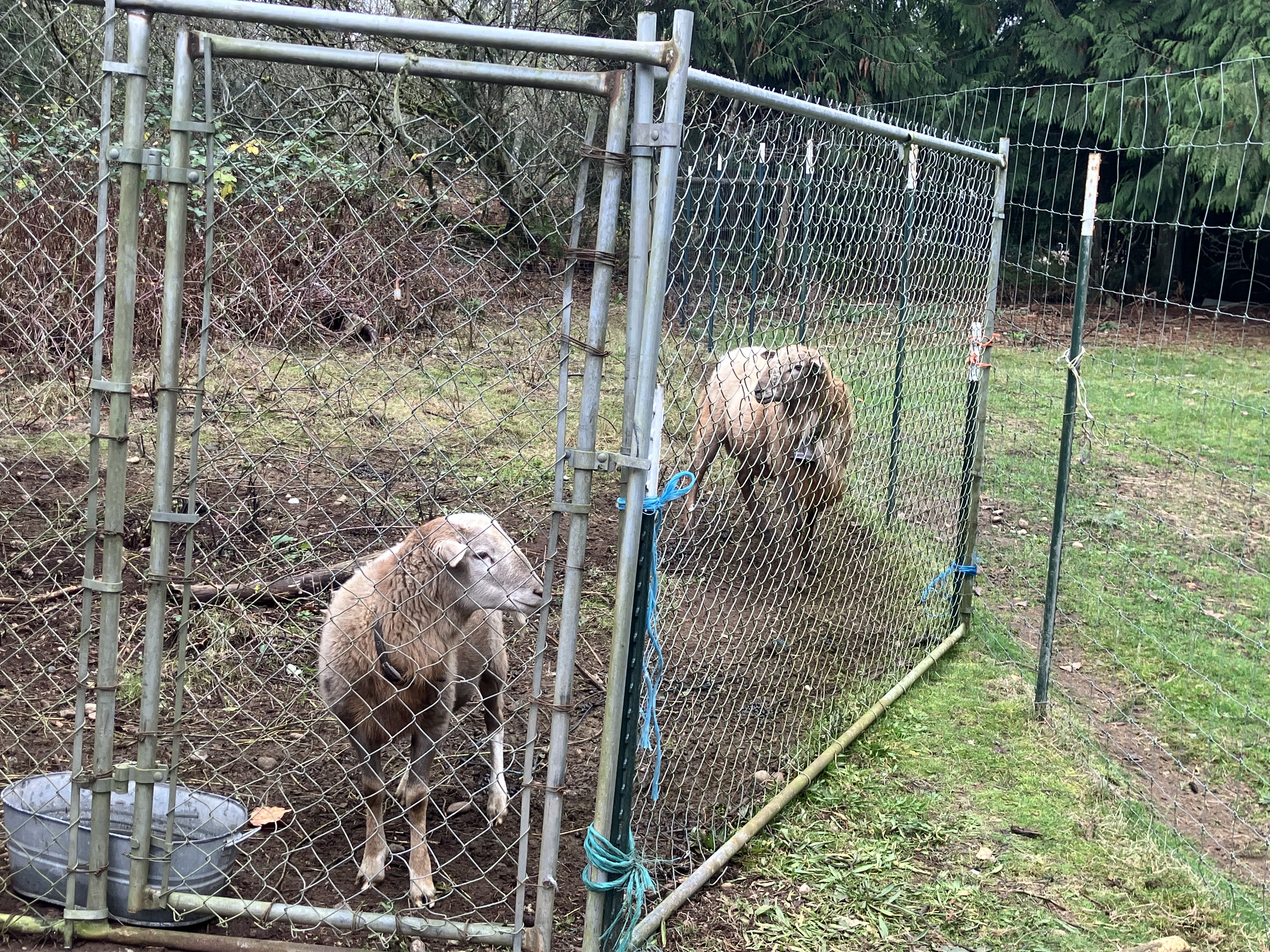
I’m excited to plan my new young ram lamb for breeding in 2026. Quinn is the son of Lickity-Split, my favorite ewe. He’s still young, but perfectly capable of covering some ewes of his own. Our resident ram, Okie, will remain our main breeding fella for the foreseeable future, but mixing things up a little bit is a fin way to see what might drop in the genetic pool. Since the flock is so small, I don’t do a lot of long term breeding planning, because there’s not enough genetic stock to make huge developmental changes within the herd. Splitting the breeding for a few years will still diversify the genes enough to focus on some I really like, while allowing others new ones to emerge. It’s an experiment, and may come to little overall change, but I like trying different ideas, and this is one I’ve made time and space for this year. The rams are happy to be together right now, and they will be separated at breeding time. I’m not sure yet what that will look like, but stay tuned for more on flock development at EEC Forest Stewardship.
Right now, the lambs are gestating into their final weeks, though some of the ewes, especially the first years, might be months out from their drop date. It’s called dropping because the lamb drops out of the ewe when it’s born. Based on some bag swelling, I’m guessing these two ewes are due in the next week or two. Again, it’s not a perfect science without exact covering dates, but rough guessing does pan out when the teats look like this on a ewe.
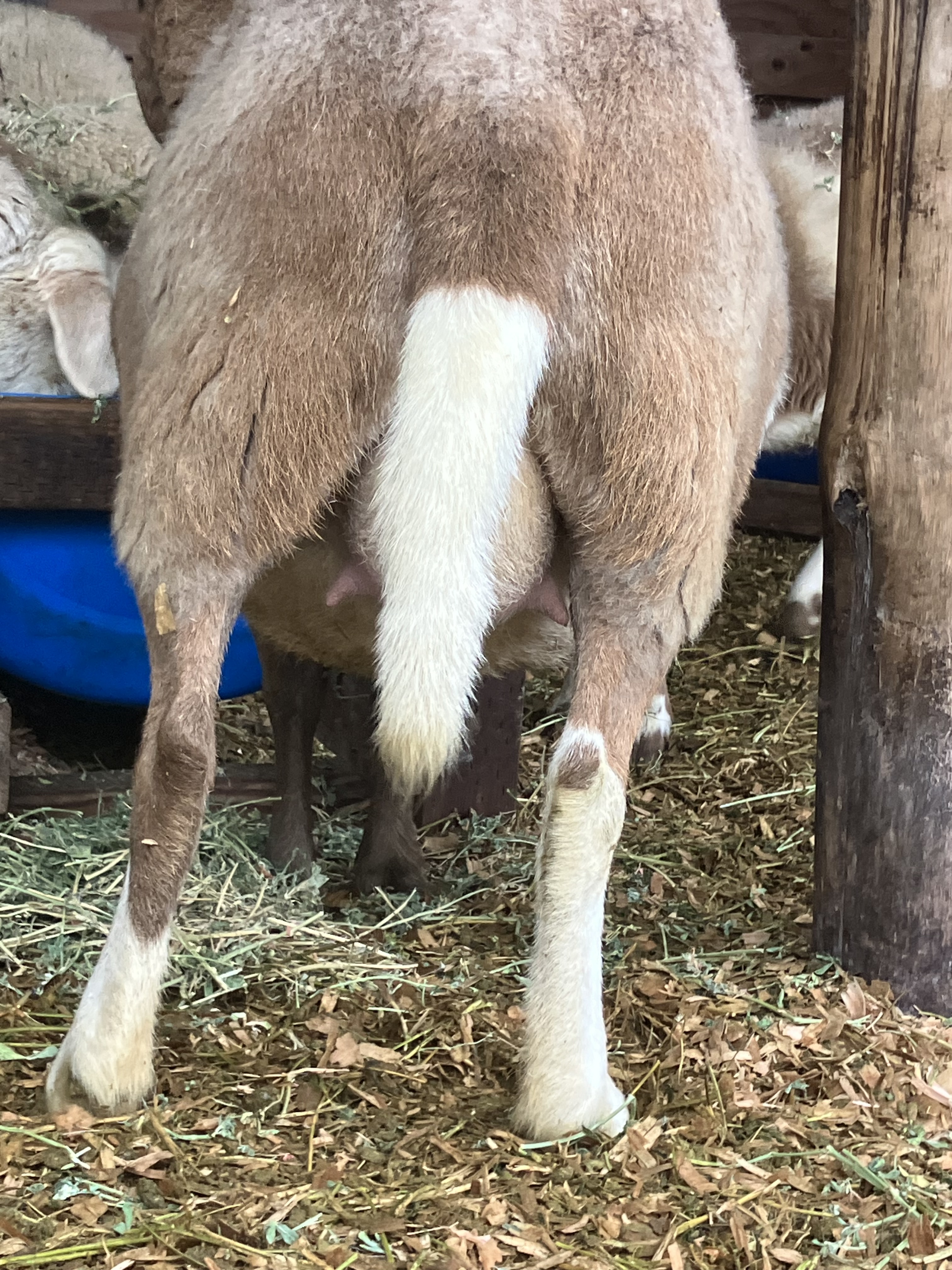
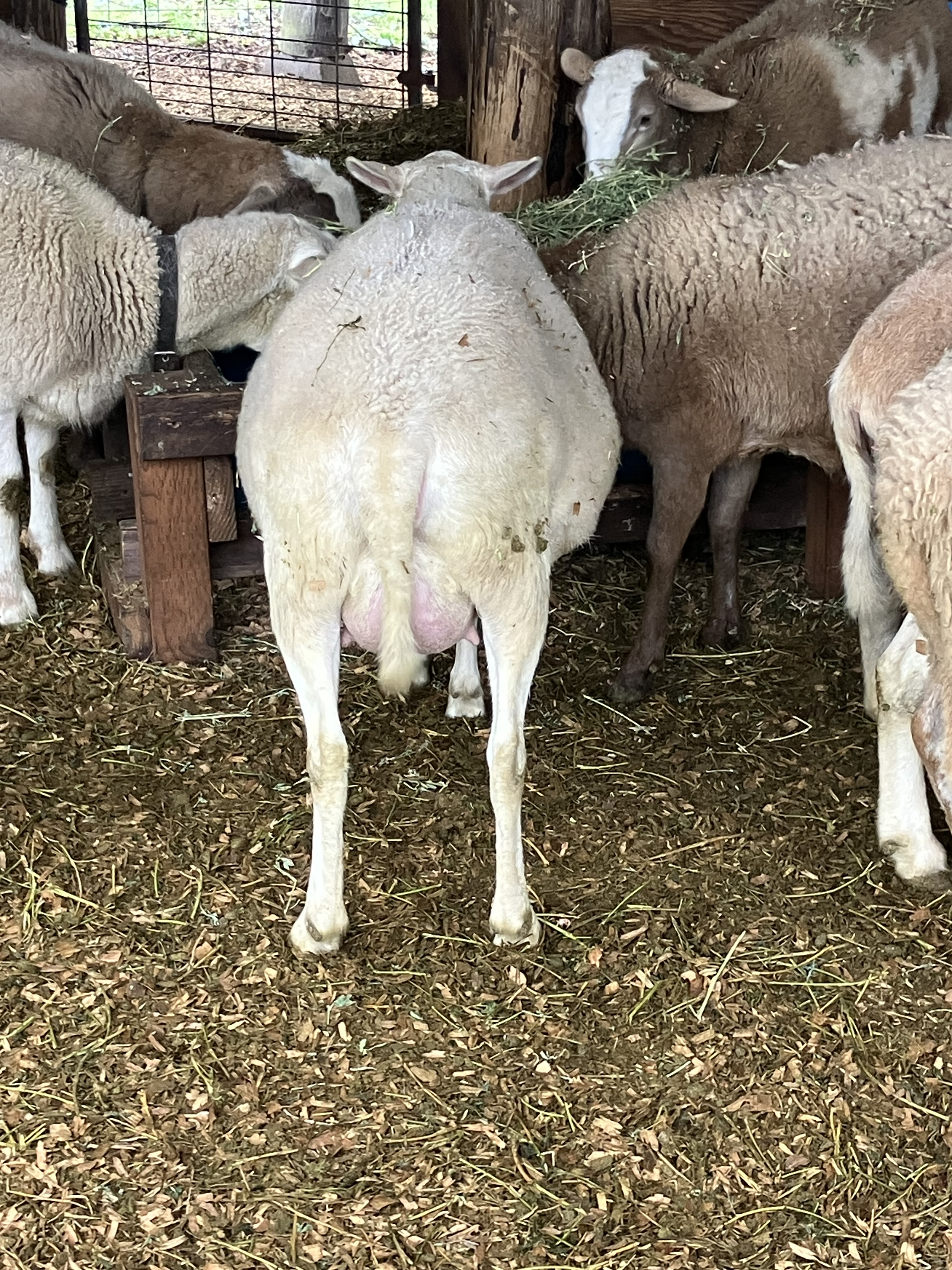
The white ewe is Nelly, my go get em’, first out of the gate (usually) lamber. She’s half St. Croix, from a ram who was bred in a more commercial flock, where he had certain high production genetics, like size. Nelly is larger, and usually drops twins like clockwork. She also eats a bit more to maintain her large frame, which is not ideal when you’re working with pasture most of the year. Katahdin sheep are bred to put on good meat weight on pasture alone, which is great for keeping alfalfa costs down during the winter, when I have to hay the sheep to protect the pasture and let it rest during the wet season. The barn offers shelter and protection during lambing, and helps me keep the babes where I can see them. You’ll often see new lambs separated from their moms in open pasture settings. The oversight demanded to make sure the ewes and their offspring are safe goes beyond what’s needed in this setting. I have a small flock, in a decent barn, with maximum visual capability. If the LGDs bark in the night, I can come down to the barn and shine a light on all my animals at once, checking to make sure everyone is safe and accounted for. I could not imagine having to head into an open pasture to try to find lambing ewes in the dark- they often hold up in dense vegetation when lambing in the open, or hid their lambs while in recovery.
This year will be a good year for lambing at EEC, I can feel it, so, in this final countdown, I am so grateful for the sheep, their hard work to grow lambs each year, and the healthy good meat we’re providing at Leafhopper Farm. The land and the animals thrive, reflecting the healthy and happy life these animals live in their time under my care. I am so thankful for all the lessons they offer me, the time we spend together, and the trust they lend when I’m there to help. These sheep are my life, the legacy of this farm, and the real stewards of this place. So much abundance to come.



 EEC Forest Stewardship