Some History in Andover, ME

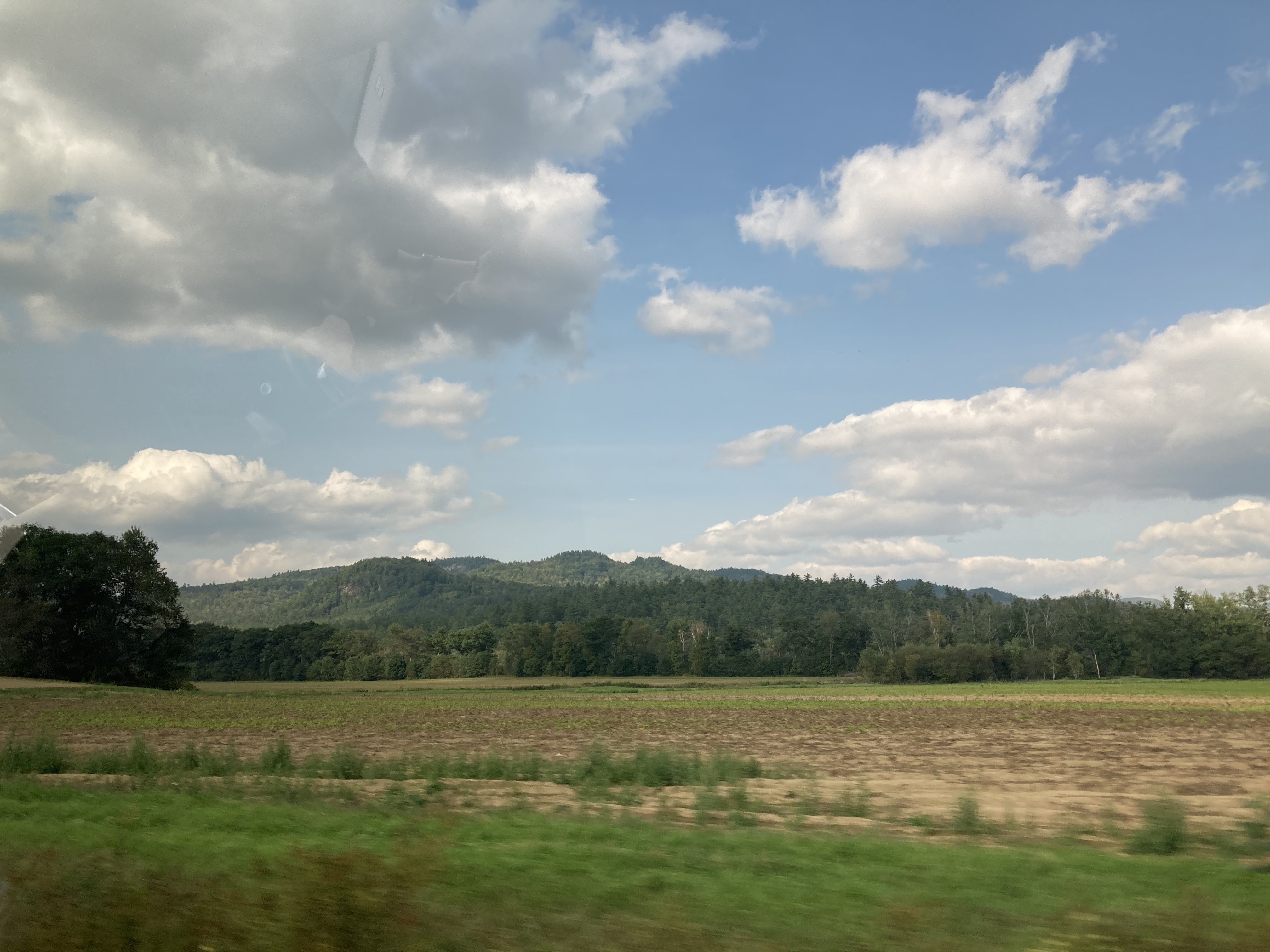
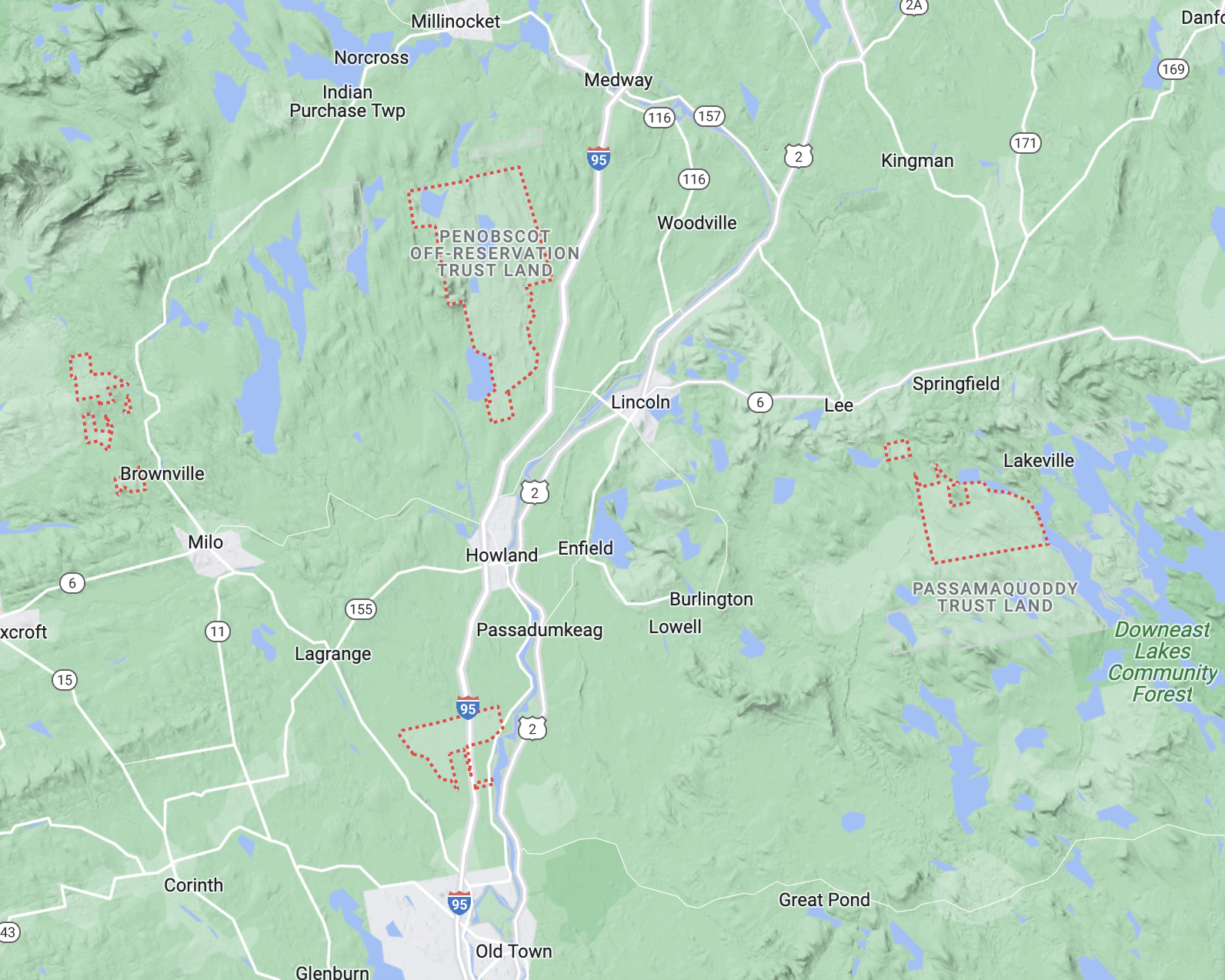
Rolling hills and monumental wonder towering in the distance, these hard wood oak and maple dominate deciduous forests mingle with occasional white pine and red cedar. We’re on The East Coast of USA- New England- where the history comes from. Bottom river farmland called to early settlers (1700s in what is today The State of Maine), and as infrastructure blossomed on the ocean shores, inland resources in good logging timber, right of ways, and mining shafts sprouted like weeds in the fertile land. Pushed out tribal people echo in place names- Massachusetts. The Penobscot people remain recognized in the area today. Below is a map of their currant reservation trust lands in Maine. Place remains important to most First Nations’ Peoples, their deeply rooted link to ecology and society woven within habitat once depended on by all, reduced to oddly shaped cut outs of a once vast and thriving wilderness.

As colonial settlement established along The East Coast, fortunes blossomed as extraction industry raked in endless woodland timber for export back to Europe, where all the great forests had already been cut to supply overpopulated regions for too many generations. Now these same families who destroyed their own lands came to America for more. England owned The Colonies initially, but by the founding of Andover in today’s Oxford County, ME, a revolution had put the lands of New England under a star spangled banner and veterans who fought to form a new nation were moving into the more remote reaches of wilderness in search of space to survey, develop, and capitalize on. Andover, ME Wiki entry describes a snapshot of its early Colonial settlers.

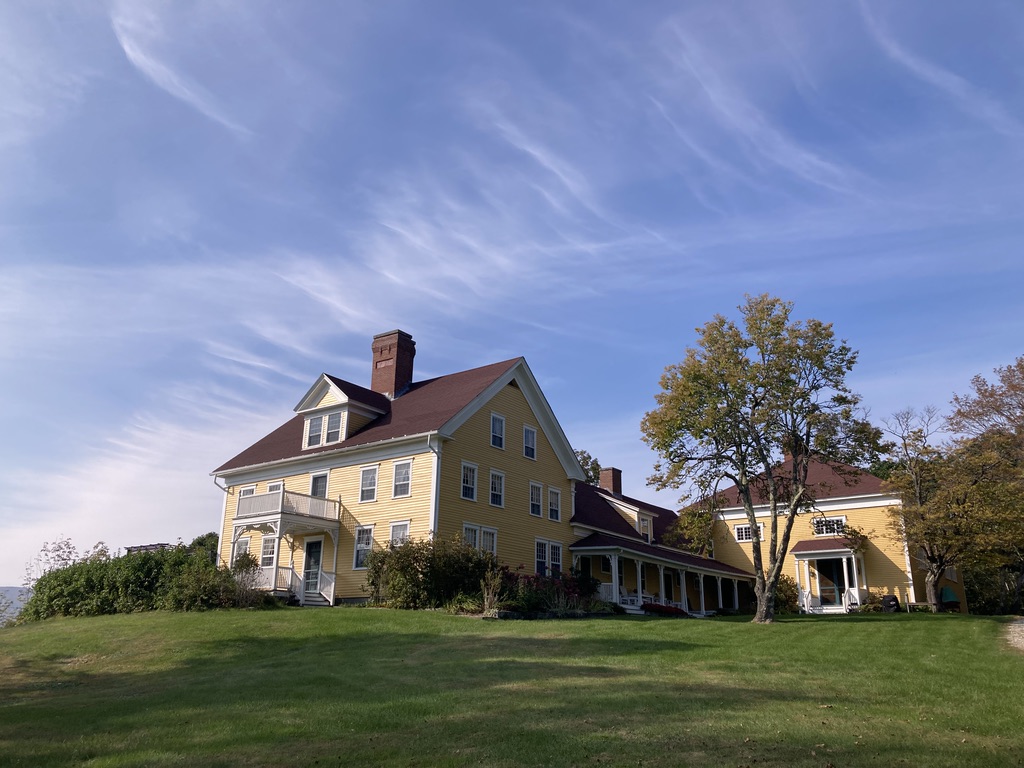
The town was first settled in 1789 by Ezekiel Merrill and his family who were transported there from Bethel, Maine, in canoes managed by members of the local Pequawket tribe. The first saw-mill was built on the East Branch of the Ellis River by Col. Thomas Poor in 1791 and was used to provide the lumber for the still standing Merrill-Poor House.

What a house! Imagine showing up along the banks of a river to build a life, believing you are compelled by a “God given right”, and motivated by economic industry to begin cutting the forest en-mass, while digging up ground for smelting and future rail expansion to bring more destructive hands to the region for personal gain. The family lore today continues to claim Indians were supportive of Ezekiel Merrill and his vision to settle the wilds of Maine. Most new settlers to the area were seeking a better life, but still, generations later, we don’t fully comprehend or acknowledge the harm done. Perpetuating a story of Indian Princesses as a token of good intention does not change a simple fact looming like an elephant in the room. The tribes are gone, many in New England are extinct, and the European lineage continues in a legacy of resource extraction enabled by railroad expansion and manifest destiny.

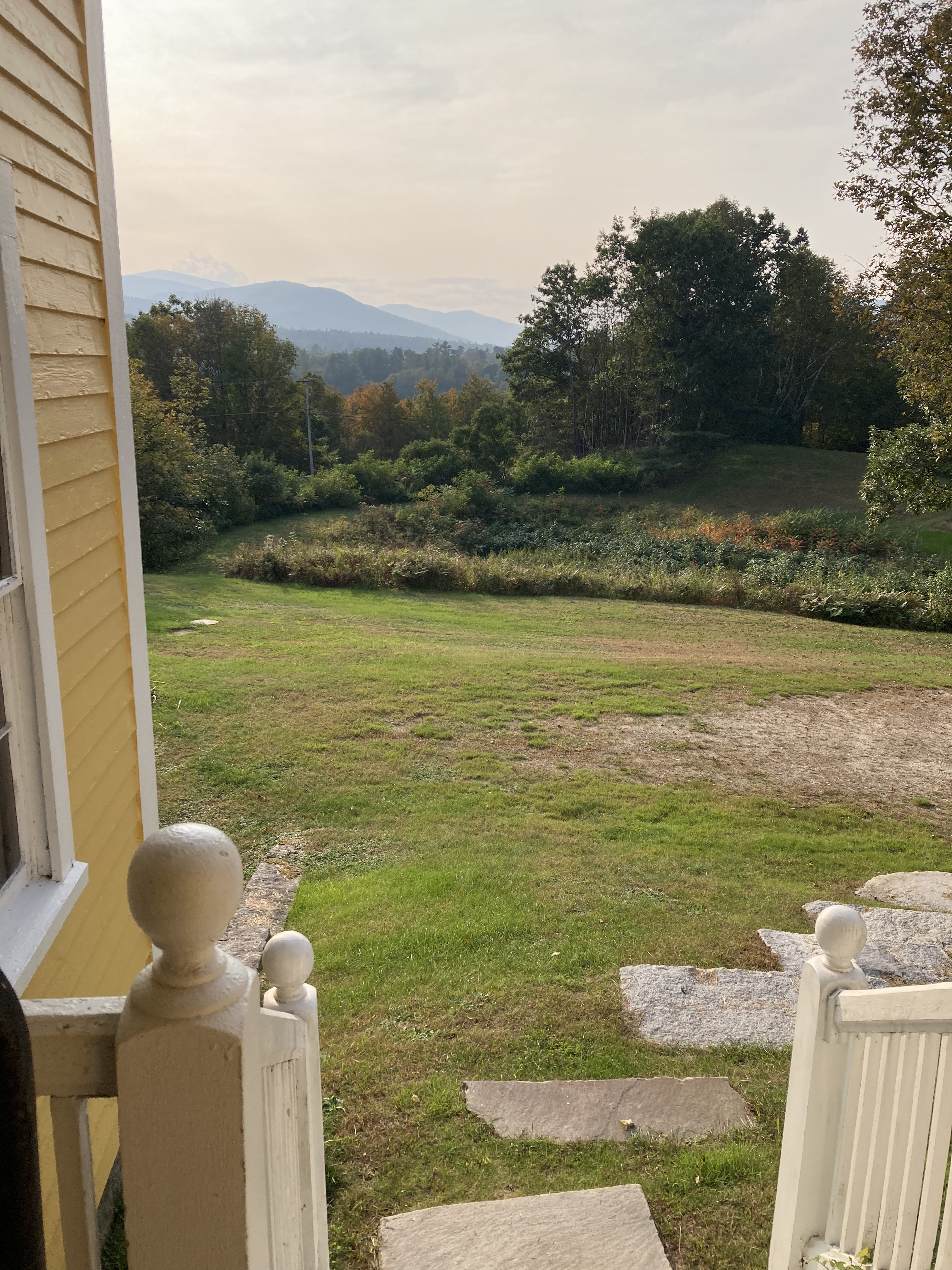
Looking out from the house, over the green forest hills and open fields of once cultivated land, progress rests its laurels on saw mills, lake front homes, and Appalachian Trail adventure. Smoke from wild fires, a climate change disaster, looms in a discolored sky. Through the process of gentrifying, colonizing, and capitalizing on the raw essence of nature, we ignore the consequences of our greed in generational extraction economy, and continue to accept old notions of convince and prosperity, without measuring our quality of life, or projected long term survival as a species. Sadly, this mindset will not give way to reason, and we continue to propel ourselves into greater disparities and divorce from reality into economic fantasy.

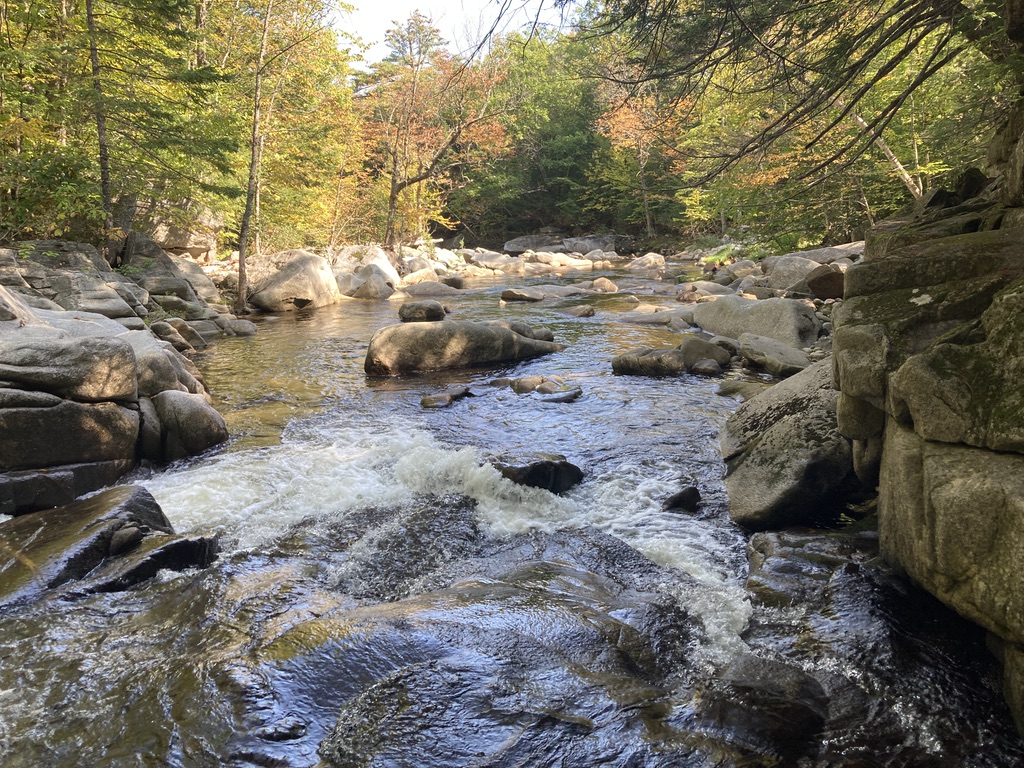
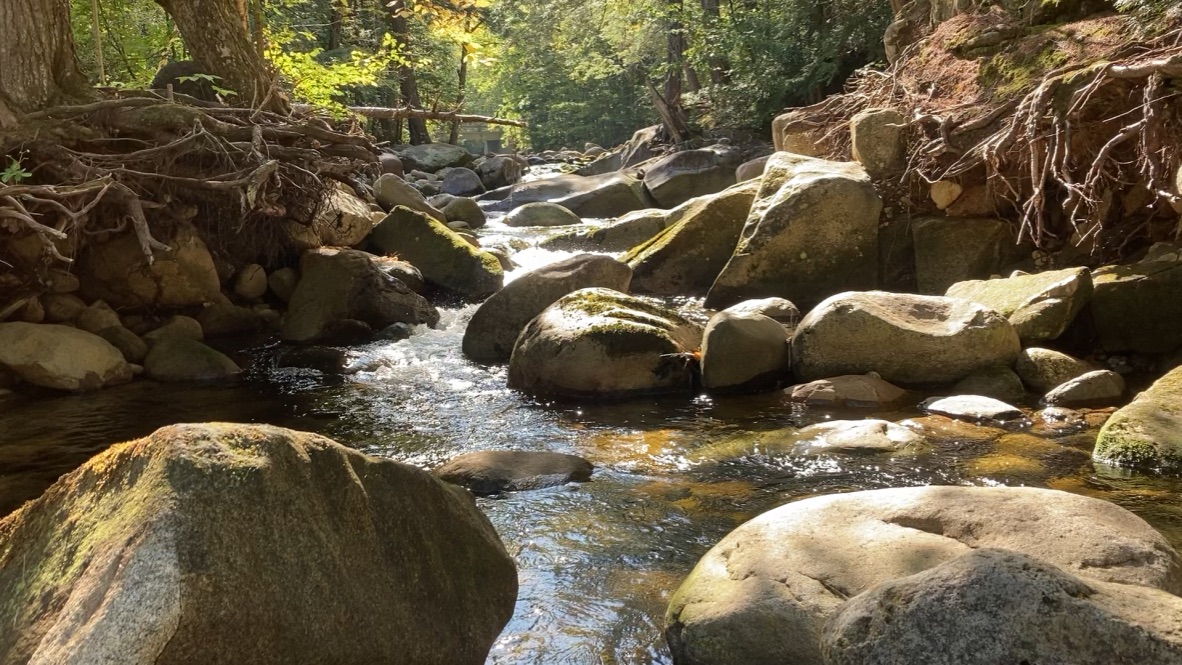
What is next for this great house and surrounding country side? The current generation is struggling to figure out how and why. This house holds childhood memories of fantastic summers swimming in nearby creeks where trout fight on the line and a fish dinner still offer solace in a strange world of upside down priorities and selective history. Under the very stones of this historic family home, perhaps a tribe once harvested food and lived without the need of a mill or flag to claim any land. Place is not something to own, but to be a part of. After only a few generations, Merrill House was used seasonally, with little interest in staying beyond pleasant vacation weather. By then, the tribal peoples were completely removed from the landscape, and Eurocentric narrative subdued any guilt of personal responsibility for “the natives” or the ecological devastation that will take many more generations to recover- if ever.

Still, the family history is impressive, and a lot of American economic life prospers today because of early settlers with great ambition. We learn that this kind of drive rewards- and the records of wealth glimmer in faded velvet furniture and brass lighting fixtures. Memoirs and diaries tell of decadent dinners and high powered board meetings at great oak tables, deciding the future of industry in New England. As the application for historic preservation of the house and grounds states, in Yankee Family, a study of the Poor Family, James R. McGovern describes this grand space as:

A house which had once declared the needs of a successful American frontiersman
now bespoke those of an industrial lord, Will Poor, who often came to Merrill House
to entertain his business and personal friends. Visitors were fascinated by its
beauty then, just as they are today, Merrill House looking much as it did when
Henry and Will Poor lived there.

Lording over wealth may sound great, and prospects one hundred years ago, before income tax, made unimaginable wealth for a select few white European men, and today’s generation still craft the country for their earning prowess, learned from their forefathers. Fortunes may be won and lost, but tribal nations lost homeland and will never get it back. Imagine having everything you need, being deeply rooted somewhere for thousands of years, then within two generations, being almost wiped out completely by frontiersmen importing disease and colonial laws your culture has no concept of. In 1755, the governor of Massachusetts put a scalp bounty on The Penobscot (greater Abenaki), who were becoming “hostile” as more settlers pushed them out of their ancestral lands. The fur trade had also reduced wildlife down to unsustainable numbers, causing winter starvation for many First Nation People. After reading The Phips Bounty Proclamation, I found it hard to understand why any Abernaki, especially an “Indian princes” would help English settlers with their colonizing, unless coerced under duress.

It might make our ancestors look a little less draconian to slip in a sympathetic story of noble savages, but we ourselves are the true savages, and continue to perpetuate dominion today. Americans are not generally thinking about how to live together, with the land, as one people. It’s not in our cultural heritage to share or believe we are owned by the land- just the opposite in fact. Our justification for this continued shortsightedness? The fear that someone else might come and take it from us. We perpetuate this action ourselves, believing we have a right to things, not that we have a responsibility to tend and let live. Standard and Poor continues to reaffirm economic dominion, along with a legacy of historic homes, lands, and titles we stole from people we thought less than ourselves, and still do. Not many people are signing up to give stolen land back, but we can at least stop claiming to have been friends with the best intentions for our tribal neighbors in the early days of America’s founding.

It was not by accident that this post happens on American Thanksgiving. Please take a moment to look up which tribes once lived where you and your family are now and take a moment to give thanks for the people who were tread under our stars and stripes as we perpetuate The American Way- a way of prosperity through taking what is not ours to claim- place. It is our place now to look at the history and learn the truth about our ancestors and the abuse they brought upon a land never intended for them. Though acknowledgment and the renewal of America’s true history, we can perhaps, better understand what it takes to perpetuate mass consumerism and convenience for the few at the cost of so many. How can things change? It’s starts with learning the truth about out past and at least accepting our ancestor’s failures to avoid repeating the same mistakes. Check out Land Back movements around the world and ask how you might help.

Deer Hunt 2023

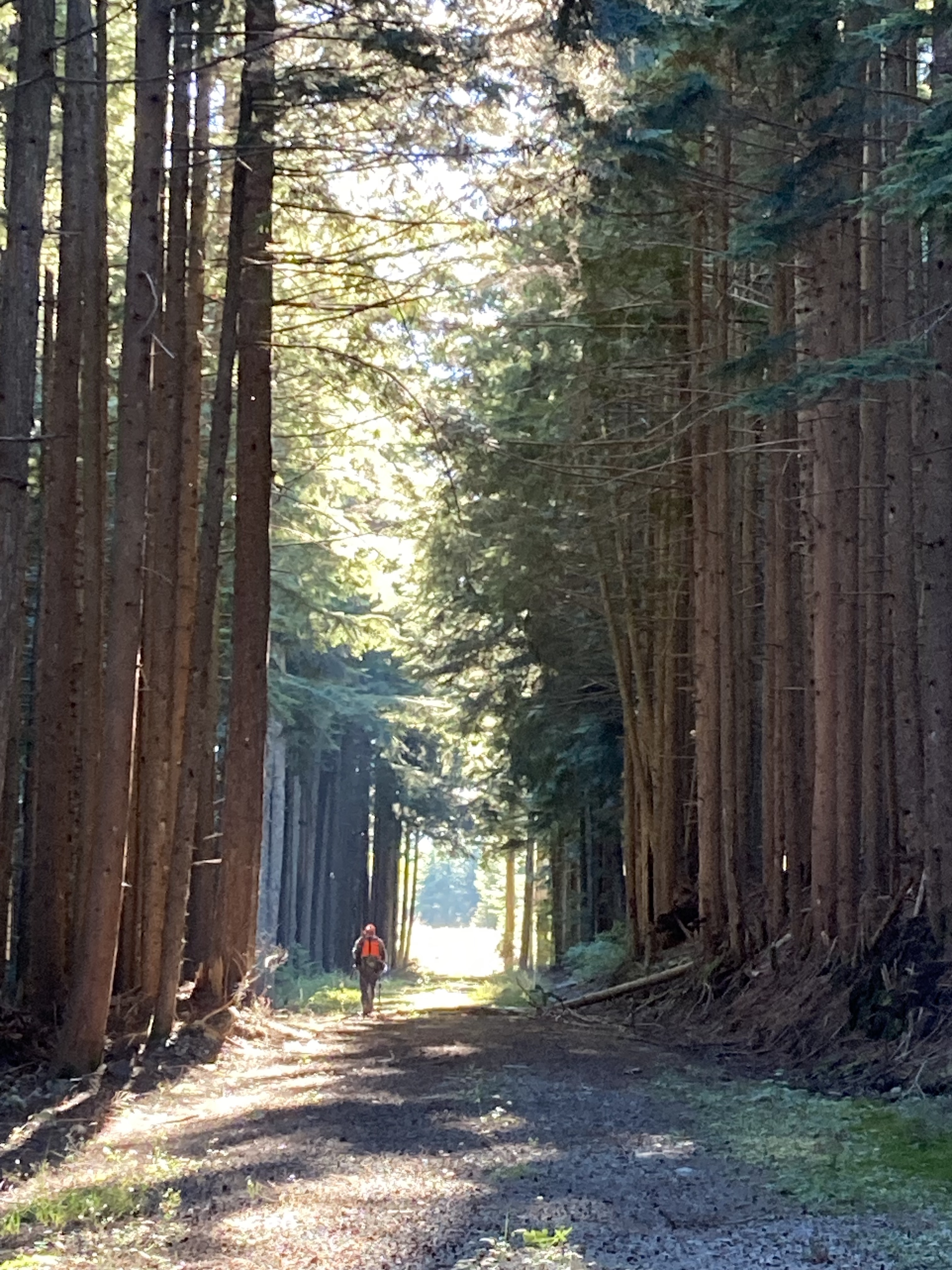
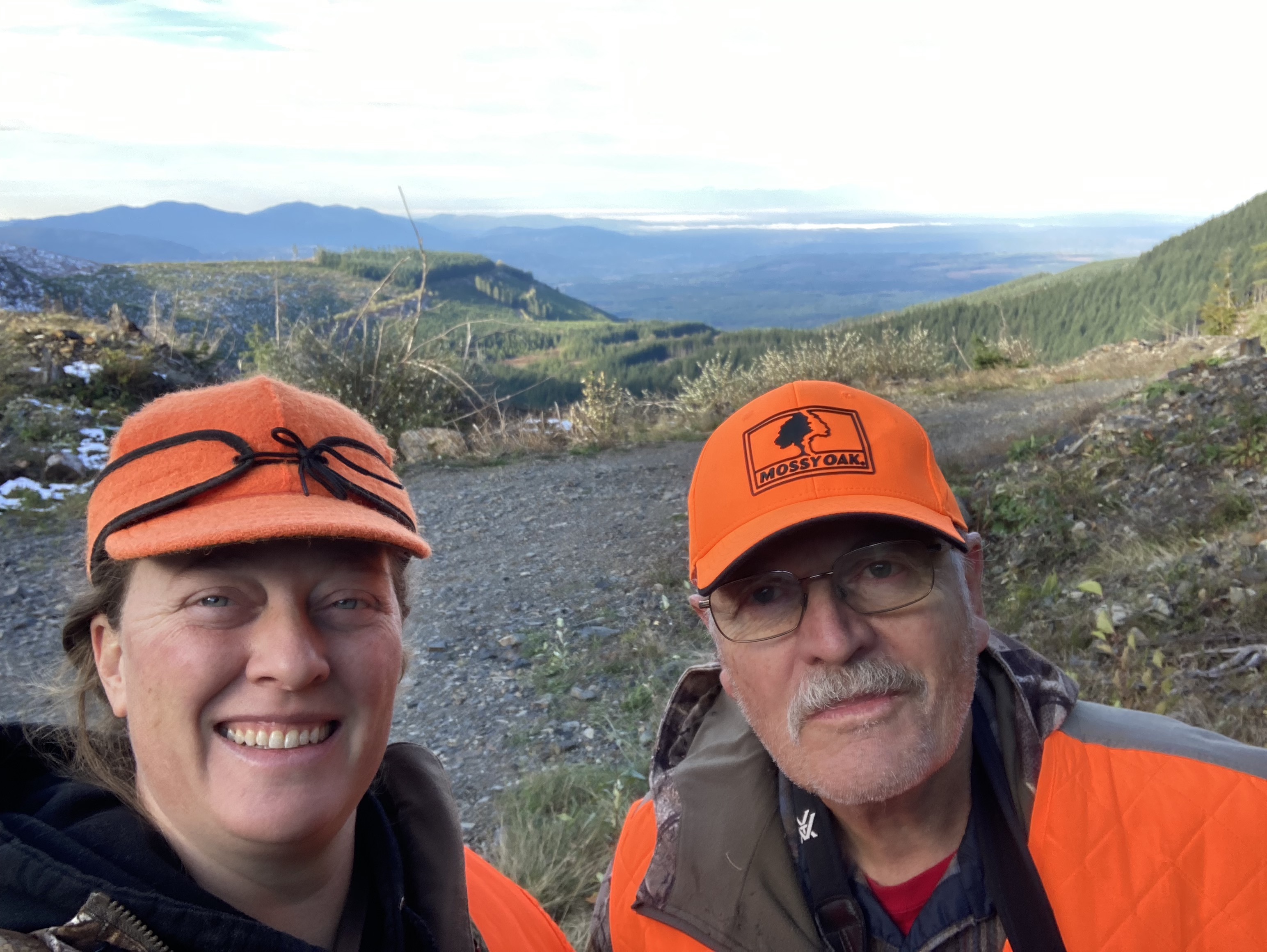
The blacktail deer season was quite a ride of crazy weather and illusive ungulates. The first week of hunting was warm and a mix of wet and dry. These conditions left the deer nocturnal and tucked away during the day. I saw very few deer during my daily scour across the landscape. In places that had a lot of sign and key features like cover, food, and water were not enough to entice the deer out and about. Mushrooms were present though, and I still took home food each day I was in the field, which made up for the vanished blacktail I was so desperate to find.

I did notice the Snoqualmie Tree Farm, where I usually hunt each fall, was spraying a lot of their clear cuts, something they usually wait to do after hunting so deer are not off put by the chemicals, and the brows is still present to lure them out into the open. It might also be the quantity of Seattle treated sewage now being spread within the forests and young plantings. So much smelly mess, heavy metals, and prescription drugs are now sprayed in concentrate on the forest floor- the deer have to be reacting to the grossness and moving away. These are theories, and I’m a “young” hunter- having only been in observation and direct connection with our local blacktail populations for about 10 years. It was noticeable that no deer were out during the day. My hunting mentor, who grew up in the area perusing the same deer populations, has seen fluctuations, but never so few deer by the end of the season.

There were a few wet days where I thought surly I’d at least see a few does wandering by- my tag was for a buck, but seeing the does early on can bring in the bucks as the rut comes on later in the season. Still, there were no deer to be seen in the forest, but my sits were rejuvenating and rewarding none the less. By Friday of the first week out, I did a 6 hour sit on a stump in the fluctuating mists of an incoming cold front, which dropped temperatures during the second week of hunting into the 20s each night. The cold did seem to stir up a bit more movement in the deer, but sudden temperature swings usually give me seasonal ills, and I had to take a few days of rest to hunt hard during the final few days of the season. I did have a very close encounter with one young buck in a neighbor’s yard, but it was an off limits place to harvest, so I sat on the wet ground of my driveway hoping he might wander over, instead, he bedded down as it got dark and I headed back to the house to dry out.

It was a little disappointing, but a great affirmation that my ethics and continence remain upright and true. Even though I knew the neighbor was not home, and could have shot that buck and got him over the fence with ease, it was not legal or ethical. This is the mature mark of any good hunter. I enjoyed sitting so near the buck, and hope he has a chance to grow up so I can have a chance to harvest him legally, ethically, and safely in a future encounter. I always count moments like this as good karma earners. I make the right decision and let the moment go, allowing more better chances down the road. This payoff rang true a few days later, when, on an early Sunday afternoon, another more supportive neighbor called me to say there was a nice 2 point buck in her yard with a herd of does just basking in the afternoon sun.

This is the second year a neighbor has helped me connect with my buck, and I am deeply grateful for all the support from friends and family in this special time of harvesting wild food. The privilege to hunt must be earned through safety training, following the laws, and being a good example in the field as a responsible, safe, and law abiding hunter. This character has earned me occasional invites to hunt surrounding private property, but such relationships take time to cultivate. When I hunt this neighbors land, I use a self imposed firearm restriction. No high powered rifle near homes or livestock. I use a shotgun with slug, meaning I have to be within 25 yards of my target, giving the deer more advantage, but keeping the surrounding neighborhood in mind. These deer are also near a ground transformer. When you are hunting near any infrastructure, it’s wise to restrict your tools to accommodate better safety as the conditions change. My rifle with scope is ideal for vast clear cuts and further shots. Around development, sticking with a short range tool, like a 12 gauge slug, is best. A good hunter will know that even if the regs say they can, conditions may dictate otherwise. Taking extra steps to ensure safety appeals to private land owners who are generous enough to let you hunt their land. Demonstrating a willingness to follow instructions, remain flexible with requests, and offer fair compensation for the opportunity are crucial to receiving future invites.

On this lucky day, I headed over quickly, but calmly, and had my partner come with as backup, asking him to stay in the truck while I was in the field to avoid any mishaps. Deer are wild, and might wander any direction- making sure everyone not in the hunt is in a sheltered place is important to prevent any injuries or spooking of the blacktail. While my partner waited in the truck, I walked quietly down to the field where the buck was last sighted and found him grazing lazily on the same slope. Then a minivan drove by and nearly drove me into a state of worry, but the friendly neighbor drove on by and waved. The buck stayed in the field, oblivious to the passing car. I was so thankful and encouraged. Stepping closer, I set up my shooting sticks and loaded my long gun. The buck remained passive, so I risked getting a little bit closer for a better shot. It was a clear, consice moment. The buck turned full broadside and continued grazing as I peered down the iron sights and honed in on the heart and lungs, just behind the shoulder. Taking careful aim, I took a few slow, deep breaths, and on the final exhale, I squeezed the trigger.

No matter how many times I’ve fired a gun, the initial impact is always jolting. My eye has to stay trained in on the deer I’ve just shot. The buck jumped straight up several feet in the air, then bolted up the hillside and out of sight above. It’s not a good idea to chase after your quarry, as you risk driving it further away in panic. I calmly walked to the spot I believed the bullet had made contact with the blacktail and began planning my trailing path to where I thought the buck might have traveled. My fear was a bad shot that might have crippled the deer but not killed it. There was no initial blood trail, as it takes time for the blood to pool and begin leaking out in visible traces. The right thing to have done in that moment would have been a spiral walking pattern out from the deer till I picked up the trail, but I went on a larger loop around the property fence checking for sign as I circled back down and around to where my partner was eagerly waiting with the truck. A few moments later my partner and I were back up the hill looking for the blood trail together. Fresh eyes always help.

As we searched, the herd of does were still in the field, and the largest doe, matriarch of the group, went up the hill and banked right, then came back down the hill a few feet from us, signaling the transition to another field down below. I thought she might have gone up to check on the buck, so we went up and right to seek him in some thick cover in a stand of red cedars. The neighbor had heard my shot and come around from the barn to check in. She offered to help find the blood trail and went left up the hill. A moment later she called us to her, she had found the blood trail. We followed her as she followed it out- moving a few more yards into another stand of trees blazed with blood from the deer bracing along each trunk before tumbling into the recently cut bows of a fir tree. It was wonderful to watch my neighbor in her learning journey, and having her find the deer. We sat down together with the deceased animal and shared gratitude and marveled at the health of the deer.

After some time reflecting and giving thanks for a good hunt, we carried the buck to the truck and loaded him up for the ride home where we would process him. Our deer season falls around Halloween, and I’m always a little sensitive to the real gore involved in hunting- especially large animals. The shot was clean, a double lung puncture, which is the best and most humane shot for bringing down a large mammal with the least amount of suffering. That blacktail buck went less than 20 yards from where I shot him, and was dead within seconds. The muscles were relaxed, the animal did not linger or suffer beyond the initial shock of impact. It it imperative to succeed with one shot one kill when hunting. Only ever take shots you can make- and know your range by taking time at the range to both sight in your rifle each season and check your accuracy. These actions will help to ensure your successful hunt and gauge your abilities. But the real work begins after you’ve harvested the animal and brought it home.

The buck did look so good- clean healthy coat, glossy hoofs, strong muscles, and great fat store for the winter. As I began processing, I marveled at how much meat this buck offered for our larder and continued in thanksgiving for such a precious gift from the land. My neighbor had requested the hide, which I took more time removing to preserve quality. Then I broke the carcass down into manageable parts to hang in the walk in cooler. The meat would hang for a few days to age a bit before being butchered and wrapped. Read more about why I choose to age my venison here. In a nut shell, you want to give the natural enzymes in the meat a chance to begin breaking down the protein of the muscle to improve overall tenderness and flavor.

From field to freezer, this year’s journey to harvest a blacktail buck was long and full of good learning. The reward of harvesting wild food- specifically a deer from my neighborhood who most likely fed on my land at least a few times in his life is wonderful. His life feeds us, as we feed his future generations and become the grass ourselves in a beautiful lifecycle that continues in sacred relationship. The connection to place, the plants and animals within in, and the affirmation that hunting the deer is an important covenant I share with this place fulfills a deeply sacred place in my soul. This is why I hunt, to learn, remain connected, and weaving a rich tapestry of life and death to sustain abundance and belonging. This meat will be shared too- with neighbors, friends, and at our own table through the coming dark and cold times. This is the gift from The Deer Nation to The People who take on the mantel of hunting. Even when we do not harvest successfully, our time in the filed with our senses reaching out with such intention is so profoundly nurturing. This time outside brings me closer to my place in the world and relationship with myself and the wilds all around. Eyes in the wilds also see what mankind has done or not done in good stewardship with place, and keeps an alerted vision of what’s happening in our greater backyard and how it impacts everything.

A week after my sit with the spike I did not harvest, my partner and I spotted him on the driveway coming home the other day and were deeply distressed. Though he was moving fine, and grazing, we could see one of his spikes was askew and he had a festering welt on the right side of his stomach. We could not get a closer look, as he moved on without too much delay, but we knew he was hurting. My partner guessed he’d been shot but only maimed and not killed cleanly. I thought because of the bent antler, that he might have been hit by a car. Either way, this deer was not given a clean death, and like many misused wild creatures, suffers inhumane abuse. We hope he makes it through the winter and heals. The fact that he was moving well and eating is encouragement, but wild animals are very good at hiding weakness when being watched by potential predators. He strut his stuff and moved on through the brush, ghosting away to more larders nearby. It is always so painful to see human induced suffering on wildlife like this. That’s why hunting is such a privilege and should never be taken for granted or abused. Only take clean shots you can make, and follow through by trailing your intended harvest to make sure that animal is properly dispatched.

If you hit a deer with your car and it’s not dead yet, call fish and wildlife or 911 to get the word out for law enforcement to come end the animals suffering. Countless more deer are killed by vehicles than hunters each year, and a good book to read right now for more learning is Crossings by Ben Goldfarb. It’s about roads bisecting wildlife habitat and the unimaginable losses in wildlife because people don’t slow down. There is profound research and potential solutions offered to help us better understand our impact and ability to help wildlife adapt to our non-negotiable “necessities” for convenience. Spoiler- nothing short of removing roads will work, but well constructed bridges and underpass wildlife crossings do help mitigate some losses. The best thing you can do right now is maintain speed limits, drive slower at dawn and dusk when wildlife is more active, but harder to see, and heed wildlife crossing signs. I almost hit a young two point buck driving in the dark morning predawn on the first day of hunting season. I did manage to slow down in time, and he stood there looking at me as if to say, “slow down or you’ll miss the hunt”.

Bolete Season Record

It’s peak mushroom spring in Western Washington, and the finds this year are truly record breaking. It might just be my timing, but this is the year of Boletes. I’ve had no chantrelles, but Porcinis are abundant, yes, abundant. It’s a first for me, but I’ll not complain. We’re harvesting, cooking, and drying what we find, gratitude to the mushrooms for all the beautiful harvest. King Boletes are an amazing find, and they were good sized and bug free- wow! The giant below may look a little past, especially with such yellowing pores beneath the cap, but the stipe was solid, and the tan leather cap was like a fresh loaf of of bread when sliced. Always peel off a mature pore to remove a sponge of moisture that, once cooked, resembles under-cooked egg.

A mahogany velvet cap signals Aureoboletus mirabilis is at hand. It’s red striped stipe (stem) stands out too, making the ID of this mushroom easy in our neck of the woods. Remember that mushroom identification on this blog is specific to The Pacific Northwest- Western Washington. Boletes in this area are a great species to know, and safe- but only once you know exactly what you are harvesting, as with all mushroooms, and some look alike. There are no “kill you” species of bolete in our area, and the toxic ones are easy to ID with understanding of staining discoloration, smell tests, and even some tongue tasting- but that’s some high level shrooming knowledge, so go out with your local expert.

Boletus regineus is another fabulous bolete for your eating enjoyment. This queen of the forest floor is often hard to spot and easy to overlook if you hunt color alone. Shape, texture, habitat- there are so many characteristics in mushroom identifying. Age is also crucial, as many species of fungi morph drastically from button to full cap extension. Knowing how a specific species develops through it’s lifecycle helps immensely in the field. For boletes, seeing the cap flipped up, like an over-pushed umbrella turned inside out, means the flesh will be mush and the stem hollowed out by enthusiastic insects. Those mushrooms are best left in situ, as they’ve been releasing good spores and are not good eating.

All of my mushrooming this year was done in tandem with deer hunting. Driving from one sit to another, I would sometimes catch a glimpse of a large cap popping up out of the embankment by the roadside (a not busy rural roadside). Stopping to check who was growing around always yielded a reward. After a day of good hunting, a seat full of mushrooms rewards a day in the field, even without harvesting a deer. To have found so many boletes is a first for me, and I’m so grateful there was time to follow out these rich discoveries in the foothill forests of The Central Cascades.

Chinquapin

Our surviving chinquapin Castanea pumila, has produced an abundance of nuts this year, 2023, and we’re happy to have a glimpse at one long term species survival in our long term mixed nut and fruit groves. Though the chinquapin is more like a beech nut, the seeds are still a possible gleaning food, and wildlife larder. This deciduous hard wood tree with edible nut is adapted to hotter summers and colder winters, and has, so far, acclimated to wetter weather with little complaint. It’s even outpacing a nearby red oak. This species is not meant to grow huge, but the success so far encourages more propagation.

Drought tolerance, food crop, seasonal canopy, zone hardiness- all these aspects go into selecting the right cultivars for a climate change future. We’re glad this species is thriving after the initial five year establishing time used to determine initial success, but blights, pests ,extreme weather events, and more can hinder or expel these experiments in decades to come. Keep in mind how long it takes tree species to mature, and all that could happen along the way. EEC Forest Stewardship welcomes the chinquapin, but it’s one of many but bearing deciduous tree species we’re planting to diversify our food forest and plant an abundant future.

Mushroom Spring

After a year off due to drought, the mycology of our Cascades is off to a great start. There are so many flushes up with the rains, Mycena and Agaricus, along with Tricholoma, Pluteus- ok ok, what kinds are they and can I eat them? No! Never eat a mushroom unless you have confirmed with a local expert- and what that might look like?

Pluteus cervinus “Deer Mushroom”

We meet up for a walk in my greater backyard and find specimens of this mushroom in the woods for hours until you can tell me 3 other dangerous look alikes and why you should not choose to harvest and eat this mushroom alone- or teach others to. Or you become a neighbor and spend a decade learning this place to become a little more familiar. I’m not an expert, but I’ll learn with you.

Polypores are some of my favorites, and they are usually to be found in our temperate rainforests year-round. These are the wood eating species, and the most common are bracket fungi. Red belted conks, artist conks, horse hoof fungus- these are all saprophytic types that are very unappetizing, but often hold rich nutrient density and medicinal qualities. Don’t think you can just pry them off a log and chew them up- extracting the helpful chemicals takes some know how, but in a pinch, you can steep them in hot water to make tea. This will at least give you some benefit, but it won’t cure cancer.

Another fun shaped mycological friend of the forest looks better suited to the ocean. Coral mushrooms come in a few different colors, and some are edible, but not exceptionally delicious, so I usually let them be. It’s fun to get in close to these marvelous shapes, transporting yourself to an under water forest floor. Club moss strings along nearby, like kelp. Keep an eye out for these terrestrial aquarium delights and swim on in for a closer look.

Our next species is the typical mushroom we all knew as children, from video games to cartoon shows, the classic red and white poke-a-dot cap with white stem is the quintessential fungal character that comes to mind. You will not find any power up toadstools moving across the landscape, but you will find amanitas of all kinds and colors, and yes, there is a red and white one, which the fantasy mushroom takes it’s persona from.

I’ve always been impressed by these beauties, but also weary. Agaricus, where many of our more edible species (like the button mushroom), look almost identical to a few fatally toxic amanita cousins when young. This is why I do not harvest white mushrooms with a veil under any circumstances. The only truly kill you species in The Central Cascades of Western Washington contain mostly Amanita family relatives. It is very important to remain weary and not get experimental in mushrooming. However, there is a lot of misguided fear around mycology, and by learning more about the mushrooms themselves, helps us set better boundaries about the hazards so we can better enjoy the fun and tasty.

Peeking out modestly from the moss is a fine looking russula. This genus of mushroom is adorable and prolific in our woodlands. Yes, some are edible, no, none will kill you- at worst you get a peppery burning taste, at worst, an upset tummy, so it’s not a recommended edible delectable. How do you know it’s a russula? The most exciting way to test is throwing one against an obliging trunk to see what happens. If the mushroom fruit shatters like safety glass on impact, you have a russula. Well, you had a russula. There are a lot of species in this genus, but none will kill you. Where russulas roam, chantrelles are not far, so I use this friend as a signal of timing and habitat conducive to chantrelles.

Frozen, but still good, these funnel chantrelles are holding up at high altitude as the cold sets in. Some mushrooms can withstand the cold, or even thrive in it, while others melt into goo when the hard frosts come. The mushroom spring has been quite the bonanza this year, and continues through our wet months with gusto. Keep documenting, examining, and reading up on all the diversity and originality to be found in the fungal kingdom. More writing to come on great finds, kitchen prep, and feasting to come.

“Green” Electric Reality PART 2

In our introduction to extraction for green technology, we focused on cobalt in Democratic Republic of Congo and Finland. Now we’ll turn our attention to another critical metal for our departure from oil- copper. Think of all the cables and cords used for electric plug in. All the batteries, screens, and electrics need copper. We do mine a lot of it here in the USA, but most comes from Chile. Here in North America, there are some great EPA standards in place to help- help mitigate pollution. But as we all learned in the last article, other nations without oversight are vulnerable to abuse. In Chile, copper extraction is nationalized- along with lithium, and human rights violations run rampant, while buyers of the mined resource continue to claim they follow strict standards- standards not followed in Chile.

Because people being mistreated elsewhere usually falls on the def ears of privileged consumer circles enjoying eco-friendly lives, perhaps the idea that these same toxic pollutants will come to us in future might encourage some attention. Extraction will continue for at least another 20 years to produce the demanded metal for energy transition plans in developed nations. The import of what we don’t mine ourselves will only increase exposure to breaking down materials, which cause many cancers and birth defects.

Having once lived in New York City, I can assure you that no mine has to be present for the toxic dust to arrive. We’re importing it, shipping it in open train cars, and buying, then discarding much of what’s made from metals and petroleum. In time, the breakdown of ever growing imported toxins will impact our neighborhoods in much the same way, and in some examples, it already is. Just like the victims in Chile, here in America, the poor usually end up in the dumping grounds of our unwanted chemicals. For those of us lucky to be located in more affluent areas of the country, there are still growing signs of negative health effects related to heavy metal exposure in everyday consumer objects like smart phones and high powered batteries. Our ability to fully recycle these metals remains another 20 years out. and even then, not all the chemicals will be safely disposed or reused. Right now in Chile, children are showing the consequences of long term exposure to the metals being mined.

There is so much growing concern for the long term effects these metals will have in our communities as their presence grows. Yet the story remains compliant with some kind of ecological miracle in electric technology. Development demands so much input, with ever expanding consumer demand brought on by addictive buying and thoughtless throw away. These habits have been conditioned by capitalistic greed. We all know the symptoms, and we’re all on our couches deeply entrenched in comfort we’re not willing to part with. I certainly drive, type and watch on this screen, and text with my hand computer. What can we do? Well, buy less, purchase local, find ways to avoid single use, buy natural materials when you can. Reduce and reuse- as we were taught in the 80s and early 90s, when there was a brief renaissance in self awareness, as industries realized they could make the consumers think it was their fault things were polluted, and it was, but also the greater responsibility of the producers using vast quantities of resources for economic gain at the cost of environmental stability.

Now, instead of big oil, big mining is hiding the truth about polluted chemical production, and we the people really could care less, until it’s in our backyard and we become NIMBY– another trope in the ongoing dirty money shell game. “Now, instead of big oil, big mining is hiding the truth about polluted chemical production, and we the people really could care less, until it’s in our backyard and we become NIMBY– another trope in the ongoing dirty money shell game. Tell that to the people living near mines around the globe, but such health detriments are creeping into everyone’s backyard. You’re not immune, and the money made will not go to you’re health care, and it should. National healthcare should be subsidized by a pollution tax on all production and development, reflective of the toxicity it produces. The science is out there with these measurements. The industries would cry “we’ll go bankrupt and everyone will loose employment.” Well, they die slowly from the pollution, and we’re conditioned to think it’s our own doing. We are part of the problem, but the solution of just keep doing what we’re already doing is killing us faster. How can we put on the breaks? Stay tuned for Part III.

Coastal Dunes

Late summer, 2023 and we’re off on a quick harvesting adventure in Westport, WA. On an overcast afternoon we wandered shore and dune on a naturalist wander. Twin Harbors State Park has a wonderful set of walking paths called Shifting Sands Naturalist Trails, which allow foot access to and from the beach. It was a lovely place to explore, offering shaded forest of shore pine and cascara, as well as delightful ripe evergreen huckleberry bushes. We browsed like bears and feasted on the fall abundance with gusto.

These dune edged pine dominate forests are a crucial buffer between ocean and towns developed nearby. Still, people continue to push closer to the water, making poor choice in building spots for vacation homes. This kind of irresponsible building along major flood prone areas will end up uninsurable and a natural disaster away from total destruction. We encountered a very recent housing development feet from a public beach, with no protection from the storm surf that is bound to come through these coastal areas more often with climate change. The short stubby pines and wrecked brush of coastal forests echo the powerful oceanic tempests.

Vegetative buffers work to disperse waves and bank deluges of freshwater rain into sand filtered aquifers. These giant hedges also produce numerous foods, medicines, and materials. Humans have not, and cannot reproduce this effective protection or abundant productivity through artificial means- even at great expense. Over time, these buffers will flood and succumb to changing tides, but the remnants of this bioregion will spread, and enhance inland spaces- if given space and opportunity. The way sea-level is rising, coastal flooding will only worsen over the next 30 years.

EEC is above this threat, but not immune to some water table shifts, especially if “The Big One” hits. At Westport, we’re in a most vulnerable place for tsunamis, and folks, there’s little high ground to run for if there’s a subduction zone slip off our coast. I cannot say we picked berries with any real concern, but any time our exploits take us west of Interstate 5 (including Seattle), we know we’re taking our lives into our own hands- so to speak. Geologic time spans millions of years, so the blip of my lifespan may see no great shift at all.

The dunes along central Washington’s western shore, well beyond the Olympic Mountains and Peninsula interior, feel like a Flemish painting, bucolic bright tones with silver skies. Shoreline grass and wildflowers mingle in a mesh of flashing color, like energetic brushstrokes of a master. Shifting shore breezes also set off the dunes with rolling sedge and rush. Along the tidelands, sky and water blend in a blurring swirl of white caps curling under in flocked foam. A flock of pelicans weaves in a line of grace and power through the surf. This experience was dream like, as with the deep evergreen woods of moss and mushrooms, the shore and dune forest transports us to a magical, timeless place.

Crackled Cap and Zellers Bolete

What a year for mushrooms at EEC Forest Stewardship! Our tending of an extensive bolete patch through the years is paying out in dividends this October, 2023. We’ve had a few continuous days of rain and heavy morning fog to bring on the mushroom spring. I’m so thrilled about our crop of crackled and Zeller’s, the extent of this second flush remains hard to capture in pictures, but I’ll try-

What to do with all these mushrooms? Feast, feast, feast! I’ve been eating Xerocomellus chrysenteron and Xerocomellus zelleri for a decade, but it’s not agreeable with all stomachs. My partner’s belly rejects them, so I get to enjoy these scrumptious delicacies on my own. Please remember to eat a small amount first with any confirmed edible species before chowing down. Most mushrooms are best enjoyed when fresh, some are dehydrated to keep, but most should be cooked and enjoyed at the time of harvest. After gathering a “shirt full”, I returned to the house with a load to cook up and enjoy. Some of the younger Zeller’s will go into the fridge to enjoy within the next few days. Here’s the easy recipe for my meal today:

4 cups freshly picked boletes cleaned*
cast iron on low/med heat, add cleaned mushrooms and cook off moisture (about 20min)
stir often to encourage evaporation
add 1 cup chicken broth and simmer 1/2 hour
one ear of precooked corn sliced off cob into simmering brew
cook down broth to desired “gravy” thickness, then turn off heat
4 leftover cooked scallops from last night’s dinner stirred in
serve warm

*clean mushrooms by removing the pore layer under cap DO NOT WASH
water on mushrooms is never helpful, as you are trying to remove H2O, use a dry brush it does wonders. Do cut off soil infused bits and blemishes with knife and brush in the field before basketing or t-shirt bagging them to avoid soil falling into chosen harvesting receptacle and on the other mushrooms, giving your meal unexpected and unwanted crunch.

Boletes do not need a lot of flavor additives, but these two species are not known for being that flavorful, so adding some butter or broth with herbs and spices is encouraged. Also- though these mushrooms can stain blue, they have no psychedelic properties, and are safe culinary species you can enjoy without worry. These bolete species are also one of the few red colored stipe species that are safe to eat- but as always, harvest with local experts in person when learning. A brave mushroomer is a dead one. I’m not here to scare you- yes I am. Mushroom identification is a science, and I’m only confidant in what I eat with years of experience in a specific bio-region of Western Washington.

Central Cascades

At the end of Summer, family visited and we took a romp up some local trails to view Wallace Falls. It happened to be the first rainforest weather we’d had since 90F last May. Here we were, four months later, drifting up into misty tree tops while viewing and listening to falling water over rocks and leaves. Truly, these are The Cascades, and even with little precipitation over the season, these major basins further up the mountain climb were still slowly releasing groundwater surpluses, which feed crucial rivers in The Puget Lowlands.

Wallace Falls State Park stands at the edge of some serious timber harvesting forests, so it’s easy to see a forest in recovery side by side with heavily cut woodlands that look more and more mono-culture with each harvest. The park demonstrated the diversity in age and species of a forest allowed to grow without human dictation. There is still much evidence of the logging legacy, from railroad grade to old roads just beginning to disappear into the undergrowth. Classic old growth stumps with plank holes, testify to the colonial resource extraction in billions of trees. Most of the original woodlands here were cut- the main trunk wood hauled off to coastal ships and on to developing towns and cities. Then the stripped land was burned to make way for settlers, people unable to survive in overpopulated Europe, where land abuse had already destroyed their own homelands.

Much of the land, being so expansive and often quite rugged, regrew new trees, but within another generation, those too were cut, and the land burned again to clean out the debris cluttering the landscape. Well, that debris was the topsoil making engine of the forest, and with the entire understory turned to a thin layer of ash, third growth trees continue to struggle, stunted and often wind blown, modern forests here in The Pacific Northwest are a shadow of their former selves. This similar fate befell land across the world as humanities dominion mindset excused mass extraction for short term gluttons, while our very ecosystem was torn apart for petty convinces that are now killing us with growing success. Today, the last trees of old are continuing to fall, only now machines do all the work and expedite the process. Yes folks, around the world, the last old trees are being cut as I type this, and none of us will stop the madness. It’s moment of reflection like this which help me see the true cost of our modern living, and know we’re on our way out. We’ve abused our relationship with our home, and will face fatal consequences. So, go take a walk in the woods when you get a chance.

Parks and preserves will continue to be public places to see nature, even a deeply scared landscape will eventually rejuvenate if left to do so. Our short monkey minds can’t quite grasp centuries, let alone last week. Ecology takes millions of years to reset. Our little blip here has been a massacre, but not all is lost. People also do great things, yes, but our context blights, we have to mitigate ourselves. Education has become the enemy, because when you truly know a thing, you have to acknowledge yourself. Every bit of space we can give back to allow restoration while we decrease our own footprint, is the only way to truly live as part of a thriving ecosystem we can appreciate and enjoy.

Deception Falls is another park further up rout 2. It’s a drive by viewing on the south side of the highway, or you can stop at the interpretive trail on the north side of the road for a short walk and more stunning views. This lovely cascade seems tame today, but in a major rain event it crashes violently down the jagged rocks and even throws water out onto the edge of the highway at peak flow. This glacier fed stream has an icy blue color, which continues down into catchment pools below. The interpretive trail explains the water is sterile, fresh off the peak, and without enough living content to facilitate fish. It’s got to spend some more time mixing with the soil, bacteria, and other living organisms of the land to become active. Melted ice water is quite cold, so if you want to take a dip, make sure you bring a set of warm cloths to change into and don’t stay in long.

Deception Falls also hosts a very special tree that is sadly, now one of a kind in these mountains. The western white pine once dominated much of the western forests here in The US. Then a blight arrived on the leaves of imported currents and in a generation, the trees were ravaged. The United States declared war on currents in an attempt to save the pines, but it was too late. The timber industry watched the rust blight spreading across the country, and western white pines vanished like The American Chestnut. Today, there is one lone mature white pine standing quietly in this grove at Deception Falls. It survives as a loner, and continues to remind us of nature’s resiliency, and vulnerability.

After the wander through Deception Falls, we took a short cruise down The Old Cascade Highway to view some standing giants, though they were all second growth trees- there are no old growth stands left in this area. To us, the larger trees are still impressive, and the area is protected now, so that forest should have time to grow. The old trees stand thousands of years; few are left, but planted every day brings us closer to old growth in generations to come. In a few miles of driving one of only two east/west accesses in our state (year round), there are echos of old in a forest of youth. Places protected now, are in these flowing surfaces. Buffers and set backs should reflect wetlands, water tables, and sheds. Our ability to restore space for nature must also fold in recovered wildlife numbers. Without the elk herds in the thousands, mature trees will be few and far with open grazing paths and understory browsed down, and in check with slow burn natural fires.

Human development (encroachment) has limited these natural systems and diminished habitat productivity, demanding restoration of vast landscapes for long term human survival and quality of life for all. The scientific affirmation through generations brings us to a great understanding of our actions, and consequences- both good and bad. How do we start towards restoration and revitalization of our environment, and selves? Begin with the very terra firma you stand on and track the ownership and greater biome surrounding said space. For this biome, rainforest remains a present possibility, and EEC Forest Stewardship plants towards a return of some evergreen treetops with flowing streams, vernal pools, and mushroom springs.

Note- the biome link above steers you to “deciduous forest” in Washington, but note the “other” category in “rainforest”:

That’s right- TEMPERATE! Hence the conifers and waterfalls of our beloved home range- The Cascades. What a wonderful wander and fresh look at our surrounding forest places and publicly protected spaces here in Western Washington.

Water Is Life

NYT Article Video (sorry about quality)

We are going over the edge of a cliff as a species, and taking the rest of the living world with us. The EPA, under the direction of The Supreme Court, has removed federal protection from most of our country’s wetlands. But hey, now states can regulate them- so it’s ok! Yeah, right! These are the nails in the coffin for all of us. I’ve written about wetlands and their destruction before, but if you want to dive deep and learn more about that history, Annie Proulx’s Fen Bog and Swamp is a next step. Today I just want to touch on one basic concept- it’s all connected. SCOTUS limited the scope of protected waters to surface contact only- as in, major US waterways and their direct tributaries. Water on the surface is easy to understand and monitor, but our waterways are still directly affected by groundwater. The map above shows how much groundwater has been depleted in modern times. These aquifers took thousands, if not millions of years to build up, and we’re draining them as fast as we can to perpetuate industrial agriculture, and the wells are drying up now at a record pace.

August 29, 2023, it rained in Western Washington for long enough to form puddles and awaken mushrooms. Literally, on a hike up to Wallace Falls, we saw no mushrooms, but on the way back down a few hours later, the fruiting bodies of our mycological friends were sprouting out of logs and standing dead wood. The rainforest came alive and the air cooled. It was like old times again- and I say old because Washington State is in a continuing drought, and this summer, like many in recent years, saw no meaningful rain for months. Even in this delightful momentary downpour, I lifted up some soaking wet moss to find bone dry soil underneath. We’ll need several inches more before any soaks in to water the deeper roots of our towering trees. It will have to seep through even further to replenish the water table.

People are compelled by what they see, and wetlands are seen as obstacles to be removed to make progress. Aquifers are out of sight, so is much of the pollution, which is why the general public does not think about what’s going down the drain or leaking out of the car onto the ground. Floods carry toxic chemicals into the wild waters nearby. This article in Forbes explains how flood waters enter wells, and access ground water we drink. During the COVID pandemic, scientists started testing sewage to track the virus in heavily populated areas. Water carries what’s put in it, including lead leeching from old pipes. We can’t see lead contamination in out water, so we don’t think about it. We can’t see radiation, so it’s not there. These costly assumptions based on ignorance cannot be ignored.

Water, much like the air we breath, carries and spreads pollution throughout the world. Another article I recently wrote about PFSA’s shutting down family farms in The Great Lakes aream demonstrates the hazards of dumping chemicals into water. Even water being treated at plants across the US, cannot remove many of the harmful pollutants, which are then released back into wild waters we rely on. Right now, 2023, Japan is releasing nuclear waste in waters from Fukushima into The Pacific Ocean. Even the best science says the long term risks are unknown at this time. Ocean currents move water all over the earth. What is released in one part of the world will end up everywhere with enough time and movement.

So what? The seasonal pond in the woods behind your house is not receiving ocean currents. Snow fed streams and springs won’t become toxic, that pure white peak above me looks crisp and clean. Does it? In addition to dust particles blown up from turning soil in mechanized development, toxins released into the air (an example) also lands in the mountains, hitching a ride on clouds and fusing into rain. Remember that acid stuff that reeked havoc in the 80s and 90s? Well, the saturation of concentrated chemicals used in our industrial production models remains, polluting our drinking water, which is pumped from deep below the ground. Below is an example of nitrogen levels in ground water- dark blue is highest, and congruent with long term industrial areas (specifically agriculture).

I’d just like to take a moment now for reflection on many of the sources I just shared- they are federal data collected science with peer reviewed studies and decades of research paid for by our taxes to enhance the quality of water- or at least identify problems and stop abuses. Without mapped data like the above, you and I would have no real comprehension or connection between fertilizers mixed into the soil would leech into groundwater and poison our wells. It’s crucial knowledge we can’t go fetch ourselves, it takes elected and appointed collective- society wanting safe drinking water and demanding oversight for the protection of all citizens’ right to potable water. As the studies continue to mount, and more long term research unveils the consequences of our action and inaction.

If you have some time and interest in learning about your local and state water commissioners, state laws, and effective mitigation practices here in Washington- please dive right in! If you’re not Washingtonian, I encourage you to seek out your own state’s records and laws to familiarize yourself with potential risk and need for citizen action to support strong state regulation in absence of federal. At EEC Forest Stewardship, we’re enrolled in a variety of state, federal, and NGO programs which monitor water quality, habitat restoration, and soil improvement. We get our well tested every few years for locally found toxins like arsenic- which occurs in the rock naturally, and nitrates, which would come from industrial practices. No dangerous levels of any contaminate has been found, but we keep testing, and sharing our results in larger databases for research and monitoring.

Even if the groundwater remains pure, the wells can only dig so deep, and as the water table drops, our creek will become seasonal, and the fish will be unable to use it as nursery space, along with many other aquatic species reliant on small creeks and seeps to survive. Closer to the Ocean, freshwater will be flooded with salt– which occurs when sea-levels rise. Much of Washington State’s coastal farming will be ruined, and brackish water will continue creeping up the rivers inland. The future of drinking water, irrigation for crops, and industrial contamination cannot co-exist. The talk right now seems to be desalinization plants and some wetland restoration to mitigate future storm surge. Neither of these solutions carries a silver bullet, but one produces more chemical pollutants as a major byproduct (I’ll let you guess which one). It’s a good thing we have federal oversight to monitor and chart the outcomes of our follies. Oh wait!