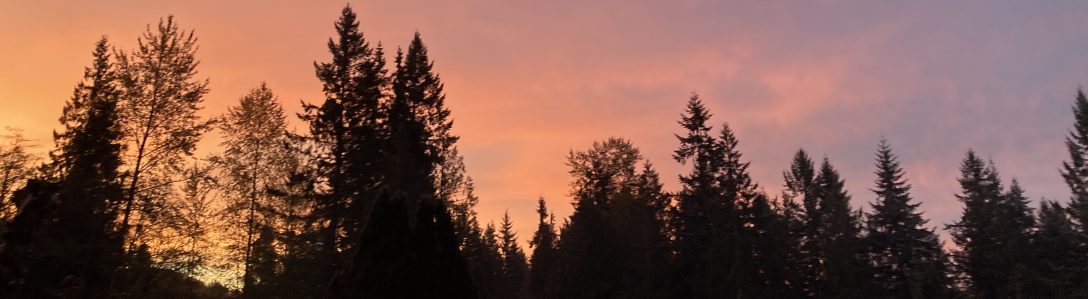
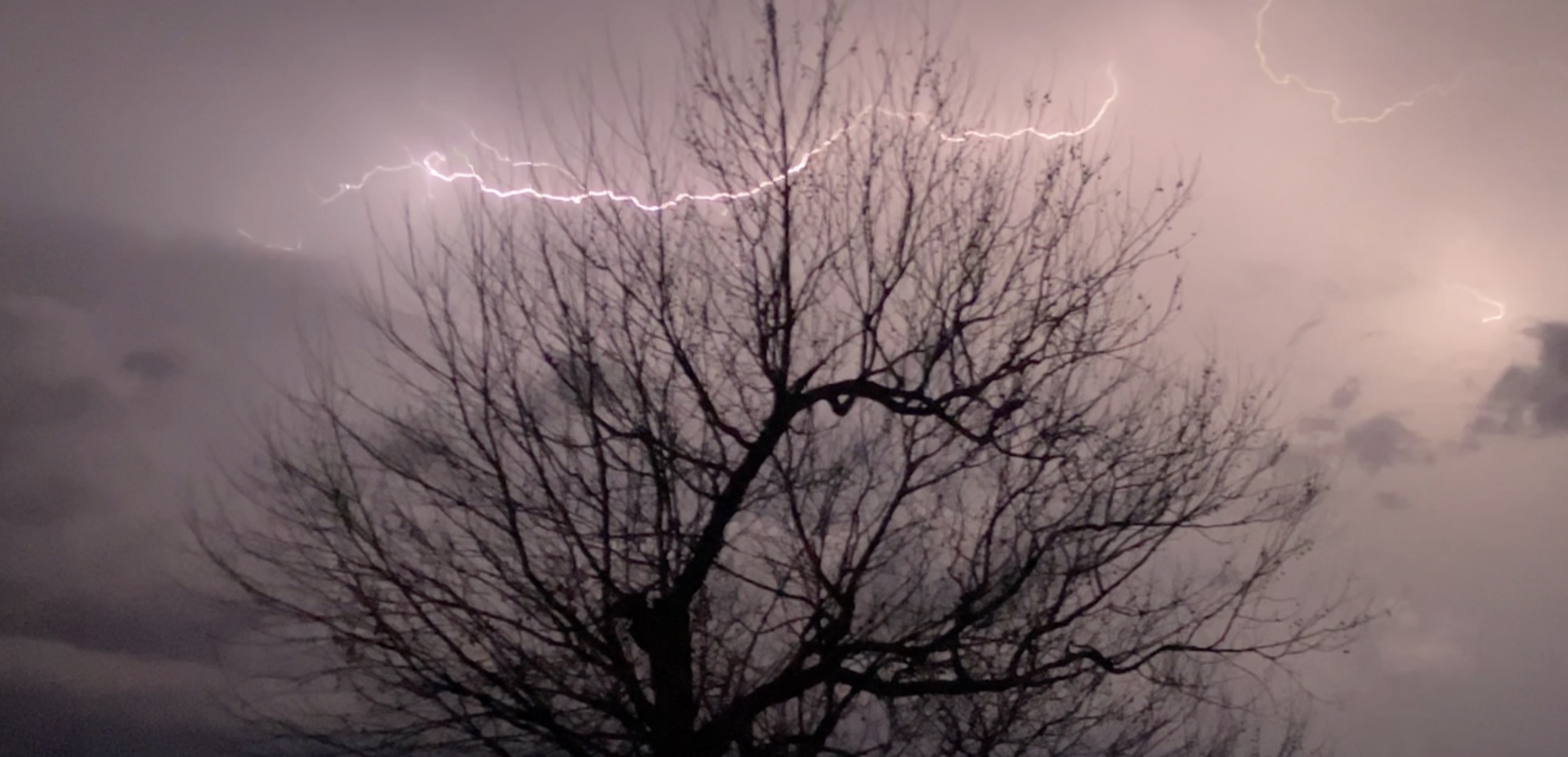
On a visit back to my place of birth, Oklahoma, I was greeted my first night, by a marvelous lightning storm. Right over my childhood sycamore climbing tree, a light show commenced. It’s rare to experience this kind of meteorological power back in Western Washington, where I live today. The actual t-cell had formed far enough to our southheast to mute the thunderous echo from each flash, but far off in the distance, a cacophony went on relentlessly. I could hear it on the wind, far off thuds and pounding, tension pulled static clouds across the sky. The weather had been unstable that day, with unbearable heat hitting me like a wall as I came out of the airport in Oklahoma City.
One of the largest land area cities in The U.S., OKC sprawls for miles in all directions. I was born here, about 18 miles north of the tarmac in Will Rodgers International Airport. He died in a plane crash, with Wiley Post. I never knew their era, decades before my time. Still, this legacy, along with Woody Guthrie, Wanda Mankiller, and the filming location for most of “Reservation Dogs“; fills me with memory, and some nostalgia. These are all customs and chapters I like about my home state, along with the red dirt, scrub oak canyons to the west, and broad river valleys left in vast prairies that were once shallow seas; hence the oil and natural gas reserves. Fossil fuel controls the weaving of economic stability, while degrading the natural environment, until the area is unlivable. AI centers are already moving in. That’s a lot, and I’ll cover it more in another post. But one of my favorite gifts Oklahoma offers are spectacular storms.
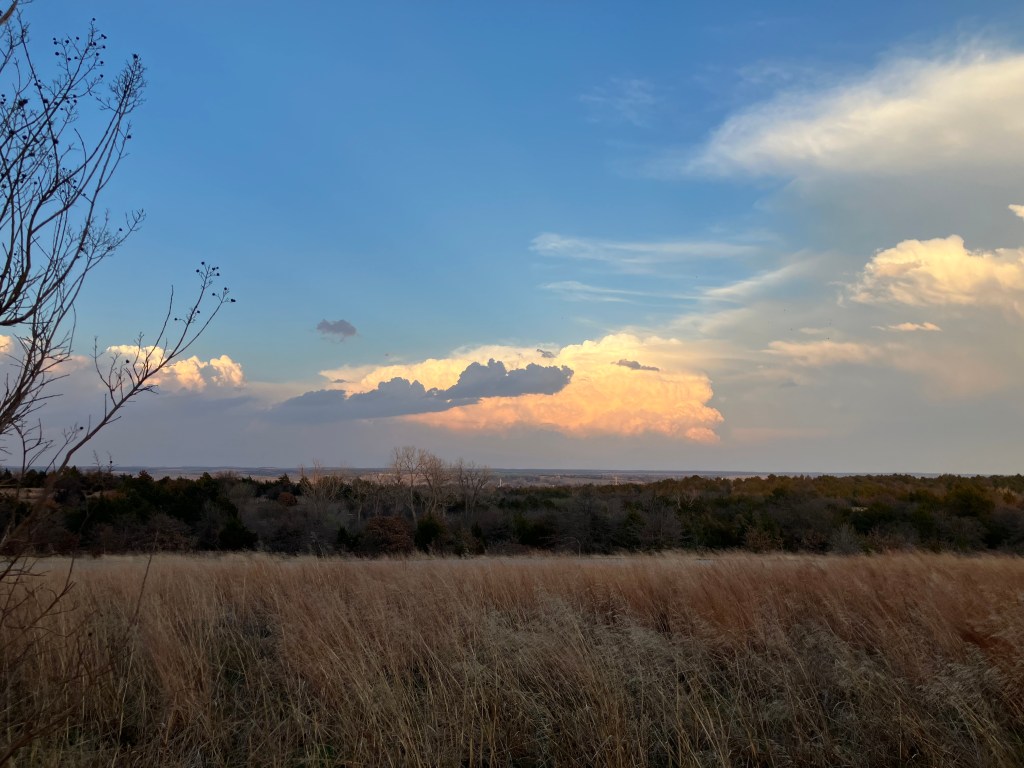
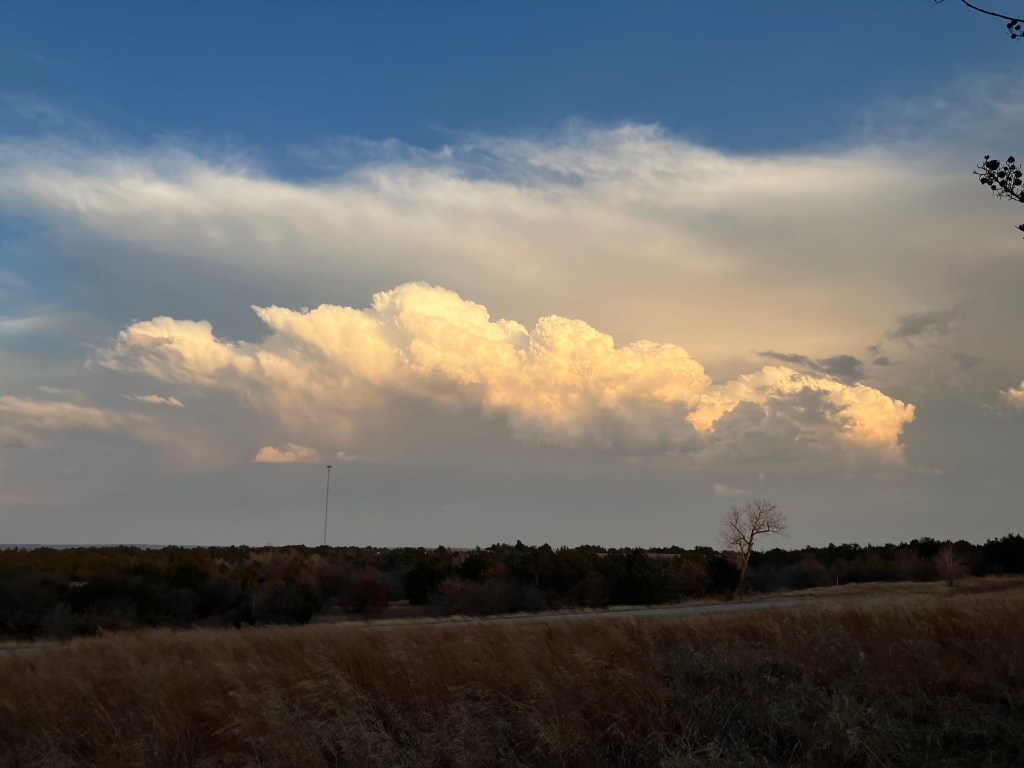
Grasping the vastness of open plane my home city sits in the middle of, helps in framing storm magnitude and the ability to see it looming over head, towering clouds of stacked headwinds already blowing me off course on highway 152 heading west. I like to meander through small towns towards other small towns across the rise and fall of The Great Plains. Western Oklahoma became a territory, taken by white colonial troops, from a number of First Nation Peoples in federal land grabs starting with the Nonintercours Act through The Indian Removal Acts. The laws gave “vacant Indian land” to homesteaders in a land rush. The landscape was divide up into 160 acre parcels in a first come first served style chaotic run for it and stake your claim mayhem that was The Oklahoma Land Run.
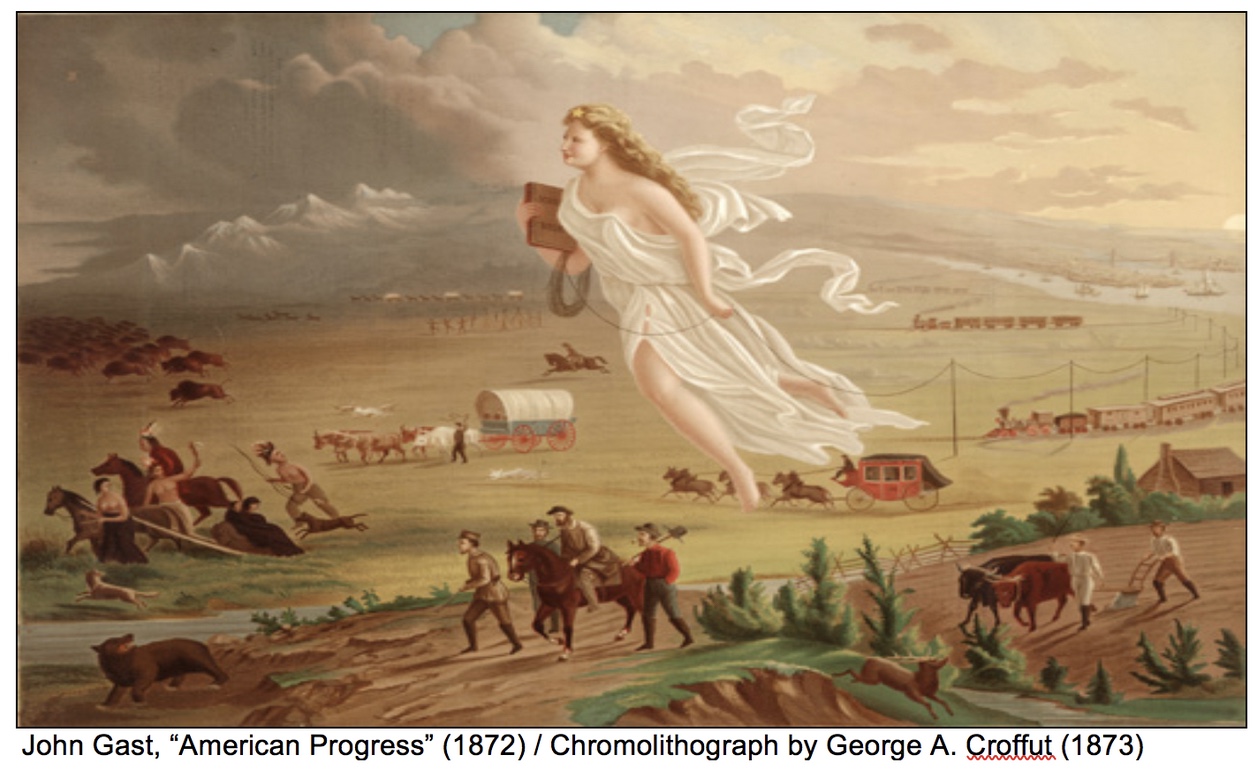
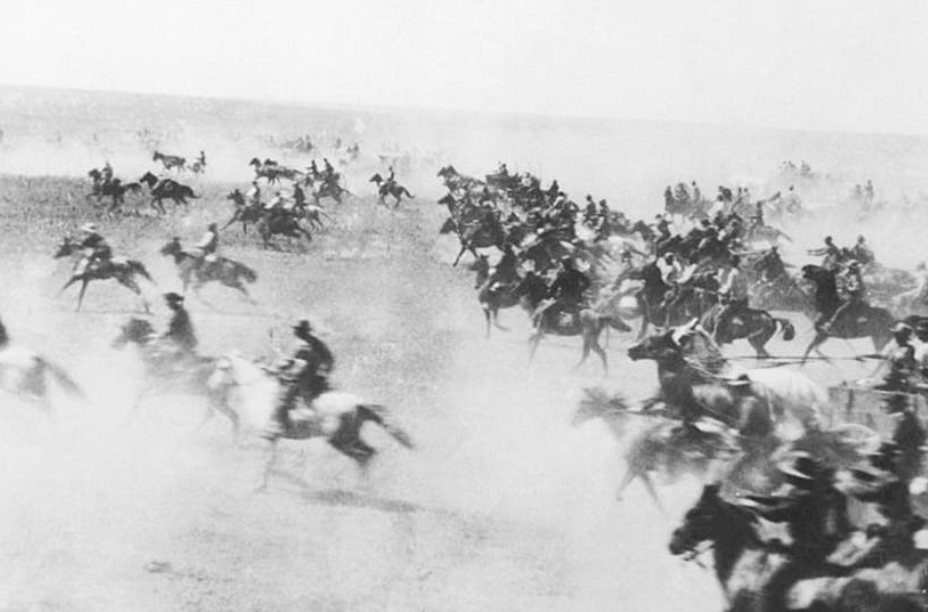
That would have been a day of thundering hooves, I believe it had rained the night before, but the run that day was under clear skies. European immigrants and refugees, along with black families wishing to find a better life, ran for land. They had been told the land was vacant, ready for the productive hands of people ready to tough it out in a new land. But that land had been there for millions of years, and in deep relationship with the people who had been there for thousands. The people of the plains road Spanish Conquistador horses, and hunted buffalo, which would have been here in the millions. Colonial explorers began shooting them for sport by the thousands, and then the US government began the extermination of these animals to clear First Nations from the area. Taking away a people’s food source is a quick way to make them dependents.
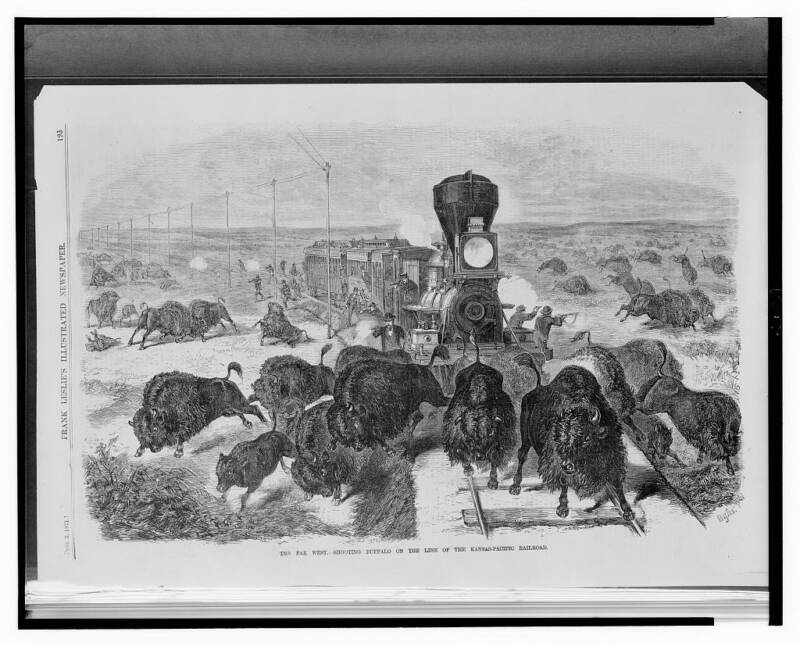
What pushed manifest destiny was economic greed in the form of railroad barons and natural resource extractors taking violent possession of land, then founding planned towns and filling them with people who would need- everything. Yes, development booms lead to a lot of new jobs and businesses, but at what expense? Enter The Dust Bowel. The irreparable damage to the living world we all rely on for survival can’t be bought back, it takes time- thousands of years in fact. I talk about this a lot in my writing, it’s what the whole restoration farming business that Leafhopper Farm LLC and education at EEC Forest Stewardship are directly working towards repairing- both the land it self, and slated land back reparations to the original people of this environment who are still here. Why not back in Oklahoma? That’s a long response, but in short, I wanted to be in a stable ecological region with water and temperate climate, and I had the privilege to choose. But I gave up thunderstorms as part of the choice to live west of The Cascades.
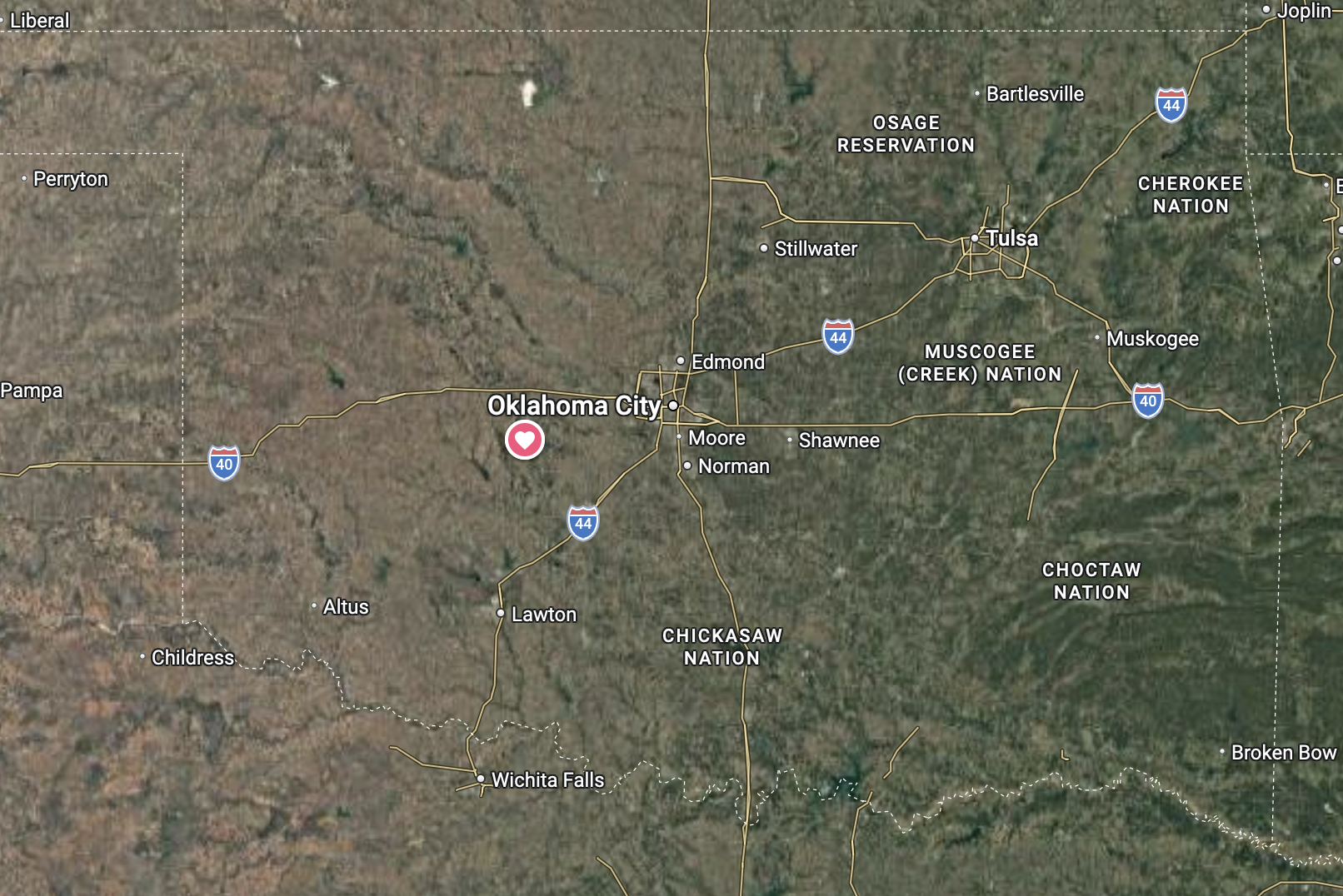
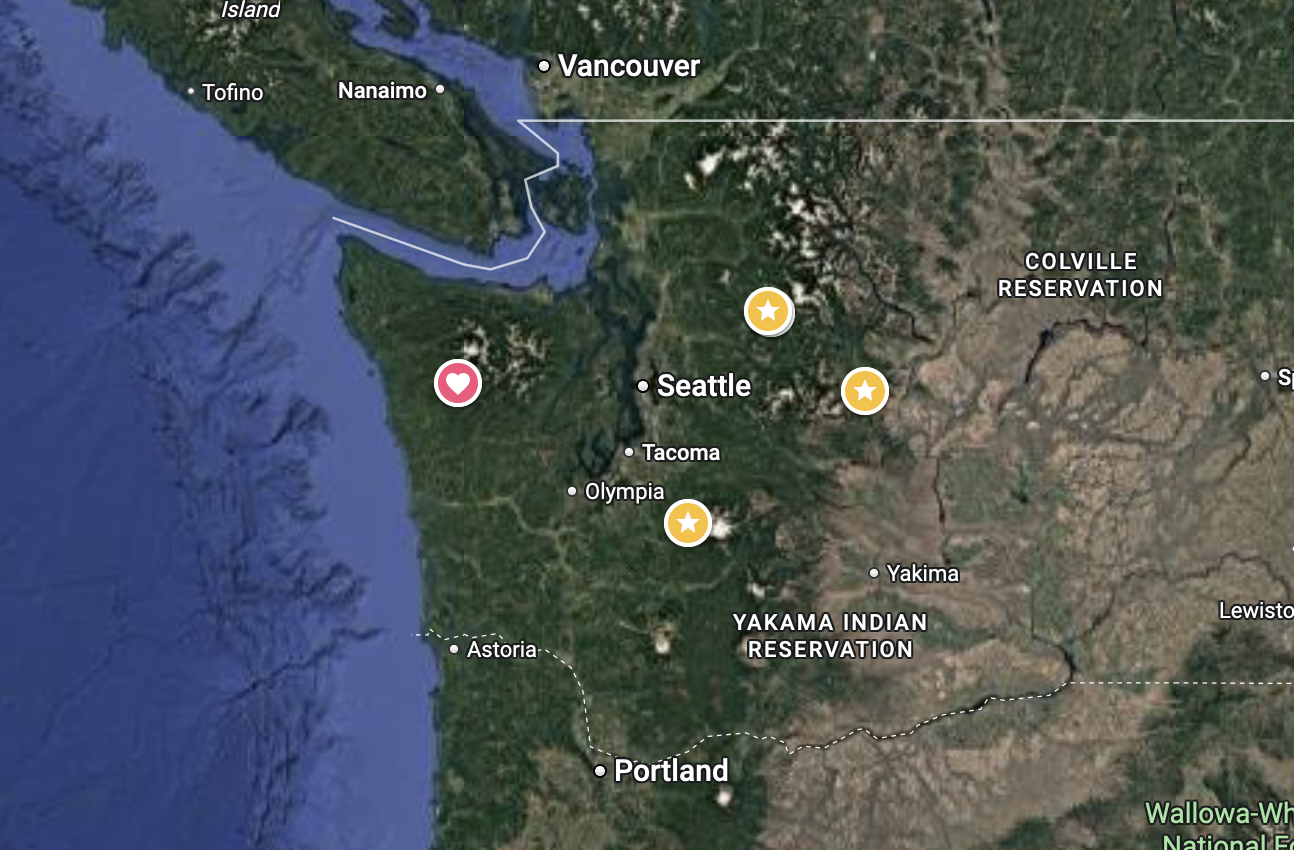
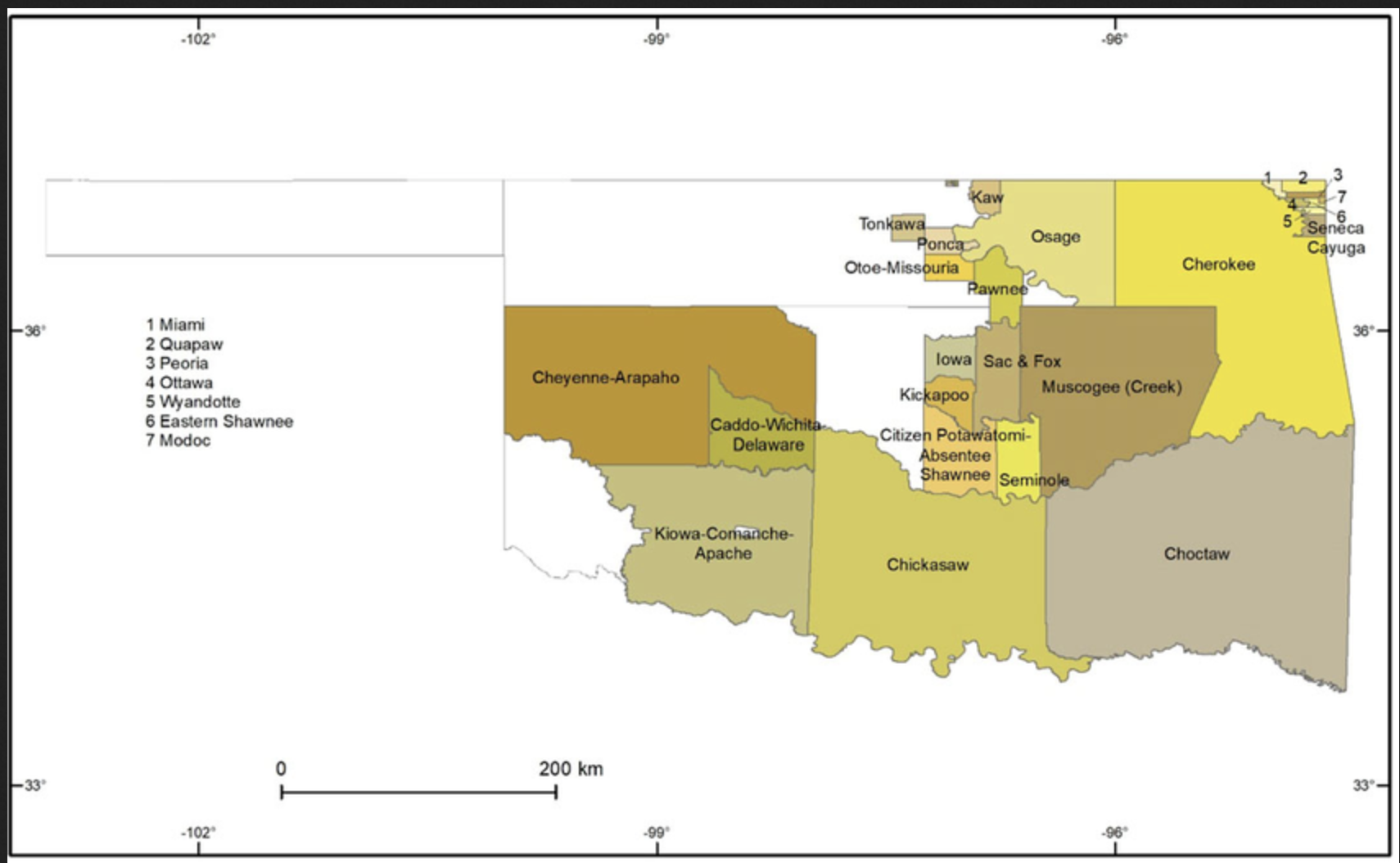
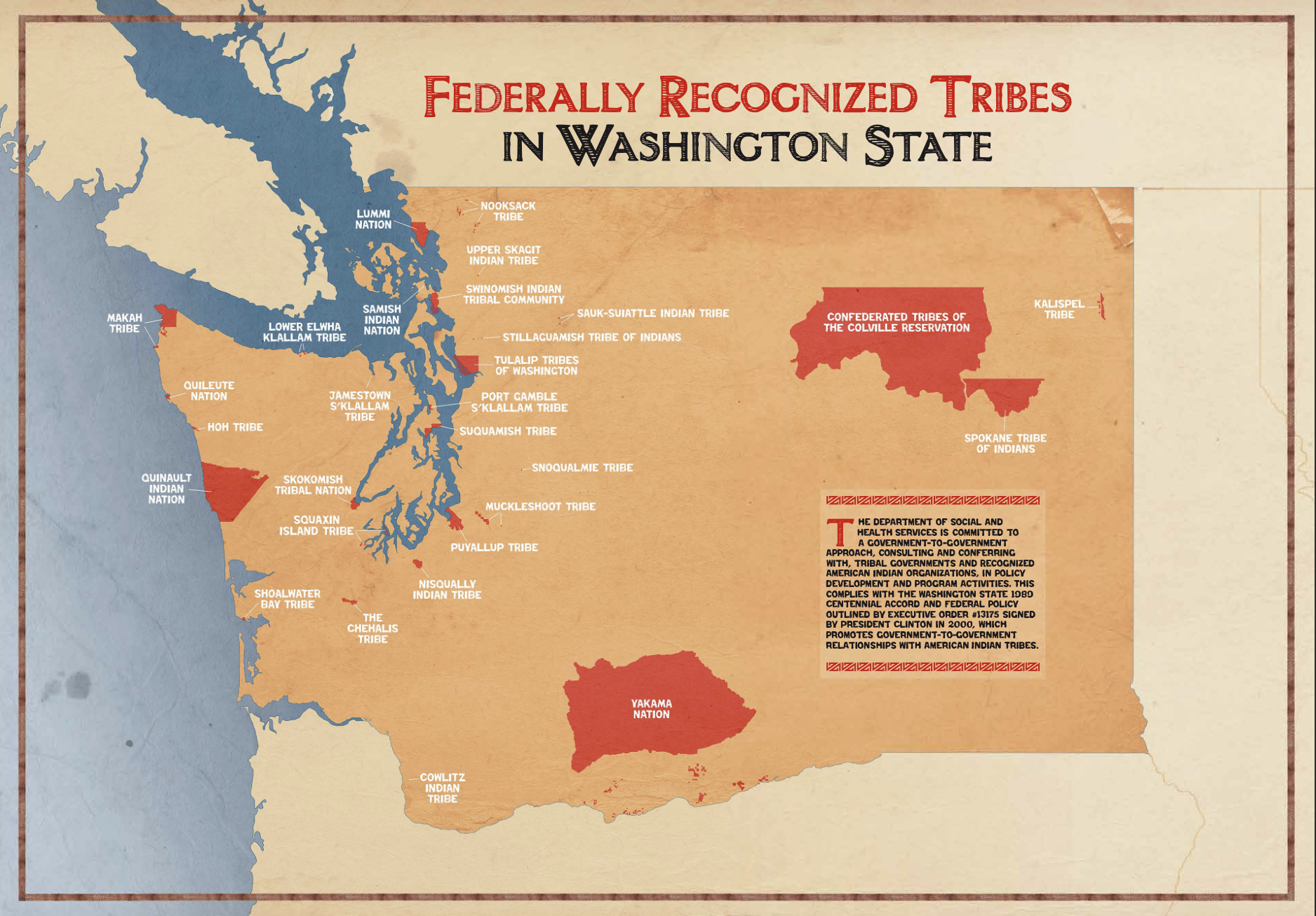
Washington State had numerous tribal peoples, many still living on ancestral lands, but they are confronted with the same obstacle I saw back in Oklahoma. However, most Washington tribes that are Federally Recognized still have direct contact with their native region of origin. Back in Oklahoma, most of the tribes there are transplants, pushed west from coastal homelands or the good bottom land colonial farmers lusted after. To be clear, the good bottom land was taken from tribes here in Washington State too. It’s important to remember that most of the land you’re on today is stolen.
Oklahoma has the largest concentration of Native Tribes in our lower 48 at 13.10%. Alaska has the largest percentage at 20.10%. Even after major federal government measures attempted to eradicate tribes to make way for colonial settlement and domestication for more productive human use. This is how I came to be born in Oklahoma City, and why I am driving west from there to a patch of a little over 6 acres, sub-divided out of a 160 acre homestead, and drawn up into a deed that was stamped in 1905 under the presidency of Theodor Roosevelt. Later allotments were given in lotteries, including the land of Caddo County in 1901. My Father was born and lives here today, near The Tribal Headquarters of The Caddo People. Dad’s house is at the top of a hill, which is impressive, in an otherwise pancake flat topography that makes rivers lazy most of the year. The torrential rains of thunderstorms can cause flash flooding, awakening every ditch and stream into frothing fury, but on top of this hill we’re dry, but exposed. There are lightening rods on every building, and some with two or three. Today, the storm seems to be moving southeast, away from the house, and thirty miles downstream. Still, as the sun set and light faded, the passing show did not disappoint.
Wind is another impressive constant in Oklahoma. It’s usually pleasant, a passing tickle along your cheek, or a rustle in the hedgerow next to the fence, sometimes a whispering through the pine trees, but when storms are building, the wind becomes a wild creature of havoc, twirling and swirling, then down-drafting and knocking over outdoor furniture or toppling the roof off a shed. Binger were at the edge of this front, getting the whipping tail of wind in a blustery constant while the flashing cracks fell across the sky. Still, the storm was a silent stalking thing across the horizon, a low drumming had begun in some far off place, at the back of the ear. As night fell, the winds kept up, carrying off the rumbles like passing grumbles in an empty stomach, but the fury of the weather slung hail under it’s wrath, pelting the earth . There was only a drop or two precipitation felt on my cheek as I stood watching. The wind was more biting, pressing me off my center of gravity, so that I reached for the deck railing.
At one point, the wind grew so combative, I had to step inside to collect myself. The scent of rain hung in the air, and the lightning was reaching a fever pitch, crashing down once or twice in great bolts, but then retreating back into the clouds, becoming aloof and secretive, so I stepped back out onto the patio and caught what I could. This would be the only storm on my visit, with clear skies and cool temperatures on the way for the rest of the week. It was a beautiful welcome home gift, and I’ll treasure the memories of quite the show.




 EEC Forest Stewardship
