Drought Mushrooms

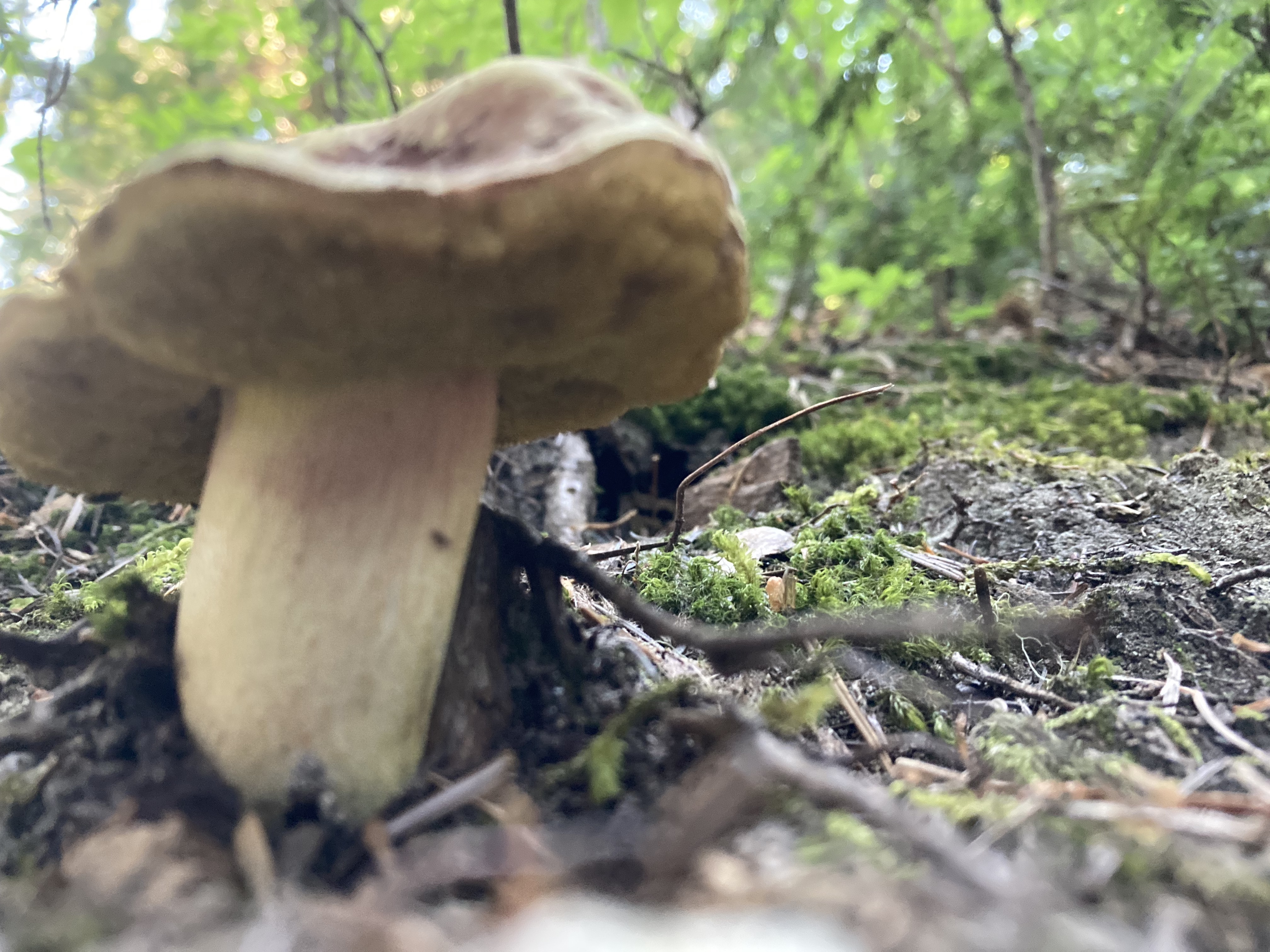
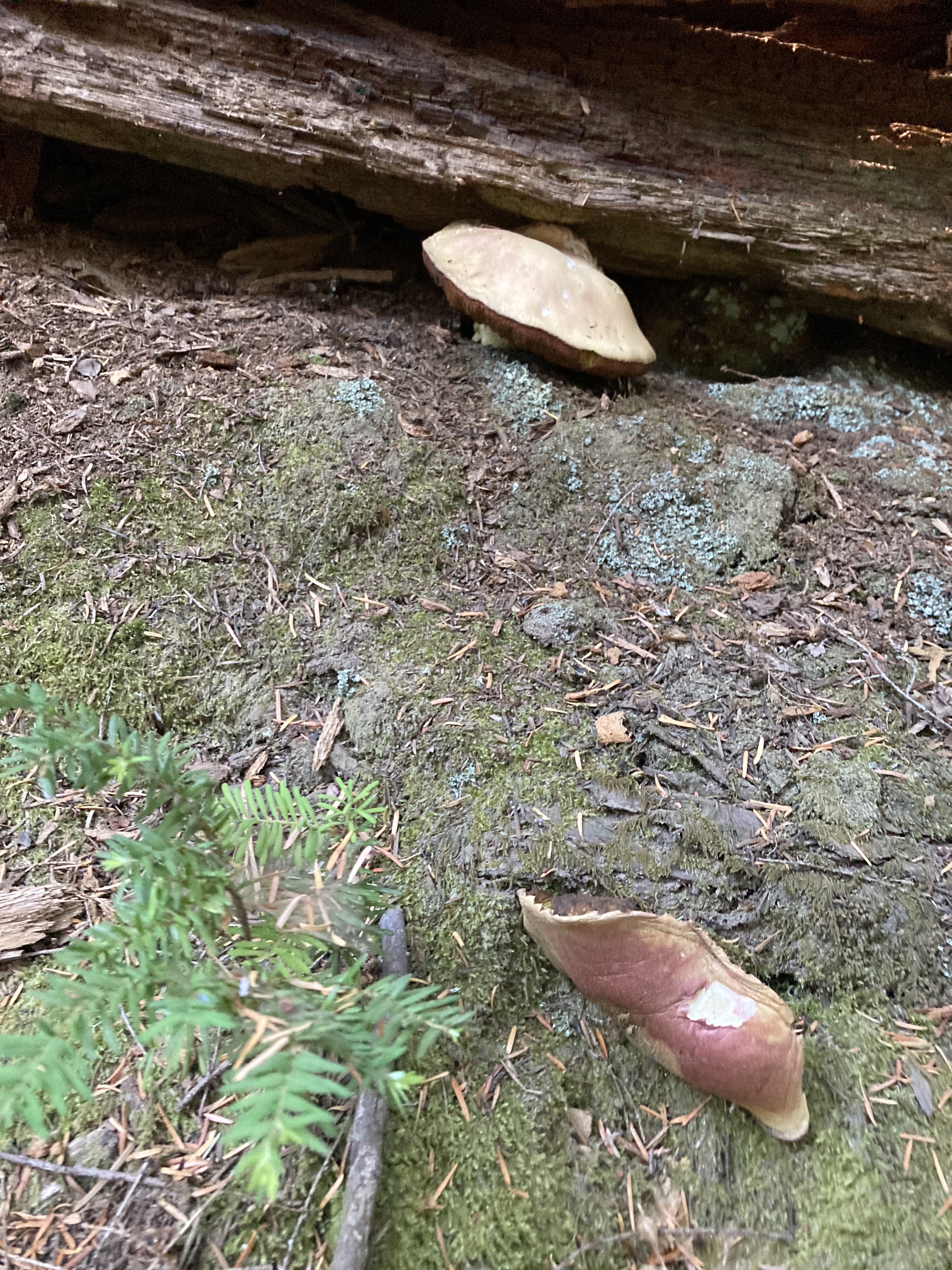
Forest Floor with Bountiful Boletes

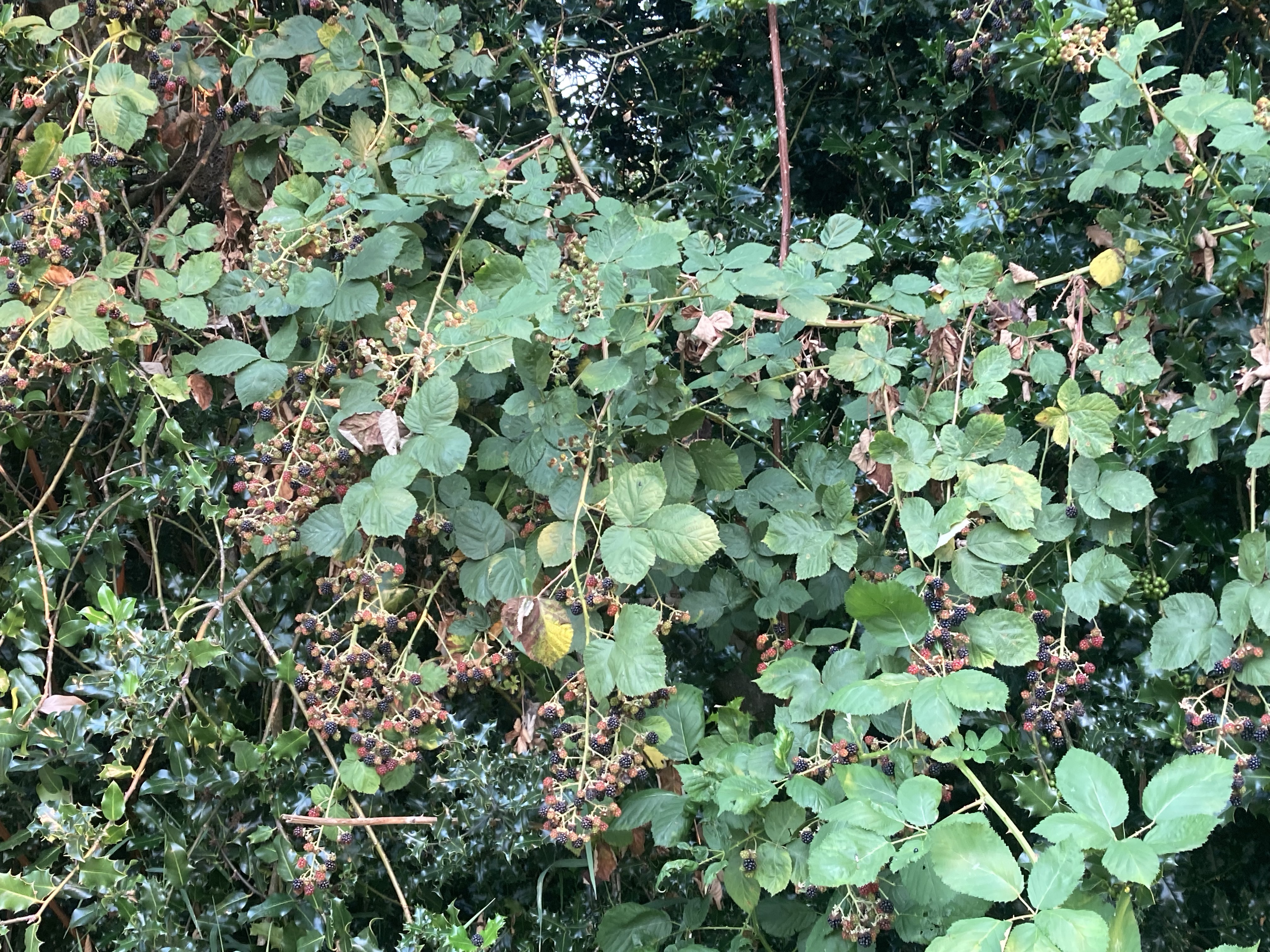
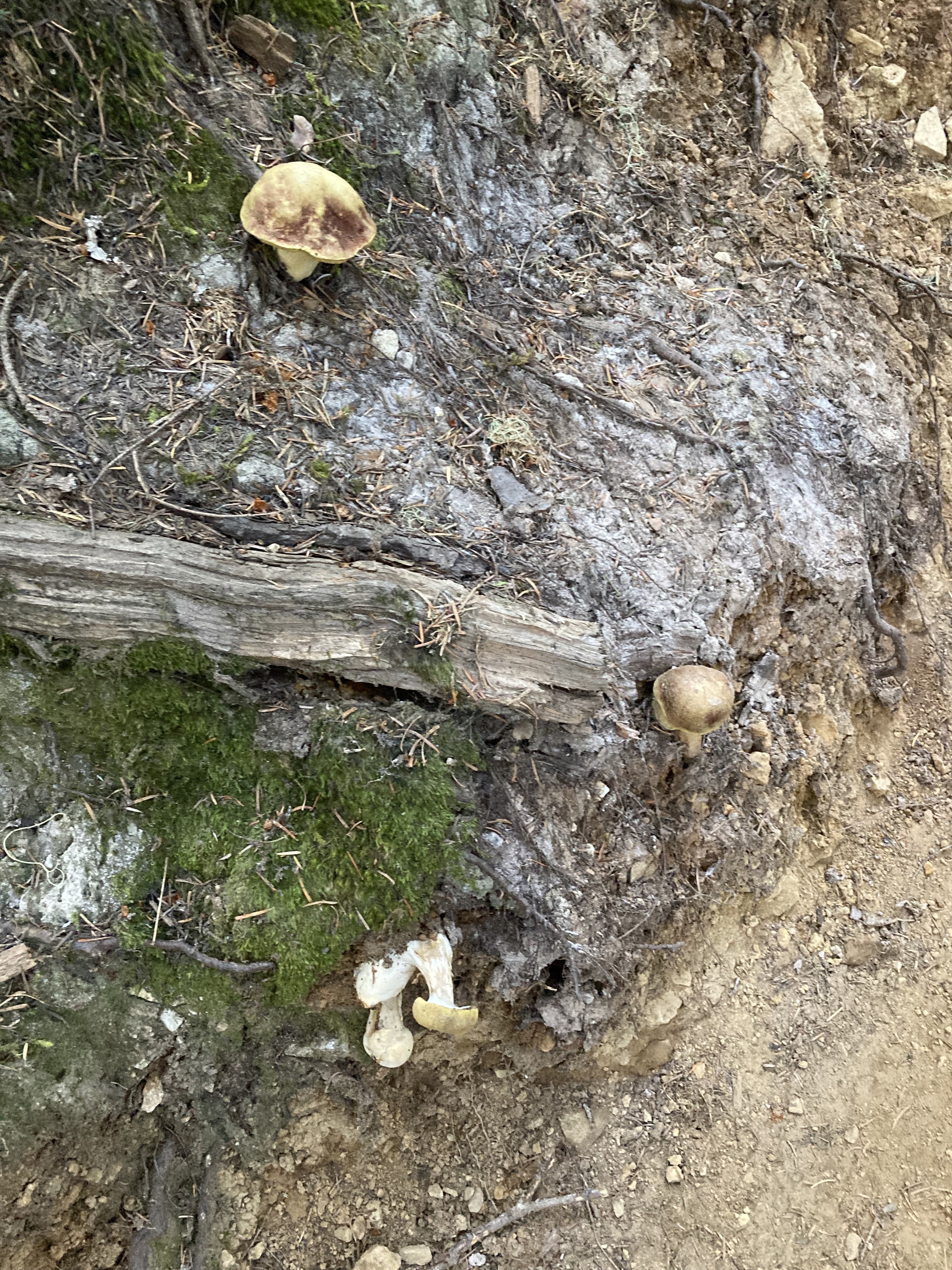
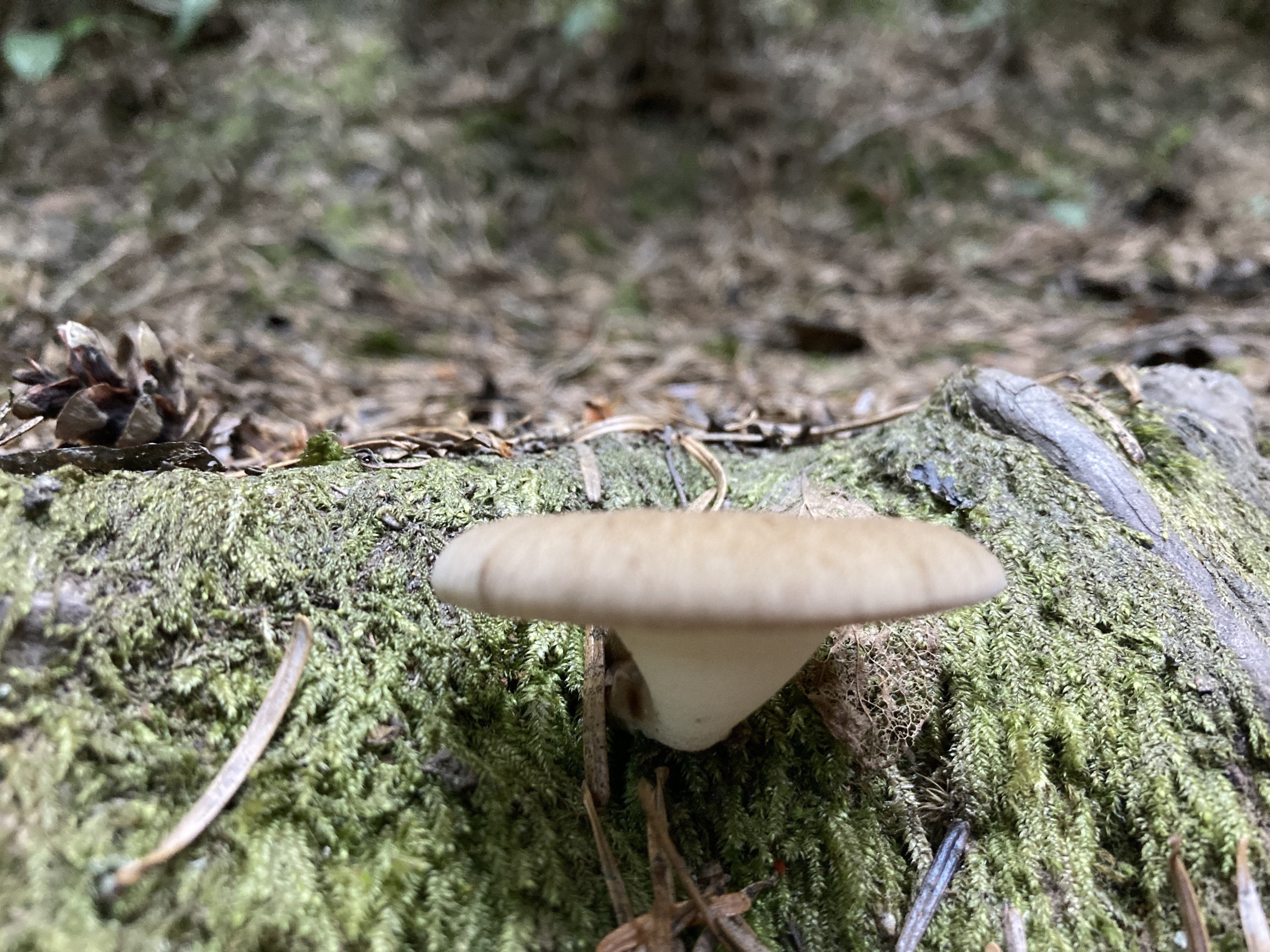
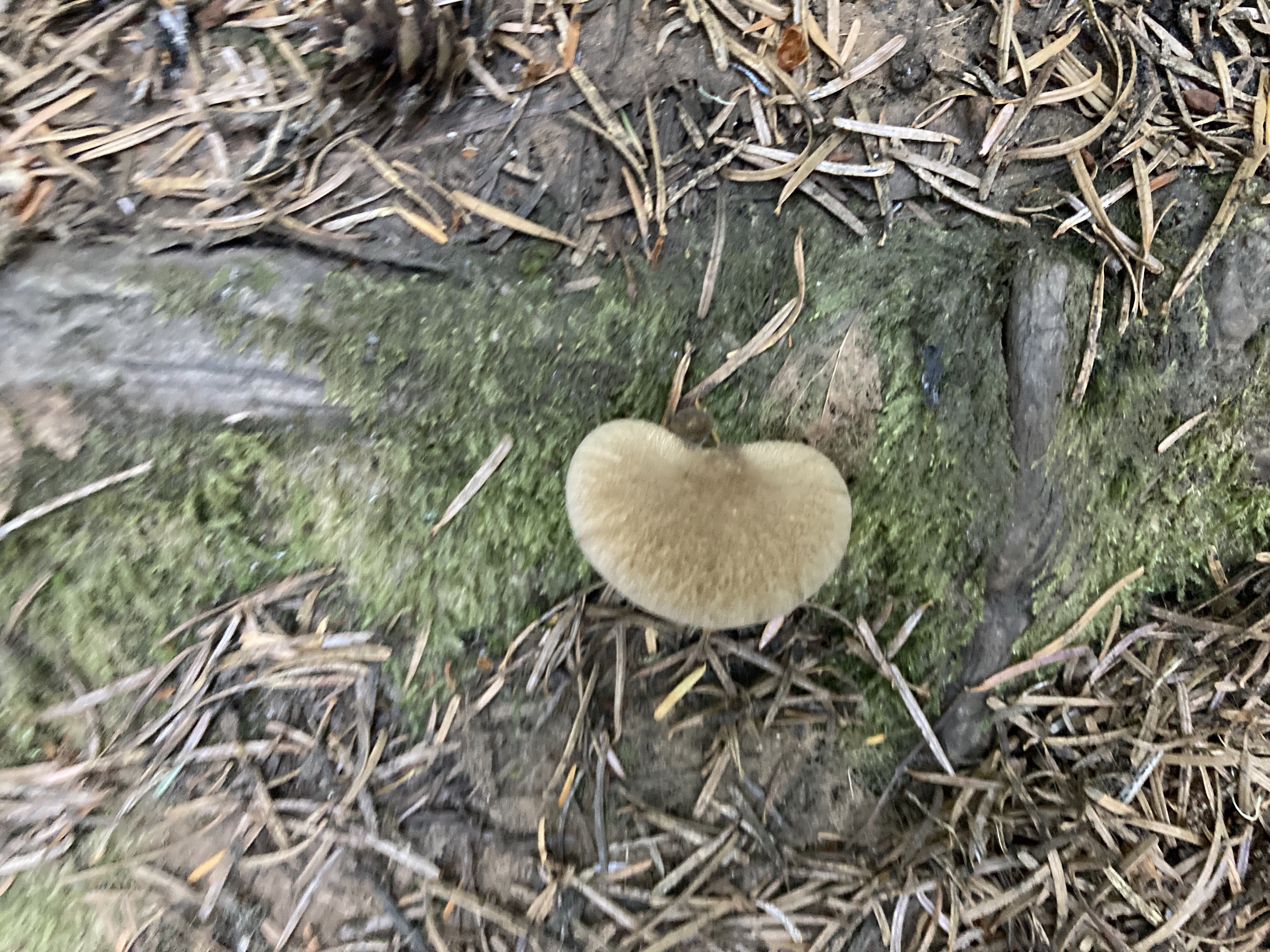
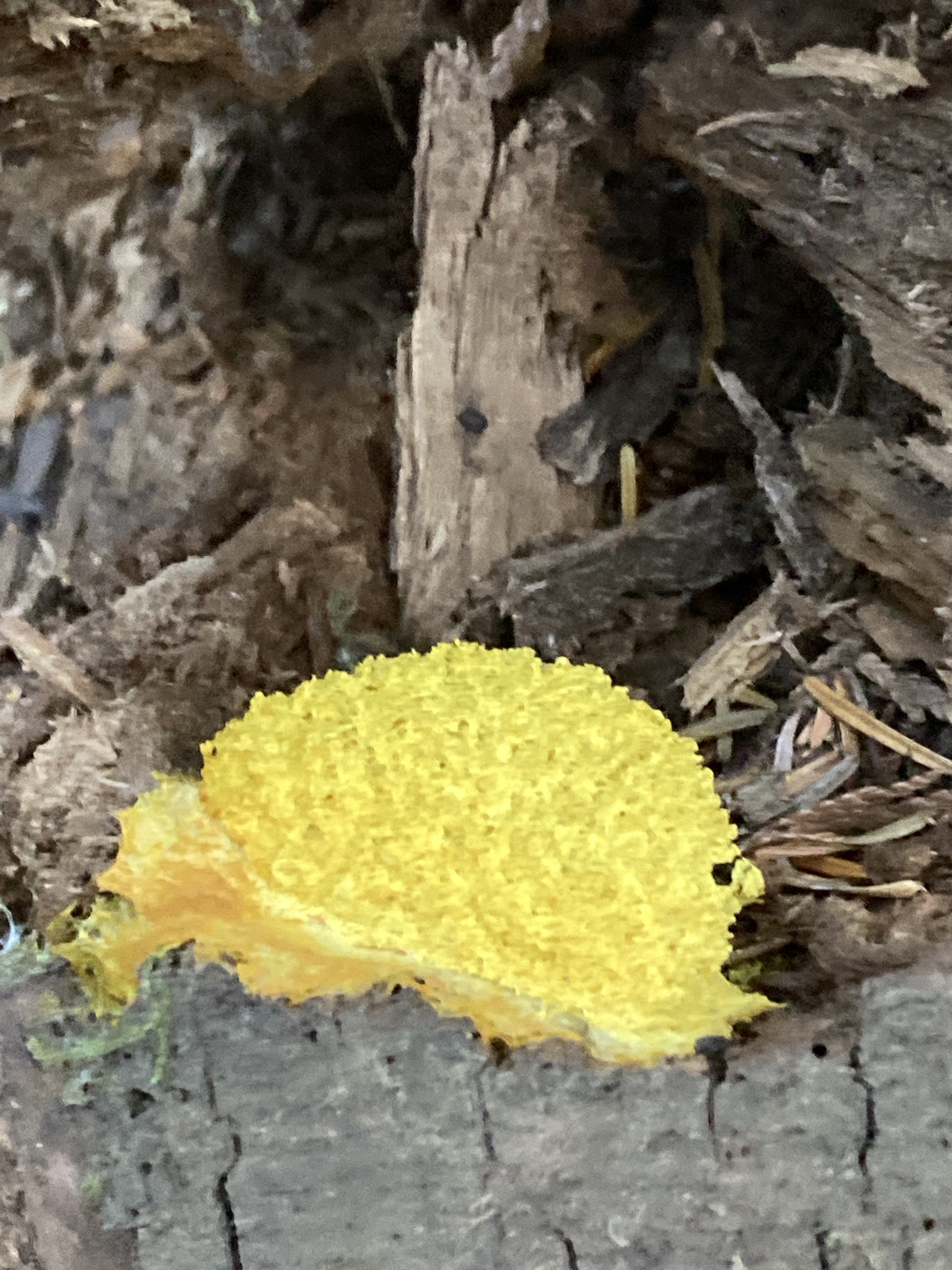
The Boletus family is a great group to know here in Western Washington. They are prolific throughout all seasons and some are easy to identify and harvest- though I will not teach that here- face to face mushroom learning in the field is always best. Please contact me, escocrain@gmail.com, for opportunities to join adventures in mushroom I.D. time. The fall is always bets, but this summer, during incredible drought, we took time to wander up into higher elevations (above 4,000 ft.) to find some fungal friends. These pictures of Boletes are hard to identify, but I thoughts they were bitter boletes of some kind, and left them. There were a number of slime molds out- not unexpected for this time of year with the heat. But even some oyster like verities were peeking out loners from under the duff. With such little water available, these great mushrooms were still finding the moisture where they could, and making the best of it.

The Central Cascades are full of moisture, even when the clouds refuse to burst. Mysts cloak these towering crags with all the humidity a mushroom needs to flourish, though when it does start raining again later this fall, The Mushroom Spring will arrive. These pictures are of solitary, or small groups of late summer stragglers in the fungal kingdom. By October, the mountains will be awash in bloom with all kinds of fungal families- including many that people love to eat. Right now in August, it’s best to document species, but let them be. The slime molds, like Dog Vomit, are bright and colorful, but send a message of disgust in more ways than one. Note that breathing in the spores has been known to trigger asthma in some people. Yet it’s one of the most brightly colored creatures biding its slime on the trail during our ascent.

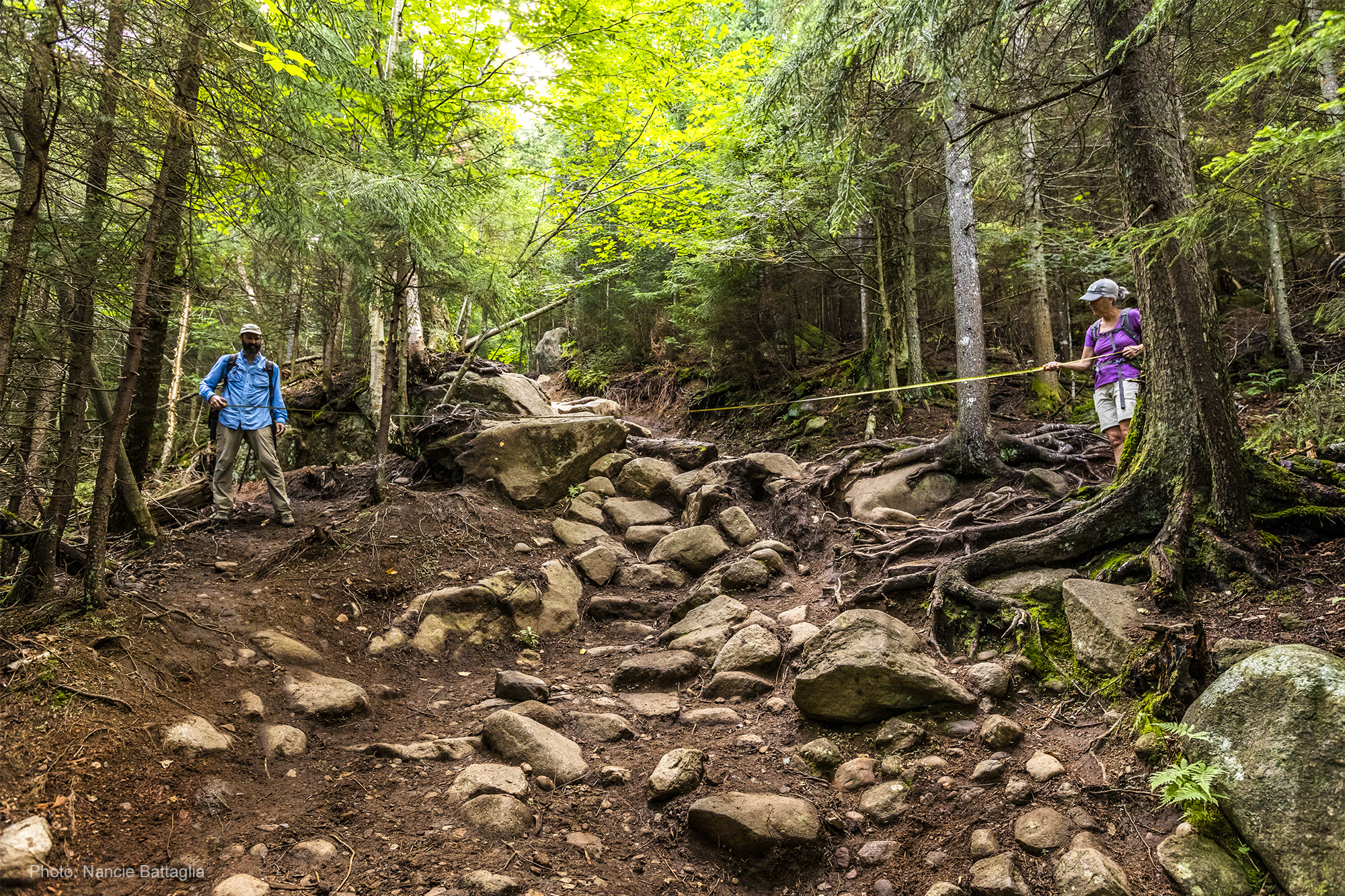
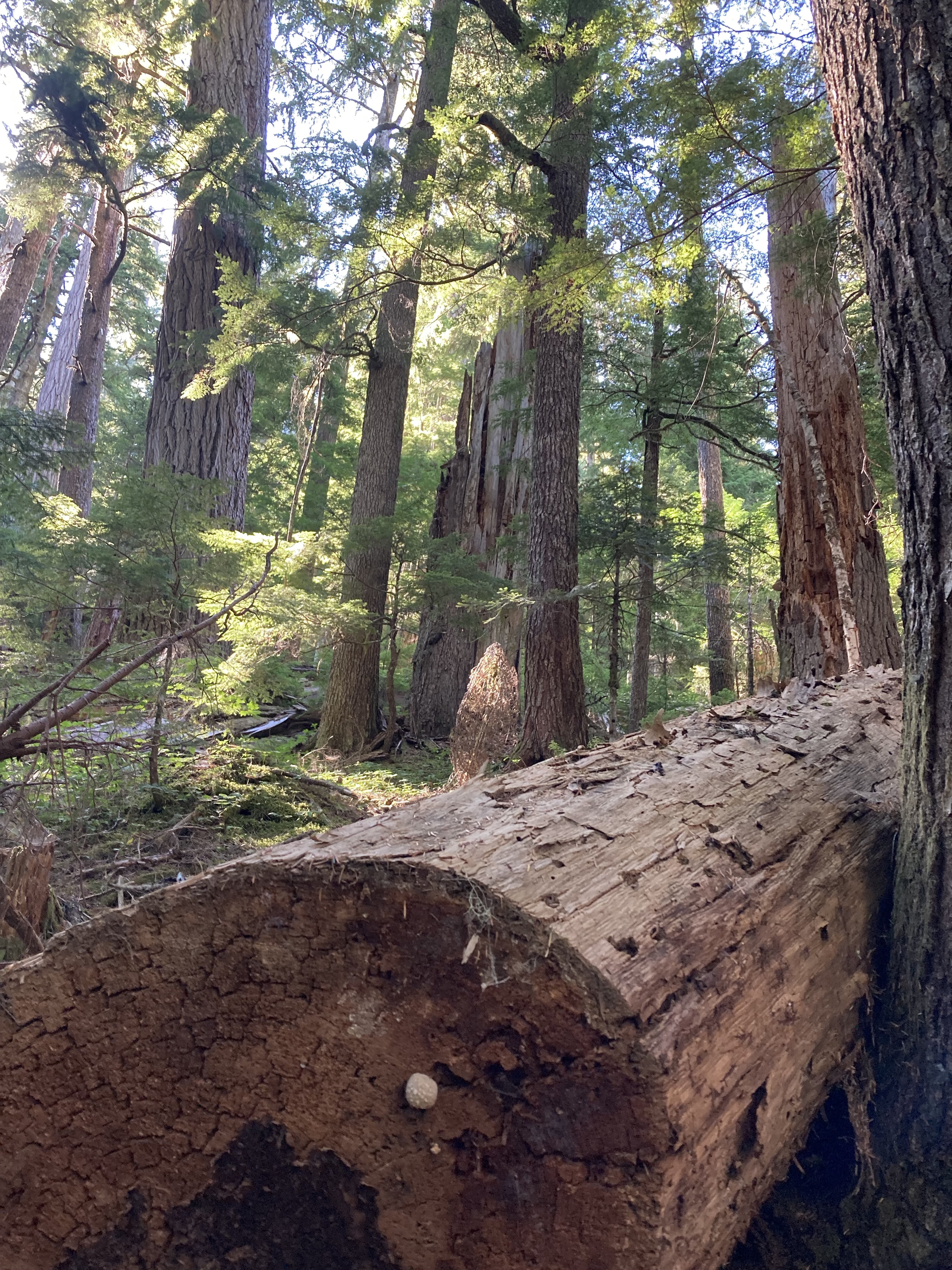
An often underappreciated year round species of fungus among us is Red Belted Conk. This Polypore thrives on dead wood, and can be found bracketed along decaying trunks and downed logs. On a warm August day, you can see drips of clear liquid forming on white flesh of these awesome mushrooms. This is called Fungal Guttation, and it’s an amazing source of water for many insects and small mammals. A person could lick the moisture too- though it won’t give you much re-hydration- better to leave it for other forest friends. Our hike took us through a well established forest- one might even call it older growth, as at the elevation we were ascending to, size is stunted. We still saw a lot of large, majestic giants towering in a canopy cathedral above. There were still signs of logging, but many mature trees stood tall.

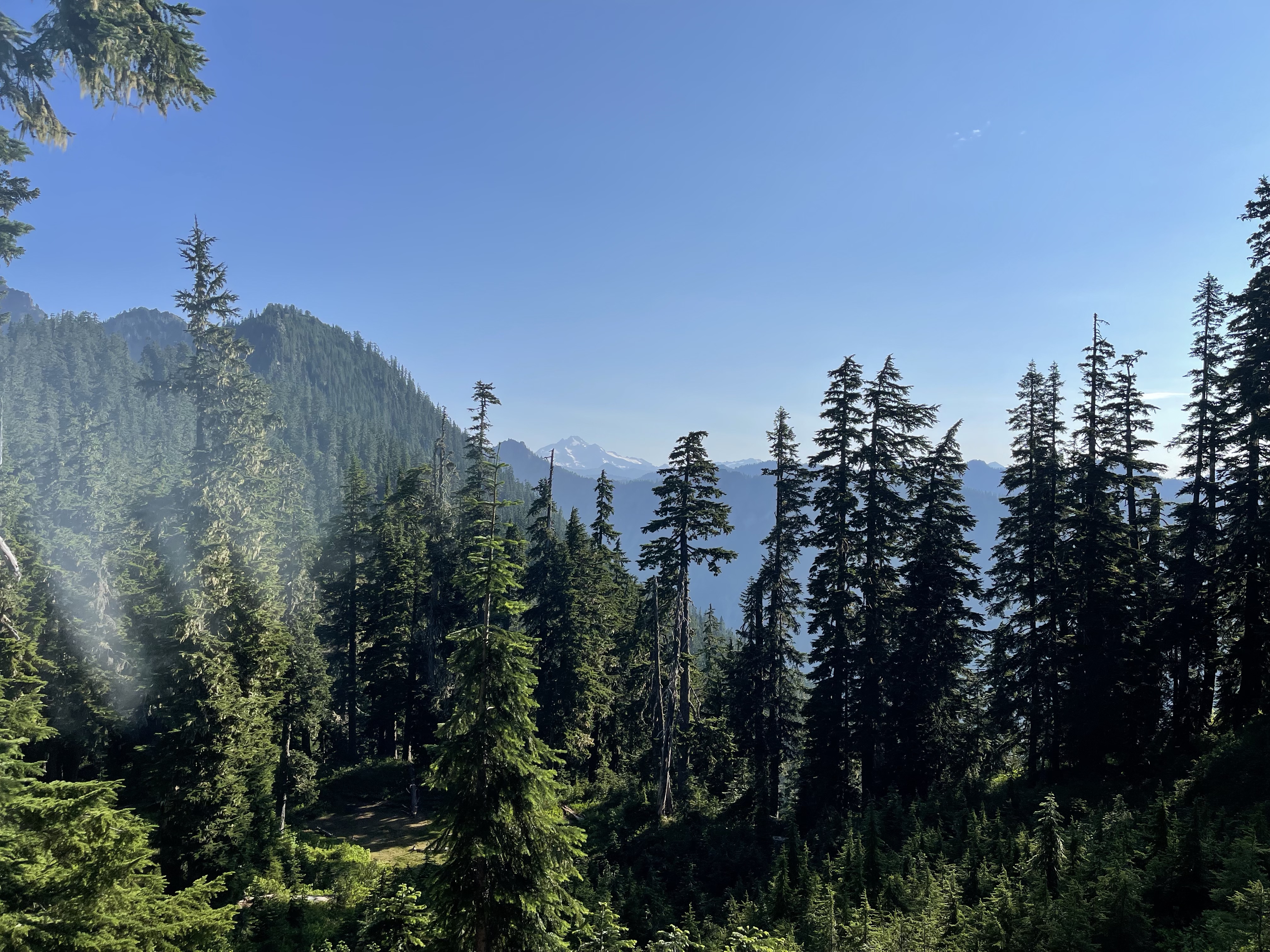
Glacier Peak in the far off distance

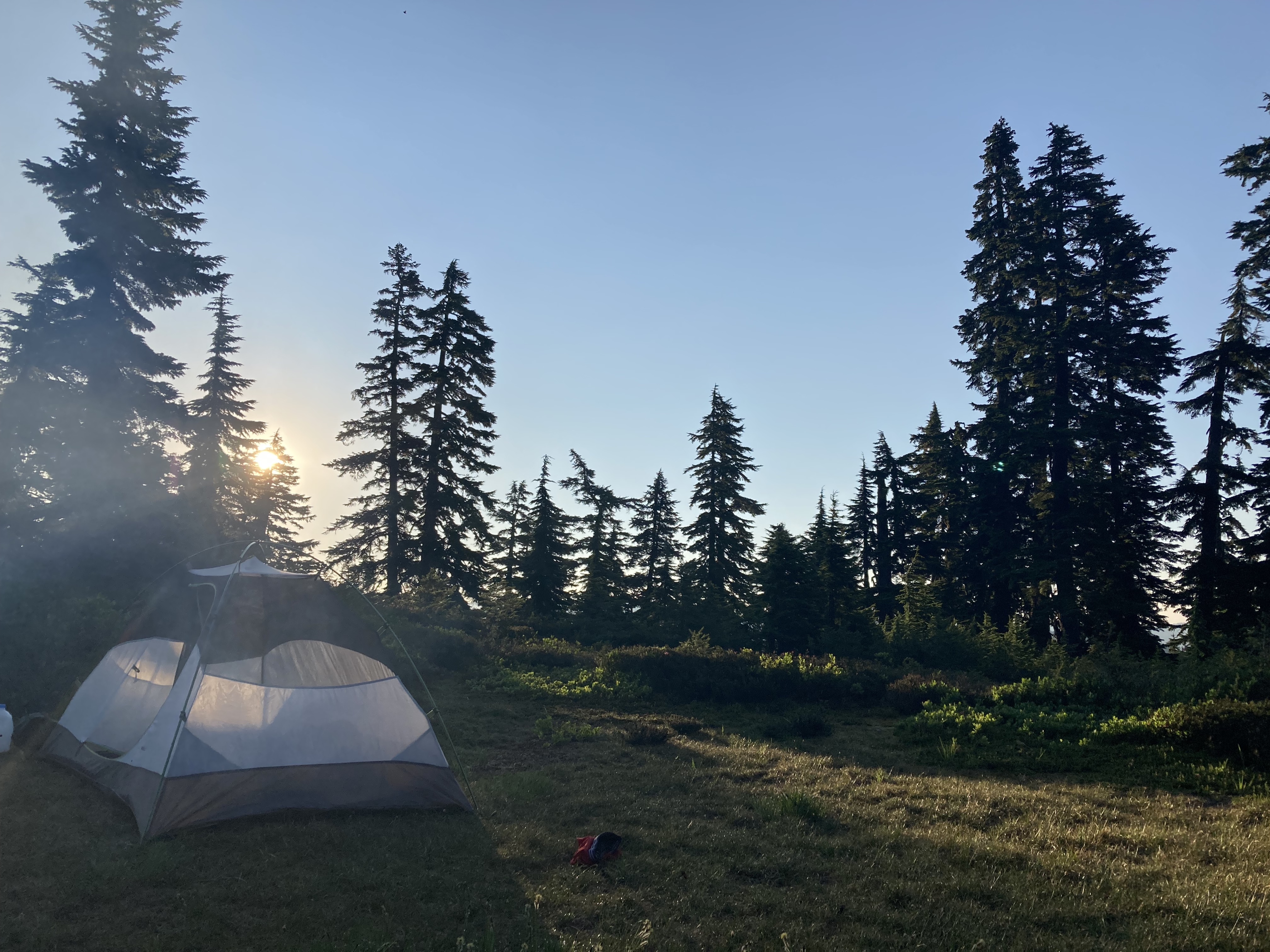
By the time we reached our highest point on the trail, glaciers were in view, and the snow melt from last winter was still blanketing sheltered shady spots around us. This slow melt was also hydrating the surrounding flora and fauna, keeping the landscape lush and alive. We camped at an established site along a picturesque ridge and kept an eye out for more mushrooms in the woods. Surprisingly, there were none around a nearby body of water or along the snow melt. Still, morning mists lingered the next day before another scorcher enveloped us on our decent. We found a few more boletes popping out of the dry duff and wondered at the awkward angles the caps protruded from the needles. Again, it’s late summer, and the general atmosphere is not conducive to great mushroom production.

Mushrooms can tell us a lot about climate conditions and ecological health in the environment. Though most fungi prefer damp, cool conditions, many will throw caution to the wind in a chance to repopulate through spore spreading in any wet window. Because The Cascades captures so much moisture off The Pacific Ocean, even summer drought season can produce enough humidity to cultivate the right climate for all kinds of amazing mushrooms. Take a moment to look around, even in dry places, especially at elevation. If you find fungus, document the species as best you can and note the landscape and any recent precipitation. As our world continues to dry out and heat up, we’ll see the mushrooms adapting rapidly, which is why its such a successful kingdom in the natural world.

Subsidy or Subsistence?

When people ask me about EEC Forest Stewardship as a farm, they have a certain understanding of what farming means, and usually end up calling my endeavors to produce food “subsistence” farming. This term is arrived at because I state that the farm is not a money making endeavor- as in- not for profit. Farms are not usually designated as non-profit, and I explain that EEC is not an industrial production center. The definition subsistence is arrived at through what I believe is a serious misconception fueled by ignorance. Today I’d like to clear up a few things about agriculture to shift our understanding of farming and the realities of food production in this country.

It seems today that the general public believes farming is ether big business or subsistence, as though there are no other avenues or opportunities in agriculture beyond money- this trend can be traced across all aspects of our economy, profits determine productivity. Where food is concerned, this is certainly an alarming trend, because eating is a requirement for survival, and putting a price on food has always been a dangerous liaison. At EEC, our animal systems break even, and sometimes provide a little surplus in financial gain. We raise many more animals that we need to survive here, so we’re well past the “subsistence” category, by definition. But when I say the farm is not my main source of income, and more specifically, that I do not engage in industrial agriculture, it is assumed the farming is sub-whatever. How far from the truth this is.

Restoration agriculture is priceless. I’ve written a few articles about how much the livestock systems add to the fertility of the land, as well as the larder, but that’s not how agriculture is taught- if it’s taught at all. Most people see only profit status, like in their own work place, and if you say you are not producing said profits, you’re subpar- subsistence. Based on money alone as the measurement, we should then include all the subsidies that industrial farms receive for their viability. Most farms at least have a tax # which provides discounts on purchases related to agriculture. This can be anything from seed for planting, to oil for the tractor, to hay for the animals. EEC does not have a tax #, though we have filed F4 tax papers as a legitimate agricultural business, we do not take advantage of any subsidies and remain independent of government “handouts”. This is more than most for profit farms can claim.

It is a sad fact that most farming would not survive without subsidies, and I am all in favor for them while we operate in a broken Neo-liberal capitalist system which serves only one cause- making money. When your goal is producing food, you will always come out in the red, as food is not valued as it should be, considered it’s a required input for survival. Instead, the majority of crop production in this country, and many others, are labeled “soft” commodities, and traded as such. Food is group in with oil and gold- a sad state of affairs in our modern industrial complex. So when you think of a small family farm with a picturesque big red barn, you’re romanticizing the industry, which whitewashes agriculture to hide the truth of food production from the consumer. If people had to pay the actual cost of food, most could not afford it- many still can’t even now, with the subsidies.

At EEC, we produce enough eggs and lamb to sell in a small word of mouth, slow food community. This allows us to work within the unpredictability of production without hard line requirements and penalization if we can’t meet a certain number each year. This is a major sticking point in industrial agricultural- you have to meet the production numbers so there are not shortages. Consequently, most large producers overproduce and end up with a gluttony of product they then dump- literally pour out on the ground, burn, compost, or destroy in some other way, to keep prices stable. When the production fails- which can happen quite often in nature through natural disasters, disease, or climate change- farmers still get insurance payouts or more subsidies to get them through a bad year. In 2020, industrial farmers received nearly 40% of their income from government subsides. That’s a cash cow I’d like to be raising- who wouldn’t?

This land produces a reasonable amount of eggs and lamb, but also produces a few fruit trees, veggies from the kitchen garden, fertility to enhance production in the soil without chemical inputs, and hosts a small number of tenants who pay a predictable monthly rental income. When all this gets added up, EEC is certainly providing enough income to support the cost of production, taxes, and paying the bills, so are we really just subsisting? My personal expenses are not covered by these productions, so I run a consulting firm on the side to help other people setting up their land production and smart restoration systems. I use my land as a sort of demonstration space to show potential clients what these systems look like and how successful they are. Is that subsistence farming? No, but when you tell someone you don’t make money off your production, that’s what they seem to think. Yet people also forget that industrial agriculture is only profitable with government subsidies.

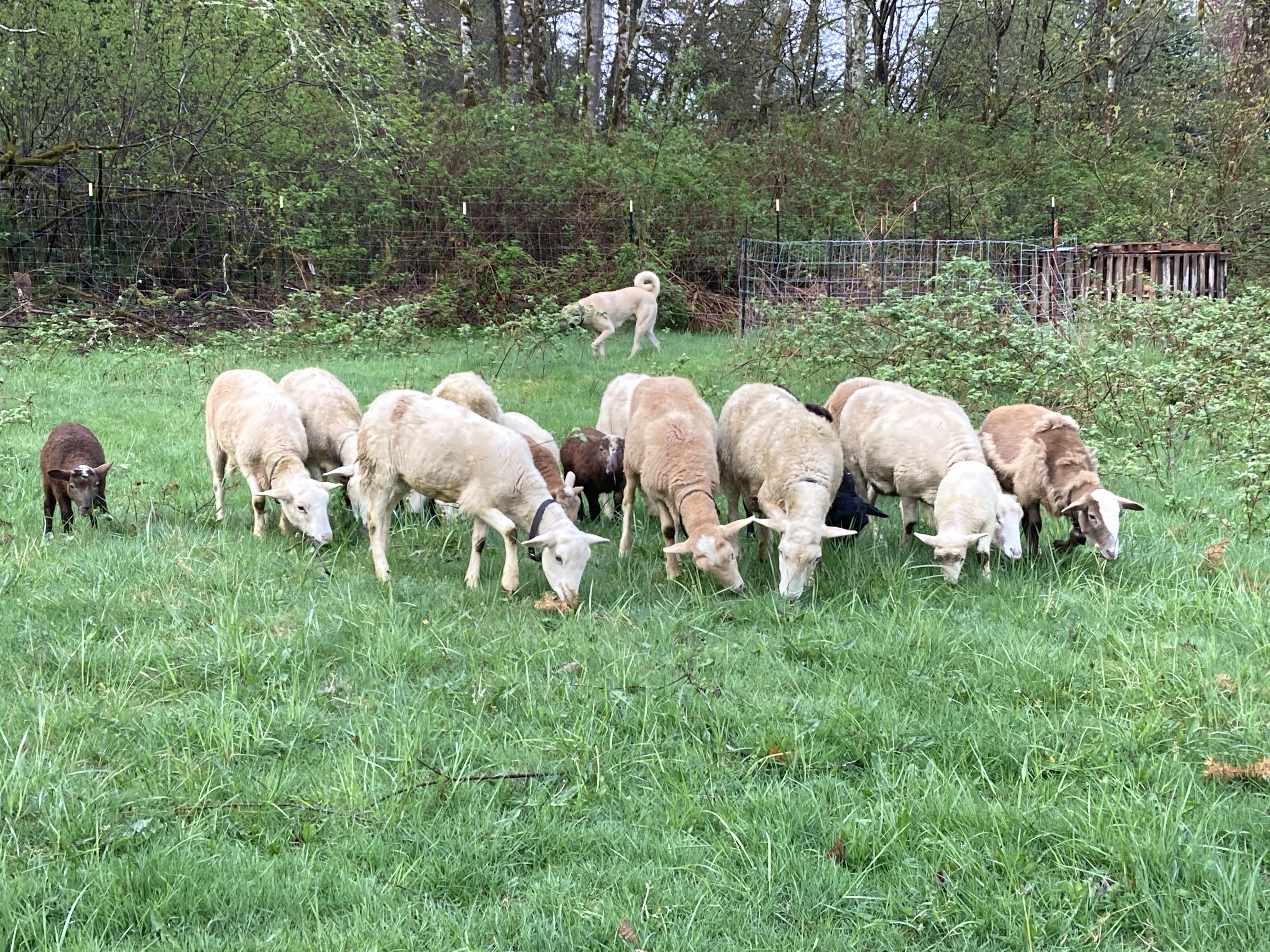
I think most agriculture would still be subsistence if we didn’t subsidize it. Though to be clear- my sheep reproduce well, and I sell about 6-8 animals a year. USDA considers anything less than 500 small. On a national scale, that is a tiny fraction of global production, but to a small hill farmer like me, it’s enough to pay the cost of hay and salt, as well as fencing, LGD food cost, and a little extra for when I buy new stock to improve my herd genetics. None of this is subsidized, though I could apply for some, especially in my tax filing with the F4. But I don’t like to play those money games, and think we should be paying what things are actually worth- especially food. What I ask for in payment for a lamb is about $14/lb., but you only pay about $11 at COSTCO (non-organic), but it’s $14/lb. for organic, so I’m asking what market price is. Yet I’m not getting a subsidy on top of that. Why not take a subsidy- because I am not subsistence farming!
Please take time to look into food legislation- here are some helpful sites I recommend beyond this blog:

Who Funds Agriculture? (OpenSecrets.org)<– wow! follow the $$$

Food Politics– Marion Nestle

How industrial farms abuse the subsidies (explicit)

Mother Earth News

Farm Programs

Treehugger

Do You Hear What I Hear?

The hot summer weather takes its toll on the earth, turning a once lush green pasture golden brown. Though it may seem like life has gone, if you stand still for a moment and listen, you’ll hear a chorus of thriving small symphonies in the tall grass. Strangely enough, this musical affirmation of a healthy ecosystem is not always present, especially in places which are heavily landscaped and chemically manipulated to keep “pests” out. Insects may be the bane of many a cultivator, even here at EEC, some verities of creepy crawlies are not welcome so easily- especially when they eat the crops we’re trying to grow. Though we may struggle with some pests, most of our insects species play vital roles in pollination, natural deterrent to pest species, or as a food source for other animals further up the food chain. The sound of insect activity on the landscape is an indicator of health in the ecosystem. If you go outside on a warm day and stand in silence, there’s a crucial part of the environment missing. Most of the absents is caused by chemical inhibitors- pesticides.

Listen up in your neighborhood to see who’s thriving, and who’s spraying to keep insects away. You might be surprised to find a deafening silence in parks, backyards, sports fields, and other open spaces where lawn management occurs. People are usually grossed out by bugs, and I’ll say we do have citronella candles on our porch to keep mosquitos away, but at EEC, we use no harmful chemical pesticides. I have invested in neem oil and mild soapy water to fight off scale and aphids in the garden, but I can’t imagine putting any harmful chemicals on the land en-mass to deter insects. Often, sprays like roundup kill all insects, not just the one or two kinds eating your fruit and veggies. Dragonflies, lacewings, and honey bees are all killed along with the mites, weevils, and web worms. In the same way I hand pull invasive weeds, I hand pluck the insects off my crops, but there will always be a few left. That’s more in line with nature, even if I don’t like them there. It’s important to acknowledge the role all living things play in an intact ecosystem.

Who Does The Land Belong To?

There is a movement right now to give land honoring statements at the start of invocations to honor the First Nations People who once claimed the land as their home territory. Maps like the one pictured above are usually referenced to help people find out who once lived where they are now. In checking this map, I’ve marked where EEC Forest Stewardship land is, and noted that the two closest tribes- Duwamish and Snoqualmie, did not roam on the ridge line where I now live. The light green color that does stretch across quite a bit of the map, including EEC, is labeled “Coastal Salish”. Salish is an anglicization European colonizers gave to all the “Indians” in the area after first contact with one group of Séliš, the first people to have diplomatic relations with colonizers. It was then used as a broad term for linguistic research. There is no specific “Coastal Salish” tribe.

Euro-centric thinking requires that maps of clearly labeled “territories” show us where settlement occur, both before colonization, and after. It’s the same thinking that puts everyone and everything into a neat little box with properly measured constraints and titles. It cannot show us the actual migration routs, seasonal villages, and tribal larders, which were tended and harvested across the globe before colonial mapping. Archeology in my area shows that First Nations People thrived along the coast, and inland along the major rivers, where salmon were plentiful. They had no reason to hike though the dense forest up onto ridge lines where there were no fish or navigable waters to canoe. EEC is located in a place that was not part of any tribal settlement, food source, or ceremonial space. It was the home to Wapiti, Black-tail Deer, and Salmon fry- which would later return to the larger Snoqualmie River below to feed the people.

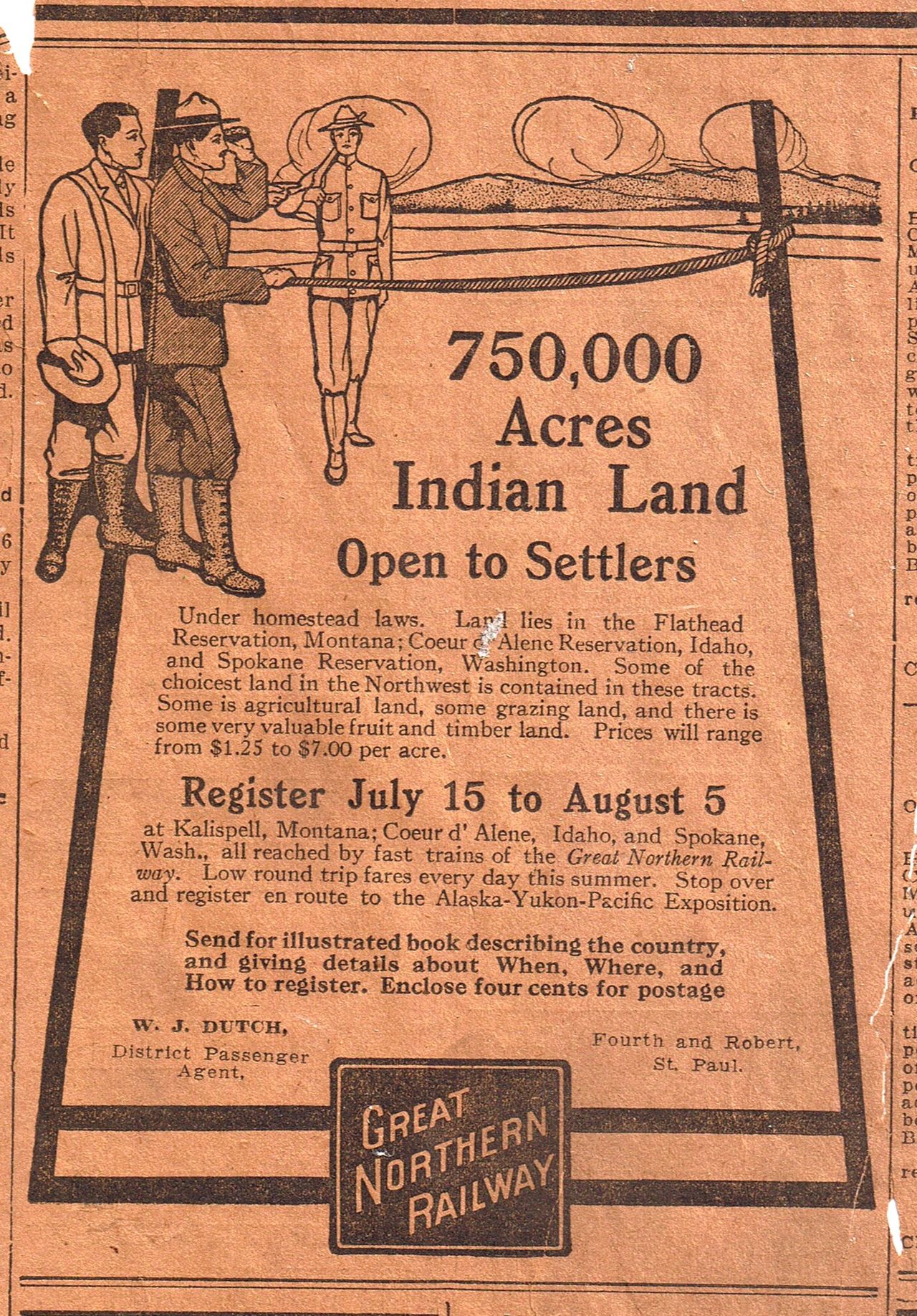
Before 1855, with The Treaty of Point Elliott, no people were wandering the space where EEC stands today. Soon after the treaty, loggers came into The Snoqualmie Valley and began clear cutting the forests to make way for settlers. Duvall, the township this land is affiliated with, was not incorporated until 1912. By then, The Tribes had been relocated onto reservations, the elk hunted to the brink of extinction, and the salmon harvested by industrious European colonizers who cared nothing for keeping any natural covenant with the land or its flora and fauna. A large timber company called Weyerhaeuser was founded in 1904, and quickly purchased forests across Washington State, from The Great Northern Railway. The railway, working with government agencies pushing westward expansion, took land once acknowledged in earlier treaties as “Indian Territory”, and gave it to settlers eager to homestead.
These images of white settlers coming in and taking the aggregated land once stewarded and lived on by First Nations People, is the gist of asking, “who once inhabited the land you now live on?”. Certainly, the timber industry that first pillaged the native forest on this ridge line was destroying virgin growth and incredible habitat that sustained the wildlife and plants, which supported the humans living in this area. The closest well established village of First Nations People to EEC, was in the current town of Carnation, once the town of Tolt, on the confluence of the Tolt and Snoqualmie Rivers. The tribe named for the dominate river in the valley, The Snoqualmie, had a great salmon harvesting camp there, and established year round habitation. When the fish were not spawning, the elk and deer were still plentiful. There are also oral stories passed down from local tribes people of the camas fields, which once thrived in the Snoqualmie River Valley. Now all that bounty is lost, along with the understanding of how people are meant to be stewards of the land.
At EEC Forest Stewardship, we hold back on fantasizing about a complete return to virgin forest, but instead work on the restoration of abundance within the ecosystem left after over a century of degradation. The stream that once hosted millions of salmon and trout spawn, can still host the fish, and sculpins, and endangered fresh water mussels, though only a shadow of what they once were. The creek has been designated as a protected salmanoid stream, preventing future development and destruction of vegetation along its banks. We’ve enhanced the stream buffer with native replanting, to help establish new wildlife corridors through the now fenced patchwork of parcels the land has been segmented into for private ownership. No more elk wander these ridge lines, but they are close, in the nearby valley where The Snoqualmie Tribe once lived, a resident herd is protected. The land here will never be what it was, but it can become a forest again, adapting with human caused climate change to produce tree species that are more able to cope with droughts and hot temperatures now appearing on the record books in 2021.

Regardless of human impact, the land remains a living ecosystem that humans are a part of, but cannot own, no matter how much we attempt to subjugate. The continued colonization of this earth will only end in our destruction, as long as we keep endorsing a mindset of ownership and dominion. The land is not for us to use, but a place to connect, steward, to listen and learn from. We are lucky here in The Pacific Northwest, where the land is still lush and fertile, capable of supporting such a wealth of diversity and abundance. The question of who owns a place can easily be answered today with written deeds and legal demarcations on a map, but the soul of a place, its living ecology, cannot be boxed up or listed on a piece of paper. This sort of short sighted thinking has only lead us down a path of limitations and permanent displacement of our own kind. Humankind has original instructions to be caretakers of the land, and until we return to this mindset, the true natives of this place- Western Red Cedar, Salmon, Bald Eagle, Garter Snake, and the other wild things that make up our planet, will continue to follow their original instruction, laid out thousands of years before humans stepped onto the world stage. It is this wildness, which the land will forever belong to.

Two Brothers

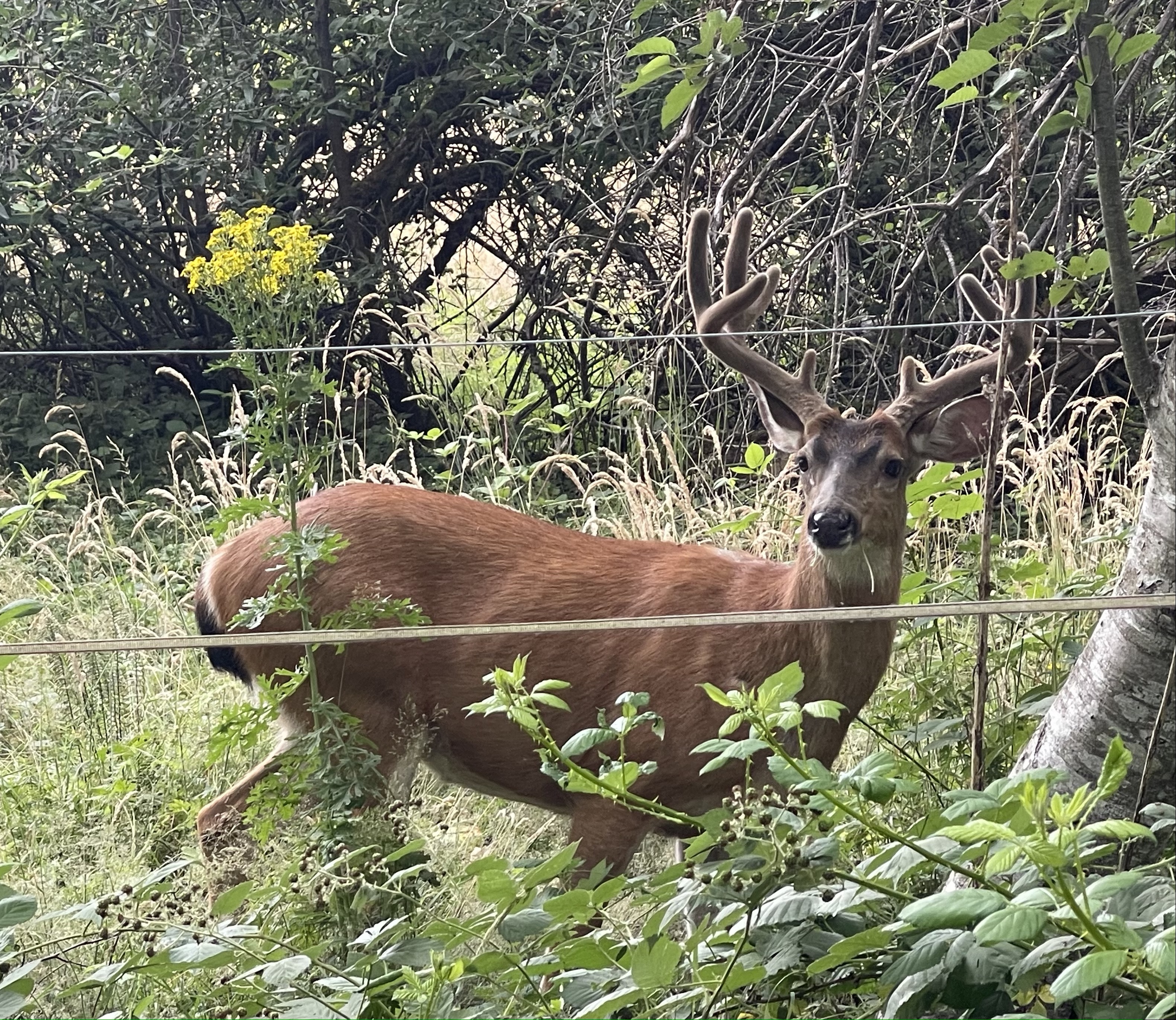
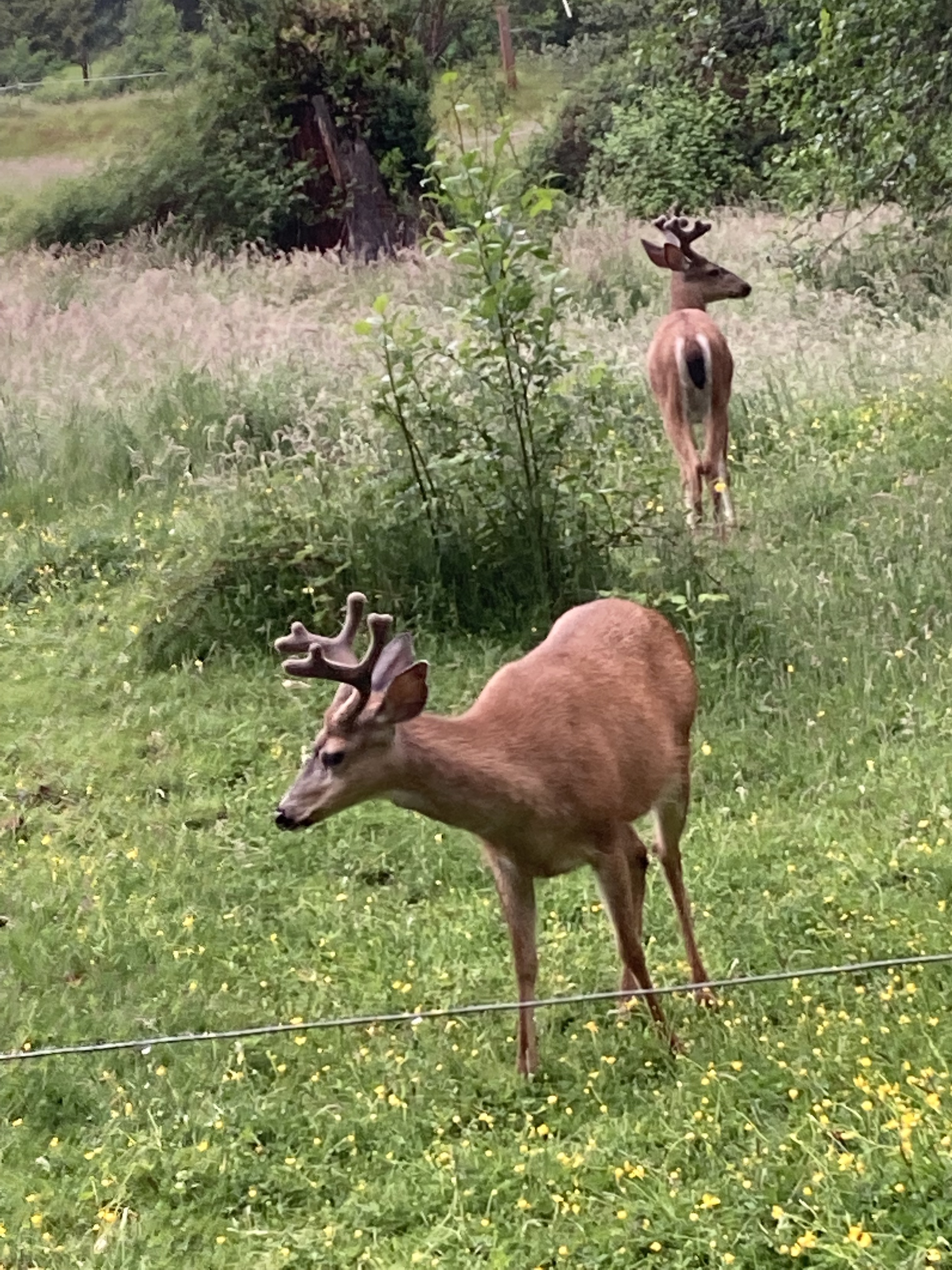
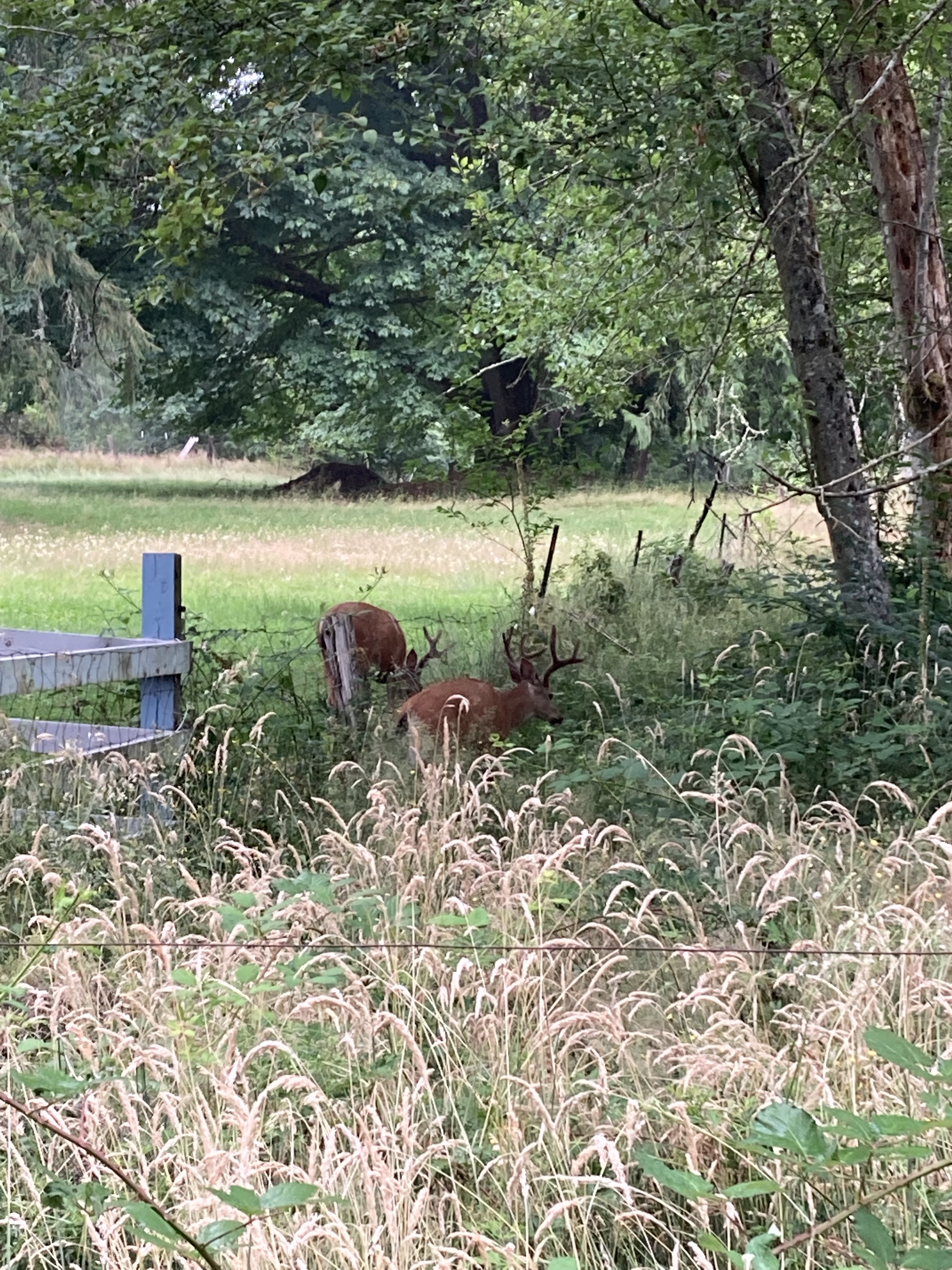
This beautiful pair of black tail deer bucks are hanging out around EEC Forest Stewardship. It’s the first time such a mature pair has been spotted around the land, and it’s a great sign of health our deer population is experiencing. In the above photo, the two males are still in velvet, as they grow a new pair of antlers each year before shedding them again at the end of the rut in late fall. I do not know for sure if these two deer are related, but it’s common for sibling males to stick together, forming a bachelor herd. They might also team up to claim a harem of does to share during breeding season. Cooperation wins in the end, and for these bucks, that win is genetic and territorial. They can work together to push out other younger, less dominate bucks, while impressing the does with two sets of large racks. For me as a hunter, this availability of mature bucks in the neighborhood is a great encouragement. In the last three harvests of bucks on the property, the animals were younger and less experienced. I do not hunt for antlers, but take what animal is offered during the short, two week hunting season in October.

Hunting gives me a lot of insight into the population of deer in my area. I have to do a lot of observing, tracking, and sign reading before a successful harvest. Most good hunters are always watching for deer, and learning from them. Year round I look at deer, see where they move, how many hang out, and the overall health of the local herd. Black tail are territorial, like many other animals, and usually stay in a particular area once they find enough food, water, and shelter. Our neighborhood has a lot of single homes on larger acreages, allowing for the space and habitat the deer prefer. Mowed pastures and a diversity of plants along the edges to brows, are ideal for these ungulates. I’ve watched a lot of does with younger fawns this summer, but these two males are a real treat. It tells me the herd are healthy by age- mature males are a good sign that the deer can reach maturity, and support multiple big bucks. If there was not enough food or shelter, the bigger males tend to wander away into more established habitat beyond human settlement.

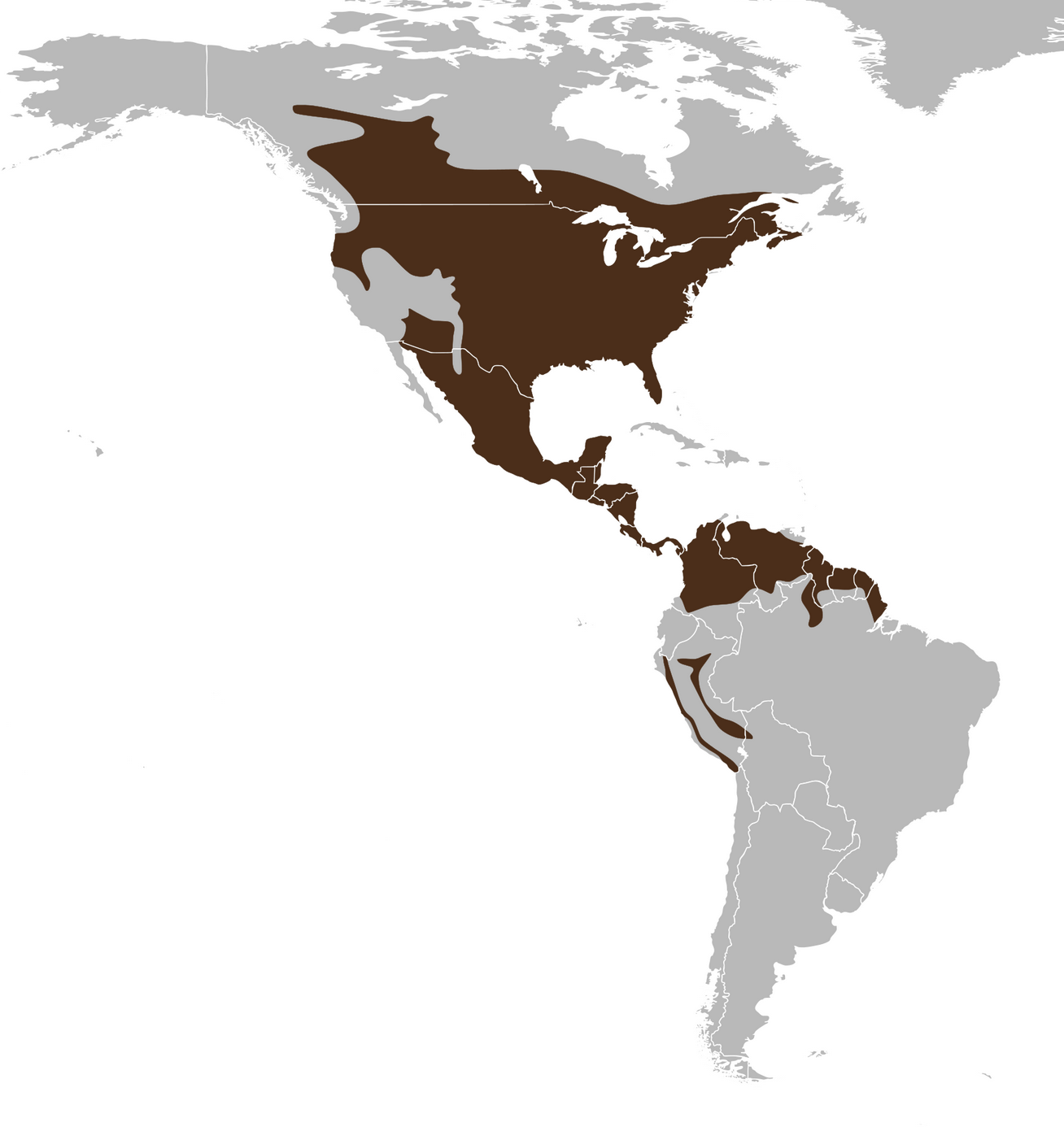
It’s important to note that not all deer species act the same. I’m talking about the habits of Odocoileus hemionus columbianus, this is a subspecies of mule deer that range exclusively on the west coast, and specifically Western Washington, within our state. On the east side of the mountains, you will find typical mule deer Odocoileus hemionus, and some white tail deer Odocoileus virginianus. I’ve included range maps below to show the variety and diversity of Odocoileus in North America. The map on left in darker brown is white tail, the right is mule deer and sub species, including the black tail of Western Washington. There’s a lot yet to be discovered relationships between these species and the diversity of habits they share and don’t share. For me, the lessons of black tail deer do not cross over to other deer species, and I am sure I’d have a lot more to learn if I tried to pursue mule deer or white tail during hunting season.

My passion for black tail lessons is entering it’s 9th year, and I’m so glad to see these two strapping bucks coming around before the season starts. If I’m lucky, they will establish this area as a territory, and claim the doe population as their harem this fall. They could be driven out by another more mature buck, but as a team, they have a good chance of standing their ground and fending off single bucks together. It’s a great strategy, and I’m not sure how often this approach happens. My observations of these two beautiful animals will continue, and I hope to have the privilege of hunting one of them successfully this fall. It would be my first mature buck harvest, and that would be a special gift from the animals I tend this land for. The deer feed me as much as I feed them, and that sacred relationship remains an important covenant with the land. It reinforces my place in the great circle of life, and to harvest wild food of all kinds- berries, greens, and meat, ties me closer to the land I love so much.

When we as humans take the time to bind ourselves to the land, in ways that truly help us and nature survive and thrive, we become part of that land, not just visitors passing through. We learn the way of it- how it is all bound into one ecology together, with people playing an important role in that relationship as threads in the living tapestry of nature. We are never separate from it, not matter how high up the food chain we think we are. With each successful harvest, I give thanks and speak the words, “As I am fed from your body, one day mine too will become the grass for your future generations to graze upon.”

Bees 2 -return of the swarm

Above is a swarm of bees gathered in Duvall proper loading in to a transport box. Once the queen is located and boxed up, the rest of the hive-to-be will follow after her into the larger swarm box. My neighbor gifted these bees to EEC Forest Stewardship, after moving the box into the trunk of her car and driving them over to our land for instillation in a hive box. We’re so happy to have a buzzing hive again, and hope that this time, we can adequately support the colony in establishing and surviving. Our last colony, in 2018, swarmed and ran off mid-summer after not sufficiently settling in our supplied hive setup. We may never know exactly what happened, but I think we waited too long to stack a second brood chamber on, causing too much crowding in the hive, which signaled the queen to move out to find a lager home. Lessons learned, and we have two extra brood boxes to insert if needed.

Our hives are Langstroth, 10 frame, supers- meaning they are bulky and heavy when full of honey. We do not stack them too high, but as honey bees (Apis mellifera) are struggling to survive in current industrial agricultural and suburban backyard chemical control agents. The bees also face many biological struggles, such as pandemics, parasites, and an extinction event. Human domestication has evolved this species to be productive, but sadly, with this genetic selection, the bees are susceptible to disease and predation. How you ask? Honey bees are exposed to many industrial chemicals in the pollen of treated plants, poison sprays in the air, and pollution of wild water and food sources bees have relied on for centuries. Then add in the docile nature of honey bees, really, they are chill compared to most wild bee species. I walk up to my hive and make changes in the stacked hives without too much worry (there are some exceptions at certain times of year when the been can be more aggressive). One particular behavior- swarming- is a great time to handle bees, though it may seem chaotic and rather aggravated. The bees are gathering, with all their attention on the queen. They want to mass up and find a good hive space, so if you gather them in a box and relocate them to a good hive with some food nearby, it’s possible to resettle them without being stung. Watching thousands of flying insects synchronize with a bee keeper in being rounded up and settled, usually with a car ride in between, is miraculous.

Keeping honey bees is a great endeavor, and EEC does not take it lightly that a swarm was gifted to this land. We’ll be taking on some ethical challenges in supporting this species on the land. We’re feeding the bees white granulated sugar- which is an incredibly tainted product both chemically (bleach and industrial ag pesticides) and ethically (history of slavery and local economic abuse). Not to mention world health effects (diabetes and obesity). We’ll also have to use drastic methods of chemical warfare against mites and viruses attacking the colony. Sterilizing all hives and tools is crucial in protecting established colonies, still, chances are, without several colonies established, you’ll end up loosing too many bees from one hive to keep it alive, especially in our wet, cool winters. Western Washington is a great habitat for honey bees, as far as floral abundance and diversity, as well as mild winters, but until recent climate change, this land remained too cold for bees to thrive. Now, with triple digit summer highs becoming a norm, the bees can make it year round. But Apis is not the only insect to thrive in these warming weather systems. Wasp species such as Vespa mandarinia (“murder hornets”) have made their appearance in Washington state two summers in a row now, and we think they will establish in future. That could be the final nail in the honey bee coffin, as Asian giant hornets specialize in destroying honey bee colonies by decapitation.

But hey, we’re always up for supporting entomological agriculture (insect farming) here at EEC- we’ve been cultivating meal worms since 2015. Bees are in their second “incarnation here on the land, and it’s hopeful we can learn much more about this species and hopefully slow the decline of this very important domestic producer. For now we’ll keep bees and be thankful for the additional pollination and system lessons here at EEC Forest Stewardship. The colony will also be a litmus for our land’s health, and possible surrounding ecological indicators we should be aware of, such as neighbor’s chemical use, pollen availability and diversity, and potential invasive hazards. We’ll give future updates on the colony’s health and success (or failure) as we attempt to again host these amazing animals at EEC.

Compelling Ground

Dr. Tom Wessels speaking on the development of forest soil communities

EEC Forest Stewardship’s main mission is to restore a forested ecosystem capable of climaxing through climate change and human development. Our landscape was once Temperate Rainforest, with thousand year old canopy in a thriving network of complex systems. Within less than 100 years, European settlers had completely leveled the forests and today, less than 10% of old growth is left on the entire West Coast of The United States. I say this with little conviction, because studying a list of parks and protected areas listed as old growth on the west coast, I find examples like Seward Park near Seattle- 300 acres. Well, the entire park is 300 acres, but the “old growth” spoken of is a few scattered trees within a twice logged forest of much younger stands. In fact, there is more oak savanna in Seward than old growth rainforest. National Parks are truly protected, but state forests, though often forested, are usually in commercial logging contracts, and do get cut. Below are several satellite photos of forested areas where logging is very active within national forests and around national parks.

Please take some time on a satellite map online- google maps is what I used for these pictures- wander around the country, and the world for that matter, look at forests and see how much is missing- it’s hard to tell where they once were in many places- let’s just say, before European settlement, most areas of The West Coast were covered in old growth forests. Now, there is a vast opening, development, human settlement, and expansion continue to carve up what’s left of our forests. Trees are natural resources to be exploited, by bad management practices, that put prophets above long term human survival. In my lifetime, the last of our old growth will be gone in North America, with the exceptions of a few token places already in national parks- but for how long? I cannot even say with strong confidence, that even the land at EEC will forever be a forest. Even with protection, after a few generations and the whim of politics, any land can become a dollar amount on spread sheets. Then, it’s easy to turn public gaze away for just long enough to rip out the ecosystem- once its lost, there’s nothing to do but dig-dig-dig and drill-drill-drill.

We cannot yet fully measure the endless biodiversity in an intact, old growth forest. Some people make it all about the trees themselves, but they are just the surface fluff, much like the fruiting of a mushroom- what’s really happening lies below the soil’s surface, out of sight and mind of most people. When the trees are cut, that soil, and everything living in it begins to erode away down hillsides and slopes. Forests still around are often on slopes, that’s because we cleared them out of all the bottom land to grow crops, and no forests remain in vast river valleys across the world, where once, giant primeval realms of massive canopy spread above. People tend to settle near freshwater, on flat ground. The trees found sanctuary along the hills and mountains, until we followed them there to harvest for our endless consumption. Look at the island nations across the northern hemisphere- The British Isles- for instance- very few stands of trees, none of them old growth, and most grown for commercial industry, or protected in small parks. After they cut their own trees over a few thousand years, England came to North America and fell more grate forests, slowly at first, but in time, with the advent of more colonial migrations from Europe, the seemingly endless nature of “The New World” was almost completely gone in a few hundred years.

We’re still only looking at trees- if you look at the loss of top soil- we’re way ahead, less than a few inches left from tens of feet lost due to tilling. It takes thousands of years for an intact ecosystem to create topsoil, and in less than 100, here in the USA, we’ve taken most of it off and thrown it down divers and into the air where it disappears into oceans. If I take any time talking about oceanic collapse, we’ll get very depressed. My mind can only take so much desecration, so I do take comfort in knowing this planetary evolution climaxes and collapses occasionally, clearing the slate, so to speak, and that new chemical combinations in future might recreate thriving habitat millions of years into the future. It has in the past. Right now, we are conscious of our destructive actions as a species, and can change course to the best of our abilities. Each positive action towards regenerative ecology gives us stability for that much longer- I hope. EEC Forest is building fertility now, with little outside input, and a lot of animal help. The vegetation gets thicker and greener each year, with over 4 acres of replanted native growth. Blackberry retreats to reforestation, and canopy will soon shade the land, offering a place for water to stay in the soil and soak deep underground.

Again, it’s what’s happening out of sight that makes everything growing out of the ground possible. Take a close look at the ground around you- is it mostly paved, are the landscapes artificial, cultivated, or wild? How compacted is the soil, if there is any? What species are eking out a living, or thriving? Where does your drinking water come from? Where is most of the food you eat grown? When we shift from general nature questions into personal survival reflection, the truth about our species becomes very clear- most of us have very little to do with the ground we live on- literally. When was the last time your bare foot touched bare ground- not an artificial ground like cement or carpet? What privileged access to soil and growing things do you have? How important are your surroundings? These are just a few questions to ask and reflect on, a way to gauge the health and stability of your environment- as well as your personal mental and physical health. When we take time to look at the ground we live on, and connect to it, we become more rooted in self identity, common cause with our community, and more sensitive to environmental factors like pollution, urban decay, and social renewal. As Dr. Wessels pointed out- the most divers part of our ecology is out of sight- as is the diversity of any living structure, even human society. Keep your mind open and look beyond the surface structure, you’ll usually find compelling ground.

Spring Oyster and Wild Fish Feast

Look for this lovely spring abundance now in Western Washington. You’ll most likely find these precious saprotrophic friends on hard woods like big leaf maple or red alder, usually standing or fallen dead or partially dead logs. I grabbed some right off a trail in Lord Hill Regional Park near Snohomish on a downed Maple. Shelf mushrooms are a great beginner type of mushroom to learn, and this species is abundant and wide spread throughout the woods in springtime. Pleurotus are the most common cultivated mushrooms for eating on earth. Though they are gilled, and often white (our most toxic species have these traits), oysters grow out of the sides of recently dead trees, NOT on the ground in the duff of the forest floor where the toxic verities reside. Again, I can’t stress enough the need to go into the field with an experienced mushroomer before you start picking mushrooms for consumption on your own. Beginners don’t have the sight wisdom to distinguish many of the classic mushroom characteristics I’m referring to now, but identification and confidence will come with dirt time and mentoring, like most skills. If you’ve not had some time out with an experienced picker, please stick to general identification- DO NOT EAT.

P. ostreatus is not known for its amazing rich taste, but the texture of this fungus remains firm during the cooking process, and takes on the wonderful flavors of anything you wish to add. I usually start by cooking the water out of this species, then add it into a stir fry with rice and other veggies. It’s important to always cook wild mushrooms thoroughly before consuming. Most people who experience digestive issues with safe to eat mushrooms can be traced back to under-cooking. Take time to reduce oysters of their water and you’ll have that much more space for the flavor of your other ingredients to take hold. A well cooked mushroom remains firm, but lose that initial limp soggy texture caused by sweating when a mushroom is first exposed to heat . The picture below shows oysters sweating in the cast-iron pan on medium heat. I’ve added a little salt and pepper, but no oil yet.

If you grease the mushrooms before they have a chance to sweat out, you’ll lock in a lot of that moisture, keeping the mushroom flesh floppy, and giving your mouth an experience of biting down on a wet sponge. Firm up that flesh with a few extra minutes of heat and you’ll have a food fit for any table. I added these delicious treats to some veggies and nuts as an accompaniment to wild caught trout. Pairing wild foods is my equivalent to any Michelin star meal. The experience of harvesting the mushrooms on a trail was such a pleasant find. Catching the fish at my favorite cranberry bog (on public land), in a thunderstorm, with a friend was also a great foodie experience. I can’t say that this type of eating is anything less than luxury. Taking time to harvest wild food is a lifestyle, involves knowledge of what’s safe to eat, and in the case of fishing in Washington State- legal permits for wild caught animals. You location of harvesting is also imperative- mushrooms often grow in toxic places, so know the landscape history before you harvest, and know if its even legal to harvest where you are- national park are not legal harvest places, nor is private land without permission.

Food is seasonal, and even if you don’t have time to go out and catch it yourself, take the time to know where it comes from. Many cultivated mushrooms are grown in highly controlled environments, often with chemical inputs- so know the grower and get a tour of the facility if you can. Fish can live in polluted waters- and most ocean caught food is now showing high counts of pollutants- and farm raised seafood can be very costly to the environment and human health. Please watch this for more about the harm of fish farms to us and our wild waters. We often forget that fish farming is industrial farming like any other. The trout I caught come from waters that host a variety of sensitive species such as sun dews and wild cranberries. If the water was polluted, these species would not be here. The trout are small, but wild, and eat strictly wild things. Farm fish may be much bigger- but it’s mostly fat, fat which holds a high count of the pollutants from chemical inputs. With all industrial food, there is a price. Most of the cost in not in dollars and cents, but like most industries, its out of sight, hidden in the chemical makeup of the environment, and can’t be detected without analysis in laboratory studies.

This is the problem with our current food production, using outdated models left over from The Industrial Revolution over a century ago. My enjoyment of “safe” wild food will eventually be directly affected by the greater global pollution building up everywhere. In fact, it already is- and from The Baltic Sea to our own Great Lakes runoff pollution is killing us. On land the runoff is still capable of getting into our food, because we have to water crops, so the pollution in that water goes onto the food and into the soil where it grows. As I mentioned earlier in this writing, mushrooms take up whatever toxins are in the soil- like all other living things. At Lord Hill Park, where I harvested the oysters, there are signs of industrial activity all around, and as I delved into the history of the site, I learned that mining was rampant around the mountain where we hiked. Though the big leaf maple looked “ok” (it was dead), I would not come back to that park to harvest wild food again. The pond on public land where I caught the trout is surrounded by timber harvesting activity, and industrial forest practices include chemical spray treatments to prevent weeds choking out young trees, and eventual treated sewage applications to assist the nutrient intake of mono-crop trees for faster growth. These continued inputs will eventually pollute all the wild water.

Hail No, It’s Graupel!

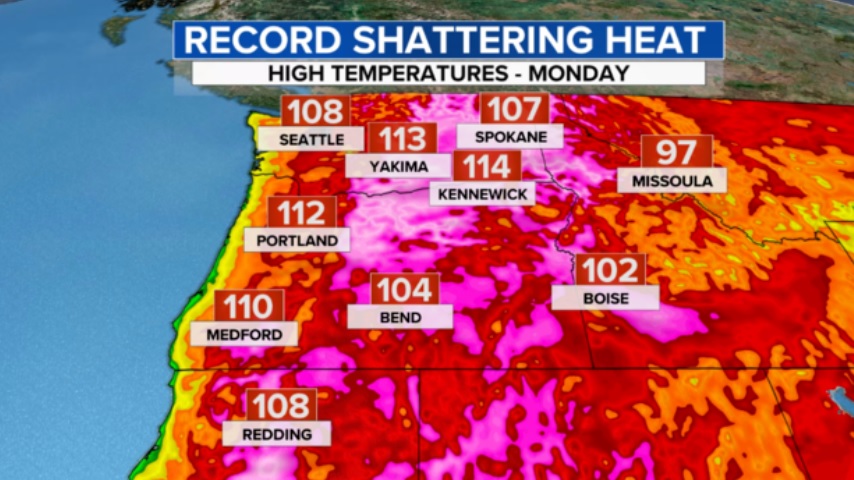
There’s a lot of ice ice baby at EEC Forest Stewardship- and it’s not because we’re so cool, or is it? Climate change is re-configuring our weather across the globe, and here in The Pacific Northwest, we’re seeing dryer, hotter summers, and heavier rainfalls in winter. What’s also been much more prevalent in the last few years is graupel. What is this precipitation I’m talking about? Isn’t it just small hail? No- hail is formed through very strong thunderstorm updrafts and takes on a more erratic pattern. Graupel is snow with a layer of ice coating around it and never gets very big or heavy. It’s been falling here at EEC a lot this year, and I’ve taken to marking the events with pictures and video, as the intensity of the storms is very unusual. In a year we might see one or two of these events, usually in the summer when we get an occasional thunderstorm, but as other blog posts have commented, we’re getting more intense thunderstorm activity too.

In observing this subtle shift in climate, I wonder now how the fruit trees will handle this assault in time. By 2030, when most of the fruit and nut trees are well established, will our weather offer violent thunderstorms with hail, or even this torrent of graupel to bruise the blossoms, or worse, ripened fruit? Climate will continue to exaggerate, and the pace is exponential. If we’re in for heavy rain events, and hard ice chunks falling from the sky, evergreen trees might be the smartest rout, perhaps oak too, though in early Spring, most leaflets are young and supple, certainly vulnerable to pelting ice. On the other hand, graupel melts slowly, allowing the water to soak into the soil, as the usual misting like rains of a typical winter used to. Perhaps this is nature’s way of providing some slow down in water retension, as the heavy rains sheet down hillsides and away in stream runoff with little chance of banking into the soil to combat drought prone summers to come. I’d like to think so.

The graupel gathers in low laying areas, like these scallops dug by my chickens in their coop yard this winter. Slow melting lets the water pool up in the divots, then creating perfect micro climates for seed germination. Rain would also pool up in the scallops, but much more of the water would overflow, running down the slope and away from the ground. These ice pellets are subtle in their work, but I think this is the future of spring climate change at EEC here in Western Washington. Snow events are more common too, with at least one major melt each winter, yet another way water is slowed in a freezing and thawing to slow and sink water into the ground. We’ll keep observing the weather changes and witnessing its effect on the landscape around us. At EEC, we’re striving to restore the forest with native growth, while allowing some planting for human use, such as fruit and nut trees and shrubs. Our stewardship can dictate much of the plant life, and even have some influence over animal species present, but the weather shapes its self, and it’s morphing more dramatically than any other time of human documentation.

I’m sure our 40,000 years ago ancestors witnessed similar mass upheavals in climate, with the end of an Ice Age and massive migrations away from the equator. Now, with our established infrastructure and political boundaries, we as a species have stepped out of nature’s rhythm, choosing instead, to dictate with economy, what is our only living home. It is still very much alive, and impassive to our whims, flowing ever into adaptation, while we fidget with our cables and connections on a wireless stream. Flooding, winds, and forest fires will always trump technology. Climate will make refugees of us all, and alter the landscape beyond our recognition. I think only the plants and a few animals are getting the memo, and it’s a lot like that book where the dolphins sing- “So long and thanks for all the fish!”

Bamboo

bamboo with bent out stalk to encourage establishment

This grass, with endless utility and growth potential, also garners invasive tendency. Though here at EEC Forest Stewardship, we’re a little underwhelmed by it’s potential thus far. If you are going to plant bamboo, take care in the verity you select, location, and a sturdy management plan. In some bioregions, bamboo can be catastrophic to native habitat, and building foundations. It’s also one of the best raw materials for a diversity of construction needs from lattice and fencing, to framing a structure, depending on the verity you select. Here at EEC, we wanted a sturdy stalk for lattice and waddle fencing, with a moderate growth rate. We planted three bunches along a fence line where soil is fertile, sun is abundant, and a good buffer screen from the neighbor is warranted. The bamboo is established to stabilize the ground towards the bottom of a slope. It’s been alive and well for almost five years now, but new growth remains illusive. I took a few stalks and reburied them along teh ground like runners to see if they would spread. They did, and the re-root is solid, but there is still little new stalk growth- for use as material, to show.

stalk bent over from initial clump to root along the gorund

Inevitably, this bamboo will take root and spread. All the informative literature on this species warns of a slow start, ending in impossible to control exponential expansion (if left unchecked). How do you check bamboo? Well, it depends on the verity. This plant spreads through a rhizome, a thick root structure that throws out long tendril roots through the soil to harvest nutrients and water for the plant. It’s a grass, and if you thought cutting turf was challenging, wait till the sod has a 3 foot thick root structure to dig out. That imposing root mass is limited to a certain depth, which is how to control the spread. Thick plastic sheeting can be buried into the ground below the rhizome’s deepest leads to block spreading. You can also simply dig a deep trench around your stand and monitor for the occasional runner that slips under. So far, we are not in need of a barrier, and I will continue to spread the stalks out along the ground in a line parallel to our pallet fence. The stalks I’ve already planted out are showing promising node buds, which should eventually shoot up new stalks. We’re a long way form viable material harvesting for fencing and lattice, not to mention privacy buffer, but in time, I’m sure this bamboo will live up to its reputation.

close up of rootlets and node buds along planted stalk

What is the long term control plan for this aggressive grass? In a word, shade. This strain of bamboo needs abundant light. Our planting plan puts the bamboo on the south side of an 80 year old Douglas Fir, which will prevent the bamboo from growing north, into another neighbor’s property. To the west is the fence line, and beyond that another evergreen forest with ample shade. On the south and eastern sided of this modest stand, human harvesting will prevent expansion for the next lifetime. After that, the entire property will be established forest, growing tall enough to shade out the remaining bamboo entirely, as it does with any other grass once canopy is restored. This thought allows me to cultivate this invasive without too much worry. Bamboo has a reputation because people who plant it don’t think about the long term stewardship of the landscape it’s been introduced to. This is the case with many planted spaces- especially poorly managed urban landscaping. There you can really see foundational compromise in action, when people put bamboo on a property line with cement foundations all around, and no thought to what the powerful rhizome will do to the rock around it. Back on the mountain slopes of its native terrain, bamboo plays a role in braking down rocky mountains into sediment over ecological time. In a city or suburb, bamboo will upend parking lots, house foundations, and basement walls, earning its reputation as a monumental destructive force. At EEC, we hope to harness the structural strength of bamboo, and provide a good material resource for the short term human cultivation nearby.