Working ever after restorative and regenerative living here at EEC Forest Stewardship. Though the evolving challenges facing humanity continue to mount, there are slow, simple changes each and all can step towards to better living through social capital. Please take a moment to at least watch “Exploring the Issues” chapter I have marked above to get the gist of our most complex social dilemma. The reflections of Susan Krumdieck (especially 15:37) were particularly realistic regarding the slow but continued use of fossil fuels in combination with many other energy resources. Diversity continues to be the key, and food systems are at the top for must implement transition for the immediate survival of humankind. To be sure- New Zealand (the focus of this film), is a small island nation, but a case study for the world. This film was made before COVID-19, so add the pandemic into this timeline.
The landscape of EEC continues into Spring abundance from stinging nettle to red currant blossoms- both of which are edible and offer great nutrition and enough quantity to fill the belly. We’re ever expanding the range of these two crops, as they are early food sources in one of the most challenging times to source wild edible plants when you’d need them most. The fruit trees are just budding out, so no pruning this year for the older stands- just not getting to them on top of the other tasks of the land. A reality check for anyone wishing to implement food production systems- know your limitations. The remaining replanting plans for our orchard are on hold until I finish solidifying irrigation setup and save up enough cash to buy the plants and source from appropriate places like logging road edges. A lot of companion species are available on our existing landscape, but not enough to fully replant the whole orchard. To begin moving towards planting, I have an agenda to plant one tree ring this year as an experiment for irrigation design.
Our flock has reached maximum size, and we’ve got deposits on enough animals right now to reduce flock size by half before summer sets in. This is crucial, as alfalfa prices are through the roof already. Feed costs are the biggest limitations EEC faces with livestock systems. We’ve got productive pasture, but in winter, there must be additional hay set aside for the flock. EEC can produce hay, but not hay and pasture at the same time. We feed east side purchased alfalfa, which we buy 3 tons of each fall. Now, prices are so high, we cannot justify the cost of hay at the price we sell our sheep. It means shrinking our herd and planning to produce on a very small scale for just a few friends and family. Our land can sustain two or three sheep year round- and that’s the future outcome of inflation.
In late April 2022, we were given an opportunity to help a young farmer start his herd. Five good ewes went to start a new flock, and one of the gals has already birthed a new lamb. Benito was thrilled to welcome this new generation into his thriving flock. EEC is thrilled to see good stock animals going to support more small farmsteads.
Literally, in the same moment a new lamb from our Katahdins was gracing the world, I was celebrating my 40th birthday and eating lamb from Snoqualmie Valley at a local restaurant I’ve been hoping to grace the table of with my lamb for many years. Well, that night, after an incredible meal, I handed a letter to the chef, and invited the team for a farm tour. It’s a bucket list dream to raise food at a qualiy I believe to be worthy of such presentation, and this year’s lambs have been beautiful examples of quality grass fed sheep. It’s taken four years with this flock, and ten years of livestock husbandry, but the learning goes on in the quest for local food production.
Nature is a finite resource with the strongest constraints on EEC’s productivity, but outside influences like the economy also play a role in production capability. The third strongest influence is personal time and capability. It’s one of the most crucial inputs, and I’ve loved the lifestyle land offers. You have to put in the time- from cultivation to processing, prepping and designing- all these jobs are my full time obligation- and it’s a lifestyle. I love the intimate relationship to place, tending, learning, and cultivating food, medicine, material, and habitat. It also means working hard, and beyond any 9-5 timeline. You have to be your own boss, have little disposable income, and spend most of your time at home.
During the jump-starting of EEC Forest Stewardship almost ten years ago, lots of others gave time to building, designing, and implementing the basic systems that make up our operations today. There is potential to host more people on the land if needed, and the potential for more food production, mostly in the form of gardens. We’re maxed out on livestock systems now, and plan to keep shrinking numbers over time. At any moment, EEC could grow its scale for the needs of the community. Right now, the demand is low, so it’s just me running the systems. If more people were to want food, the land is ready to accommodate more inputs. But without that added help of hands, this lady is at her max and happy with what’s produced. Our Forest Stewardship program will replant many fields, returning them to forest, which in another twenty years, will be the main “product” at EEC. Not in timber resources, but ecologically stable land keeping water, soil, and air clean for a better quality of life for all. That should be a number one goal in all land, but money still talks loudest, so we’re selling ourselves to capitalism. We can’t eat, breath, or drink money. Still, our reliance on paper or digital currency denotes future complete system failures here on earth.
We’ll continue watching the trees grow, planting more, rotating animals around in rhythmic cycles with the seasons to feed the land, the animals, and ourselves. When food becomes a more valued and prioritized input in the community, we’ll be here ready to expand and enhance with that help. In the mean time, EEC keeps sheep, chickens, people, orchards, cats, dogs, wildlife, and forests thriving together in a regenerative design. Slowly, temperate rainforest canopy returns and the landscape heals. Gratitude for this living change, and the passion to support it. Thanks to all who help, have helped, and will help again to cultivate this goal.
Morels are popping up at EEC Forest Stewardship. We’ve been blessed by these wonderful mushroom friends over the years in springtime. What a marvelous signal of returning warmth and sun for the growing season. Abundance to all in this time of regeneration in living beauty.
The mushrooms are a special treat on the land when they choose to appear. We could claim to cultivate them- but rather than imagining any control over spore production EEC attempts to cultivate place for the mushrooms to thrive, inviting opportunity and intention, rather than production on any measurable industrial scale. After years of inoculation and human subjection of woody debris, we’re starting to just make space for the mycology to arrive, but not by force. We simply pile up debris and add a few other amendments to the soil and imagine possibility. Cardboard is pulp wood, mostly poplar, and that’s the best partner to host morels. I hypothesize that the morel spores are in the pulp and that’s how they are sewn into the land here. I literally take produce cardboard boxes, fill them with sod, and then, as they break down through the winter, I sprinkle out wood ash from the stove into the mix. NOTE- we do not burn glazed paper or trash in our stove- that’s apparently a thing in many places. Our wood ash might be acting as a burn signal to the mushroom spore, which loves to bloom in recent forest fire landscapes.
Morels can be commercially produced, but they are usually small. Our mushrooms come in all shapes and sizes, but tend too be larger than the ones commercially grown, but probably far less numerous. Hey, getting a few nice hand fulls out of passive cultivation is already such a gift. If we continue to build the habitat and spread wood ash, I’m confidant the morel will continue to appear as welcome surprises across the landscape. My partner and I love to celebrate living within thirty feet of morels. This year we’ve planted blue elderberry to companion in with native pacific crabapple, lavender, a cultivar crab apple, and cultivar currents. It’s an island of food production right out our front door, and will continue to enrich the ecosystem with fruit, blossoms, soil building, and morels as we add more cardboard, compost, wood ash, and other plantings as the companions evolve.
Morels are prized by many, not just humans. Slugs, pill bugs, and rodents smell out these treasures and begin feasting as soon as they find. As we harvest, many of the caps show sign of predation, but the mycological taste is so primo, we’re happy to “share” the flavor. Always cook your fungus, as you never know who might have been climbing on them before you picked. Inspect the inside of the caps for hidden insects like slugs or pill bugs. You don’t want a stowaway in the meal. Since the entire mushroom is hollow, I cut them in half- they then cook more evenly in the pan. Start with just the mushrooms in the skillet (cast iron), then, after you cook some of the water out, and the cell walls of the mushroom get soft and more transparent, add oil (butter) and brown the morels to taste. I like mine a little crisp. Try a mushroom without any added flavors to experience the full taste of your morel. If you like salt, add to taste. These mushrooms pair well with pasta and white sauce, stir fries, anything really. Morels also stand alone, and make a great meal in themselves. However you enjoy, morels will always offer a special treat from the soil for all.
Our patterning on general versus specific seems to wax and wane collectively with the rest of the living world- from seasons to breath, predictable patterns create stability and abundance. In the current world economy of exponential profit growth, our natural rhythms of survival have been thrown from the tracks, slowly evolving into mindless indulgence.
Our species, the human species, embraces blindly, but quite passionately. We’ve been lead into complete darkness, shown cave paintings of paradise. Outside these dark caves, the seasons keep changing, and life as a whole goes on. Humans have stopped adapting and started consuming. It’s been a slow invasion. Tribal bands roamed (and still do), leave little trace. The light footed symbiotic relationship between people and their home turned into gluttonous indulgence for a few at the cost of everyone, and everything else. Once a people settled in, concrete blocks covered the soil to hold permanent shelter off the ground. Petroleum rivers of asphalt parking, utility meters humming away- as soon as we gave up transience for stability in community, we gave in to governance.
There are so many currents to swim against, political, personal, professional, and fighting drains us like the waters pouring down a slope into churning rivers. When the waters flood over banks and into backyards, we keep fighting, and anger at environment grows. Why sit and suffer the obvious consequences? Perhaps because we the people are taught our wisdom and dominion reign over this earth. Yet we trivialize the very weather, which in this time of great change, rocks the very foundations of our city infrastructure. Should we keep building walls to hold back an ever rising tide? That’s the human model- retrain and pacify the wilds for our organized computing. Our economy wants easy profit, whatever the cost to nature, a bound resource- bought and paid for as object. Human desire compartmentalizes the world into slices of pie, and if we’re playing the scarcity game, there are not enough slices for everyone, which is why we implement laws and armies to oversee these critical resources.
A project much closer to home has recently brought this aggro-control short sighted human flaw to EEC Forest Stewardship. When planning out earthworks at the start of restoration on this land, swales, catchment basins, and a pond were dug, we knew the soil content would not be conducive to holding the water in, as glacial till littered the landscape with gravel and sand. Out pond design was ambitious- 30′ diameter and 15′ depth- large enough to swim in, keep fish, offer fire defense, and retain a large amount of water on the landscape for wildlife. Blue Heron, Kingfisher, Hooded Merganser, Wood Duck, Mallard, and Swallows have used the water feature since implementation. We’ve kept a population of fish and seen them reproducing with success. The water level can drop quite low in summer, but never dries out completely. Seasonal springs and multi-day rain events fill the pond, but it never reached spillover or retaines full volume for long. That’s where the human meddling goes a bit overboard in the quest for linear reduction– simplification.
Our brains have such capability- for better or worse. The environment has been working exponentially, not unlike our primitive computers, but infinitely more complexly. People have refused to accept that we are limited by our environmental controls. Granted, we have inventive adaptation skills, which have recently created some pretty “smart” technology. I’d not want to turn away from our understanding of modern medicine either, but it’s been crippling our relationship to ourselves, each other, and the outside world- the only world that we can successfully live in- even if we do colonize the moon or mars. We have to justify our big brains and reason, which is not a bad or good thing, just a fixation, sometimes distraction, from instinctive survival. Nature runs on instinct, yet people have learned that reptilian response can be negotiated into repressed reaction for the sake of methodical thought. In thinking, we choose less reactionary impulses, which leads to a more peaceful world, with thriving civilization, but at the cost of the natural world which sustains us. What a philosophical merry go round.
Returning to the pond project, it was always the plan to line the hole for optimal water retention. We calculated summer evaporation, slope of the walls for stability and volume, and my designer had built ponds before, so there was general experience all around. Humans assume that if we “master” a technique, or at least claim familiarity- that we know something. We can sit in the driver seat and steer the wheel, no prob! That’s when our thought, the very skill we’re staking sanity and order on, becomes linear. In that moment, we loose sight of the big picture, a necessary step when focusing on one issue or plot line. Good for novels or instruction manuals, not nature and all her complexity. The pond could be a pool for human enjoyment with sightly management, or a hole with water in it, filling and draining along with the rest of the landscape in the ebb and flow of seasonal tides.
We’d already resharpened the landscape to hold more water, and it was, but the look and feel was not cosmetically convenient. The project would only be complete with a liner, landscaping, and a lot of other manufactured controls. Why? To look “good”, to fill a number of other expectations? Yes, that’s what the design implied. However, the implementation becomes one mitigation on top of another, leading to a superficial look without substantive function. Plastic liners were out- not just because of the physical material, but how it would block the springs and divert them down hill beneath the pond- not our goal in digging the hole to slow the flow. We would then have to line the liner edges with a massive importation of stone. Our sandy beach would not hold sand (too much slope)- any beach design has to be flat or the sand will run down hill. My PDC instructor/designer did not get that memo- so even experts can overlook the obvious.
But what about clay? Clay would also block the springs and divert them. We would not be able to wade in the shallows- too mucky with clay, and if you puncture through with your foot, you’ve created a leak. It’s also a lot of mass to have trucked in, but doable. We’d still be topping off the pond in summer from our well. The pond is supposed to be added irrigation bonus if needed, not tapping our well in summer drought. For a decorative water feature, we’d also have to skim leaves and needles off, treat bacteria with a UV filter, and cycle through a pump system to maintain clear depth. Chemical additives are also optional to reduce algae build up. The list of controls for this project start to make the whole idea of an artificial pond lunacy, yet it’s a thriving industry. Here in The Pacific Northwest, water retention ponds are required in large development plans. You have only to visit our local pond lining company to see the breadth and scope of water management options for any building project.
When people come to EEC for our tours and classes, they often remark on the pond and ask when it will be finished. Well, it’s already in full working order on the landscape, catching, slowing, and holding water year round. “Why don’t you line it?” Always comes up- and I hope this writing responds to that simple quandary. Will we line it in future- probably not, a in time, it will continue to hold water, disperse it, and all without any inputs beyond the initial big dig. Rains come and go- the size of the pond fluctuates accordingly. No filters, liners, rockeries, or chemicals needed. That’s keeping to the larger flow of landscape as a whole. The costs that would have gone to lining, rocking, and maintaining a cosmetic pond are saved and put to use in other direct restoration projects- replanting for rewilding. EEC Forest Stewardship continues its slow evolution back to forest, with limited human cultivation in support of ecological restoration. That’s as linear as things get in this place, and it’s spreading like mycelia to strengthen soil health.
In conclusion, how simple can it be? In nature- it already is, and does not need to be. Humans have lost is (single whole) and pivoted to be (me). This slow evolution away from wholeness, because everything is connected and effected by all, tears at our very structure. As people, collective, working together for all, we became something. Then we jumped outside of nature and made ourselves the other. Extract to extend distance from self and each other. Take what already is and stream line it for convenience. Once this implemented simplification takes hold, the rich, complex web of life is reduced to a pale shadow of its former, vibrant self. Nature has been honing her craft for millions of years; human nature has been dismissed as primitive, that people can evolve into higher selves through the exploitation of nature. If instead, we learn to observe natural systems already well established by cooperative evolution, we might yet learn better ways to live within the finite ecosystem that allows for our survival. By restoring, and there by replenishing our ecosystem, we could find ourselves in an abundance of fully regenerative living systems that support and enhance our survival once more.
Bees bring in pollen to feed new brood in early March
It’s Spring here in Western Washington and the bulbs bloom, bees pollinate, and catkins burst with yellow silk dander in the breeze. We’ve kept our hive alive through the winter, and look forward to creating a second hive soon to expand our colonies and pollination potential. Perennial flowers are on the planting list, and with the weather finally shifting towards the warmer months, we’re putting poppy, hollyhock, lupine, and more under the soil for good flower power come summer. Right now there are several species of flowering plant already hard at work with the colony- from field mint to red and white flowering current to oso berry and twin flower, the small wild early buds are out and blooming. We usually thing of flowers are the big pollen producers, to be sure, but pollen catkins from pine, hazel, and ground species like plantain are also offering golden food to bees and other insect pollinators.
In the kitchen garden, baby kale, radish, and spinach are up and leafing out in a rush to cool spring rains. Warming sun waxes into longer days for all life to celebrate in a great green return. The energy of creation at this time seems a peak of abundance, and indeed, for the equinoxes of the seasonal calendar- these times are boom production showstoppers in the natural world. But at EEC, even in the quietest time of ecological production- darkest winter, we’re preparing for early Spring splendor with lambing, which kicked off this year in January. There are 10 lambs so far, and yes, at least one more to come- possible 3-5. Lupita, a third year ewe, will be having her first litter, and it could be twins. First timers usually have a single large lamb, and I think that’s healthy if a first year ewe gets bred. Third year ewes who do not breed are culled. We’ve never had a ewe miss lambing by third year, and usually, a third year ewe will drop twins, so it’s worth the wait in our herd.
Springy lambs in late winter melt into fluffy balls of fleece as the flowering fruit trees signal the final step into Spring. Our apple blossoms are peeking out, along with pear and peach. The plumbs are even earlier, now flocked in white like our lambs. As the season for lambing winds down, we hope to also finish seeding our summer gardens with flowers and veggies galore. Since chicken wire came down to curb grass and morning glory habitat, we’ve had a run of bird gleanings through the soil, but now, with seedlings popping up, the ground is vulnerable to bird scratching, so we’re erecting electric mesh as a temporary stay. There will be a lot of electric mesh going back up to protect young plants around the landscape. Developing our rotational grazing system has been an ever evolving process and the land changes. I continue to appreciate the temporary fencing, as it can flex. Sometimes the fencing is keeping animals in, other times, it’s keeping animals out, and it works. We’re establishing living fences around our edges, and many of the young plants rooted seven years ago, are now towering shrubs ready for laying our first hedge. In another ten years, we’ll have living fences for the livestock to brows on, wildlife to nest in, and pollinators to revel around.
Insects play such an important roll in nature- it’s what makes food possible, and could be considered a foundational crop all other crops are based upon. We’re loosing our insect populations exponentially, and the chemical war on pests has become insane. If you farm only one thing, and leave nothing else on the landscape for wildlife (insects are wildlife), the bugs only have the mono-culture to eat on. Humans think better living through chemistry, but they don’t look at the consequences facing our species now. Our food options in America have regressed to a majority corn diet. It’s in everything you pull off the shelf in a grocery store- that and soy. We still like too think that agriculture means plant and animal based production, but it’s actually chemical companies that run agriculture. We abandoned small farms for city industry, and when people left the land, they lost their connection to place, nature, and themselves.
Humanity has come to rely on a system of chemical concentrates and “digital” aids to keep people out of direct contact with environment and avoids any acknowledgment of the detrimental effects on earth’s living system. Just spend a few moments reading “Bayer Highlights Advancement” article and you’re quickly whisked into chemical control heaven with all the gadgets and measurements suited to industry to make farmer’s lives easier. Farmers won’t have lives worth living if they spend the majority of their time bathed in chemicals or staring at a digital screen all day. Suicide is common in farmers. Rural Agricultural Health is especially depressing, and these particular details come from 2019. I could not find current statistics, as I’m sure COVID has increased stress and financial worries. For small farms like EEC Forest Stewardship, we’ve taken a road less traveled in agriculture- small, holistic, and debt free. It means we are too small an operation for any profitable industrial production, but that’s not the goal of this land or its vision. Still, food production and conservation thrive hand in hand, and we create surplus, feeding others besides ourselves through commercial and barter exchange for our products.
The collaboration of production in small scale agriculture is often underrated and dismissed because of the short sighted commercial aptitude. The USDA idea of small farm is anything making less than $100,000.00 a year. Wow- that’s a heck of a departure from my own small farm, and that of most other small farms I know of. Note this definition revolves around money rather than acreage, numbers of livestock, or anything related to actual food for local community. Commodity crops are still the main farming focus, and this kind of production is about stock market earnings, not feeding people. There is nothing in the language of these commodity products that refers to food- it’s just measurable profit. Where I do see talk of feeding people using small scale agriculture that reflect my own production can be found here. The World Food Program recognizes that most farmers in the world are working 5 acres or less without synthetic inputs or access to large machines. But WFP wants to get fertilizers and tractors into all these small scale farms to improve production and make a difference. It’s all happening in other places- outside the US. Usually, they are focused in “developing” nations.
There are no synthetic fertilizers or tractors at EEC. We rely on regenerative practices that improve the pastures and forests through already existing systems like sheep and chicken manure spread by the animals as they graze the land. We hand sew our gardens and hand weed too. Though again, EEC is less about row cropping and more about livestock and local learning. We have taught multiple slaughter and butchering classes to members of our community who wish to process their own meat. Factory farms producing livestock are the most polluted places food is produced. Here in The US, we are starting to recognize that smaller animal production systems are still producing as much food as factory farms, but at a much lower impact to the environment. I would argue that if communities invested in truly local, small scale animal consumption, the detriments would drop even more, and people would have access to healthier food from much happier animals.
I’ve talked specifically about chicken factories before, and want to readdress this topic, as chicken is an easy place to start with regards to community driven production and buying local. EEC Forest Stewardship does not produce meat birds, but we do have duel purpose animals that are sold for meat. You’ll not be getting a huge breast or chicken nuggets, but the bone broth and meat offer a decent family meal or multiple small meals for a single person or couple household. If you don’t have access to a local producer, you can look for CSA programs or online distributors who work to connect consumers to producers. Farmers Markets are worthy weekly ventures, and you can freeze fresh chicken for use later in winter, when many farmers markets do not run. If you already have a local chicken source, branch out and seek pork, beef, or lamb. There’s also seafood, but that’s another kettle of fish to unpack.
Coastal communities have oceans of bounty, if the waters off shore are clean. Sadly, in most places, this is not the case, and seafood is sought far from home. City pollution has ruined most coastal fishing around the world. Freshwater fish can pose similar pollution issues, so know the source. Fish farms are not friendly to the fish or ecology nearby. There are some small family run fishing companies that are worthy of community food investment. The other reality facing most of us regarding food is cost and convince. I know, unless you commit to food as a lifestyle theses days, you’re not going to be able to afford or source all things healthy and sustaining. It’s the reality in an age where farming is considered the occupation for food production, and gardening is a hobby. In many other countries, vegetable patches are an important lifeline to cultivate in community. This is where many neighborhoods are missing a grand opportunity to create food safety and security for neighbors and family.
Right now, in April, most places in the lower 48 of our grand states is ready for planting outside. How many of you are planning out your gardens? Seeds are so vital to food production and local food cultivates best from local seeds. I know, the seed catalogues are wonderful, and full of great selections for all your wants and needs in heirloom verities and non-GMO verified. However, the most viable seeds are locally collected, and the production of those seeds will be more predictable than the catalogue seeds from many bioregions away. If you are lucky enough to have a local seed provider near you, that’s wonderful- support them. For those of us not lucky enough to have local seeds, that’s the first issue to address. Our high school hosts a seed swap every spring. People bring mostly locally cultivated seeds, but there are also leftover commercial seed packets and unusual verities from far flung places too. Seed swaps are also a chance for all the local growers to connect and trade success and failure stories. Even if you are not going to plant any seeds at home, you could connect with a local gardener and offer to help. They might even have room for you to plant a few things in their garden to learn.
EEC Forest Stewardship has lots of open garden beds available, and sometimes people use them- especially our tenants. I learned a long time ago that gardening is not my forte. Yet I still put seeds in the ground each year and continue to develop perennial gardens that are hands off where I can. We already grow more than we use, so it’s working, though you won’t see row crops or many typical grocery store favorites on this landscape. I think this is where many people who visit this farmstead are confused. They don’t see crops in the sense they expect, but food abounds across this landscape. Our nettle and dandelion production is active, along with lamb, chicken, egg, and a verity of edible blossoms. Maple flowers are about to bloom, and we’ll have lady fern fiddle heads in the next few weeks.
Mindset with food is another way to cultivate strong community, and often the biggest challenge facing those of us capable of making choice in our dietary consumption. If we are able to pay more for quality, and have access to it, it’s important to invest. If there’s one thing you can do to support local agriculture and ensure you’ll have food available in future, is paying that extra cost and taking the added time to prepare and enjoy healthy eating. You’ll discover a world of flavor and build stronger relationship with your community through local eating. You’ll also be invested in your community and have an idea of where your local food sources can be strengthened and endure through these changing times.
The Katahdin herd here at EEC Forest Stewardship has peaked in production starting 2022. We’re now offering ewes and lambs for sale. If you’re interested in low maintenance fine quality pasture raised meat sheep, these animals provide. Let graze and brows specialists turn vegetation into protein by the pound. Our sheep are born and raised on lush pastures and edge lands at EEC Forest Stewardship. The land receives only natural inputs, like straw and manure. There are no chemicals sprayed on these acres. The sheep’s diet includes some supplements of minerals and salt, along with winter local hay and east side alfalfa, but they also graze year round, having access to fresh vegetation in our evergreen state. When purchasing Katahdin Sheep from EEC, you’re also investing in harvesting and butchering support, so you can experience the full experience of small livestock production. We offer all services on sight, with hands on learning available.
At EEC Forest Stewardship, we believe in small scale production for ourselves and the community. Our own experience in raising, slaughtering, and butchering meat is a life long commitment to local food from the land; ethically raised and humanely handled from birth to death with intention and gratitude. In sharing this connection to place through pastoral herding and food production we become a part of this complex web of life and live fully within it. The covenant of livestock is complex and controversial as we witness a complete breakdown in our larger socioeconomic endeavor to provide enough food at an affordable price, while destroying the land that feeds us, and our own bodies through chemical poisoning. While there is still a possibility to drink clean well water and graze grass into protein rich sustenance, we’ll be raising Katahdins here at EEC.
Not only are Katahdins great veggie to meat converters, they are also light hoof prints on the landscape, less impactful on the slopes our hill farm resides on. The little cloven hoof of a sheep has far less impact than larger animals like cattle and horses. Sheep are also good for the soil and restoration of the land where they are grazed properly- meaning good rotational planning to prevent compaction and ultimate degradation. If we overgrazed our land, it would erode away down the hills to the creek and there would be no topsoil left for any cultivation. Not to mention the detriment to salmon habitat in the waters below. Katahdin sheep are browsers, as well as grazers- meaning they will graze grass but they also love blackberry and creeping buttercup. Not all sheep will brows, but most hair sheep do.
Hair is another great low maintenance quality in this breed, you don’t have to shear. From experience, shearing is a pain in the back, so having animals that naturally shed their winter coats in spring is a welcome trait. The fleece goes to bird nests, ground insect habitat, and calcium for the soil. We use the hair in hugaculture beds for insect habitat, and sometimes hand spin it into cordage. The Katahdin comes in many different coat colors, offering verity and uniqueness among your flock. EEC selects breeding stock based on confirmation, docility, and productivity. Our confirmation focus involves short legs and long backs. Docility means handleable, calm nature- we cull high strung animals, as they are not safe to handle and all domestic stock should be easy going for their own safety and yours. Productivity refers to fertility and carcass quality.
Our Cascade Katahdins are selected for twining, we do not select for triplets and quadruplets as most industrial lambing operations prefer. It is common in commercial lambing operations for the sickly lambs to be sold off as “bottle babies” at a cheap price. Though the industry would argue more lambs mean more profit, and the genetics are always improving towards that goal, the ewes are not happier for it, or healthier. Though our sheep may not drop large litters, two good healthy twins who will each get a live nipple to suckle is what’s most natural and efficient for the animal and her offspring. As an ethical shepherdess, my care is the health of the ewes and the lambs, believing in natural mothering (something Katahdins are renown for), and do not wish to stress her with too many lambs at once, or create more work for me with bottle feeding. I don’t want my ewes to end up with prolapsed uteruses or early mortality because of over-breeding to get maximum output over quality of life for all the animals.
Why are the sheep not registered? This is the question I get often from clients who want papered animals. Our operation is not large enough to justify the cost and receive the benefit of registry. Since we’re also not selecting for commercial standards, our animals would not fit the expectations of competitive high production stock. To be clear- our animals are sound, quality meat sheep, but they are not machines. EEC sheep are great for small systems, like ours, where you are cultivating a home flock with a few extra lambs to sell to cover the cost of hay. This is a renewable system with predictable numbers, the ewes remain healthy and drop wonderful lambs that grow fast on mother’s milk. No substitute bottle formula can offer what a lamb’s own mother provides. This year’s lamb crop has been interesting- our earlier drops were mostly the standard white of their sire from 2021- our St. Croix ram King. His breed is part of the ancestry forming Katahdins, and we wanted to revitalize some of that standard back into our Cascade flock. The second half of our lambing outcome looked very colorful, and not so much like King- but he was the only ram exposed to the ewes this year, so we know it’s his genetics in half of our 2022 lambs. What a handsome confirmation and great gentle nature this ram offered our ewes this year.
Our longer legged lambs will be sold as meat animals. We’ve got a few clients already signed up for weaned lambs in May. If you are interested in purchasing a meat sheep, lamb, or starter flock, EEC Forest Stewardship has Katahdins for sale. Please contact us at escocrain@gmail.com for more information on animals available. Our 2022 lambs will be ready for pickup in May.
There’s been a bit of family time for me in the past month, and it involved getting back on a plane and feeling the great stretch of body and mind through time and space with massive expenditure of fuel and fortune to arrive at cross country destinations. The worthy act of visiting, taking time, and being in the supportive love of kin is priceless. But getting up in the sky has also allowed time to see and comprehend great change across the landscape. Images of polluted atmosphere, degraded soil, and human infrastructure out of balance, reflects a man made world consumed with its self.
Seattle Washington
Tucson Arizona
Landing in such ecosystems as The Senora Desert or Western Great Plains Grassland offers major departure from Temperate Rainforest ecology. On the day I took off out of Seattle, there was a dusting of snow. I landed in a desert one and a half thousand miles away. Looking down at the landscape of this place, I noted vast green fields of alfalfa on the horizon. Also on that horizon, I could see the canals stretching off into distant mountains. The Central Arizona Project (CAP) has been pumping water out of The Colorado River, and into the dry desert. The finite river resource is currently being used to recharge an overtaxed aquifer in Arizona where cotton and alfalfa, two water demanding crops, have been industrially grown for almost a century.
canal pumping station
new housing developments in Senora Desert
Water from a river is pumped up hill through a canal, draining the river until it cannot reach the ocean. These are examples of the truly strange times we live in. I’ve already written in other articles about the water restrictions facing small family farms in Southern Arizona, but even with drastic water restriction rules going into effect, the city of Tucson keeps growing, expanding well beyond the limitations of the existing aquifer, adding pressure to an already overtaxed system. The way the canal propaganda sees it, there’s more and more water to be had- but with cuts already enacted on small farming communities, what’s the real agenda for development in Arizona? Not to mention the other southern states, like Utah, who still have more water rights to claim, though development in some towns has halted with the onslaught of worsening drought. There are many studies on The Colorado River to determine long term water forecasts impacted by over consumption of finite resources.
While desert lands are settled and finite hydrology abused, another flight took me to Oklahoma, land of my birth. Much of the family still lives here, and it’s clear to all of us that the ecology is changing fast. Sticking with the water theme- water is life- I reflect on The Ogallala Aquifer and its rapid depletion. Meanwhile, as industrial agriculture drains the aquifer, oil and gas fracking poisons what’s left of the water table and contaminates domestic wells across the state. The famous documentary Gas Land tells a cautionary tale about this devastating practice rampant in a collapsing industry. While visiting family in Western Oklahoma, I again witnessed night time gas flaring from wells eager to pump up oil, which is worth so much on the market today. Though it’s illegal to burn gas as a waste product while drilling, many wells continue to burn, and it’s now obvious when you fly through the state’s atmosphere that gas flaring is compounding the state’s air pollution. I’ve never seen such a grey haze over the state, especially considering the regular winds that push down The Central Plains.
I know the jet I’m flying in is also a great contributor, and it’s navigating this strange modern marvel and recognizing that our family, like so many today, have embraced opportunity across the country and to bring family together, we now fly. This is the largest contribution of annual pollution I’m emitting. The combustion energy madness is woven into a much thicker basket of petrochemical woes- the organic chemistry that is killing us and all other life on earth. Images of this destruction are best viewed from the air.
Flaring and fracking abuse continues without interruption across the industry- and supports getting me to family quickly. It also supports the convenience of my own vehicle, and the ability to drive whenever and wherever I want. But times are changing, and the cost of fuel is at a record high. Will change continue in the petroleum industry, or will the last of our clean drinking water and safe air to breath be a luxury for the powerful few? Right now, in Caddo County Oklahoma, several wells are burning, flaring the glutton of gas on hand to get at the $100 barrel of oil. It’s money over health and safety, done in the darkness, to hid from regulators. From the view up here, we’re heading into some tough times with extreme limitations.
On my way home, I glided over several mountain ranges in the tail end of winter. Snow pack across The Rocky Mountains looked thin in many places. As I flew over more and more brown peaks, I wondered how much longer that snow melt would be feeding cotton fields in Southern Arizona? How much water was left in The Ogallala Aquifer? How much more forest would burn in drought stricken summers? When will this drought bring fires to Western Washington? In time, all these separate places will come together under one great ecological collapse, and we the people will be thrown into chaotic adaptation in our struggle to make do without and restore what’s left.
To enjoy chicken dinner we’ll need- commercial pan, and all the mined industrial components of it, electric light, heat, and cooling- the list of inputs becomes a bear of consumption we can’t back down from or pacify. So what else to measure? How to acknowledge and progress forward in our learning journey? Where to pivot and stride on? What rich discussion to share over a baked wonder of home cooking. It’s winter, and warm meals make damp, cold days less frigid. A hen from our flock graces the pot with onions, spices, and lemons. Reflecting on all the bounty, inputs, and energies that go into our lives is something to crow about- in gratitude. EEC has so much woven into it’s makeup in the first ten years of transition, and the vision of forest future looks lusher every day. The outside inputs which help make this meal, and our greater ambitions realized starts with the food we eat.
The fruit comes from our family “grove” in Arizona when in season, a wonderful input we’re grateful for, especially in winter. Spices enliven a dish in any season, and our local grocery chain COSTCO has some great blends that make seasoning a meal easy. Our gardens do provide green herbs of all kinds, and we supplement with them in our food. EEC cultivates green onions year around, and though they are flavorful, the small fleshy bits are mushy after baking. Large commercial Alliums are a real treat, they grace the larder from local gleaners. The wider community orchestrates a county wide food salvage operation. This logistics organization does incredible work redistributing surplus food in King County. EEC Forest Stewardship is near an end point for one distribution hub. Our farm was asked if we could process some overflow organic material. the commercial food is transported in large produce boxes, EEC gathers and recycles cardboard as mulch. Bruised produce is usually thrown away, but EEC composts the fruit and vegetable scraps, adding good soil to the land. Uncut loaves of organic bread are often refused in redistribution hubs. Most of the fancy organic loaves remain uncut for freshness, look, etc, but many food pantries are large, fast pace prep environments where slicing bread to produce the hundreds of sandwiches that might be made in a day is not a time saver. The bread spillover goes to the sheep and chickens (in modest amounts) with a loaf or two for the larder. This grain input for our birds and sheep is a huge supplement from an outside source. These networks of additional abundance help strengthen the restoration of land, neighborhoods, and greater developed space we humans continue to inhabit.
In recent months, with many shifts on economic scales well beyond EEC Forest Stewardship, there are new restraints forming on outside inputs, which in turn, dictate the level of production at EEC’s farm. The soil, plants, animals, and songs of the birds have not changed, beyond subtle variants of tone in each note. We’ve had a mild winter, so pastures continue the production of modest grazing, but without bales of hay, alfalfa, and straw, we’d have a heck of a mess in hungry animals and mucked up barnyard. The cost of these precious inputs this year, added up to six lambs sold on the hoof. We’ve reached more than that goal in sales this year, but our flock is at a size now that would not be sustainable through another winter of inputs. The land will feed them through this year’s growing season, but the price of hay is soaring, and demand grows while supply dwindles. Our greatest local source for straw and ton hay bales told me next year he’ll not deliver, as his supply is getting bought up by larger commercial investors. My alfalfa source caters to equine demand, which comes at a much higher price. There is no hyper local source for alfalfa, it cannot be grown in the wet climate of Western Washington. Ours comes from an Eastern Washington source which is trucked in over the mountains.
Most alfalfa comes for Southern Arizona (where my family’s citrus comes from too). The Army Core of Engineers put in a great canal to channel The Colorado River to Phoenix and Tucson. Here are pictures from a recent trip I took to see Family. Pumping stations push the water across desert mountains and arid plains. Many PDC classes use the example of this canal and the swale created by its construction, which now fosters a modest forest along the uphill bank. Recently, Arizona began enacting phases on a long term water restriction plan. Small farms of a certain production level have been cut off from use of the canal. These “late comer” water rights were limited. Because of upstream covenants in other states, Arizona agreed to limited access rights. Alfalfa is a thirsty plant to grow, along with citrus and cotton, all grown in a desert with imported water. But back in Washington, on a small hill farm, we’ll keep sourcing alfalfa while we can for our eastern farmers. If this source becomes too expensive, we’ll reduce our herd size and shift to blackberry fodder. At that time, EEC will stop selling meat animals and focus fully on education and reforestation efforts.
Livestock will always play an important role in this lands restoration. Remember, these birds come from hot jungles in Asia. The inputs for birds remains commercially grown at this time, but the reduction of our flock to modest home egg and meat (5-10 animals) would allow us to produce all food for the chickens from our land. Right now, at 30, we sell enough eggs and meat birds to pay for grain. In future, as we develop out Ayam Cemani flock genetics, we will start selling chicks and make a profit. This year’s genetics are all black, moving towards the bird standard we wish to cultivate- adding dual purpose bulk and egg production into these black beauties. As we develop a more standardized breeding flock, we’ll encourage more hens to brood out their own chicks and remove ourselves from that natural process. Why are we mechanically doing it now? Predictability and production rule the roost. We can choose exactly when, where, and how many chicks hatch. That’s turning the birds into a successful product- which in turn supports our economic goals. Shifting resources to maintain stability in basic production is key to keeping things thriving and jiving at EEC. When an input cannot be reproduced on site, the system has to adapt, sometimes utilize outside resources- nothing on this planet acts alone, but most of the wild models keep themselves active and thriving through very localized channels. People have tried to harness these techniques in recent decades of our progress march, but the fantasy of fully self-sustaining still gleams in many eyes.
Should quality of life dictate practice? Yes. To be a profitable chicken farmer, you’re expected to have a flock of at least 500. Those kinds of numbers are ethically impossible to tend in favor of the bird’s quality of life, but it pays the gold for the castle and keep- if it’s you main source of economic gain. Chickens at EEC are a part of the complex whole. We do not rely on any one system alone. Our production of chickens has maintained a flock of 30 birds- give or take a few from season to season, and the birds remain healthy and productive in this environment. We’re now breeding from within a closed flock, for at least a few years, but in the event of any change in our outside inputs, we can grow or shrink the flock to suit upcoming needs- you have to plan ahead, yet be prepared to act in the moment. I don’t loose sleep over these potential changes- most of the time, but these going concerns are important to digest. Inflation has huge impact on larger farm production, but it also hits the small guys first, like those farmers in southern Arizona. Climate change and pandemics put a strain on all supply chains. Food and water dictate all life, and where food chains collapse under human development and environmental change, civilization struggles. Even in our global economy, individuals, and even whole countries of people find themselves in famine stricken lands. Things in The USA are changing more gradually for now, but livestock production is slowing down in 2022.
EEC Forest Stewardship will continue to weave what local resources we can into our cottage industry. The animal operations give back so much in food for us and fertility to the land. Seeing our pastures grow lusher each year, valuing the tropical treats when they arrive, while also navigating ever changing environmental and economical shifts is the spice of life. Networking within the community and knowing your sources helps so much in maintaining close relationship and broader collective vision for the future. This closer look at outside inputs, how they shift farm capacities, and our plans to keep the dance going with enjoyment for all remains a worthy quest in this world. In health and happiness, to all the abundance and learning!
Water is a fundamental survival need for all living things. It’s right up there with fresh air to breath and safe food to eat, but often, it’s thought of as an impediment, especially on the landscape. It’s drained out of mosquito festering swamps, dammed to produce power and retain enough drinking water for heavily populated regions. We pump it up hill and through thousands of miles of desert in the south west for crops and cities, preventing rivers from reaching the ocean. Out of all the features man has most altered, wetlands hold the number one spot, as once they are drained, you have a perfectly flat terrain to develop. Though wetland are a signal of low lying land, prone to flooding, it’s also holding rich bottom land soil for agricultural success. In The Netherlands, most of the country exists because of well built canals and pumping station to remove vast brackish marshlands for huge dairy farms. Today, Afsluitdijk, a 20 mile causeway, has turned an inland sea into a brackish lake, it’s ecology is collapsing. Then, this small European nation on The North sea, who battled ocean and marsh, now flexed monumental hydro-engineering prowess and produced Zuiderzee Works, adding an additional 620 square miles to a country of 16,000.
I’ve spent a little time in The Netherlands, and driven over Afsluitdiijk more than once. I’ve also spent a little time in The Waddenzee, specifically Lauwersmeer National Park, and the fishing port of Lauwersoog. Here, the polder run right up against some of the wildest parts of The Netherlands. For a country about the size of Rhode Island here in USA, this strange development of man and sea is worth taking a look at for examples of wetland abuse and restoration reuse. There is a long history of dismissing and destroying nature for the development (progress) of mankind, and our species is still eager and willing to displace the natural world just a little bit more for personal gain at the cost of whole system health- as in- that fresh drinking water, clean air, and safe to eat food we all need to survive. But even in The Netherlands, where so much alteration of wetland habitat, there is also restoration and wildness. On a more positive note, a purposed example of large scale wetland restoration, Marker Wadden, is something to ponder. It’s a great example of massive human alteration of wetland “rehabilitated“. Though to be sure, humans fall short of nature’s complex evolutionary symphony. Let’s also not forget that Afsluitdijk, a modern wonder of the world, is in need of reinforcing against rising sea level, along with most coastal regions world wide, which are also the most heavily populated.
Vast population success is responsible for most ecological destruction on our planet at this time. When humans embraces settlement, accepted civilization, and cooperated en-mass for thriving, they did leave behind surviving, which seems like a good thing, but we’ve evolved into a sedentary population of compulsive consumers. Granted, agriculture as we know it today was born out of The Industrial Revolution, only about 200 years ago.
How did agriculture lead to the development of civilization?
Farming allowed humans to form permanent settlements and abandon their nomadic ways. Humans shifted from hunting and gathering models to fixed farming villages. As populations increased due to the increased surplus of food, urban areas surfaced. The surplus of food also led to developments that spawned civilization. –What Where Why
But by the colonial era- several thousand years into agricultural evolution and dehumanization, arable land invited settlement, and in the 1800s, a mostly European population explosion and the advent of steam ship Atlantic crossing, followed by steam train westward expansion, compelled millions to grab up what they could. The New World suggested untouched resources and endless tracks of land for ownership. Feudal dominion, characterized by land deeds of private ownership, are still used today. The psychology of domination and subjugation still run deep in western thinking, and until we can transcend this instilled belief, we’ll continue the degradation of our selves, and the natural world. The eventuality is self destruction. But the wetlands! Why is this about the wetlands?
North America was colonized and transformed into the mirror image of Western Europe. Early colonizers saw marshes as impediments, treating them as they did back home by digging canals to drain the water from the surface to make land arable and accessible to all kinds of development. My family lives in one of these marshes on The East Coast. There’s a sign at the head of the road for “The Ministers Wood Lot”. This area was settled in the late 1600 for farming; marshes were drained for salt hay while oak forests were chopped to build infrastructure and heat homes. Early records show European people using the land in much the same way they had for thousands of year elsewhere- to the complete detriment of the regions they migrated from. In the area of Rowley, English colonials settled, the Dutch, from The Netherlands (thought I’d bridge that saga of wetland drama back in) were colonizing New Amsterdam a little further up the coast. What Manhattan Island might have looked like before marshland destruction is hard too comprehend, but this guy comes close. The land these colonists now sewed with stupidity, had been tended by indigenous people for thousands of years in retaliative ecological balance- as in, the populations were not profit driven and did not need to consume for pure financial gain. The original “Americans” were not migrant refugees of mindless consumption, but they would be devoured by a plague of Anglo-European locusts.
Leaving Europe 1700sNew York City, viewed from upper Manhattan Island, late 1700s
Dominion thinking was a product of the desperation created in ecological decimation. This was seen as the best kind of progress for man’s exploitation of the land, and it’s still the mindset of most people buying and developing land today. The complex systems of nature are impossible for us to fully comprehend, but here’s some research on the role wetlands play, and what happens when they are drained away for development. Marshes and wetlands hold an abundance of fresh water, which they also help to filter, clean, and redistribute into groundwater reserves. Wetlands offer incredible ecological habitat, think of The Amazon, what a massive (well, it’s shrinking fast) web of life producing the world’s fresh air and water. It’s decimation is our last gasping breath, yet our own convenience elsewhere is driving the devastation. Right here at home, there are still many wetland ecosystems we could restore and with them, perhaps take advice from the indigenous people who still live and tend what they can in a patchwork of nightmarish bureaucracy of today’s federal system.
Until the 1980s, with the creation of The Environmental Protection Agency, wetlands here in The United States were thought of as impediments to civil progress, a sort of worthless wilderness to be drained and domesticated. European monarchs were thrilled to have their subjects settling in what seemed, in the 1700s, like endless tracks of unclaimed land. Established tribes of millions of people already settled and in close relationship to “The New World” were eradicated through disease, enslavement, African slaves were also imported, and all endured forced religious conversion. If indigenous people did survive into the 1800s, they were moved onto reservations and allotments that would later be consolidated into small track of what was left of wetlands located in only the harshest areas of the terrain. The indigenous people in these regions have watched generations of abuse to the land, and the people, all people. They have begun shouting out the final warnings of what this behavior, this psychological illness we continue to develop will reap.
Water is life, and wetlands keep water clean and available for us and the rest of ecology. Where wetlands are drained, wells dry up and land looses its abundant fertility. The deep soils around the Mississippi River are now in The Gulf of Mexico stewing in “the dead zone” created by the synthetic chemical we now inflict on barren earth to perpetuate vegetative growth. This is utter madness- and we’re still implementing these “methods” around the world. Climate change will tip the scales along all coastal lowlands, eventually flooding the marshes and creating shallow seas once more, but the pollutants in water, especially those being pumped by the fossil fuel leviathan into what’s left of clean drinking water will be our final undoing. Bottled water through energy intense reverse osmosis will only get us so far, and only a wealthy, privileged few will afford these luxuries. Right now, the vast majority of people in The US are drinking contaminated water in some form; if not from your city district, some food product that used contaminated water in making your meal. Water quality is imperative to human survival, and here’s a great theses on the subject if you want more data (skip to “Water Quality” section for summery).
Through this nightmare of human devastation, wetlands persist in cleaning, cultivating, and replenishing our water systems as best they can. They remain targets of industry and development because people are not instilled with a sense of connection to these boggy places, and that’s starting to change, but not as quickly as industry continues to develop. By the time colonial expansion established on The West Cost in the early 1900s, industry had logged, delineated, dammed, channeled, and filled in what they could for access to commercial profit. Today, a west once manipulated to bring water into deserts for orchards, cotton, and dairy farms, is now facing 1200 years of drought and the loss of endless productive energy. We’ve drained the last of our wilderness to suit a few suits and removed any chance in this lifetime for recovery. What are we leaving the future generations? There is not another golden untouched wonder out there to colonize- even interstellar is reserved for the rich, and the “space-scape” is very cold and dark.
Speaking of wetlands, most space launch pads are build on and around wetlands. Even while excitedly watching the launch of the new Webb Space Telescope, I could not help but feel deep sadness for the jungle marsh and its panicked birds circling up from the massive explosion at lift off. Man’s continued assumption that his actions will not create consequences- that matter cuts deep into the misguided subjugation of nature for human advancement. It is in that very destructive pattern that we digress from our higher selves and realized capability in restoring and tending the land we rely on to survive. There are many voices raised in support of knowledgeable advancement through restoration, education, and inclusion. It’s the higher self aspiration we could all be working towards if the mind could possibly let go a few hundred years of disconnect by reconnecting to place. We’re spending so much energy launching ourselves away from Earth now, and this exploration does play a vital role in our inventive nature. The monetary value of our world should not dictate progress, instead, let our care and repair of that world and its living body elicit real success for our species- but not excluding all others.
Next time you have a chance, take a moment to find and know a wetland near you. This could be something as urban as a cement channel with seasonal rain flow, or as wild as The Waddenzee. A challenge for more developed regions, is mapping where wetland used to be, and going from there. Even having the memory of a wetland in your mind helps redraw mindset, bringing you back into a clear picture of what our environment could and should look like. Imagine if we could accept coastal flooding and move ourselves back from the flood zone to accommodate marsh buffers? These actions will be enacted by Mother Nature, but humans could protect urban development form future tidal chaos. It may sound like a financial nightmare of endless challenges, but as sea levels rise, trying to hold back the ocean will become impossible. Where wetlands are still thriving, we can utilize the intact examples to further our understanding of water filtration and restoration. We’re going to need to reinstate a lot of wetlands in our world to support potable water. When the sea levels continue to creep in on the coasts, salinization will happen in the water table. Inland regions where we’re currently fracking away at the crust and pumping chemical poisons into our ground water, will have destroyed what’s left of clean water.
I’d like to bring us back into the big picture- water, and let’s think about drinking water- which includes water in our food crops we also “drink” when swallowing the vegetation and animal flesh full of water. Above you’ll see California, with a focus on southern San Juaquine Valley. It’s one of two major agricultural areas producing the vast majority of food crops you get in nation wide grocery chains like Whole Foods and Cosco. This breadbasket is lined with a toxic necklace of fracking wells. Take time to look closely at satellite maps to fully comprehend how total this devastation of the entire watershed must be. Everything I’ve highlighted in yellow below is a web of fracking wells like the ones above- it’s mind boggling, and even more so when you stretch the map imagery into surrounding western states like Nevada, Utah, and Wyoming, and even New Mexico (to name a few), and find similar mass drilling. Inland aquifers will be no less toxic than salt water on the coasts, and by the time our bureaucracy moves to address the violation, the damage is done. If fracking in our drinking water does not move you, check out Teflon.
We’re moving to replace lead pipes while the water scheduled to flow through them carries the same kind of chemical threats. It’s hard to avoid noting how many private global companies are already well aware of the loss of clean drinking water in the way they are investing in control over public water supplies. The United States has some strict water rights, but then again, free market capitalism makes a lot of water available on the open market. Just ask these local residence in Northern California. Companies like Nestle and Coca-cola are making water a profit margin instead of a fundamental human right. The treatment of land and water now has been shaped by a few centuries of abuse towards the natural world which is now coming back to haunt mankind as a whole, no matter how much buying power can be flexed.
from left to right- Snoqualmie River flood waters just below metal fabrication site, waters flooding into farm fields from river, and flooded park in Duvall, WA
Back in our little town, far from fracking, but close to human development, The Snoqualmie River flexes her own current with flooding. The valley fills up faster these days, because of so much hillside runoff and forest clearing. Industry is backed up to the edge of flooded banks, and plastic bottles litter the river’s edge. Still, strong waters surge forward in a race to The Salish Sea. Sediment clouds the water as wave trains wash over sandy banks and into the farmer’s field. This floodwater is considered unsafe for crops. Our own larger organic farm in The Snoqualmie Valley says:
“Is food grown in a floodplain safe?
Yes. All food for sale in Oxbow’s Farm Stand is WSDA Certified Organic and was not impacted by flooding. We are prohibited by law from selling food that has come into contact with floodwater.”(site)
Why can this organic farm not sell crops exposed to flood waters? Because of pollution runoff from our development sprawl- in a nut shell. NOAA talks more extensively about this problem HERE. Part of the reason EEC is up in the hills- besides the actual flooding, is the build up of toxins in the soil from runoff. We’re up here above that floodplain to reforest the hills, remove polluted up stream activity, and eventually return a much needed sponge to the watershed to hold water and slowly filter it into the streams and rivers below, while replenishing much needed aquifers for safe drinking. Western Washington seems to have gotten the memo on protecting wetlands, better late than never. In the conservation world, wetlands are still seen as barriers, though such boundaries of liquid value make our survival possible, they are setbacks, hindering development- which should be seen as a good thing, yet still dwells in the human psyche as limitations. It is these limitations we humans should embrace to keep ourselves hydrated and alive.
Lambing is in full swing here at EEC Forest Stewardship, and our ewes are doing an amazing job of bringing forth the next generation of healthy Katahdins. I’d like to take a moment to walk us through a typical lambing, and what to look for in a pregnant ewe who is giving birth. I’ll note that our chosen breed- the hair sheep we raise for meat, Katahdin, are excellent mothers and usually need no help in lambing. This is not typical of many sheep breeds, who have been selected for lambing numbers and size, rather than what’s best for the mother- no surprise there. Katahdins typically drop two lambs, and are fully capable of birthing and suckling the babes without any help. Ewes who drop more than two ends with one needing bottle raising, as the two stronger lambs will push the weaker one off the teat, slowly starving it if humans intervention does not occur. At EEC, we breed for twins with small heads, and allow natural weening at five months- no bottle babies.
When ewes are close to giving birth, a lot of changes start happening to signal labor. The vulva swells up and dilates. The tail gets stiff and bent at a strange angle, and the ewe will often start pawing the ground and not eat. She’ll lay down and kick, trying to get the fetus lined up with her canal to make birth easier. Look for these advanced signs to know when it’s time to put your ewe into her own private birthing pen for safety and comfort. Giving the ewe her own place to give birth allows her space without other sheep butting in, and the privacy with her new lambs to get acquainted. This bonding time is especially important with new moms, as they are often traumatized in their first birth and can be afraid of the baby at first. Instincts will kick in fast though, as a new mom’s utters swell up to a painful state which only a suckling lamb can relieve.
Hattie is down and in contractions
The greatest lesson I’ve learned in helping with lambing is to stay out of it. The ewe has a heck of a lot more instinct in this than me, and I’ve never given birth, so I let the pregnant ewe call the shots. She does seem to appreciate my support, and I’m on hand with a dry towel to help get the lamb warm on colder days- though many lambs come at night, so during lambing season, I get a lot less sleep. I can’t imagine farms where someone has thousands of sheep. You’d literally not get any sleep during the lambing season, and since most commercial sheep farms are wool producers with genetic selection for as many lambs as possible, there will be constant need to assist, and even surgery to save lambs and ewes, what a nightmare. In our small flock, each ewe gets personal attention and so far, we’ve had no major complications in lambing- thank you good genetic selection of Katahdins.
If you’re the type of person who worries and has to step in, you’re bound to create more stress on the ewe than she needs. I stay out of the pen and watch from near by, letting the ewe know I’m there with gentle words of support and calming, but I do not get into the birthing pen with her. She’s stressed out enough without me bumbling in. I provide fresh bedding, clean water, and unlimited food for when she’s ready to eat again. Sometimes, you can tell a ewe is about to drop because she stops eating. Hattie’s a well established matron in the flock, and she’s dropped twin girls three years in a a row, making her the herd’s most prolific ewe. I chose to document this lambing as a guide for other sheep enthusiasts- and especially for people seeking a good breed with easy lambing. The hair breeds- and especially Katahdins- are it for low maintenance birthing.
In the 9 years of raising capable mother ewes, we’ve only had two lambs rejected and culled at birth- that speaks to the advantage of having good mothering genetics, which most hair breeds posses. Culled lambs are still put to great use- being a rare delicacy in our culinary celebration of lamb. In both instances, the ewe completely abandoned the lamb shortly after birth- one case was due to low milk output and a very hard winter, the other, which happened in this recorded experience, was due in part to birthing fluid getting into the lambs lungs and stomach during birth, a common cause of lamb mortality. For large industrial lamb productions, tubing the sick lamb can raise survival rate, but can also be extremely invasive to the little animal, also resulting in the need to bottle feed. Mom had already buried this sickly lamb in the bedding and moved on to her surviving lamb within 8 hours of giving birth. The ewe is a veteran mother, and knew way more about what was up with that lamb and why it was not worth keeping.
The surviving twin, poking a hoof into the world far right above, is still doing great weeks later, and bonded with another lam about her age. The first few hours after birth are the most touch and go, but as I’ve already said, the Katahdin excels at this instinct. She’s right there cleaning off the afterbirth, talking to the lamb, and the lamb is talking back. Smell, sight, and sound are all imprinting in these beginning moments that form the bond between ewe and lamb. Sometimes, especially with new moms, the ewe will have a fear reaction to her lamb. This does make a lot of sense- the ewe just went through a very painful experience and the only thing around to have caused it is the new baby lamb. That thing hurts, get away from it! This has only happened a couple of times in my flock, and the answer is to make sure the ewe and lamb are separate in their own space together, then give it a little bit of time. If the mom is still not letting the lamb approach to suckle, tie the ewe to a side of the enclosure with food and water reachable, but so she can’t move around to avoid the lamb. After the lamb suckles, thus reliving the ewe of her swollen utter pain, instinct usually kicks in, and the ewe will let the lamb suckle.
Newborns never look pretty, it’s a violent messy process to give birth- so it seems- and amazes me every time the ewe goes through the pain and struggle, then cleans off the messy lamb while her own blood runs down her back legs. I sometimes come with a warm towel to help clean up, but our Kangal, Gill, does the best cleaning up without wasting a drop of after birth or blood. At first I thought this was a risky thing- the dog licking blood off a sheep, but he’s completely in tune with the whole process, and ewes will actually back up against the fence to let him lick them clean. He’s not only getting a nice snack, he’s also getting a lot of sensory inputs about the ewe, her lamb, and general flock health. The sheep know and trust him, and he sees the flock as his pack. I’ve written about this relationship before, but again, The Kangal has many thousands of years instinct with sheep, and it’s still alive and strong in them today.
Sometimes the ewes get all the placenta and afterbirth cleaned up, sometimes they don’t. Either way, it’s important to locate the afterbirth to make sure it all came out of the ewe or she can get sick and even die. This is rare, so I don’t want to spend much time on it. The ewe will paw and move around after the birth like she’s still giving birth, but that’s here clearing the rest of the afterbirth out of her body. I will pull the gory mess out if she does not eat it, and feed it to Gill. He loves it, and gets more info on the lamb that way too. If it stays in the pen, a smell forms, and bacteria which is not conducive to hygiene. The smell is a huge lure to predator animals, which are very aware of new baby animal arrivals. Especially in barns, where the smells are compounded. We’re diligent about getting bloody towels and bedding out of the lambing pens fast to prevent odorous attractions.
Even when you do everything right, and the ewe is an experienced mamma, failures can occur. These are hard lessons, but sometimes, you have to realize that things are out of your hands. With these twins, the first born never got on her feet. She didn’t suckle, or even talk with mom to start bonding. Look at the difference between these two lambs born only a few minutes apart. The one on the left has it’s head up, found the utter, and has received colostrum. This is imperative for the lamb within it’s first few hours of life. That colostrum is the lamb’s only chance at healthy immune system, working gut, and nutritional jump start. Without it, the lamb will eventually die. You can feed a colostrum supplement, and in large commercial farms, this is done. We could have intubated the lamb and poured the life saving liquid down its little gullet. That still would have only helped, not guaranteed the lamb’s life. I put a heat lamp on the little thing and waited. Within another eight hours mom had buried the sickly lamb and focused on the healthy one. It was hard to accept, yet the ewe knew, and so did I.
I picked up the sickly lamb and gave her a good look over. She was struggling to breath, chilled, and too weak to stand. It was not a quality of life I wanted to extend into more suffering. Killing a baby animal is hard, harder than many other tasks of livestock tending. It’s not something I have to do often, otherwise I would not be able to raise animals. I might one day loose the ability to cull when I need to, and when that day comes, I will retire from livestock farming. I can only imagine what professional slaughterers on the industrial kill floors go through. It’s inhumane for the people as much as the animals, and is not what ethical animal husbandry should look like. This is a very charged topic, so I’ll stick to lambing and reaffirm the responsibility of animal breeders to know when and how to dispatch something if it’s suffering a slow death. After showing gratitude for the lamb’s life, through brief, I slaughtered it. Another half hour of processing and the succulent meat went into the pot to bake. This is the full cycle of life all on one day. The other lamb continues to thrive with her mother and a growing herd of new lambs at EEC Forest Stewardship.
Bees active in mid February We’re happy to see our bees out and about on a warm winter day here at EEC Forest Stewardship. It’s out first time overwintering bees, and so far, things are looking good for the colony. Bees are a challenge to keep successfully, and the apiary arts are vanishing like the bees themselves. There are some people working hard to evolve bee keeping in support of the bees- here’s one man who seems to have a winning new concept of apiary evolution. I’ve had a personal dream of returning to skep hives for a few years now, and might end up going in that direction if I can get the hang of making the hives and keep enough bees alive to fill them. Yes, the mortality rate of hives is high these days, and it’s not unusual to have a 30-40% failure through the winter. There’s a lot going against the bees- from pesticides to pests like mites and mice. We’re also a problem, being massive developers of concrete jungles with no pollination stations, creating massive food deserts for bees and people.
It’s fun to think people who keep bees have a few hives here and there, with nice honey harvests at the end of summer. But the reality of commercial bee keeping today would be a shock to most, as financially viable operations have thousands of hives which ride around on semi trucks from commercial orchard to commercial orchard up and down the continent. The constant transport of these bees puts high stress on the animals and still perpetuates commercial orchards, which are often heavily invested in chemical pesticides, which kill bees. How do the commercial bees come through without having a mass die off in the polluted orchards? They spray before the bees arrive and hope for the best. Bees are still exposed, but they get the pollination job done before the hives collapse, so the fruit we all like to eat still happens, for now. Still, the massive die off of pollinators is a canary in our coal mine. When will we understand that any chemical killing living things is also killing us?
These pictures and video were all taken on February 11th, 2022. That’s right! Here in Western Washington the temperatures can fluctuate greatly as our temperate climate moves towards spring. The bees will take advantage of any days over 50F. When the warm sun hits the hive, bees take time to remove their dead from the hive and young bees make orientation flights to accustom themselves to their surroundings. In the picture above, you can also see one bee entering the hive with pollen. Yes, though it’s still winter, our hazel trees are putting out great catkins full of food for the bees, and they found it. This is also a signal that the hive is producing brood. You bees are hatching and need food. How amazing that these insects are out and pollinating when most other insects and plants lay dormant.
Because there is not enough food for most bees in developed areas, we supplement our bees through the year with liquid sugar water in the warm months and a rich icing of sugar patties in winter. In our fist year of bee keeping, we used 100lbs of white commercial sugar. Why? Read all about sugars and bees here. In a nut shell, organic raw sugar is harder for the bees to digest, and organic cane sugar is too expensive. Also, if the bees eat nothing but sugar, the comb and honey reflects this- being white and sterile instead of yellow and nutritional. Bees still need pollen to live, and yes, there are pollen patties you can buy to supplement your bees, but economically, not a viable long term solution. At EEC Forest Stewardship, one of our restoration agricultural practices is planting perennial pollinator species to diversify our landscape. We also try to make sure the verities are blooming at different times of year with regularity, so the bees have something to eat all the time.
We’ll continue to work with bees at EEC, but also recognize we’re not expecting our production of honey to be a viable income in any way. Unless you’re driving a semi of bees up and down the orchards of North America, you will struggle to make money and most likely loose some. We have bees as indicators of the health of our land and plants. To see them thriving in February is a great sign, and we’re not seeing a mite infestation yet, though inevitably, they will come. This is when bee keeping becomes very toxic. You have to dose the hive with harsh chemicals to remove the mites. If you do not treat with chemicals, eventually, the mites can destroy the colony. Our hive has not been infested yet, and we did do a treatment in the fall, but this spring, unless we see mites in thee hive or on the bees, we’ll hold off on the chemicals. It’s a rough truth facing our human egos- better living through chemistry had turned out to be better poisoning through chemistry.
By observing the bees and understanding their rhythms, we can tune in to what’s going on in our environment. In return, the bees make honey, wax, royal jelly, and pollen, all important natural medicines. When we tend bees, even if we’re not actively supporting a box hive, we’re cultivating rich diversity of pollinator species, clean water, and a thriving environment for all species of life. Bees can thrive almost anywhere there is a pollination source, so even in cities, bees can survive, as long as there’s a flower some where nearby. Rooftop hives are a thing in many cities, but the supplemental food remains the main source of food for the colony. Again, you also have to take in pollutants like vehicle exhaust, acid rain, and other chemical concentrations more predominate in city environments. Still, bees remain an important ally for humanity, and will keep building comb and storing honey a long as they’re alive.
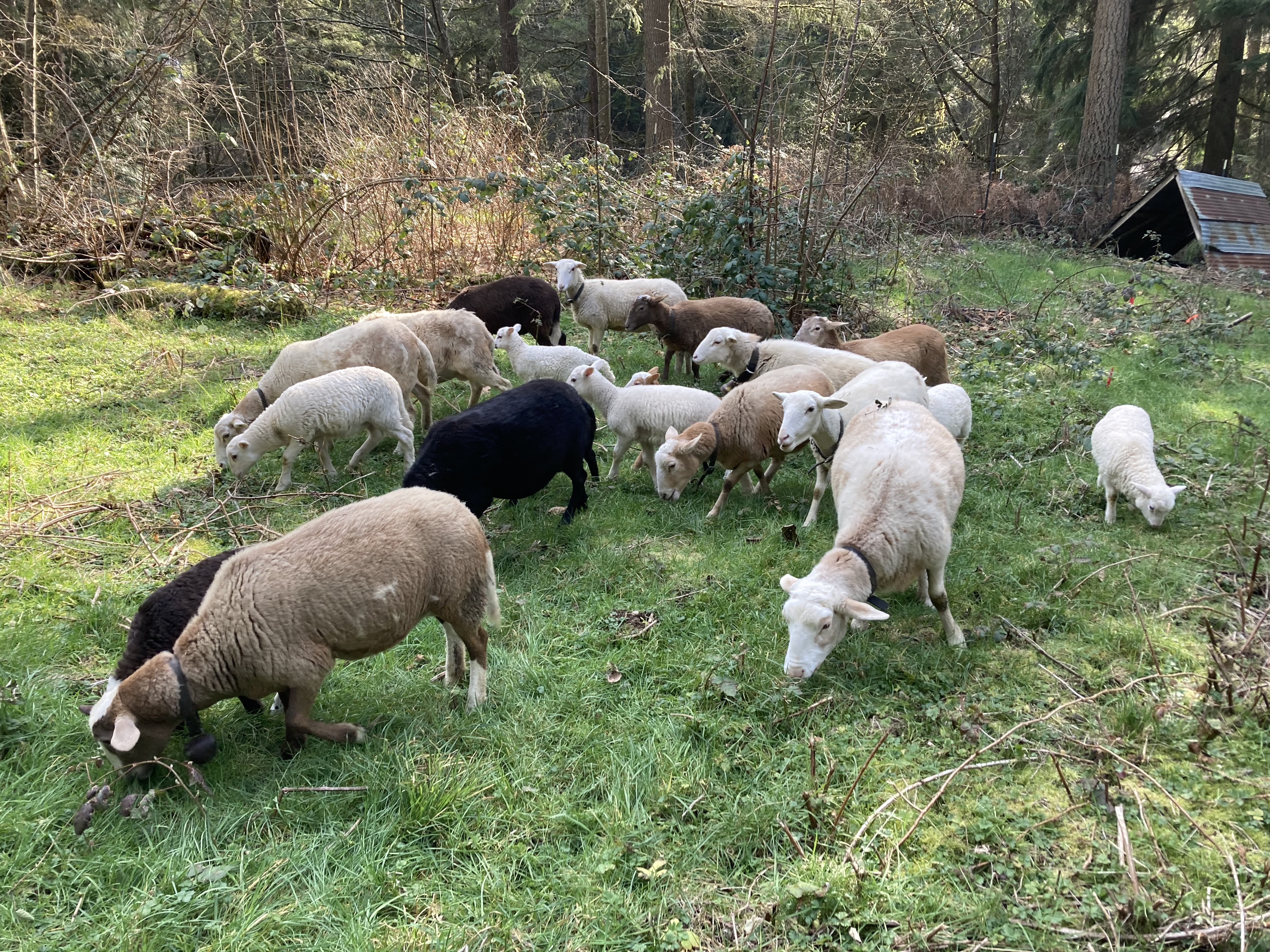
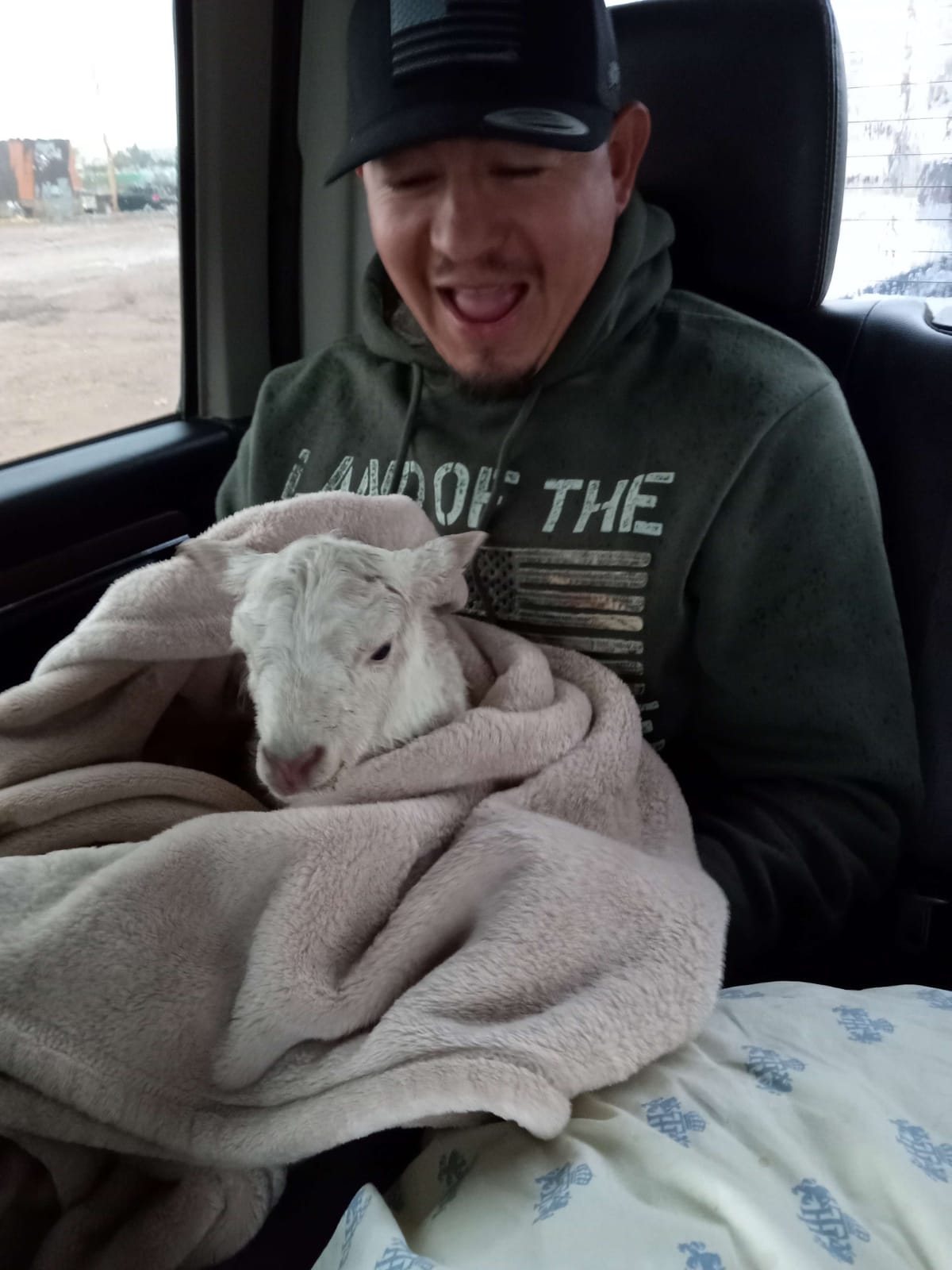
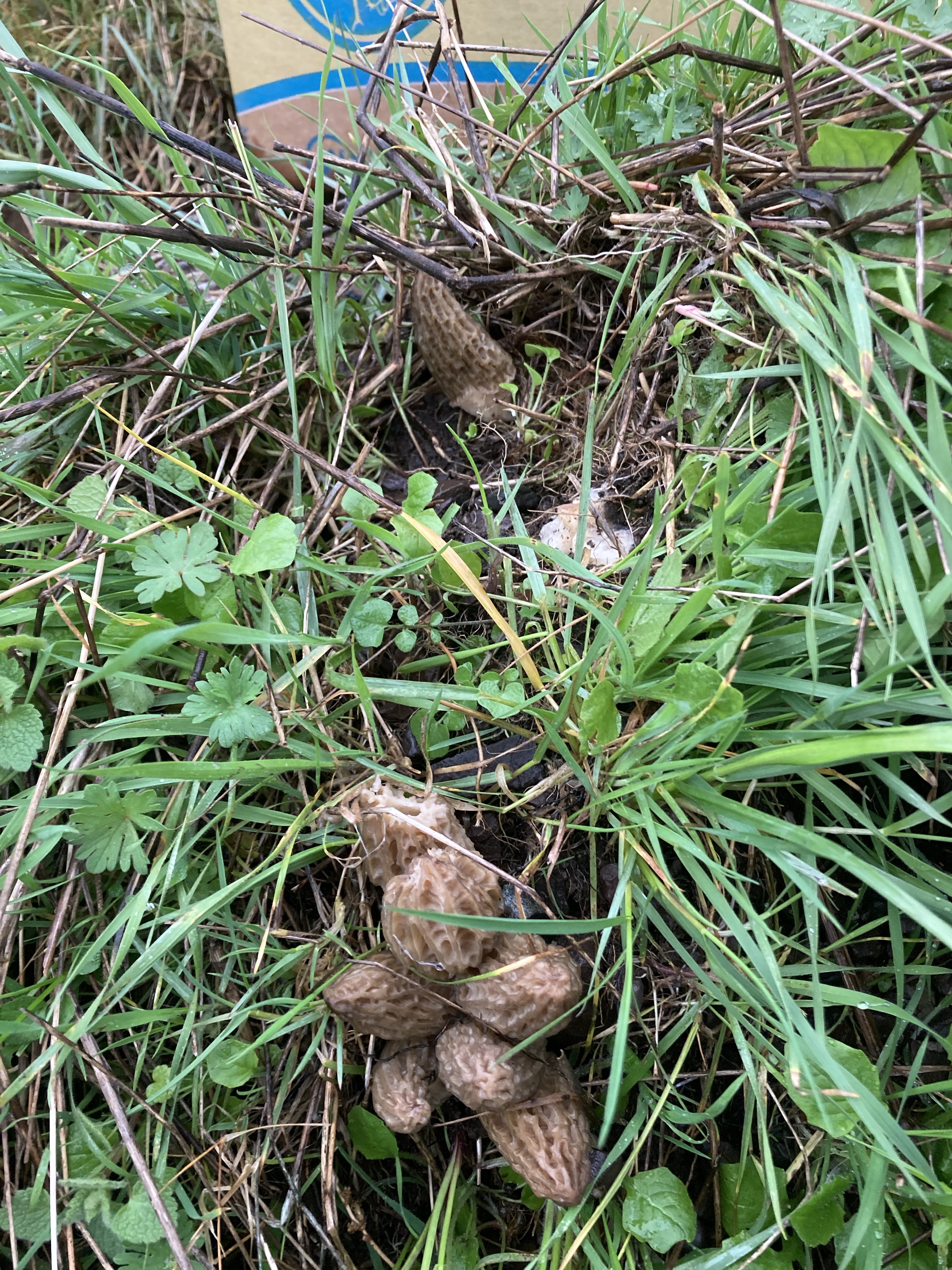
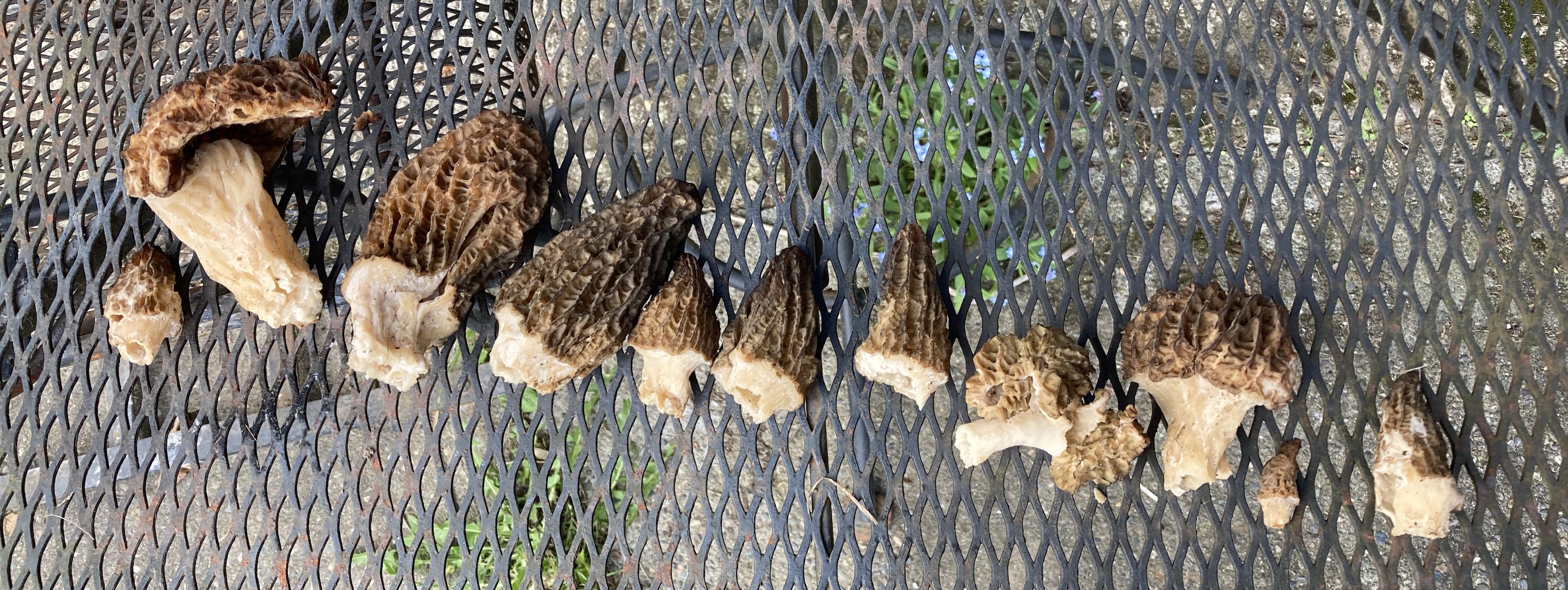
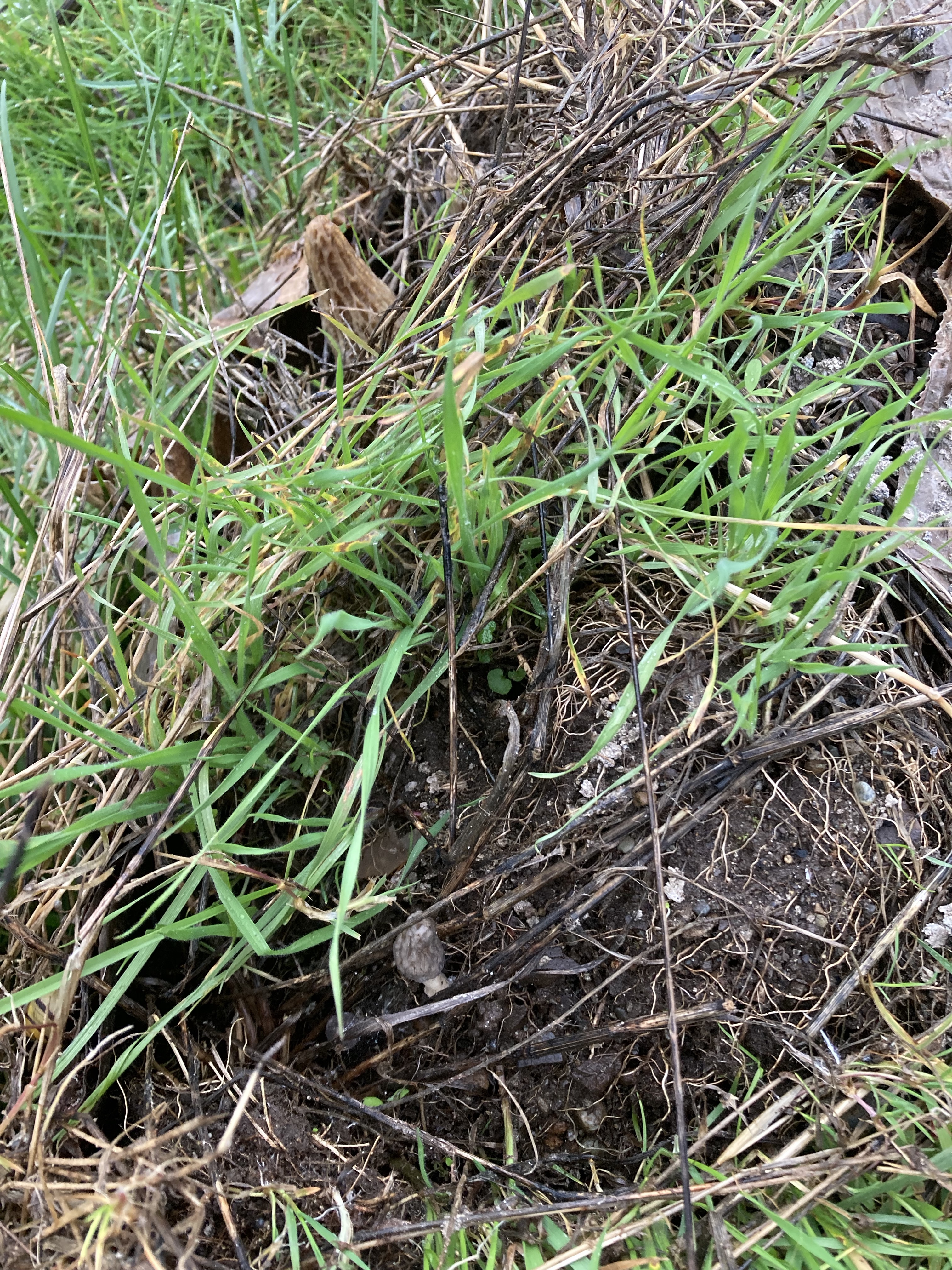

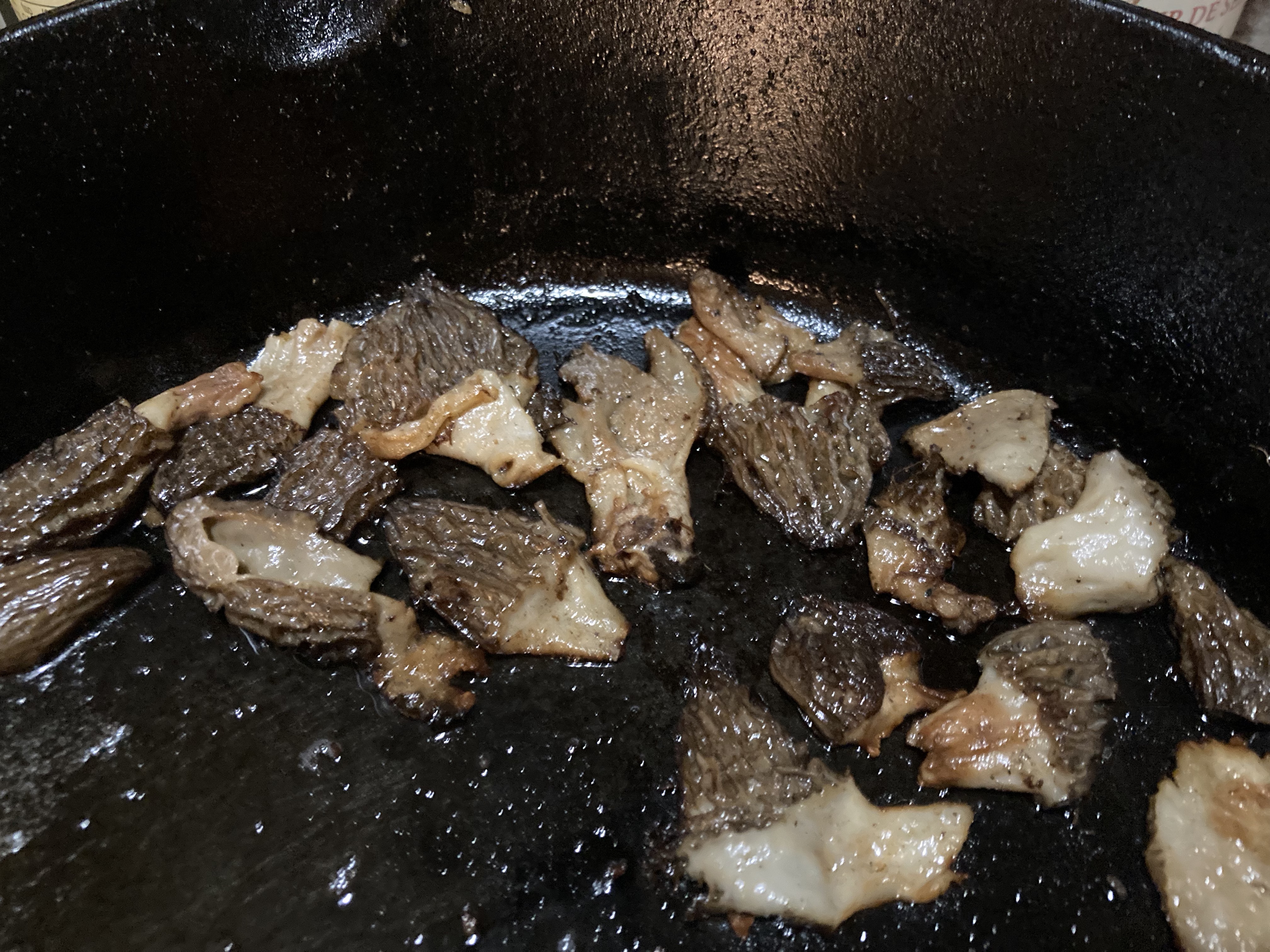
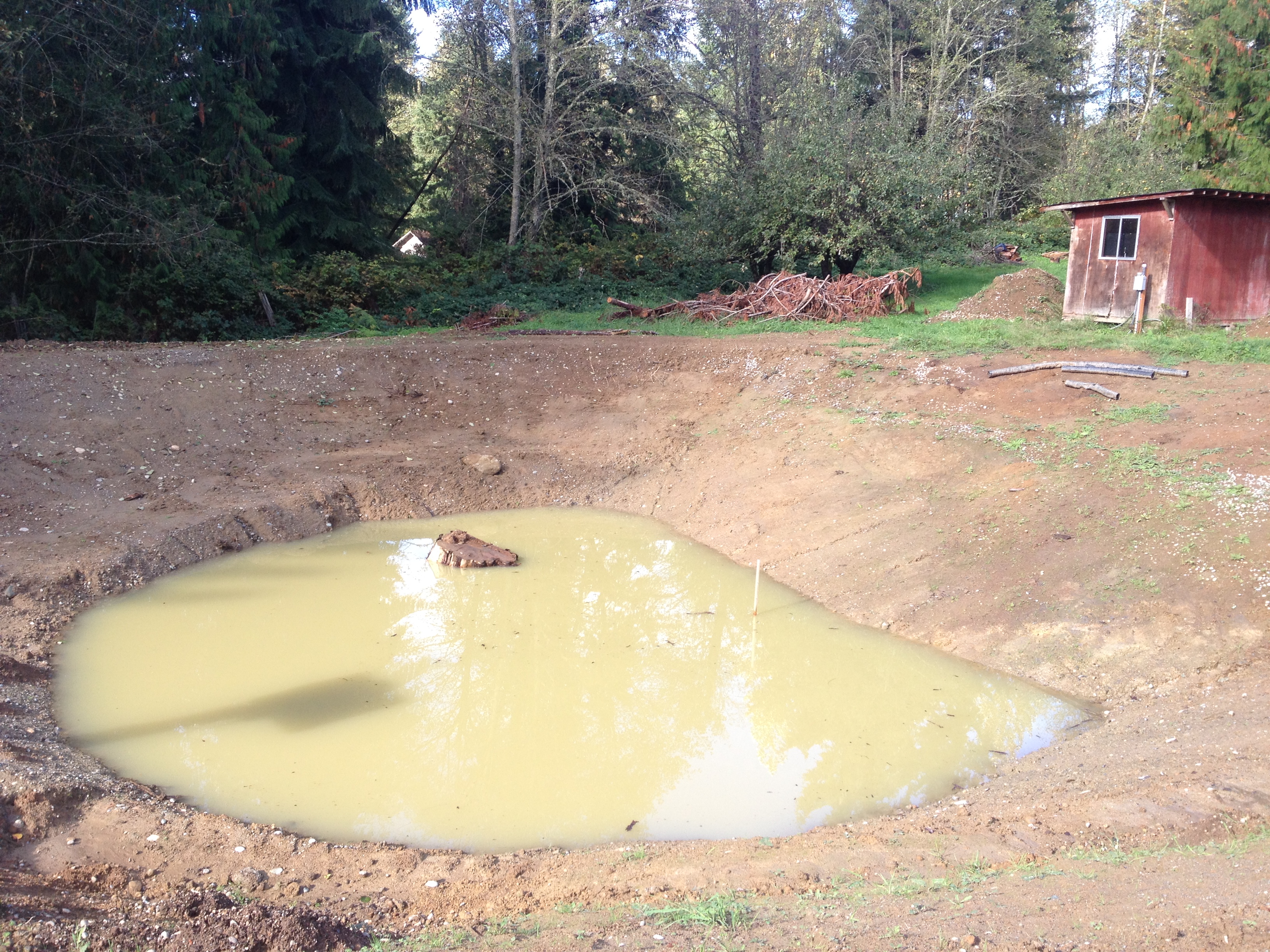
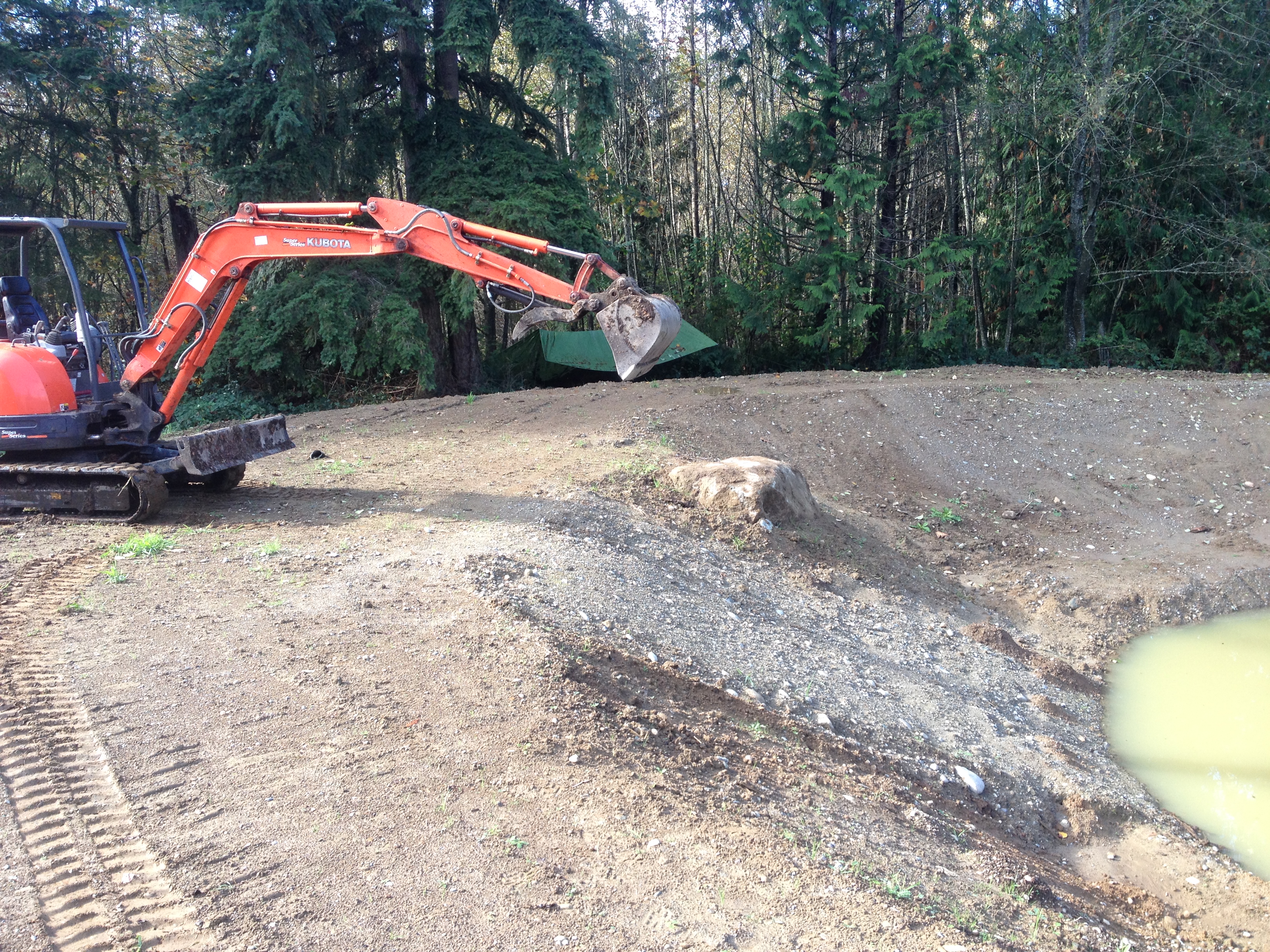
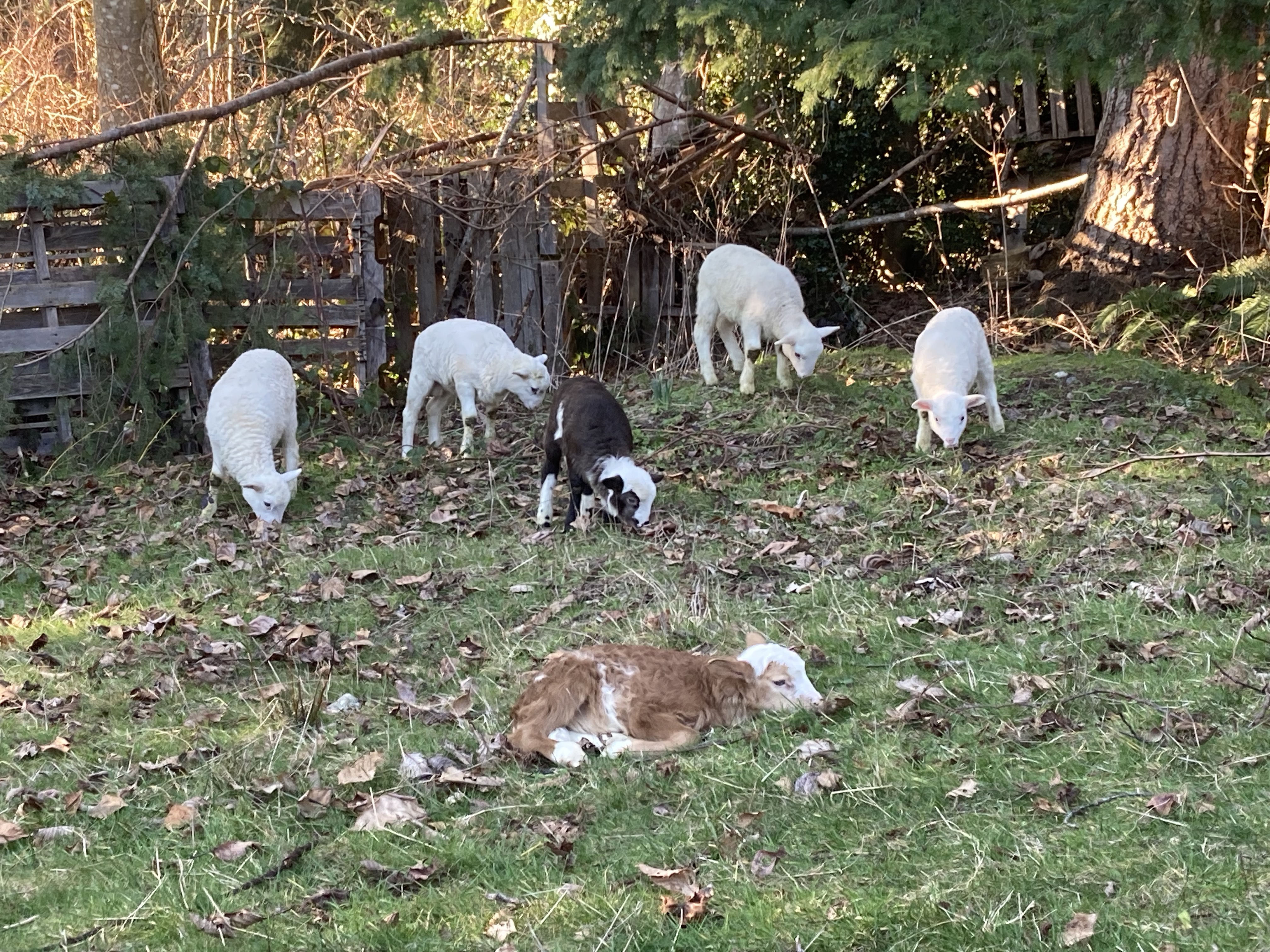
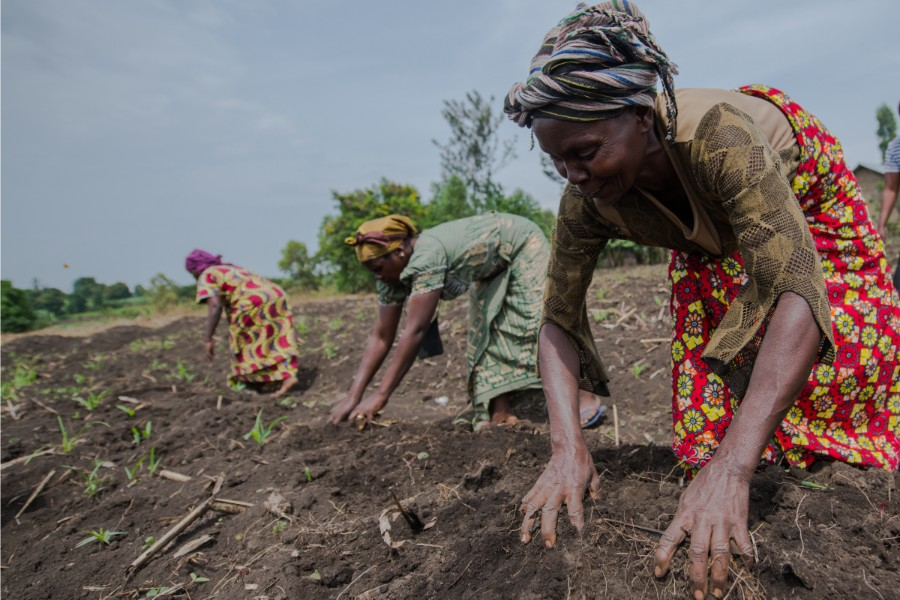
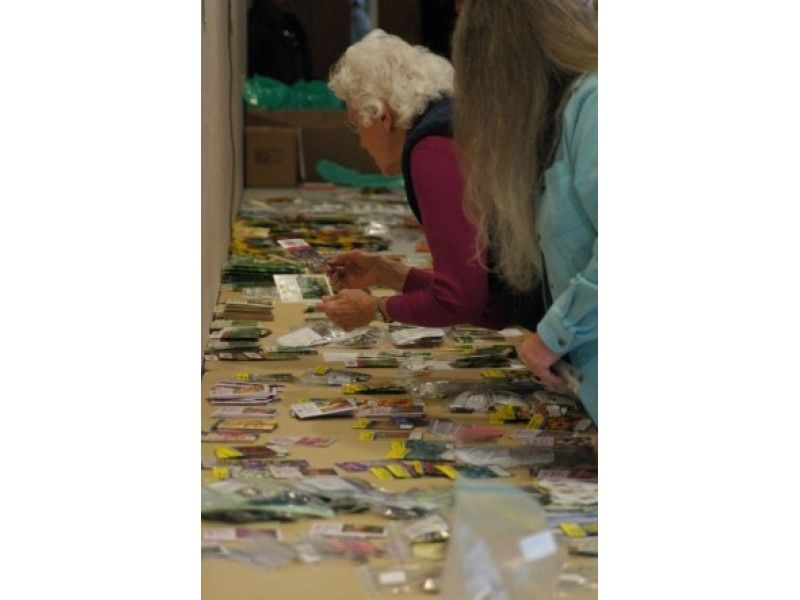
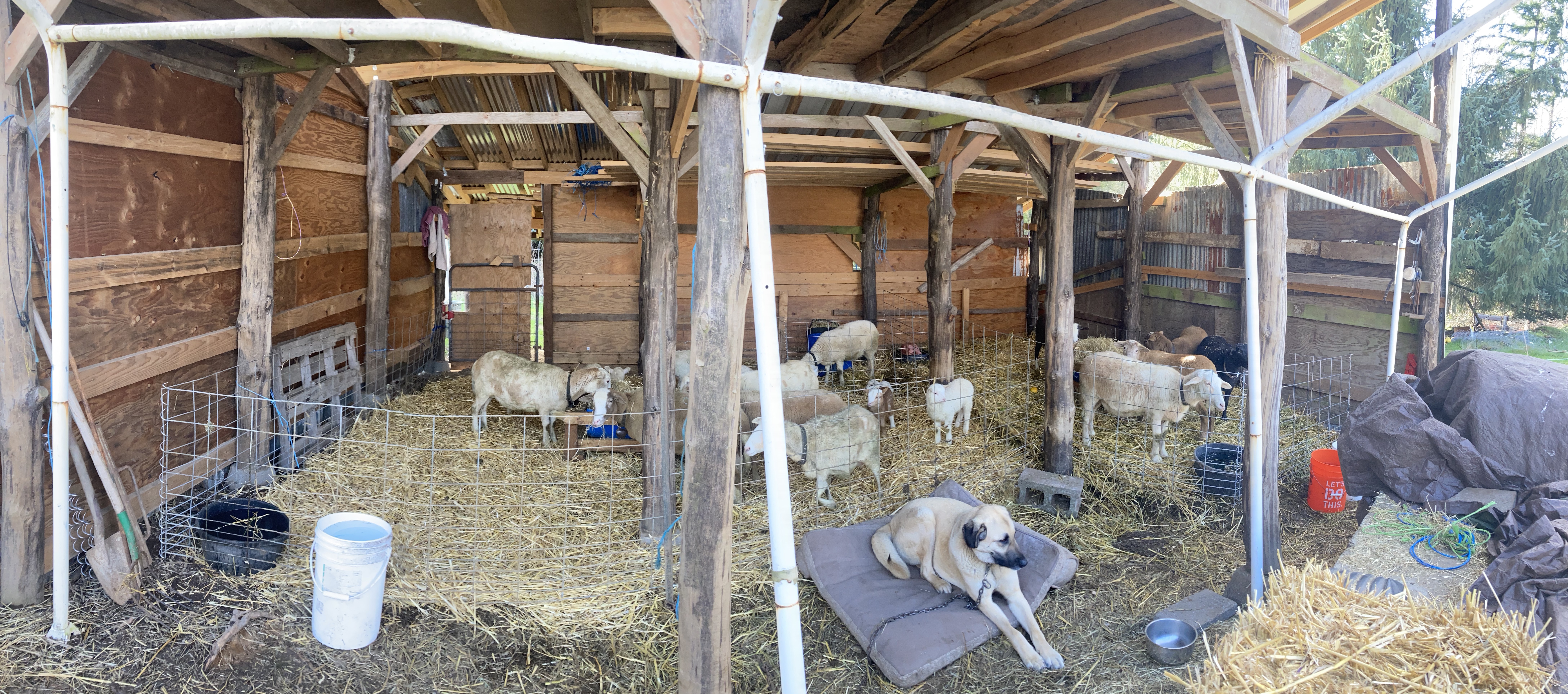


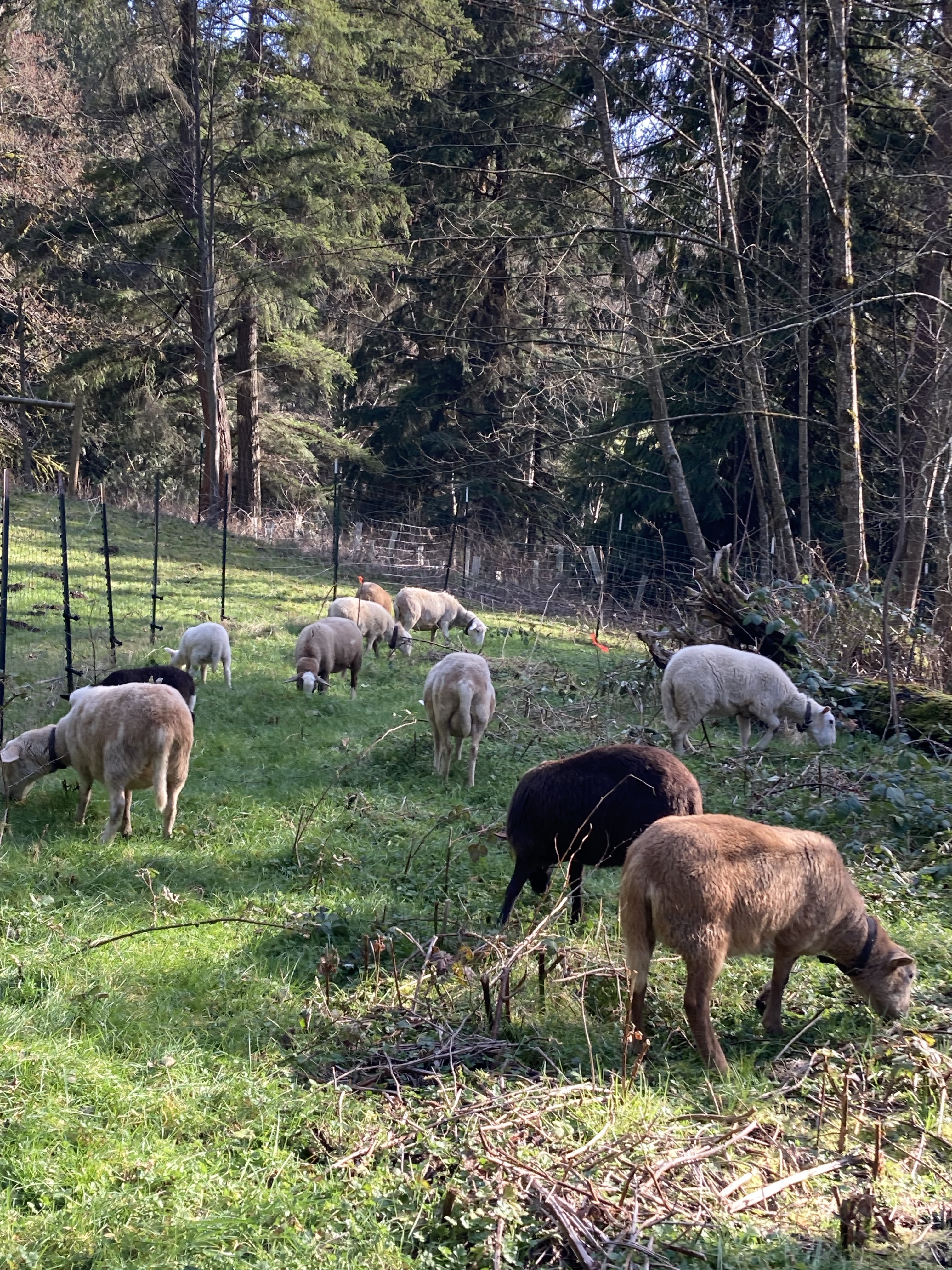
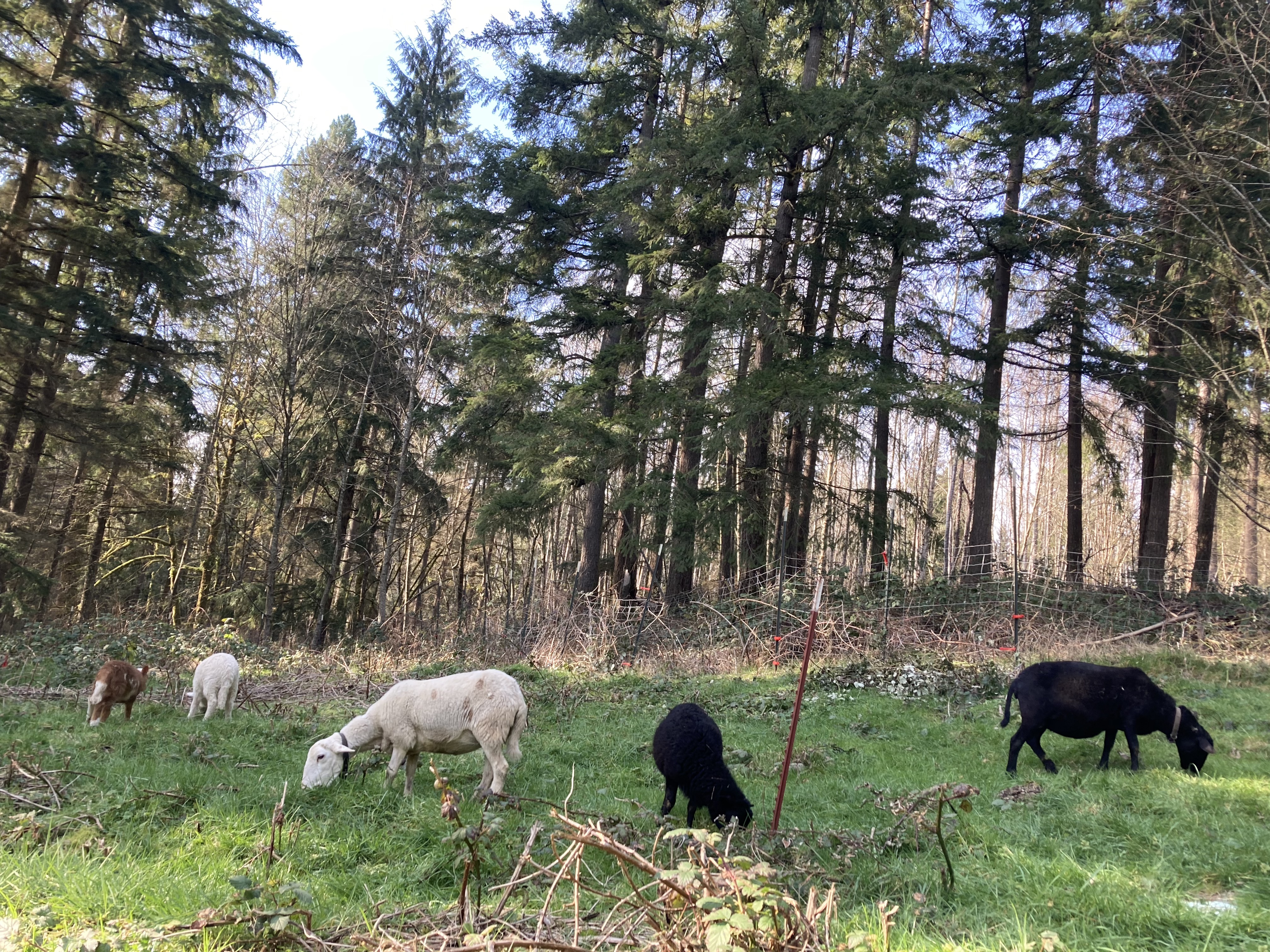
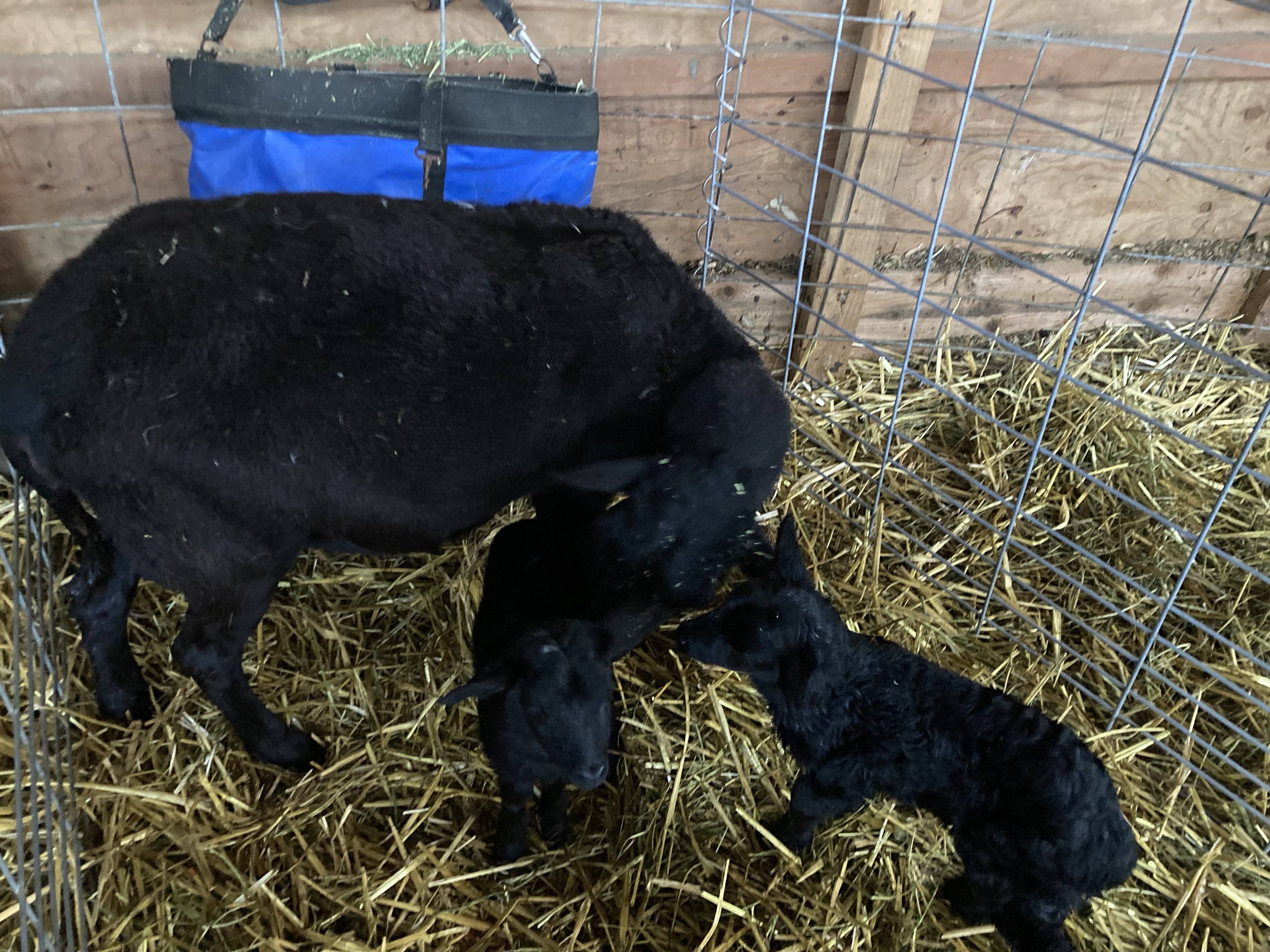


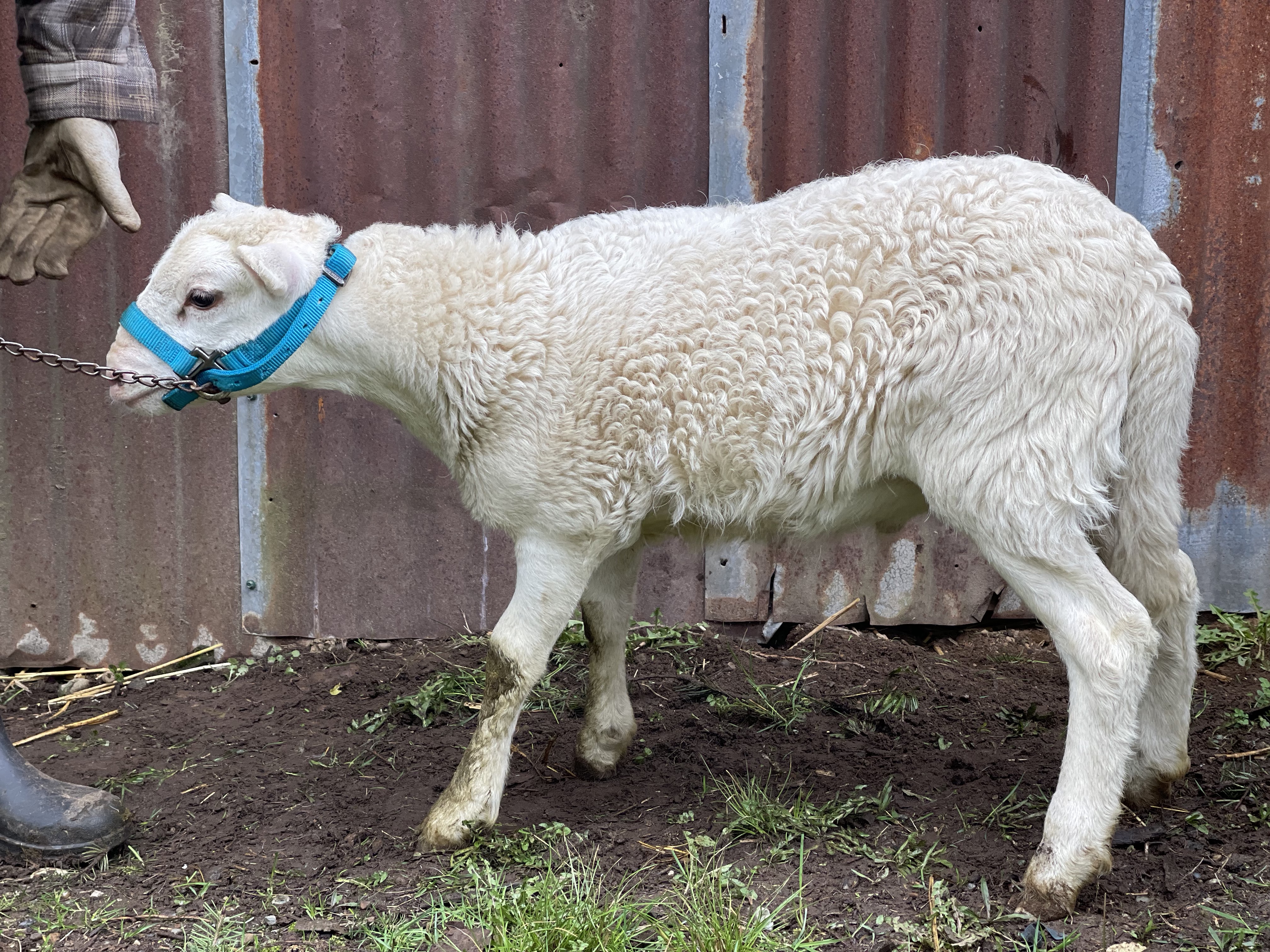


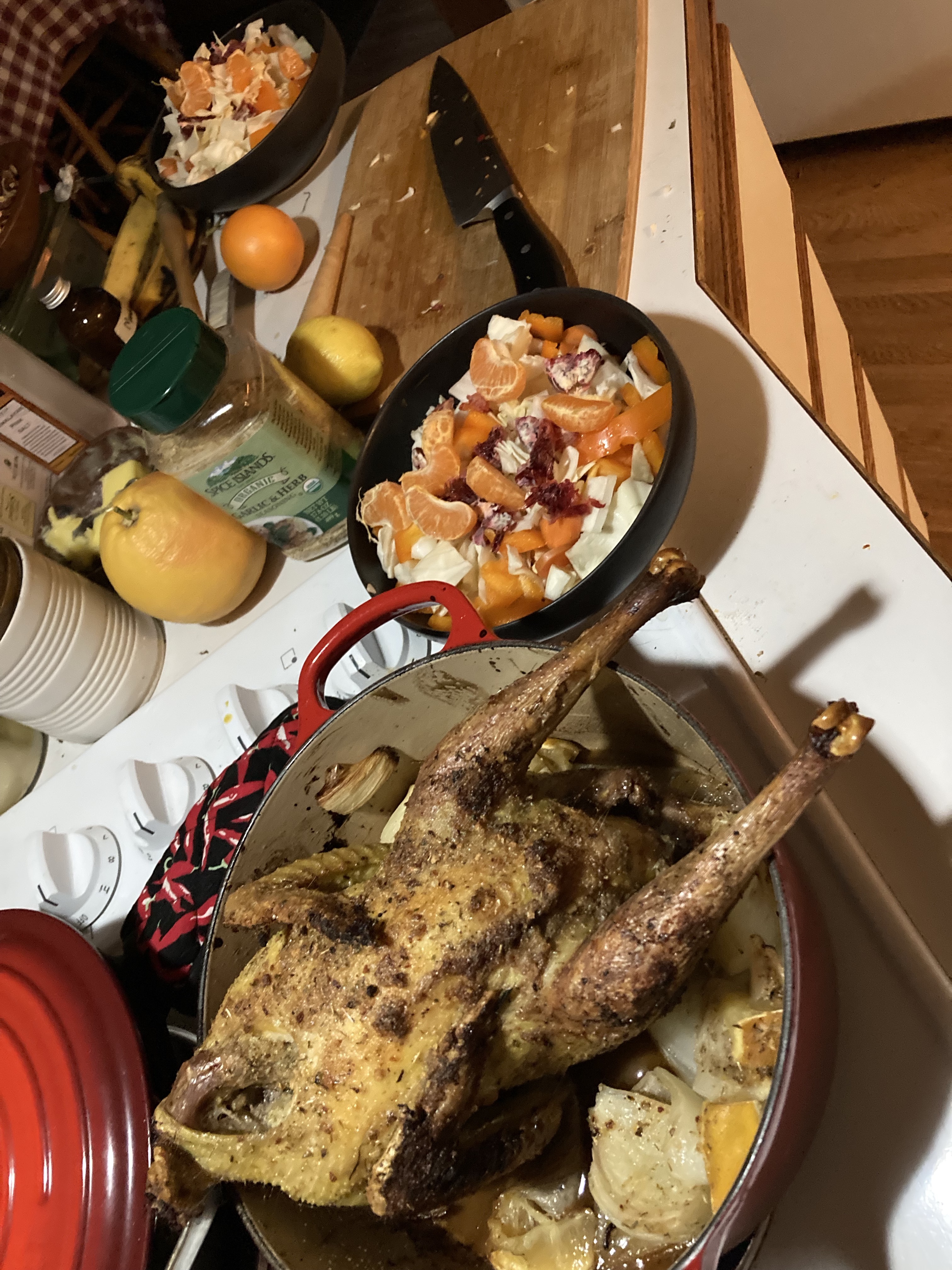
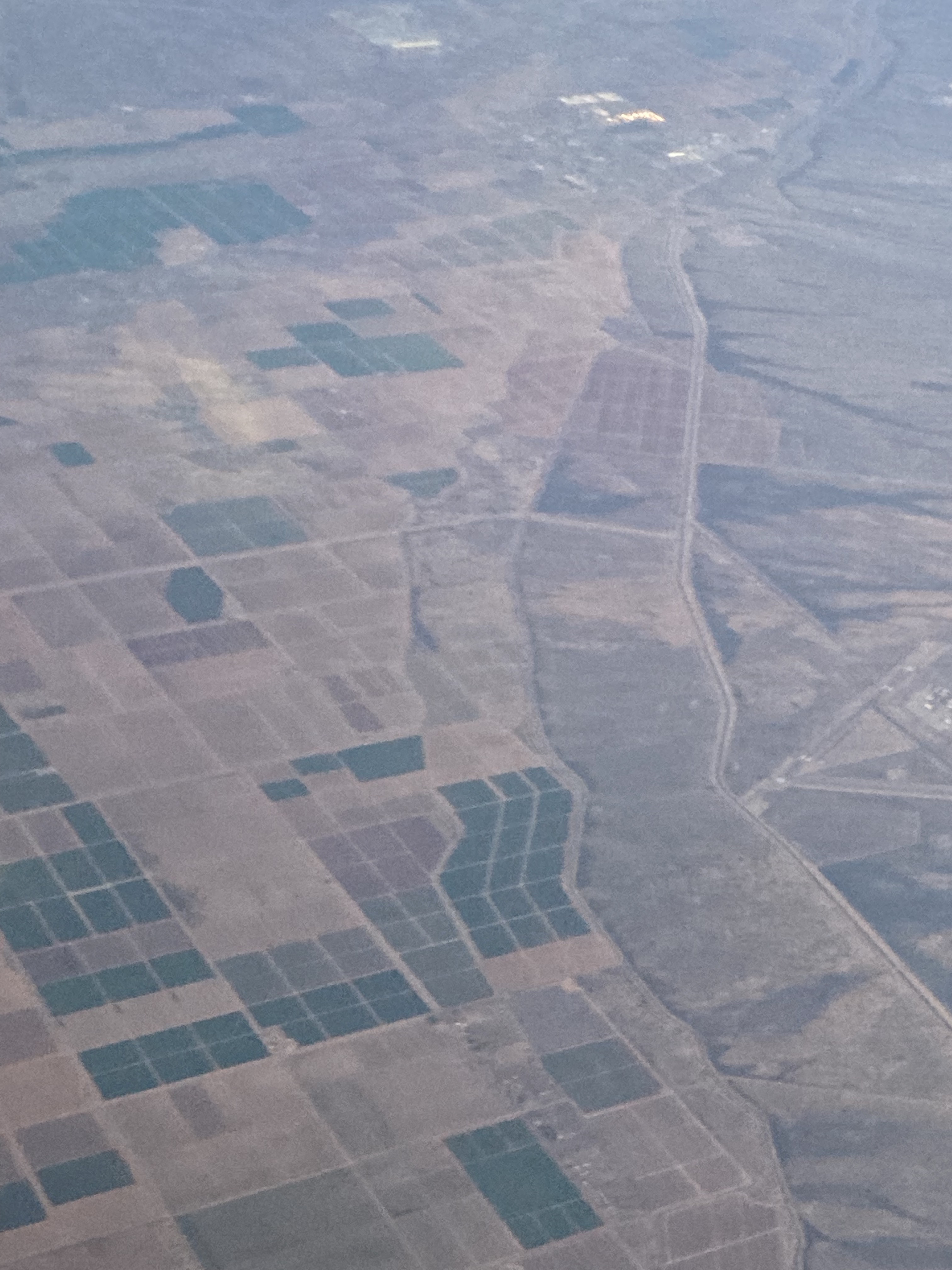
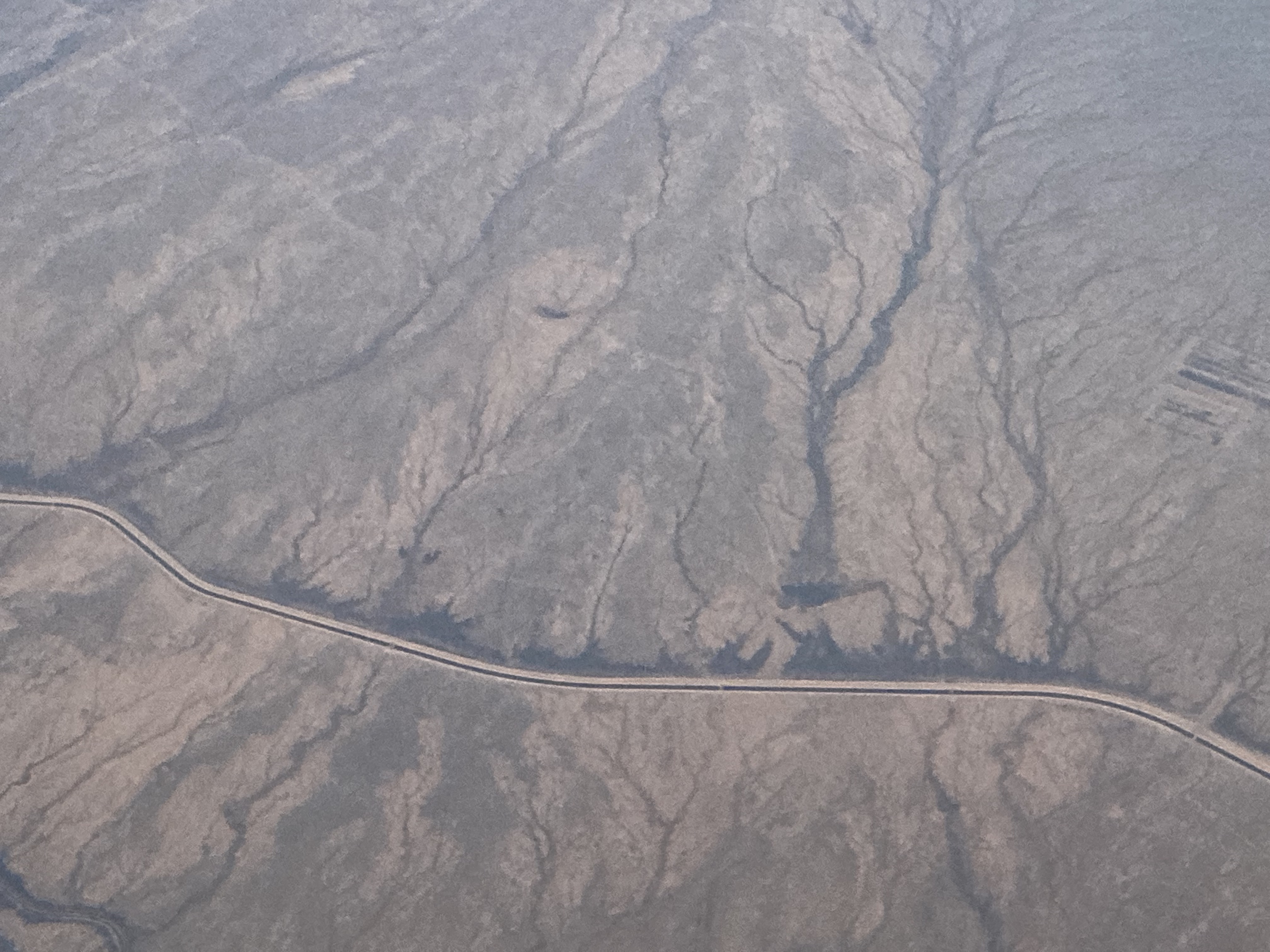
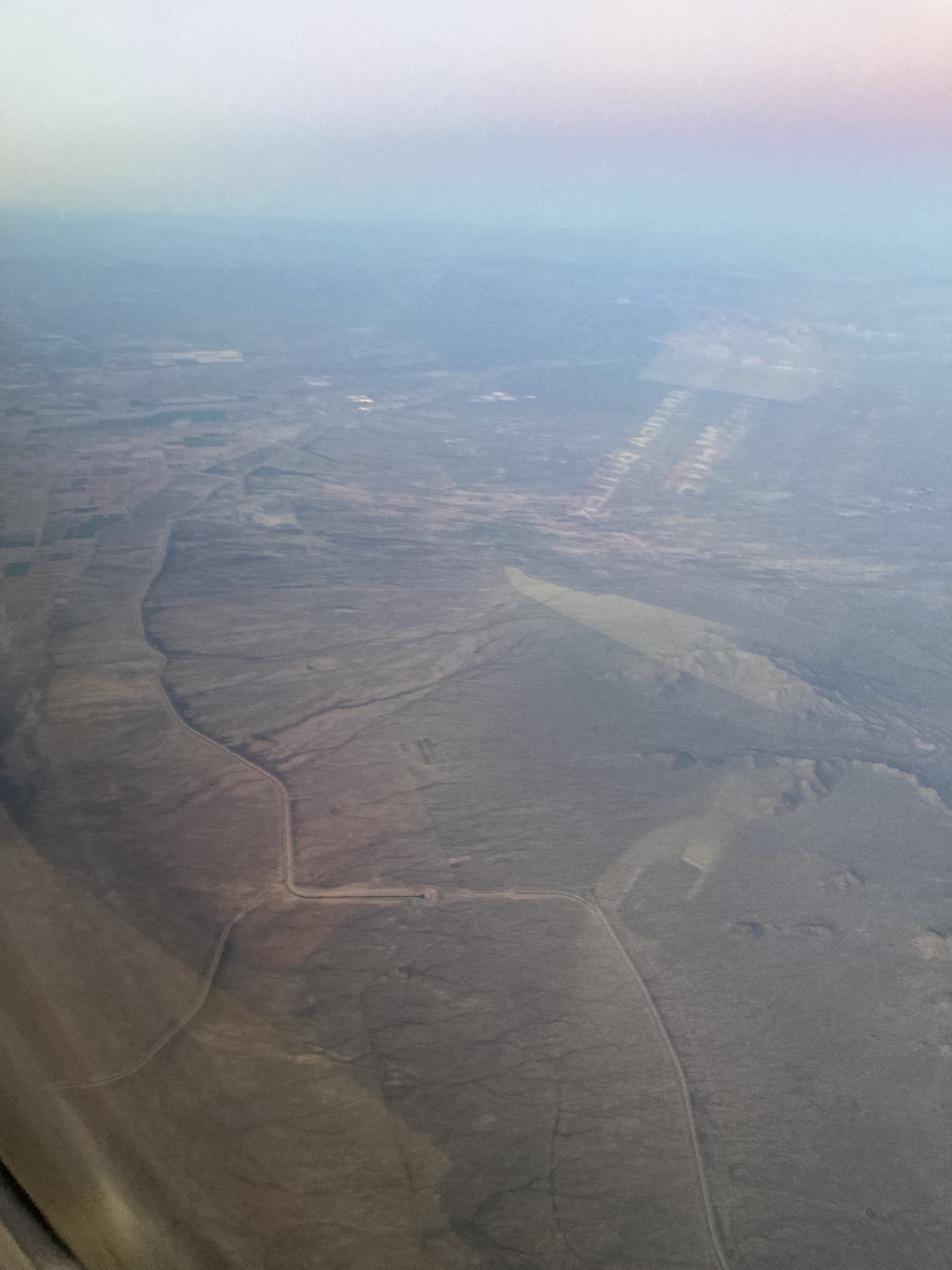

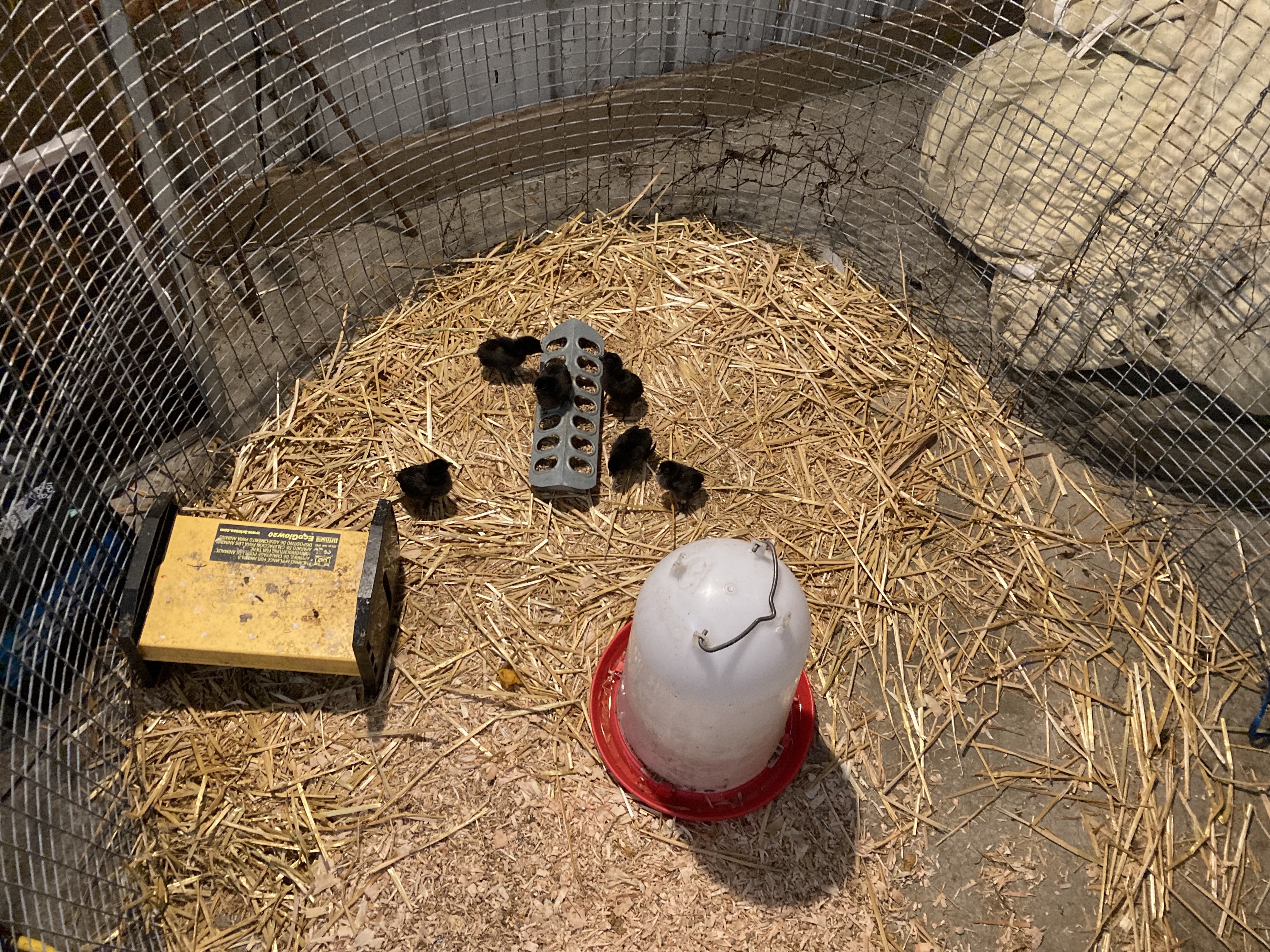
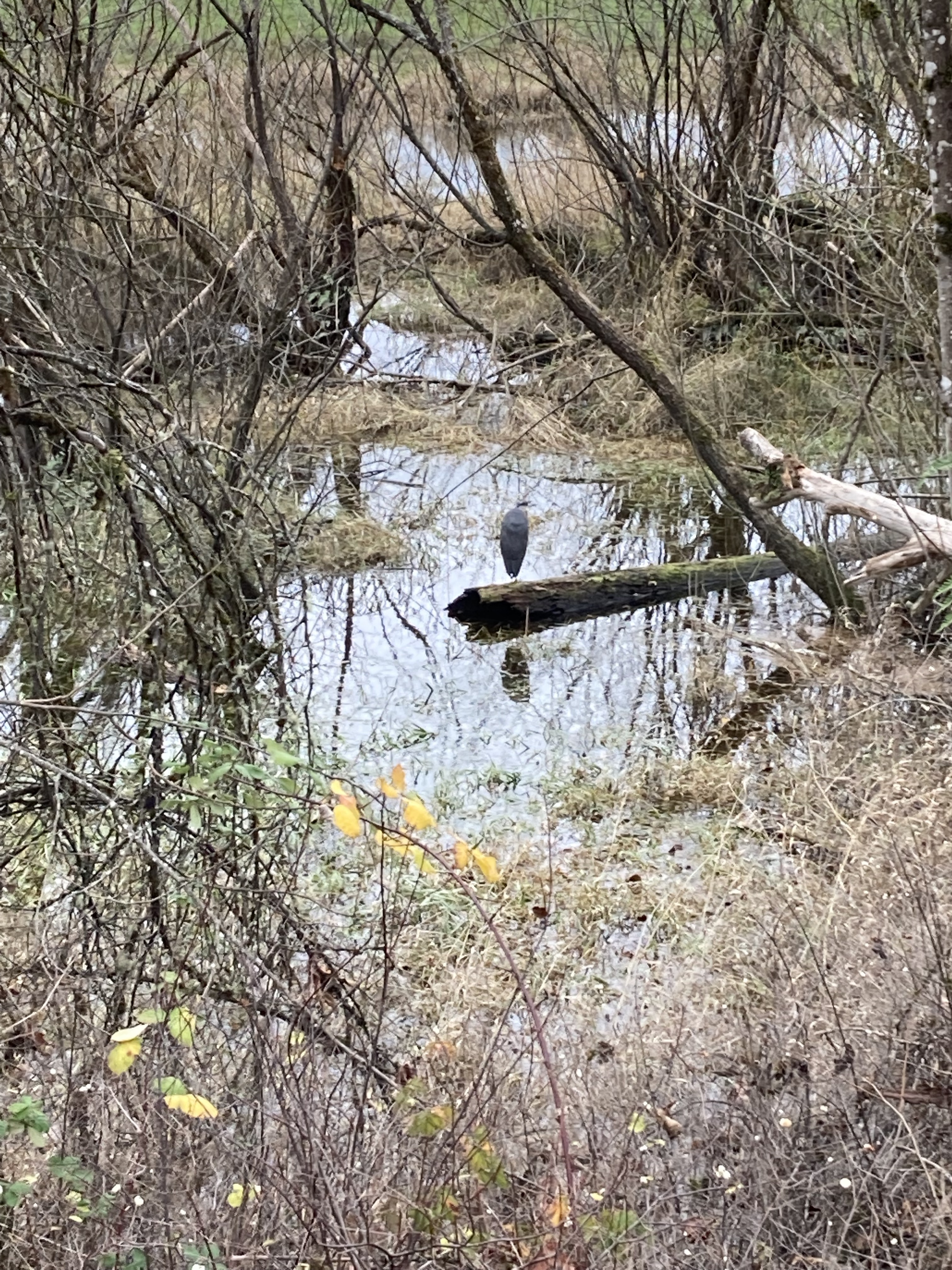
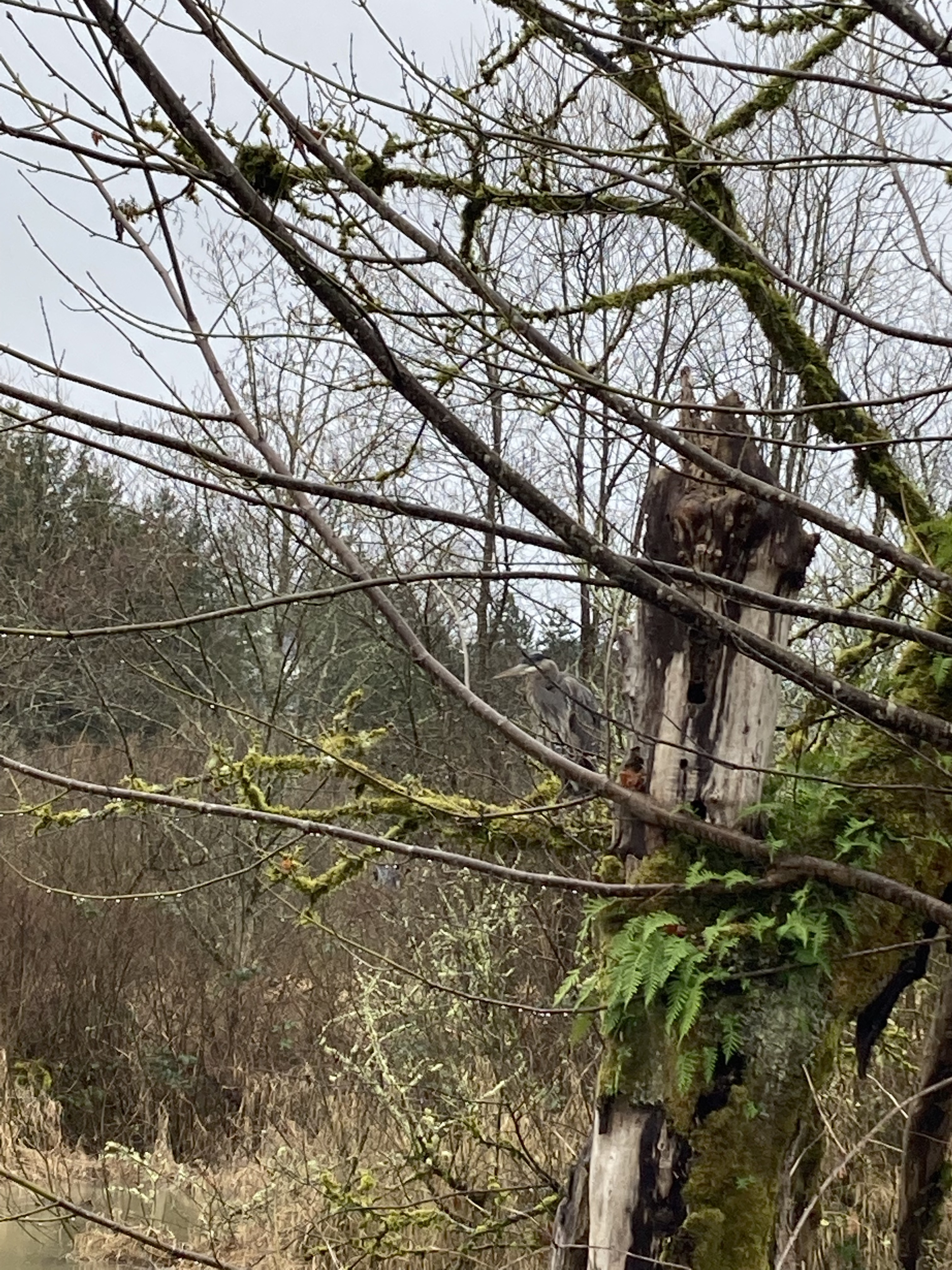

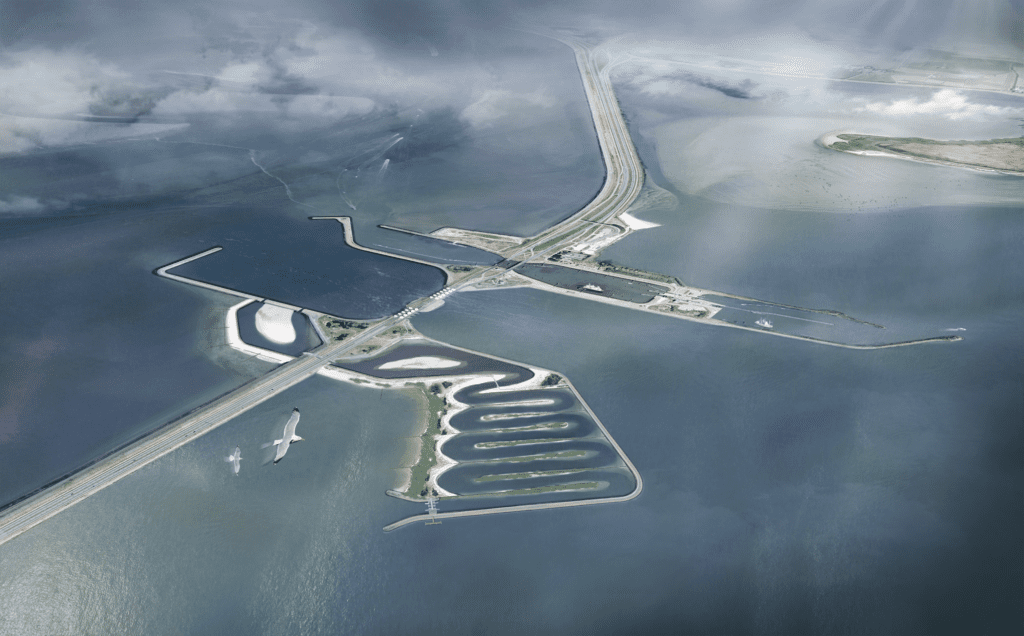
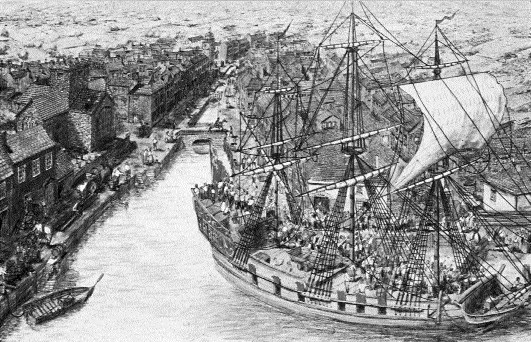
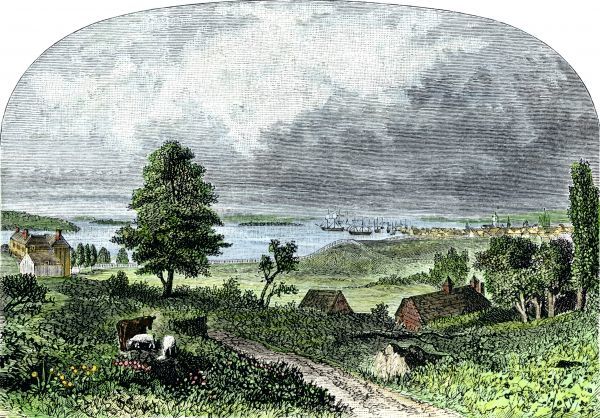
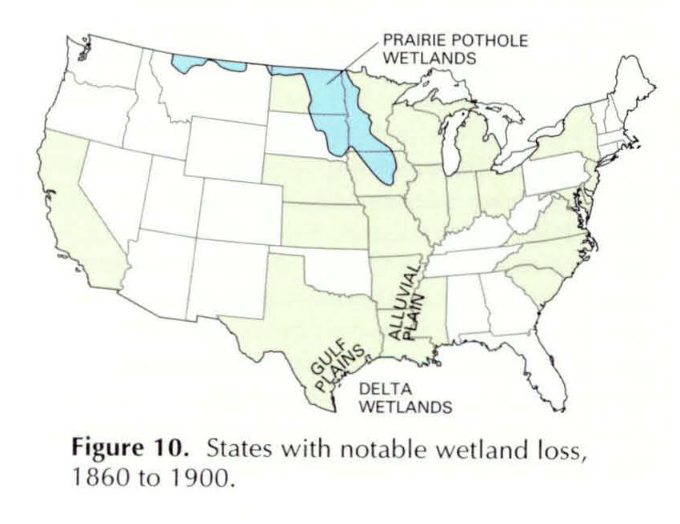
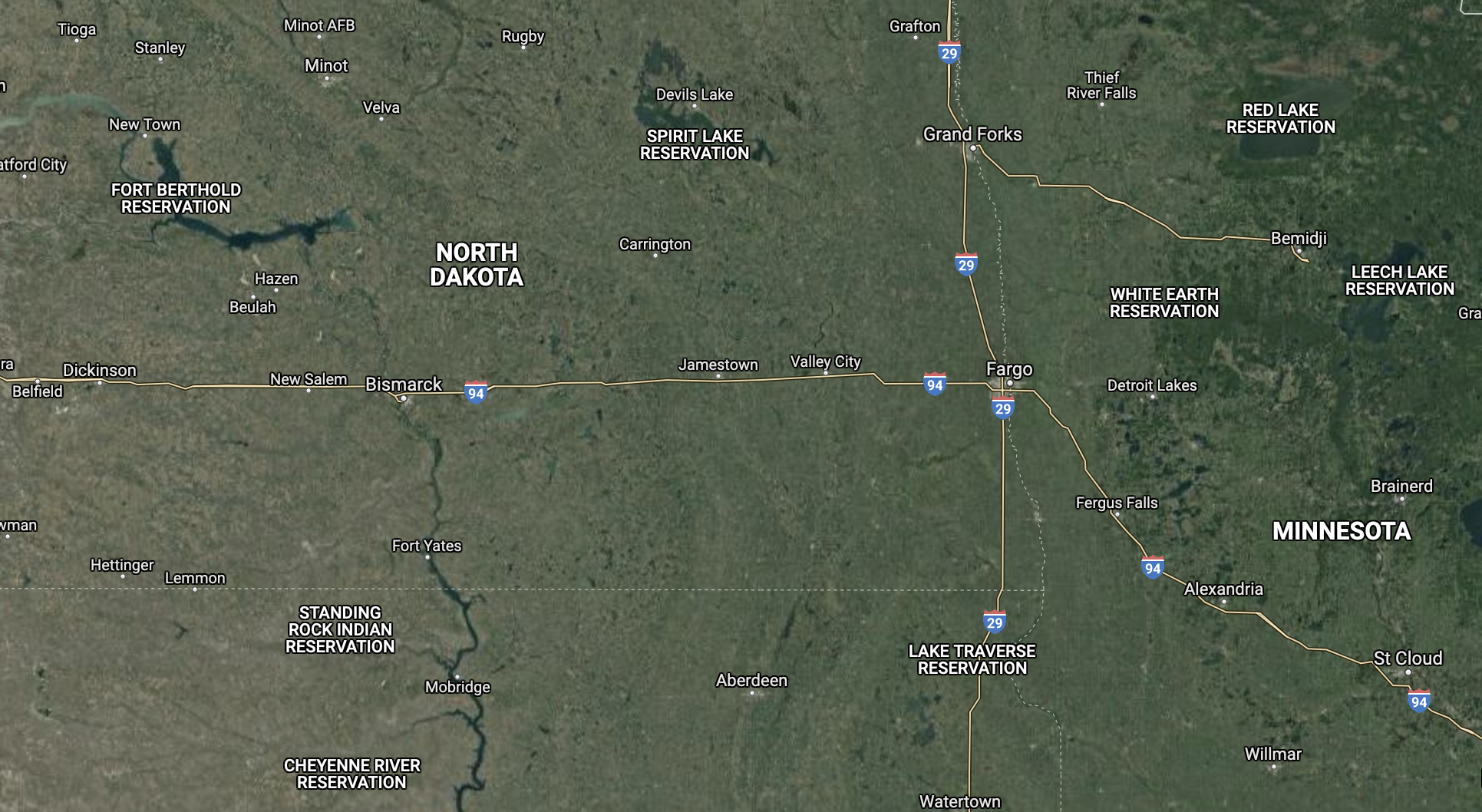
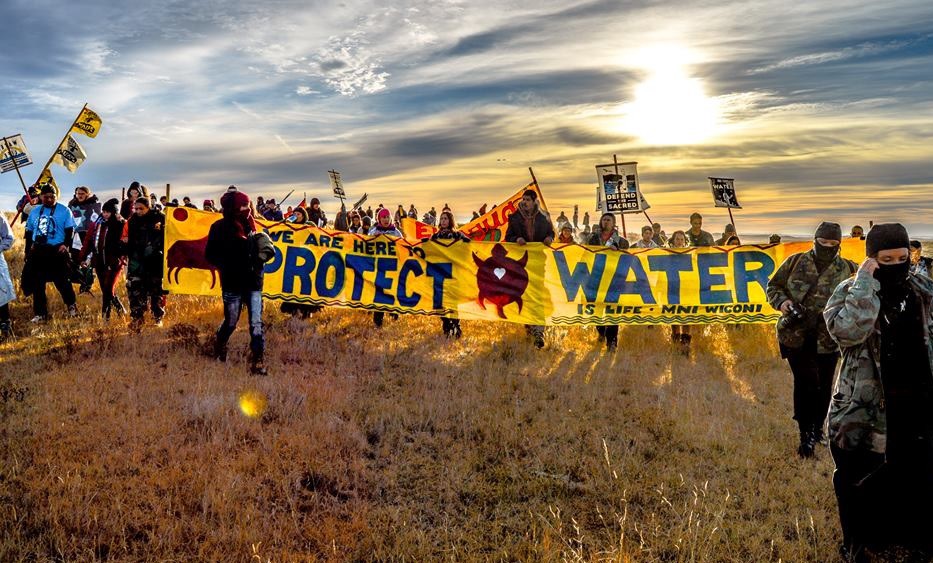
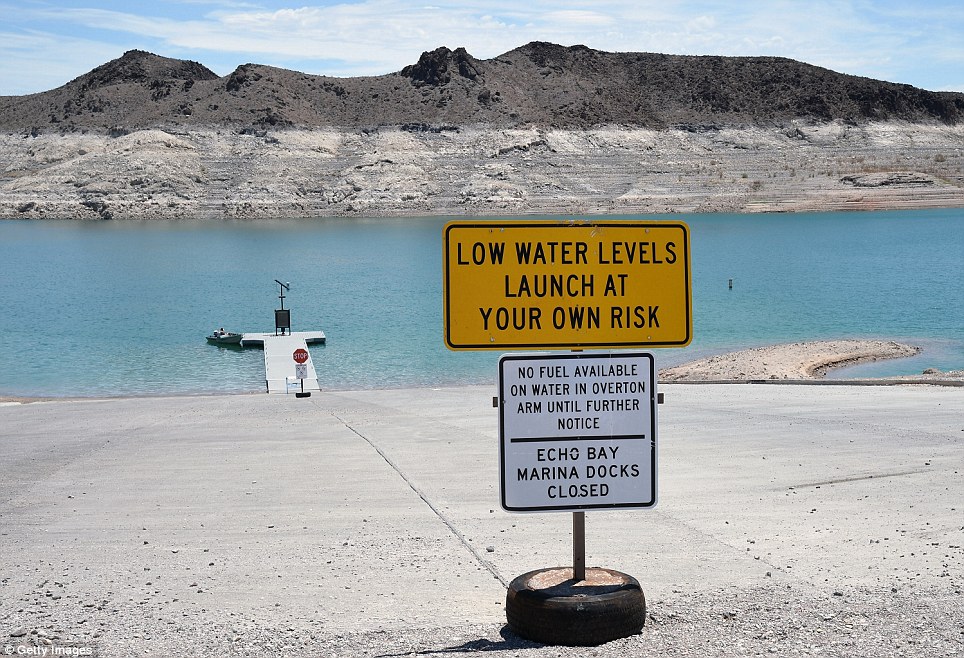
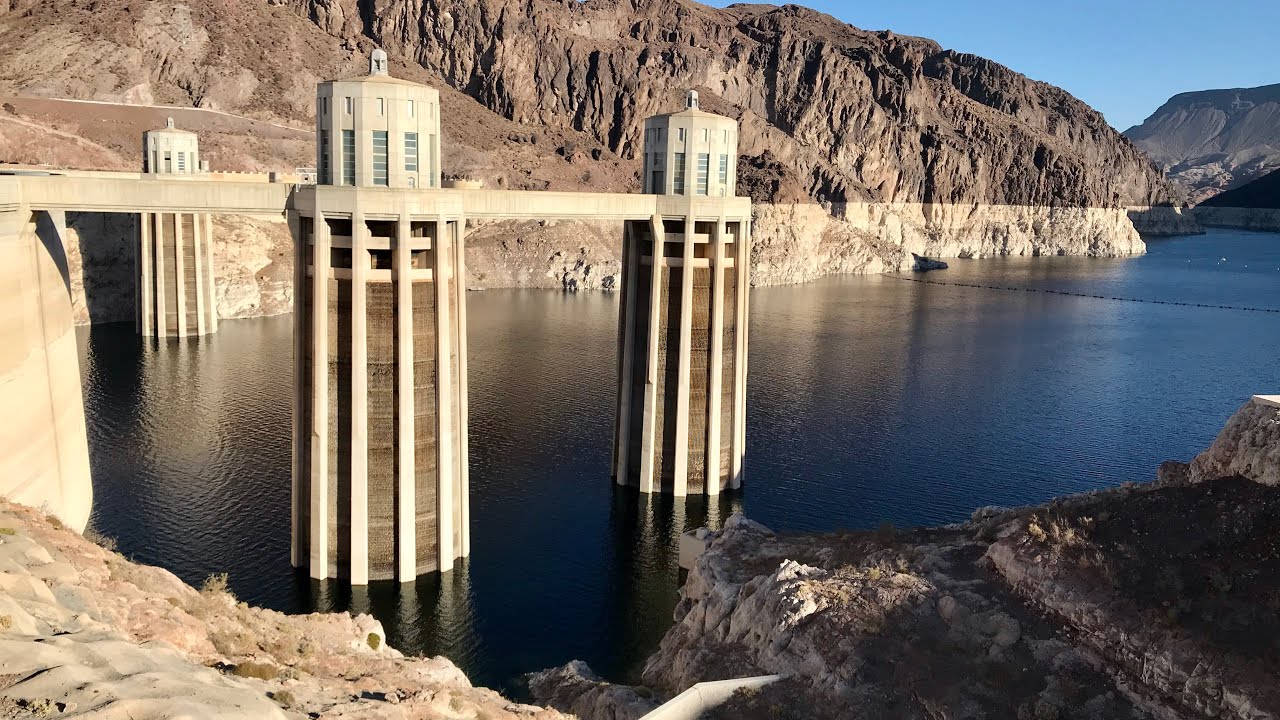

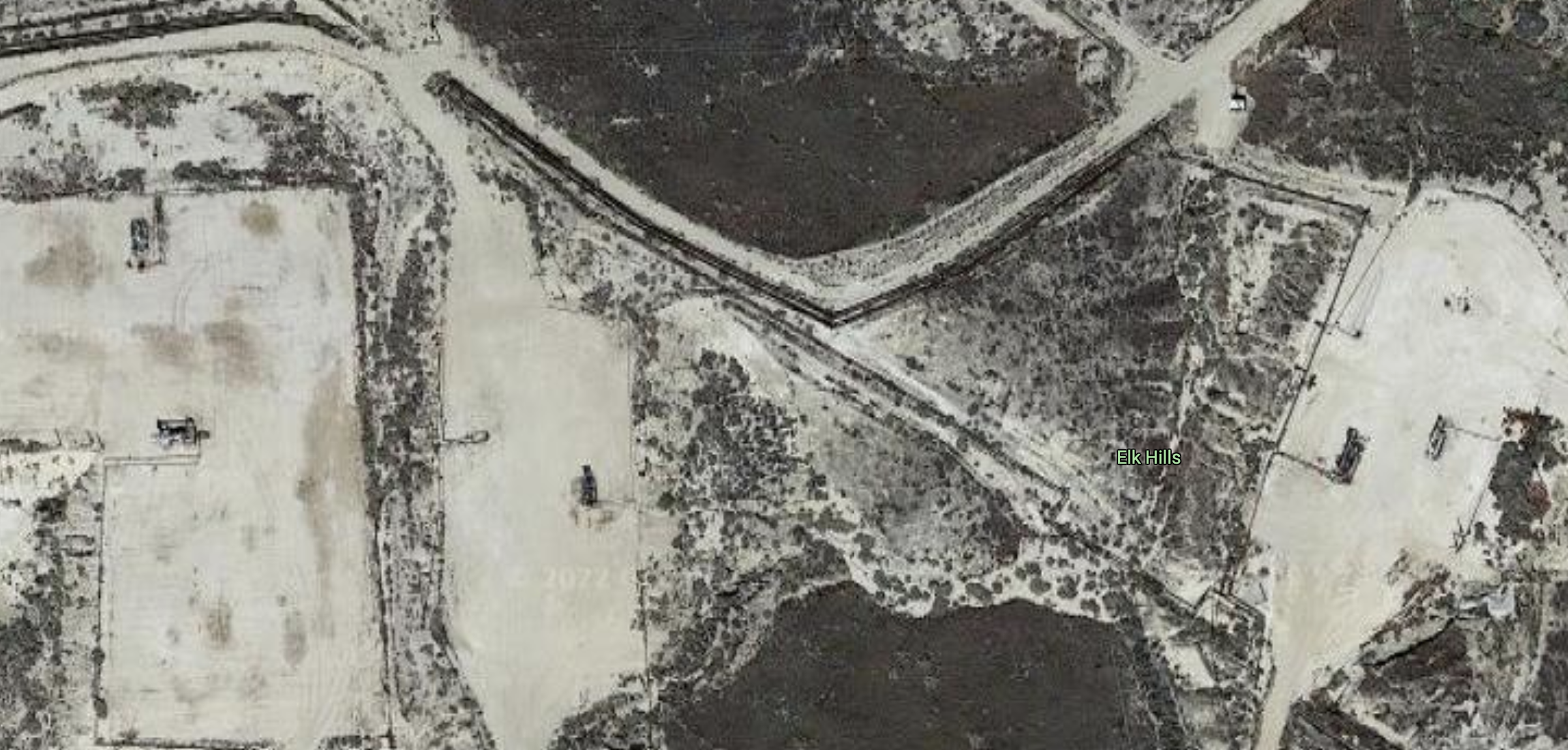
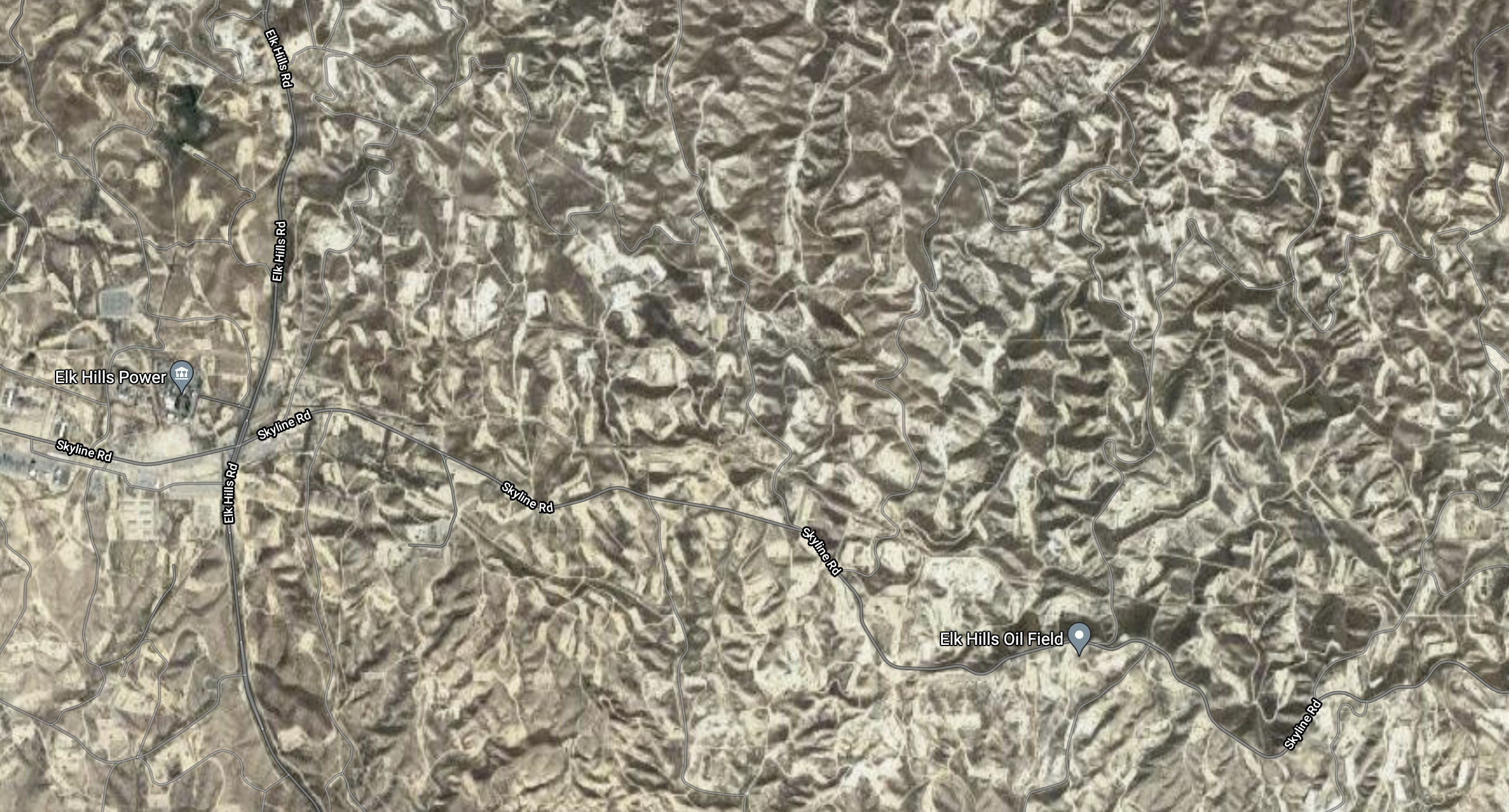
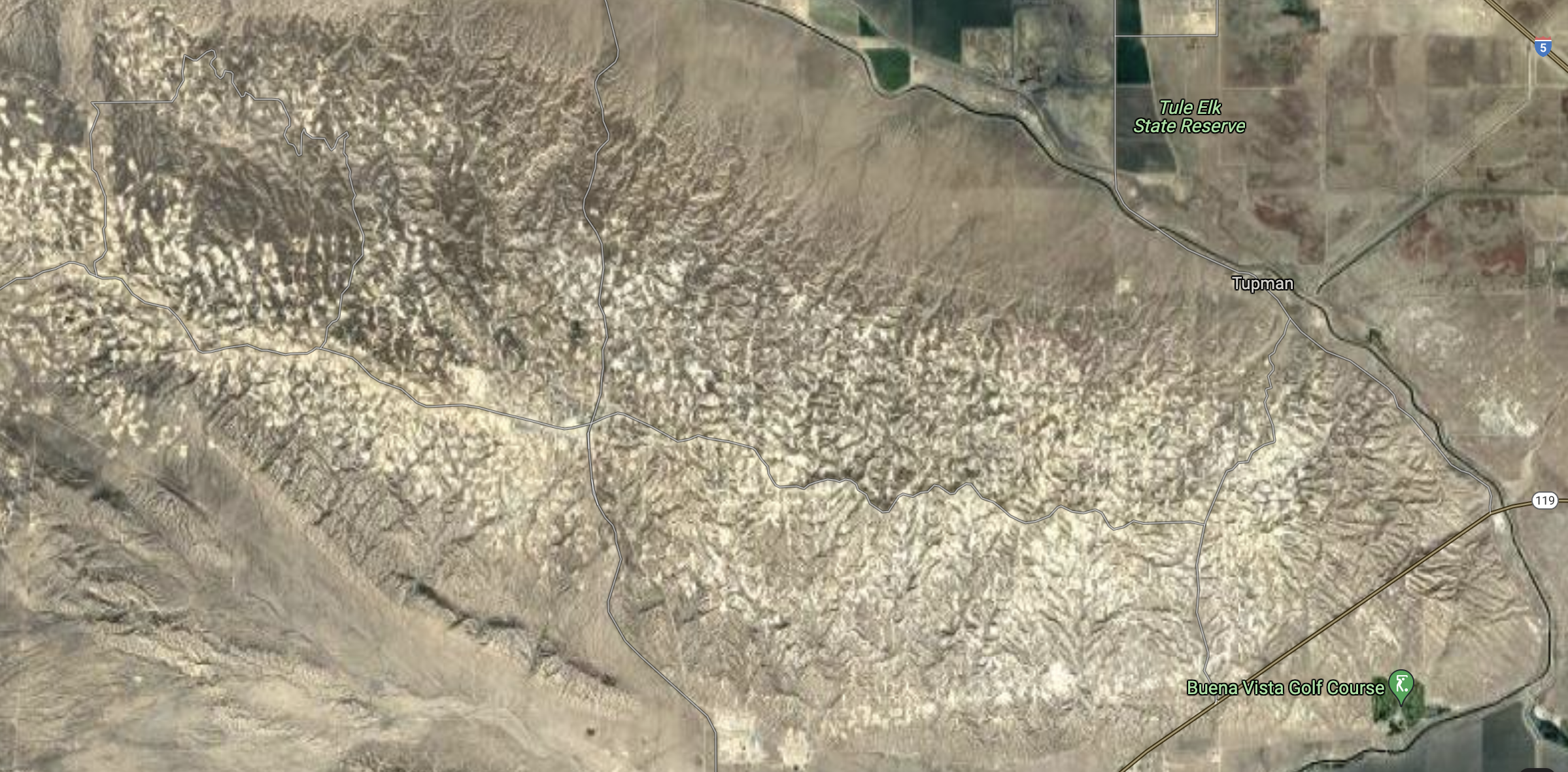
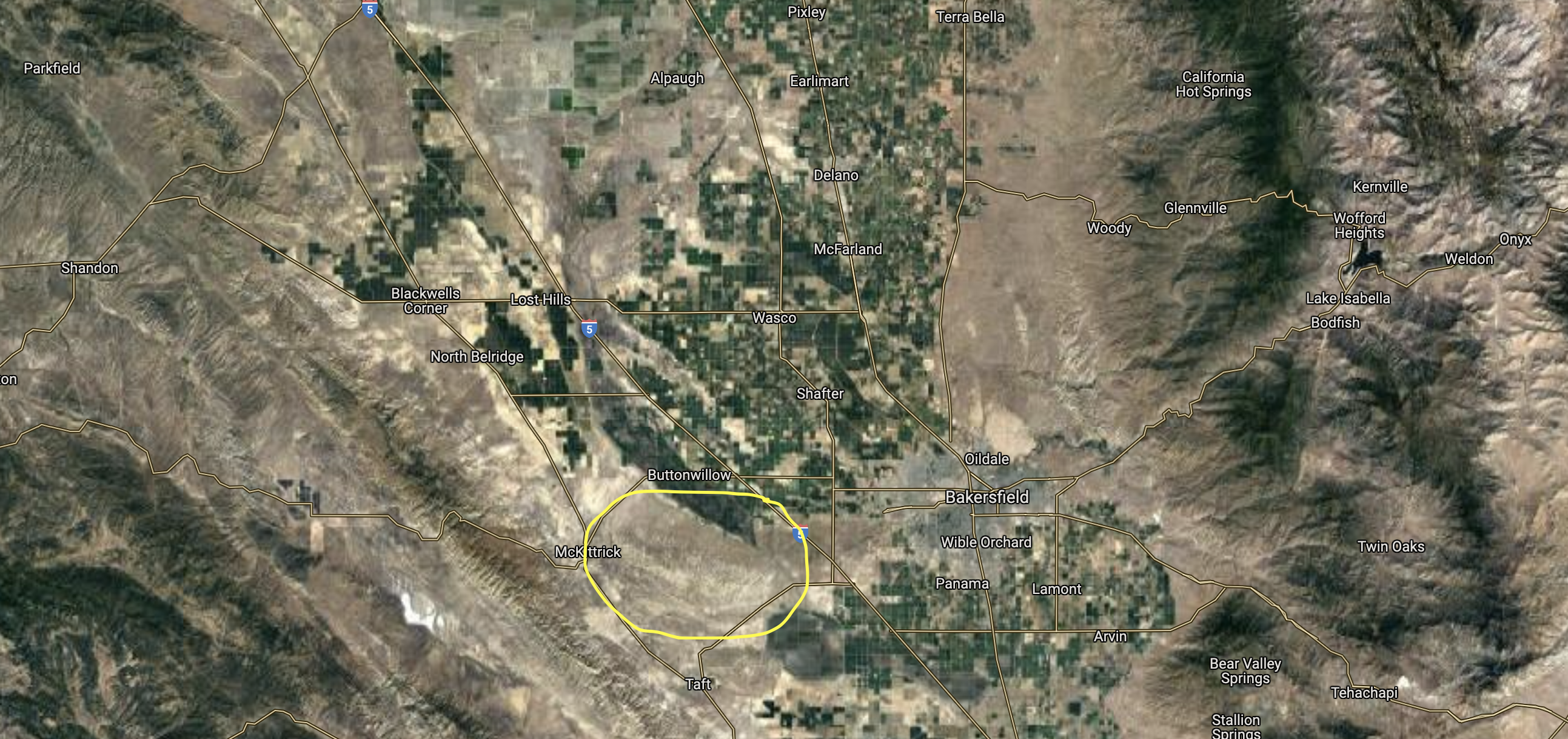

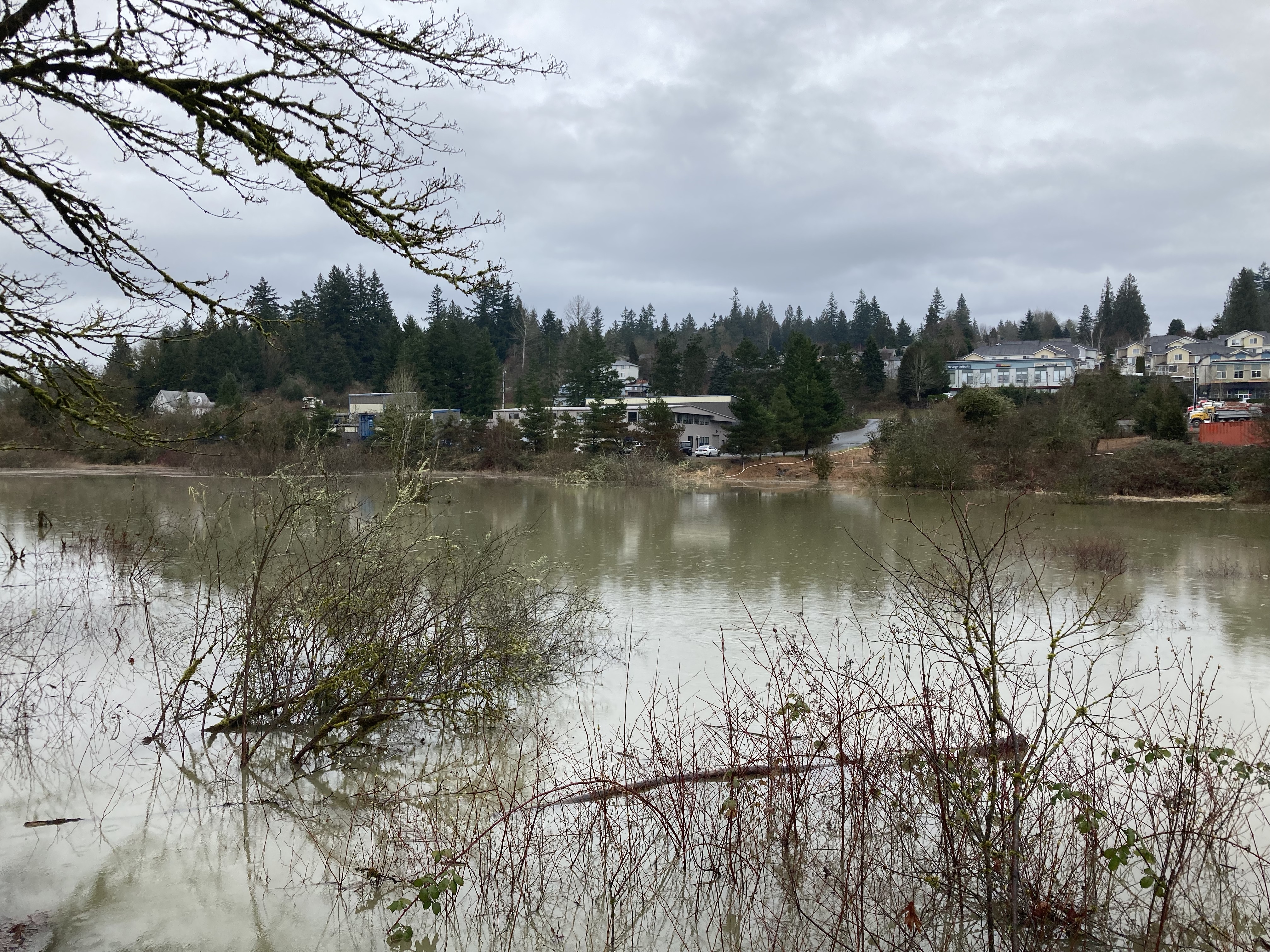
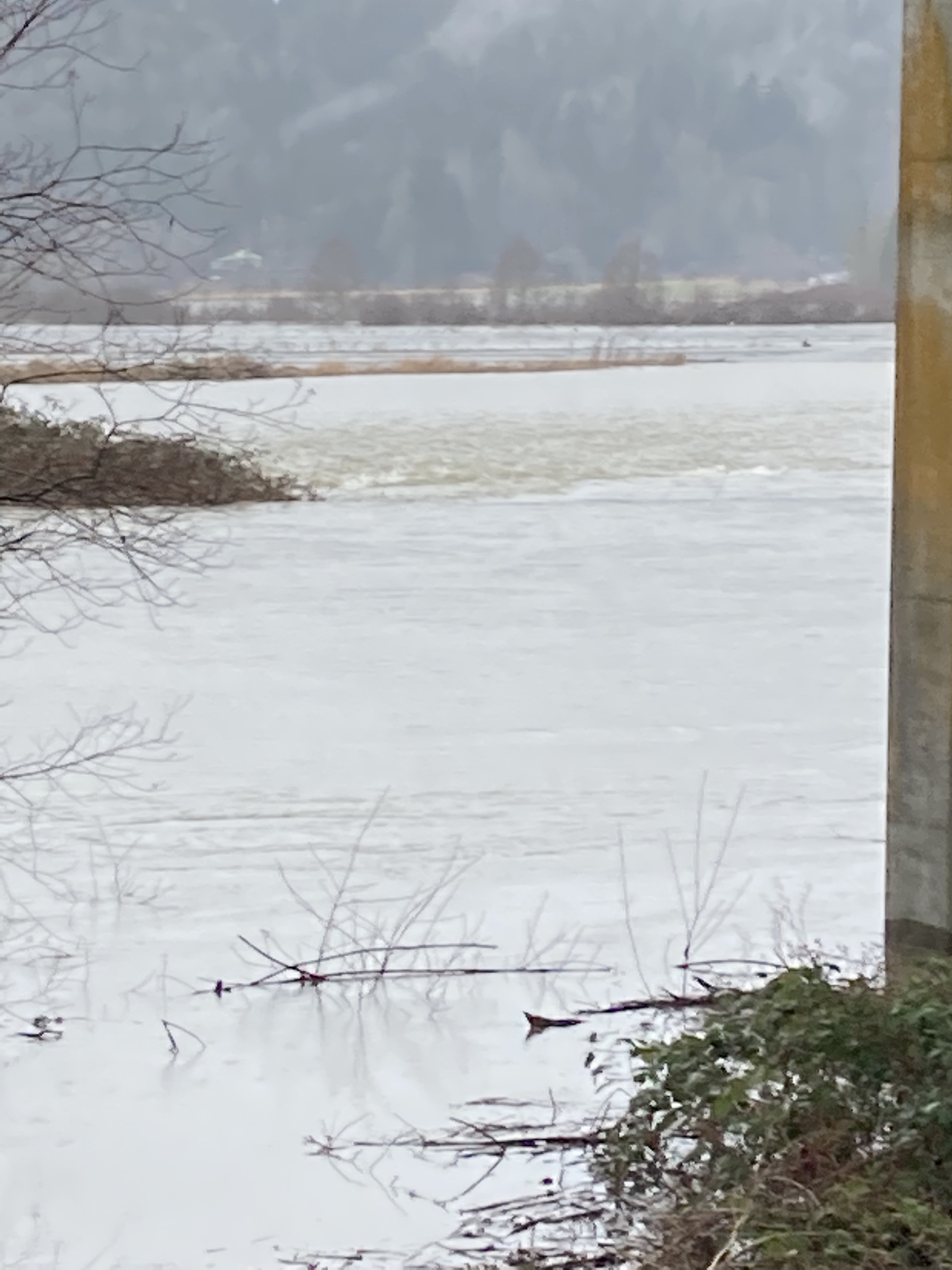
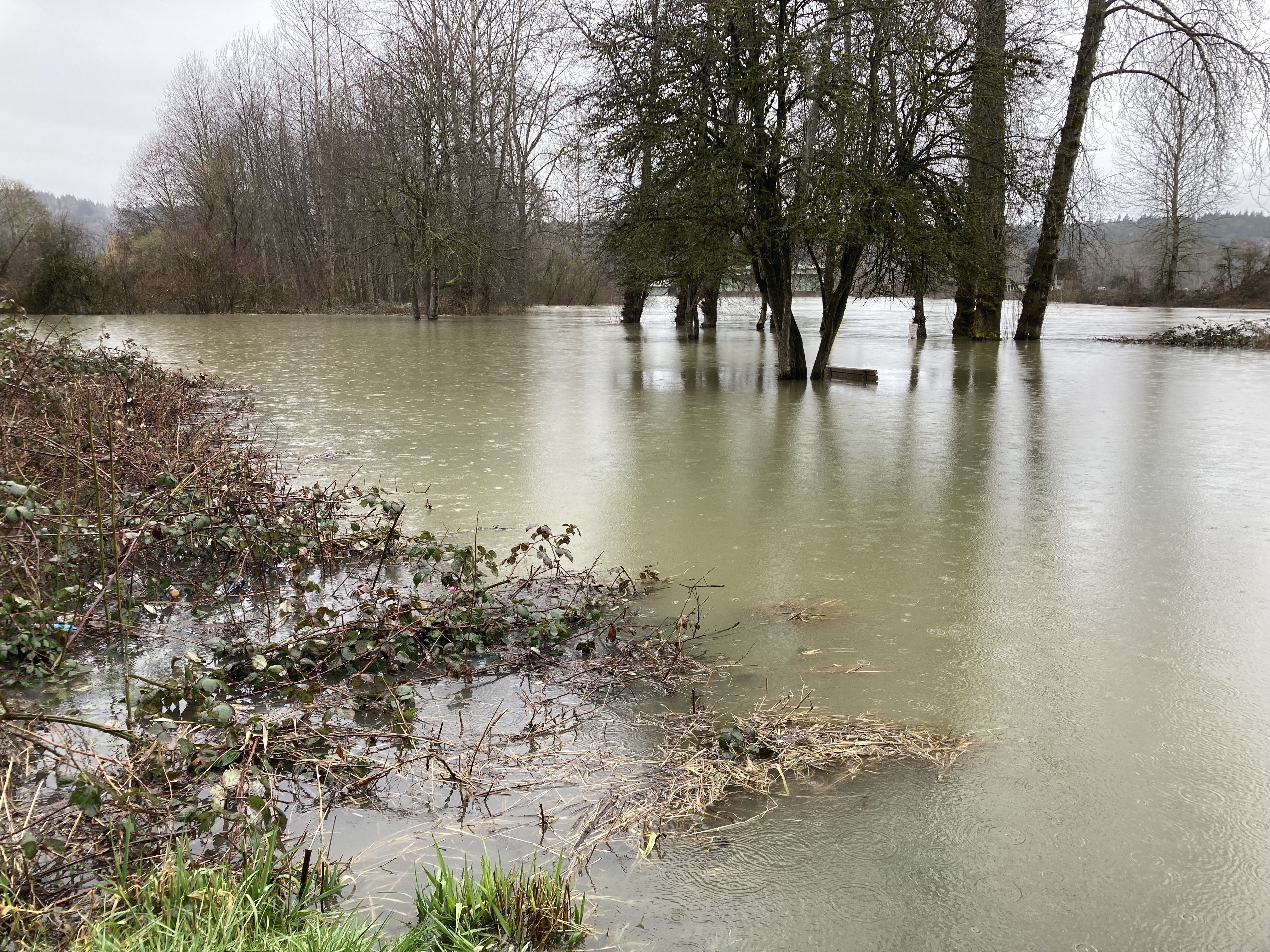


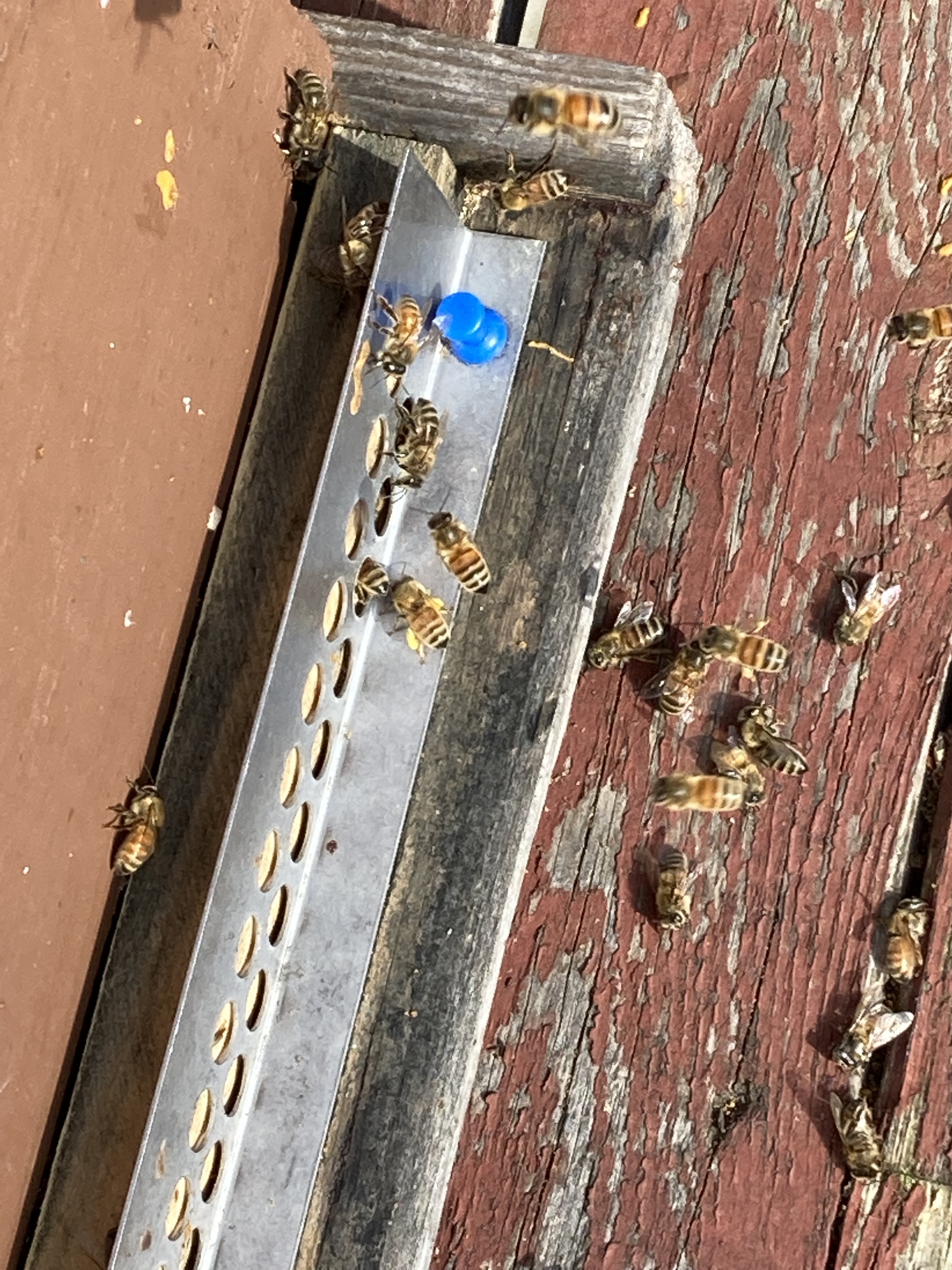
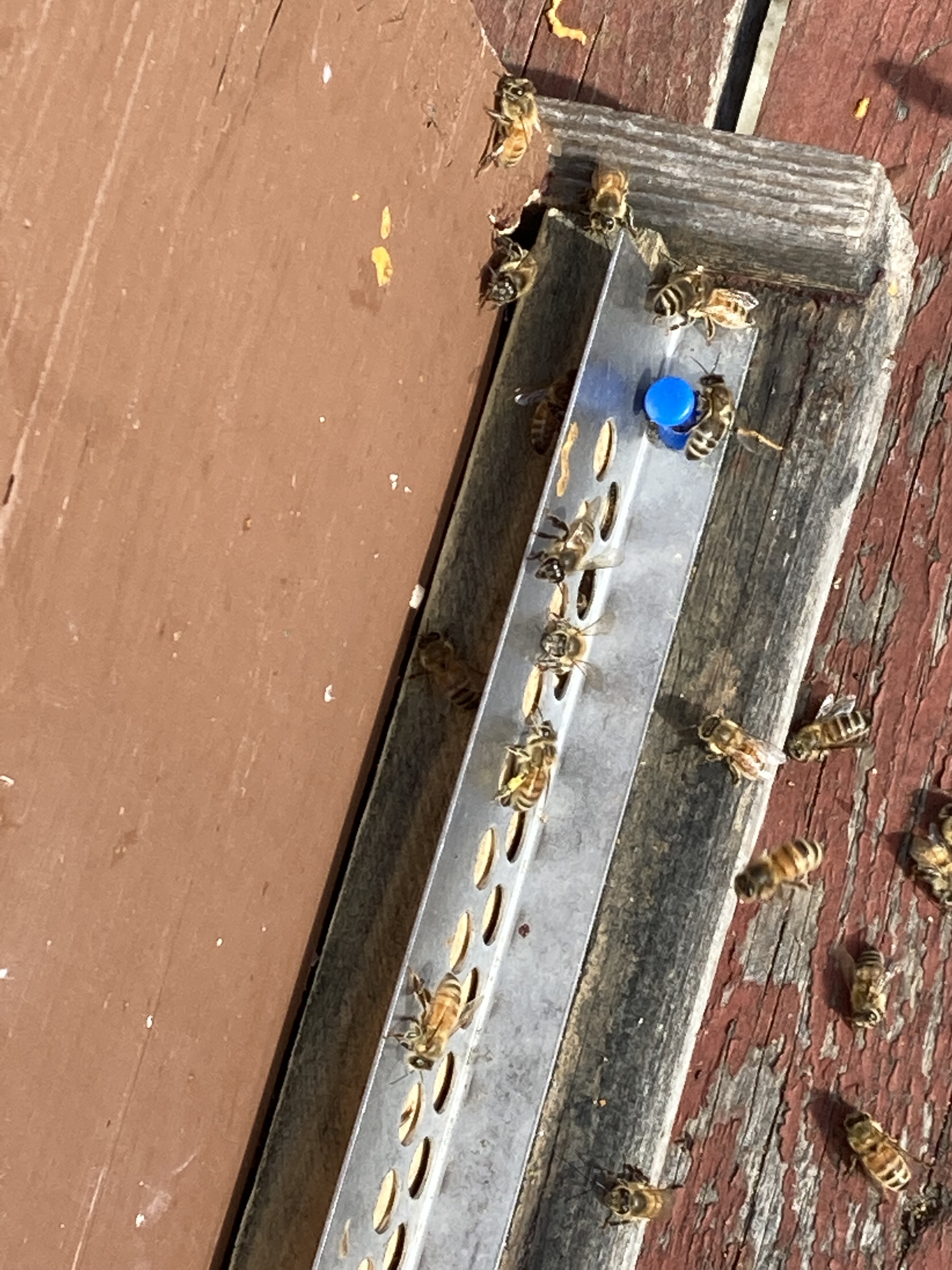
 EEC Forest Stewardship