Mogs diapered last week in what we think was an owl attack. Our newest kitty to the farm had been careful to stay right around or under the house when outside under supervision, and seemed to be acclimating to the farm life when one morning, she was out after I left a door open to load the car in the early morning and by that evening when I came home, she was gone. So much sadness, but also the understanding that she was a free kitty who wanted to explore the world, and that’s always a risk outside. It was during the full moon, and our great horned owl activity had been on the uptick. I’ve lost a few chickens to these awesome night hunters in the past. Even another cat at the farm, Marrow, had a close call a few years ago, with a talon piercing his head- but missing the skull.
There is still hope that Mogs might be at a neighbors, but no word so far. We’ve alerted the vet’s office in case her chip activates, but this little kitty was never one to stray from the house, and her night adventure was sadly, what I’m guessing led to her disappearance. Lucia has been snuggling close at night and back on the porch now that the “usurper” has gone. In future, we’ll work to select larger, fully capable cats that can defend themselves better outside. Mogs was more indoor than not, but she also had a little hitch in her movement, which we think came from a back injury when she was a little kitten- before we knew her. She was a courageous feline friend and good cuddler on the couch. I’ll miss her morning chatter when she wanted to be fed, and her cute bent tail. She’s still scampering around in my dreams, and I know she had a brief but spectacular life here at the farm.
I woke this morning thinking it was a rest day from hunting. I had a writing group session first thing and a doctor’s appointment in the late morning. As I walked to the door, I grabbed the dry cleaning and headed out. My hunting gear was in the truck- it always is now- and I drove down the driveway thinking about what a perfect morning it was. Then my eyes caught the flick of an ear off to my left in a willow patch on the neighbor’s property and I saw a young doe. As I rounded the turn, a large buck came into view. I thought to myself “they always show up in places I can’t hunt” and I drove on to the doctor appointment, happy to have at least seen a nice buck in the area.
Later on the way home, after dropping off the dry cleaning, I called my Mom and shared with her my sighting of the buck. In my heart I hoped he was still around, but commented to my Mom that it would be a miracle to see him again- much less have him walk onto my property and give me time to load and shoot. I had both my rifle and the shotgun in the car, so I would have the ability to take a safe shot with the 12 gauge, but the chances of him still being there and coming onto my property were slim. My wise mother said miracles do happen, and as I rounded the corner of the willow patch, I saw the doe stepping out onto my driveway, followed by the mature buck. I told Mom I would call her back and stopped the truck. Leaving the motor running- turning off the engine usually spooks animals- I concentrated on getting my hunter orange vest on and lifted the shotgun out of the truck with me, grabbing one shell from the center console. The buck had slipped through the fence and was now standing broad side less than 20 feet from me. I lifted the rifle to my shoulder and took aim. He was so majestic, looking at me as he stood in a perfect spot for me to take my shot. It was truly a miracle.
I pulled the trigger; the buck dropped onto the road, running in place. I’d hit a major artery in the neck and watched as the life flowed out of the animal while giving thanks for the harvest. My mentor has a belief that when a buck turns and stands broad side while looking at you, he is offering himself in a sacred covenant, which hunters and the deer nation have shared for thousands of years. I have always experienced this ritual in the hunt. As the deer turns to face me, he stands and offers a clear broad side shot, supporting a clean kill. It was a powerful moment as I watched the buck’s blood drain quickly. I had hit a vital artery, which caused the intense flow, making the buck’s transition into death hasten. There is always a moment of final flight in the deer’s instinct. He made his run as he lay on the ground. I gathered a hand full of tobacco and said prayers of thanks to the deer and the ancestors. When I kill and animal, I always speak to the cycle of life and death, knowing that I too will die one day, and that my blood and body will also return to the earth to feed future generations of life on this earth. It’s a powerful and humbling time, and I sat quietly awaiting the buck’s final moment, calm and present with him. When he was still, I carefully approached and touched his eye to see if there was any movement. The animal lay motionless in the road. Now the real work would begin.
I still had a bit of adrenaline running through me, and opened the tailgate of the truck to lift the deer by his antlers, pulling him up into the bed while protecting my back by leaning backwards, letting myself slowly fall into a sitting position while pulling the front half of the animal onto the tailgate. It was a feat- but slowly, the blacktail slid up and into the truck bed, as I carefully hauled him in. This is always a challenging part of hunting alone. If I can’t lift the animal into the pickup myself, I would have to cut it in half- and I didn’t want to make more of a mess on the road. Driving the short distance back to the house, I texted a few people who had been following my hunt this year to share the news of my success. One of them is a hunting mentee who said she could come help me with processing. It’s always such a reward to have a learning opportunity with my hunt, so I was glad to have the help and shared the experience.
Unloading the deer into a wheelbarrow was much easier, as I was moving the carcass down into something, rather than lifting up. The full dead weight of the animal must have been around 150 lbs. He’s the second largest black tail I’ve ever harvested. My mentee arrived and we started with taking off the scent glands on the back legs. This is important, because those sent patched can get all over your meat as you skin if you don’t remove them first. They were smelly- I love the scent, but it does not add good flavor. After that we hung the animal on the wench and raised it up to make processing easier. Next we took off the back hooves and started skinning. My mentee was careful and slow, an expected caution for a first time skinning. They diligently “unzipped” the back leg hide, and then I showed them how to prep the anus for gutting. If you are getting a little queasy reading this, my apologies, but processing an animal is not glamorous- it’s the true blood and guts of killing for food. I’ll spare the exact details, but needless to say, you don’t want any of the poop to get in the meat- so you have to tie up the end to prevent spills. Then we opened the stomach from tail to chest, slowly letting the guts out while grabbing the kidneys, liver, and heart of the deer, as well as lace fat from around the organs. This buck had the most fat on him I’d ever seen. A sure sign of health and wellness in the animal. His liver was also red and healthy looking and great eating, especially fresh. My mentee got a great lesson in gutting and skinning, then they had to take off for an afternoon appointment. I reminded them to wash hands before leaving- they had not noticed the dry blood in all the excitement.
I now had to cut the carcass into two parts to lift into the walk in cooler. There were already two lambs hanging, and I moved them to the sides to make room for this great buck. He hung beautifully in two parts, the meat a deep red, which reflected his health and vitality. So much gratitude to that food, which will nurture us through what I think is going to be a particularly harsh winter this year in 2024-25. This miracle harvest of good wild food will be cherished by many mouths and grateful folks who share my passion for hunting and gathering as much from nature as we can. You’ll not find anything as fresh or healthy in a grocery store- I guarantee it. This was my ninth blacktail buck harvest in 12 years of hunting. I remain a passionate caretaker of land which these animals feed on, cultivating more diversity in forage and cover for these magnificent beings. This buck likely fed on vegetation at EEC Forest Stewardship, and now, he is feeding me. Thus the cycle of life continues, and my relationship with the deer strengthens in our quest to steward this world through following our original instructions.
The hunt is on as I quest for another black tail deer for good eating this winter. The weather is cool and wet- perfect for hunting this elusive animal. I’ve been taking a different approach this year, instead of getting up early, I’ve been rising with the sun and getting out shortly thereafter. It means a little more sleep, and less stress about getting into a spot at a certain time. I’ve not noticed a real difference in overall number of deer sighted, so I think I’m ok with this change. It has meant more time in the field too, because I’m covering more ground and also allowing myself to pick mushrooms when I see them on the drives from site to site. My other hunting spot is a generous offer from a neighbor to hunt their land near my house. It’s a quick drive over, and I’ve taken to sitting there in the evenings. My last two bucks have come from that property, so it’s a probable chance I harvest another there. We’ll see!
The fall light has been amazing, and with fresh snow on the peaks, I’ve really enjoyed my sits in the tree farm this year. Note the lack of rain- I keep missing the big downpours that are happening, but it makes for a much easier sit without constant rain. The deer have been shy to come out where it’s legal to harvest them. It’s also probable that most of the bucks have gone nocturnal. After they hear the first shots of the season, they disappear into thick cover and lay low. It’s made for a challenging hunt, but I have caught them a few times at night- so I know they are around. I said “hi” to the pair of nice mature guys picture below in the neighborhood out for a night stroll. This is typical behavior during modern firearm season. I was running into the same problem hunting Vashon Island. The deer went nocturnal and I never got a shot off.
Still, tis the season for good outside time enjoying the quiet time in the woods. It’s also been a good season of learning new parts of the tree farm. I’ve taken the time to go down a lot of side roads exploring, and the extra dirt time is paying off in mushrooms, new sit spot places, and a better understanding of my greater backyard. I even made friends with an immature bald eagle who has joined me on a couple of hunts, hoping my presence will spook up a few smaller creatures for the bird’s menu. He has a much better view from his perch- I wish he could give me a hint of where the bucks are.
There are always lessons and rewards for taking time to sit and observe. My mind is focused on deer sign, but there so much going on in the living world, it’s impossible not to notice all the details- from weather change to bird calls, what fungus is blooming and signatures in the mud from what’s been moving through. Such a special time of year for the living world, and what a gift to sit with the change and watch the leaves fall. Gratitude to the deer nation, snow on the peaks early this year, and the eagle that has been keeping me company in my sits.
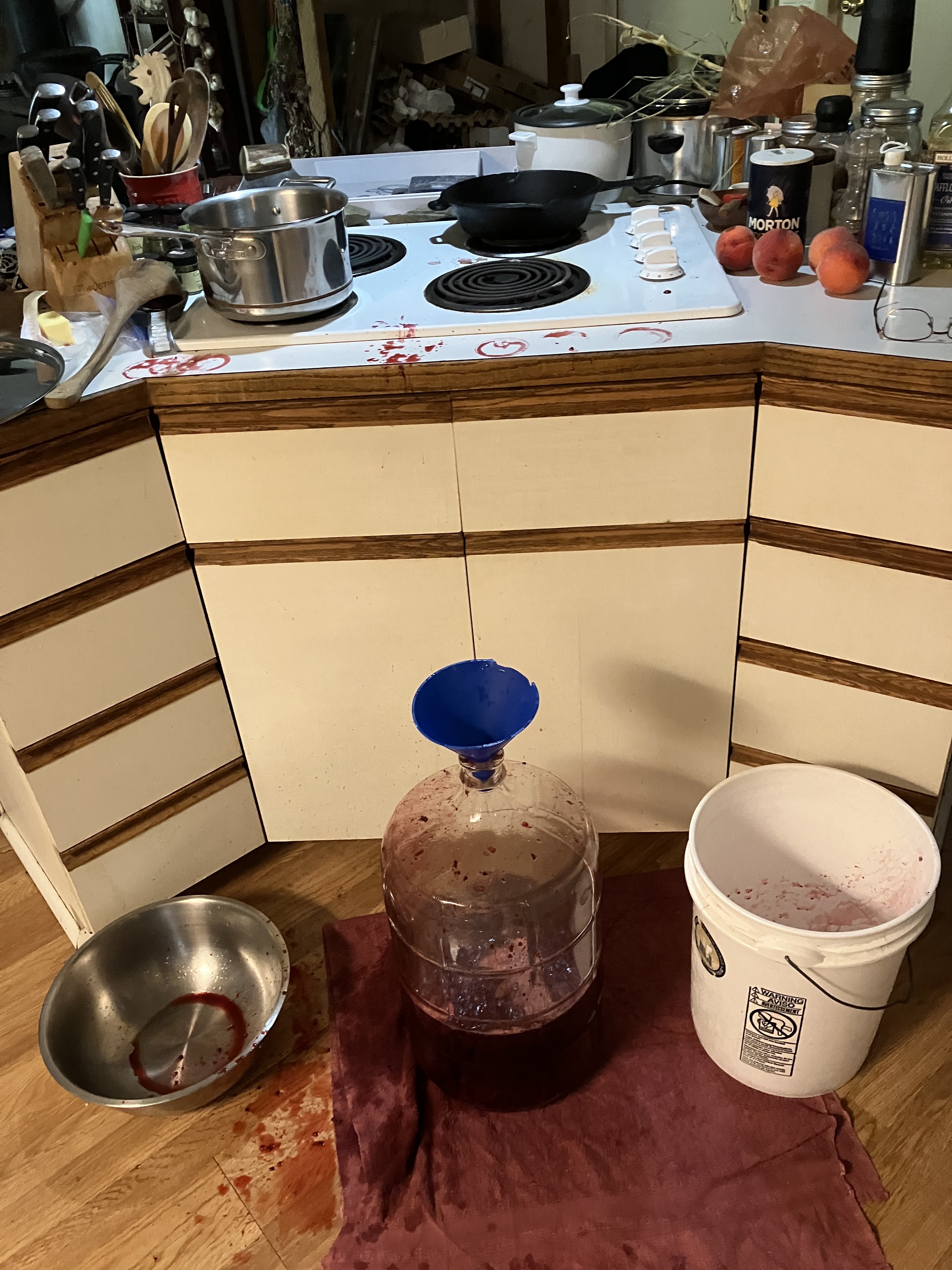
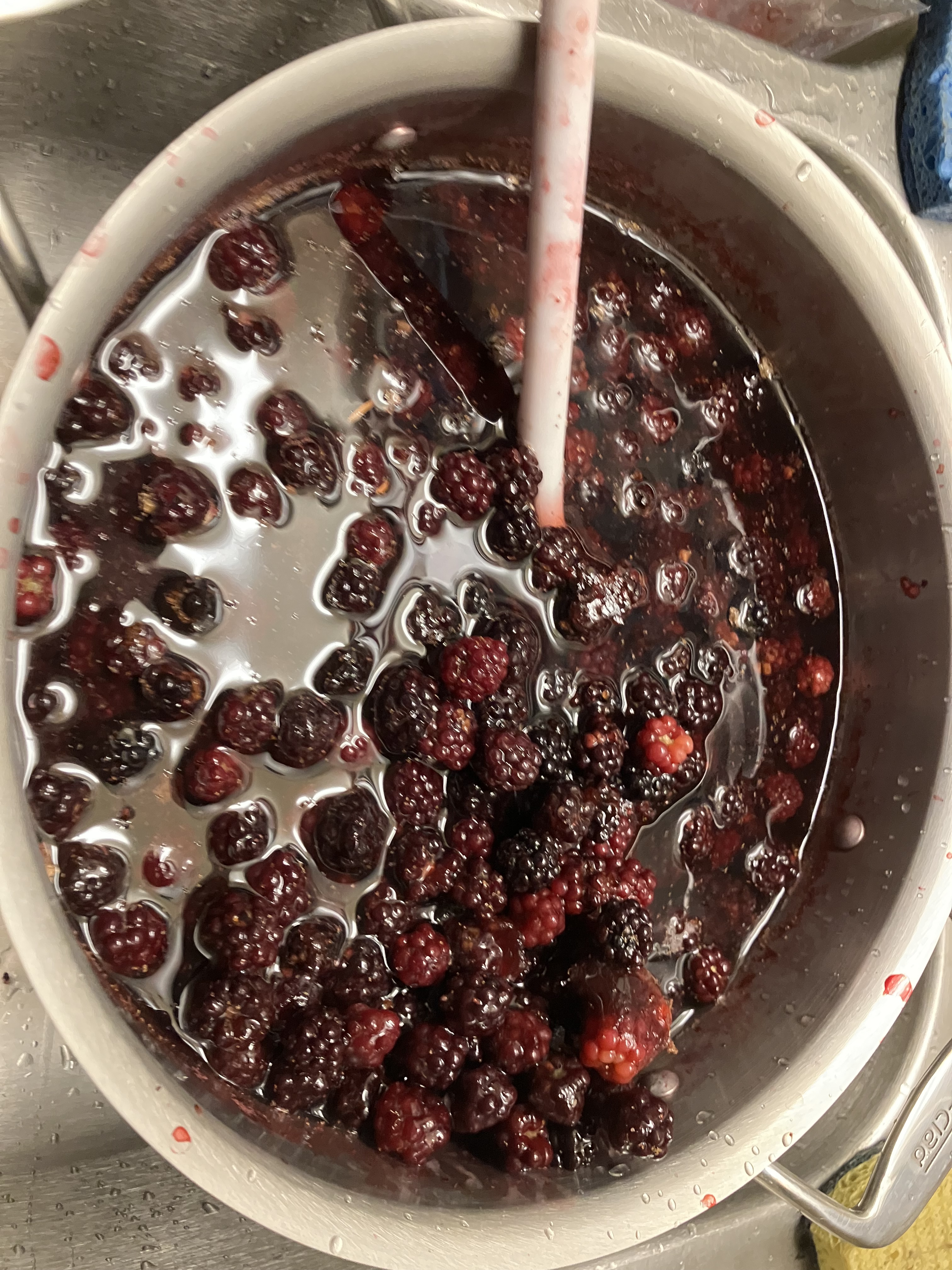
In August, the blackberries were harvested from the vine in vast quantities- over 10 lbs, and cooked into a tasty stew for a special fermentation fest. Hours of picking, cooking, and filling glass carboys has brought us 10 gallons of wine this year. The work was worth it- as I’m already taking some sample taste of the fruity punch and it’s delicious. A few months of lay down time after bottling will bring out this amazing festive beverage for winter holiday cheer when most needed. The steps to making your own house wine are relatively easy, and with a few store bought ingredients (mostly sugar), you’ll have a delicious drink to share with friends, family, and neighbors.
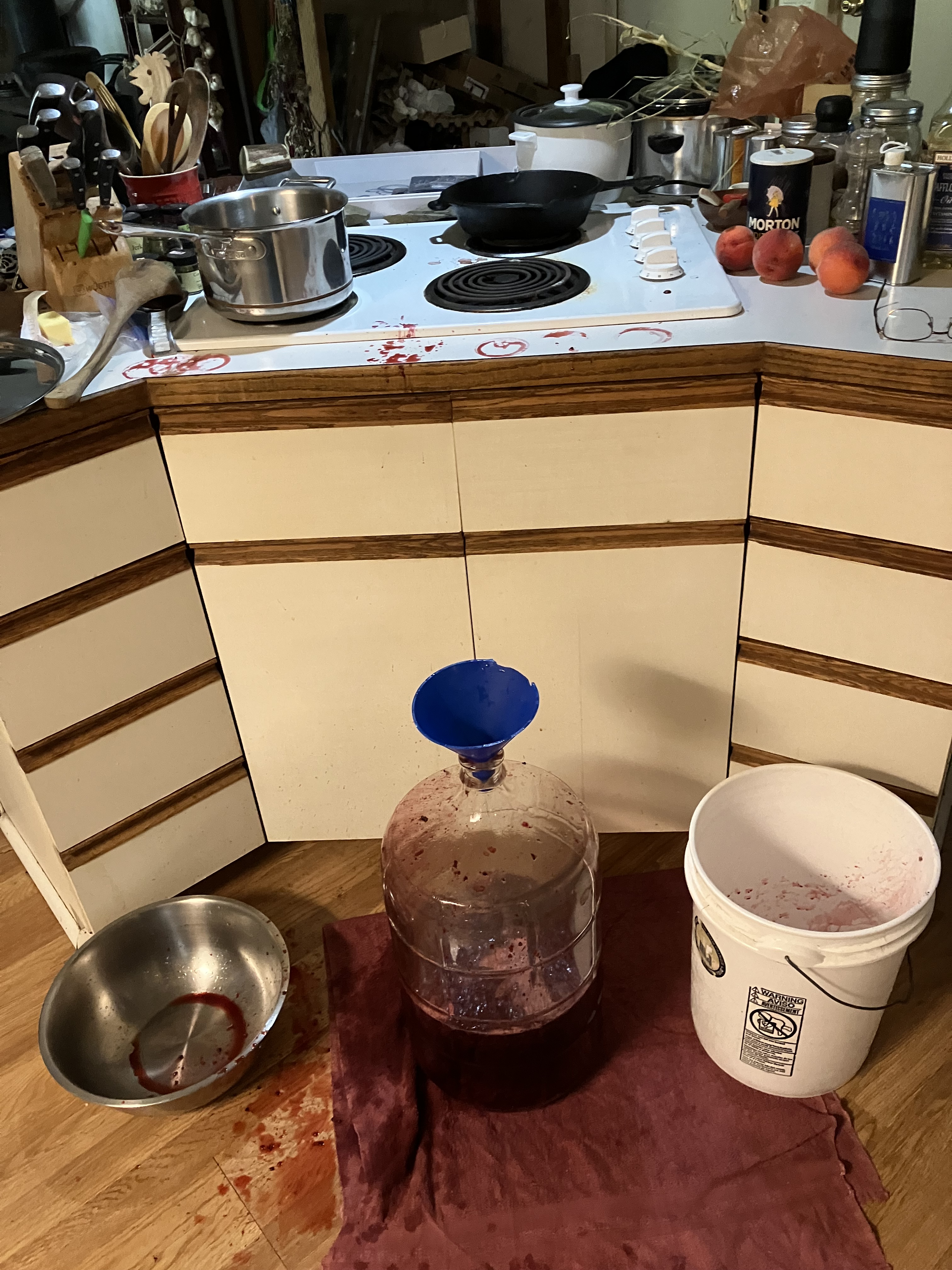
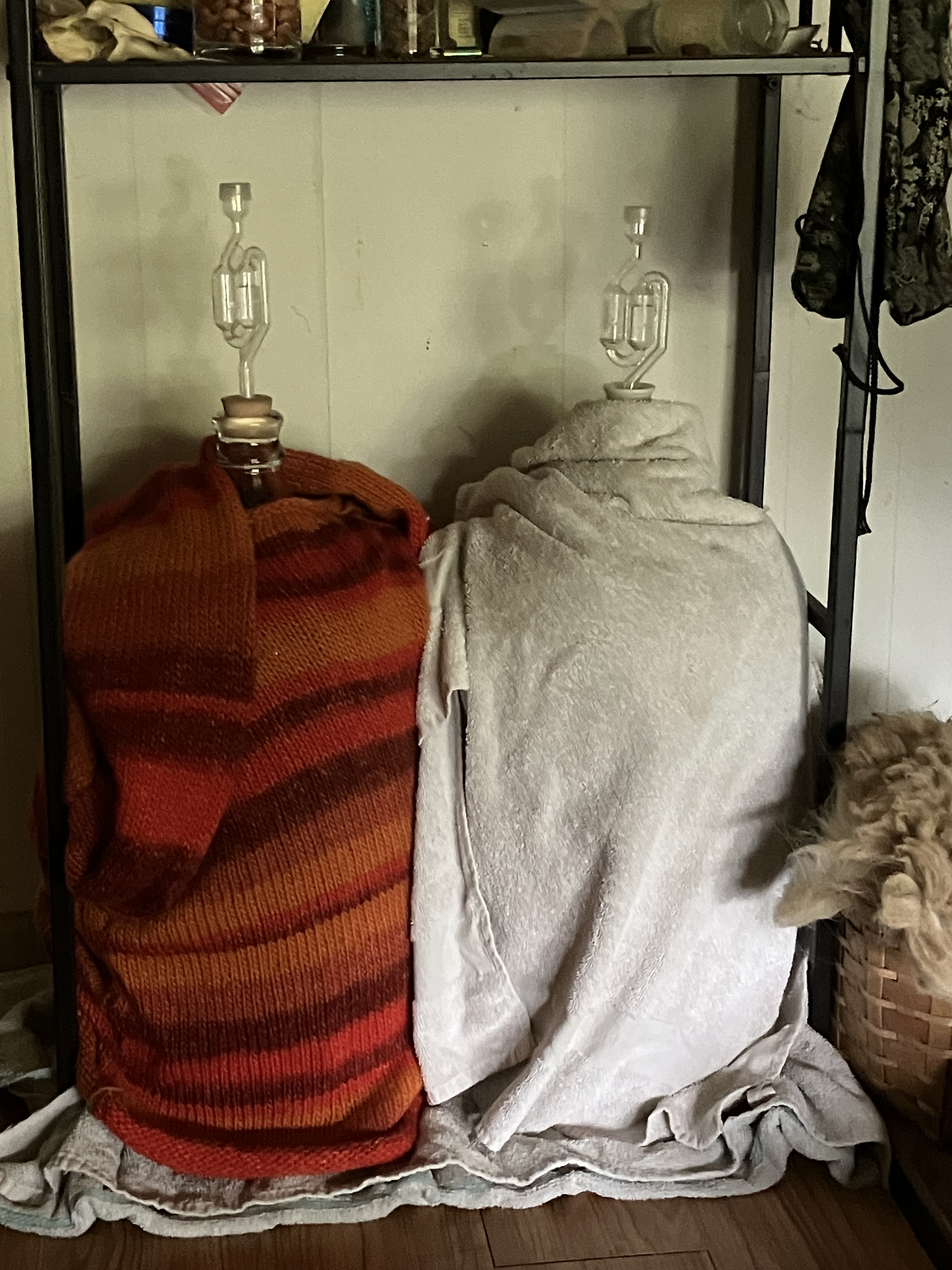
Getting the berries into the carboy is always a messy task, but the reward is worth every step. Buckets of berries go into this recipe, but you can make your own on a much smaller scale. You’ll need to find a good red wine yeast to put in with your pounds of sugar to make the fermentation happen. Sterilizing everything is also crucial to keep out unwanted molds and bacteria. The actual time fermenting is also short for berries. I’ve had mine in the carboys for just a couple of months. After the first six weeks, I racked the wine- taking out the fruit and adding another round of sugar to make sure the yeast has a good supply of food. It’s also important to keep your fermenting food out of sunlight. I wrap my carboys to keep out the light. You’ll need airlocks to let out the gas that forms as the yeast eats the sugar. Bubbling airlocks are a sure sign your fermentation is active and good.
Bottling also takes some glass and corks- and a corking mechanism. It takes some muscle to get those stoppers into the bottles, but uncorking later in the year will be worth all this effort. Make sure your bottles are also well sterilized before starting the process. After many hours of hard work, this home made wine will last us through the cold months ahead, and make a great holiday gift to all in need of a little cheer. Thanks to better living through chemistry!
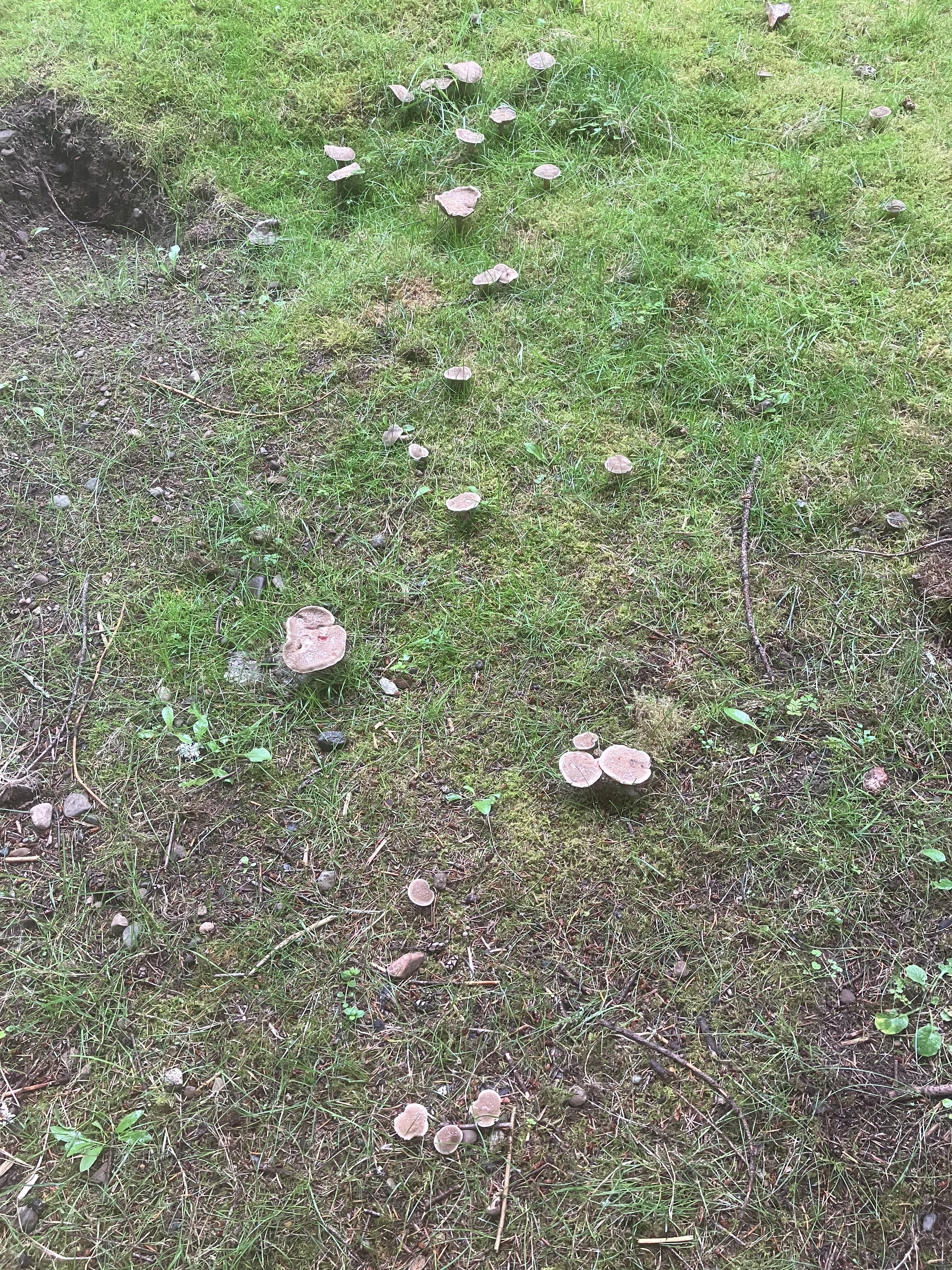
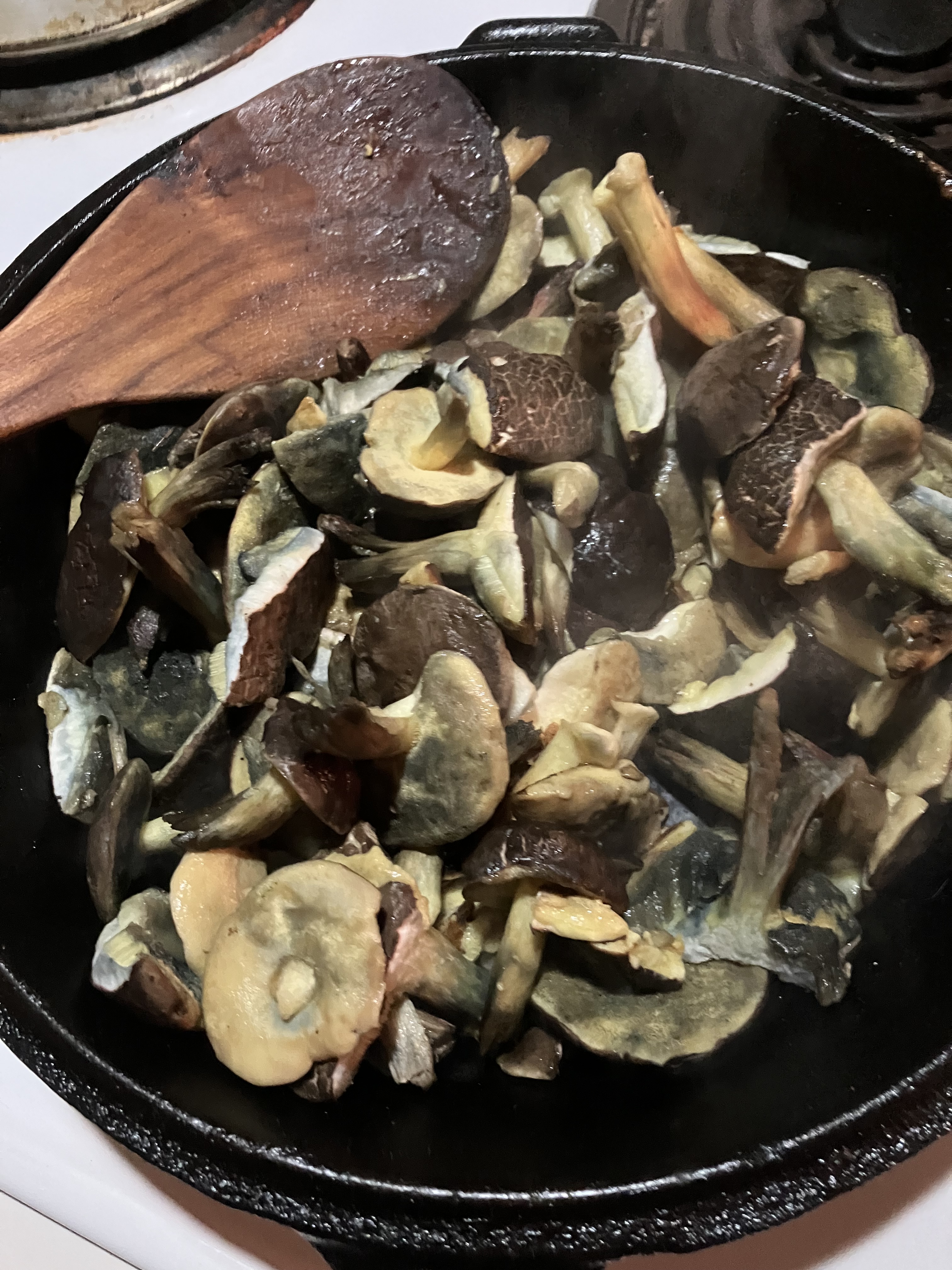
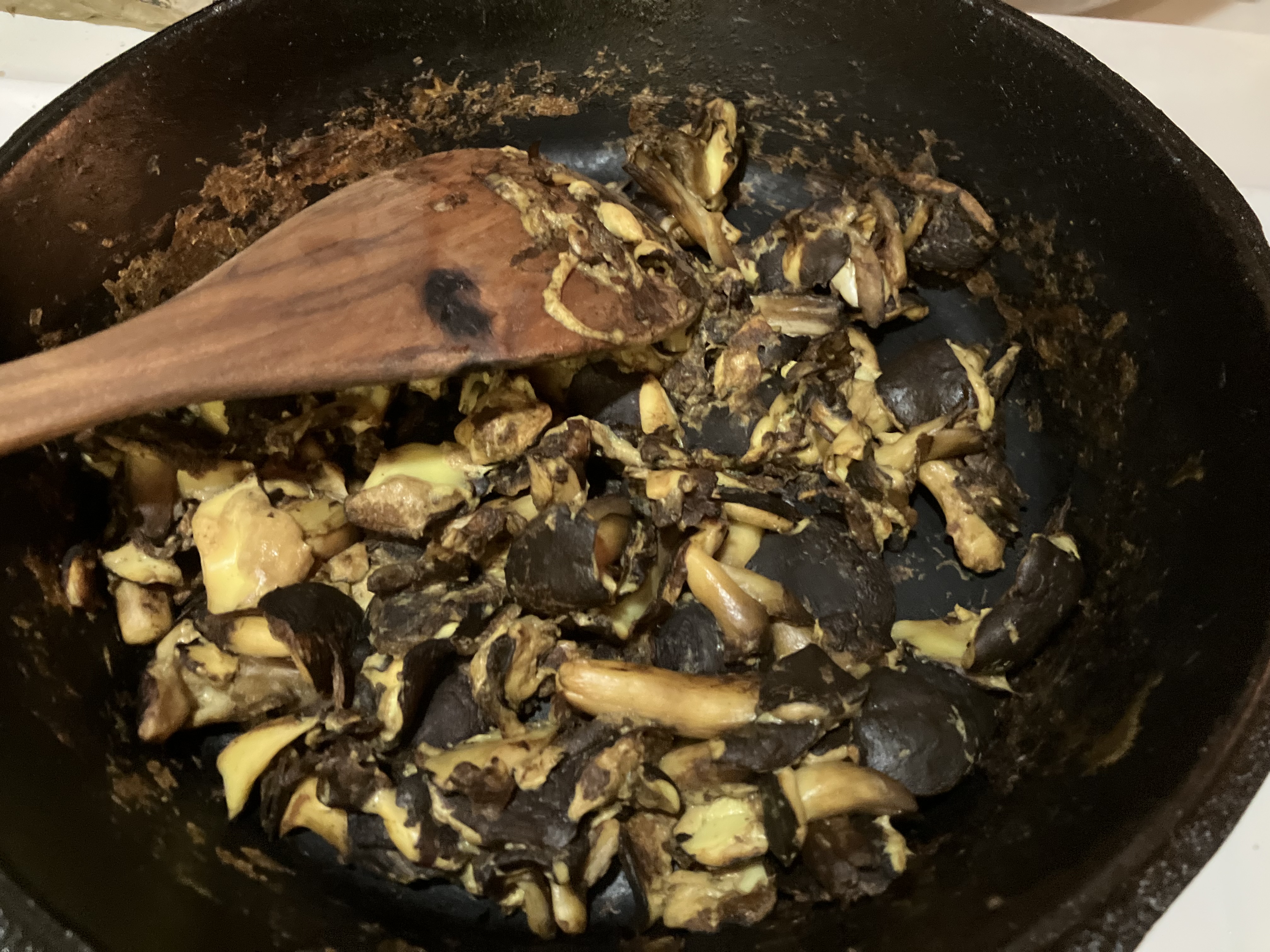
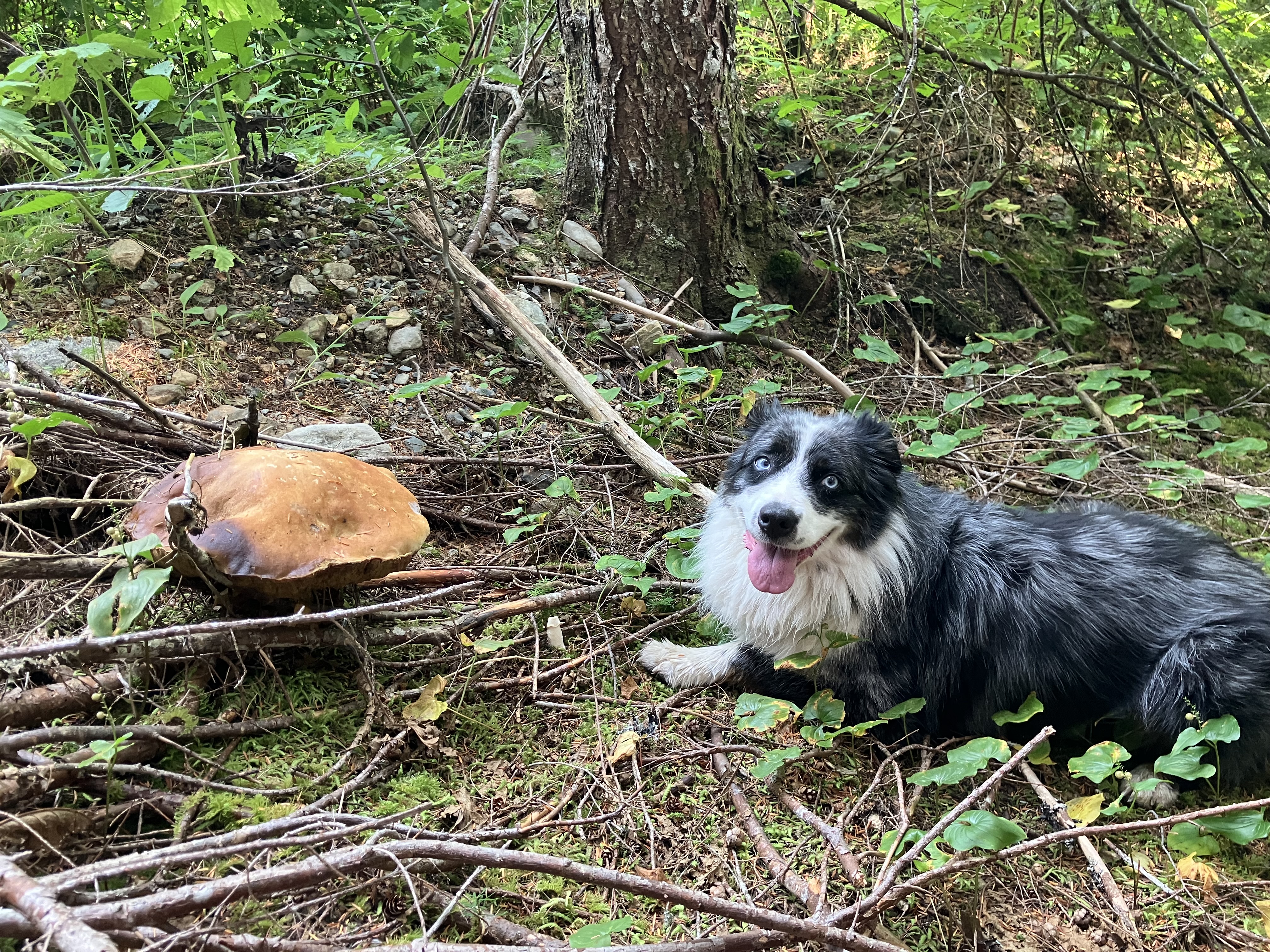
Red crackling bolete is popping up across the landscape here at EEC. Forest mulch paired with grassy, dappled light across the ground invites perfect terrain and substrate for mycological bloom. I’ve been harvesting this wild patch in the upper pasture since first arriving on this property. Over the years, with careful timing, the patch continues. I have to keep the livestock out in early fall, after a week of 40F nights and enough moisture in the air, even without rain, mushrooms leap onto the scene to spread spores and generations of this truly strange fruit. It’s a bolete mushroom- no gills, yellow sponge like spores under the cap, a red fibrous stock, and the brown cap with red cracked patterning, all staining blue when bruised, makes for mushroom descriptions which usually point to poison warnings. But this friendly field specimen is a perfect fresh ingredient for any stir fry or stew. It should be cooked separately to sweat out any water and crisp the meaty caps. Stocks will also brown and crisp with regular stirring in the medium heat pan.
No oil should be added until the mushroom are browning, then I usually add butter or olive oil if needed, bacon grease if you are decadent. These mushrooms when into a tomatillo sauce with a little chicken. What a tasty fall treat! Any mushroom cooking I do works best in the cast-iron skillet. From Porcini to these humble cracked boletes, the mushroom spring brings ample flavor from the decomposition all around. Great thanks to the mushrooms and their close connection to this table and the complex ecology all around. When we can eat from the space we tend, there is humbling abundance and direct tending like no other I’ve ever found on this earth. It’s getting close to what I call, original instructions- like any other living organism, we eat, and we drink, interact with what’s around us, and become part of our ecology, which is more screen time and commuting for many. I’m staring into these figments of light shapes as word, typed, for written script is as rare as any hunter gatherer societies in The United States, well, maybe not that rare. I’m hunting, and gathering, so there’s one, but one does not make a society.
The fragmentation of individualism has gotten the better of us. I’ve watched it in less than two decades, and for older generations, I’m sure it’s been a thing for centuries- particularly to precolonial encounters here in The Americas. In an appreciated frank talk with a First Nations friend the other day, I was talking about people’s plan for the apocalypse- if it happens, and she calmly pointed out that her people had been living in a post apocalyptic world for generations. It was one of those- “oh yeah, I’m a privileged white person” moments. So grateful for honest truth from friends with enlightening perspectives. Listening to voices of others helps us all acclimatize to a broader world view. That’s what inclusivity (had to add that word to Microsoft dictionary) is all about. But what’s all this got to do with mushrooms? A lot.
Most people won’t find or harvest many mushrooms in their lives, especially here in North America, where there is a cultural history of avoiding fungus- mostly European biases. Granted, mushrooms can kill you if you are misinformed, so I can encourage a healthy fear of fungus to prevent risk. Boletes are realitivly safe here in The Cerntral Cascades of Western Washington. As I’ve mentioned many times before, know your local bioregion well before you start harvesting, and only go with mycologists, or people who have been in the field for a while. If you meet someone who tells you all the mushrooms- they are probably not what they seem, because most of the species out there take a lot of microscope time and DNA testing to affirm. But for the humble crackle cap bolete, having a strong familiarity and continued fruiting in the same place year after year had built a highly localized relationship for me that affirms confidants when harvesting in this situation. There are still many mushrooms I don’t know, and many more I’ll never meet, but the boletes are gentle teachers, with only the bitter bolete in our area to deliver a pungent unpleasant taste if you mis-identify. None of our local boletes are killers- maybe intestinal upsetters, but not major organ melting. Still, don’t try harvesting mushrooms on a whim, or because an ap taught you.
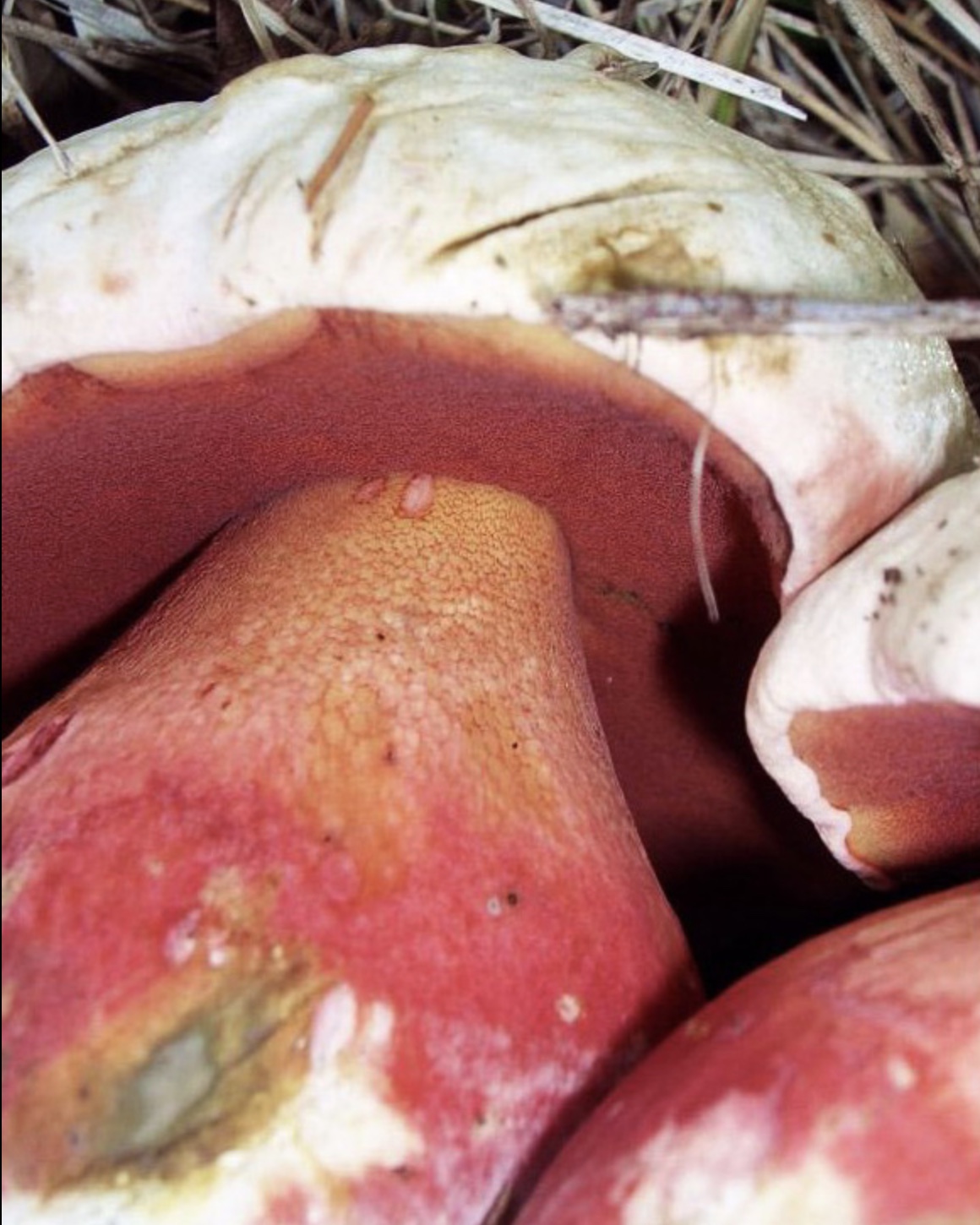
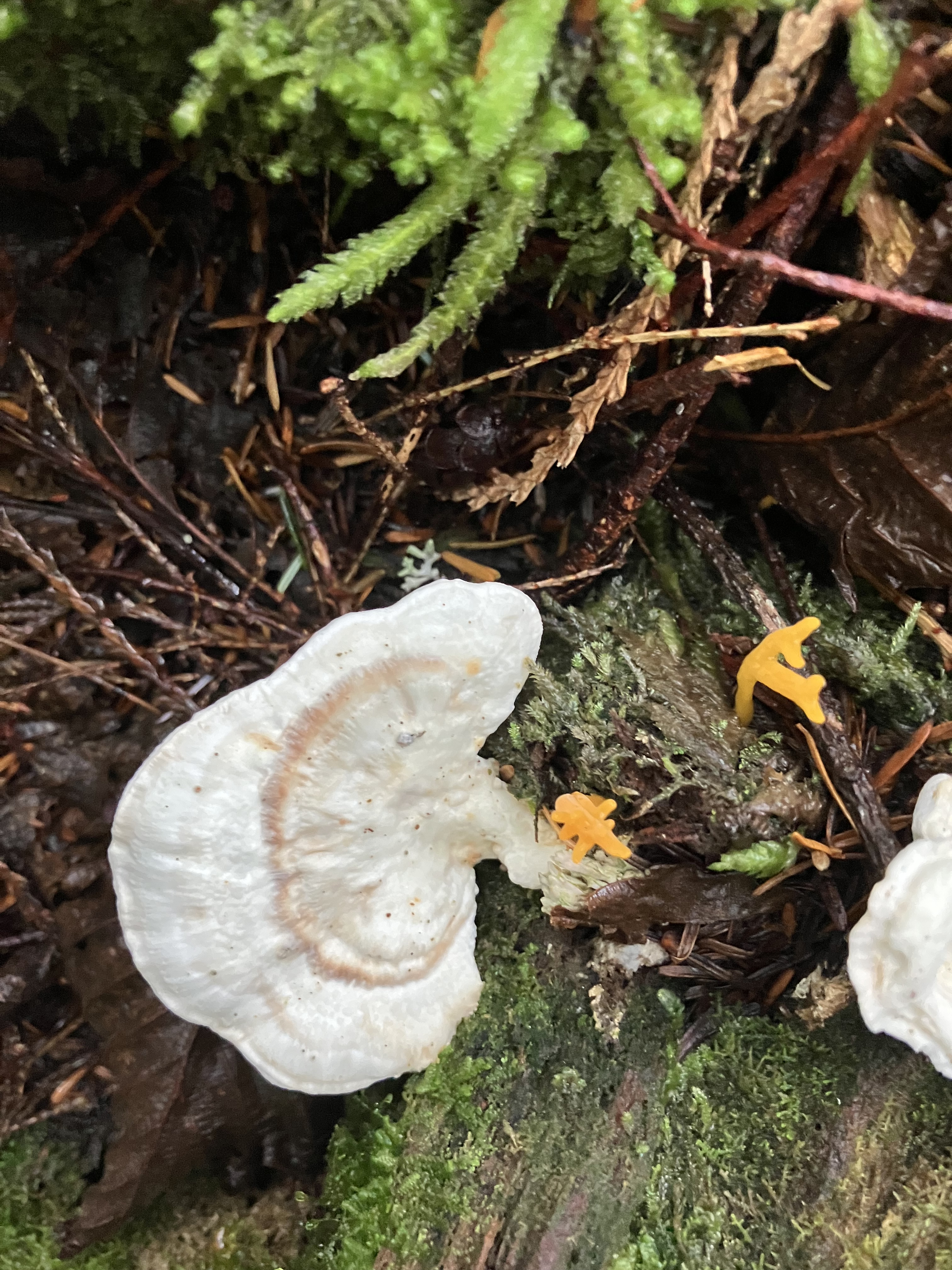
This is Satan’s Bolete, a poisonous bolete most often found down in California. It has a white cap and a heck of a lot more red on it than our brown capped crackled bolete, but for a newbie to mushrooming, it could still be confusing. Here’s a fun site for bolete sorting that might be fun to learn from-
It will also help you see how vast the bolete family is and why specific regional identification is crucial to narrowing down your specimen. I would not eat what you find using any online key without extensive in the field experience with experts. Mushroom observing and picture taking is always a fun way to start learning on your own. You don’t have to be out harvesting every mushroom you see to ID. If you are lucky enough to have a crackle cap patch close by, enjoy these underrated edibles. The home grown here at EEC are still popping up with this early onset weather, so I look forward to many more mushroom feasts.
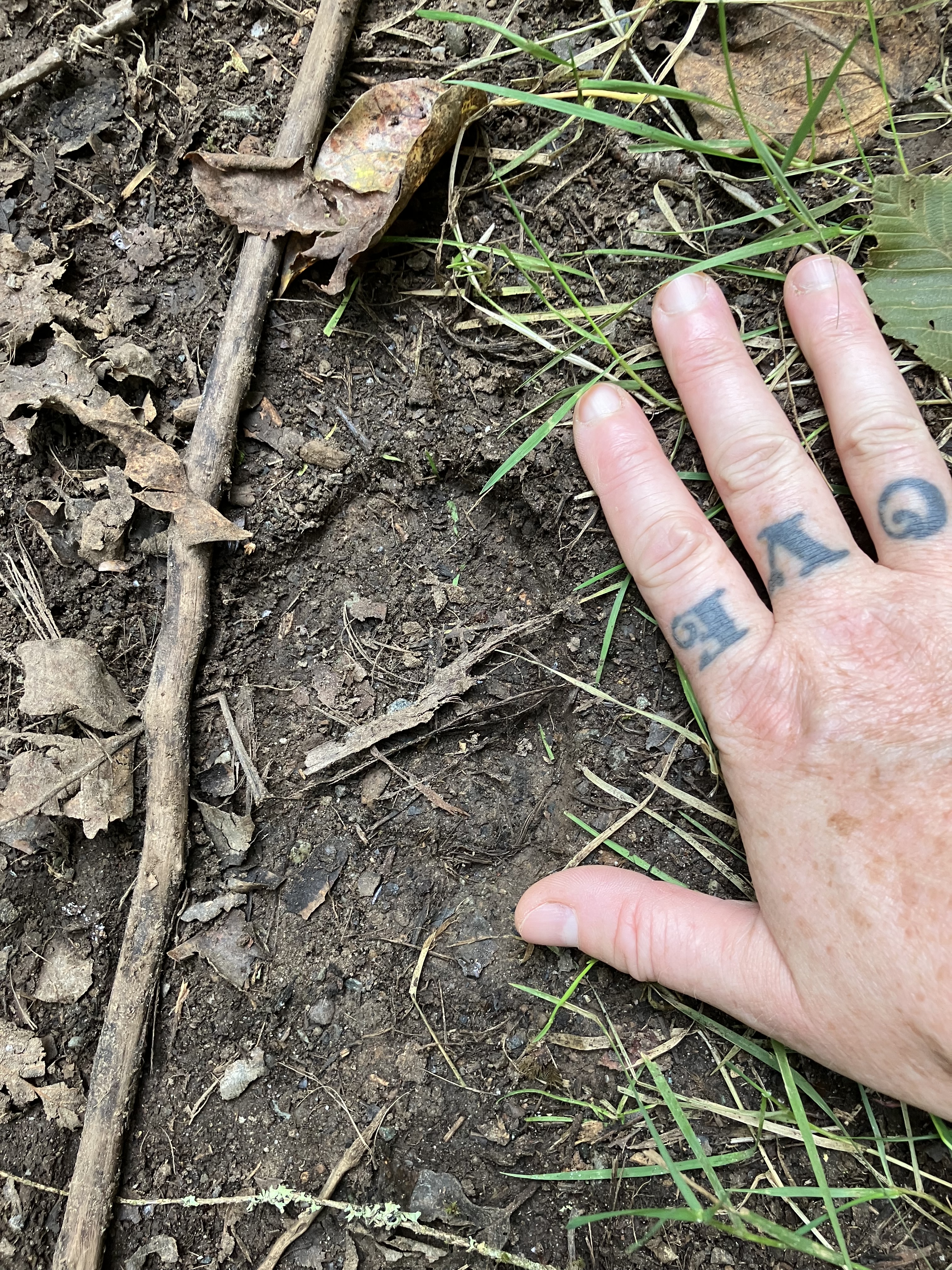
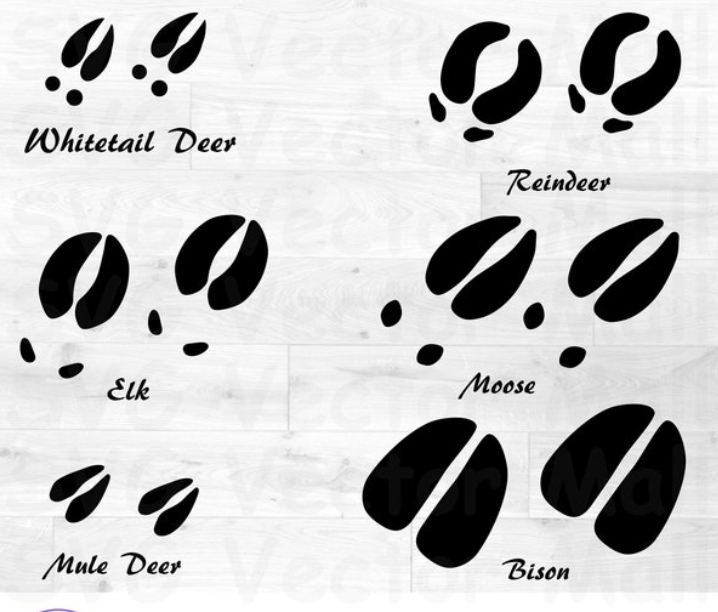
On a walk to fish at a local cranberry bog near home with a friend, we were checking the ground for tracks when my companion pointed out what they thought was a large deer track. As soon as I glanced down, I knew it was a local ungulate, but not Odocoileus hemionus columbianus. The general hoof shape was round, not so pointed as a deer toe. The size would not easily overlap with our deer species. The rounded toes suggested something I had never found sign of in this forest.
Out of the examples above, there are two species you’ll find here in Western Washington, and the rest are non-existent, with a hand full of flukes like this. Have you a guess what wonderful animal we tracked only a few miles from home? I’ve often dreamed of seeing them on my land moving through one day, but to discover one had come through this forest to the east of us, was no less exciting. It was a lone animal on the trail, but had still made it into some woods where I hope see more of its kind, though there is not a lot of ideal habitat for them here, mainly because of development. Such a great gift to see in familiar woods, it’s an encouraging hint at what could be if we gave nature more of a chance.
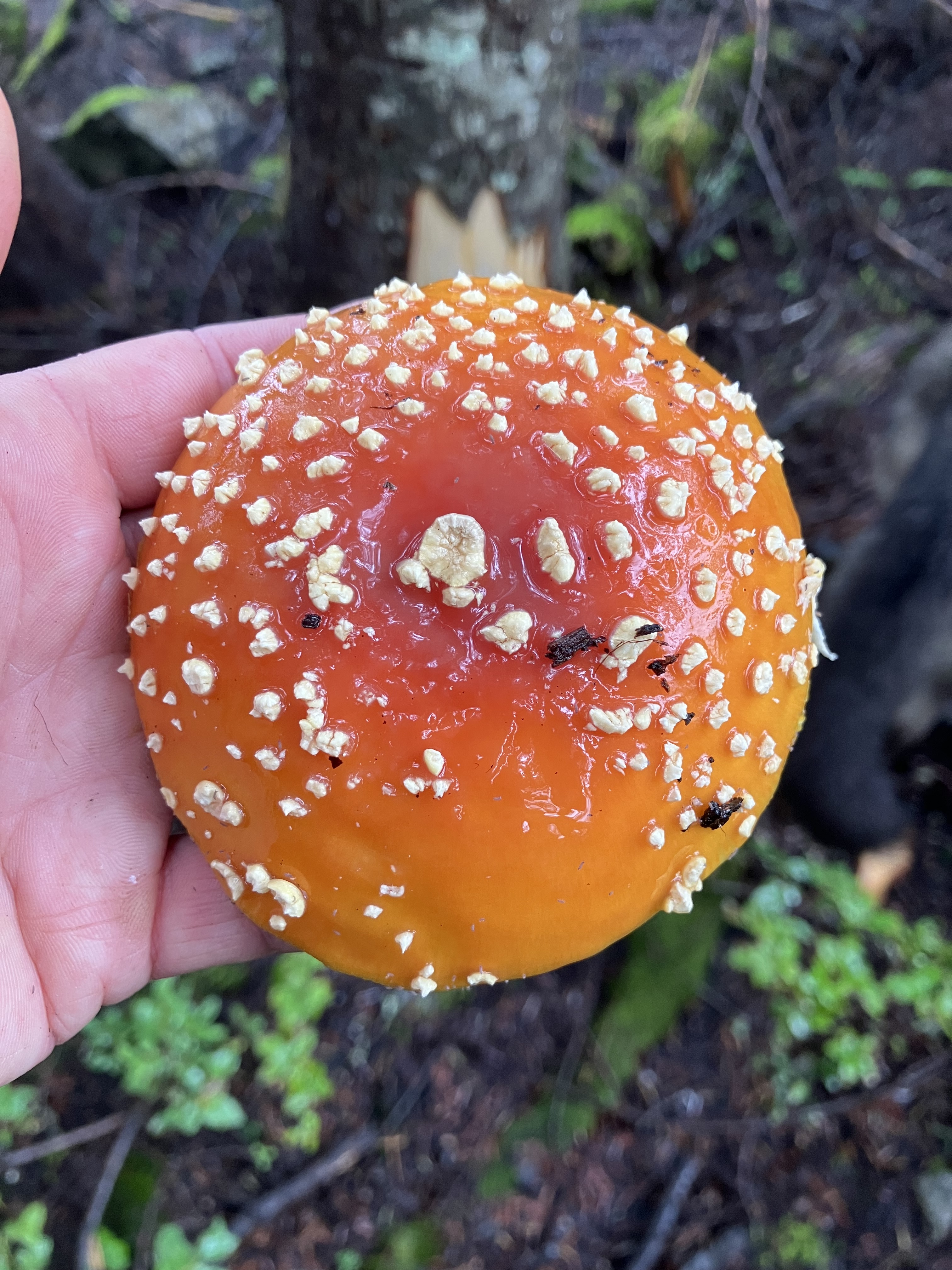
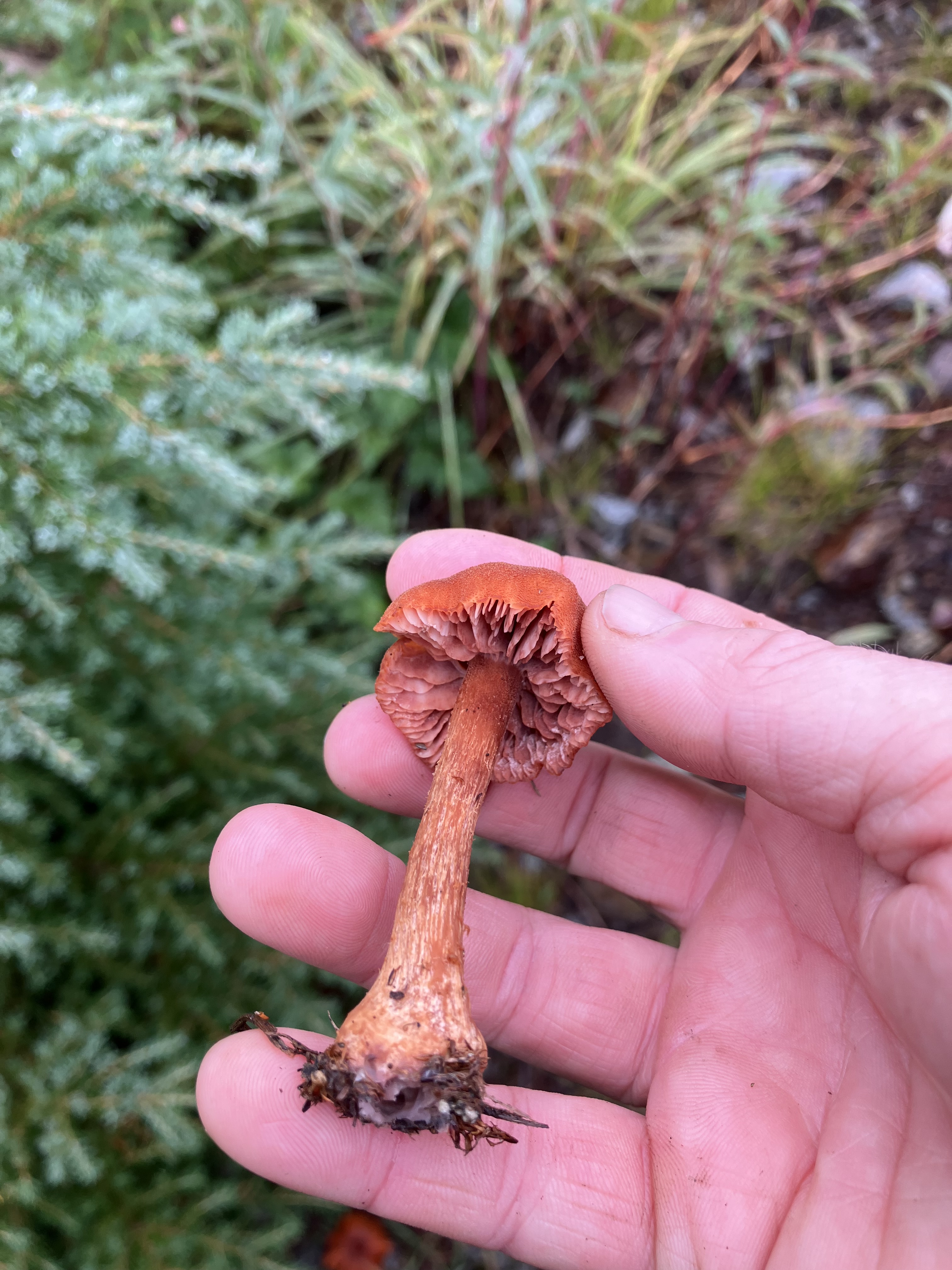
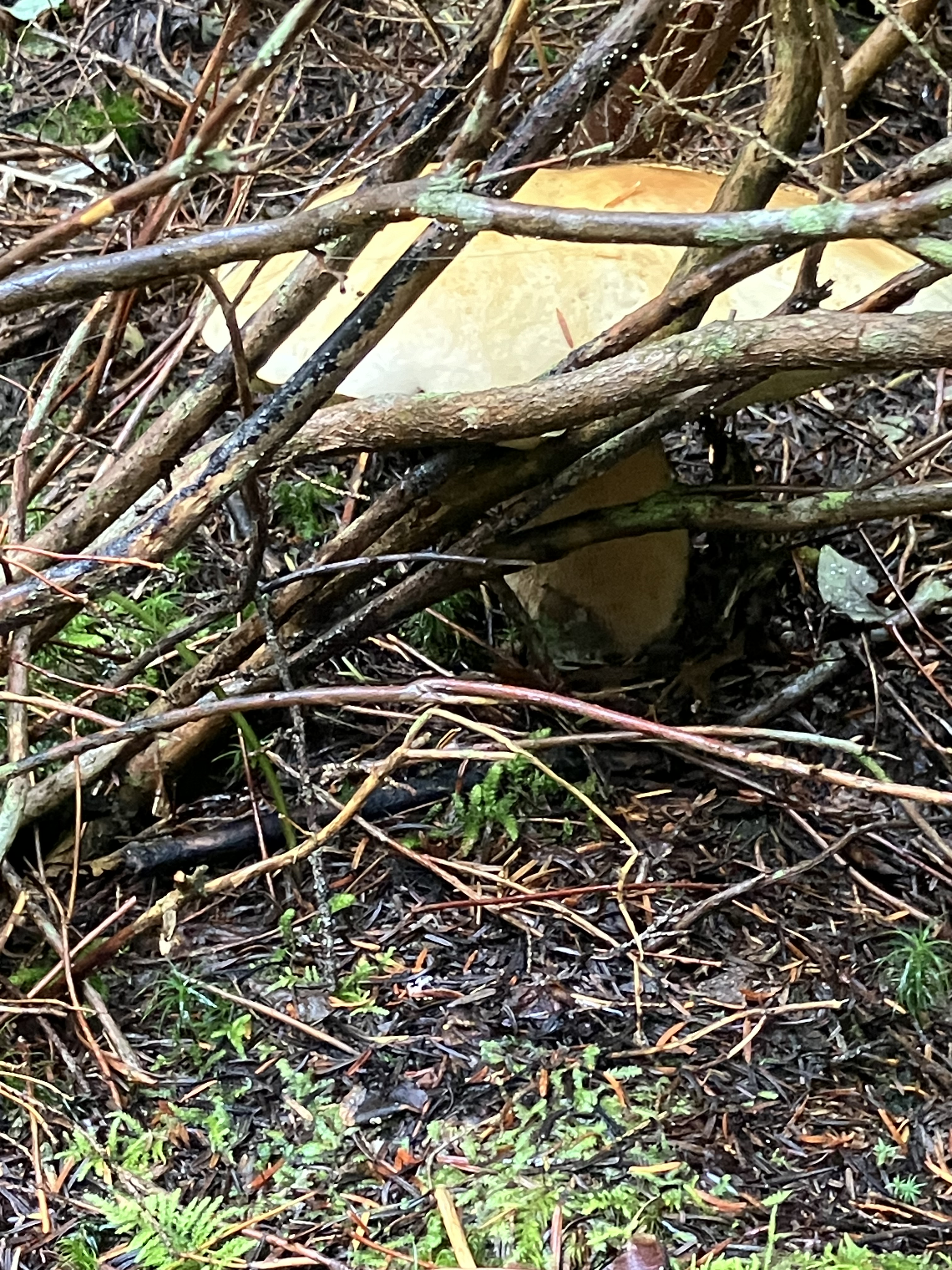
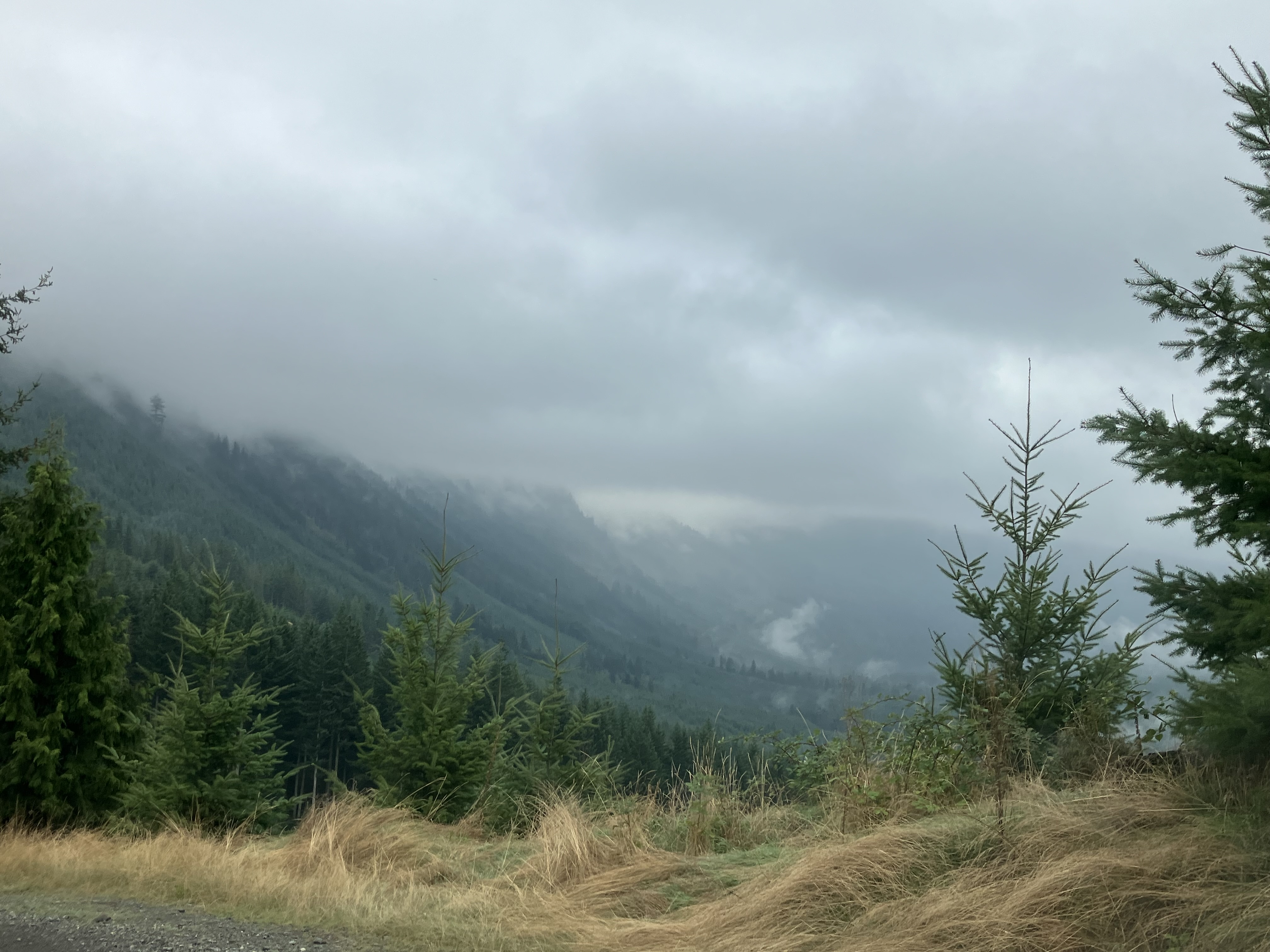
It’s below 60F and the clouds are socking in above 3,000 feet of elevation. Time to check in with understory floor vibes and sure enough, the mycology is hoppin’. Check out Boletus, Amanita, Hygrophoraceae, and more! The porcine are off the hook, I’m starting the dehydrator to keep up with the findings. In a week I now have a cold from being wet and in the woods all day for several days in a row weaving in and out of low branches in fir forests at elevation. It’s been a real trip, and I’m not talking Psilocybes. These fungal miracles pop up at a moment’s notice in the right conditions, and in some cases, I was late to the party and just had to sit back and marvel in natural wonder.
These Boletus edulis fruitings are like nothing I’ve ever seen. It’s mountain to mountain all over The Cascades. I’m guessing this sudden bonanza has something to do with long awaited cool, wet weather, which has arrived early (though I would say more normally in a non-climate crash scenario). Driving up to my pickings, I noted low 50Fs temps and cloud level moisture- meaning you are covered in a light layer of beaded dampness, which soaks through your quick dry layer and wicks down your socks into water proof shoes that quickly become buckets of water that squishes out as your feet catch along steep mountain sides trying not to slip on rotting branches. It’s heavenly. I would do it all day, and did, a few times, but the energy drain is great, and your feet start slipping more times than not in the rugged terrain, so knowing when to stop is crucial to a good hunt- whatever you are seeking for the larder. I noticed Val began having a seat where she could while I leapt and balanced- sometimes with an open harvester’s knife in hand- to gather the porcine abundance all around. My feet felt it the next day, but my stomach is still enjoying a feast of mycological delights.
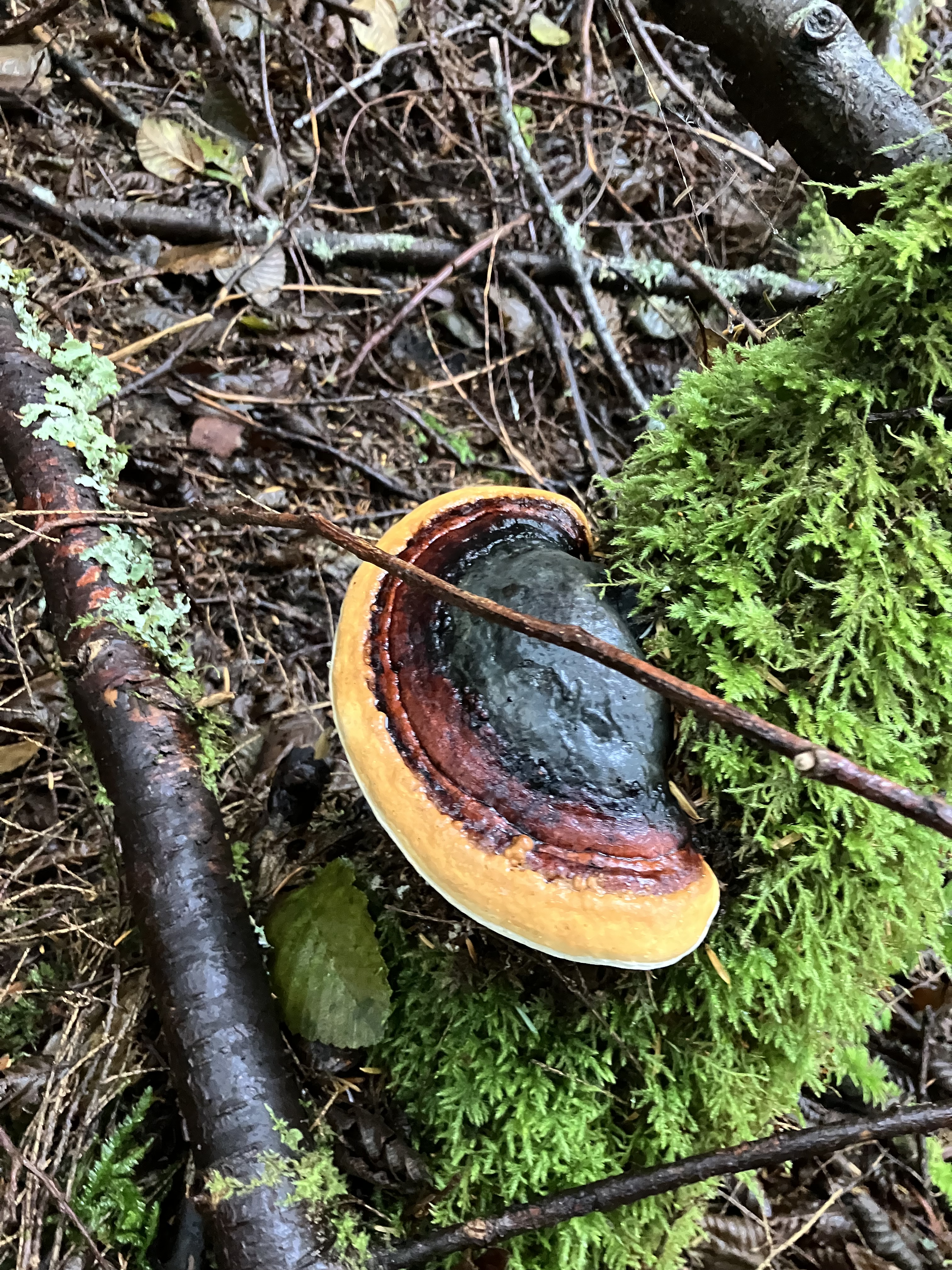
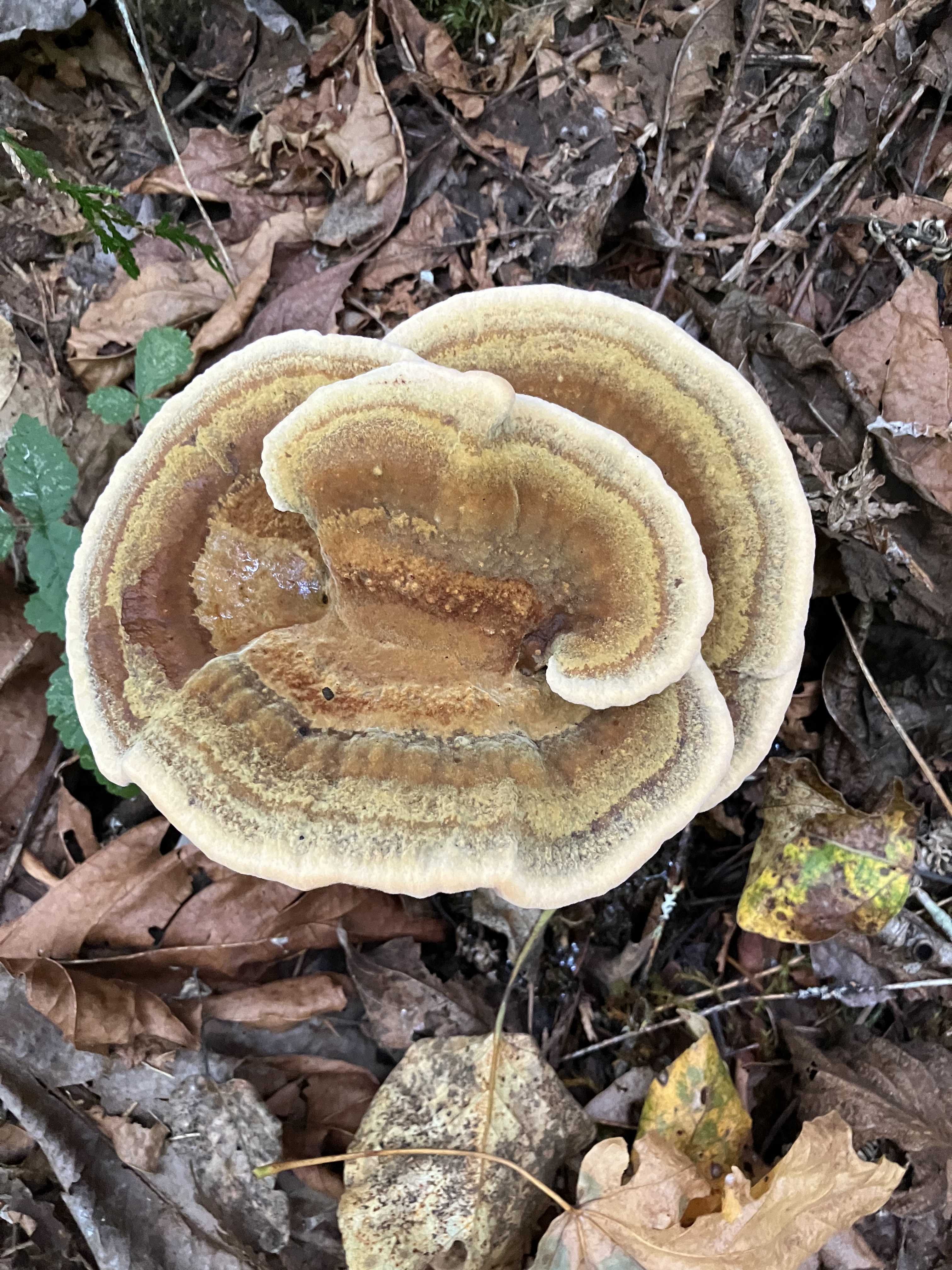
Though edible fare is certainly choice, keeping an eye out for any mushroom as a learning encounter is highly encouraged- by this I mean, takes pictures and note ecological indicators such as substrate, time of year, weather patterns, and what’s growing on around the harvest spot. I think of forest age and species, down to single trees under which a patch, or single shroom, fruits out. It’s so detail specific for learning, but once you have those observations stored in your thinking files, the hunt becomes easier because you’ll body radar the mushrooms without much hesitation once you’re in the environment. I say this with about 10 years experience, so I’m still quite young to the filed. Truly, I still have to look up most of what I see to even try guessing species of fungus- as well as other fauna. It’s nice to walk into nature and see what are fast becoming old friends in the field- like red belted conk or turkey tail. Certainly the velvety and colors enliven the mind as curiosity abounds. Flipping through pictures online is another options for those not able to reach woodland areas. It’s such a gift to be able in so many ways- access is true privilege.
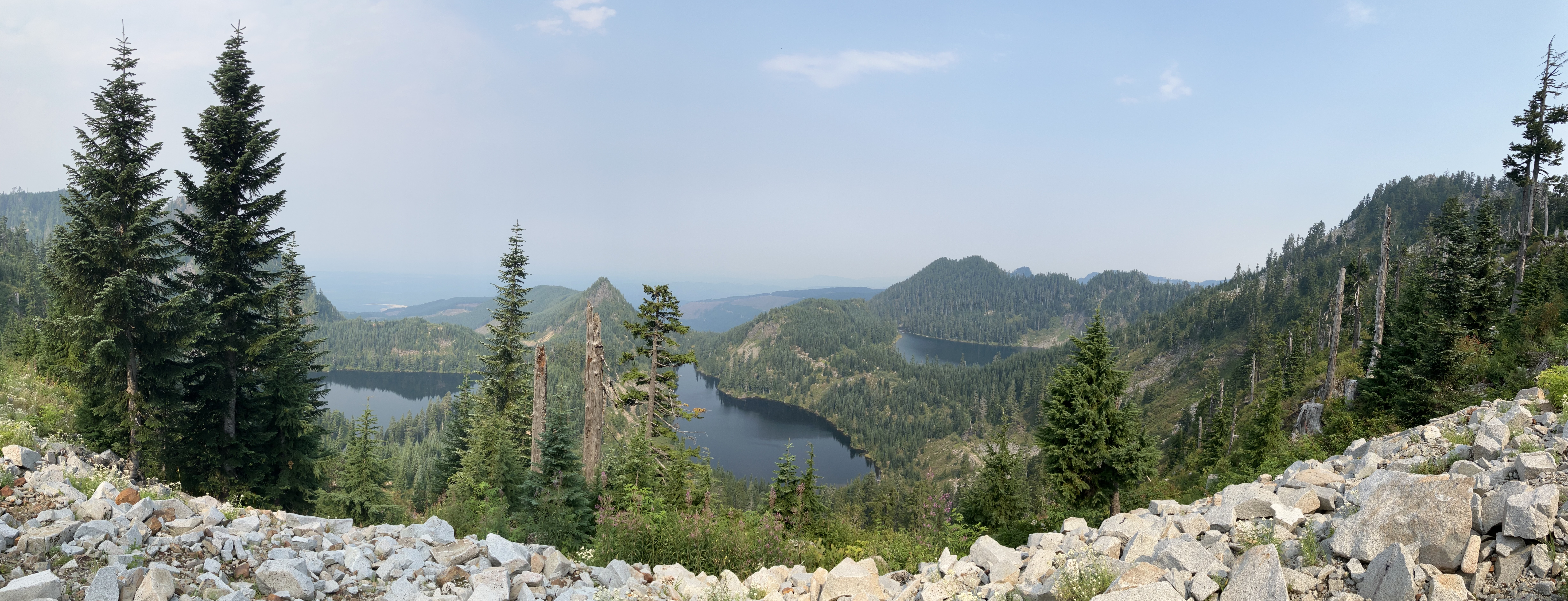
As well as wandering public lands to see mushrooms and harvest a modest amount for personal enjoyment (purchased permits are required to harvest commercially), I also have a recreational pass into The Snoqualmie Tree Farm nearby. This 80,000 acre western slope of The Central Cascades offers endless terrain to seek out the mycological classroom. I’ve spent the last week in one small section of forest documenting what I come across in the forest floor. It’s an endless mapping of mycelia in the making. These deep pockets of dense forest undergrowth offer safe haven to spores, which in turn settle in and spread a mycelia layer through the decaying ground detritus to establish residency. Then, over time, fruiting fungus will pass on the sucessful genetics to another part of the forest in the wind- or waters, or even on the surface of passing wildlife, hitching a ride through the landscape. I find my way through many forest growths on animal trails- places the land has been walked over my narrow feet to form enough foothold for traversing through- but it’s still a rough go at times. I’m not as sure footed- and on only two main balance points- though using hands on supple passing branches to keep balance or lower ones self down the bank comes in- yup- handy.
When my body is soaking through, much like my breathable bag of mushrooms harvested, it’s time to head back home for a hot shower and some food processing. Rewarming the body, putting on fresh, dry cloths, and eating something are all important after a day in the field. Keep hydrated throughout the day too. These self-care steps may seem obvious, but when you are cold, tired, and wet for a while, your brain can make less that ideal choices to further the harvest, get over one more ridge to see the view, or not turn back to the truck while your legs are strong enough to hike back down safely. Always take a buddy too when you can- and though Val is a great mushroom buddy, she cannot make effective decisions if something happens to me. Opposable thumbs and language skills are prudent to call for help. Also- in most of this mushrooming country, cellphone service is not likely available, so keep a well mapped plan (shared clearly with your buddy or emergency contact) to know what to do if something happens. That something can be a simple as a sprained ankle, or as complex as unconsciousness, heading towards death. Back country mushroom hunting is high risk when you get into steep terrain further from established trails. With some smart planning. mushroom hunting can be enjoyed by all- in any landscape- even backyard gardens or paved edges in the cracks of your sidewalk. Keep your eyes open and a field-guide on hand for the ample learning with fungi.
Late summer laze is on for all animals on the farm- including people! When it gets hot, we all take a siesta, and when it’s cool, we’re out working for our food. Sheep are grazing, cats are chasing, and the pups are on guard night and day with a little play. The birds are scratching, clucking, and some are even hatching out end of summer chicks. It’s the best time for fresh eating so all are at their most well fed and rested.
Valentine and Mogs are buddies on the porch and around the house as our newest member of the farm settles in and keeps mice away. Her dog friend Val is enjoying the escape to cool indoor floors when the heat is at it’s worst outside. She shed the last of her winter coat in early August, just in time for the new one to grow in.
Valley is also working better an better at her herding talent. The geese have been her toughest challenge yet, but she adapts and learns well. She blew me away the other morning when I asked her to gather the geese. The mated pair fled to the pond. I then stood at one end and asked Val to come from my right to pressure the geese back towards the coop and barn area where they are fed. The birds swam around avoiding the dog on the bank, then I asked Val to swim and take direction in the water. She had done that to find sticks, but never to move the geese- and she did it flawlessly. It was a humbling moment and felt amazing. That dog is so smart, and driven- and that’s a blessing in that she will self teach and try new things, but a curse when she ignores human direction for her own ideas, and lets her drive become chase. The geese can stand their ground, but I don’t like Valentine ever chasing just to run after the animals. Her work is herding- and with the birds, gathering. She can do both, but likes to just run at if left to her own way.
Gill’s presence puts a calm vibe on us all. It’s when the sheep move in, trusting the huge K9 protector who has known most of them since their birth here at EEC. Gill’s tendon was injured at the start of the summer, putting him on a 60 day rest with short walks but no running. He was off his leg for the first two weeks, then slowly began to stretch and rebuild his muscle with limited walking and standing exercise. What is standing exercise? Cutting nails- he can stand on a certain leg I ask him to put wait on by lifting the other to cut the nail. It’s like a farrier with a horse, he has to take the weight off the leg, and his injured leg needs support when he has to put weight on it, so I usually ask him to lay down for that cutting. I could do all his nails while he lays down, but asking him to stand gives him that balance and strength training. You can see in the picture below, Gill still takes his weight off the back right leg when he needs to for comfort. He’s tethered frequently to keep him from running on that injured leg and re-injuring himself, but he gets good movement engagement in these more limited physical therapies, and the leg is getting better. At the end of August, he began walking on a long line and trotting with his orthotic on for stability. I think by the end of fall, he’ll be back in free movement with his brace under careful observation.
The dogs have given much alert barks to keep active predators at bay. Nighttime birds have been the only challenge, with goslings taken in late spring by an owl family who was feeding their own juvenile chicks. All young birds are now kept in covered coops or inside. The goose setup is being rebuilt this fall, with an old “I” beam and recently harvested holly posts. Our single pair of cottonpatch geese are settles into the farm routine now, and folded in with the other animals. We hope to retain this pair and sell the goslings and help perpetuate this breed in small livestock systems. A late summer clutch from a smart broody hen is settled in the hay barn. I usually let them have a “wild” hatch to build up the flock before a cull. Young roosters are put in the pot and older plump hens are taken for winter feasts and good stock. We got a lot more roosters in our winter hatches this year, and are hoping to pick one out for breeding in future. The Ayam Cemani genes are still alive in the flock, but new blood will be needed soon to keep things healthy. This chicken system has seen a lot of fun evolutionary changes over the decade. Dark meat birds with a more duel purpose focus has made our fowl larger and more productive egg layers in most cases. We’ll continue to overwinter about 30 birds in the flock and try to keep hatching out 2-3 winter clutches each year.
The chicken coop continues to provide great sources of calcium, nitrogen, and other essential minerals for the gardens, orchard, and surrounding landscape. The birds also free roam the land, distributing organic poop to the pastures and native plantings around the property. The meat and eggs are an additional bonus to all the restoration work these animals put in daily. Manure from non-chemical sources provides the soil with a great balance of nutrients and conditions the animals in what they eat from the land. The inputs we feed the animals in addition, especially in winter months, are sources from local in state producers and all grain is certified organic. This ensures the cycle of nutrients on the landscape remain chemical and synthetic free. All research shows organic is the healthiest choice for long term abundance on earth. Go deeper on this research for personal health here. Though it does cost more, organic ensures we stop many of the toxic cycles in our food systems and protect our personal health. The land here at EEC Forest Stewardship continues to grow and expand in diversity and lushness with smart livestock systems folded into good water management, the right plantings of native and non-native plants to provide a mix of food and medicine, along with adaptation as climate extremes continue.
The ultimate goal for our animal’s diet is as much native brows and grazing the animals can do- so we condition the pastures with a mix of forbs and grasses, as well as diverse hedge plantings for optimal browsing choice. We can also harvest for personal use from these mixes of herbs and medicinal vegetation. The sheep are the best connoisseur of the landscape buffet, and right now, it’s blackberries all the way. Lupita shows off her purple stained nose after a long chow down on our invasive berry bramble’s best asset- an abundance of fruit in late summer. So much lush opportunity when the land is in harmony with the animals.
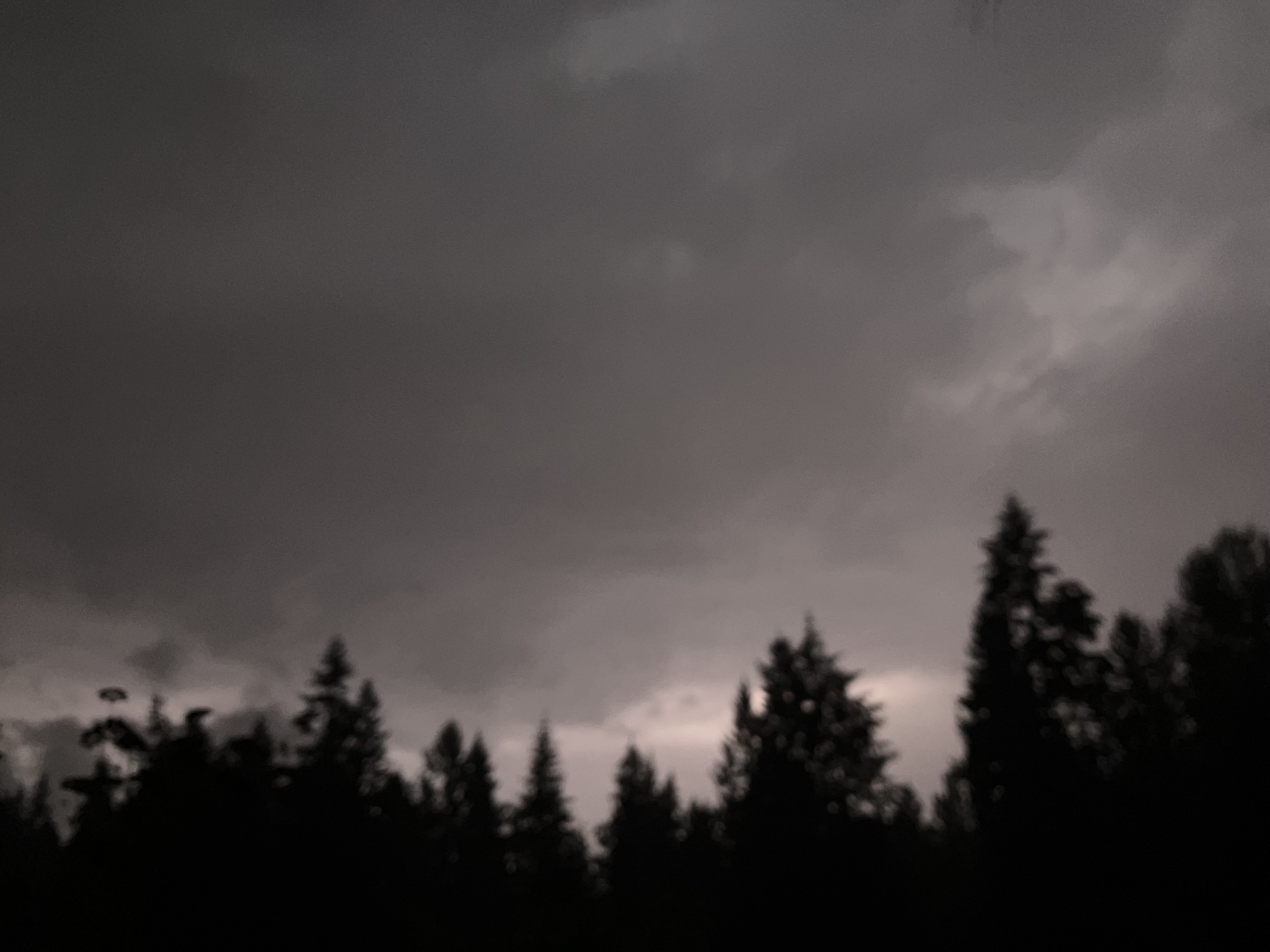
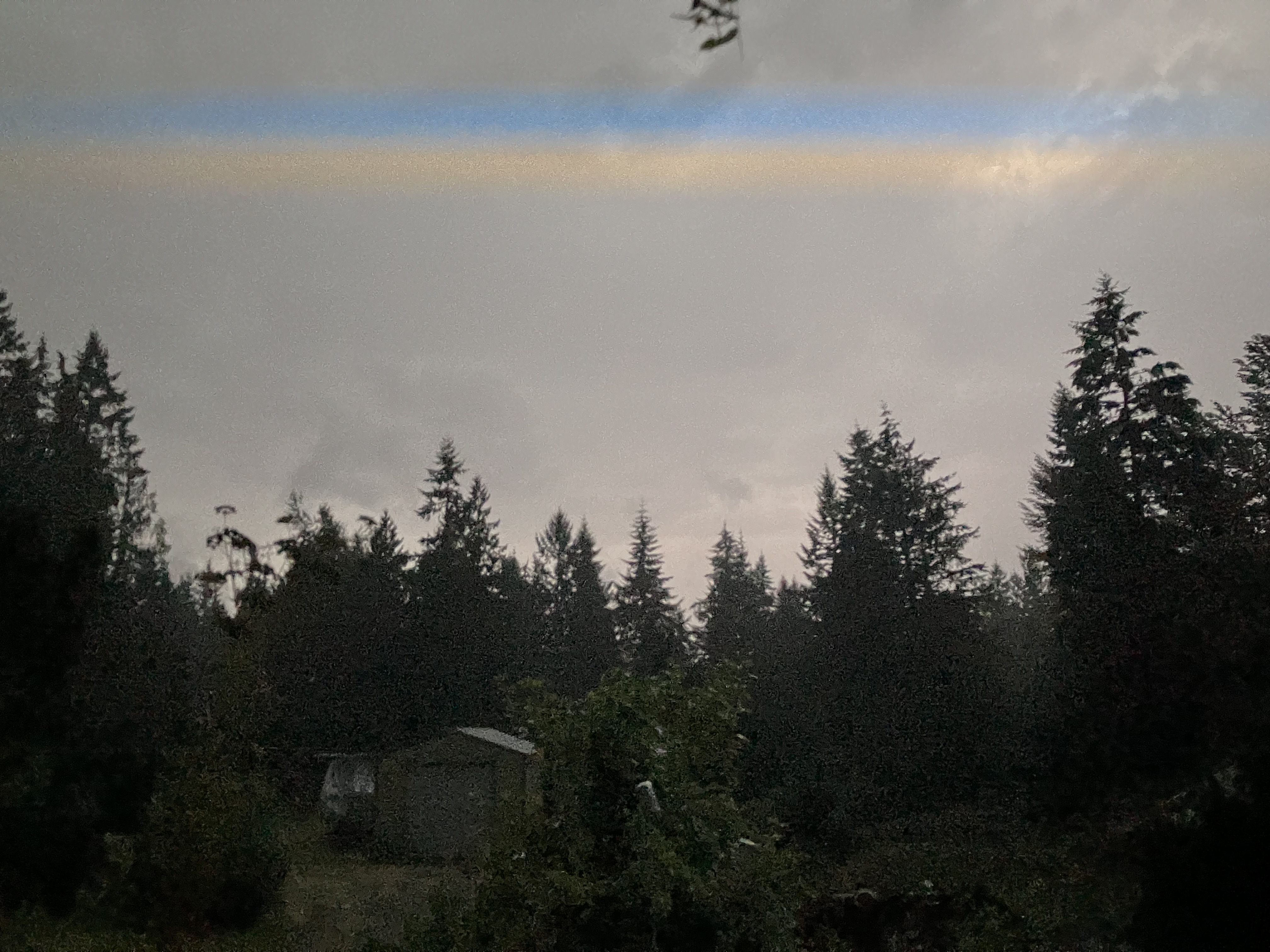
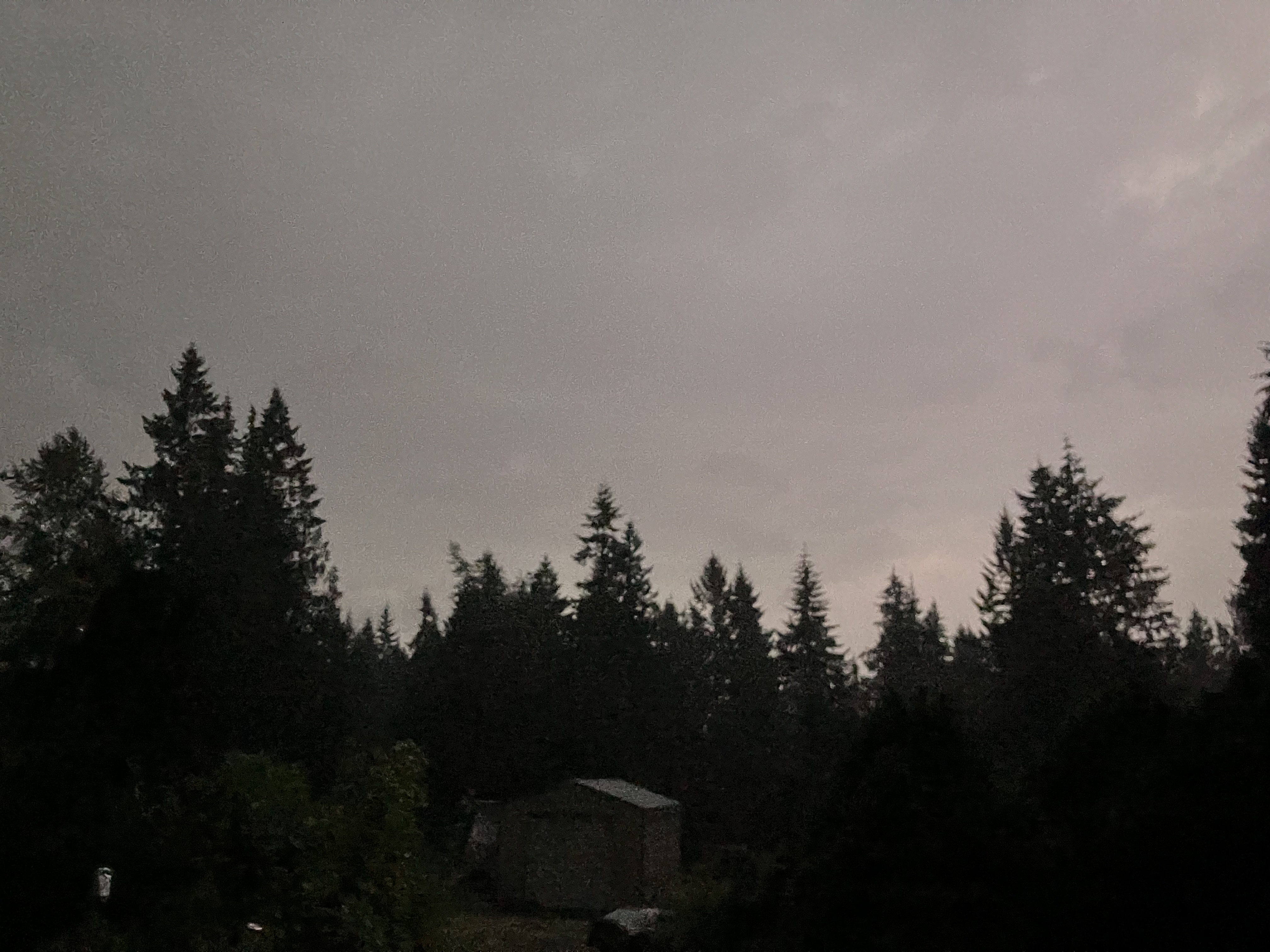
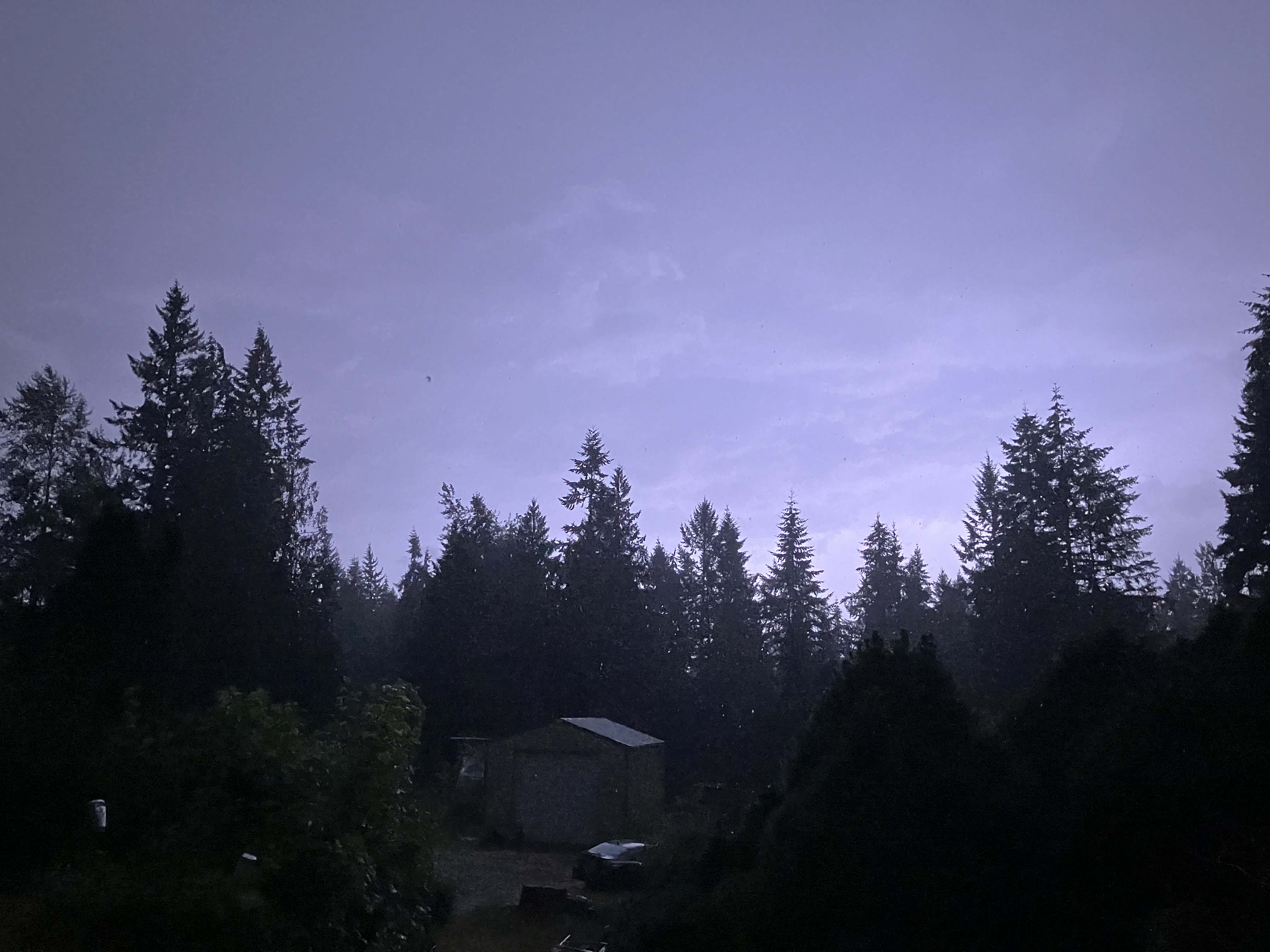
On a humid Saturday night in August, 2024, EEC Forest Stewardship had a rare weather event. A thunderstorm rolled in just after dark, and stayed with bellowing force and flashing fierceness through much of the night. It was quite a show, and a welcome extravaganza. I sat up taking photos and video to capture some of the magnitude. Though there were no close by strikes, we experienced some wild weather that night.
The electricity lit up the sky many times, casting eerie colors across the landscape. The storm brought a deluge of rain, which hammered down on the metal roof of the porch, almost drowning out the low rumbles of thunder which accompanied the light show. Gusts of wind coaxed confusing notes from the wind chime, which remained agitated and disjointed throughout the vivacious weather.
To many, this event may not seem like anything too special. But here in Western Washington, thunderstorms are a rare treat. My parents happened to be visiting that weekend, and they commented on the alien sounds the storm produced. Thunder here is often muted by all the surrounding mountains. It comes in slowly, and usually lasts a while as it rolls. Sometimes you’ll not hear any thunder, as the storm is far enough away to be muted by the thick forest terrain. Other times the cracking sounds shake with such force, you begin to wonder if a volcano is not also going off nearby. This storm was quieter, but still carried thunder in the clouds. The videos I took do not give full audio well, but the cacophony was a welcome, though brief visit from the storm.
As the hour grew late, I took one more time laps of the excitement. I grew up in Oklahoma, with legendary extreme weather. Though I don’t miss the anxiety of running into the under stair closet during a tornado warning, I do miss the energetic storms of fireworks in the sky and the wind blowing a chorus of howling downdrafts at the windows and doors. It’s worth documenting here in Western Washington, and I hope you enjoy the show as much as I did.
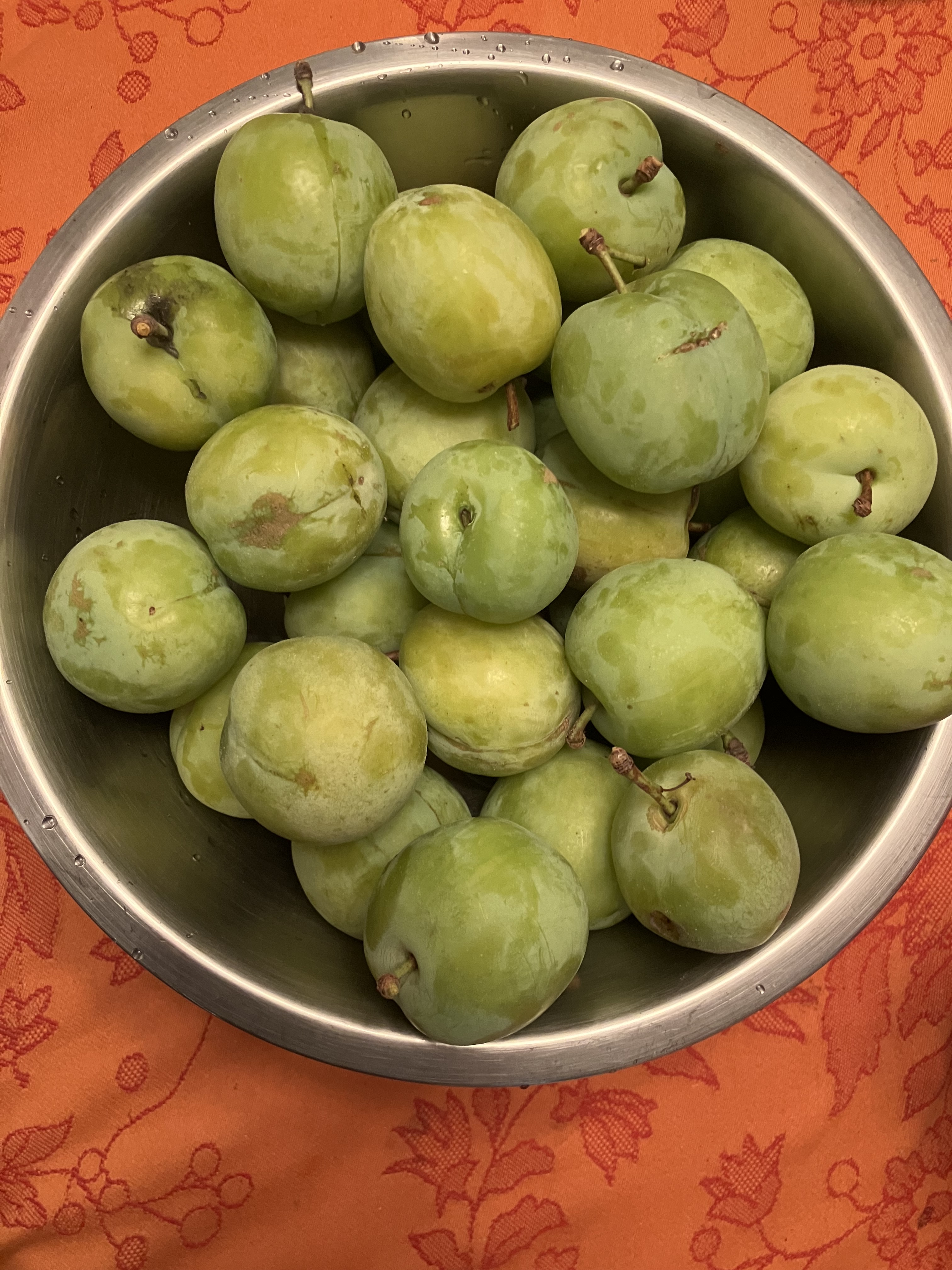
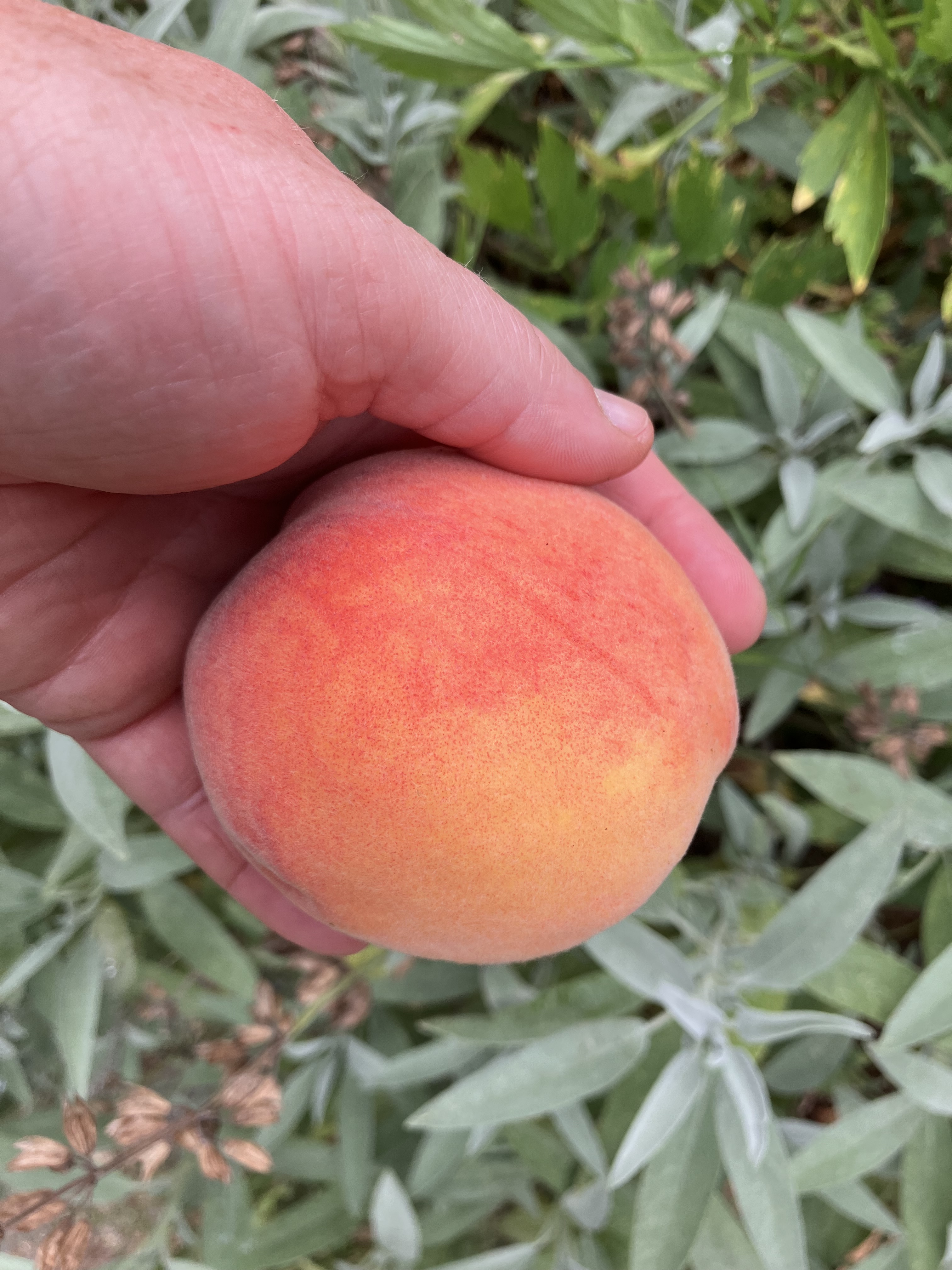
One of the most anticipated harvest times at Leafhopper Farm is later summer fruit. From heritage apple trees to a frost peach I planted my first year on the land, a decade of slow, steady cultivation has begun to bare fruit. Even hiking in the mountains, there is an off the hook bounty of blueberries to be picked too. Back in The Puget Lowlands, we’re enjoying plumbs, our own berries, like the aronia and blackberry, as well as apples. This is the garden of paradise I’ve often pictured as I work towards the vision of abundance here. So much joy in picking fresh bounty, as well as processing it into stores for the larder for future enjoyment once the sun is gone and cold wet winter sets in.
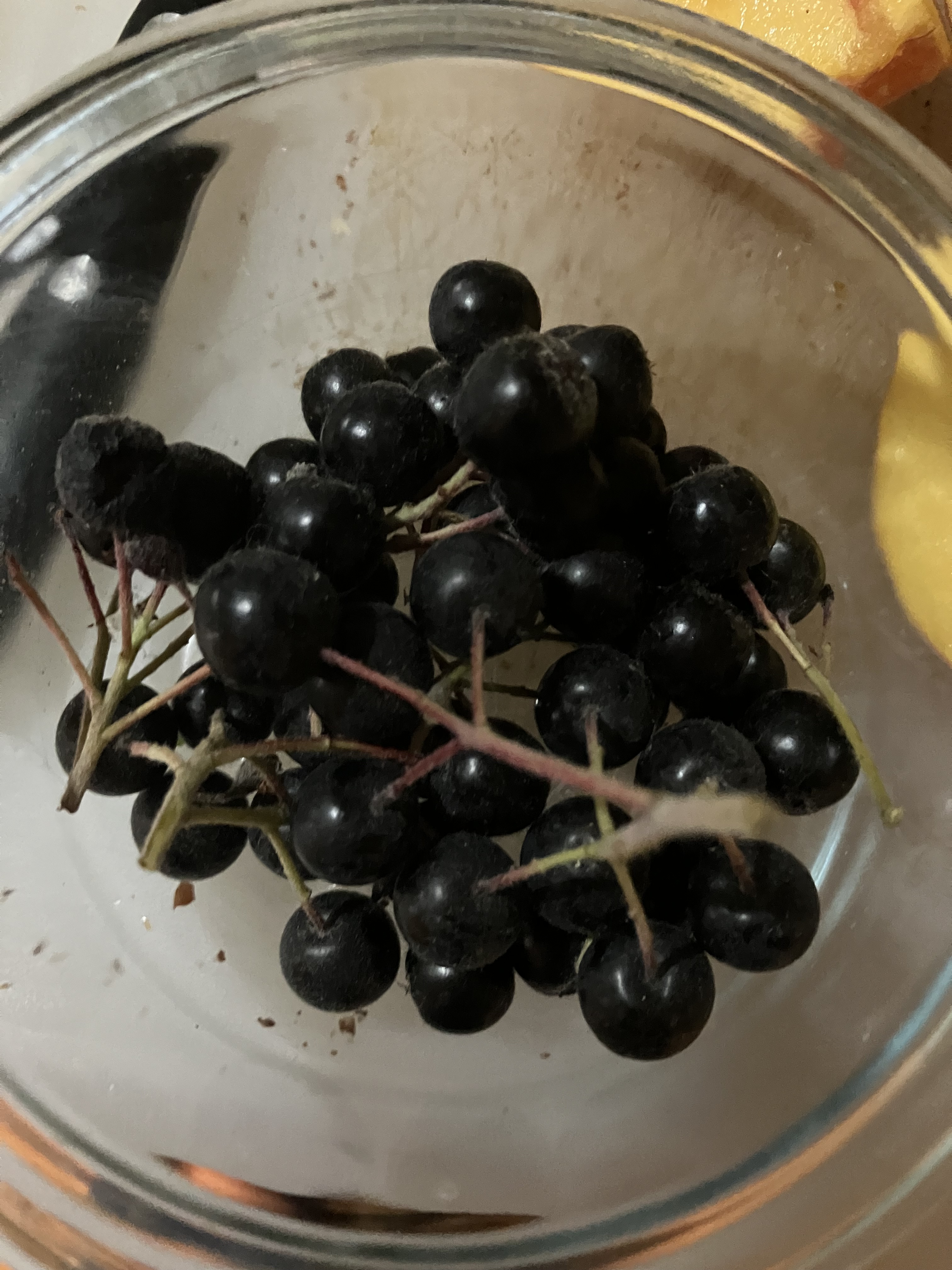
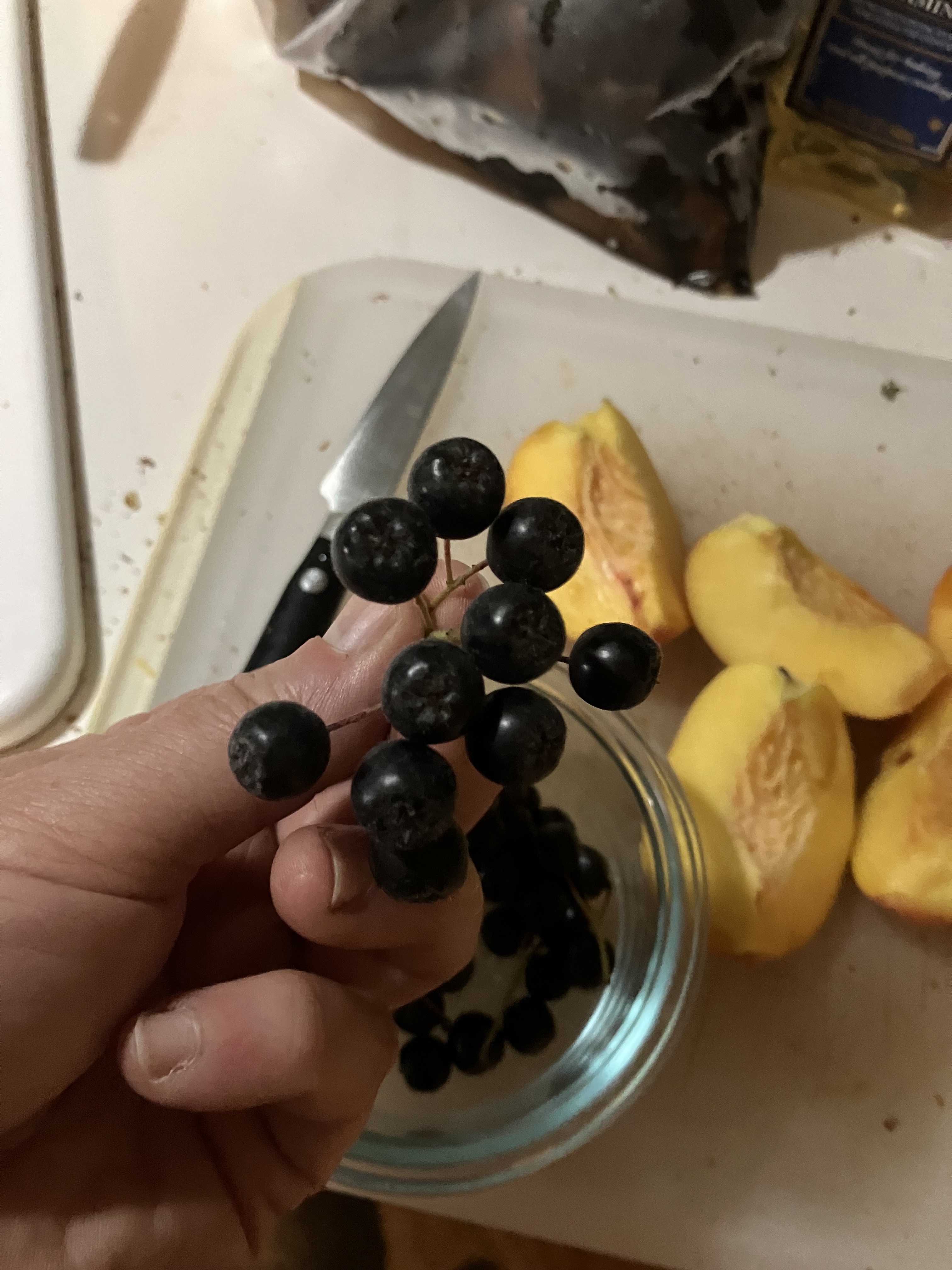
Many harvests are still modest as the vegetation which supports the fruit matures. The Aroni bush that has survived gives a hand full of her fruits, which are highly medicinal. This year’s collection was good for a number of salads, as a few berries eaten fresh are more than enough of a single serving of this nutrient dense richness. I paired them with fresh peaches, feta, and balsamic over mixed greens and enjoyed. This fruiting shrub is on the list of future investment, as they are not a native plant to the area, but do thrive in this climate. They require some irrigation in dry summer to ensure survival and production. The fruit is not sweet, so predation of this berry has been limited. The soft leafy vegetation is prized by deer, so we have to plant them in fenced areas for added protection.
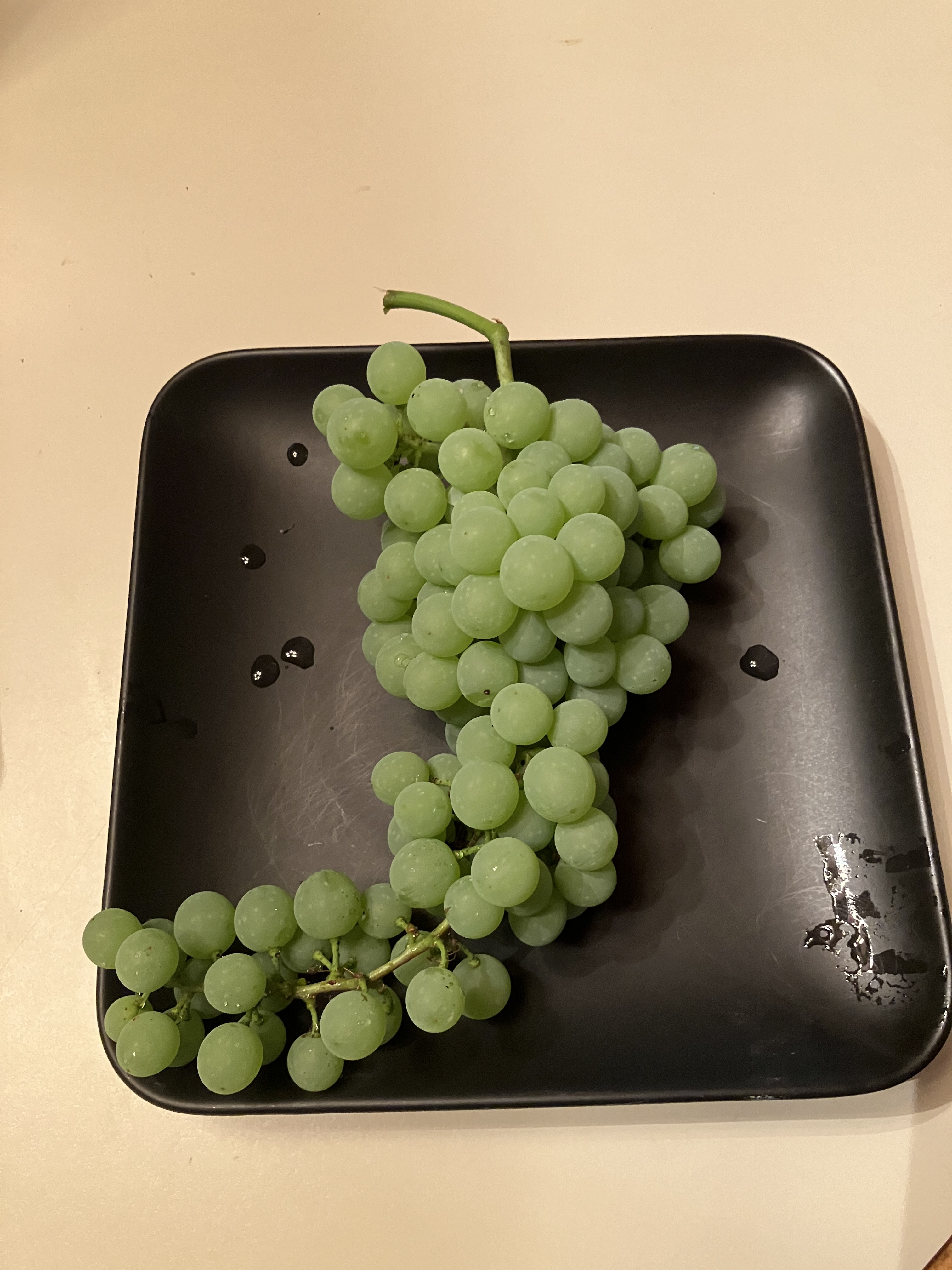
Another slow but steady fruit on the farm is grapes. The vines need irrigation, and when watered and regularly trimmed during growing season, this seedless table variety produces numerous clusters with abundant fruits. I picked the one below a little early, but the juicy tartness was still enjoyed, and they lasted on the plate for a week before showing any wilt. That’s the power of freshness. There are also some slow growing white wine grapes, but they will take many more years of development before we grow enough for bottling. Austrian varieties do seem to thrive here, and through grafting, I hope to produce more vines of this type in future.
Speaking of wine- the blackberry harvest has, like the mountain blueberries, been gang busters this year. I’ve already picked 5 gallons worth, enough for 10 gallons of wine, which have been boiled and sugared with a fine 5 Star red wine yeast. By December, we’ll be toasting the fermentation and celebrating with some tasty fruit wine. After years of experimenting, I’ve begun to dial in a farm recipe that tastes delightful. However, like with most fermentation projects, the outcome will be slightly different every time. This year, I’ve put down two different harvests in the pair of carboys. One is early onset fruit, the other is late. I think the late harvest will have more of a kick, as it was ripened to a higher sugar content with the sun. Still, both batches should be well appreciated in the depths of winter.
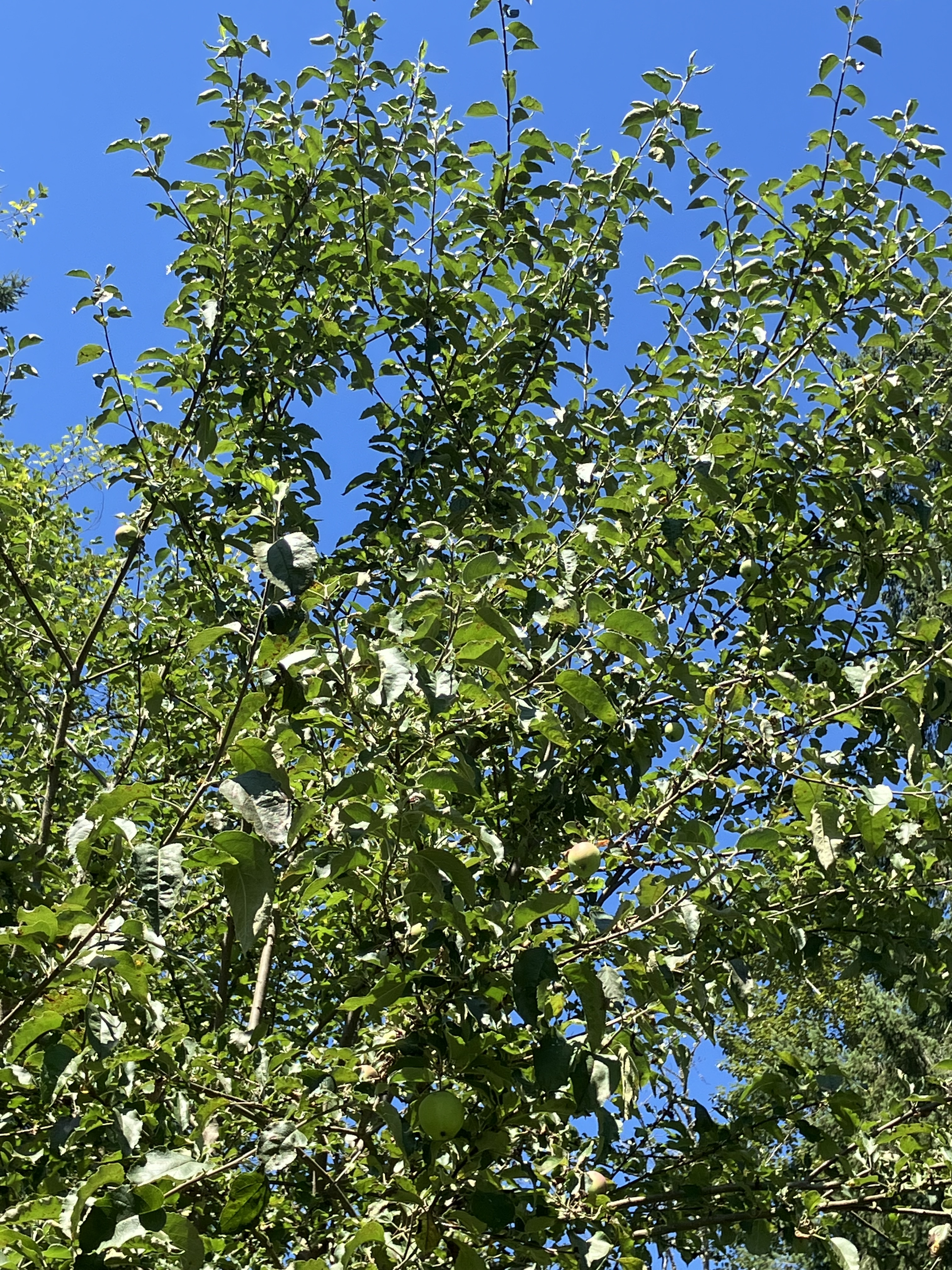
Looking ahead, there are more apples and pears to look forward to. I’ve picked one round of late summer apples, and keep a close watch on the fall verities, which are shedding the imature fruit right now to help the larger fruit reach maturity. Today (late Aug 2024) I dropped excess fruit off the Asian pear tree by the front gate. It’s a mature tree, and the fruit often overwhelms it’s branches, causing a lot of breakage. I’ve learned to encourage an initial shedding of fruit by gently shaking the branches when a few begin to fall. Some of those pears are big enough to process, but most go to the sheep. Lambs finished on organic fruit is no loss to the farm. All harvest is used for improvement on site, from fattening livestock to conditioning soil with added nutrients. What we do not do is leave the fruit on the ground where it falls. The scent of rotting fruit attracts unwanted scavengers, like bears, racoon, and opossums. Cleaning up fallen fruit is important in any orchard. This also prevents waste, or the overabundance of wasps and hornets, who also love to feat on the rotting fruit in late summer. Though I have deep respect for all the animals and insects, I try to keep them out of active areas of the farm- like orchards, where livestock grazes and people enjoy the summer days picking fruit and lazing under the canopy in cool shade.
May all the summer harvests continue in such bounty. Thanks to the sun for all her warmth and growing energy. Gratitude for the late summer cool down we’ve also had, with enough rain to suppress fire danger. May the bounty processed be shared by many friends, family, and neighbors when the cold winter returns, carrying us through the dark times until the warm light returns.











 EEC Forest Stewardship