
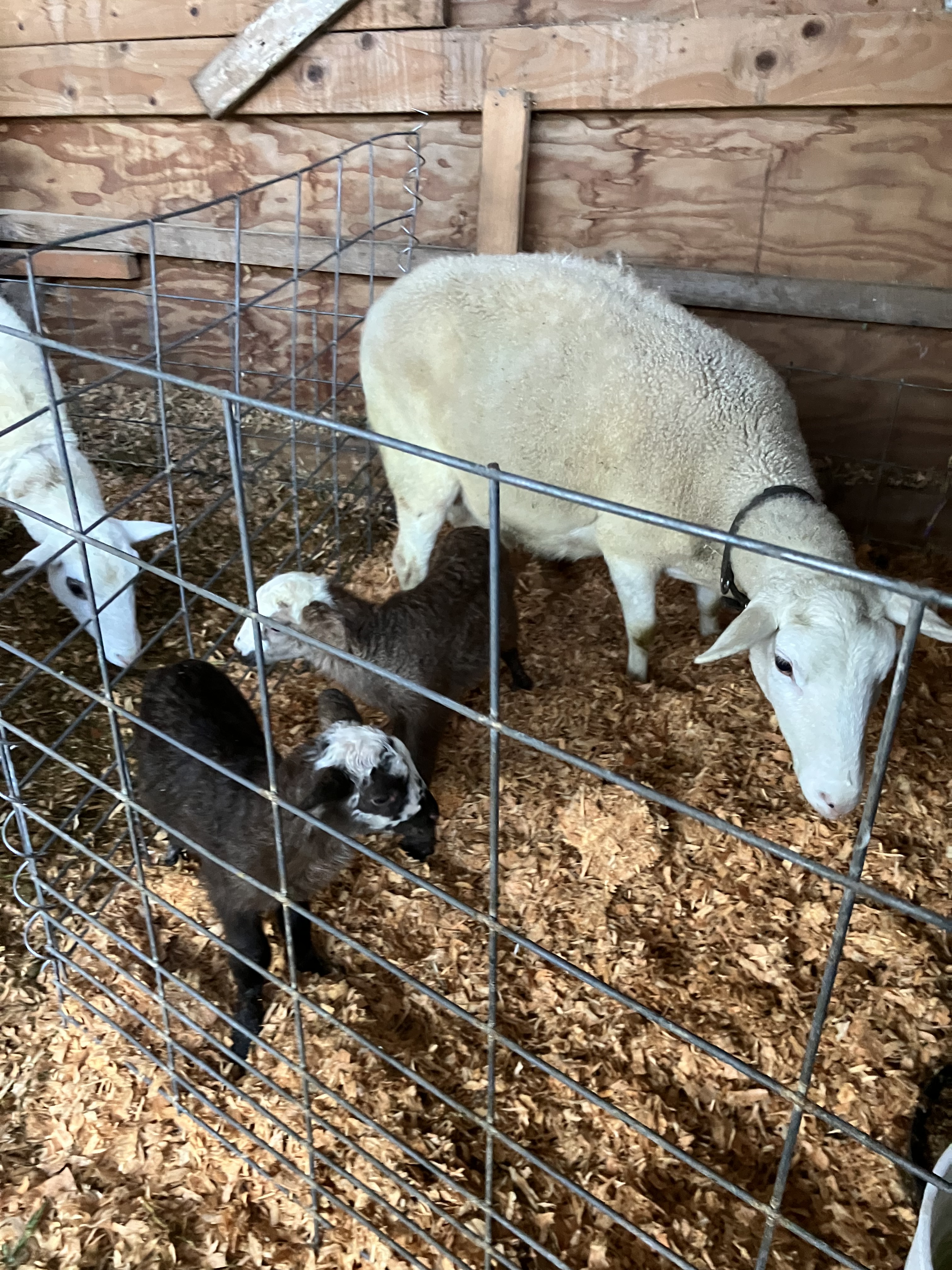
The babes are landing here at Leafhopper Farm! Our ewes timed their hormonal activation with the cold spell, which is not unusual. Weather snaps trigger labor, so I was down night and day with fresh towels checking for wet lambs on the ground. Mamma was ahead of me every time. Katahdin sheep are very good mothers, meaning they stay right with their lambs when they drop, and clean them thoroughly, as well as making sure they suckle and stay close. Not all sheep breeds have kept these instincts, especially in larger industrial flocks where every lamb is delivered and checked by people who tag, mark, and manage thousands of animals. I really can’t imagine doing this, and would never want to. Sheep can be great mothers, and go through labor just fine on their own, in fact, when a ewe went into clear labor while I was finishing the setup for a new lamb and mamma, I left for about an hour, then came back to check in on things and the lamb was safely delivered, cleaned, and nursing just fine. I do put ewes and their new babes into separate little temp stalls while they bond. In less than 72 hrs, the new family unite is brought back into the main herd to keep the connections with their flock.
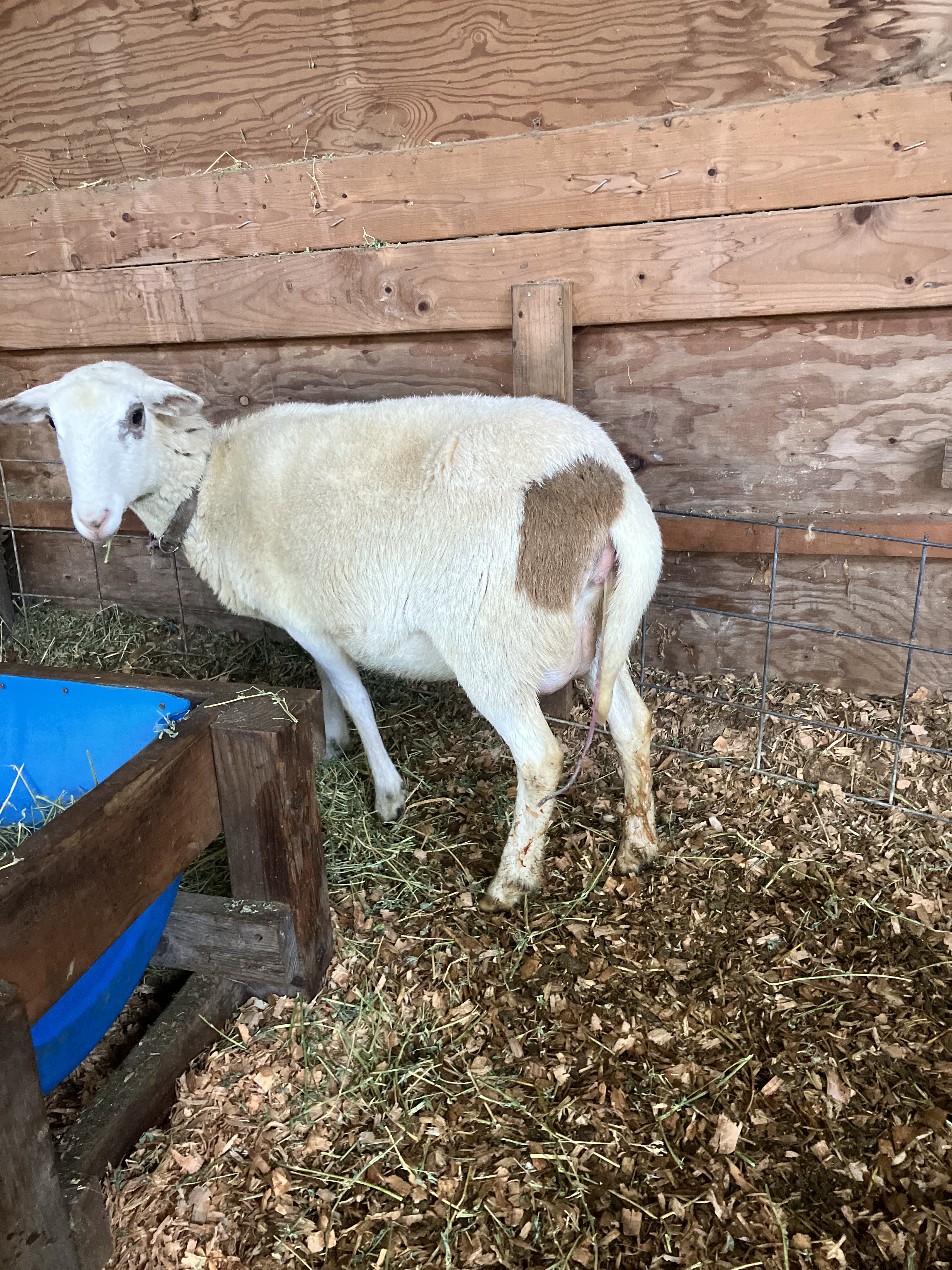
There are many labor signs to look for in a ewe, but goop is the sure signal she’s’ about to drop her lambs. We’ve had two sets of twins and one single so far, with many more ewes still growing bellies. It’s always a trick for me to guess one or two, but this year, the twins were more obvious, and I’m glad we’re back to having more twins again in 2026. Last year, there were no twins at all, and I learned that I might have introduced the rams when the ewes were a lower summer weight, and therefor, the ovulation cycles were less productive, giving us all singles. It was a lesson in timing, like so much of working with nature- cycles of boom and bust we humans rarely experience any more, much less pay attention too. This year, I made sure the ewes were at the peak of spring grazing fitness, fat and happy, before introducing the rams. The timing has paid off, and I’ll keep a closer watch on the condition of my ewes, letting that dictate ram introduction, rather than when I’d prefer to time my lambing season.
Our newest twins came on the 25th of January, 2026. They are a pair of very healthy boys, out of the bellwether of our flock, Lickety-split. Ruckus has brown tipped ears, and his brother, Rubik’s Cube, had the black spot on his shoulder. “R” names for 2026, and I’m coming up with lots of fun ways to name a lamb. The other twins are Rolo (candy) and Ruby, fraternal, and the single is Riot Girl. Rolo has what I like to call the primitive sheep markings- a white “X” on his face. It’s a sure sign he’s reverting back towards his wild ancestor genetics, which is not bad, so long as he remains poled (no horns) and a hair sheep, meaning less to no wool in his coat so he can shed it well each Spring. Katahdins sheep shed their wool, so no shearing necessary. This Spring, I will be collecting some of the hair that’s shed for a friend’s needle felting craft. Hair can be felted, and still used for material. Though wool is much more suited to cloth making, the art of felting offers a lot of crafty ways to use the fiber.
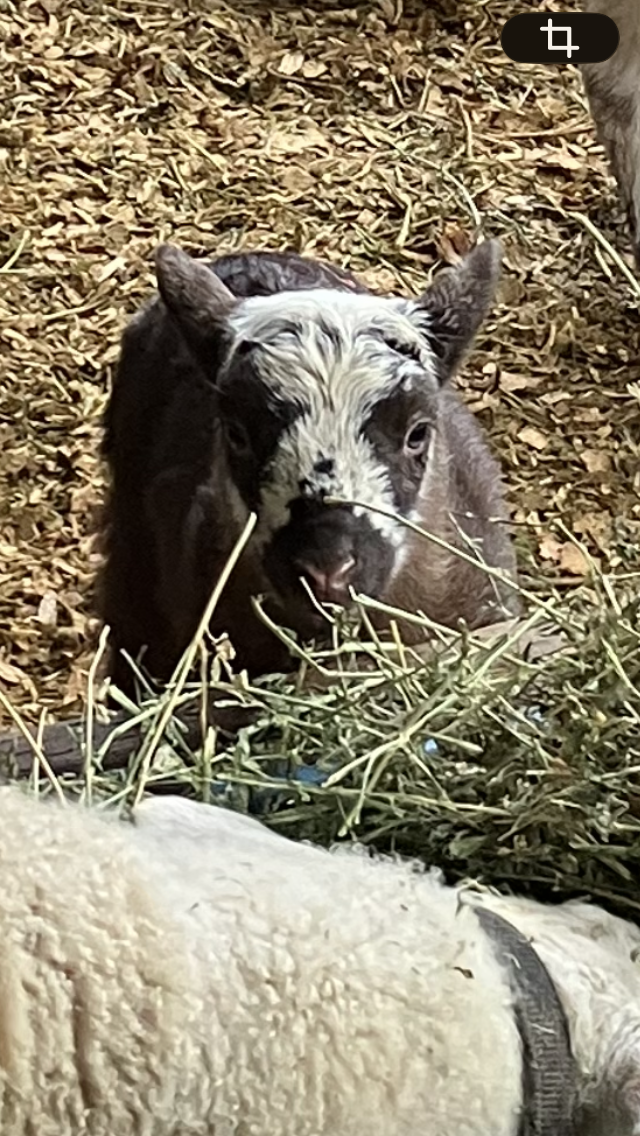
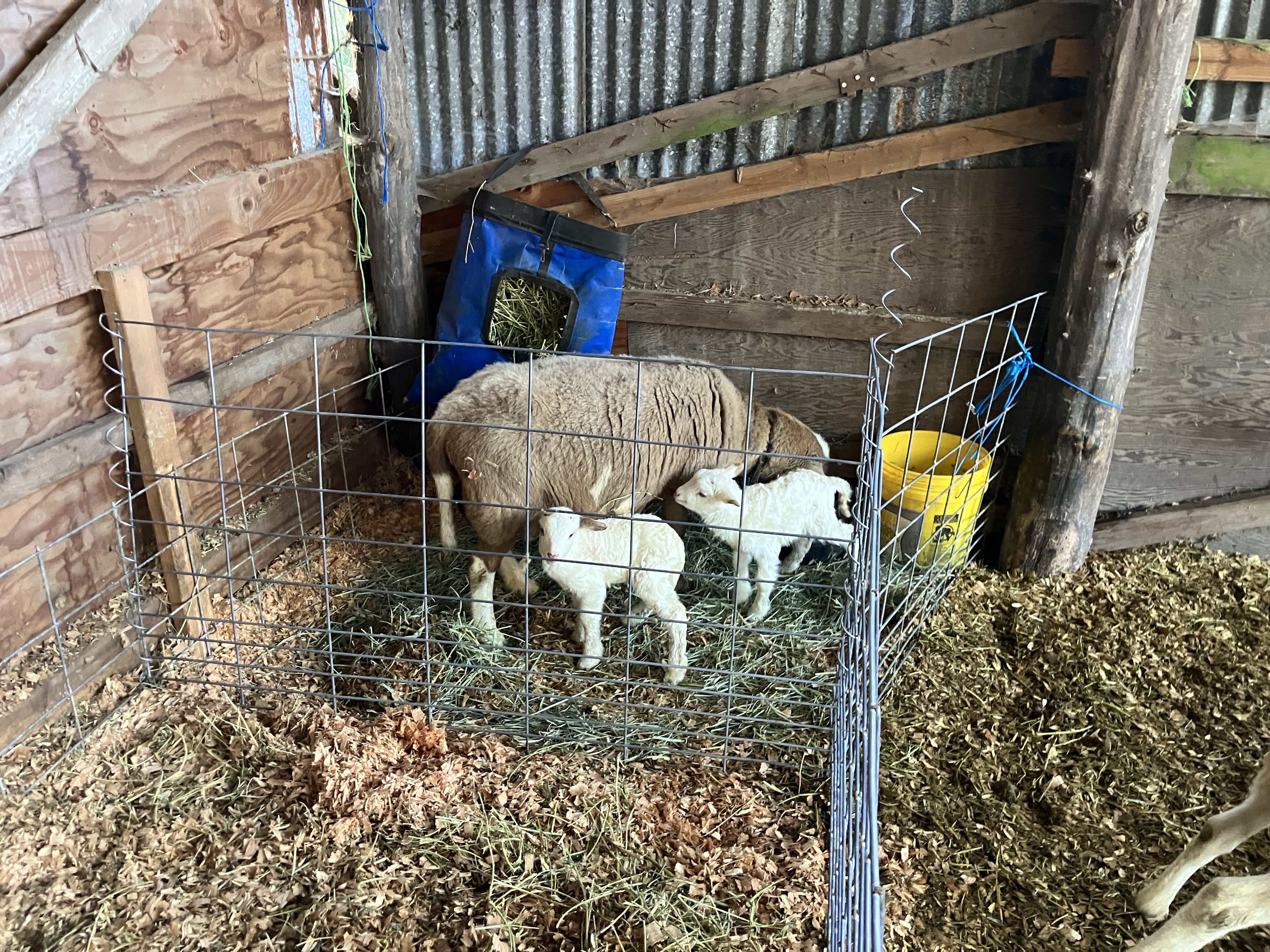
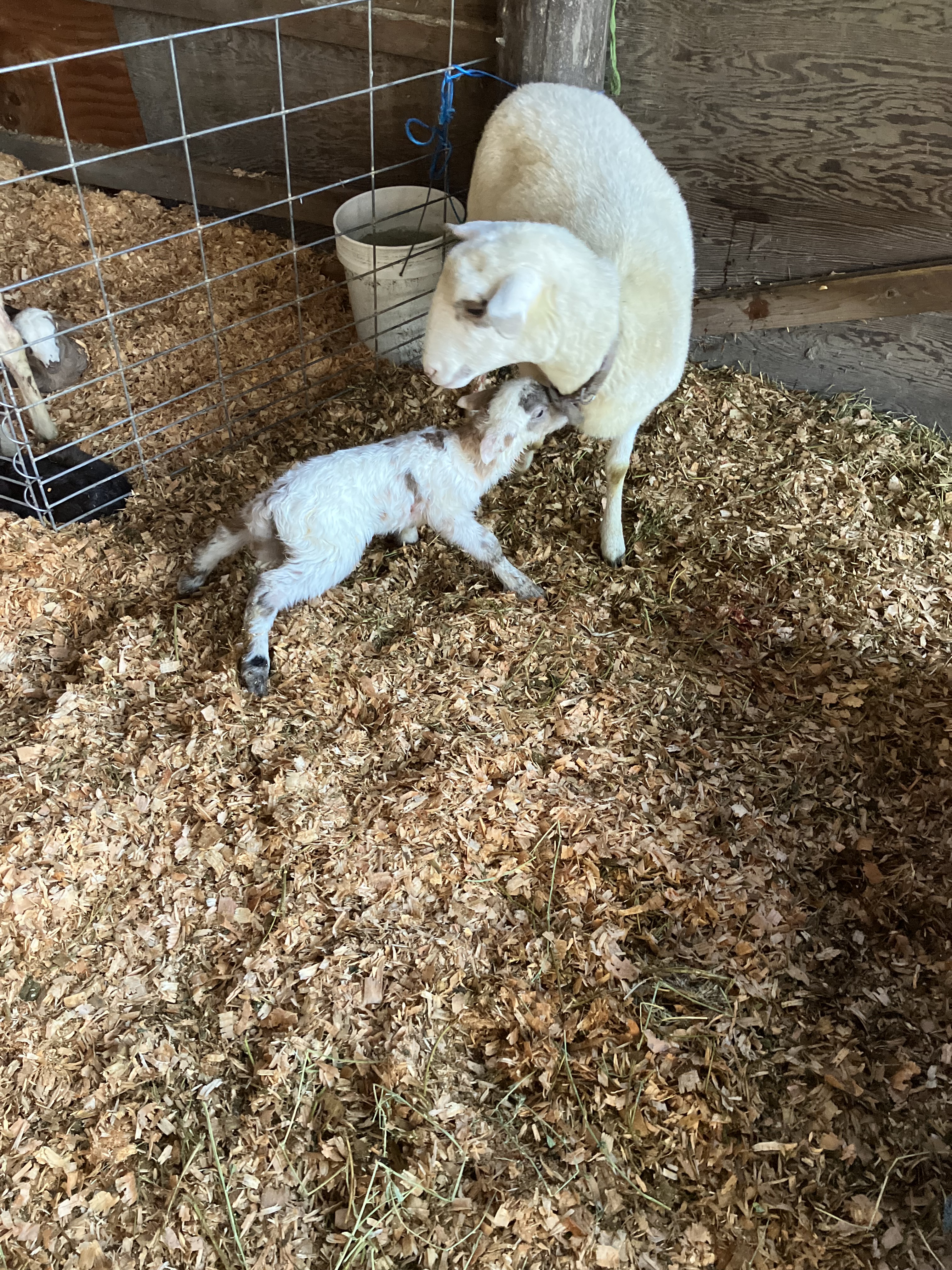
Riot Girl was a huge single lamb, the second single from Opal, who has some important flock genetics, but might get culled soon because she’s only dropping singles. I did keep her ewe lamb from last year, Quartz, who is carrying a lamb as a first year- a good sign. Riot is looking like a great prospect for breeding, but only time will tell. Sometimes it takes a few years to iron out the genetic possibilities, but it’s a lot of good learning, and fun guessing what might appear along the way. The flock is looking so good this year, they have kept their weight on well, which speaks to the calm barn setting and good alfalfa quality we’re now banking on for good breeding results. With a second ram in the planning again, I’ll have a lot of options on how to split up the genetics in this next round. I’ve actually tried to have a second home bred ram a couple of times in the past, but in one case, the older ram got beat up by the ram lambs and died from internal injuries, and the aggressive ram lambs I was planing to overwinter went to slaughter because of temperament issues. This year, 2026, Okie will continue his duties as head ram, while Quinn, a ram lamb from 2025, will be getting his first introduction to a few ewes for breeding in a separate herd this year. It might end up being too much separation and extra work, but I’d like to get at least tow distant lines going for long term genetic health in the flock. It’s never an easy goal with such a small herd. Too few differences to really keep the DNA fresh.
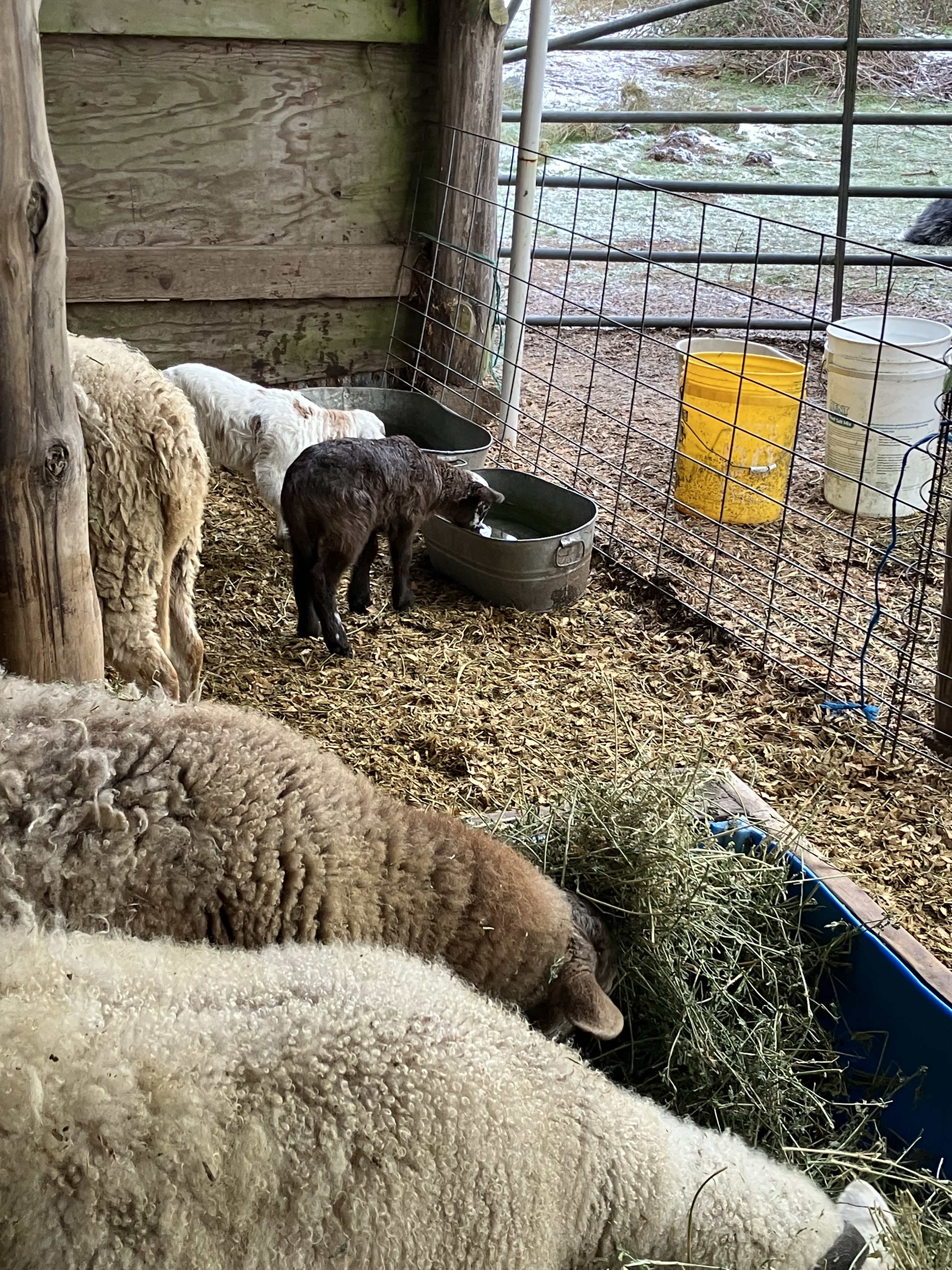
The lambs grow up so fast, I sometimes forget that within a few days, they are eating hay and drinking water on top of the rich milk diet. This little lamb time god quick, so I find myself spending a little more time in the barn watching the babes romp and run amongst their feeding flock family. Even in the 20F temperatures in recent weeks, the lambs are born and thrive. They are so well coordinated for this lifestyle, and can survive a lot of challenges at birth with the help of their capable mothers. I’m really lucky to have found such a great breed of sheep to work with. Katahdins are calm, patient, gentle, and great mothers. In the eight years that I’ve worked with this flock, I’ve come to love the breed, and hope to convince others, especially sheep beginners, that this is the breed for you. They also taste amazing, mild and flavorful, without the grease of a wool sheep, or the mutton taste with age. My 7 year old ewes taste as good as the lambs. This meat breed was developed for the human pallet, not cloth guilds. If you are looking for a great meat breed that makes it’s weight without grain, choose Katahdin all the way!

 EEC Forest Stewardship