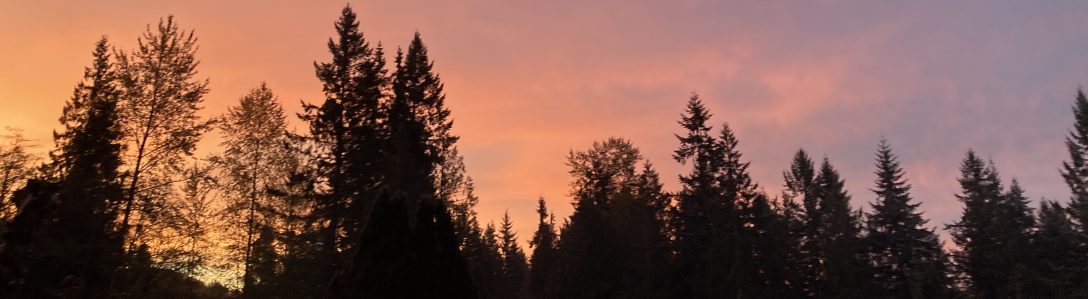
EEC Forest Stewardship restores land damaged by colonial farming legacy, clearing the land for production. This practice has a dramatic cost that is still overlooked as we continue to clear and develop for profit across the earth. Leafhopper Farm uses livestock to reintroduce animal numbers that would have been thriving on this landscape before European hunting and trapping for market consumption, along with apocalyptic habitat removal eradicated most flora and fauna in less than one hundred years. As a white, European colonial descendant- aka, my ancestors came to this continent from Europe starting in the 1700s through to the 1800s through indentured servitude, tenant farming, sharecropping, railroads, and military service. All these opportunists were spurred by land grabs from Natives, tycoon greed, dehumanization of First Nation Peoples, over-consumption of finite resources, religious despotism, and hubris of the worst kind.
Our Nation is still living off the stepping stones of our ancestral legacy built on the backs of others- mostly folks brought in as slaves, servants, and laborers. Numbers of poor grow, while wealth consolidates into the hands of a few. What does this have to do with food? I know, I like to go down the “hard to sit with” presence we find ourselves living in, but it’s crucial to understanding how we can make affective change in our own lives to shift away from the present trends and habits that have brought so much destruction to the very environment we can’t live without. The sheep, chickens, and geese play important roles filling in some of the missing pieces on the landscape to restore the fertility to the land. Without returning our landscapes to what they once were- or at least moving back in that direction, we’ll be more deeply impacted by exponential change happening in our environment, due to careless handling by those who came before.
The best thing we can do is consume less. At EEC, the livestock eats mostly off the land where they roam daily. In winter, the sheep go into the barn for lambing and to let the wet soils remain intact. Hooves on muddy slopes cause erosion. If the old growth rainforest was still present, along with the apex predators like wolves, elk herds would be pushed around the foothills, moving them up into the foothills, and back down across the floodplains, as they do in Yellowstone today. There are natural balances we humans care little about in our day to day lives. We embraced the artificial, because of modern convenience, but it’s not making us better beings on this planet. We don’t need religious guilt to keep us regulated on some moral high ground, we need mother nature to give us a slap in the face so we wake up. She’s doing that, with weather, which will fundamentally shift, along with our ocean currents, icecaps melting, sea-level rise, and all the extreme meteorology that comes with it.
Yes, you’ve heard all this before, I’m sure, but have you shifted any of your own habits to affirm this truth? Any less online purchasing? Any less screen time? What about consuming food in season? Would that help? Yes– a lot. At EEC, the seasons dictate what we have in stock, what we’re preserving for later, and when our bodies need these different nutrients throughout the year. There are also economic reasons eating seasonally is best. We just fall out of these good habits because of all the convenient bad ones. They are bad- bad for our health, bad for our environment, and ultimately, contributing to our collective destruction. Since we’re all so overwhelmed by life now, it seems not to matter. We’re all just trying to get by. No, we’re conditioned, and it’s not going to stop unless we put down our screens and get outside.
If you’re looking for a little inspiration, especially with The Holidays of Winter well in play, take an historical journey with Ruth Goodman into Tudor culinary arts. Not all our ancestors ate was pottage- but a lot of it was- especially the majority of the population, which was poor. Perhaps a little time thinking about simple food and why it’s still a winner today for health and ease of making. Especially in Winter, when, here at the farm, I’m pulling stock out of the freezer, or from a glass jar where the flavor and nutrition have been sealed away for several months. We’re far from the caliber of peak freshness, but still fed by delight of taste. Roasts and stew grace the table, along with bottled fruit wine, pies, and jams offer sweetness through the cold, wet, dark months. I’m picking some green lettuce and borage from the garden, but when the next heavy frost comes, root veggies become a staple. This year, I’ll be harvesting some sunchokes for the table.
For the feasting days, I’m plucking four geese for the larder. If our wild waterfowl were not devastated by bird flu and habitat loss, I’d be able to hunt them too, but better to raise my own birds now, and a few older hens and young roosters are going to the freezer soon. It’s past the main slaughter season, but I’ve still got a few animals to pluck for a bountiful fresh harvest through the winter. Our Western Washington mild winters afford a little more flexibility in harvest- from animals to vegetables. I even harvested chantrelles in early December, and hope to grab a few more in this week of warm deluge we’re expecting. Our plentiful waters also carry a bounty of aquatic life that’s harvestable year round. From shellfish and seaweeds on the coast, to trout and perch inland, the fresh eating continues. Restoring our salmon stream at EEC is a key give back to habitat, with our wildlife corridor, native replanting of forest and understory, and water quality protection with agricultural setbacks well beyond minimum requirements in an active CREP program to help restore priceless salmon habitat.
The vision is tightly woven together, with more pattern and material to come. Adding more layers makes for a stronger basket, and our environment needs as much as it can get. Is there a way to consolidate your own habits to better accommodate the natural world in some way? “Reduce, reuse, recycle” was something I grew up hearing, and my Mom knows “mend and make due” form her Mother. My Grandmother grew up during The Dust Bowl in Oklahoma, and experienced rationing during World War Two. These mindsets are missing today, and most of us don’t choose to remember past struggles. Our history shapes who we are and what we do now. I’ve watched modern industrial agriculture with chemical companies after WWII poison the land, water, and people of this country, and the world, and I want that to stop. My idealism led to cultivating food without chemicals, though a small amount by comparison to what’s needed to support consumer addiction today. I still go to the store on a monthly basis, and I buy out of season sometimes, but I’ve found that by learning what it in season, I am less likely to look for what’s out. If you could stop buy tomatoes in winter, that would be a huge first step. Here’s a site with some helpful swap suggestions.
Endemic food plants in our region is another key way to get the best food and support native plants in making a comeback. At EEC, we’re planting cultivated adaptable fruit tree varieties that can make way for native species over time. Our back field grove of chestnuts will shelter the future oak and evergreen forest plantings that will allow us to step back, returning the habitat to native forest in time. I’ll be spending the rest of my life learning about the native plants of this region, how to grow them, what amazing gifts they offer in food, medicine, and materials as I adapt my life to what’s growing around me. For those of you living in more developed cities and apartments, you can make your home a habitat for houseplants of all kinds- including tropical exotics. Use your environment to your advantage. Here’s another great- though extreme inspiration for sustainable urban living. If you have time to watch a streaming service, you can take a few minutes to explore fresh ideas to change old consumer habits that do more harm than good.
As we head towards the end of another year, take some time to reflect on what you’re buying power means to the world around you. Since we’re living in a cash economy, what can you do to save more by reducing your purchasing, reusing what you have, and perhaps, recognizing something you’ve been buying out of habit, rather than need. I’ve recently caught myself reaching for packaged hard-wear instead of the loose stuff in the bins at the hardware store. By taking just a few extra seconds to pluck each individual eye hook, instead of buying all that extra packaging, helps me reduce plastic in the world. It also encourages the store to keep stocking loose items instead of embracing more packaging. I’m also going to the store- and hitting many stops in one go when I shop. It ends up being far less driving than the delivery trucks that are now coming through the neighborhoods several times a day to get those packages to your door same day. Online ordering is not good for our planet.
Back at the farm, we invested in a large solar bank for energy consumption, and continue to let nature take her course in our production of food. We share our bounty with friends and neighbors, and sell enough to pay for any extra inputs- like alfalfa and scratch and peck for the hens. The future of this landscape is looking lush and abundant, with systems to save water, sunshine, and fertility for the future generations of all life on earth. How can you make a difference today? What buy power can you flex to help support restoration in your life and your local community? Small steps count, like sharing a ride, planning less trips out in your car, or canceling some of your online orders. Reach for local, learn what’s growing nearby, take a walk in your local park, and look up at the sky. Slow change is OK, mother nature takes millions of years in adaptation to hone her own systems, we only have this finite life to make ours, but it’s still an impact that will be felt for centuries to come.

 EEC Forest Stewardship