With cool weather and rains returning, the mushroom spring has begun! I had a chance in early October to run up to the elevations for a peek at what’s growing on in the high alpine woods. The fungal feast is off to a somewhat slow start, due most in part to the drought Western Washington continues to struggle through. It’s easy to see the drought in late summer, as the smaller shrubs and trees drop their leaves early to cope with the stress. We don’t usually spend time touching the soil to feel it’s moisture content, but crawling around in the woods on all fours looking for mushrooms invites my skin to come in contact with the ground a lot, and it’s still not wet to the touch. This non-technical way of feeling the ground does confirm to me that the soil is not damp enough for fungal activation. When it’s too dry, even after a hard rain, you’ll see a few token mushrooms make it up through the substrate, and a lot of little surface mycological communities trigger into bloom, but strains like Boletus need wet foundations to spring forth from deeper soil, below the leaves and needles on the surface. As I crawled around the forest floor, there were many small fungal friends out and about, but the larger edible crew is still holding back, at least in the forest I was in for a few hours in an afternoon. Forcasting mushroom blooms is not easy, and I find that taking a walk in the woods is the best way to feel out the Mushroom Spring.
This year I was told in late September, that chantrelles were up in local forests after a big rain, but I did not find any. These days, a lot of people are online following the news, and mushroom blooms are photographed and posted on social media like baby announcements. Someone sees a picture and thinks “it’s on!”. But one photo or one report from a friend of a friend is not enough to confirm a flush in your own backyard. Get outside, hike your local forests, and find out for yourself. I don’t talk too much about where I am harvesting- mostly to protect the spaces, because a lot of online learners come into the woods on a tip without any mushroom know how. Harvesting practices determine if mushrooms will be present for years to come. If you have not learned proper harvesting practices for each mushroom species, you can do a lot of harm to a grove when you pick. Best rule of thumb is- CUT the stipe, or stock, form the ground- DON’T PULL the whole fruit out of the ground. Harvest a third or less of what you see, and try to avoid the very young fruit, it needs time to mature and open to spread it’s spores. My biggest piece of advice for new mushroom fans is taking pictures, but not taking fruit out of the woods. We call mushrooms fruit because it is the fruiting body of the mycological fungus. When you pull up the whole “plat” roots and all, you remove the legacy body, which will put out fruit again next year. Also, if you don’t know how to harvest, you probably don’t have relationship with the mushrooms, as in, knowing the species. A brave mushroomer is a dead one, so take pictures and plan to go out with an expert to learn. There are lots of mushroom clubs around, use the internet to find one.
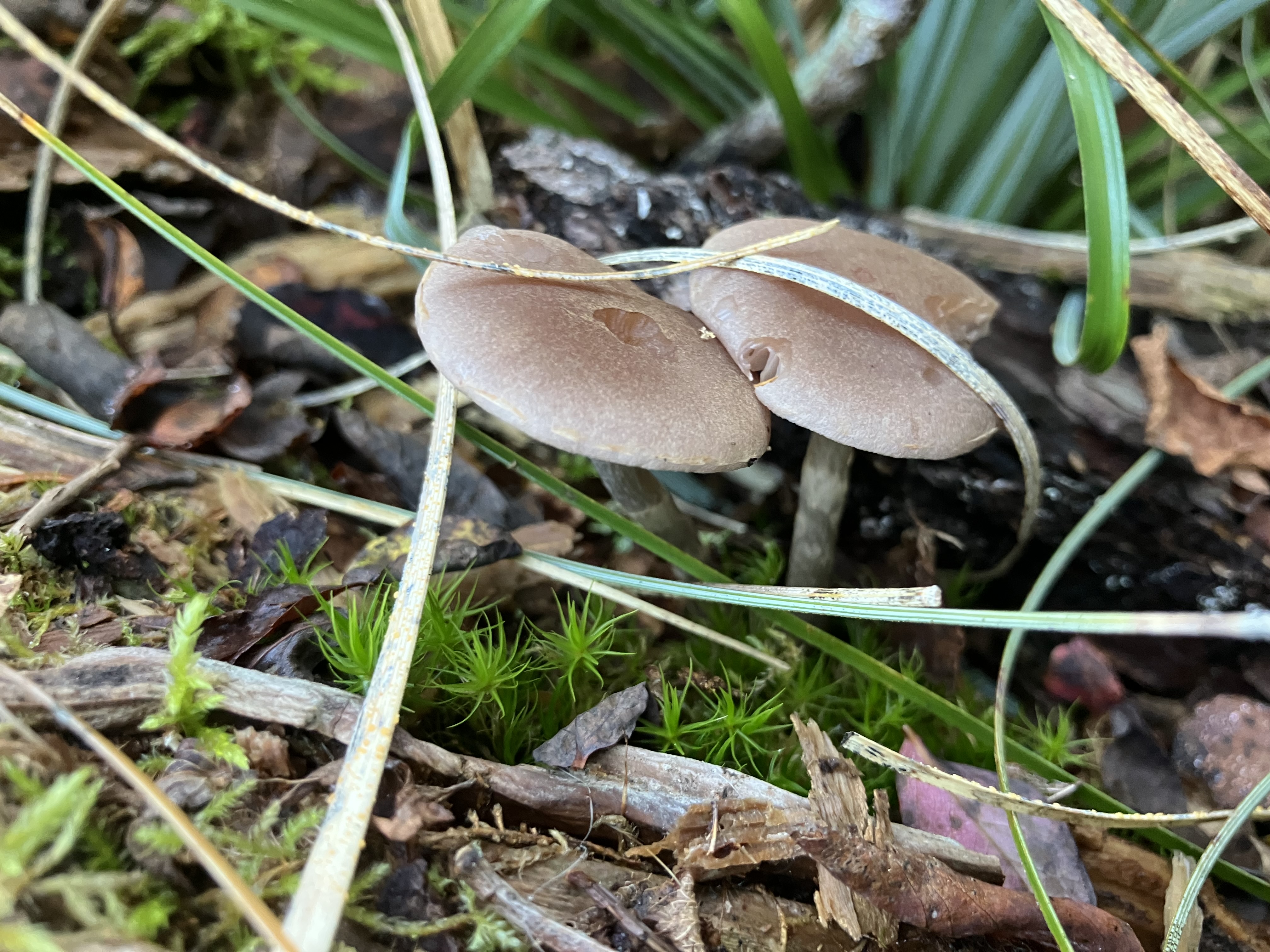
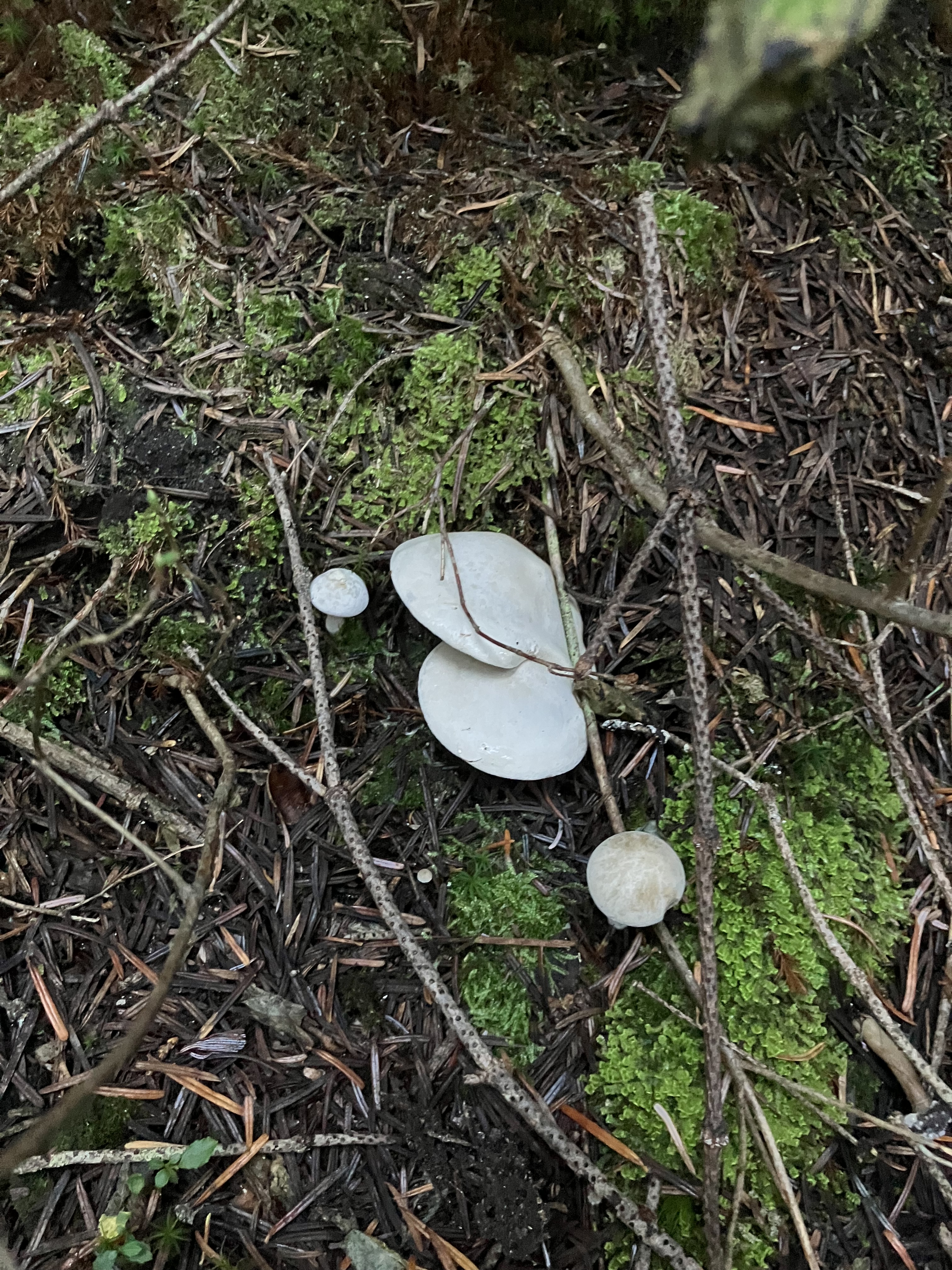
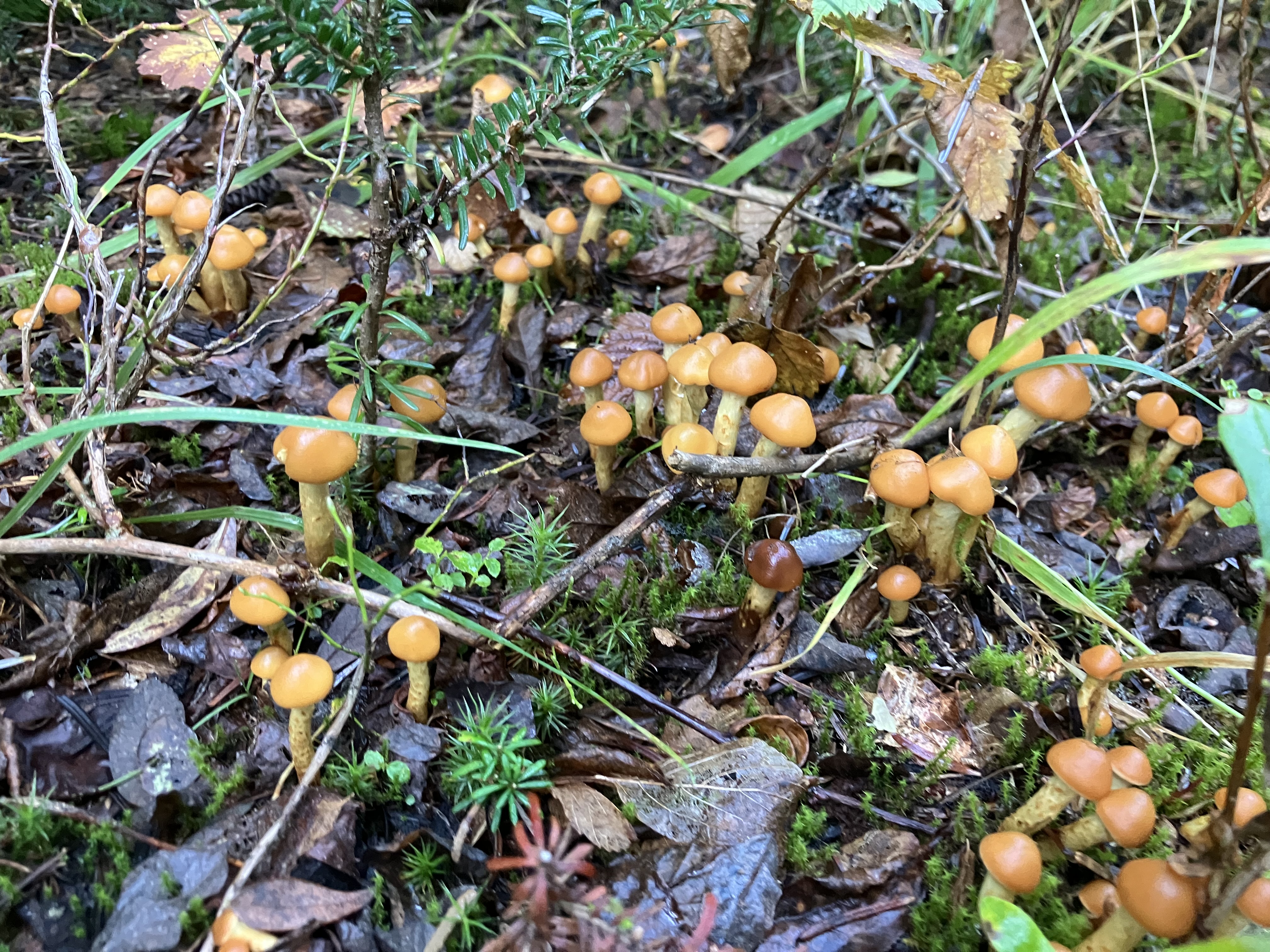
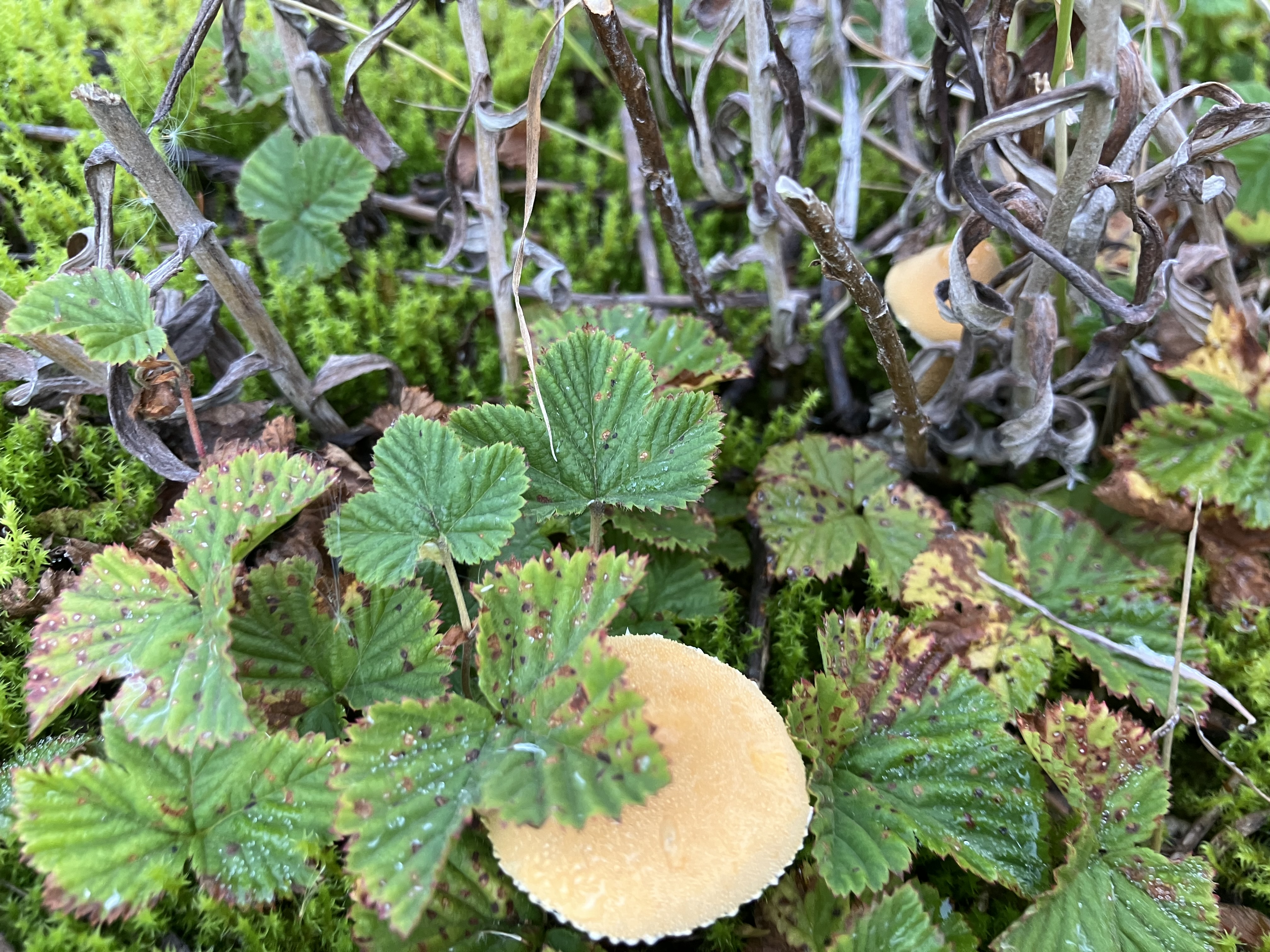
Although this first foray was lo win harvest count, I did see countless fungi up and fruiting all around. Little fruits laces in the leaves, twigs, and rocky soil of the mountain terrain signal Mushroom Spring is here. Many are blooming along the trail, partly because the spores are carried along trails on the animals and people that use them. I often follow game trails into the thicker woods to find mushrooms. But once I’m in the woods, my eyes track color, shape, and texture more than which way the animals went. On a mushroom hunt, it’s good to stay focused on the terrain, direction, and forest type. Mushrooms tend to avoid hemlock trees, and prefer a shaded slope just above water. I found most of the edible harvest just above a lake, in a well established grove of grand firs. This did not mean all the stands had fabulous mushrooms waiting, but a few stands did offer delicious harvest, enough to feed me and a few friends.
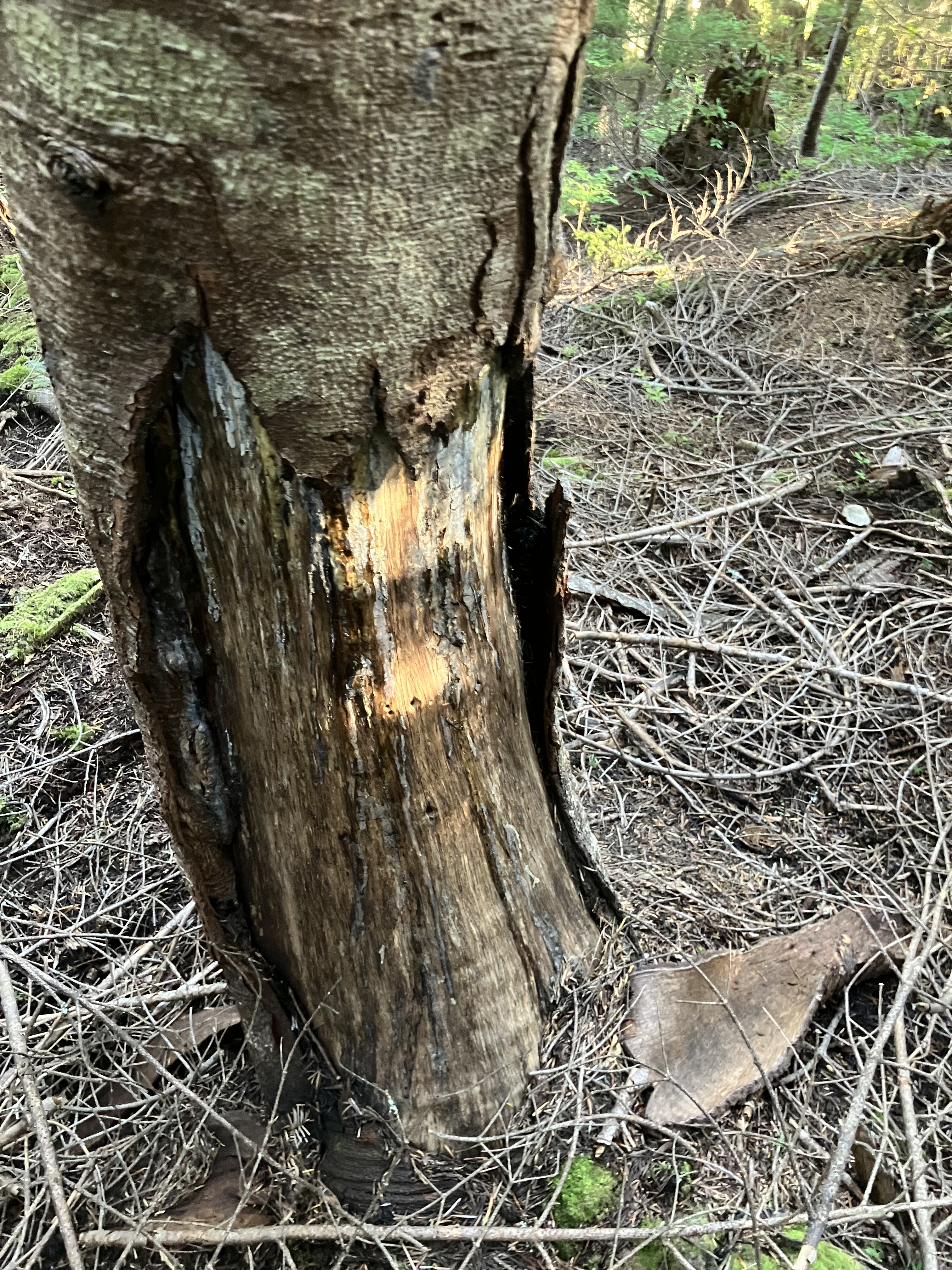
On this adventure, I did do some tracking of wildlife, as I encountered a lot of bear sign, which was expected where I was. It started with an old scat in the trail, a bear had been feasting on stone fruit, choke cherries, and left a large pile, which was picked through by grouse, who left their own scat sign in the bear’s. Then, as I made my way into the deeper forest, I found the classic sign of cambium bark feeding. What? beard eat trees? No, but yes- they want the sweet sap that flows under the bark in trees as Spring warms their layers. Bears smell this sweet treat and come to claim their share. They bite the base of the tree, peeling back the bark to expose the running sap. This can harm young trees, even killing them if the bark is peeled back too much. In tree farms, special bear hunts will happen if too many young trees are debarked. In this sub-alpine area, there is not a timber industry ruling the grove, so the bears eat freely, and the forest grows.
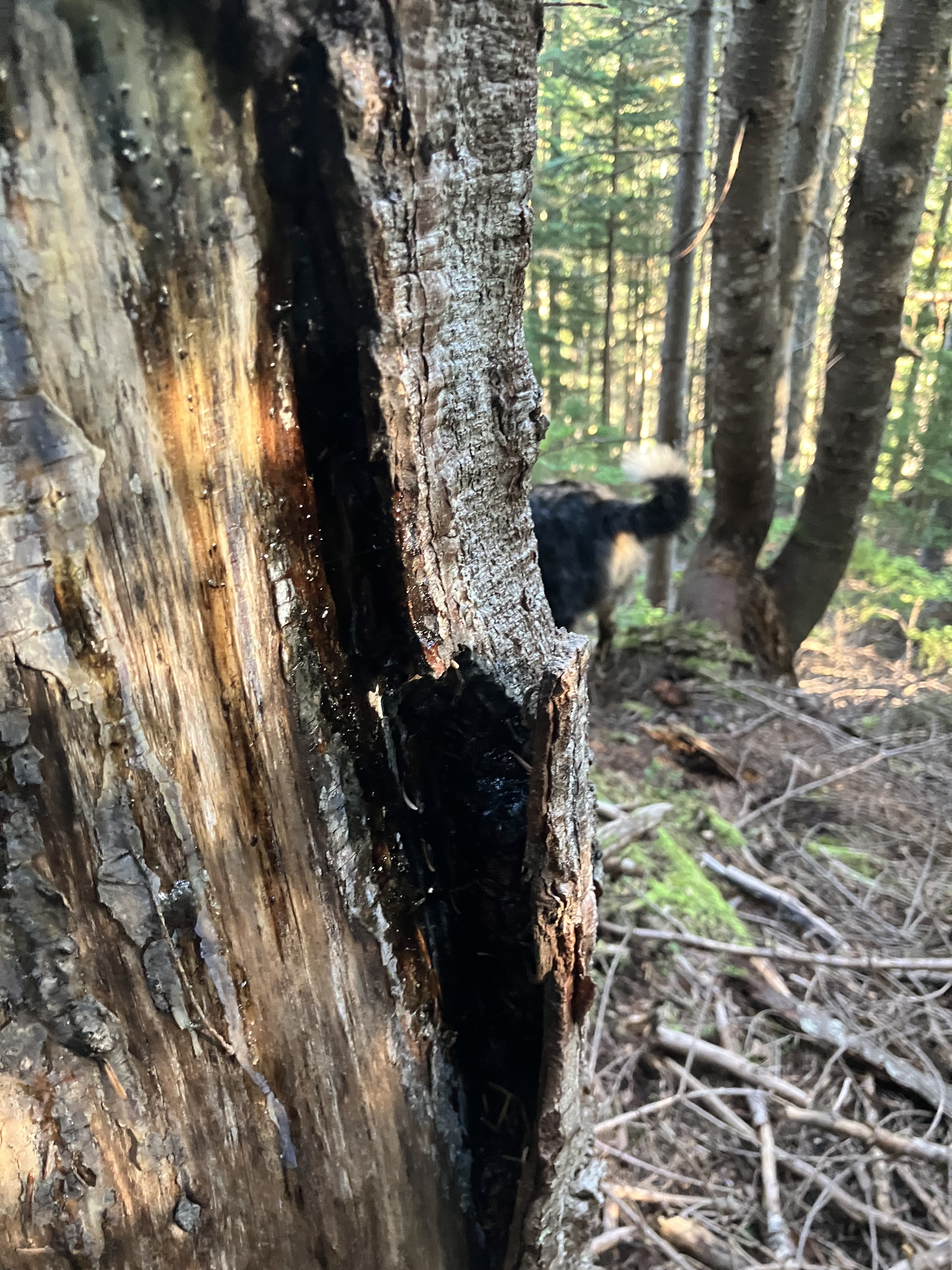
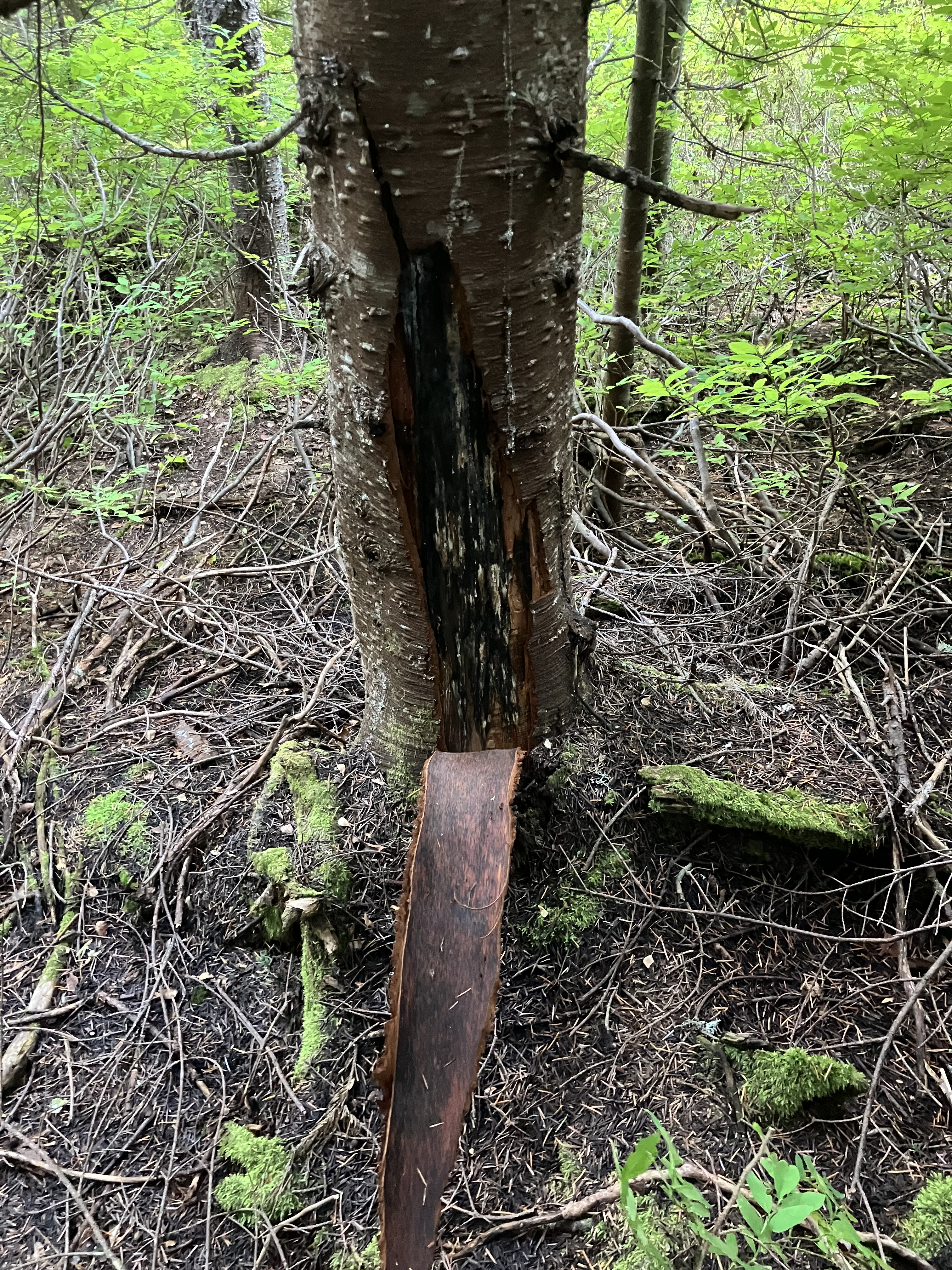
Am I worried about bears in the woods? No. I have my dog with me to alert if there is wildlife about. Nothing peaked my dog’s nose, so we foraged freely. If a bear was nearby, I’m sure it high tailed it away from us. bears don’t tend to like confrontation, and only really become a threat if they are habituated to people or a mamma bear protecting her cubs. It’s not cub season, and I’m out in the woods, a good 2 hours from the closest neighborhood where bears could be learning bad habits, due to careless human action, like leaving smelly trashcans out, hosting bird feeders and letting the seed build up, or any other number of seemingly harmless actions that could spell death for wildlife. Most nuisance animals are killed, because relocation rarely succeeds. People are the only cause of nuisance animals. We are to blame for every encounter we cause. On this day, I was clearly a visitor to the bear’s woods, and I leave the place as I found it- minus a few mushrooms, which the bear did not harvest for its self. Yes, bears to eat mushrooms- they are omnivorous, and glean what they can from the land as they move through it. Luckily, they left a few specimens for me.
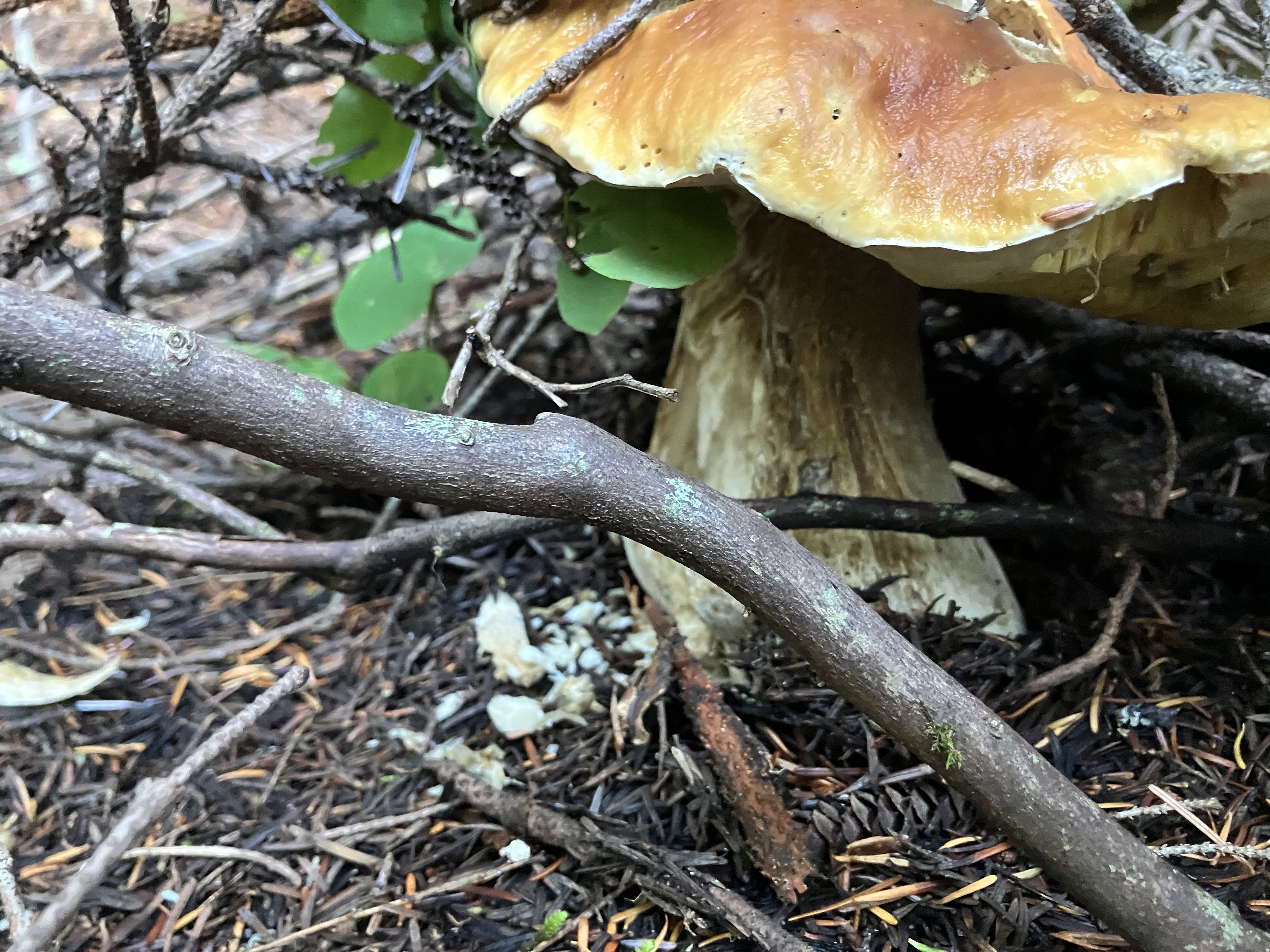
Like I said, it’s a slow start to The Mushroom Spring. I harvested five mushrooms, but two of them were vollyball sized- and still good. Often times, larger mushrooms are too riddled with bugs for our plates. You ideally want to find mushrooms that are still firm to the touch, yet open enough that they have released their spores already. If you don’t know what I am talking about, please don’t forage until you know more- and take a class. More and more incredible information is also being shared online- from reputable sources- so always check your sources for mushroom info. Who should you trust? Well, academia is a good place to start. Or your local mushroom club. An organization that takes you into the woods to learn is ideal. I have clients here in Western Washington who I take out from time to time, but what I teach is limited, because I am no expert, and do not claim to be. I just love mushroom foraging, and have been doing it for over a decade. I started with experts in the field, learning some basics and then taking more formal classes at our local university when offered. I’m still a novice in my own opinion, and do not teach more than basic ID to most people.
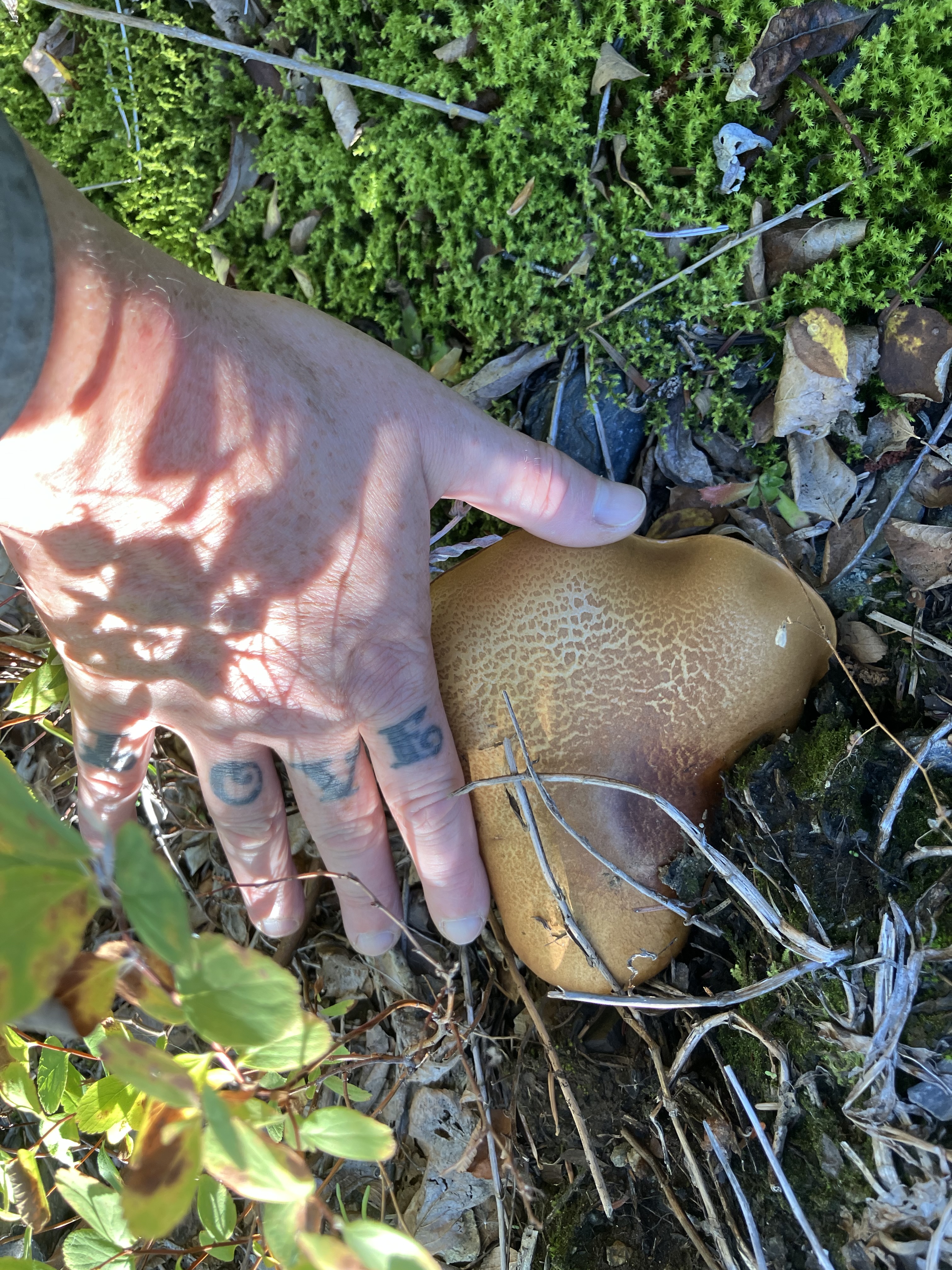
Meet the bitter bolete. It taught me about assuming all boletes are yummy. I harvested a bundle of these one year thinking they were queen boletes. They were not, and luckily, because I knew this family in my specific region was not poisons, I felt free to cook them up and eat- spit out, the very bitter fruit when it hit my tongue. That was a “kind” lesson from the mushroom world. Many other lessons can be deadly, so again, don’t play with mushrooms. How can I tell bitters apart from edibles today? Everything from the color of the cap to the shape of the pours, which took a decade of observing in the field. I still stick to non-gilled varieties, in general, avoiding the most dangerous look alikes. Again, don’t go if you don’t know. Take pictures, look around online to learn more, and take classes if foraging is something you really want to learn. For me, the excitement of seeing so many different kinds of fungi fruiting in the woods is thrilling. I’m looking for food, but also observing the sheer diversity of this remarkable kingdom.

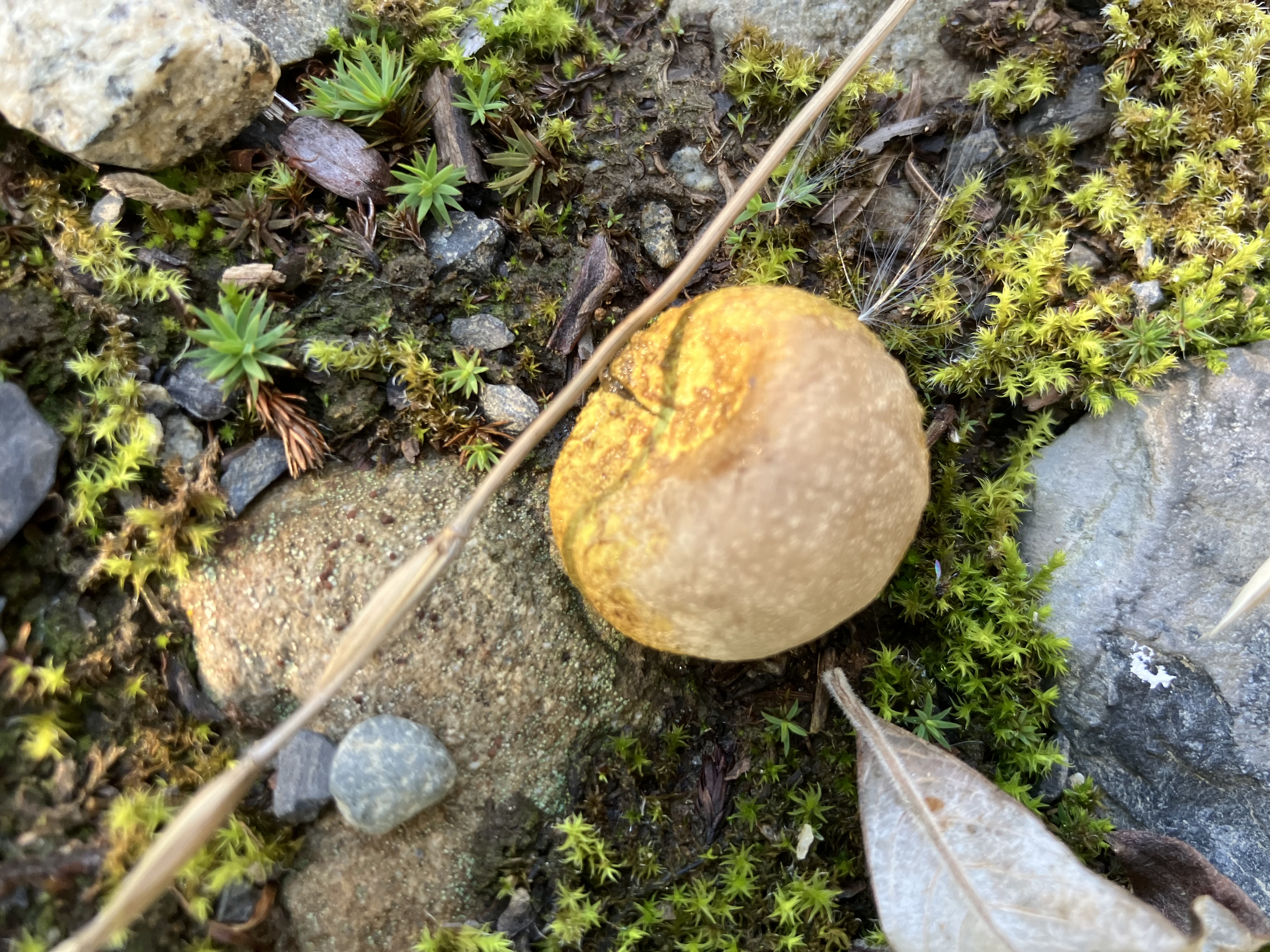
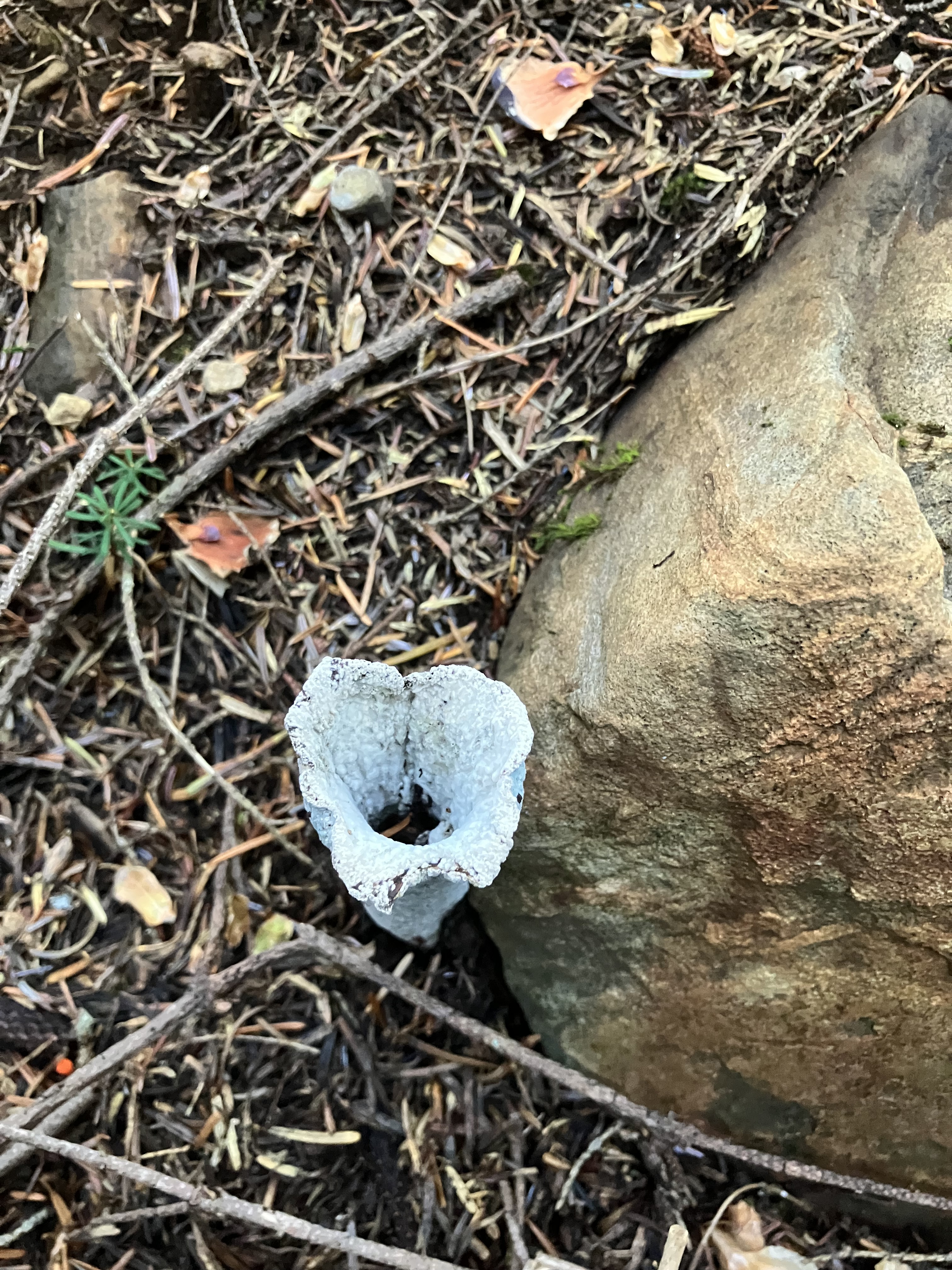
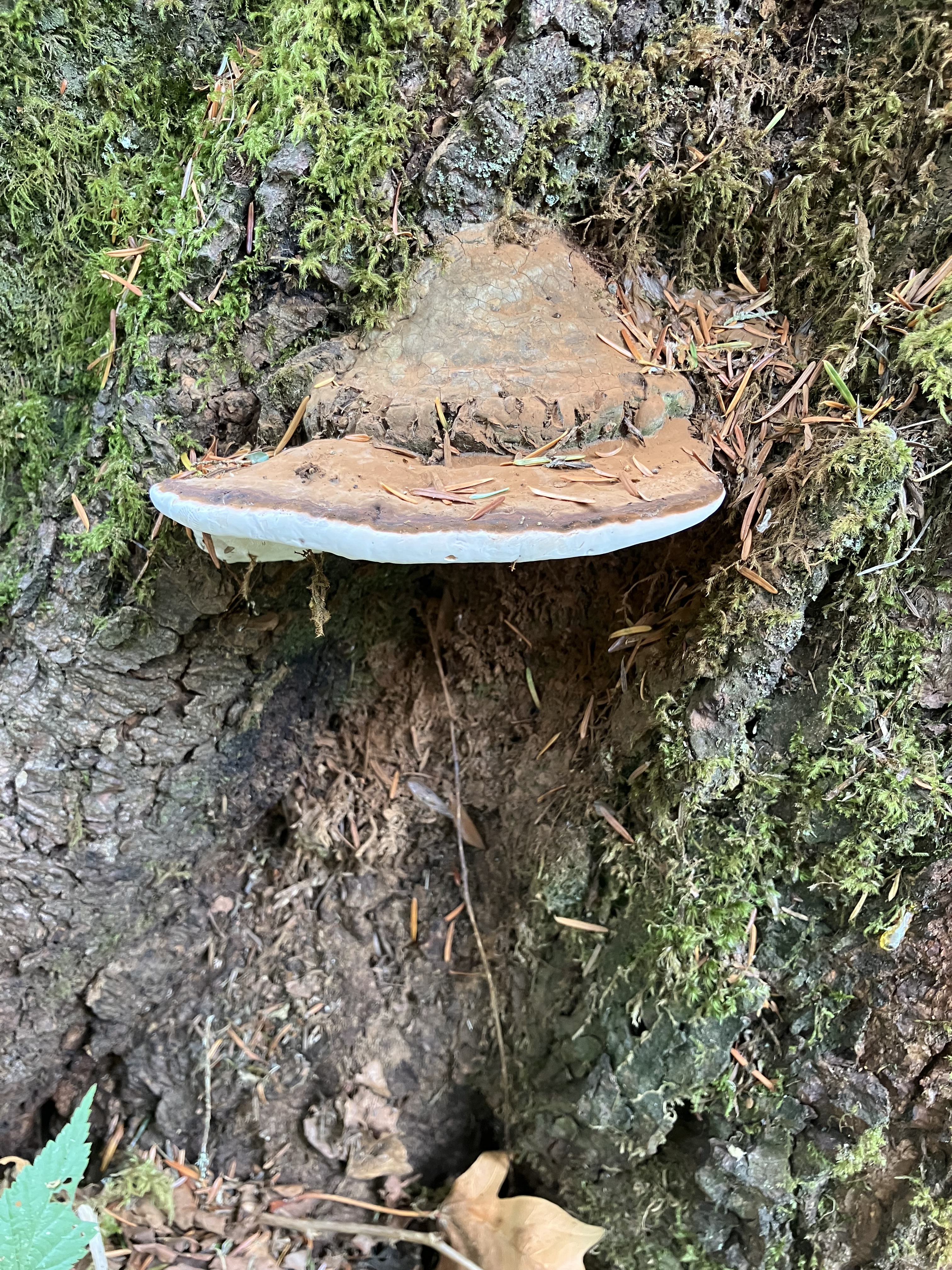
Mushrooms are great teachers in my life, and I am so glad to have a friendship with them. Any time I go into the woods, I’ll see a mushroom in one form or another- from slime molds to bracket fungus, this world is full of every shape, color and texture you could imagine, and it’s all there to observe and learn from as you spend time in the woods. I am grateful for every foraging adventure I find, and also happy to be surprised by an unexpected encounter where I might take home a meal, or mystery to unravel. I’ll be sharing more about this season as it evolves, look for more mushroom updates to come!

 EEC Forest Stewardship