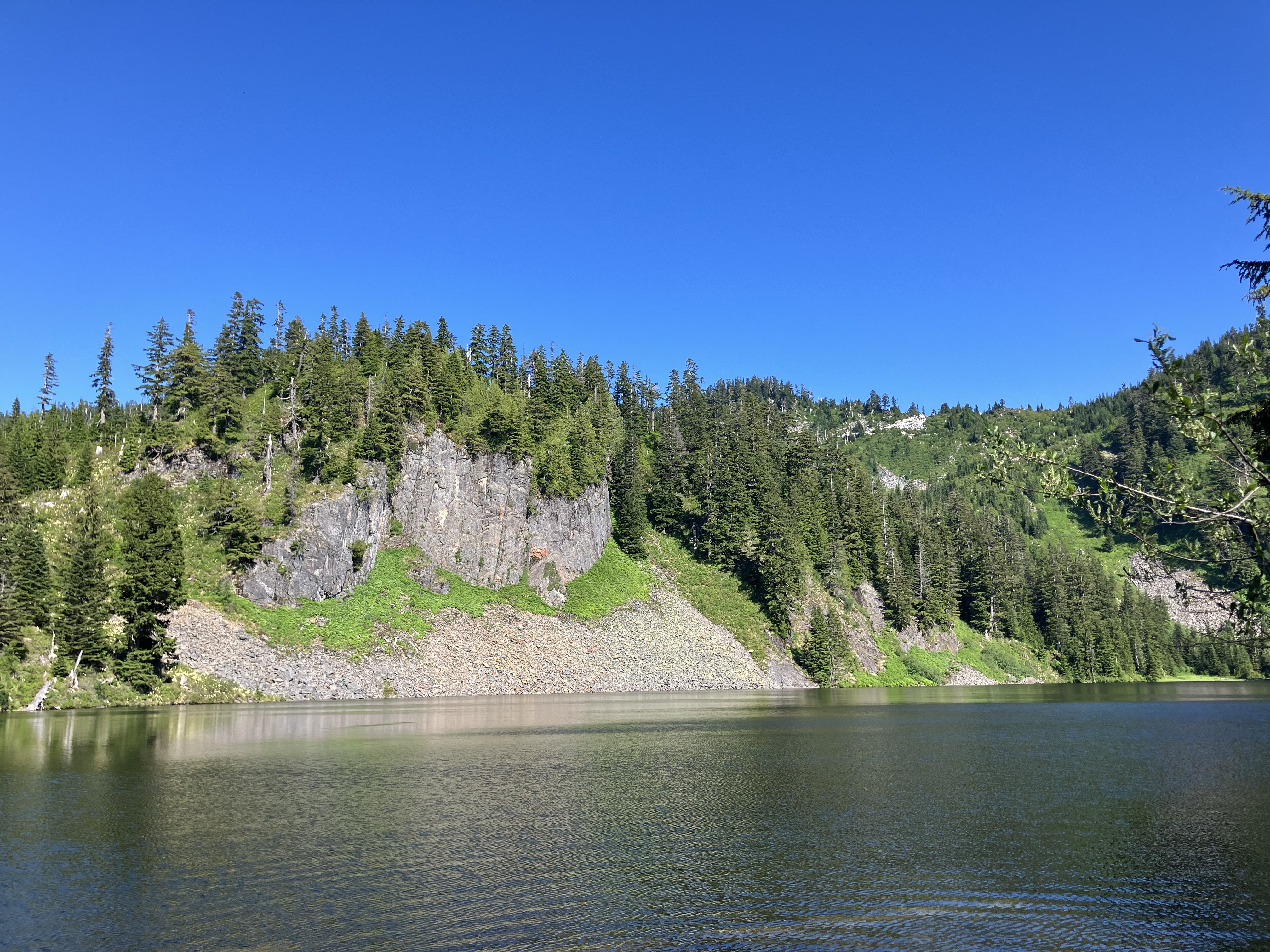
On the last day of June, 2025, I drove up to the alpine region of the tree farm for cooler air and some good back country time. At SCM Lake, I took a trail I had been told circumnavigates the lake, but I did not expect this to pan out, especially because this area of DNR land has gone back to nature in the last few dacades. There is some minor trial maintenance happening by hikers passing through, but it will take a lot of hours with hand saws and clippers to push back the slide alder and willow reclaiming the old logging roads. Yes, this area was clear cut by industrial lumber industries. I think it took till the 1960s to get up this high, but the much of the old growth trees were chopped and hauled out by trucks. You can still see the sun bleached stumps on the slopes as testament to the forest that once stood. New trees are establishing, and a few old giants- mostly wind topped and therefor unappealing to the lumber market, stand as beacons on high scree fields or along the lakes that dot the low pockets between ridge lines.
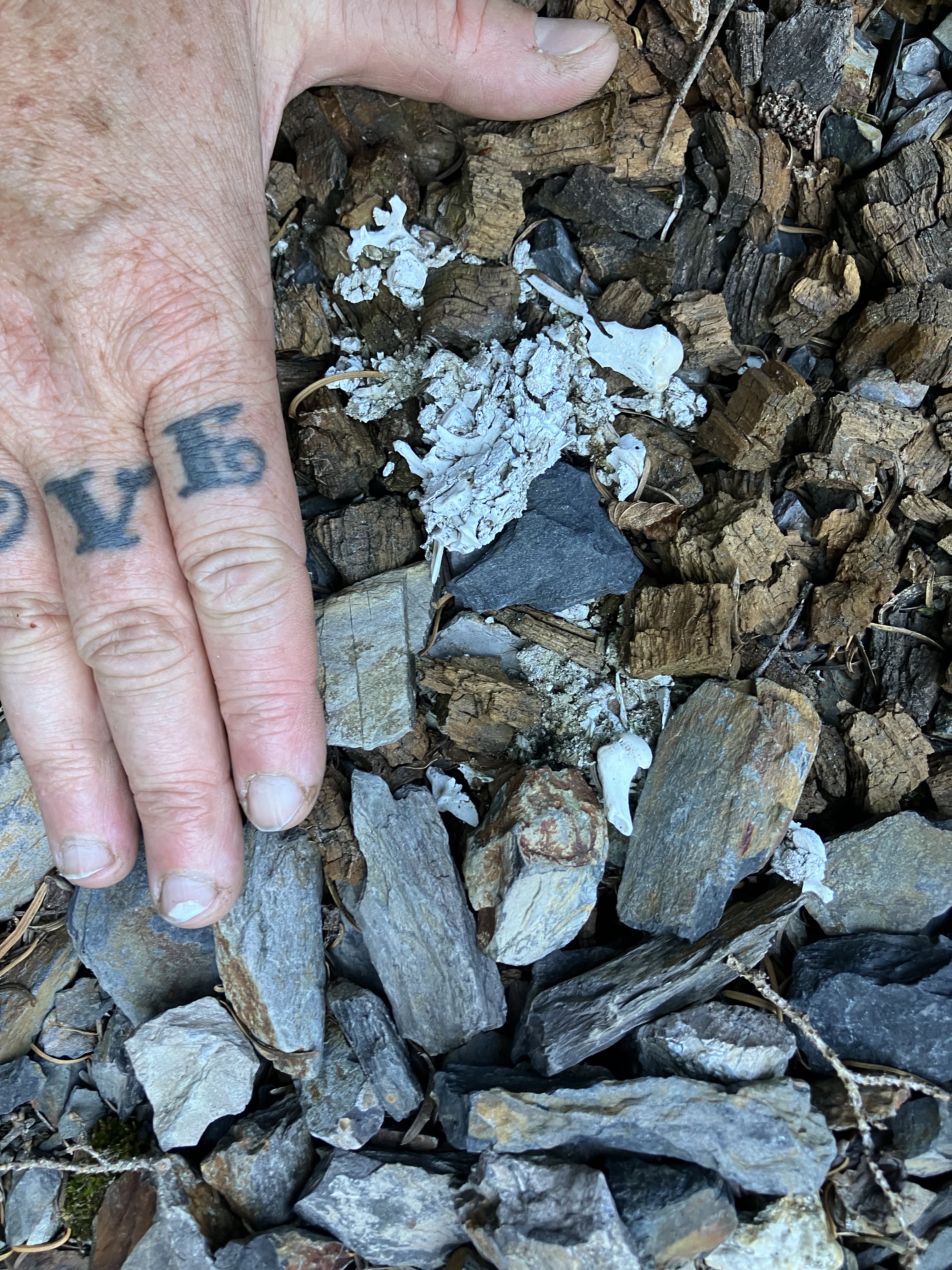
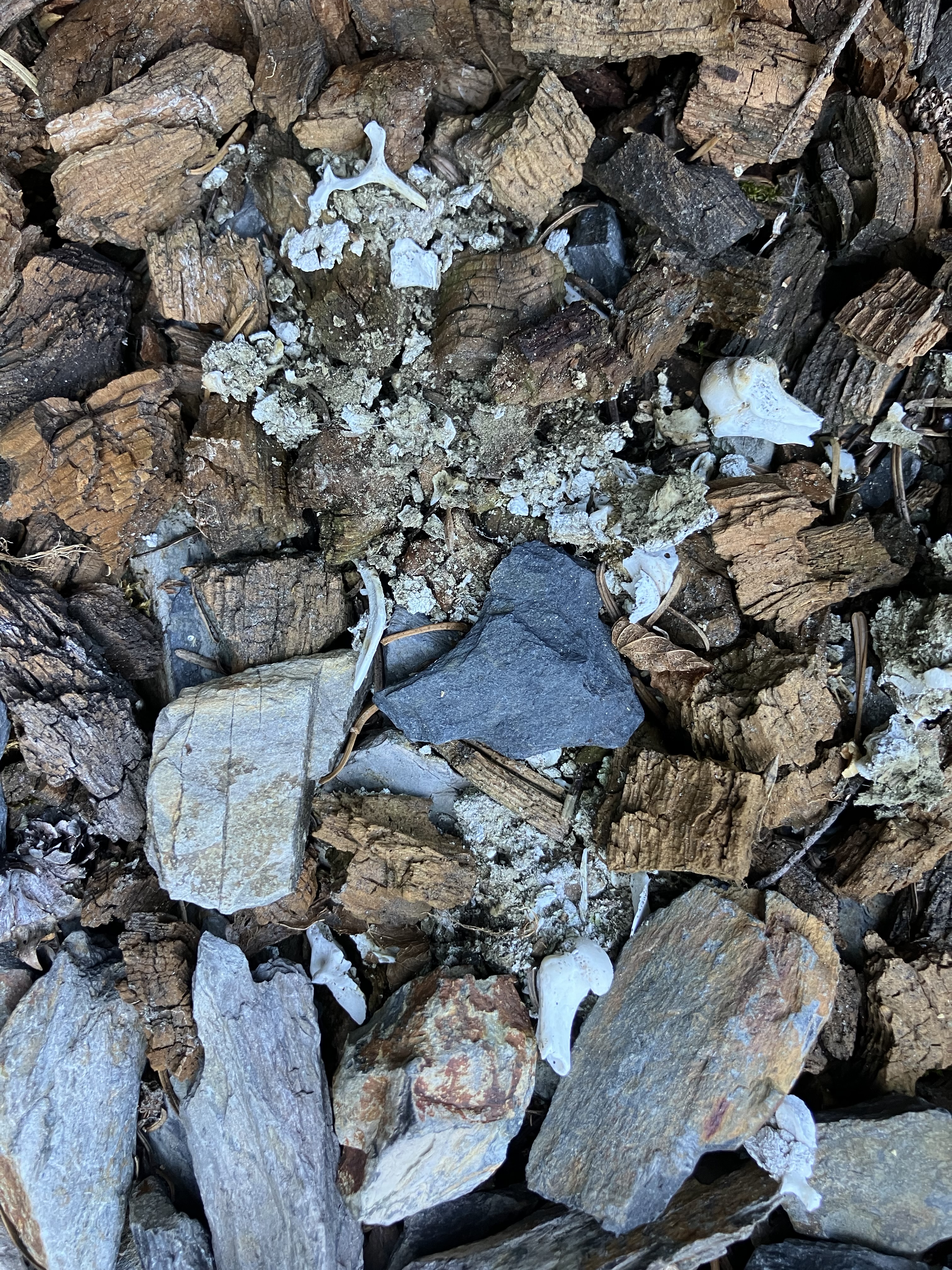
The trail I chose goes south of SCM Lake, along one of the old gravel roads. Sixteen foot high willows bend their branches out into the sunlight along these clear avenues along the steep mountain sides. There were large boulders to scramble around, along with crumbling frost heave edges to avoid. My dog Val picked the trail through some slide alder, but eventually, I had to choose my own way through the woven branches, not being low to the ground and able to slide under the low branches and arching canopy all around. It was still smooth travels, and I began to pick up on the wildlife trail I was following. What moved through these highlands and matched my size? Elk, deer, cougar, and bear. As the road began to climb up, ascending to the ridge line above, I began to look around more closely for animal sign. Scat is common along wildlife trails, and I soon came upon some old, but interesting segments of poo. The masses were white with bone and age, sun bleached, and probably buried under snow for a bit of time this winter too. What I guessed were rabbit bones volunteered themselves out of the decomposed hair and powdered remanence of the scat. I could not tell what animal might have left this dump in the woods, but the bones told me predator of some kind. Later, I stepped over a massive pile of salmon berry seeds. Since the plants are only just flowering at this elevation, I concluded the pile was left in Spring of 2024, and, because of the size, that a bear used this trail. Coyote will also have seeds in their poo, but not such a massive pile as this. It was a dinner plate’s worth of spread, no coyote could crank out that kind of refuse in one movement.
I walked about 100 feet along the overgrown road, looking for more recent evidence of wildlife activity. I came to a place in the trail where the animals went up a dirt and clay bank, leaving the road for the thick woods, probably heading up into sheltering spots on the higher ground. There were many tracks in the dirt, but no recent bear. I figured the bears would be more interested in seeking fresh plant growth, young leaves and flowering herbs covered the area. I began to note each species, all in flower, or close to it.
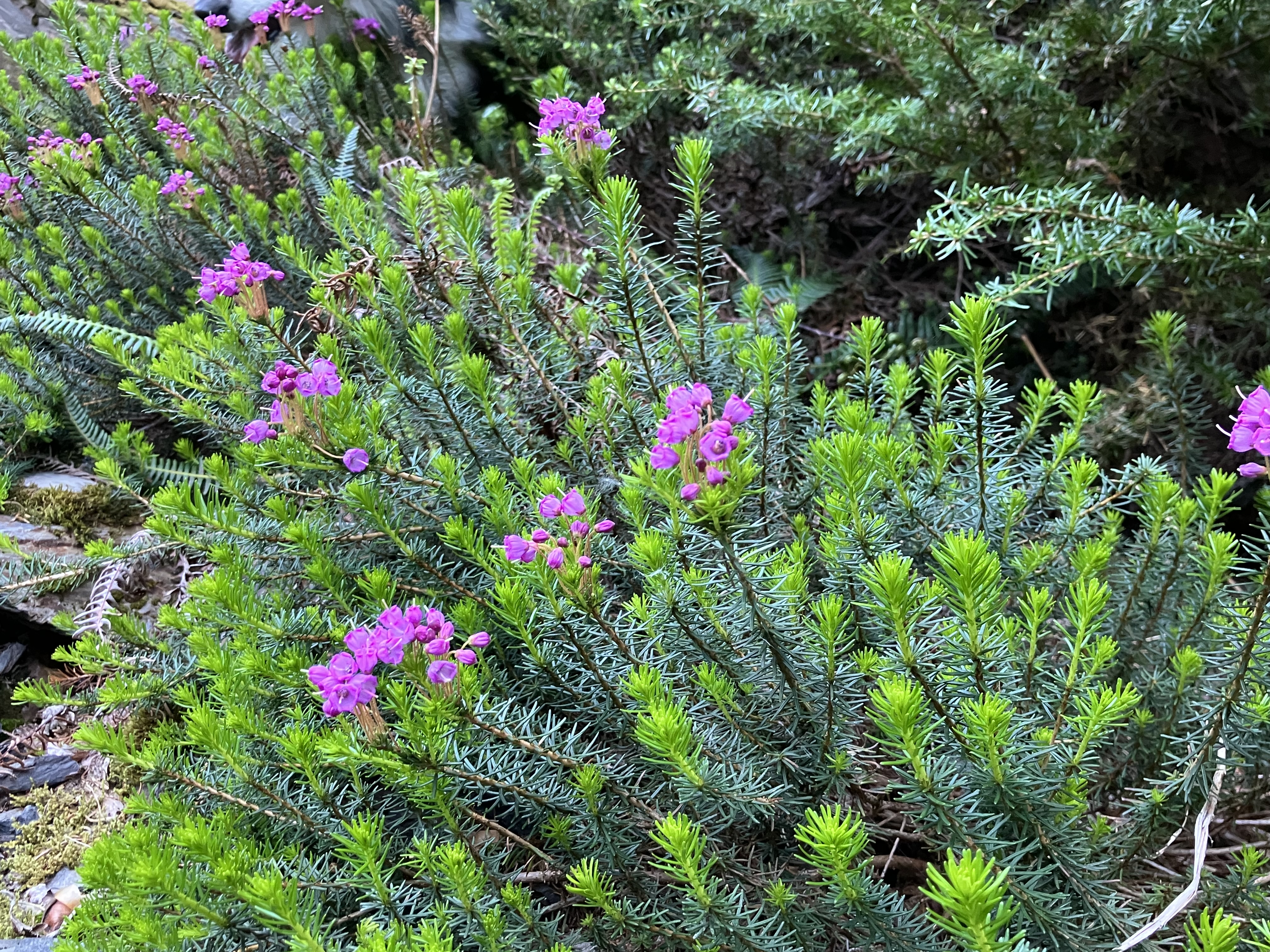
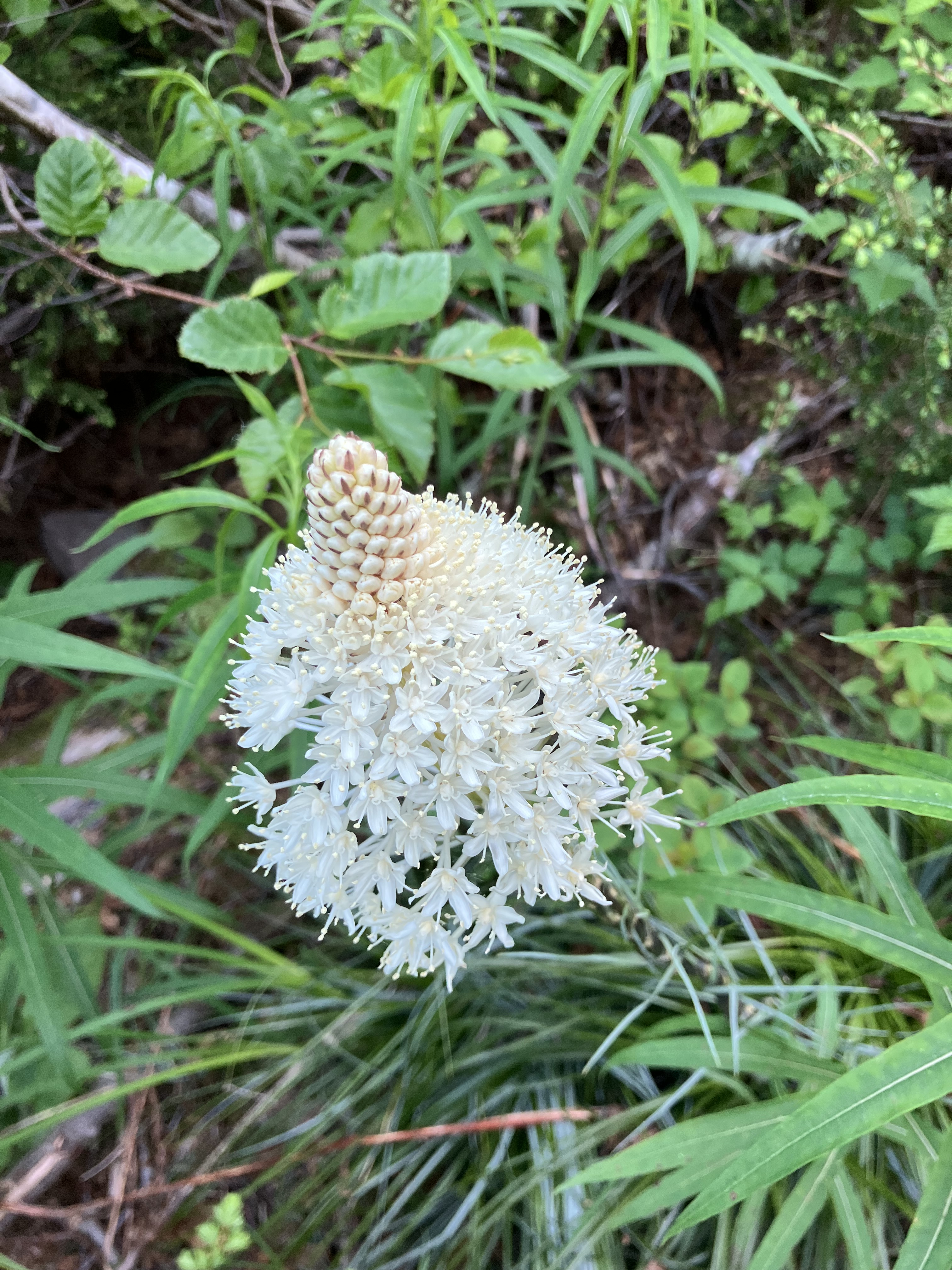
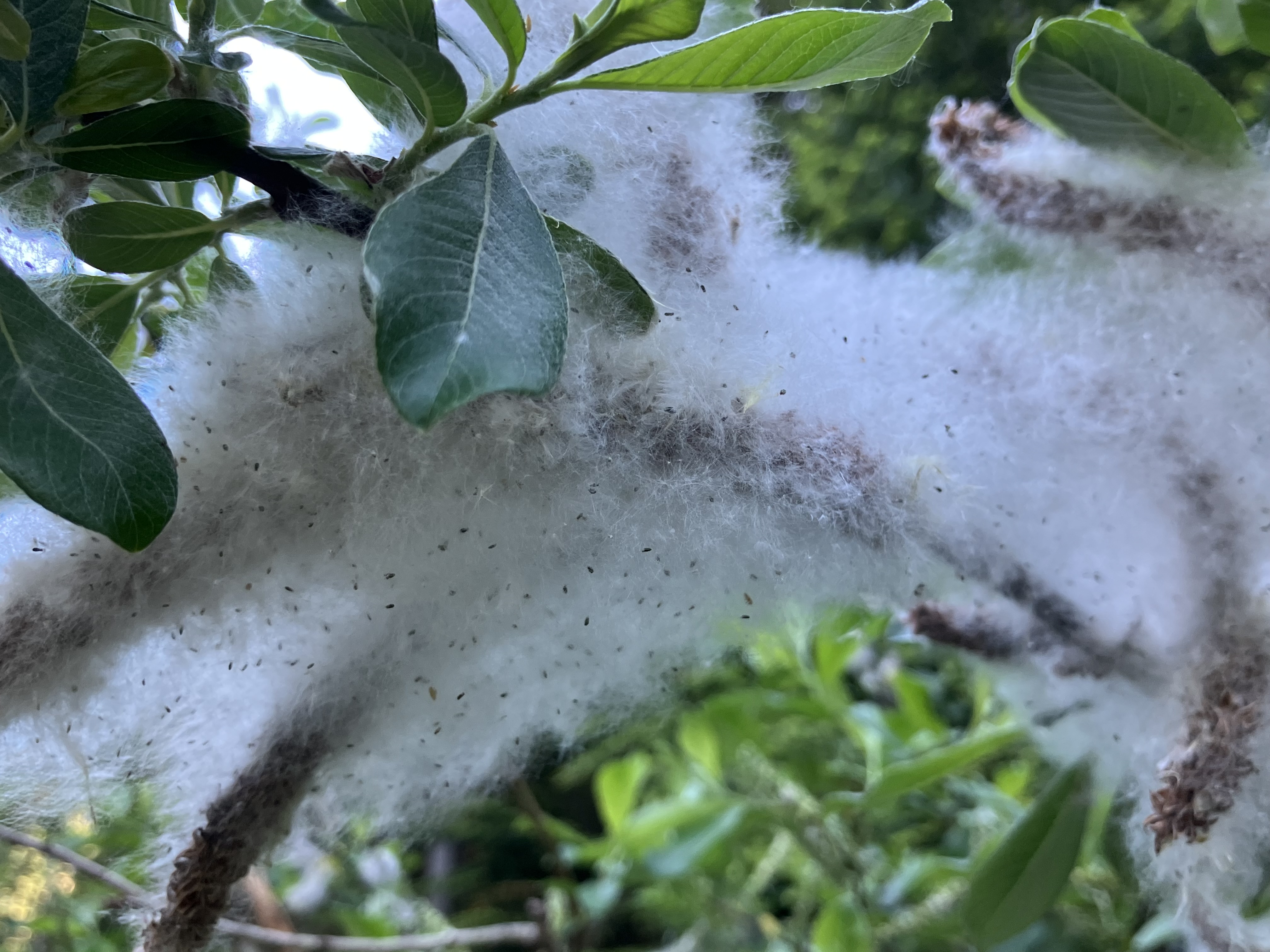

It was amazing to see all the diversity, even after man’s cutting, rocking, and compacting of the environment for industrial profit. With the current administration governing our public lands, these areas could easily be logged again, and soon. Because there has only been one major harvest in this delicate alpine environment, many of the native plants survived because of seeds still in the soil, which were allowed to germinate. Most commercial timber forest does not get a second chance like this. It is cut within 40 years, sprayed with toxic herbicides, and planted with a monoculture again and again. These alpine elevations with steep mountainsides were deemed too difficult to cut, and too slow growing to be considered for long term commercial use. If they are cut again, we’ll loose what’s left of the native plants already endangered by our profit greed.
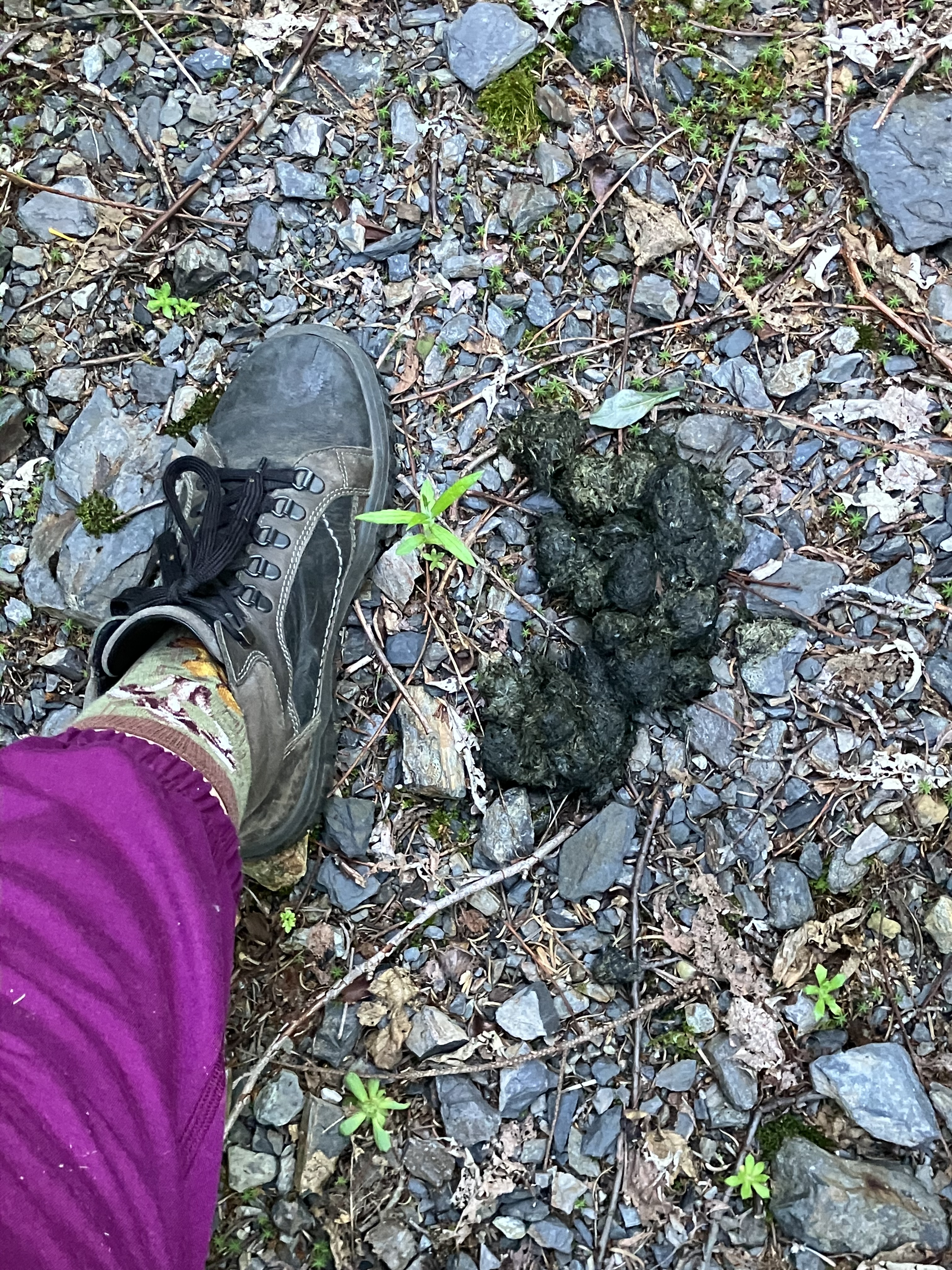
At a fork in the road, I came upon a scat made this season, maybe only a few days ago, but my aging knowledge of animal droppings is not strong. I do know it has rained here recently, but the poo was relatively intact, so it could have been dropped the night before. I knew it was bear, by the size and shape. Cougar scats are very segmented, full of hair and bone, and usually, accompanied by a scrape or two in the substrate. This poo was slightly soft and piled, full of Spring vegetation, which is watery, causing the scat to soften. Big cats don’t eat veggies. I captured a picture with my foot to help with scale, this is a massive poop, no coyote or bobcat could drop such a pile. Bear are active and around, I grew excited at the thought of seeing one. My pup Val was not as excited, she sniffed, wandered, and checked a few old burrows, but gave no signal that any large wild omnivores were around. Most dogs will pick up on fresh scent, subtle noises, and alert accordingly if wildlife is nearby. My climb continued up into bear country.
At the top of the ridge, the road ended, fading into dense spruce and mountain hemlock groves that can latch on and hold on very steep ground, forming clusters of evergreen canopy. It takes these higher elevation trees much longer to grow, so they are smaller looking than low elevation trees of similar age. I slipped under what was probably a 60 year old mountain hemlock, trying to get a view from the top of the ridge. Below me to the north was the western edge of SCM Lake, and towering above on all sides were more ridges and mountain peaks of crumbling granite and basalt. It was a heck of a place to call home. Carefully, I picked my way back through some loose scree to the road and pushed through some more thick brush to another viewpoint to the west. More rock lined ridges and pipe cleaner spruce forests dotted the landscape. Though all this climbing, a chorus of varied thrushes murmured through the mountains, casting a magical spell over the whole wilderness. It was sunny and cool, breezes brought the fresh lush space alive with dancing treetops and rustling willow branches. The mental unwinding in these highlands remains priceless, and the privilege to come here, taking the time to access far wilderness on a Monday afternoon.
As I turned to pick my way back down from this trail’s end, Val became quite animated and headed off the south side of the ridge, away from the road and our path. She came into a clearing of small boulders and began sniffing all around excitedly. I assumed she was tracking a marmot or pika, but then I saw some truly fresh bear sign and join in my dogs excitement.
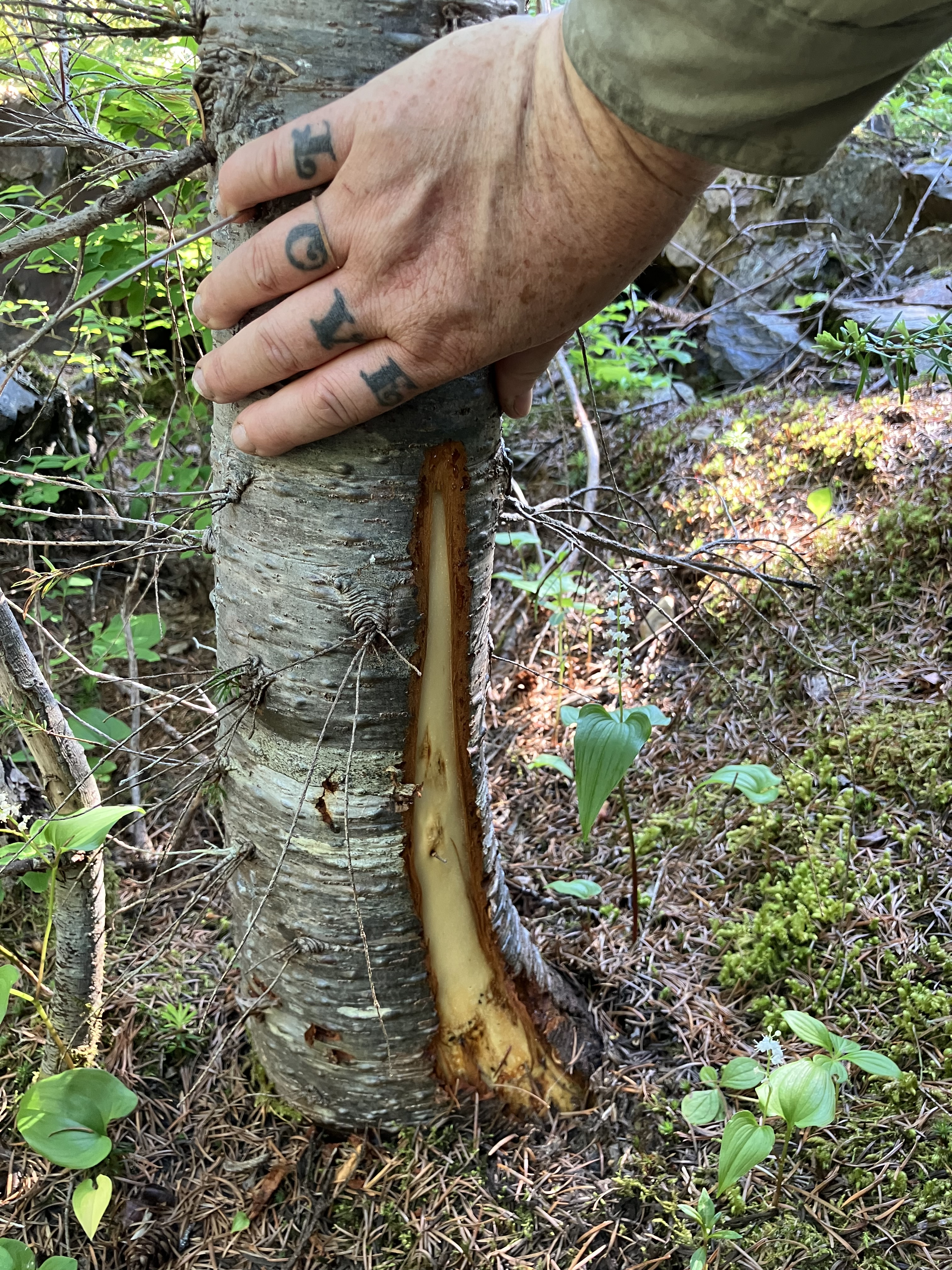
Cambium feeding is why tree farms don’t like bears. In Spring, when the saps start flowing in trees after a slow winter, bears seek out the sap by tearing off part of the bark at the base of younger evergreen trees. In a more natural forest, like this one, allowed to grow back from seed, the trees are spread out and diverse enough to handle these predator encounters, but in a monoculture tree farm, bears will come into a whole forest of young trees and hit them with gusto. Sometimes, the cambium feeding kills the young tree, but the one above it more typical; small tear which can heal over time. In the picture above you can see bite punctures on the trunk where the bear bit and stripped this piece off. This could also be a territorial mark to let other bears know who lives here. Val remained on the scent, running around and looking off in different directions, listening, but the bear was long gone. It might have been just off the top of the ridge when we came along, but would have quickly descended away without our ever knowing. I am always blown away by how fast and quietly bears move through thick cover to get away. Some might wonder why I was not more concerned, but between the dog and all the options for the bear to get away, the chance of an actual encounter were slim to none. The few times I’ve ever seen a bear, it was usually the hind end diapering into the brush. Black bear are not usually combative or threatening at all- unless you encounter a sow with cubs. I saw no sign of young bears, yet kept an alert ear and watched my dog’s behavior closely throughout the hike.
We left the clearing and headed back down the road. I kept an eye out for more cambium feeding, but saw none along the gravel road, which was not a huge surprise considering most of the trees on the road are deciduous. It felt like we’d stumbled into the bear’s living room, then headed back out onto the street to give it space at home. Of course, the whole area is the bear’s home, since black bears are known to travel several miles in search of food. They tend to stick to familiar paths and home ranges, not migrating over vast territories. If their larders are drastically changes, say, with clear cutting or the development of a neighborhood where forest used to grow, the bears die out, because they have great trouble relocating to unknown areas where they did not grow up learning about food sources from mamma. Bear trails are often ancestral, meaning many generations of bears share the same larders. The trail I was on today is a well established bear trail, also used by other wildlife traversing the area. Roads are often used by wildlife to get around. They seek convenience the same as people, only we make vast cuts into the landscape to extract natural resources on industrial scale, not on foot with our bare hands like the other animals. It’s sometimes quite hard to fully grasp human scale on the natural world, but it’s short sighted at best.
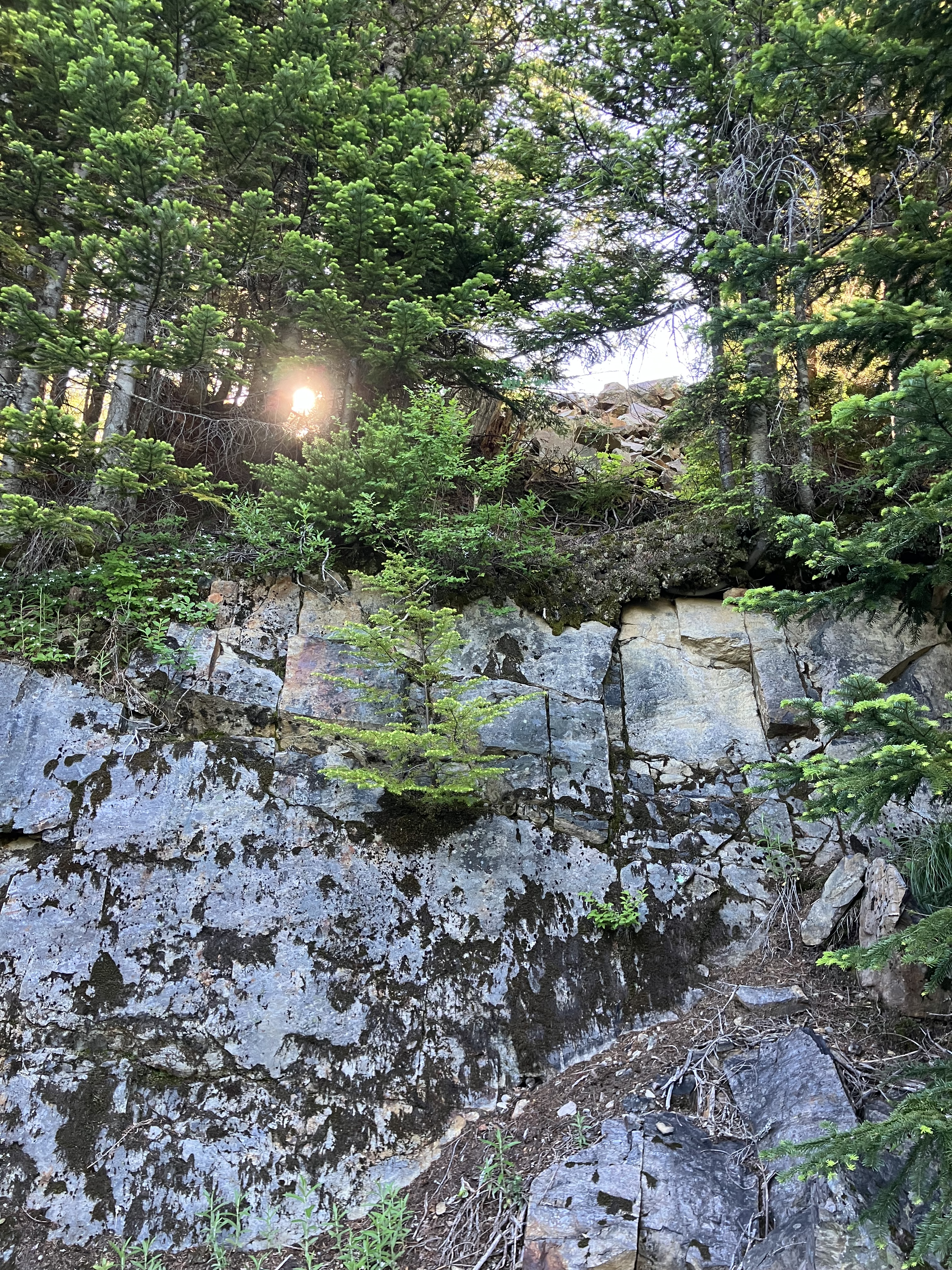
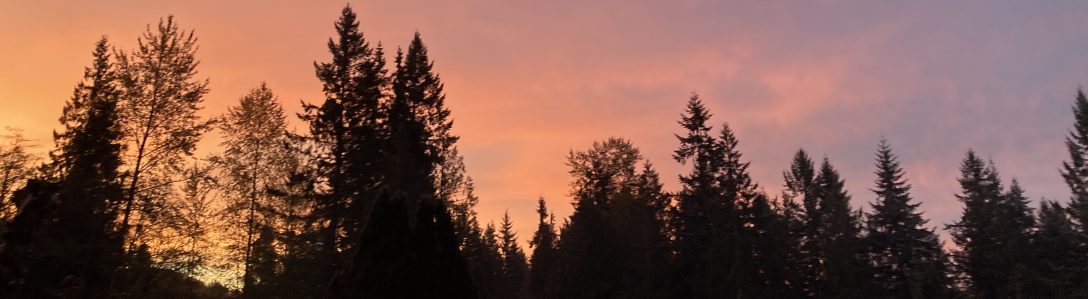
As the shadows lengthened across lichen shag walls of blue basalt, evening settled across the mountains as we headed back to the truck. Crossing the outflow of SCM Lake, I took a moment to face the ridges, thanking them for holding so much wildness, and teaching me so many good lessons when I visit. Ancientness holds strong in rock, tree, and the very earth holding it all together. The bear roams here in wholeness, and I hope to take a small piece of that sense back to my own land for some grounding. Thrushes will be singing the same songs in the valley, where EEC Forest Stewardship stands on its own ridge line where bears often roam. All this is connected through our very being, and when we take time with out wilderness, we become a little wilder ourselves.

 EEC Forest Stewardship