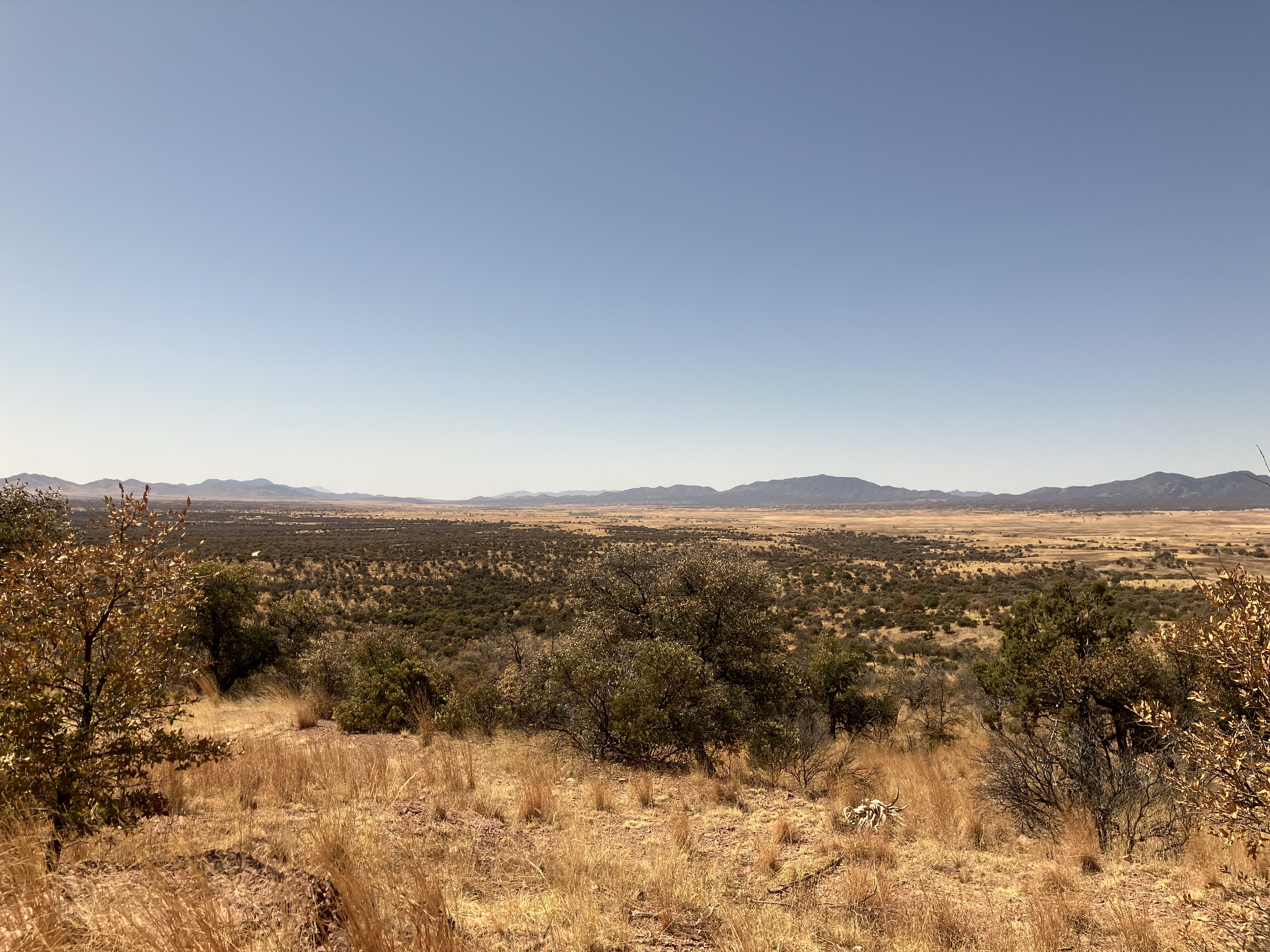
A rare chance away from the farm found me in Southern Arizona for a few days. I was lucky enough to get a road trip tour of The San Rafael Valley from my family Appy, who truly loves this special place. We started our day in Tucson AZ, which is a very different ecosystem of low desert cacti and mesquite. We then ascended several thousand feet, to about 5400′ through The Canelo Hills and down into the largest short grassland prairie left in North America. Even in April, temperatures rose into the nineties as we crested over the pass and down into the expansive plain. Oak now dominated what little canopy remained. Along the mostly dry creek beds, cottonwood towered, signaling seasonal flow in an otherwise bone dry landscape. Crackling yellow grasses bent in the breezes, rustling reminders of a record dry year for the state as a whole in 2025. Spring green is lost to the dormant browns and dust covered leather leaves that did remain on evergreen oaks.
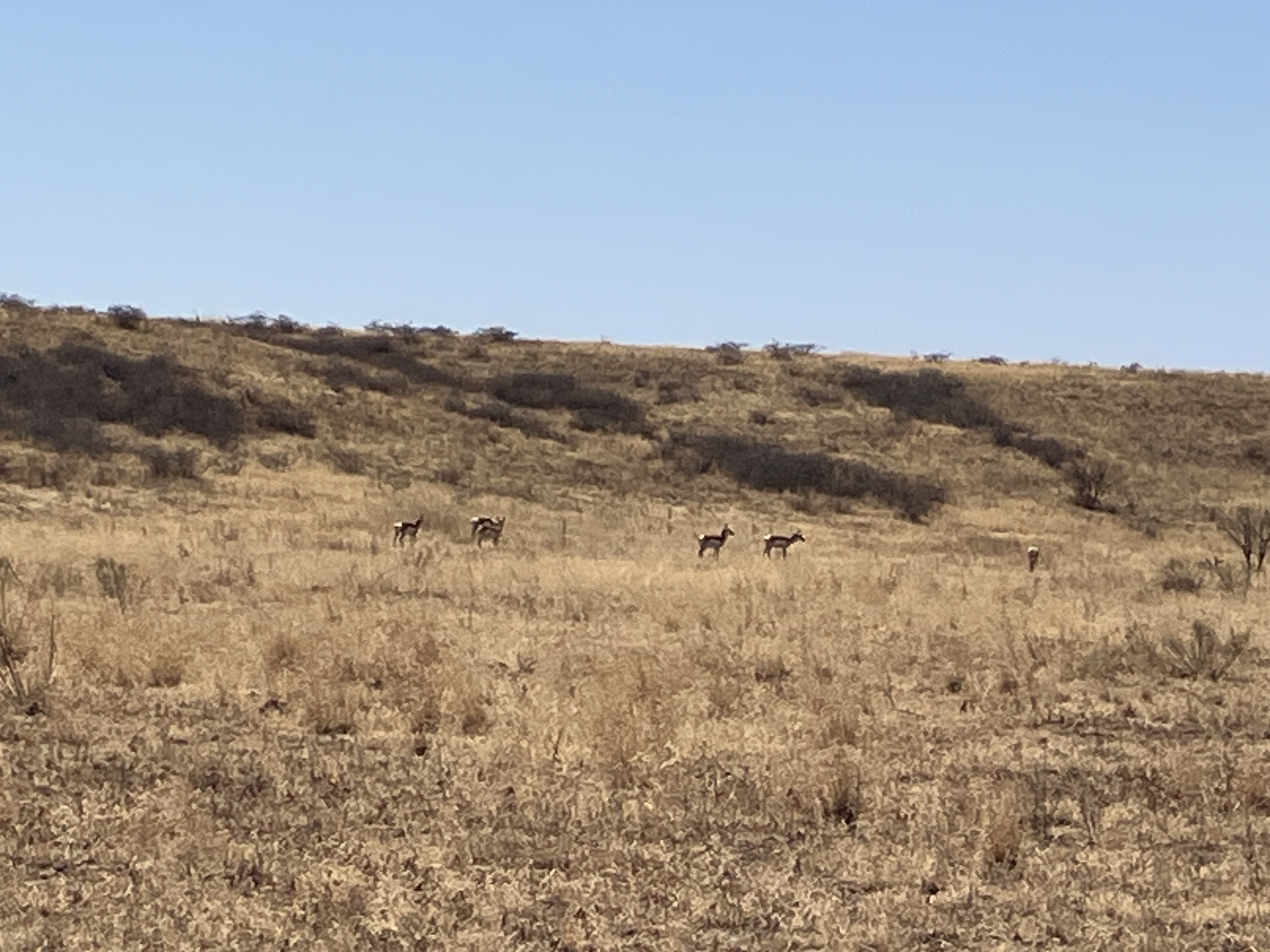
For the wilderness left within this State Natural Area, pickings are slim, but sign of life moving in search of better grazing remain present. On an landscape dominated by cattle, these pronghorn follow well trudged lines through the dead grasses in search of nutrition. Many fenced pastures show the worn signs of overgrazing. As I walked along the roadside for a moment, looking with binoculars at a blimp floating along the boarder with Mexico, I wondered who lived here before Colonial exploitation began. Chunks of chert lay about, I thought about how large the elk herds had once been, hunted by people in deep connection with these grasslands and the surrounding mountains. . Merriam Elk once ranged this area, until over hunting, overgrazing, and the influx of white men who founded the ranch legacies. We want so badly to romanticize these early Americana roots into good land stewards who took care of place, but exploitation remains the true legacy of cattlemen across this landscape, and the cows are still ruling these grasslands. No elk or tribes remain today and the conservation doubles down on that exclusion through private property trusts. There is some National Forest land to access, but much of the old ranch lands are still closed to the public.
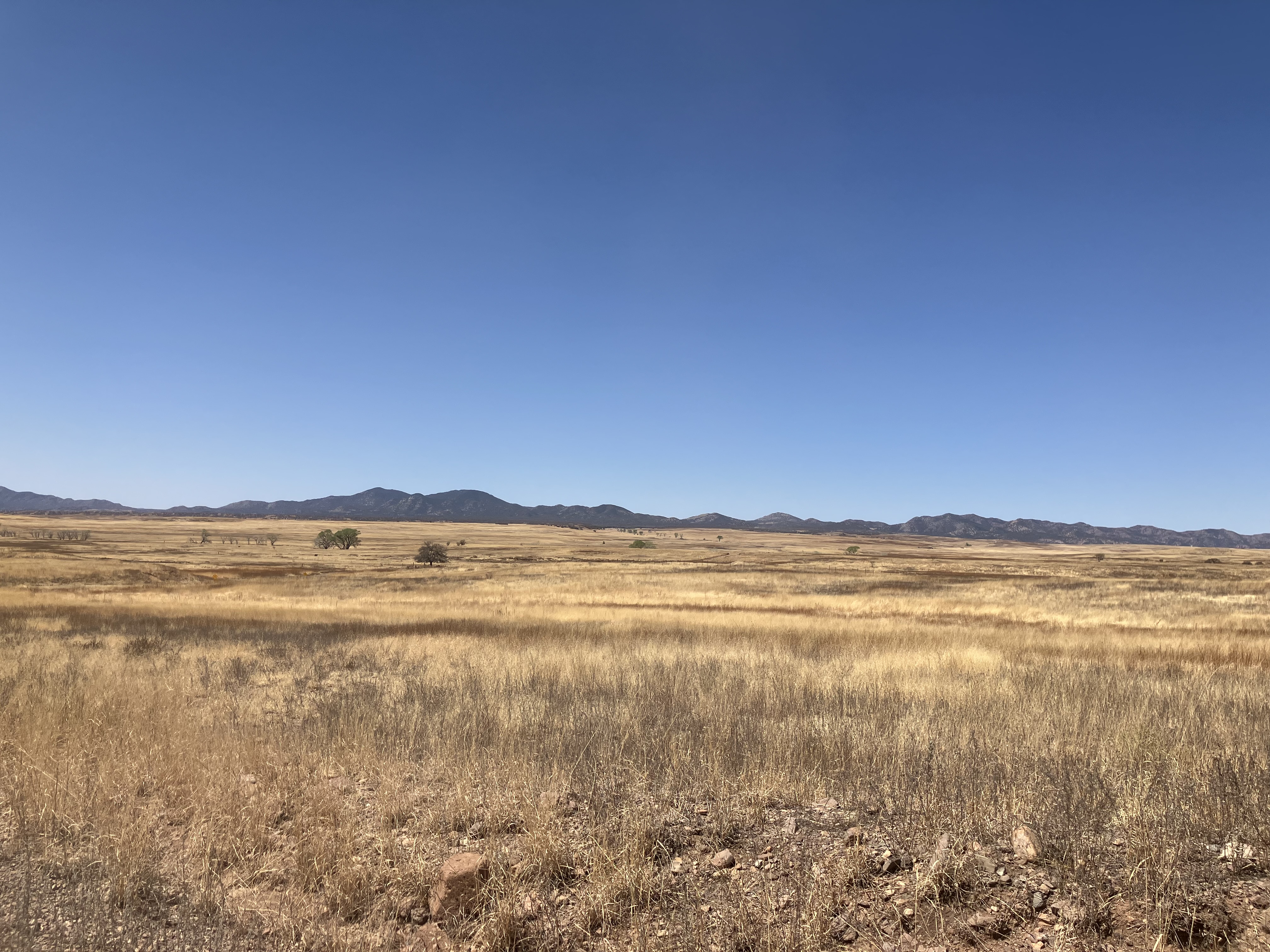
If elk were reintroduced, the cattle removed, and some areas of oak groves fenced and protected for a few generations, we might see this valley as it once was, but for now, with cattle grazing, little protection for the young oaks- I only saw one, at it will be eaten by the cows later this year, and no discussion with the first peoples who once lived here and may still have some history to impart about care of the region, this place will remain a Colonial legacy of exploitation. Traditionally, the Jocom and Jano People lived here. They made tools from the chert, and moved around seasonally, like so many people who live closely with land. The Spanish Conquisdadors and their priests were the first non-natives to write about them in the 1600s. There is a 1990s study of historic land use in San Rafael Valley, but supposedly, no surviving Jocom or Jano people are available today to share their oral histories. I did find a National Park bit of writing that tries to bring more context to the area and liked what was said.
It’s a classic case for American History to only reach back into early Colonial records. People who think 100 years of settlement entitles them to ownership is a custom of Eurocentric thinking, which has been transferred into Americanisms that we think of as founding values, but they were imported customs of ownership by white men. Customs of the land owning the people are more in the direction of tribal thinking, though without living descendants of the first people in these landscapes, a complete picture of relationship between people and the landscapes they inhabited before Colonial contact remains difficult. I will confidently say that the land was abundant and thriving before cows, mining, and general explorative thinking arrived with The Spanish, and degradation continued with American ranching and mining settlement.
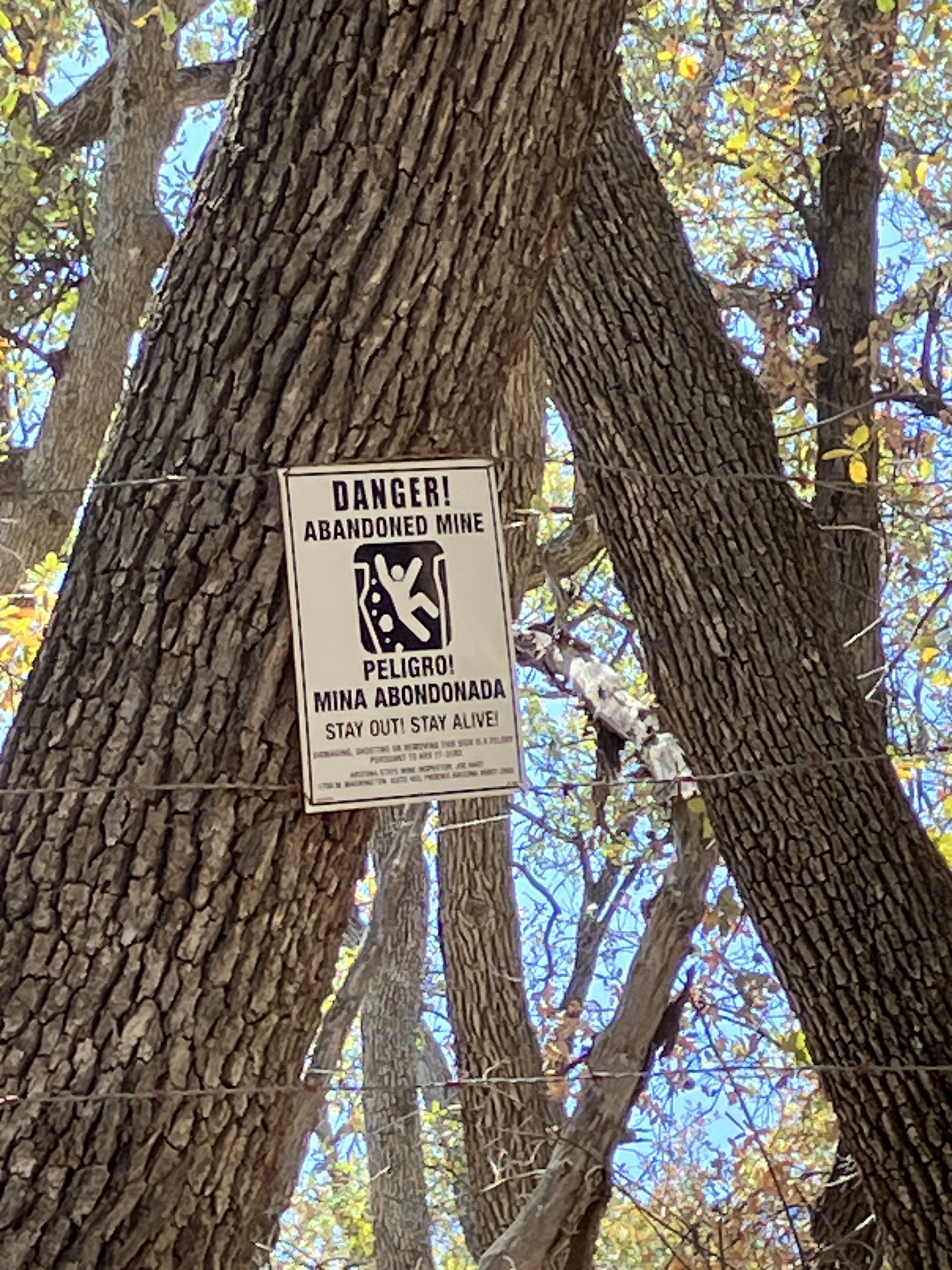
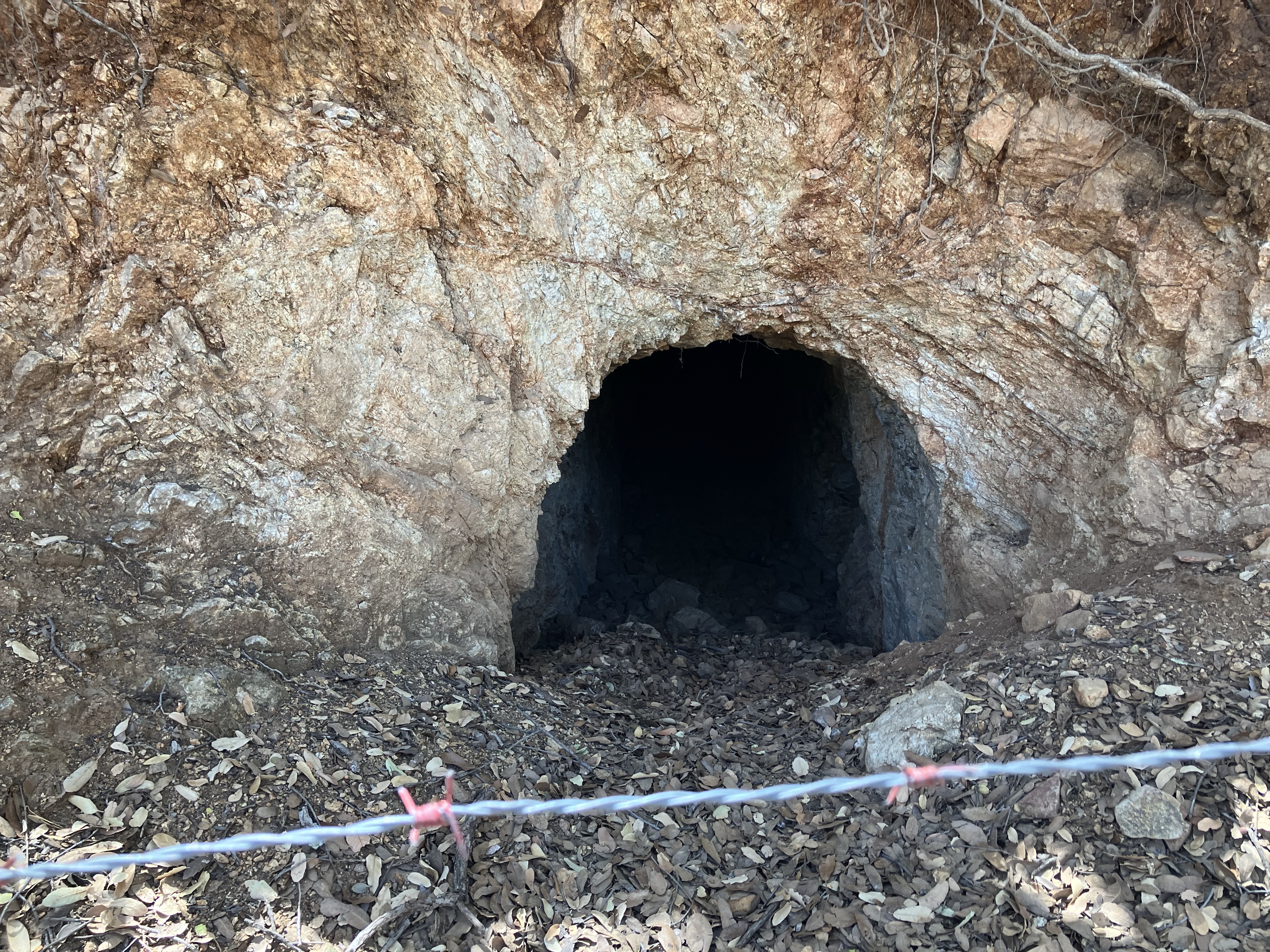
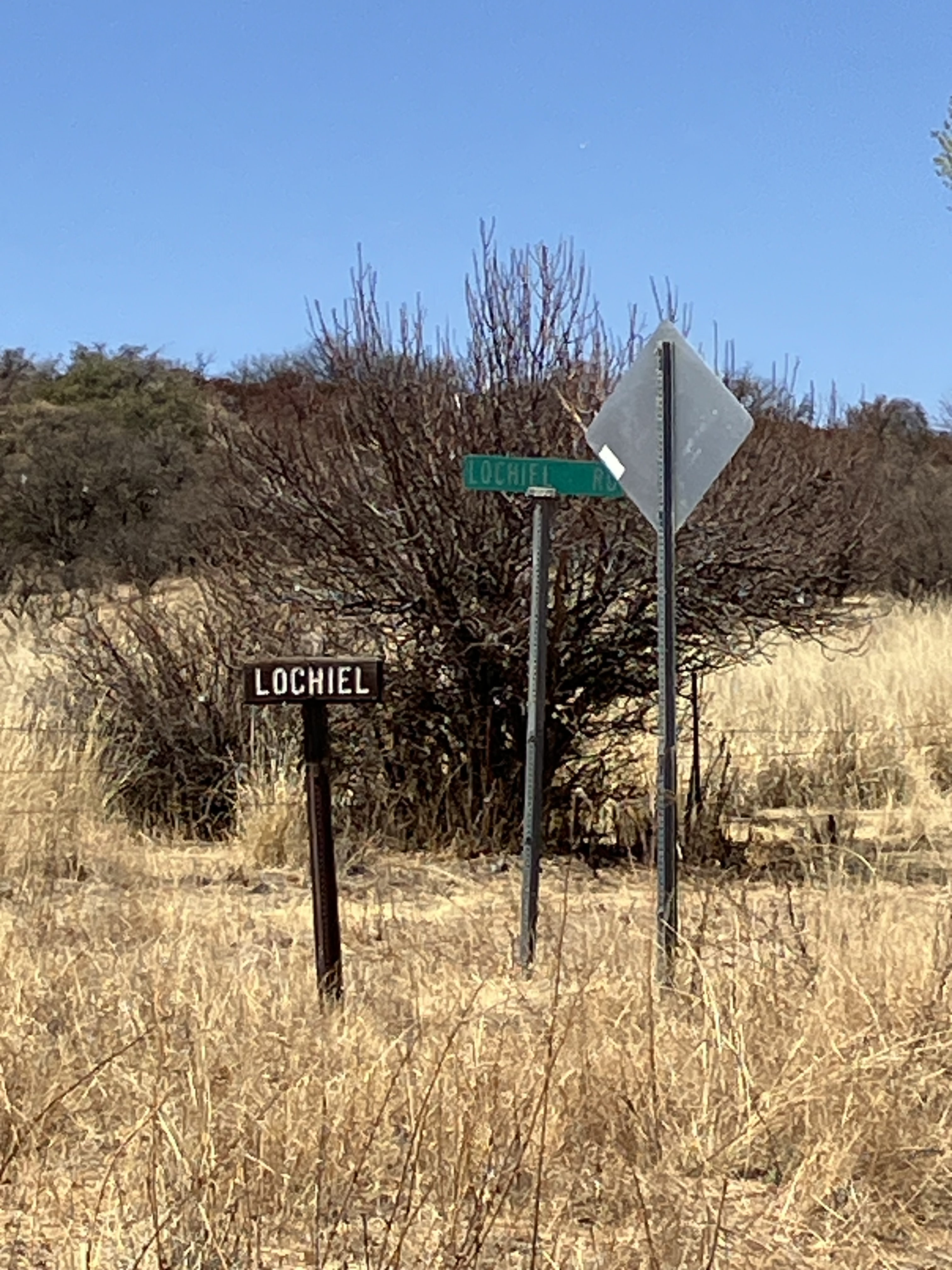
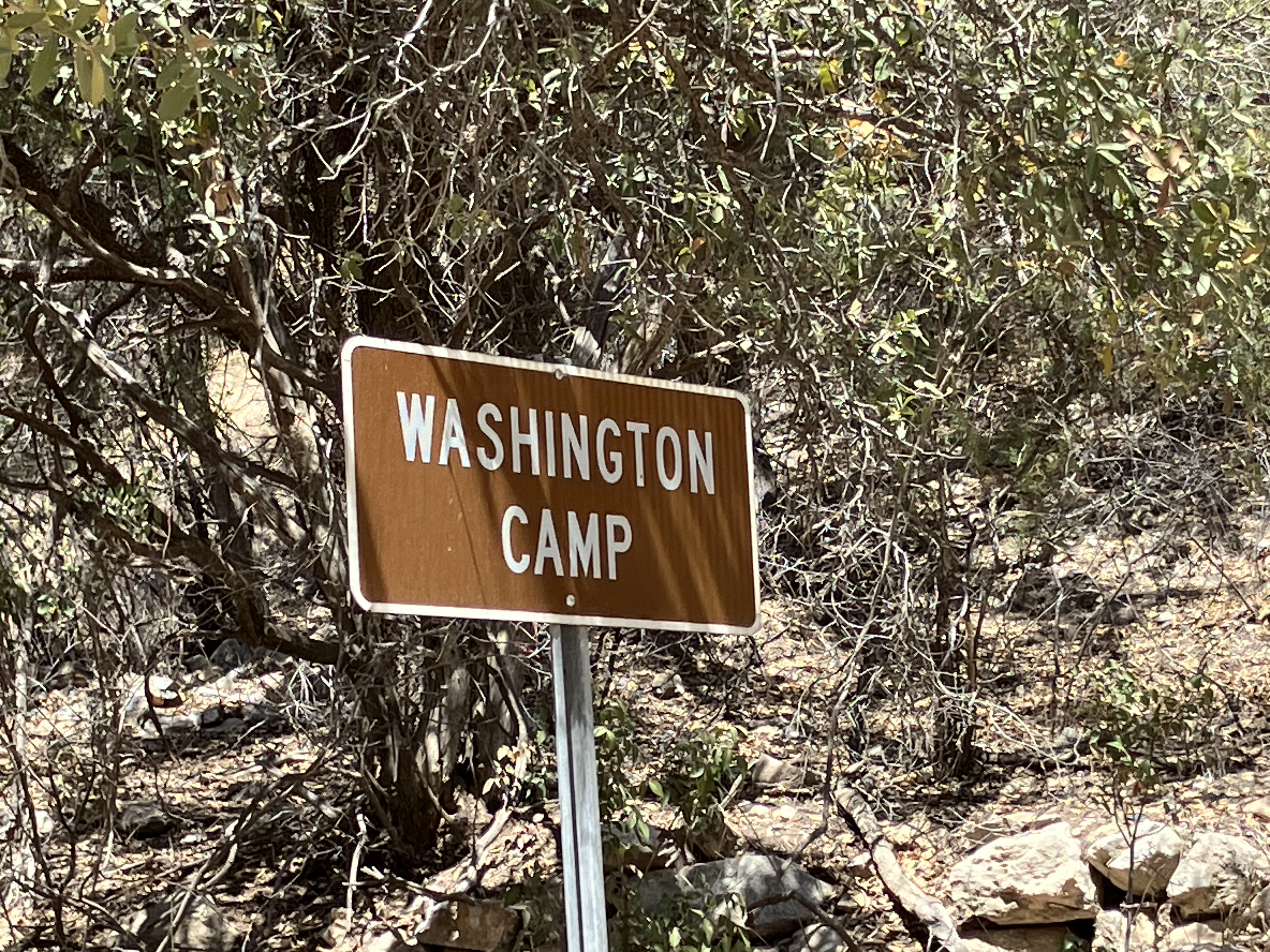
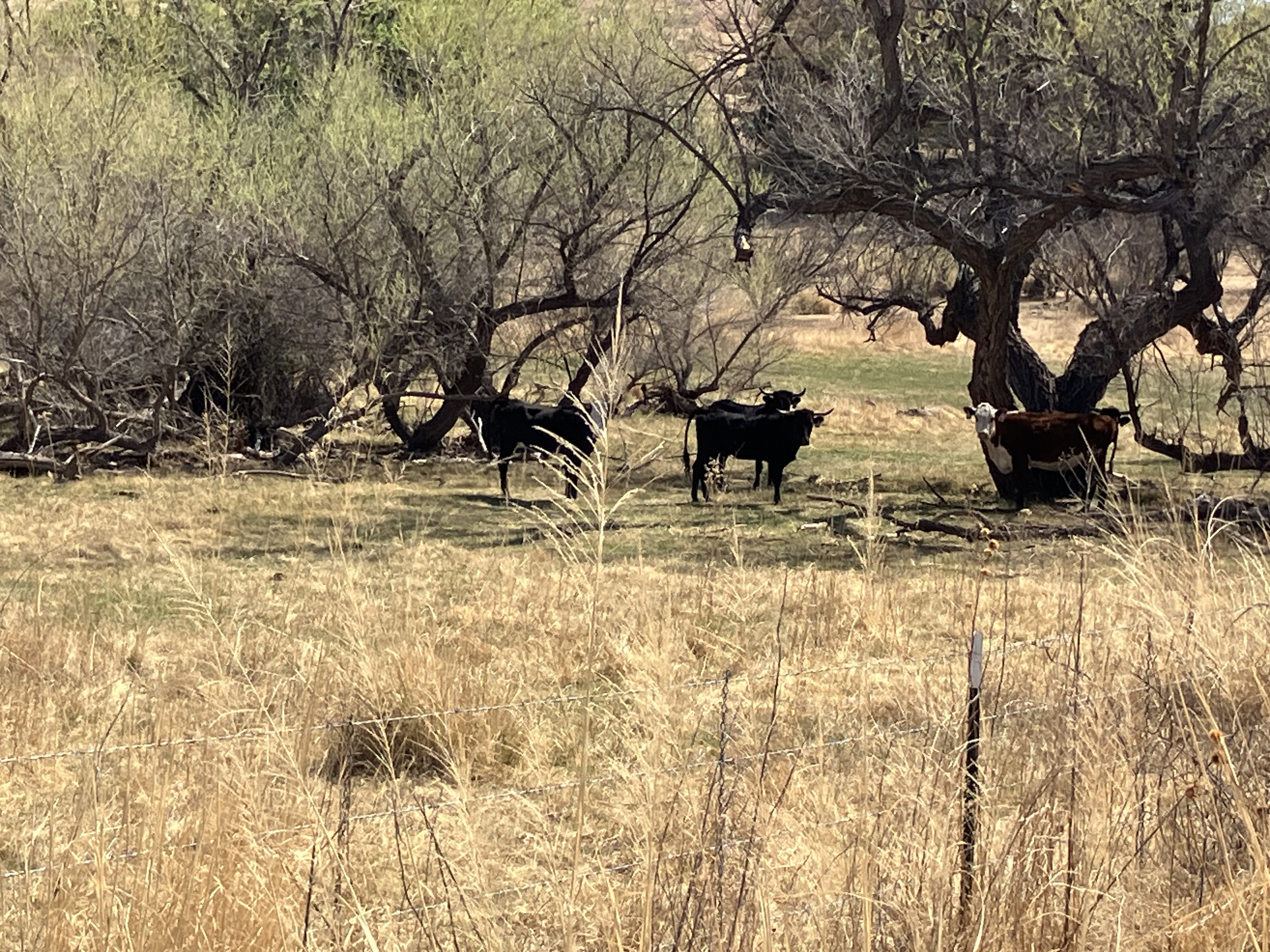
In the readings, colonial voices often describe “abandoned” village sites throughout the area. They were not abandoned, but merely fluid places of stay, which were utilized when the people were there, and then left for the next return. Understanding these assumptions made by early white arrivals helps us understand why, when the tribes returned to their seasonal larders, they found them ruined by settlers who created permanent place on the land, thus leaving it no time to recover between uses. This story plays out across America’s founding. I would be like Russian or China coming in to our national parks today saying- “those resources are just sitting there, abandoned- why not use them?”. In fact, there is a movement in America to reclaim those resources for our benefit, and you might one day see mining and cattle in Yellow Stone or Yosemite. Extraction thinking is all about taking something for nothing with no care of the surrounding impact. And yes, for anyone wondering, industrial mining continues in the area today.
The drive was still a beautiful tour of some wonderful natural beauty. The rock hound in me was tracking all kinds of geology as we drove along. From red sand stone to limestone, there were many variations and colors in soil and sand. That’s part of why the mines are here too, but without any digging, there were plenty of amazing rocks and stones to enjoy. As we began our drive back to Tucson, there was one more off-roading adventure on a forest road that ended up being gated, so we turned around. As we drove back, I suddenly saw this towering pile of what looked like dis-guarded asphalt along the roadside. Looking closer, I realized it was not man made, but a natural outcrop of obsidian. Yes folks, we found a deposit of mahogany obsidian by the side of the road. I had a little freak out, then ran over and climbed into the glass to take in the wonder. It was my first obsidian find ever, and I was ecstatic. Below are some photos of this needle in a hay stack.
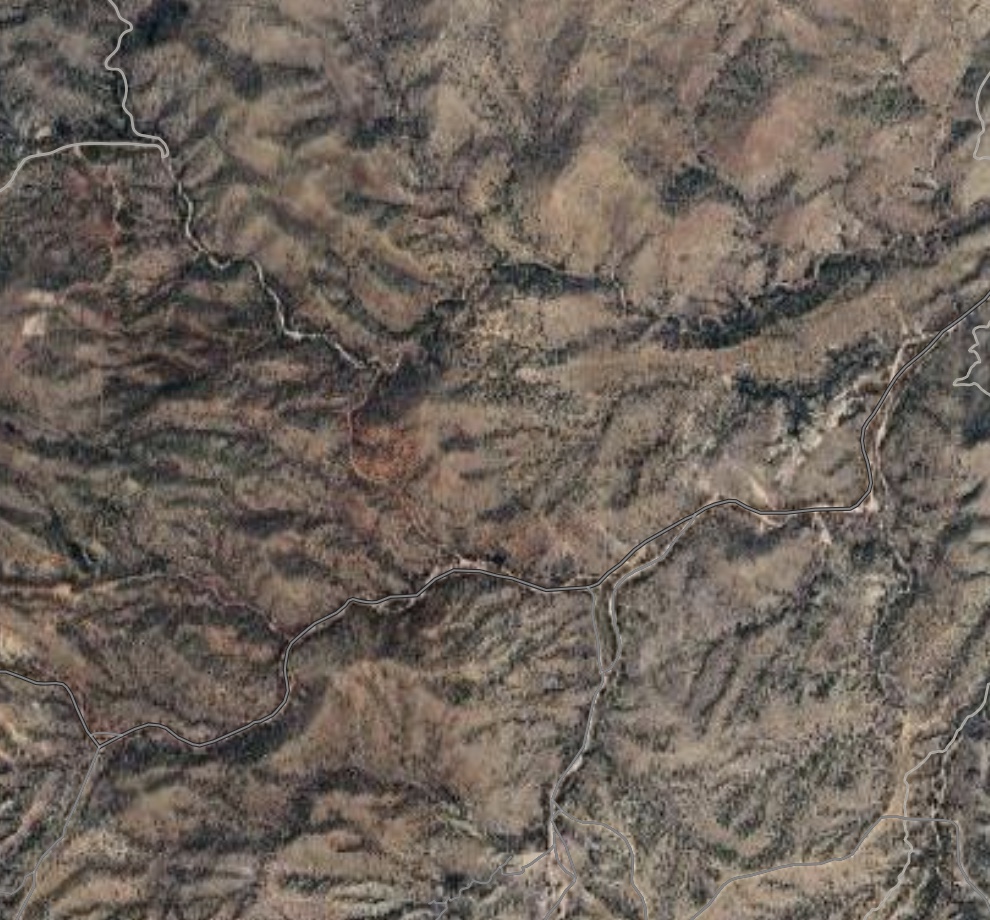
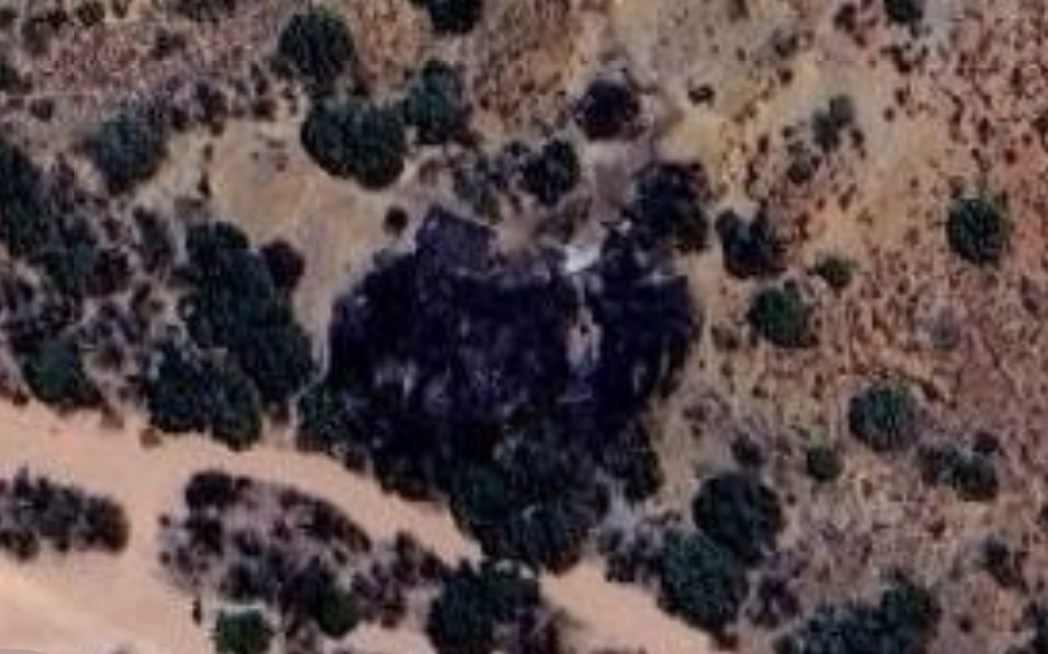
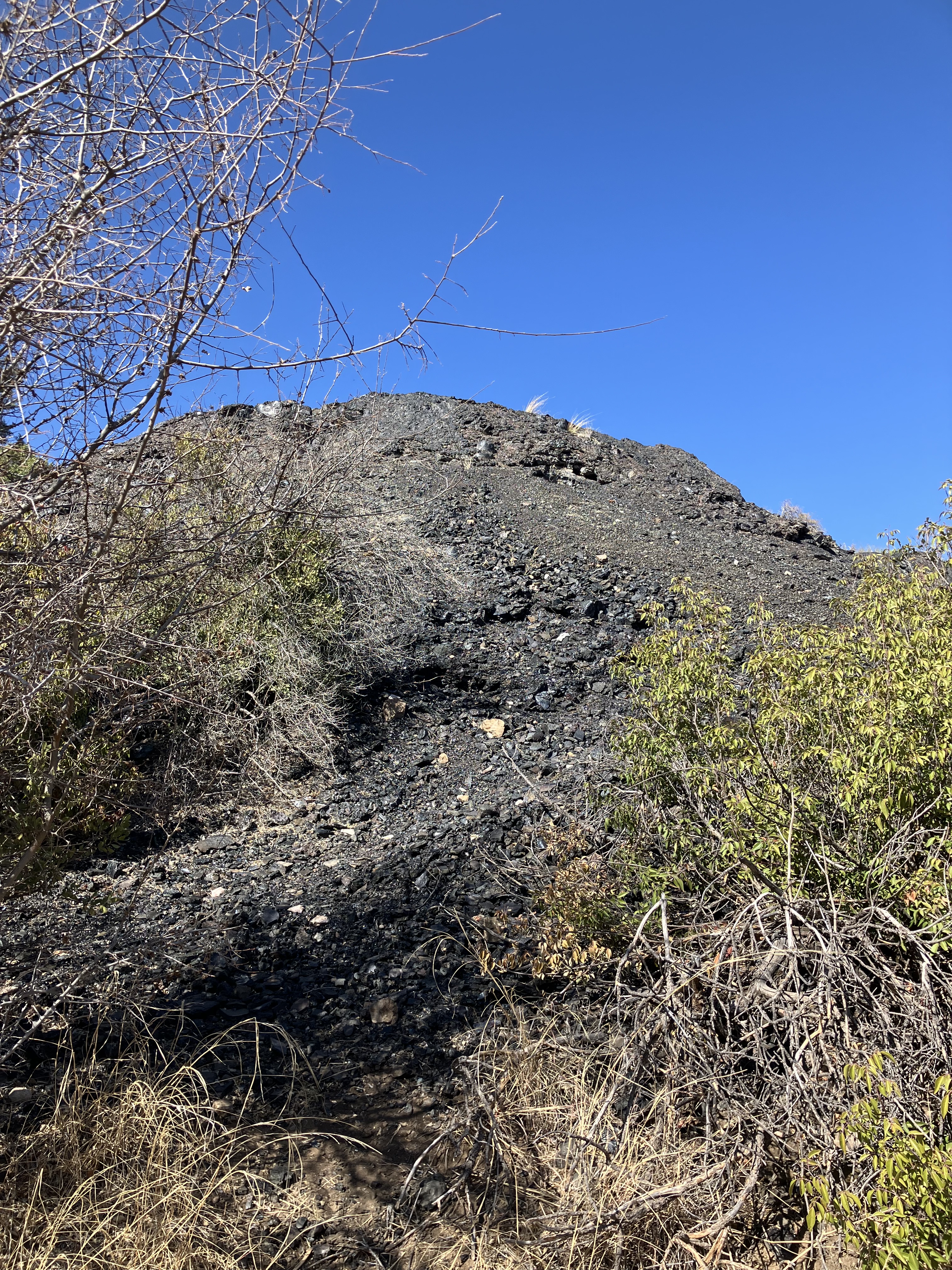

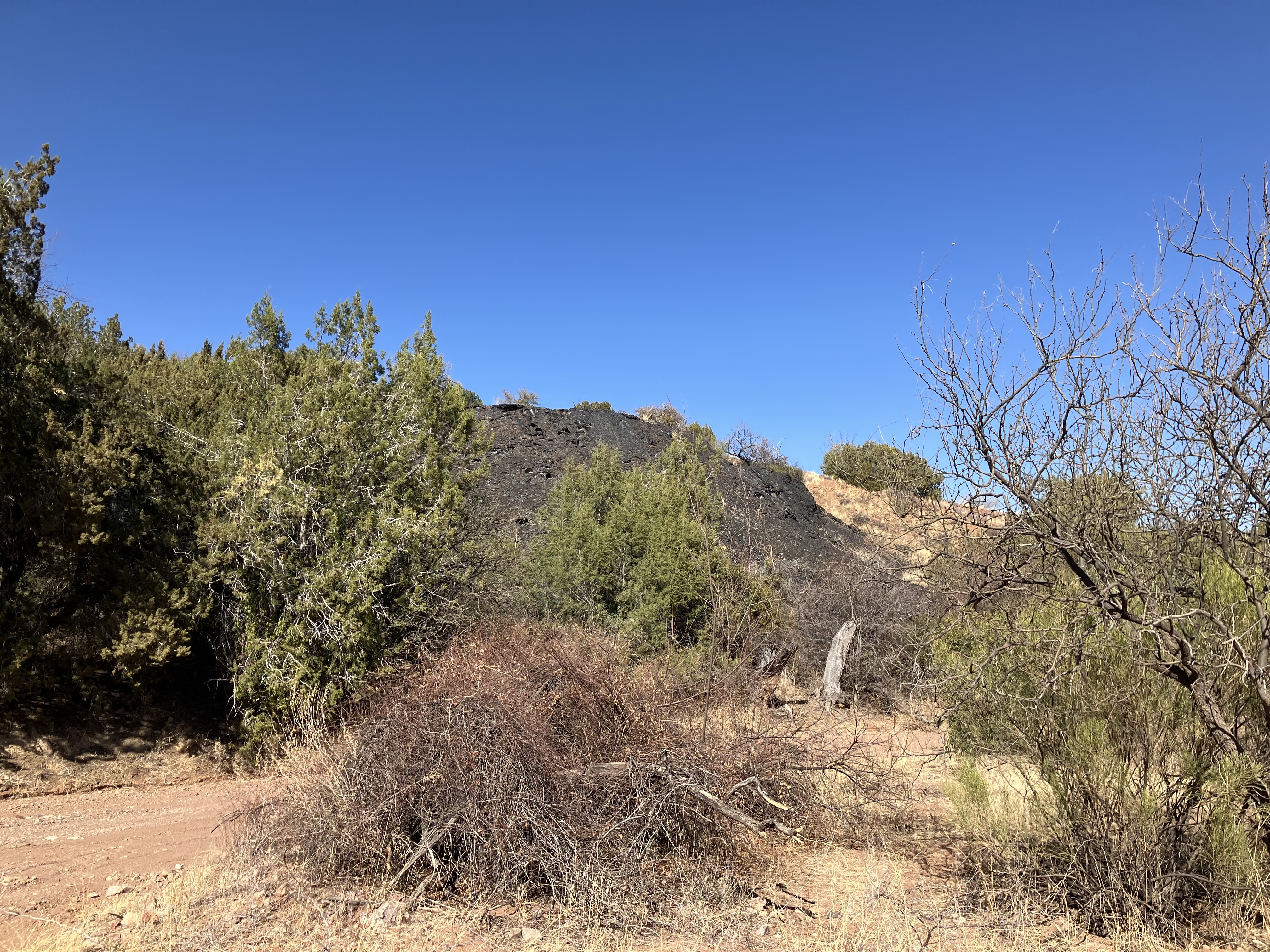
It was a wonderful way to top out the adventure. Though the glass in this outcrop is not pure, I’m sure if I came back with the right tools and protective gear, I could find some workable material. It was an honor to see this deposit and touch the magical stone from it’s formation. I did take a few samples- we were on national forest land and I am not reselling what I took, so it’s within legal bounds of pick up. I did leave some of my hair as a thank you for the rare gift of naturally formed glass. Mahogany obsidian is a great tool stone, and often used for arrow points and needles by stone age people. This stone forms when lava cools quickly, forming an igneous glass rock. Though chert is more likely to be found and used for tool making in this area, the obsidian would also make excellent points and be easier to work in some cases. I was thrilled to find it, and share the discovery with Appy. I’m mailing a few back to Washington in hopes of spending more time with this stone and maybe, shaping some tools. I’m not a great stone worker, but I do deeply appreciate the craft and the sharp blades which come from this sacred rock.
Visiting The San Rafael Valley and surrounding mountains was a great adventure day trip with family. It was a pleasant surprise to go from cacti to oak savanna in just a few hours of driving. The expansive grasslands and twisted oak trees scattered about captivated my imagination. I hope that in future, the land will continue to recover, inviting the return of flora and fauna that once called this place home.

 EEC Forest Stewardship