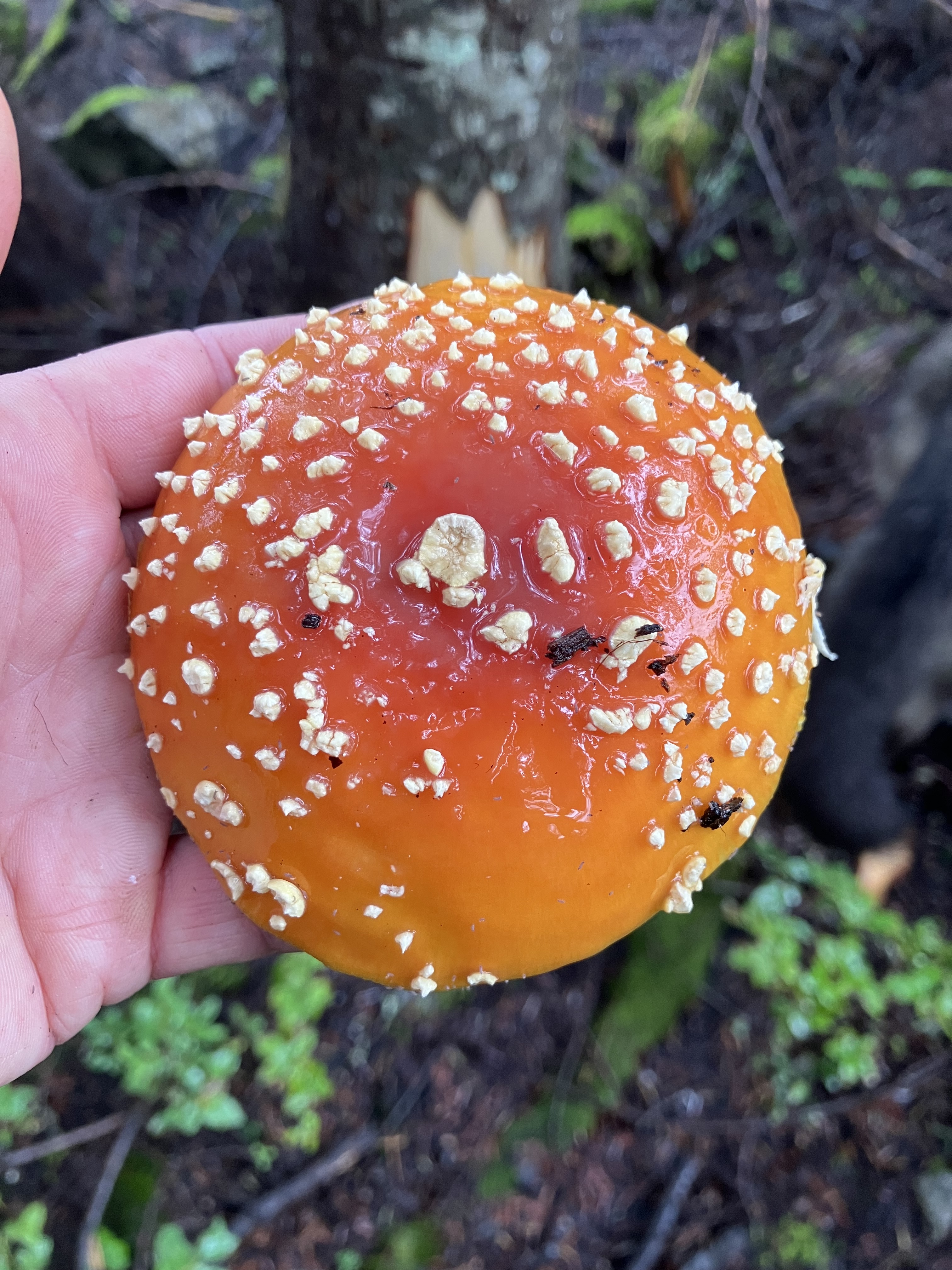
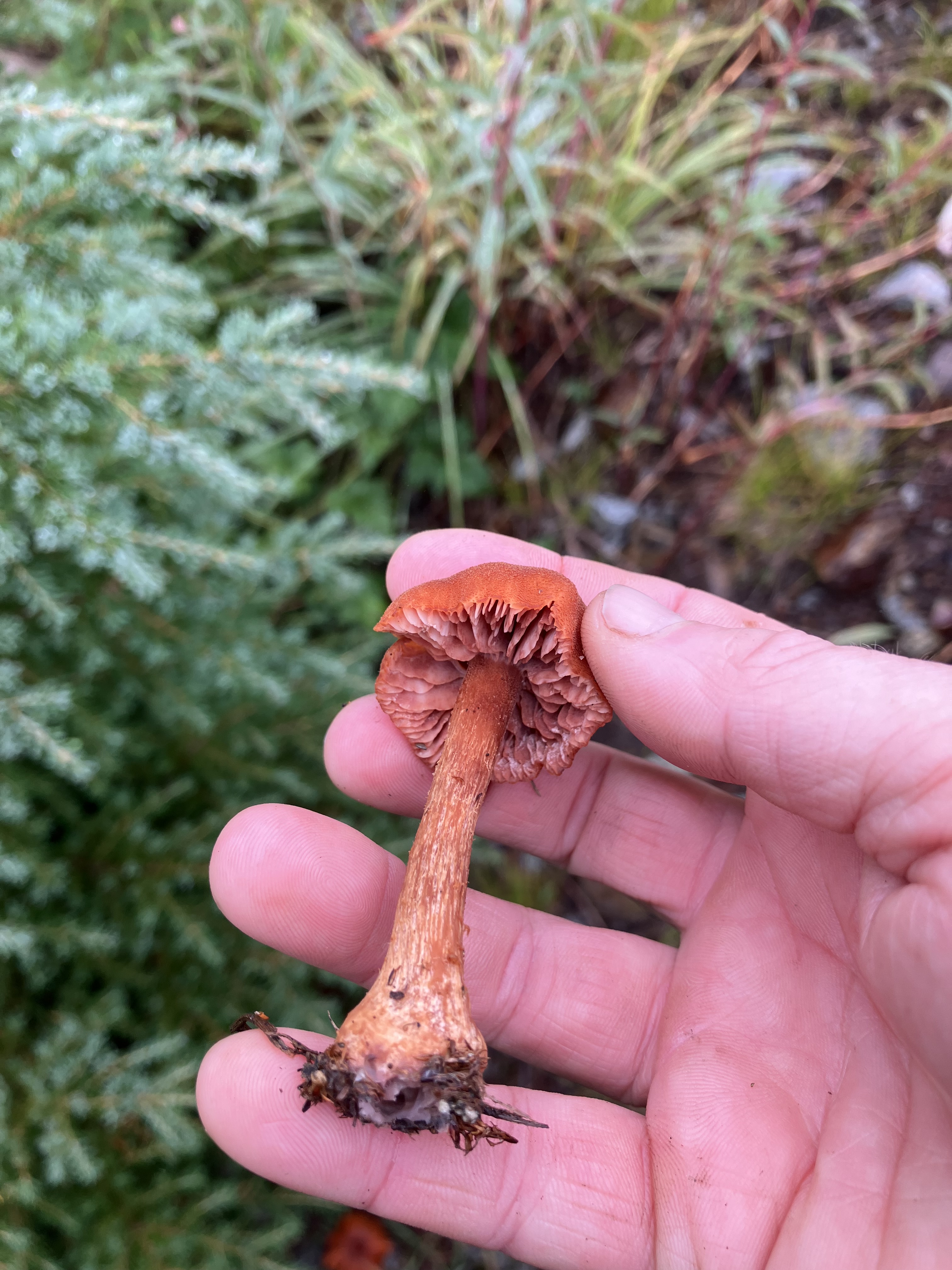
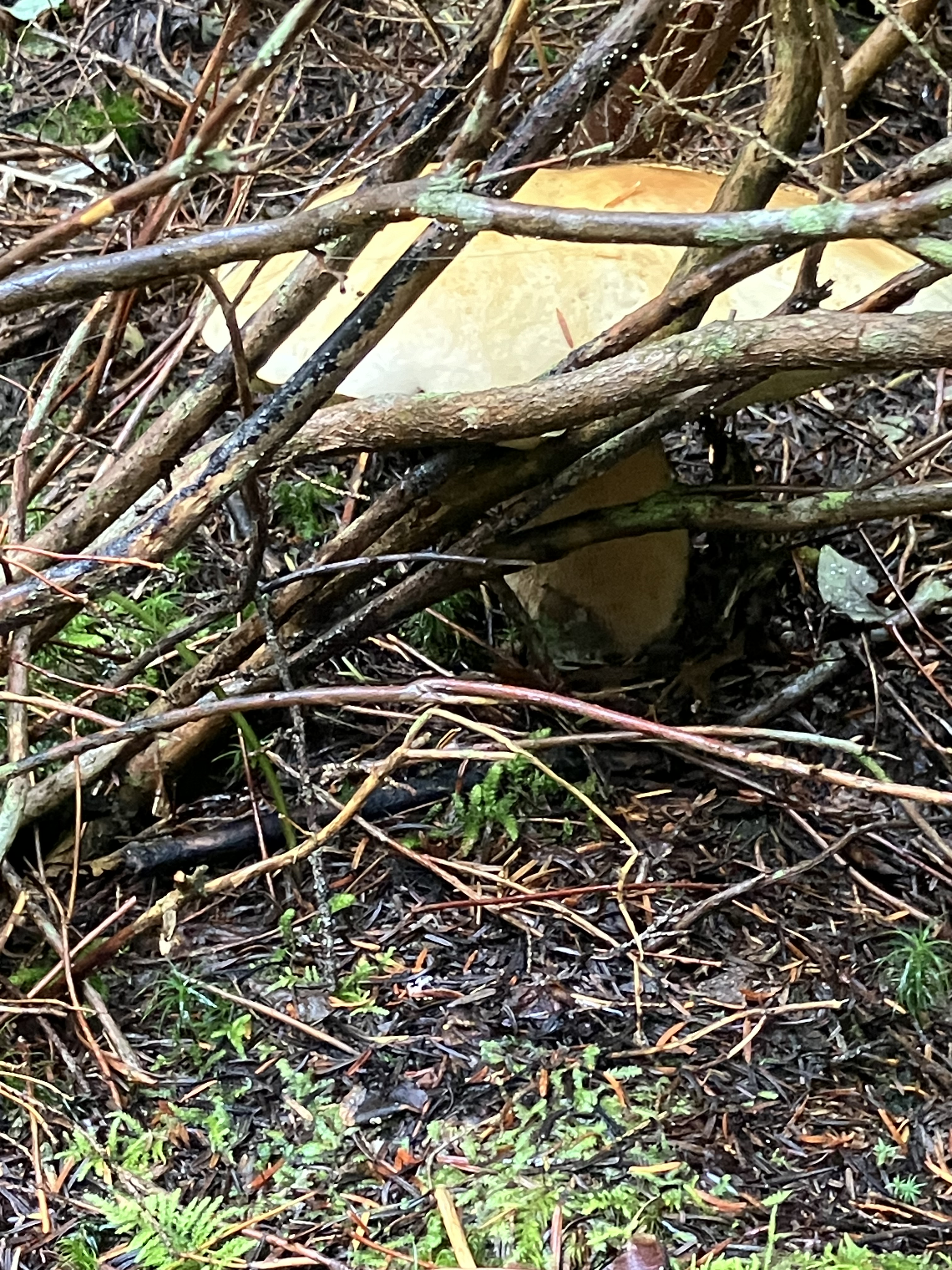


It’s below 60F and the clouds are socking in above 3,000 feet of elevation. Time to check in with understory floor vibes and sure enough, the mycology is hoppin’. Check out Boletus, Amanita, Hygrophoraceae, and more! The porcine are off the hook, I’m starting the dehydrator to keep up with the findings. In a week I now have a cold from being wet and in the woods all day for several days in a row weaving in and out of low branches in fir forests at elevation. It’s been a real trip, and I’m not talking Psilocybes. These fungal miracles pop up at a moment’s notice in the right conditions, and in some cases, I was late to the party and just had to sit back and marvel in natural wonder.
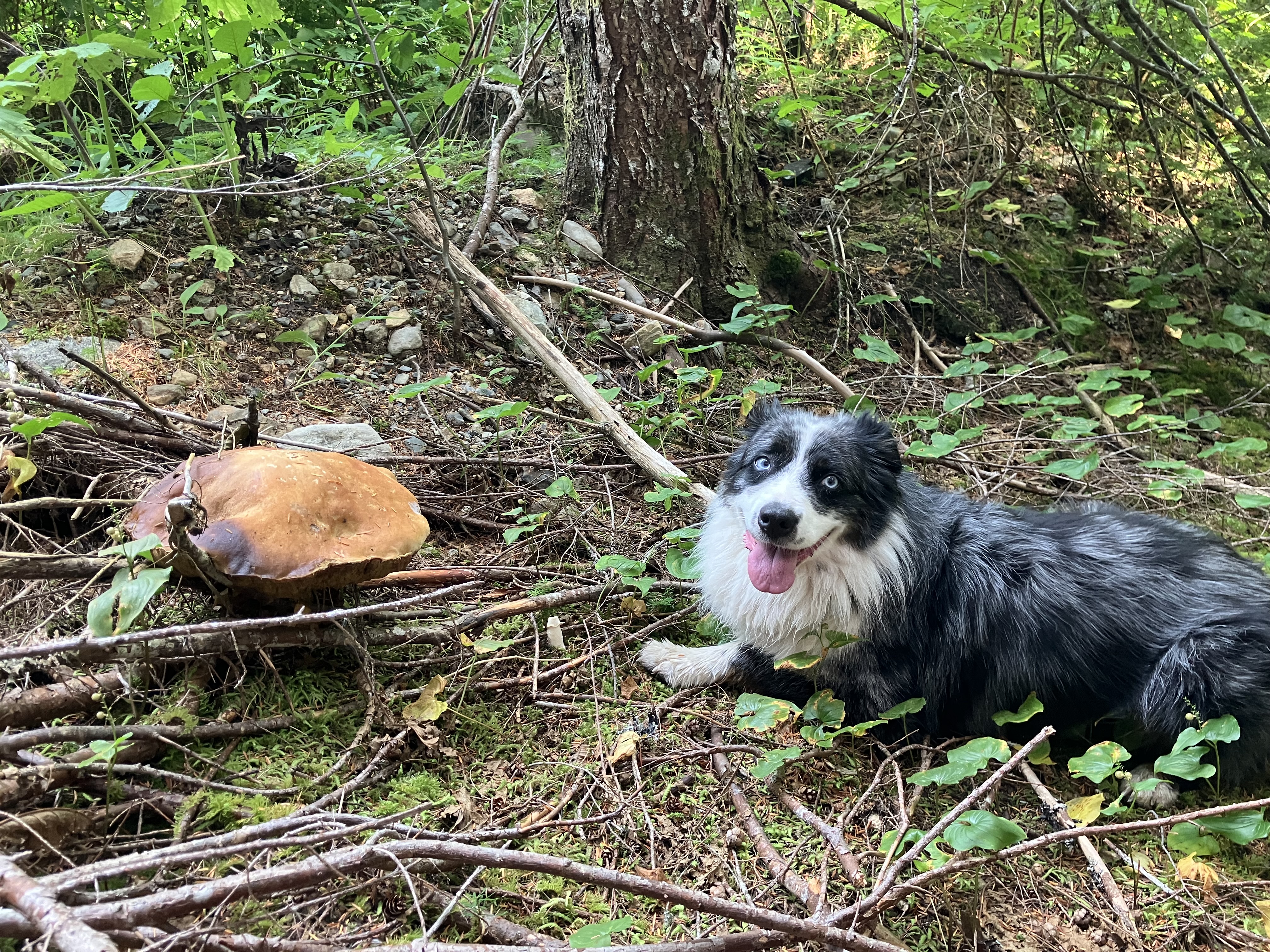
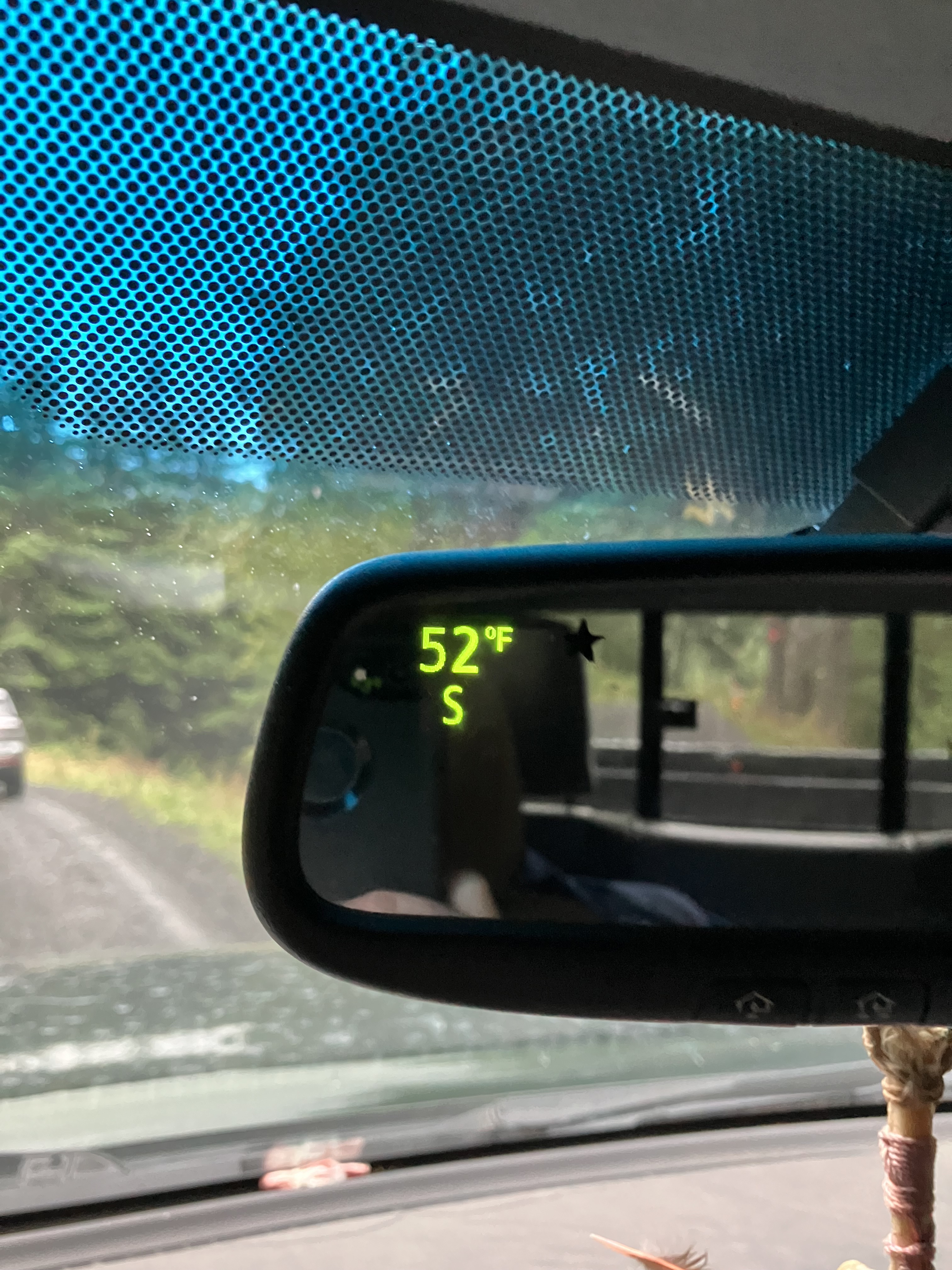
These Boletus edulis fruitings are like nothing I’ve ever seen. It’s mountain to mountain all over The Cascades. I’m guessing this sudden bonanza has something to do with long awaited cool, wet weather, which has arrived early (though I would say more normally in a non-climate crash scenario). Driving up to my pickings, I noted low 50Fs temps and cloud level moisture- meaning you are covered in a light layer of beaded dampness, which soaks through your quick dry layer and wicks down your socks into water proof shoes that quickly become buckets of water that squishes out as your feet catch along steep mountain sides trying not to slip on rotting branches. It’s heavenly. I would do it all day, and did, a few times, but the energy drain is great, and your feet start slipping more times than not in the rugged terrain, so knowing when to stop is crucial to a good hunt- whatever you are seeking for the larder. I noticed Val began having a seat where she could while I leapt and balanced- sometimes with an open harvester’s knife in hand- to gather the porcine abundance all around. My feet felt it the next day, but my stomach is still enjoying a feast of mycological delights.
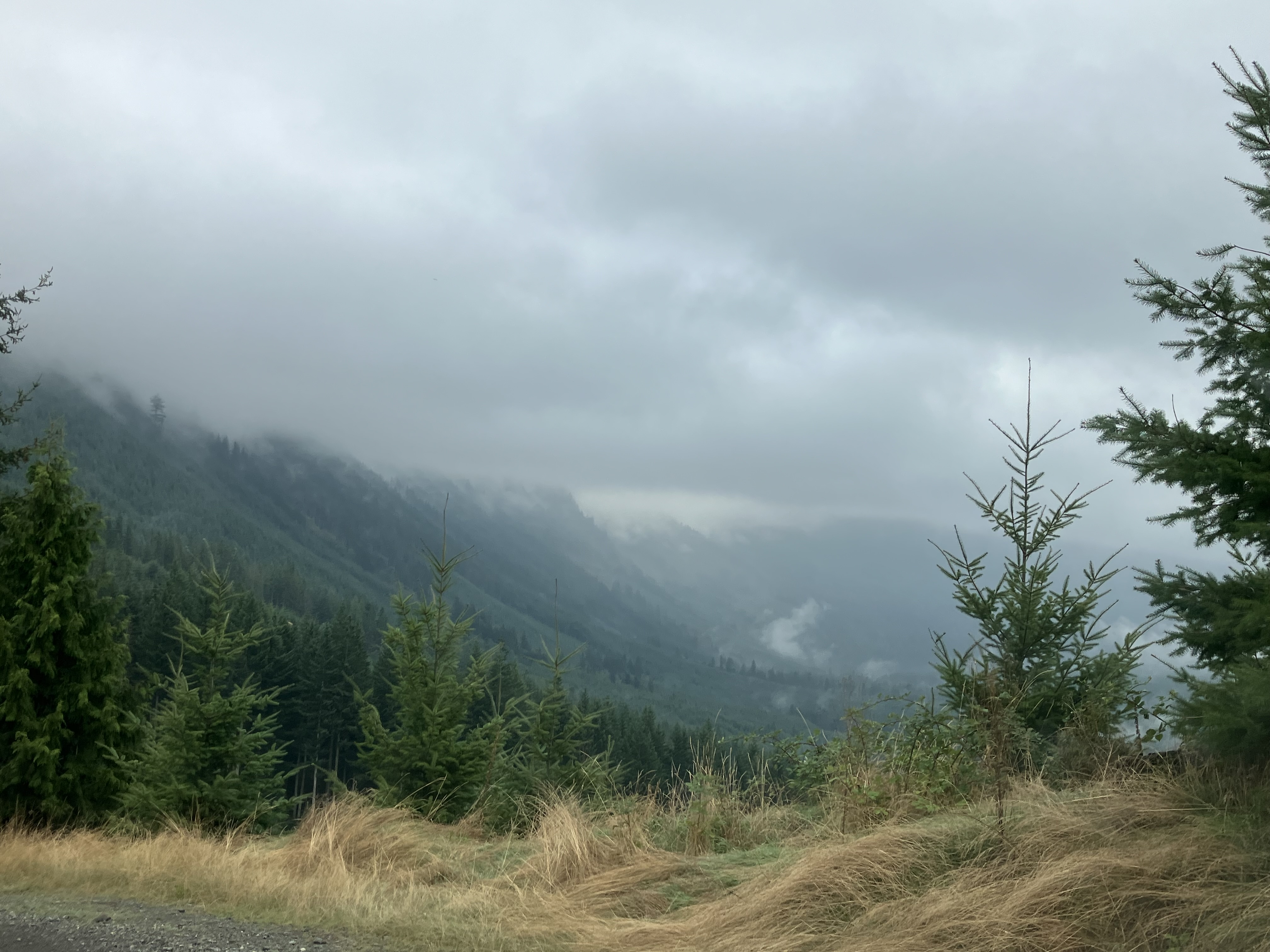
Though edible fare is certainly choice, keeping an eye out for any mushroom as a learning encounter is highly encouraged- by this I mean, takes pictures and note ecological indicators such as substrate, time of year, weather patterns, and what’s growing on around the harvest spot. I think of forest age and species, down to single trees under which a patch, or single shroom, fruits out. It’s so detail specific for learning, but once you have those observations stored in your thinking files, the hunt becomes easier because you’ll body radar the mushrooms without much hesitation once you’re in the environment. I say this with about 10 years experience, so I’m still quite young to the filed. Truly, I still have to look up most of what I see to even try guessing species of fungus- as well as other fauna. It’s nice to walk into nature and see what are fast becoming old friends in the field- like red belted conk or turkey tail. Certainly the velvety and colors enliven the mind as curiosity abounds. Flipping through pictures online is another options for those not able to reach woodland areas. It’s such a gift to be able in so many ways- access is true privilege.
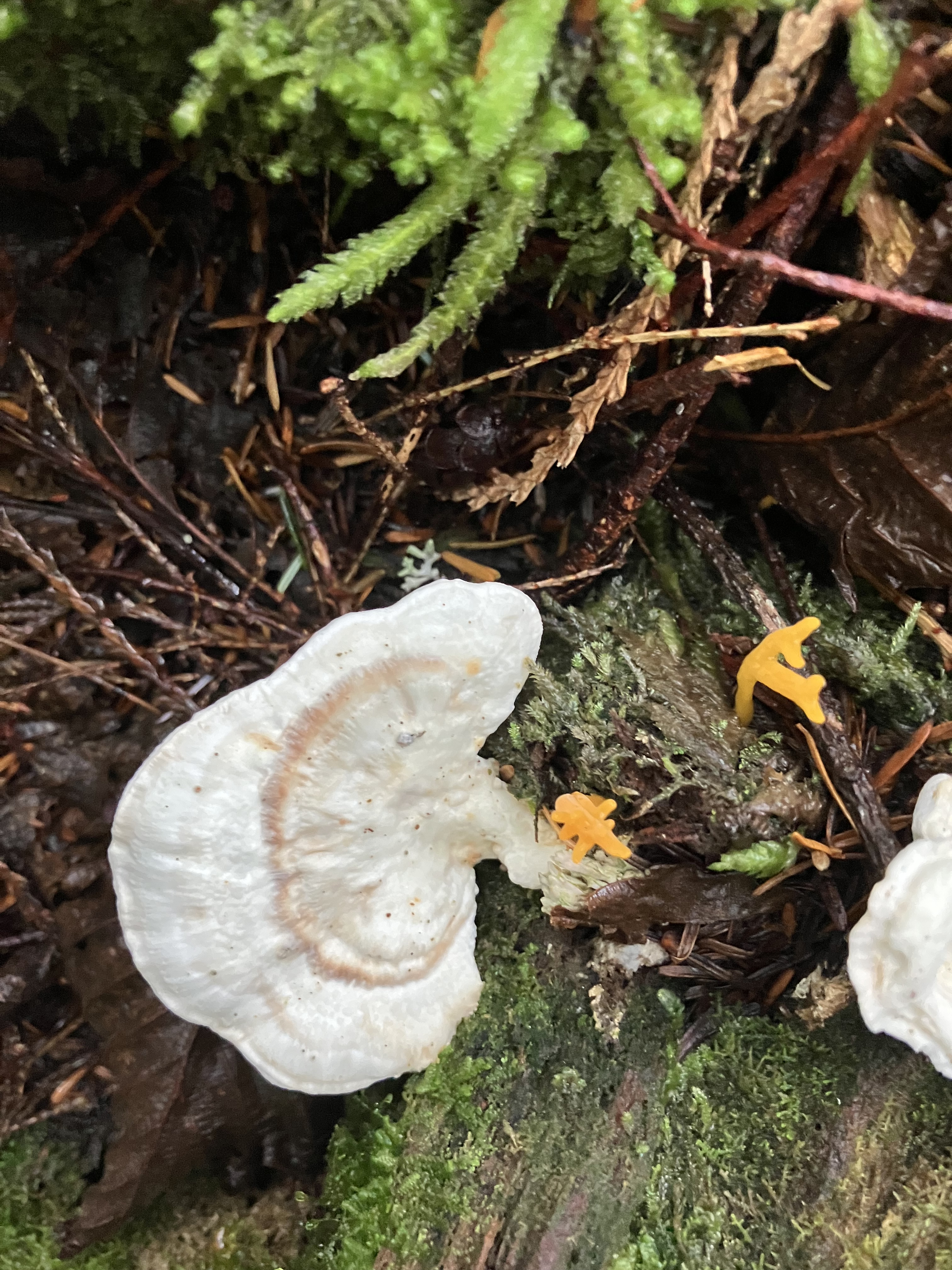
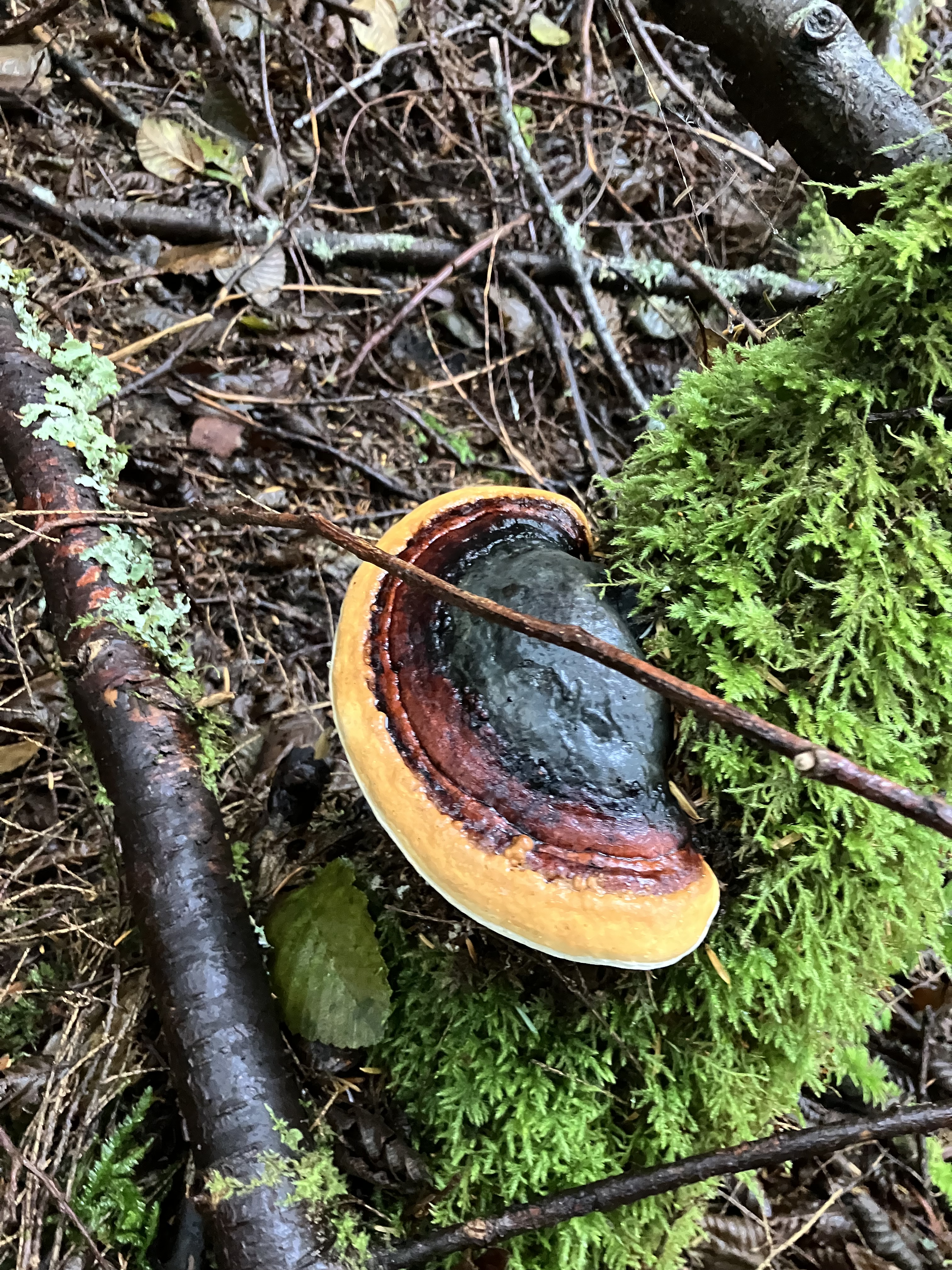
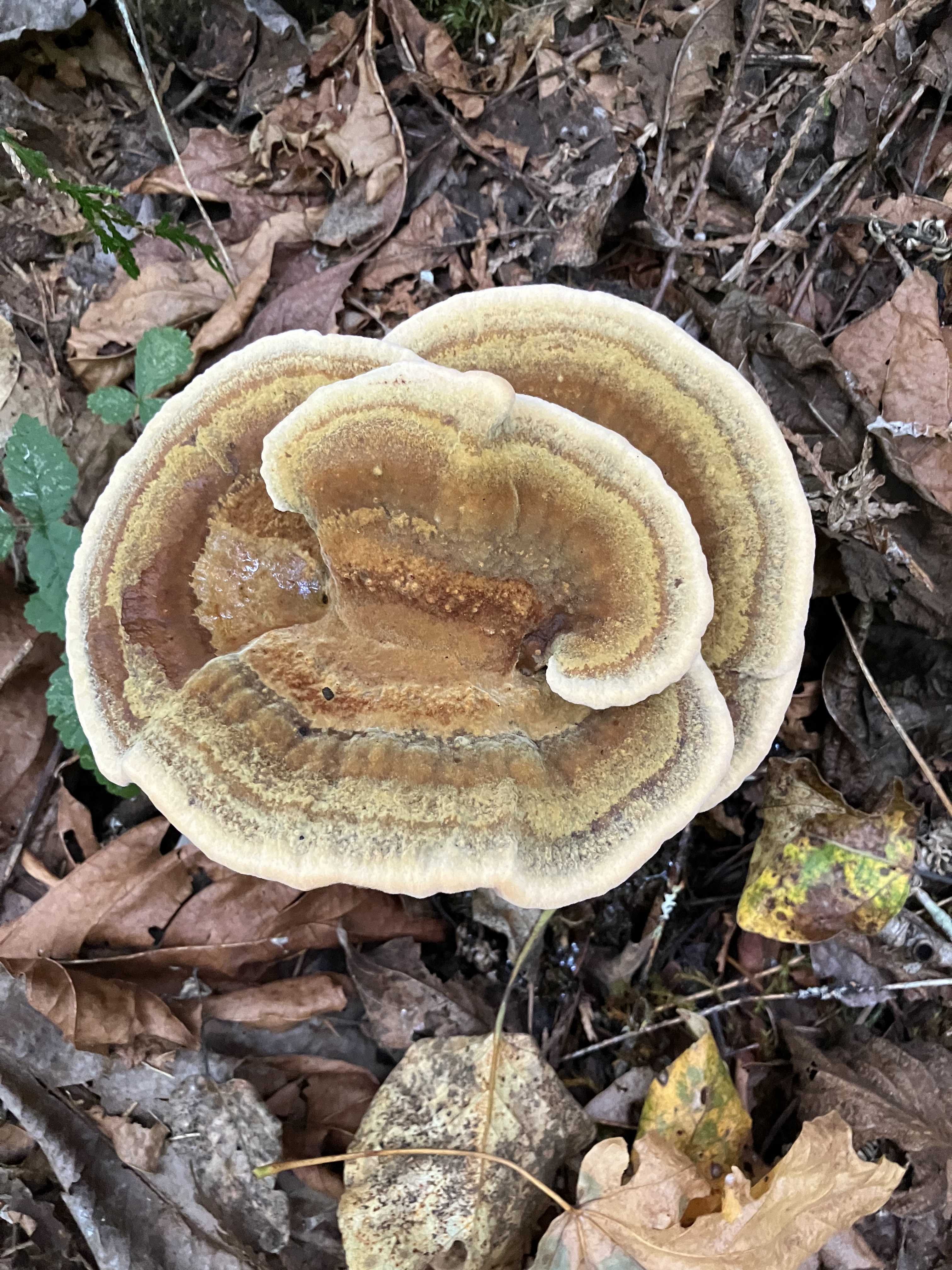


As well as wandering public lands to see mushrooms and harvest a modest amount for personal enjoyment (purchased permits are required to harvest commercially), I also have a recreational pass into The Snoqualmie Tree Farm nearby. This 80,000 acre western slope of The Central Cascades offers endless terrain to seek out the mycological classroom. I’ve spent the last week in one small section of forest documenting what I come across in the forest floor. It’s an endless mapping of mycelia in the making. These deep pockets of dense forest undergrowth offer safe haven to spores, which in turn settle in and spread a mycelia layer through the decaying ground detritus to establish residency. Then, over time, fruiting fungus will pass on the sucessful genetics to another part of the forest in the wind- or waters, or even on the surface of passing wildlife, hitching a ride through the landscape. I find my way through many forest growths on animal trails- places the land has been walked over my narrow feet to form enough foothold for traversing through- but it’s still a rough go at times. I’m not as sure footed- and on only two main balance points- though using hands on supple passing branches to keep balance or lower ones self down the bank comes in- yup- handy.
When my body is soaking through, much like my breathable bag of mushrooms harvested, it’s time to head back home for a hot shower and some food processing. Rewarming the body, putting on fresh, dry cloths, and eating something are all important after a day in the field. Keep hydrated throughout the day too. These self-care steps may seem obvious, but when you are cold, tired, and wet for a while, your brain can make less that ideal choices to further the harvest, get over one more ridge to see the view, or not turn back to the truck while your legs are strong enough to hike back down safely. Always take a buddy too when you can- and though Val is a great mushroom buddy, she cannot make effective decisions if something happens to me. Opposable thumbs and language skills are prudent to call for help. Also- in most of this mushrooming country, cellphone service is not likely available, so keep a well mapped plan (shared clearly with your buddy or emergency contact) to know what to do if something happens. That something can be a simple as a sprained ankle, or as complex as unconsciousness, heading towards death. Back country mushroom hunting is high risk when you get into steep terrain further from established trails. With some smart planning. mushroom hunting can be enjoyed by all- in any landscape- even backyard gardens or paved edges in the cracks of your sidewalk. Keep your eyes open and a field-guide on hand for the ample learning with fungi.

 EEC Forest Stewardship