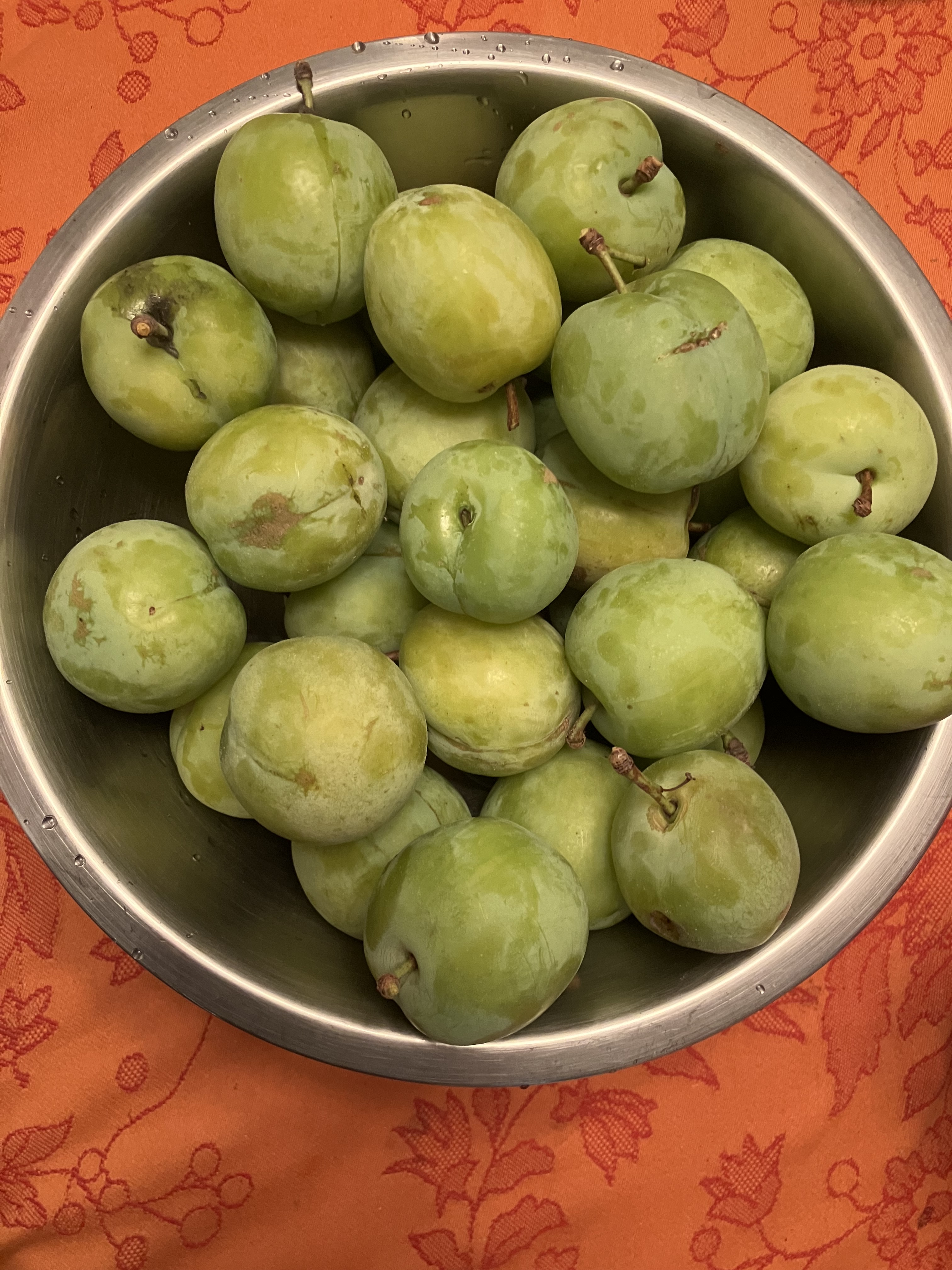
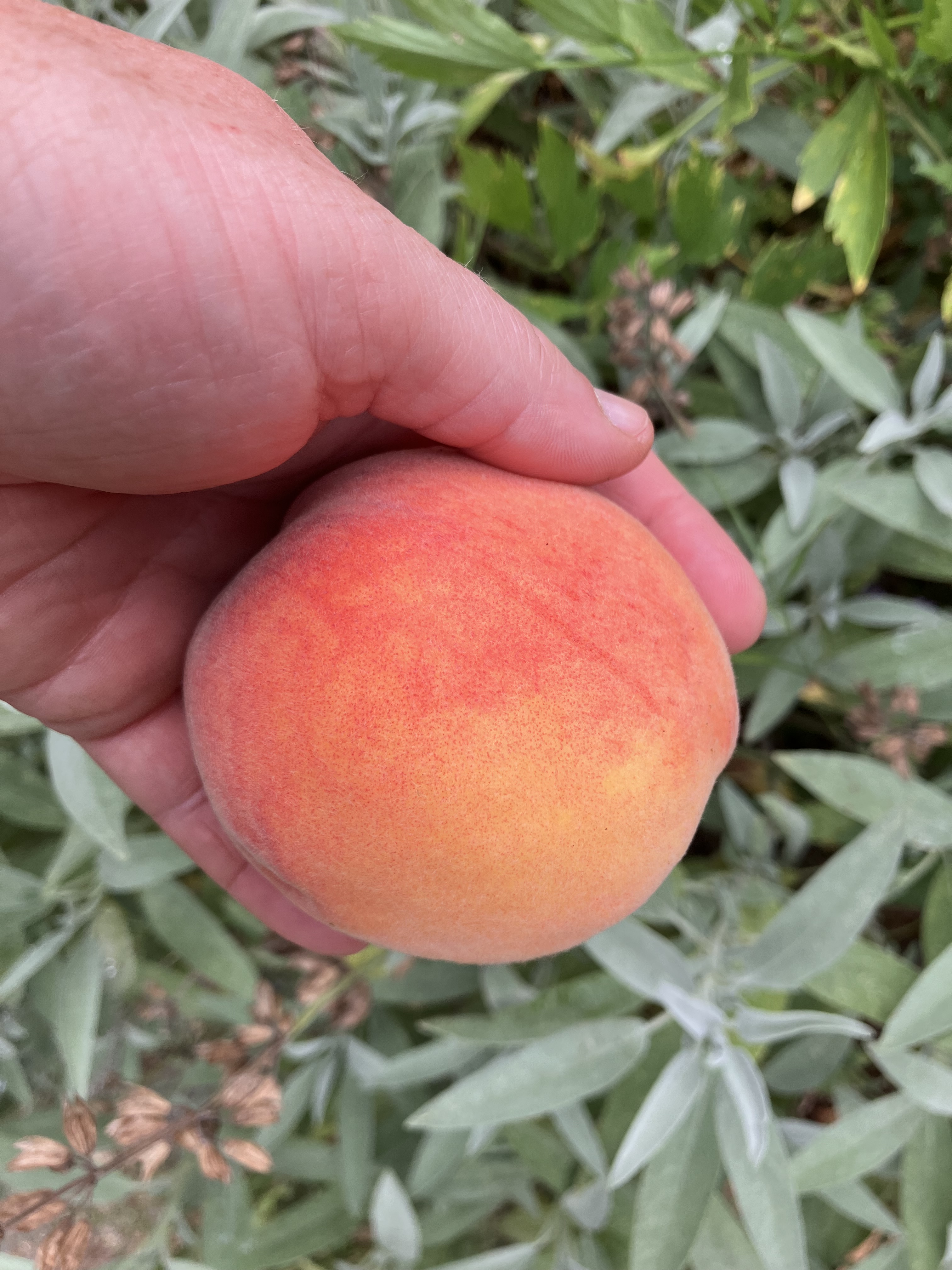
One of the most anticipated harvest times at Leafhopper Farm is later summer fruit. From heritage apple trees to a frost peach I planted my first year on the land, a decade of slow, steady cultivation has begun to bare fruit. Even hiking in the mountains, there is an off the hook bounty of blueberries to be picked too. Back in The Puget Lowlands, we’re enjoying plumbs, our own berries, like the aronia and blackberry, as well as apples. This is the garden of paradise I’ve often pictured as I work towards the vision of abundance here. So much joy in picking fresh bounty, as well as processing it into stores for the larder for future enjoyment once the sun is gone and cold wet winter sets in.
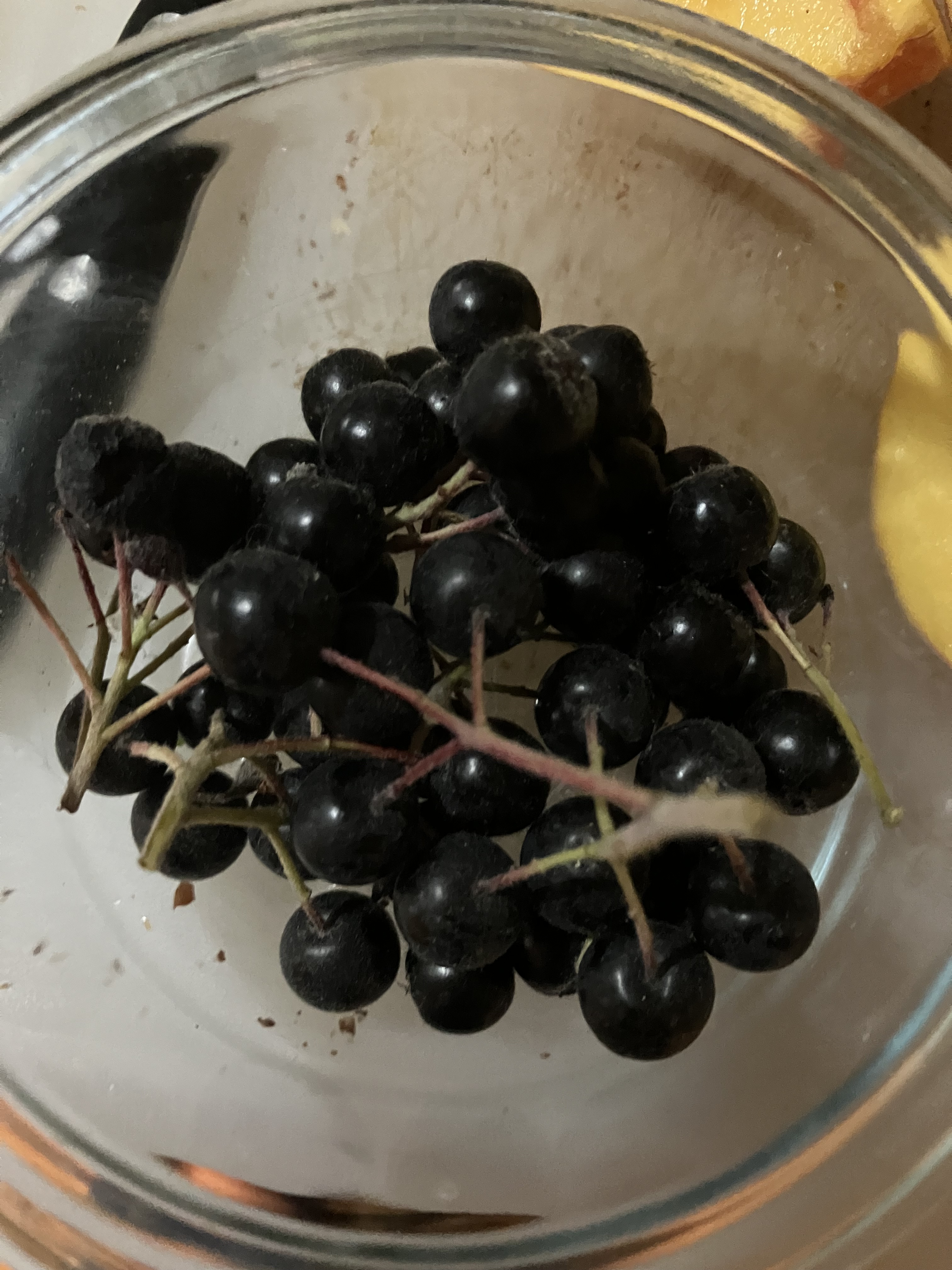
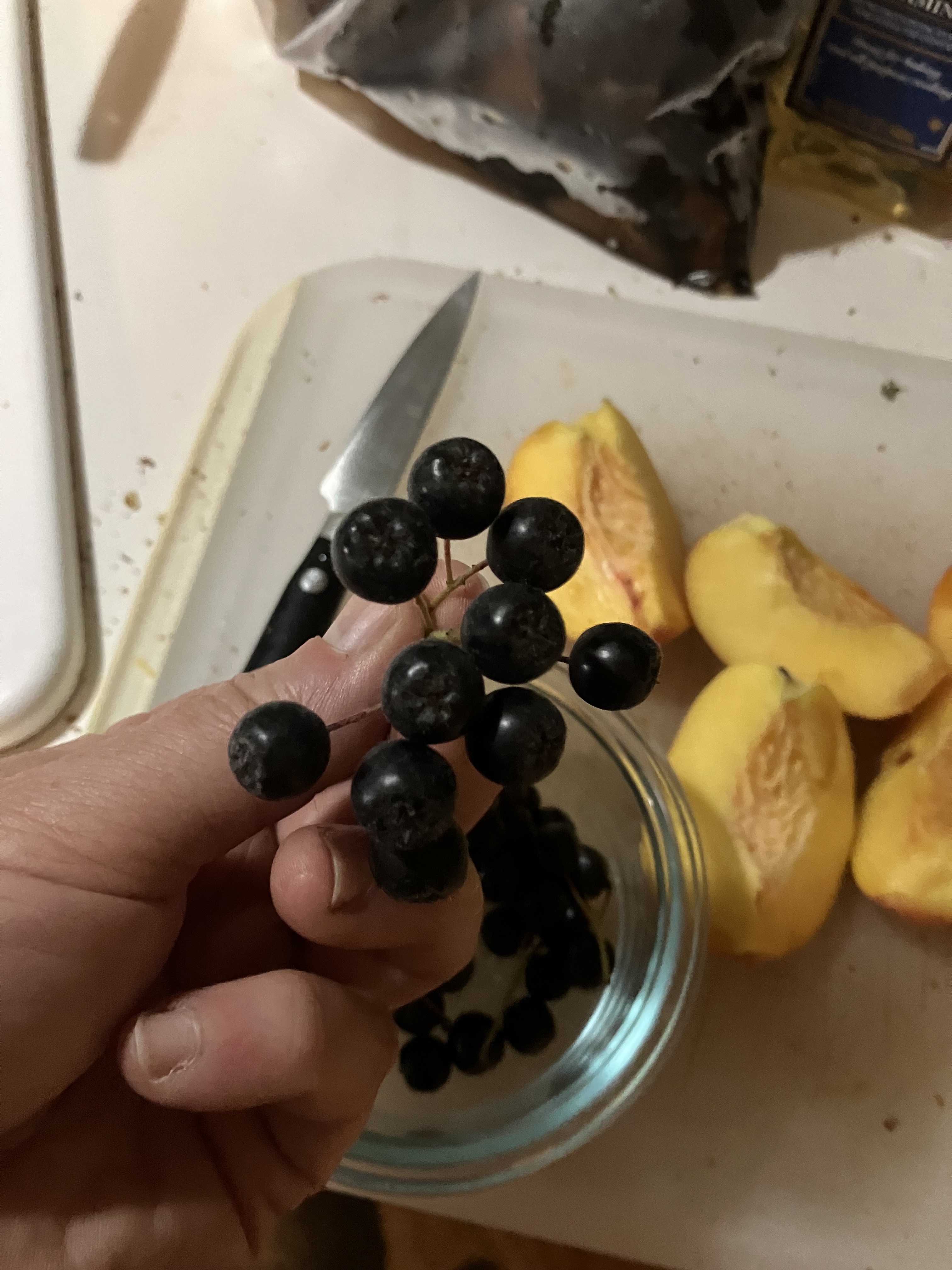
Many harvests are still modest as the vegetation which supports the fruit matures. The Aroni bush that has survived gives a hand full of her fruits, which are highly medicinal. This year’s collection was good for a number of salads, as a few berries eaten fresh are more than enough of a single serving of this nutrient dense richness. I paired them with fresh peaches, feta, and balsamic over mixed greens and enjoyed. This fruiting shrub is on the list of future investment, as they are not a native plant to the area, but do thrive in this climate. They require some irrigation in dry summer to ensure survival and production. The fruit is not sweet, so predation of this berry has been limited. The soft leafy vegetation is prized by deer, so we have to plant them in fenced areas for added protection.

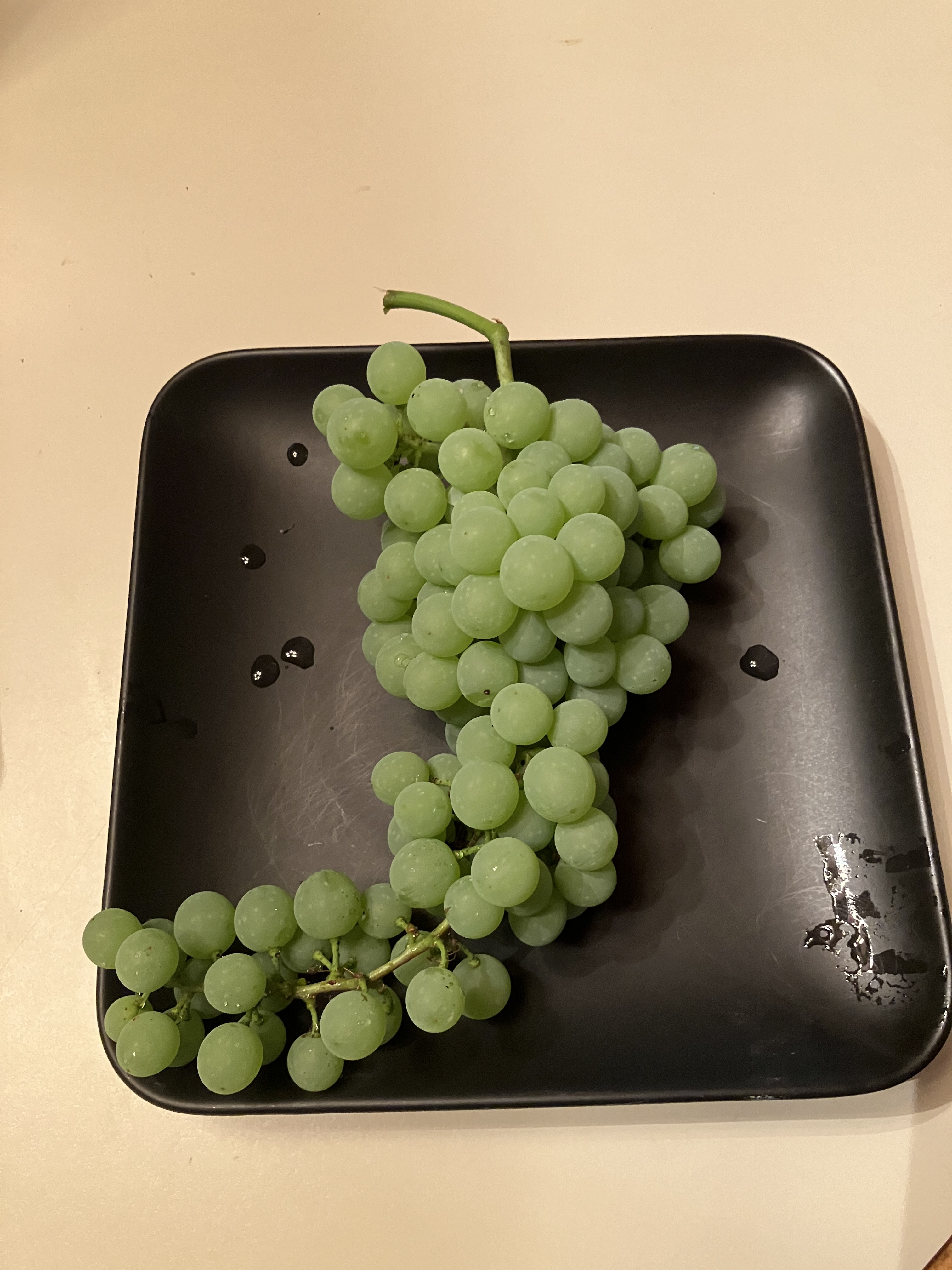
Another slow but steady fruit on the farm is grapes. The vines need irrigation, and when watered and regularly trimmed during growing season, this seedless table variety produces numerous clusters with abundant fruits. I picked the one below a little early, but the juicy tartness was still enjoyed, and they lasted on the plate for a week before showing any wilt. That’s the power of freshness. There are also some slow growing white wine grapes, but they will take many more years of development before we grow enough for bottling. Austrian varieties do seem to thrive here, and through grafting, I hope to produce more vines of this type in future.
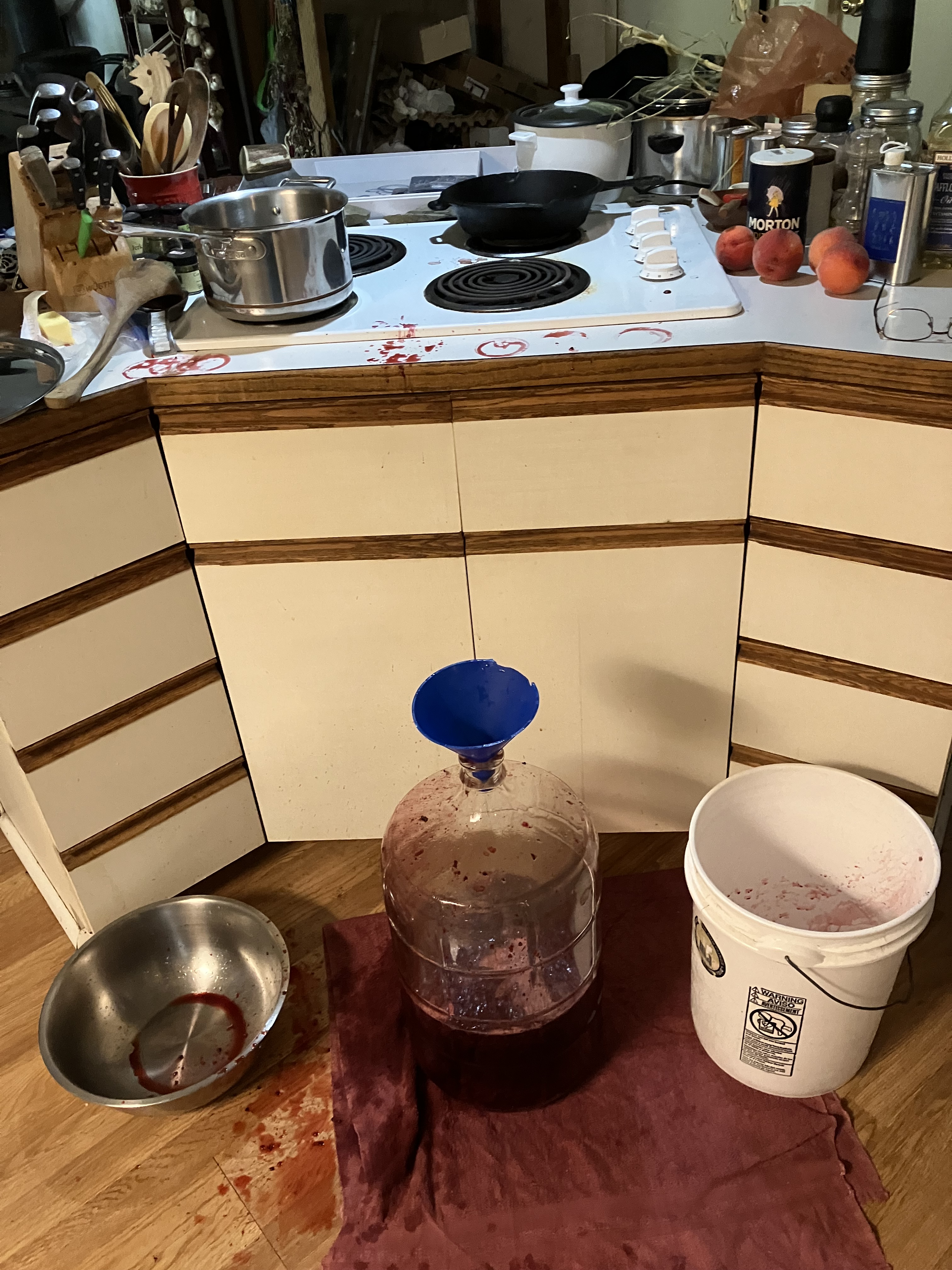
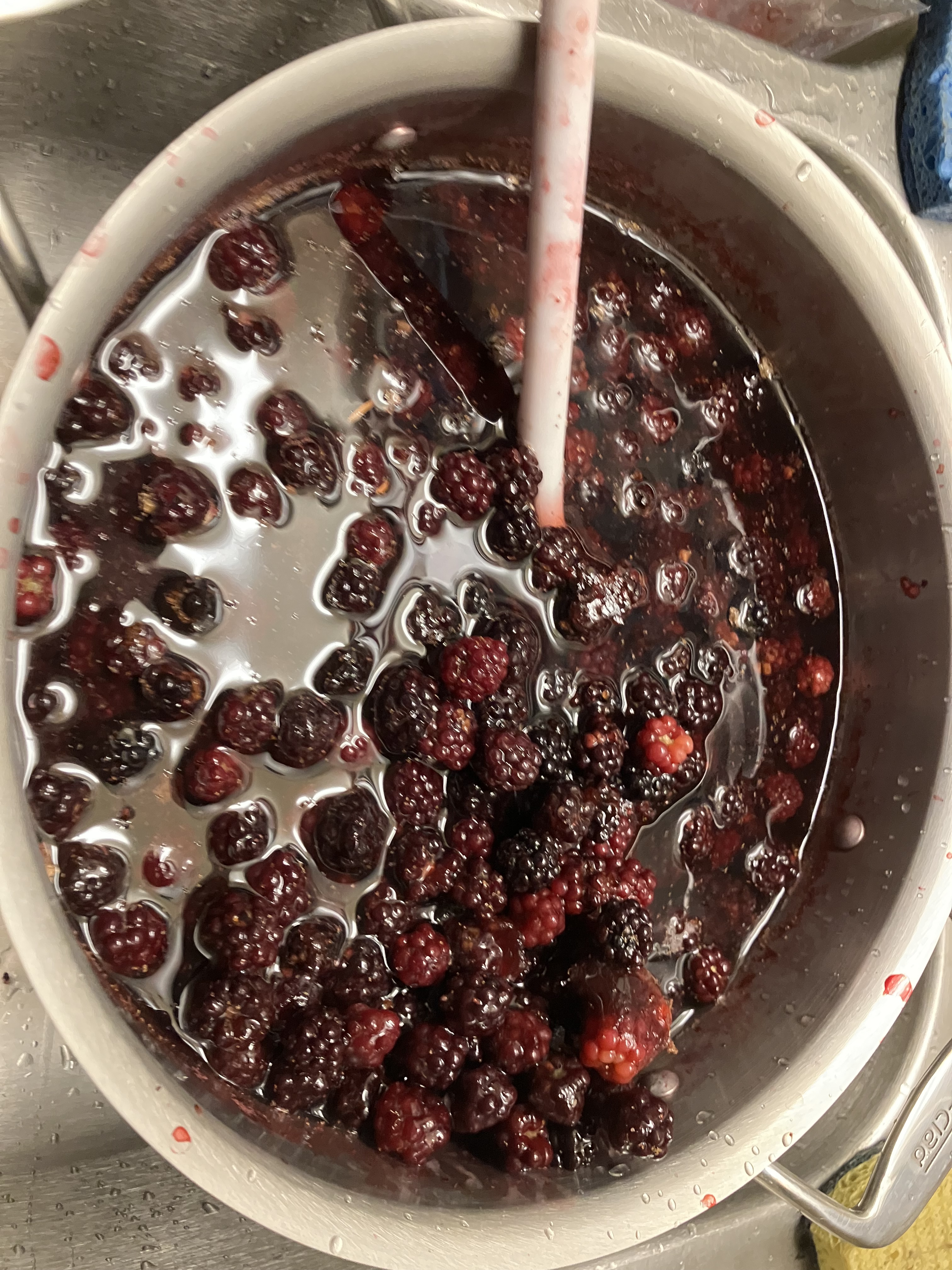
Speaking of wine- the blackberry harvest has, like the mountain blueberries, been gang busters this year. I’ve already picked 5 gallons worth, enough for 10 gallons of wine, which have been boiled and sugared with a fine 5 Star red wine yeast. By December, we’ll be toasting the fermentation and celebrating with some tasty fruit wine. After years of experimenting, I’ve begun to dial in a farm recipe that tastes delightful. However, like with most fermentation projects, the outcome will be slightly different every time. This year, I’ve put down two different harvests in the pair of carboys. One is early onset fruit, the other is late. I think the late harvest will have more of a kick, as it was ripened to a higher sugar content with the sun. Still, both batches should be well appreciated in the depths of winter.

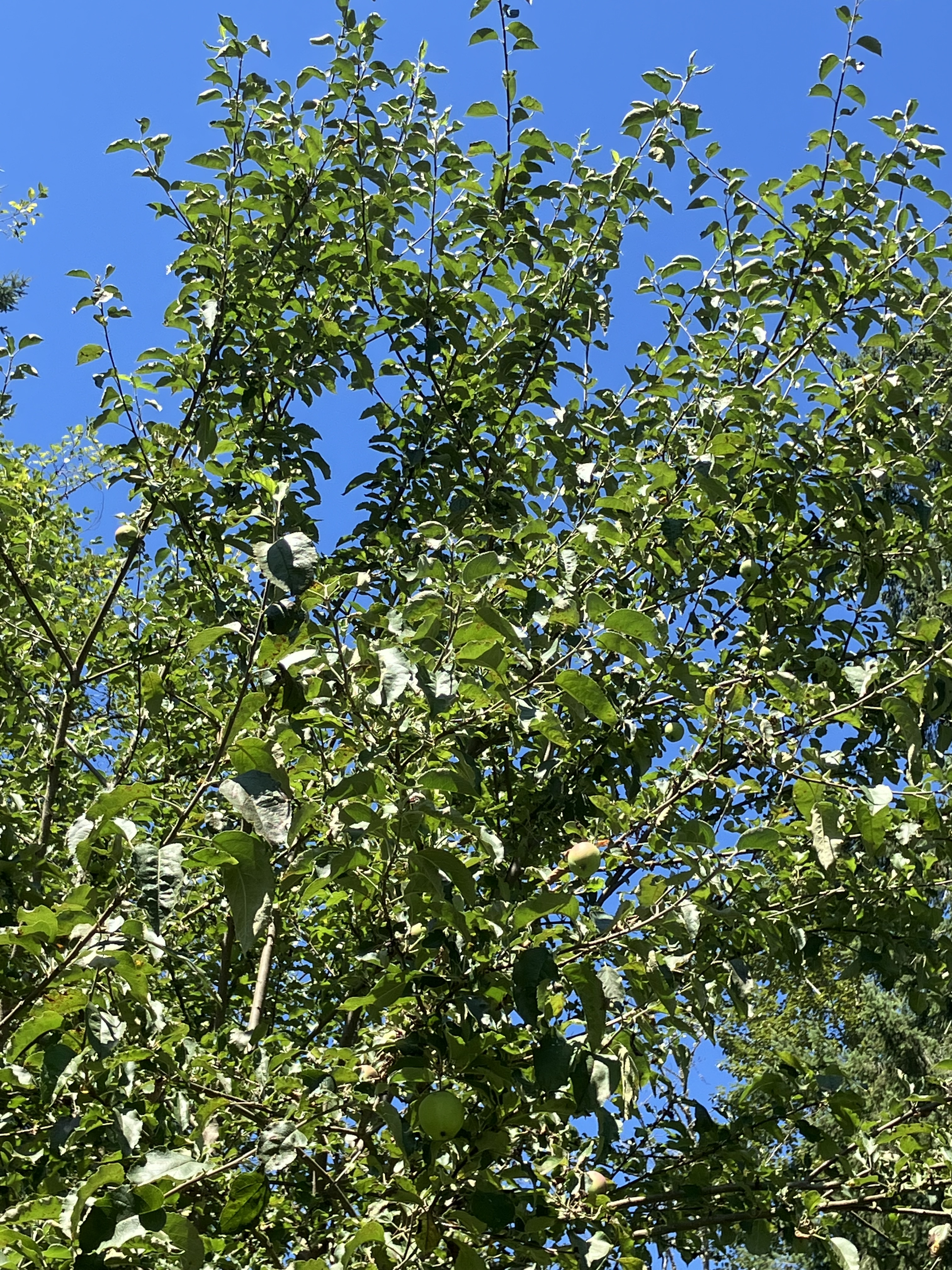
Looking ahead, there are more apples and pears to look forward to. I’ve picked one round of late summer apples, and keep a close watch on the fall verities, which are shedding the imature fruit right now to help the larger fruit reach maturity. Today (late Aug 2024) I dropped excess fruit off the Asian pear tree by the front gate. It’s a mature tree, and the fruit often overwhelms it’s branches, causing a lot of breakage. I’ve learned to encourage an initial shedding of fruit by gently shaking the branches when a few begin to fall. Some of those pears are big enough to process, but most go to the sheep. Lambs finished on organic fruit is no loss to the farm. All harvest is used for improvement on site, from fattening livestock to conditioning soil with added nutrients. What we do not do is leave the fruit on the ground where it falls. The scent of rotting fruit attracts unwanted scavengers, like bears, racoon, and opossums. Cleaning up fallen fruit is important in any orchard. This also prevents waste, or the overabundance of wasps and hornets, who also love to feat on the rotting fruit in late summer. Though I have deep respect for all the animals and insects, I try to keep them out of active areas of the farm- like orchards, where livestock grazes and people enjoy the summer days picking fruit and lazing under the canopy in cool shade.
May all the summer harvests continue in such bounty. Thanks to the sun for all her warmth and growing energy. Gratitude for the late summer cool down we’ve also had, with enough rain to suppress fire danger. May the bounty processed be shared by many friends, family, and neighbors when the cold winter returns, carrying us through the dark times until the warm light returns.

 EEC Forest Stewardship