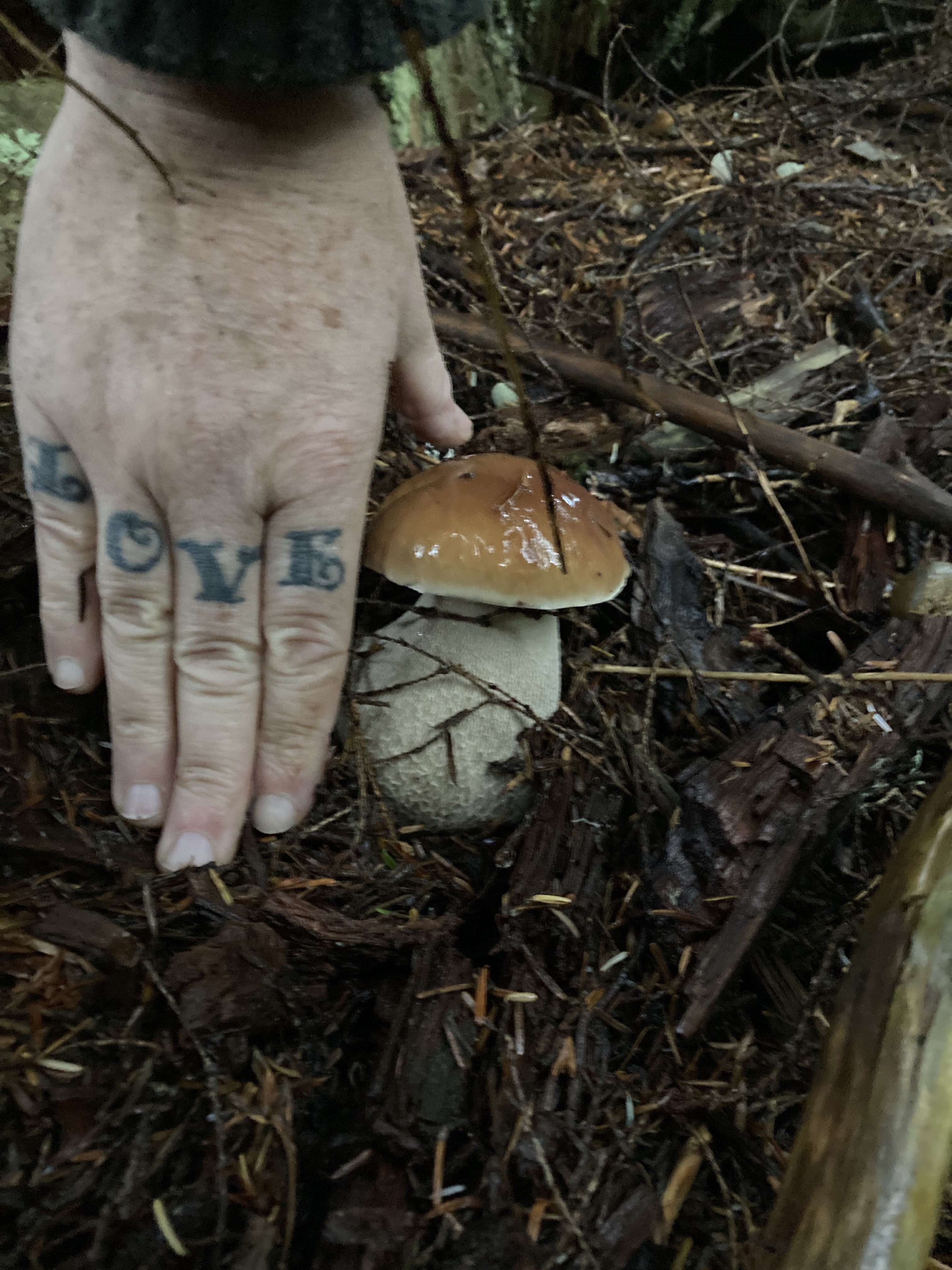
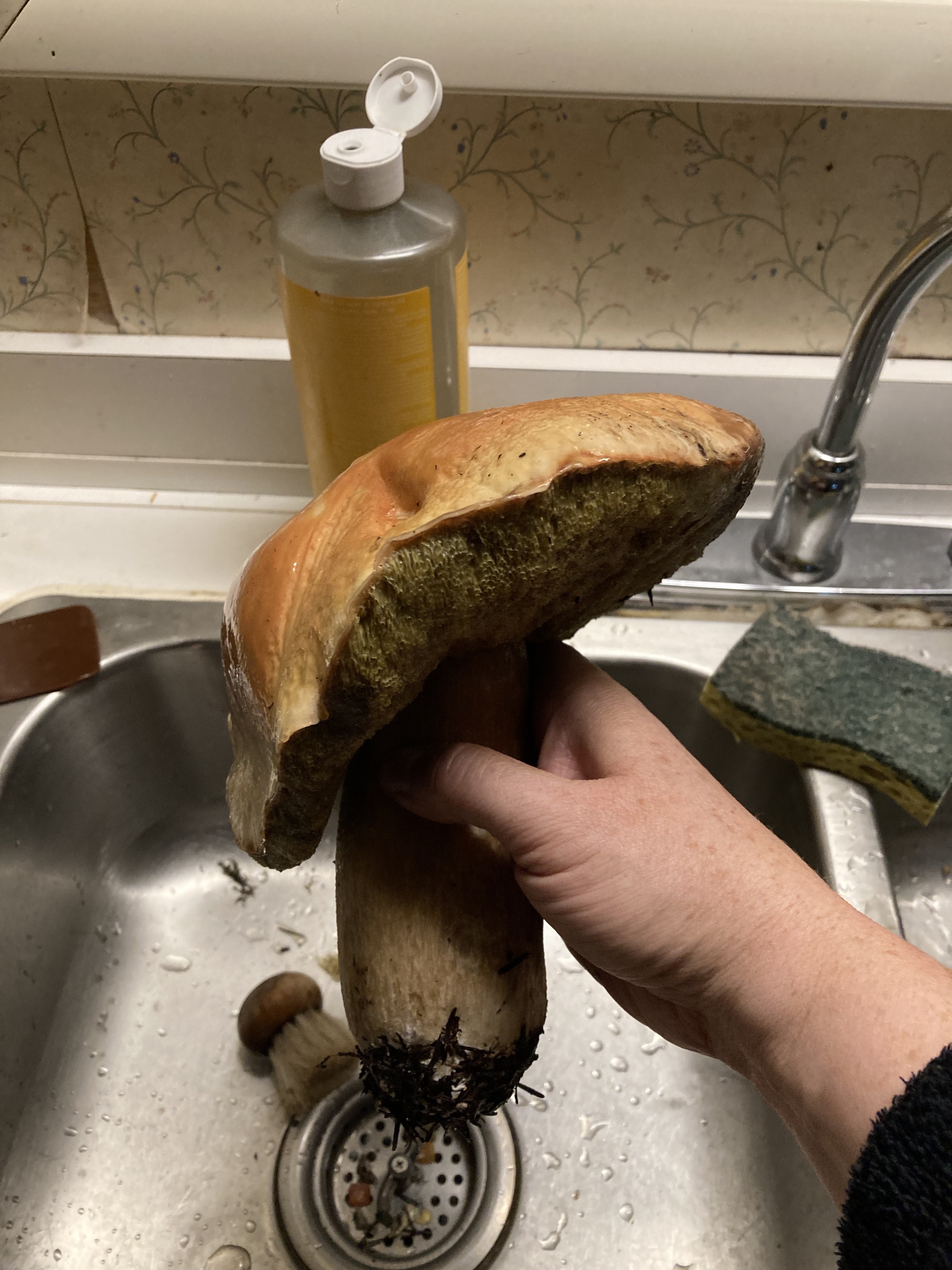
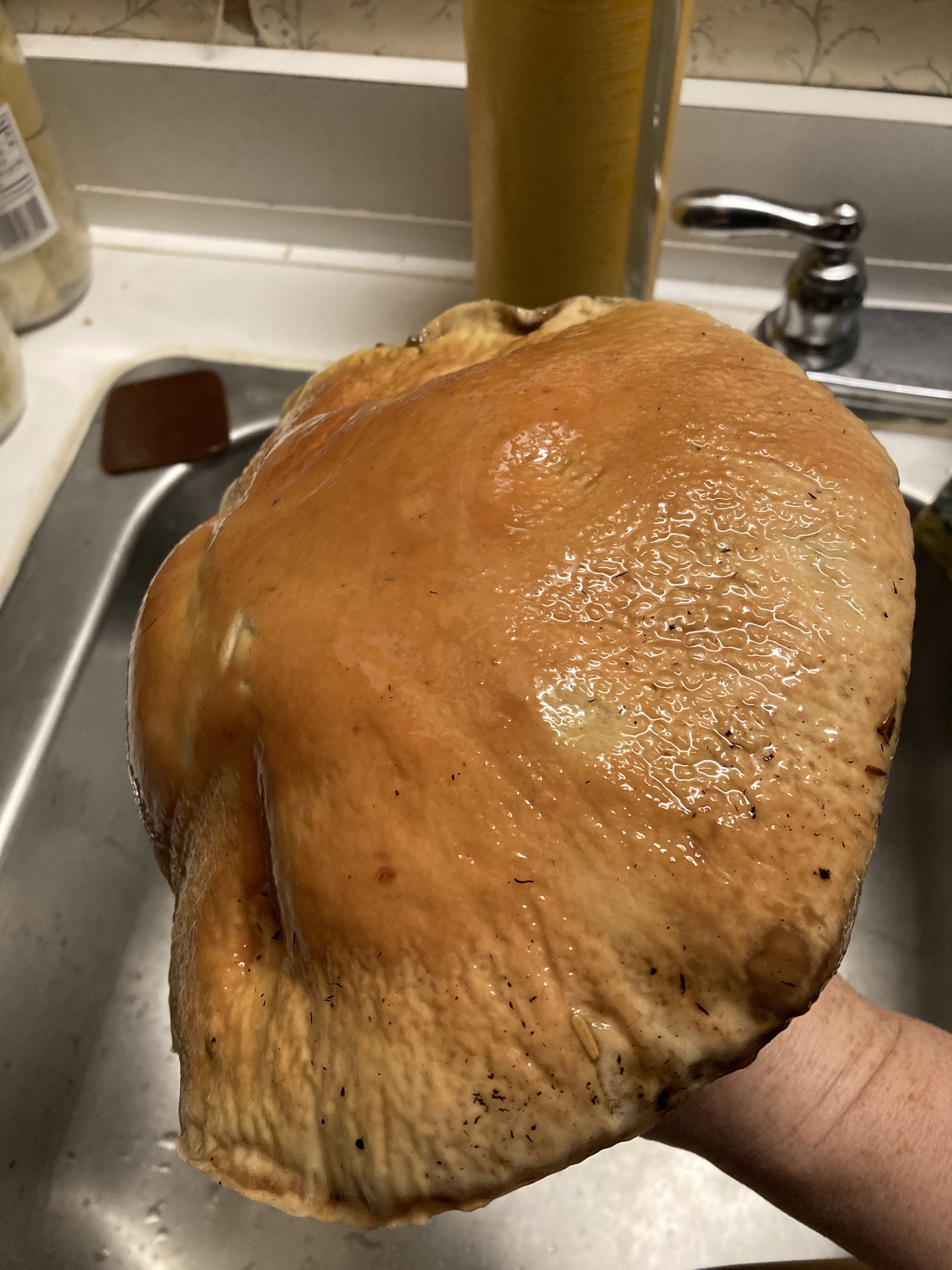
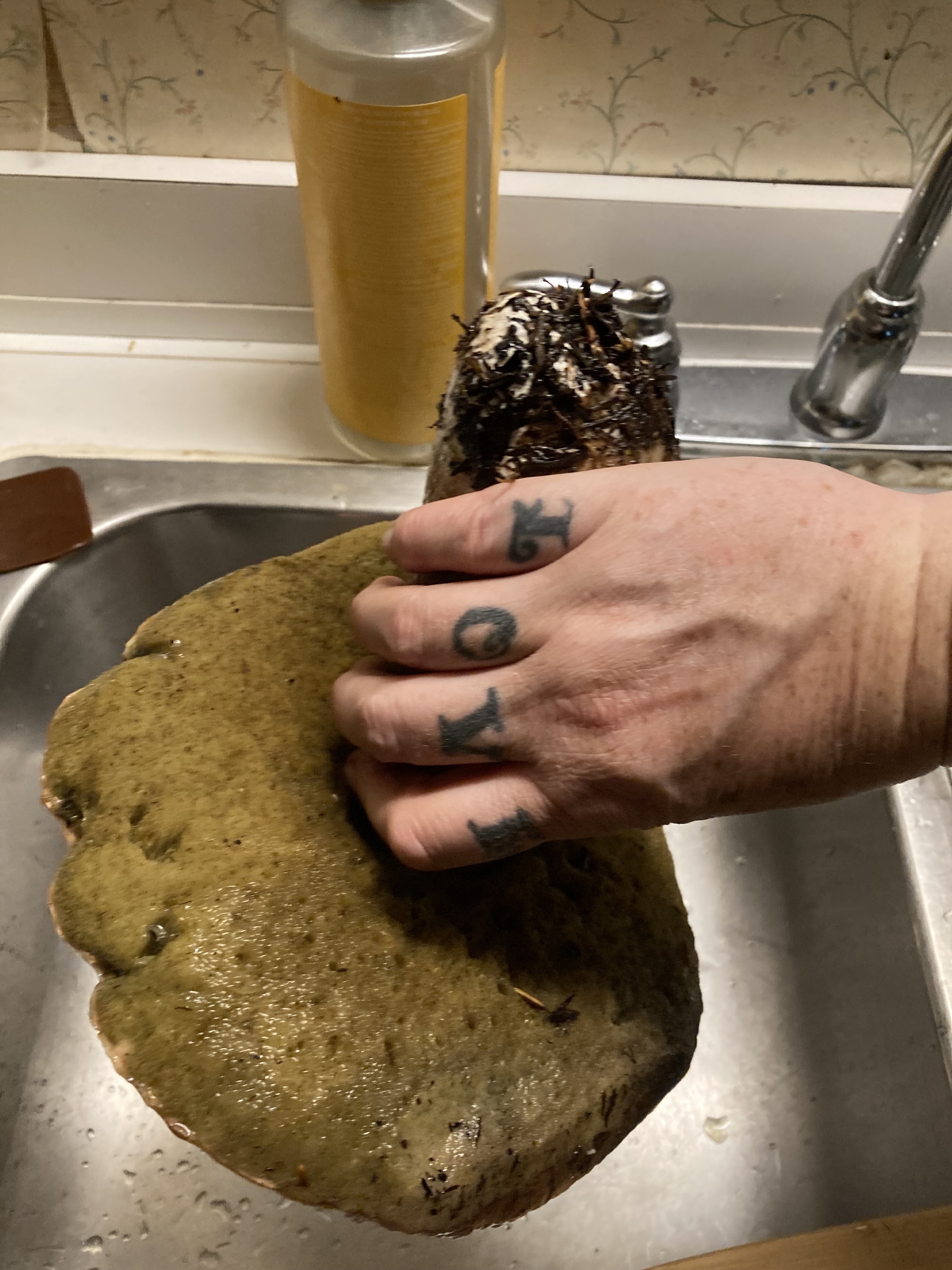
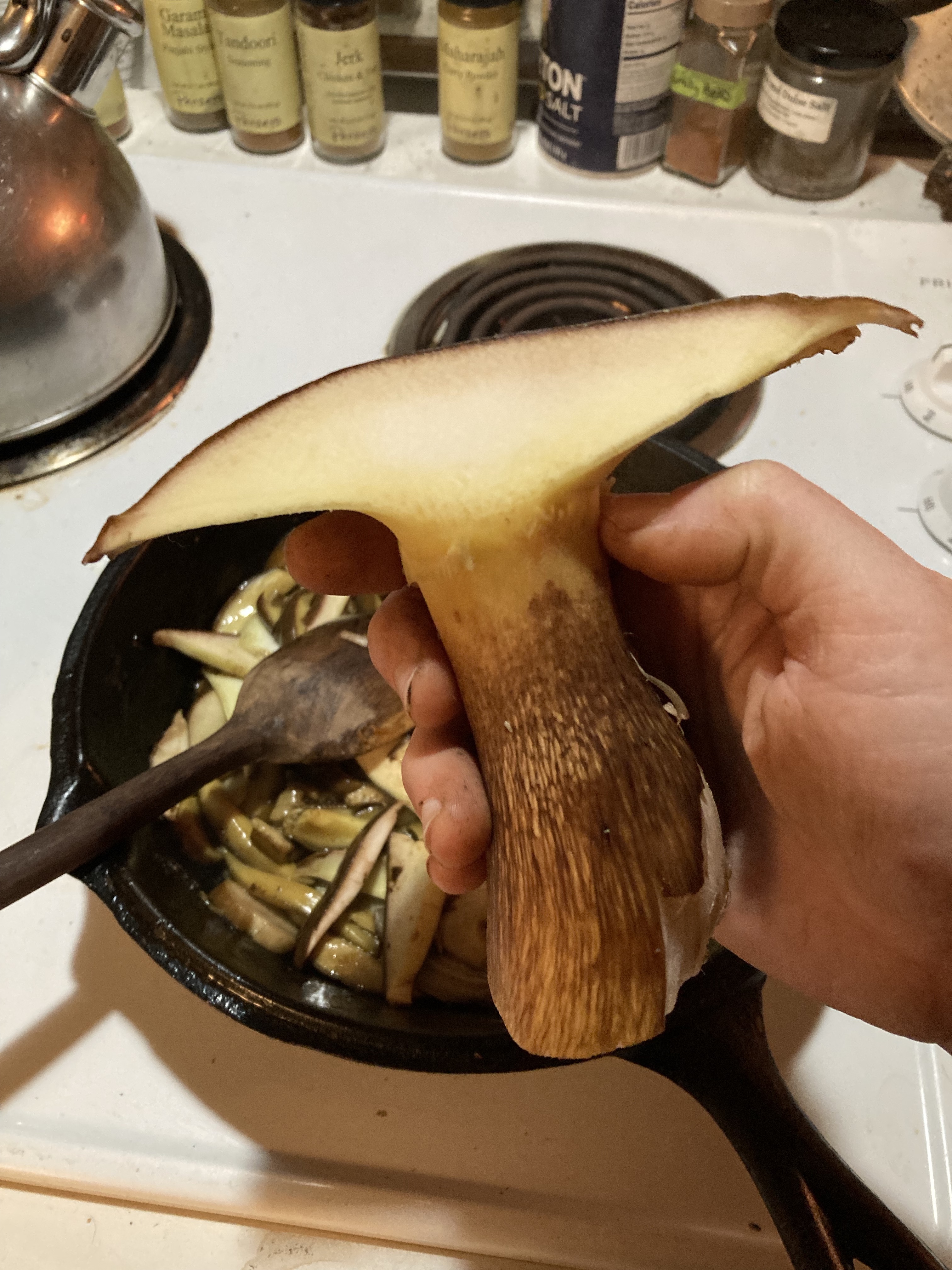
It’s peak mushroom spring in Western Washington, and the finds this year are truly record breaking. It might just be my timing, but this is the year of Boletes. I’ve had no chantrelles, but Porcinis are abundant, yes, abundant. It’s a first for me, but I’ll not complain. We’re harvesting, cooking, and drying what we find, gratitude to the mushrooms for all the beautiful harvest. King Boletes are an amazing find, and they were good sized and bug free- wow! The giant below may look a little past, especially with such yellowing pores beneath the cap, but the stipe was solid, and the tan leather cap was like a fresh loaf of of bread when sliced. Always peel off a mature pore to remove a sponge of moisture that, once cooked, resembles under-cooked egg.
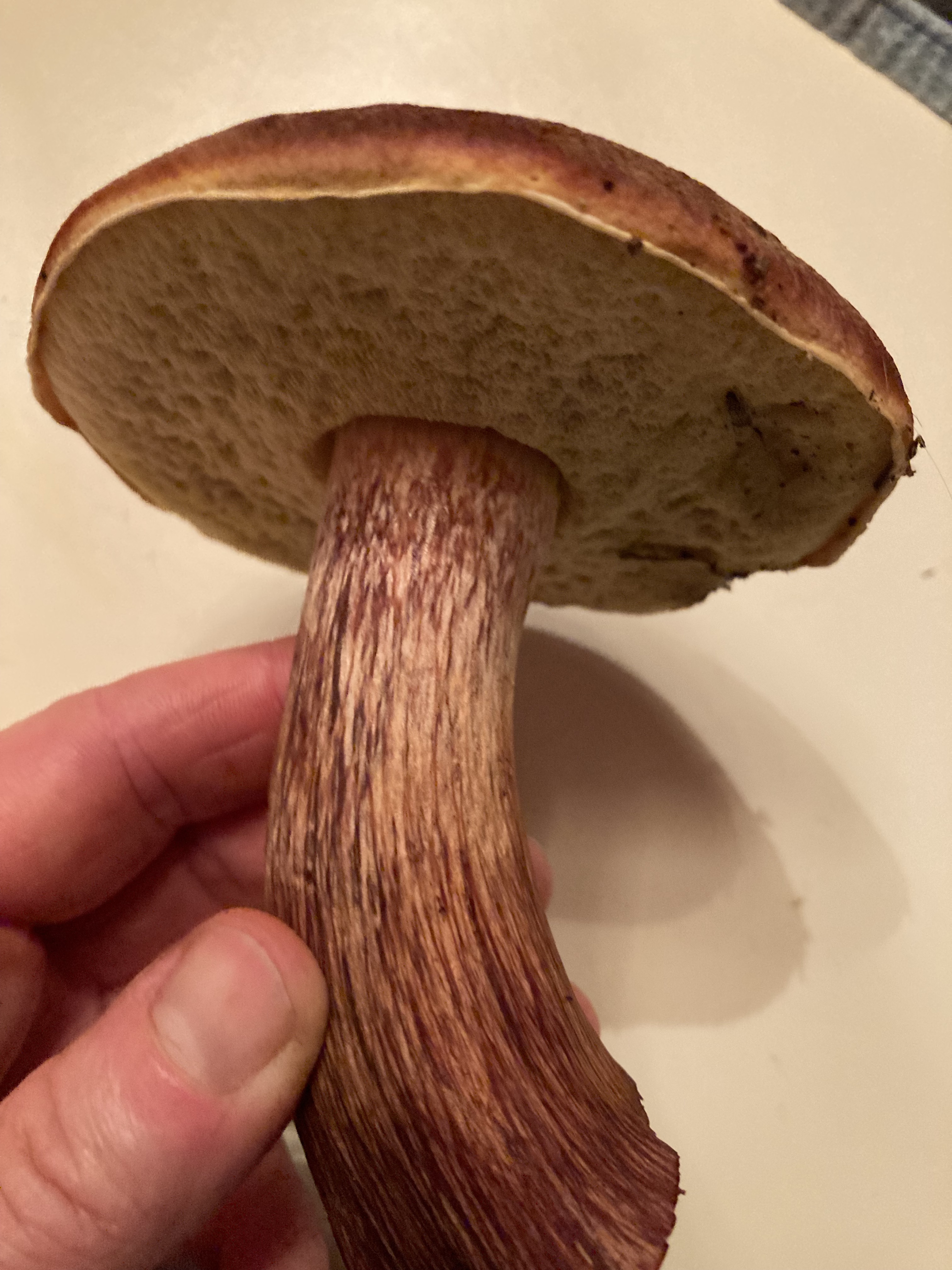
A mahogany velvet cap signals Aureoboletus mirabilis is at hand. It’s red striped stipe (stem) stands out too, making the ID of this mushroom easy in our neck of the woods. Remember that mushroom identification on this blog is specific to The Pacific Northwest- Western Washington. Boletes in this area are a great species to know, and safe- but only once you know exactly what you are harvesting, as with all mushroooms, and some look alike. There are no “kill you” species of bolete in our area, and the toxic ones are easy to ID with understanding of staining discoloration, smell tests, and even some tongue tasting- but that’s some high level shrooming knowledge, so go out with your local expert.


Boletus regineus is another fabulous bolete for your eating enjoyment. This queen of the forest floor is often hard to spot and easy to overlook if you hunt color alone. Shape, texture, habitat- there are so many characteristics in mushroom identifying. Age is also crucial, as many species of fungi morph drastically from button to full cap extension. Knowing how a specific species develops through it’s lifecycle helps immensely in the field. For boletes, seeing the cap flipped up, like an over-pushed umbrella turned inside out, means the flesh will be mush and the stem hollowed out by enthusiastic insects. Those mushrooms are best left in situ, as they’ve been releasing good spores and are not good eating.


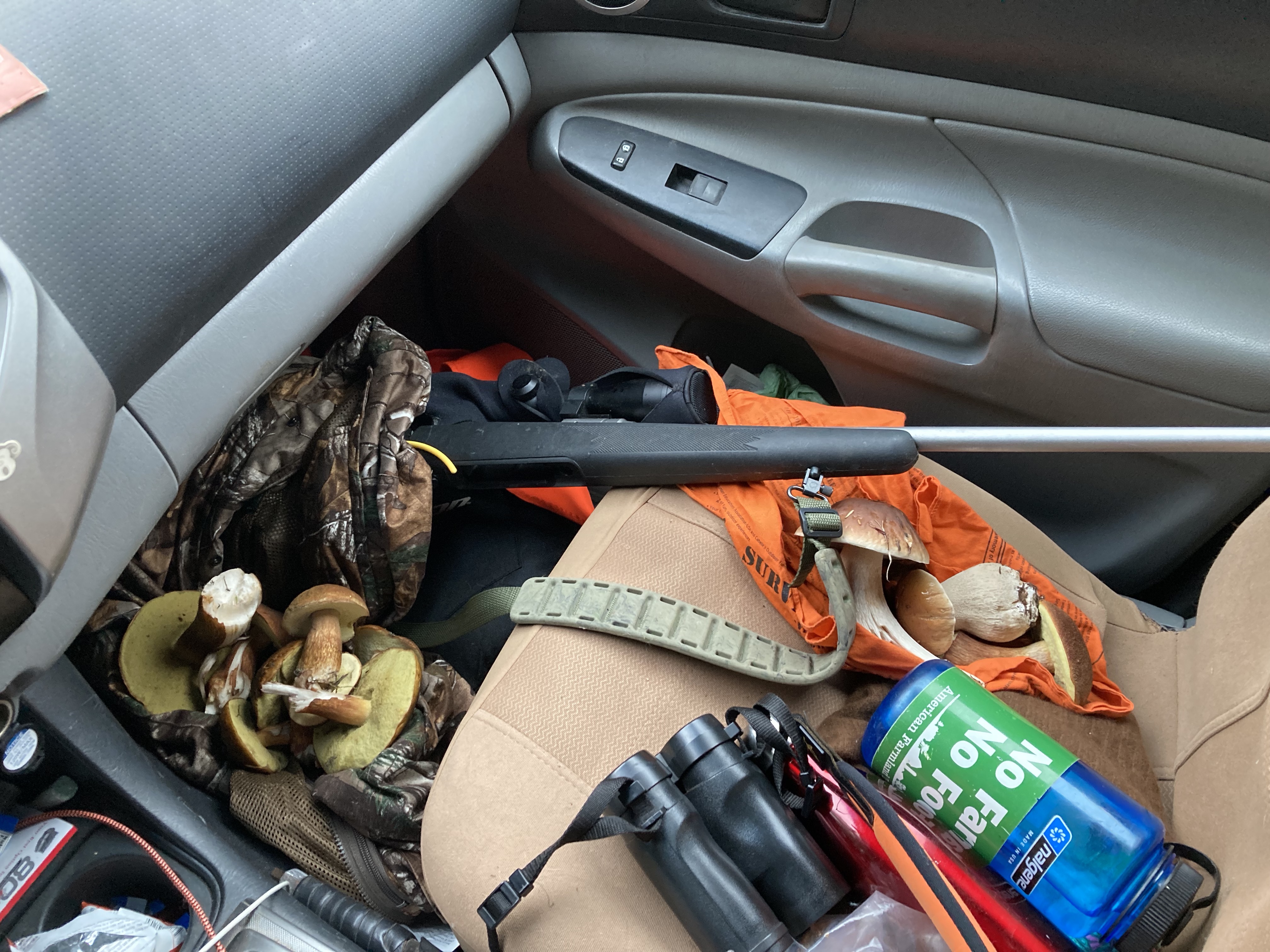
All of my mushrooming this year was done in tandem with deer hunting. Driving from one sit to another, I would sometimes catch a glimpse of a large cap popping up out of the embankment by the roadside (a not busy rural roadside). Stopping to check who was growing around always yielded a reward. After a day of good hunting, a seat full of mushrooms rewards a day in the field, even without harvesting a deer. To have found so many boletes is a first for me, and I’m so grateful there was time to follow out these rich discoveries in the foothill forests of The Central Cascades.

 EEC Forest Stewardship