We are going over the edge of a cliff as a species, and taking the rest of the living world with us. The EPA, under the direction of The Supreme Court, has removed federal protection from most of our country’s wetlands. But hey, now states can regulate them- so it’s ok! Yeah, right! These are the nails in the coffin for all of us. I’ve written about wetlands and their destruction before, but if you want to dive deep and learn more about that history, Annie Proulx’s Fen Bog and Swamp is a next step. Today I just want to touch on one basic concept- it’s all connected. SCOTUS limited the scope of protected waters to surface contact only- as in, major US waterways and their direct tributaries. Water on the surface is easy to understand and monitor, but our waterways are still directly affected by groundwater. The map above shows how much groundwater has been depleted in modern times. These aquifers took thousands, if not millions of years to build up, and we’re draining them as fast as we can to perpetuate industrial agriculture, and the wells are drying up now at a record pace.
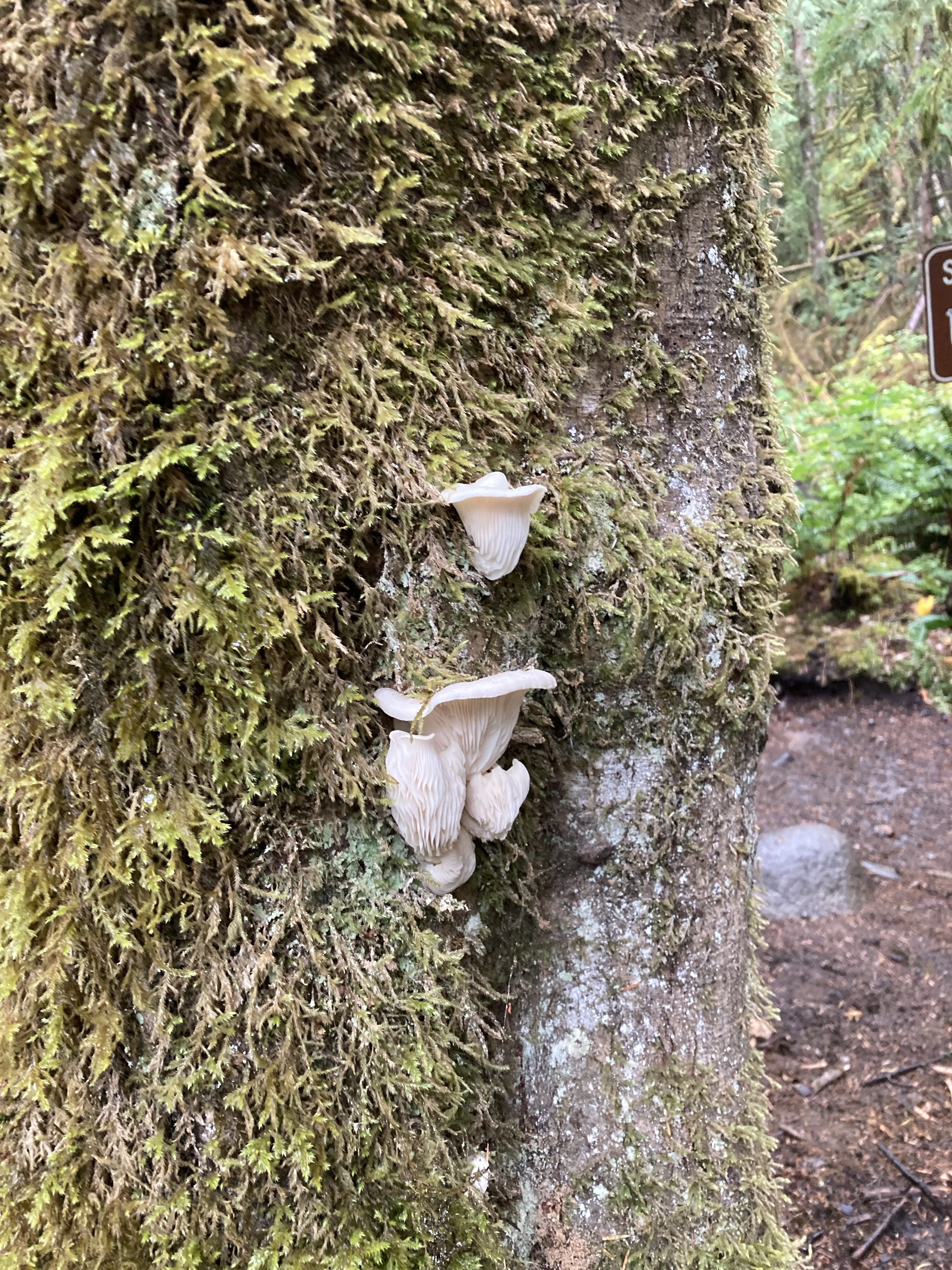
August 29, 2023, it rained in Western Washington for long enough to form puddles and awaken mushrooms. Literally, on a hike up to Wallace Falls, we saw no mushrooms, but on the way back down a few hours later, the fruiting bodies of our mycological friends were sprouting out of logs and standing dead wood. The rainforest came alive and the air cooled. It was like old times again- and I say old because Washington State is in a continuing drought, and this summer, like many in recent years, saw no meaningful rain for months. Even in this delightful momentary downpour, I lifted up some soaking wet moss to find bone dry soil underneath. We’ll need several inches more before any soaks in to water the deeper roots of our towering trees. It will have to seep through even further to replenish the water table.
People are compelled by what they see, and wetlands are seen as obstacles to be removed to make progress. Aquifers are out of sight, so is much of the pollution, which is why the general public does not think about what’s going down the drain or leaking out of the car onto the ground. Floods carry toxic chemicals into the wild waters nearby. This article in Forbes explains how flood waters enter wells, and access ground water we drink. During the COVID pandemic, scientists started testing sewage to track the virus in heavily populated areas. Water carries what’s put in it, including lead leeching from old pipes. We can’t see lead contamination in out water, so we don’t think about it. We can’t see radiation, so it’s not there. These costly assumptions based on ignorance cannot be ignored.
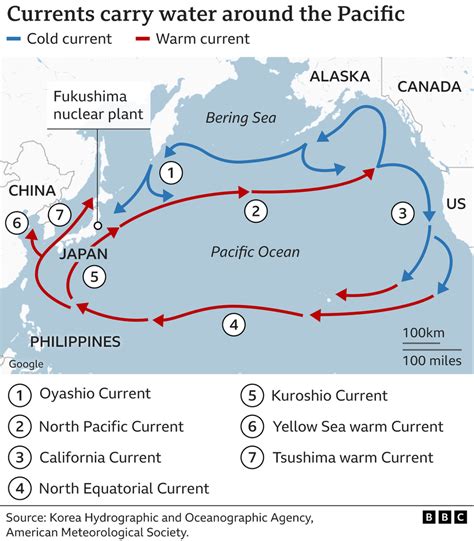
Water, much like the air we breath, carries and spreads pollution throughout the world. Another article I recently wrote about PFSA’s shutting down family farms in The Great Lakes aream demonstrates the hazards of dumping chemicals into water. Even water being treated at plants across the US, cannot remove many of the harmful pollutants, which are then released back into wild waters we rely on. Right now, 2023, Japan is releasing nuclear waste in waters from Fukushima into The Pacific Ocean. Even the best science says the long term risks are unknown at this time. Ocean currents move water all over the earth. What is released in one part of the world will end up everywhere with enough time and movement.
So what? The seasonal pond in the woods behind your house is not receiving ocean currents. Snow fed streams and springs won’t become toxic, that pure white peak above me looks crisp and clean. Does it? In addition to dust particles blown up from turning soil in mechanized development, toxins released into the air (an example) also lands in the mountains, hitching a ride on clouds and fusing into rain. Remember that acid stuff that reeked havoc in the 80s and 90s? Well, the saturation of concentrated chemicals used in our industrial production models remains, polluting our drinking water, which is pumped from deep below the ground. Below is an example of nitrogen levels in ground water- dark blue is highest, and congruent with long term industrial areas (specifically agriculture).

I’d just like to take a moment now for reflection on many of the sources I just shared- they are federal data collected science with peer reviewed studies and decades of research paid for by our taxes to enhance the quality of water- or at least identify problems and stop abuses. Without mapped data like the above, you and I would have no real comprehension or connection between fertilizers mixed into the soil would leech into groundwater and poison our wells. It’s crucial knowledge we can’t go fetch ourselves, it takes elected and appointed collective- society wanting safe drinking water and demanding oversight for the protection of all citizens’ right to potable water. As the studies continue to mount, and more long term research unveils the consequences of our action and inaction.
If you have some time and interest in learning about your local and state water commissioners, state laws, and effective mitigation practices here in Washington- please dive right in! If you’re not Washingtonian, I encourage you to seek out your own state’s records and laws to familiarize yourself with potential risk and need for citizen action to support strong state regulation in absence of federal. At EEC Forest Stewardship, we’re enrolled in a variety of state, federal, and NGO programs which monitor water quality, habitat restoration, and soil improvement. We get our well tested every few years for locally found toxins like arsenic- which occurs in the rock naturally, and nitrates, which would come from industrial practices. No dangerous levels of any contaminate has been found, but we keep testing, and sharing our results in larger databases for research and monitoring.
Even if the groundwater remains pure, the wells can only dig so deep, and as the water table drops, our creek will become seasonal, and the fish will be unable to use it as nursery space, along with many other aquatic species reliant on small creeks and seeps to survive. Closer to the Ocean, freshwater will be flooded with salt– which occurs when sea-levels rise. Much of Washington State’s coastal farming will be ruined, and brackish water will continue creeping up the rivers inland. The future of drinking water, irrigation for crops, and industrial contamination cannot co-exist. The talk right now seems to be desalinization plants and some wetland restoration to mitigate future storm surge. Neither of these solutions carries a silver bullet, but one produces more chemical pollutants as a major byproduct (I’ll let you guess which one). It’s a good thing we have federal oversight to monitor and chart the outcomes of our follies. Oh wait!

 EEC Forest Stewardship