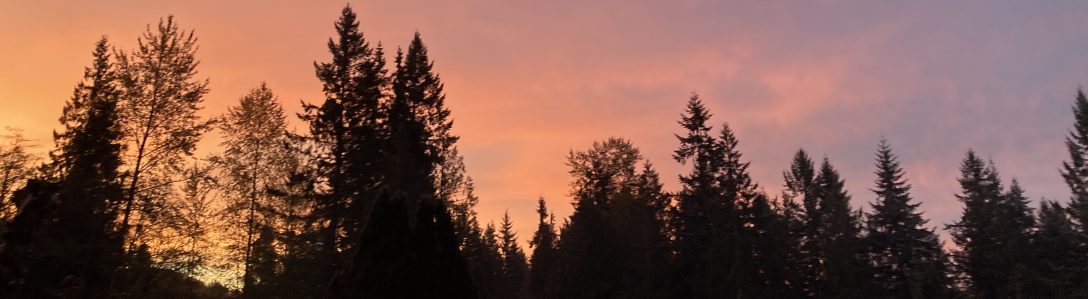
It’s the late season here at EEC Forest Stewardship, things are drying up and options for our livestock dwindles. We’re almost through August, last year, 2022, we started haying in September. There was smoke thick in the air on some days, though today in 2023, the skies have just cleared, and a light damp rain fell in the night. Just a glaze of humidity on the landscape, but something to bolster what’s left of nature’s bounty.

On a weeding of a kitchen garden, morning glory, dock, purple clover, burdock, and cat’s ear filled the wheelbarrow to feed our tethered ram lamb, fattening up for a client on weeds. But the blackberry flourishes on as solid brows, also offering sweet berries at this time of year, though the wet weather will bring on mildew, so picking becomes a priority. It’s that season- late summer, and fruits ripen as reward for our labors. Peaches finished last week, and now apples fall from the branches, while Asian pear’s snap with the weight of abundant fertility. Some of the fruit will go to our sheep and birds, most comes through the kitchen and into jar or freezer bag for the long term larder. We have been thinking of ways to lay feed down for our stock too. Haying by hand has payed off a little for our goats in the past, but the labor to cut, rake, and put away in the loft has remained more work than reward in fodder. It’s easier to chop and drop, returning the fertility to the soil and creating mulch. We’re also on a mission to vegetate the land in layers, which does not facilitate mass mowing, but does elevate the table on multiple layers for grazing and browsing; while protecting the soil and regenerating it’s fertility with shed mulch- even more affective than the chop and drop, it just takes more time to implement.
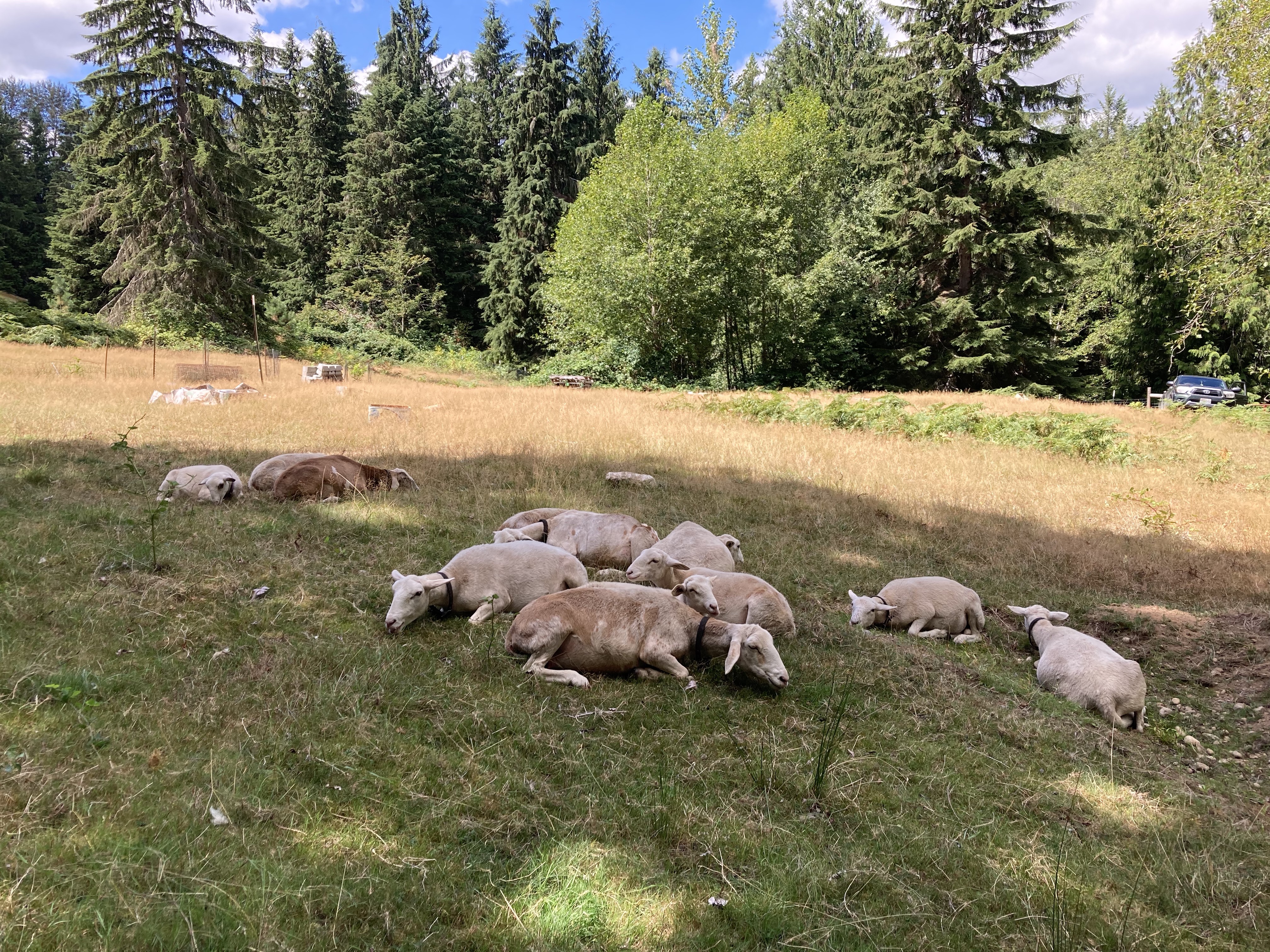
The balance of stock and pasture ratio has finally balanced out, after a decade of experimentation and relationship with this modest parcel, our flock stands at eight breeding ewes and one ram overwintered. This number not only fits within the limitations of our land’s current production capacity, it offers the restoration plantings space and time to grow and establish. This back field, pictured above with the herd during a heat event of 102F in Aug 2023, remains green in some areas where the shade of the evergreens cast relief on the animals and soil. There are even a few rushes popping up to signal groundwater near the surface. As we continue to replant this field with trees, more water will stay in the soil. Oaks and other nut bearing trees are a priority, but until they are established as the dominate canopy, less productive species of grass remain the only sustainable cover for the soil.
I’m very encouraged by the resiliency of the back pasture. It’s been grazed three times this summer, and on this third round, I didn’t subdivide a more formal rotational plan to see how it would manage with the flock at large, and things are looking good. Shortly after Labor Day, we’re moving the sheep back into the upper pastures around zone 1 and our major fruit and veg production areas. The sheep will be rotated in a micro managed pasture system to brows down premo pasture like clover and alfalfa, which we’ve held them off till the last legs of grazing time and to put on a little extra fat before winter. I’ll be keeping a close watch on the land as the sheep graze through to make sure both animals and vegetation get the right feed.
How are the plants fed by sheep browsing? Late summer signals plants to finish growth and prepare for dormancy. The length of days shortens as plants send the last of their energy down into the soil. This action is hastened by the shedding of summer’s growth in the form of seed and fruit. Letting the grazing animals eat that bounty helps crop the plant for winter hibernation while encouraging storage of energy in the rooting body. Your root crops are harvested in late fall when all the densest nutrients presides within. If left underground, the plant will rest in hibernation till warmer temperatures and longer days signal another cycle of growing up to the sun.
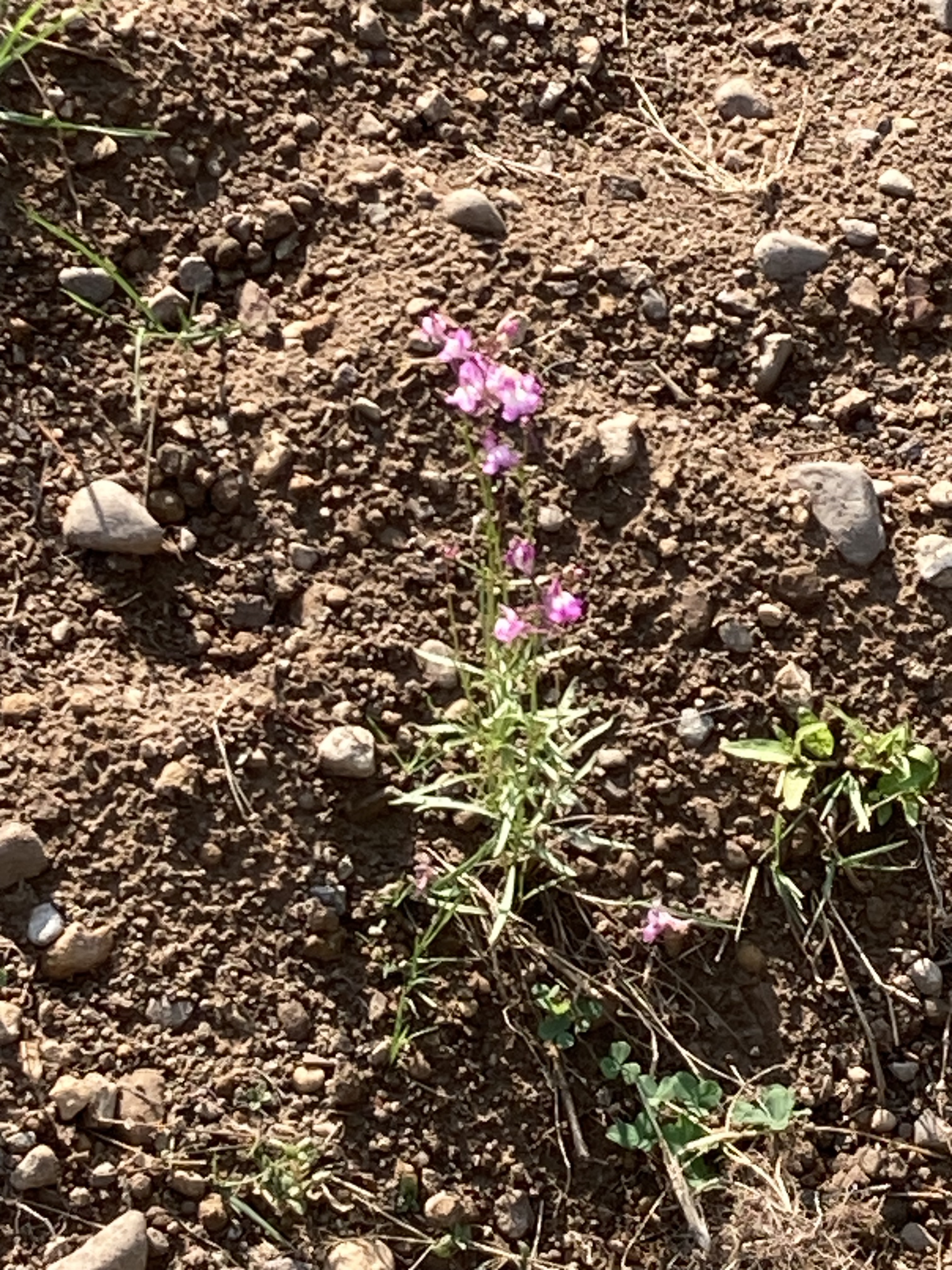
Even with little rain and hot summer afternoons, the wildflowers have reinvigorated one last time. Our exposed soil, parched dust, still grasps some hydration to brace green forage. Clover, clumping grasses, and blackberry continue to feed our sheep and even give pollinators a much needed helping hand. Soon, rotting fruit and roaming black bears will usher the final harvest and overwintering gardens. The chest freezer is already full, and we have a special meat freezer which is already 1/2 full of roadkill venison and lamb. Luckily we’ll be sending the rest of our fall cull on the hoof and out the door quick, with the herd bound for the barn by the end of October. Gratitude to all the working parts keeping the land healthy and abundant.

 EEC Forest Stewardship