Leafhopper Farm is celebrating 10 years of producing food, restoring forest, and sharing the experience through hands on learning and this blog. Personal inward journey on this adventure continues in abundance along with meat, fruit, nuts, herbs, and native habitat. The rewards are also financial- we’re in the black, and have at least covered the costs of annual expenses in grain, hay, and agricultural infrastructure. I earn no personal salary on the land- yet; consulting, and some implementation for clients keeps me busy off the farm, and that job could expand, but I want to be present on the land where I tend and live.
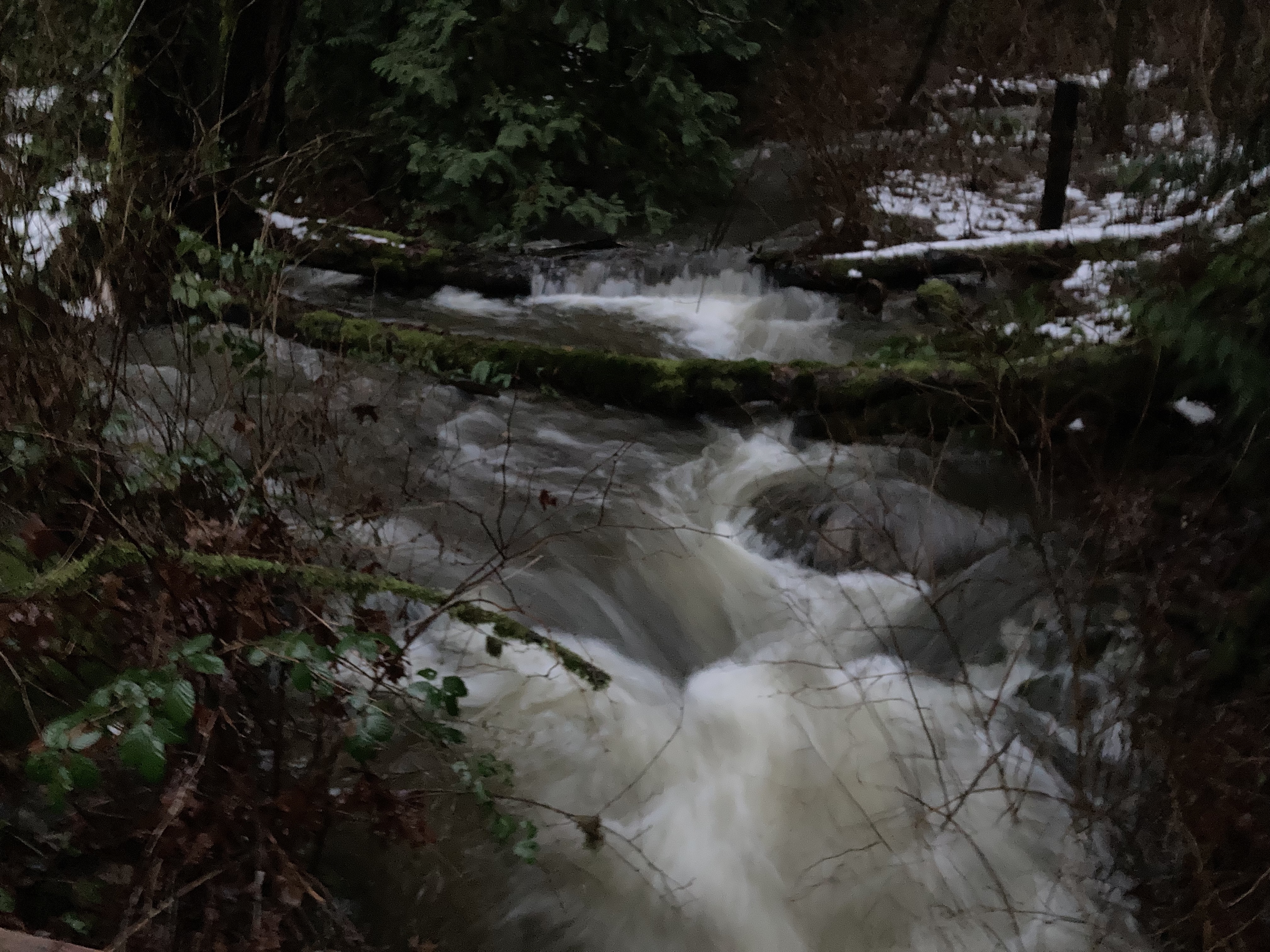
Talking with my King Conservation District CREP steward friend yesterday- some wonderful women are coming to address Reynoutria japonica growing in the creek- we shared recent reflections of working outside, and he commented, “you’re so tuned in”. That’s the money for me folks, tuned in. There’s no venmo or facebook, but the turkey vultures taking care of refuse in a totally organic process, gravity fed water systems with rain catch and cisterns supplement a well on still safe to drink water, flowing creek- spring fed, digging drainage, having an animal die and the heartbreak of loss, hard lessons from tenacious “weeds” (I think of them as teachers), the problem is the solution- and finding that solution moments, that’s the life experience I quest for. Gratitude for all that allows this journey.
There is community, in a small network for friends and some woven business relationship in food and labor trade, as well as design of livestock systems, integrated into restoration, with a focus on long term cooperation between food and forest. Fruit and nut trees mingle with maples and oso berry. Evergreen stands harbor rich layers of temperate rainforest, holding water like a sponge. These intricately woven patterns echo in our relationships with each other. One thing I do struggle with in this web of reliance is our collective refusal to acknowledge we need each other, not just use each other when we want, out of convenience; we need each other to survive, but we’ve disconnected from that obligation on so many levels. Some of it, through deliberate conditioning in our culture, to make us more malleable, then easily manipulated by consumerism. Dollars and cents pay the bills, but does this make sense if the quality of life is void?
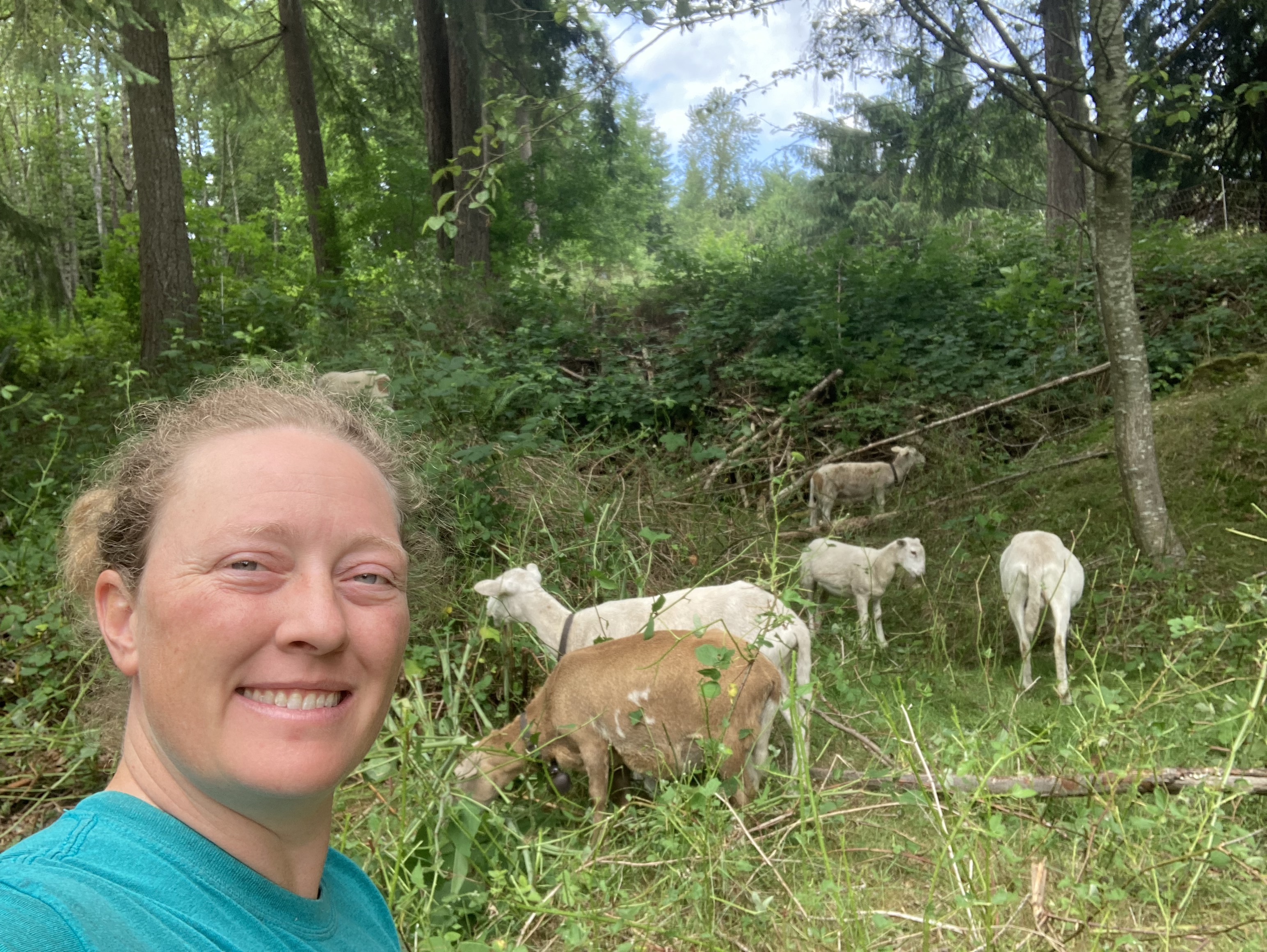
The experience of turning outward with my livestock operation, going the more commercial rout, would make more income, but neglect the land restoration, and up the outside inputs. We’re working towards low maintenance edible and medicinal landscape with rich, fertile soil. Goats, pigs, sheep, chickens, and soon we hope, geese- have all contributed to rebuilding fertility. There are maturing understory shrubs rising up from the fields, and more young trees to come. These are worthy investments, and work with stocks that underpin fertility, nutrition, and authentic connection to place and time. It is one way of living, with great cost in time, money, and labor, as well as dollars and cents- land taxes, utilities, transportation, and goods still demand curacy economy. I add dividends in new trees established and number of healthy lambs produced. It’s in balance, and the restoration is expanding.
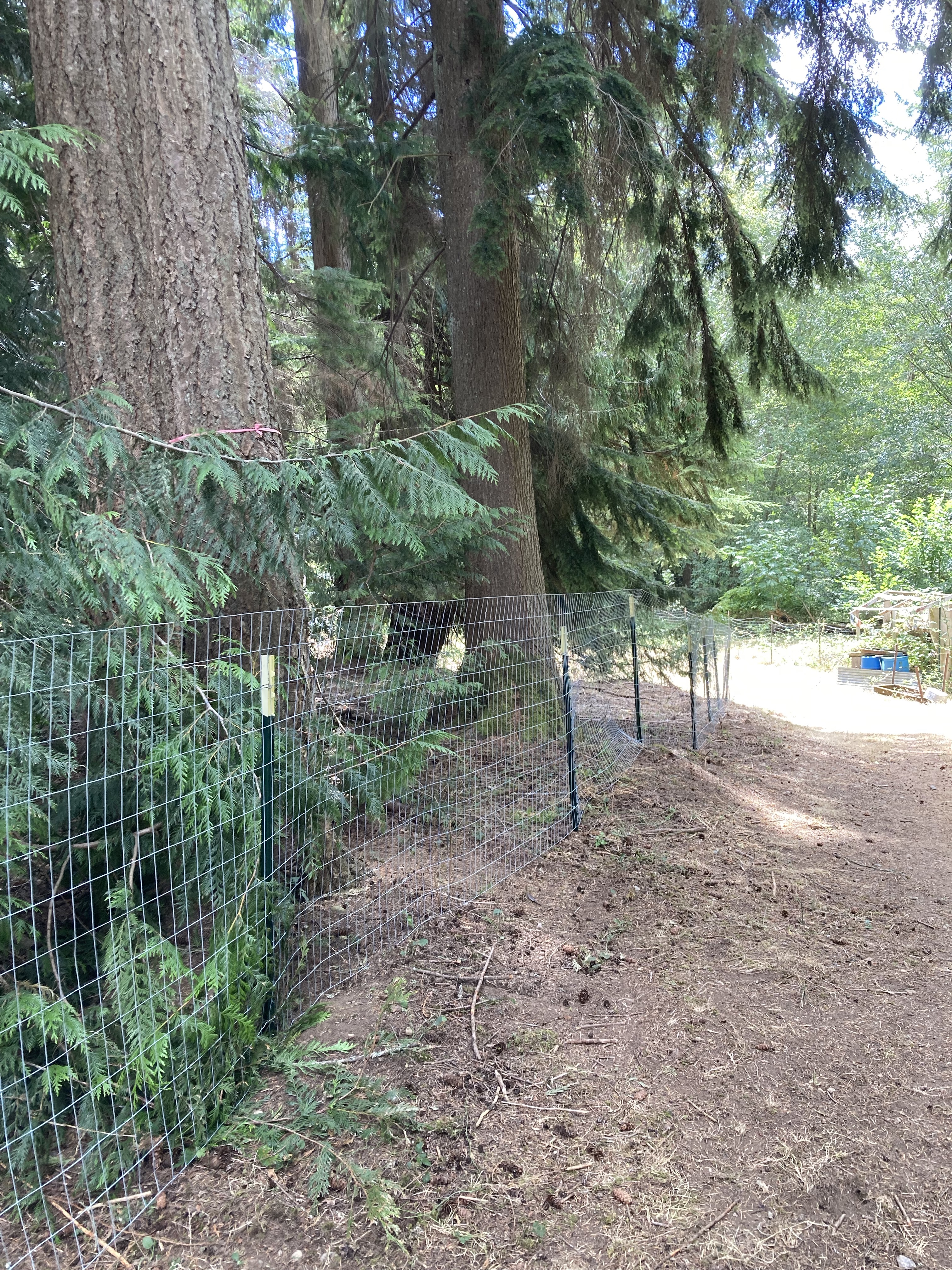
We’re putting up more hard fence within pastures to create long term healthy forest stands. Ten years of browsing mouths pushed back the blackberry, then some observation, swale building, weeding (intense labor with a mattock), and mapping have given the landscape both face lift and water system enhancement- enough to warrant some deep investment in restoring whole groves. We’ll be experimenting with replanting low hanging branches to stabilize and root new trees. Native ground cover like Arctostaphyloos uva-ursi, carpets of moss and branches, along with seedlings of Douglas fir, red cedar, and western hemlock. We’ll plant bur oaks along the south facing slope where sun traps bake the ground in summer heat. Stay tuned for new forest development at EEC!
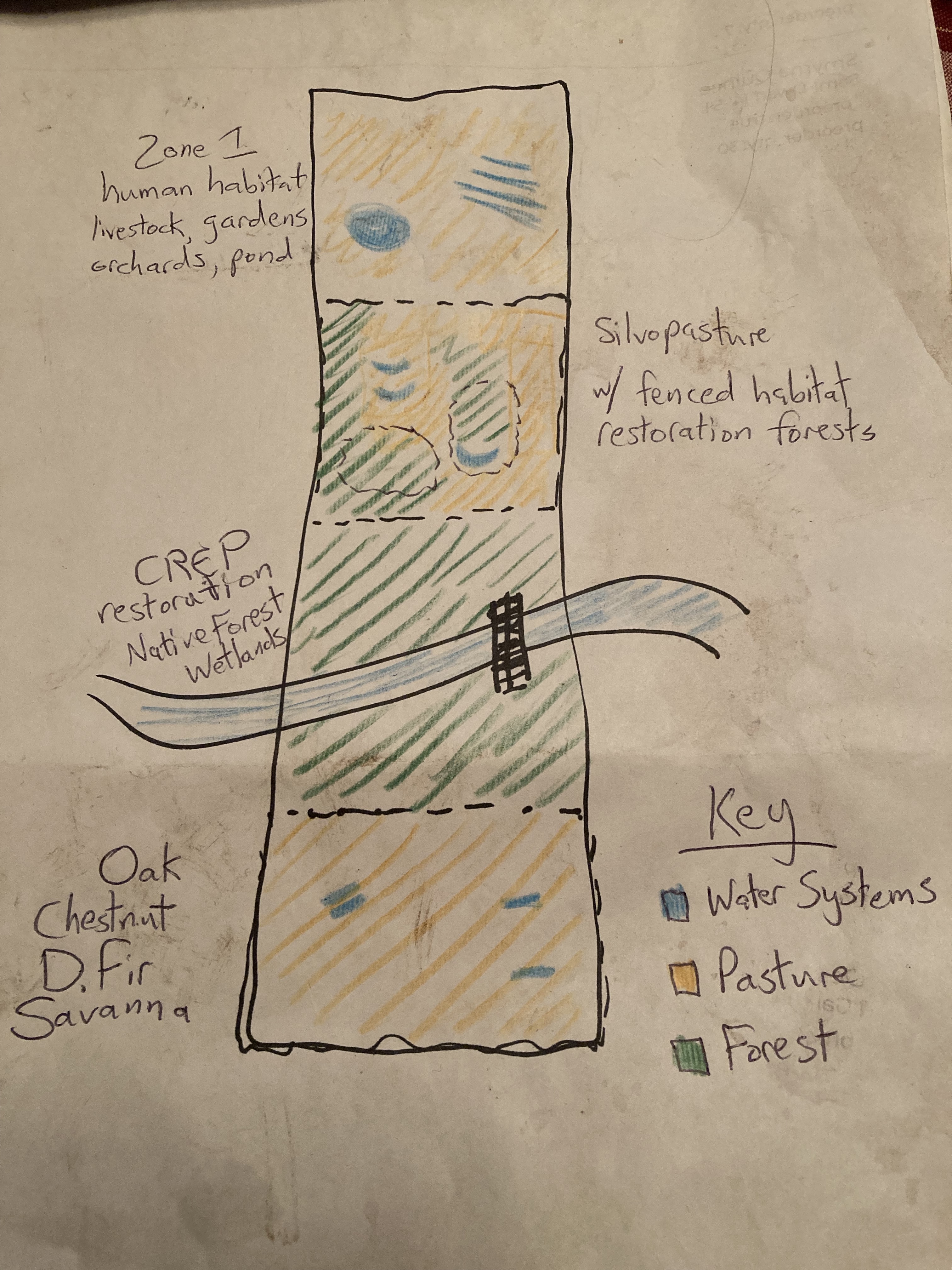
Below is a quick map of the property with the 4 major areas and main focus. The northern most landscape of our property has seen the most change since 2013. We’ve built habitat structure for both people and livestock without pouring any foundations. The pond remains through drought and floods, and still has not reached overflow capacity. The way our climate change continues, it may one day be a mere seasonal seep. Our water table has dropped significantly in a few decades. By redirecting, slowing, and sinking heavy rains on our sloping terrain, we replenish the groundwater enough to keep patches of green around the landscape year round. Our long term replanting vision will embrace more oaks and other drought tolerant nut trees in a savanna setting. This adaptation to dryer, hotter summers and colder, wetter winters predicted.
From 2013-2023, there are countless goals met and challenges solved, while other new puzzles and blind spots arise. Where there were once facility limitations, there are now going concerns. Depreciation in physical structure can be quite depressing, but we’ve made good on our 1973 double wide, which is still the main residency, and holding up, though we could use a kitchen remodel. That’s where we look to the future and plan our next, more established long term living space. We will not plan on pouring a new foundation, but have plans to renovate and repurposed space already available on site, while continuing life in the trailer. We’re so grateful for all our habitable spaces on this land, and living space with enough amenities to be in modest comfort.
This land has hosted up to eight residence at once, but currently works best with four to five. Our tenants have access to full kitchen and bath, with common room and outdoor kitchen with fire pit. There are raised beds for private use, and acres of pasture, creek, and woodlands to enjoy. It took a few years to hone in on best co-living practices, rental agreements, and expectations. One of our greatest learning curves was work-trade. Make sure your worker has a skilled trade. There is a clear difference between experienced an inexperienced work, as those not able to offer work in trade are offering work to learn, which has a different set of values. Many eager young folk have not discovered the difference, and it has been a challenge to negotiate fair exchange for unskilled labor.
Our participation in World Wide Opportunities on Organic Farms for several years also taught valuable lessons. We had amazing experiences with several international folks who enjoyed seeing a smaller, more holistic model in agricultural restoration. There were also some misunderstandings, in which people who came as WWOOFers used our residence to gain local employment, and leave the farm before finishing their stay. This began happening more frequently, so we had to stop hosting. Instead, EEC Forest Stewardship offers small workshops, personal tours, and occasional seasonal apprenticeships through word of mouth, organizations like Women Owning Woodlands and Washington Department of Fish and Wildlife Hunter Education. There is still so much to learn and share- please join us!
Special thanks to family, the people who love and support my joy and vision. Your lives inspire, and encourage me to live my life with purpose and adventure. This opportunity to buy land and create home, would not have come without you, and the resources; which still flow in such abundance. Time, experience, witnessing, unconditional love, and patience have been humbling gifts indeed. Weaving these memories within our lives together, even when not face to face, has deepened relationship I could not live without. Gratitude, and many more years to come!

 EEC Forest Stewardship
Whopeeeeee!!!
A decade!!
Seems like yesterdayâ¦not!
Ten years agoâ¦ð
<
div>
<
div dir=”ltr”>
<
blockquote type=”cite”>
LikeLike