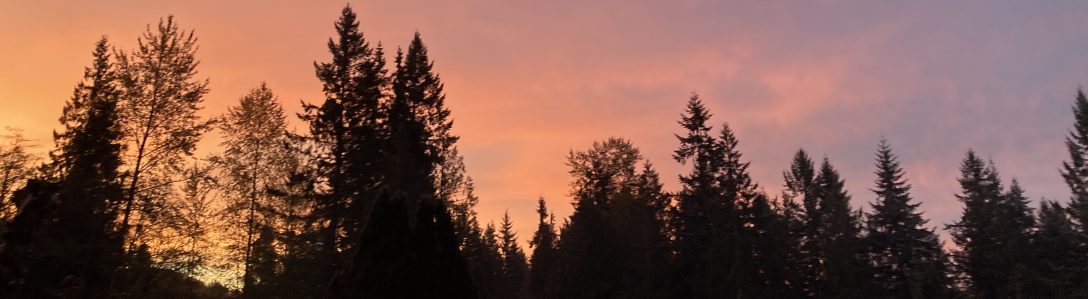
When first cultivating the idea of holistic land restoration and producing food locally, I took a lot of time visiting locations around western states in search of ecological location. Political forward thinking, social welfare, and civil engagement also played important roles, but seeing the continued climate crisis looming, I opted for a place with temperate climate and lots of fresh water. The Pacific Northwest, and more specifically Western Washington, offers temperate rainforest ecology with mountains, oceans, lakes, rivers, and mega flora and fauna. When I bought the property in 2013, I could afford acreage within an hour of Seattle- complete with well, salmon stream, and 60-80 year old trees throughout. For someone who grew up in Oklahoma, with dust-bowl ancestry, access to so much forest and fresh water was almost unbelievable. I know if my Grandma was still alive, she would not comprehend the height of “pine trees” out west.
In two lifetimes, humans went from horsepower to combustion technology, which we are still in; tech i runs off petrochemicals- plastic included, and it’s all toxic. Who’s wearing some right now? -most of us, as even jeans are now woven with spandex stretch fit. I’m writing this in a pair of nylon Wranglers- that’s right, no cotton blue jean in this pair of pants, yet still Wrangler stretch fit. Ye-haw! How much stuff has to be shipped to you these days? How much driving around picking up stuff do you do? What are the true costs living rural? I highly recommend checking out the link below for info on your area. There’s a way to measure our consumption now, and these maps are quite revealing.
The interactive CO2 maps can be found here.

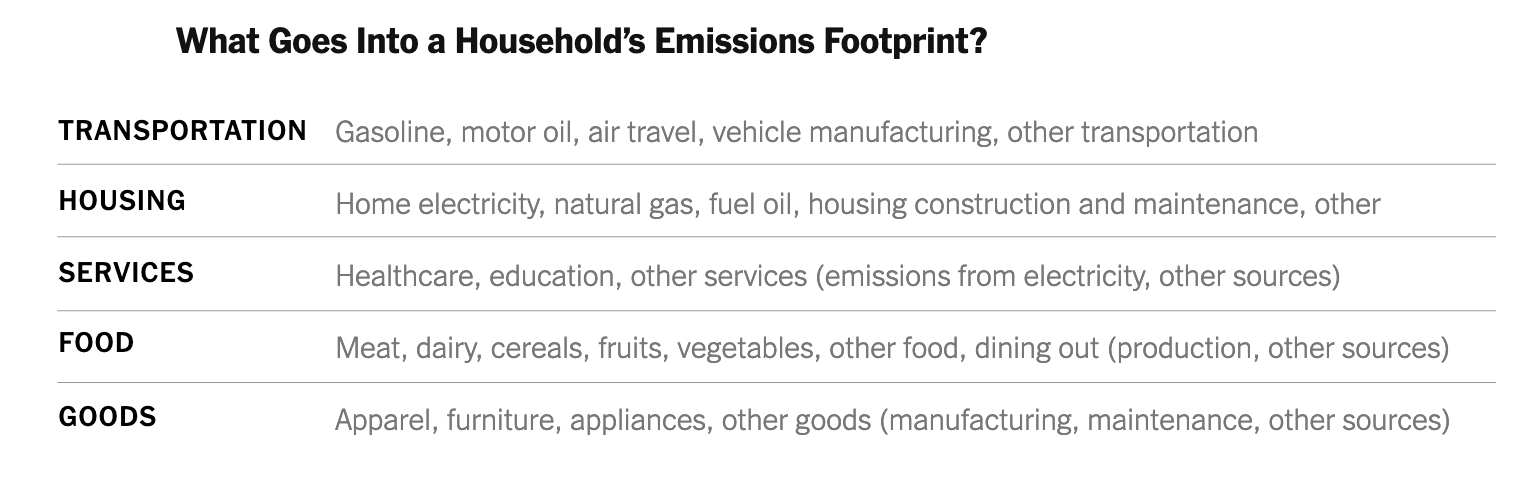
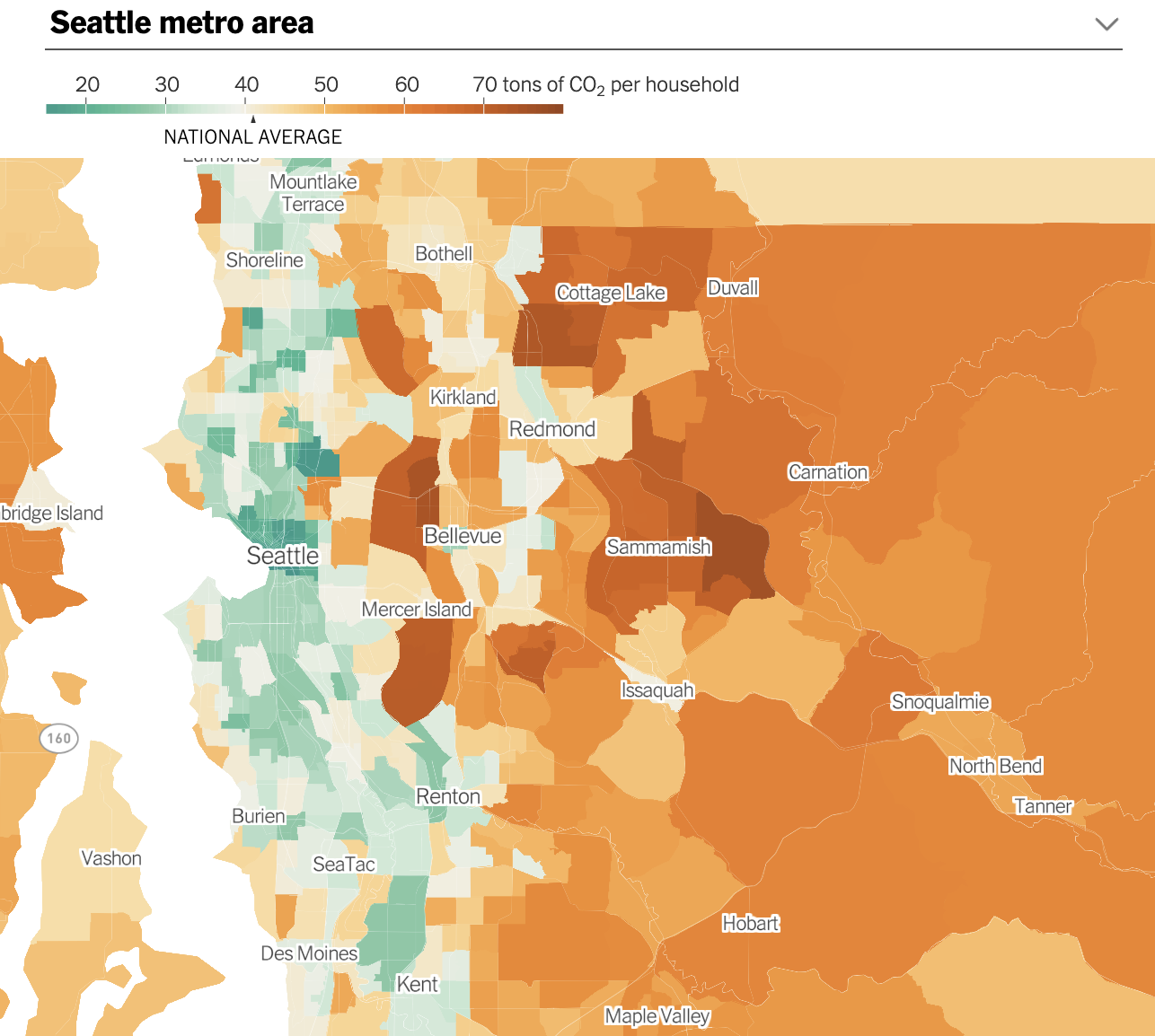
So how does EEC Forest Stewardship measure up? We’re electric and wood heat on the property, there are a couple of two stroke machines on the land which run a few times a year- our chainsaw does the most work at an average of 4 gallons a year. The weed wacker runs about 2. Our livestock does the rest. Hens cost the most, as their total organic and locally grown grain has risen to a dizzying cost in 2023. A 25# bag is $40! Though we go through about 35 bags a year, with a lot of home grown supplement, including our own farmed meal worms. This keeps our chicken operation in the black, and we sell about 5 dozen eggs a week (averaged out). What’s this got to do with carbon footprint? It seems to come down to dollar- the 40# bag of organic generic layer feed at $25 would be the obvious choice, but that bag of feed’s ingredient list says a lot more about the true cost of cheaper prices-
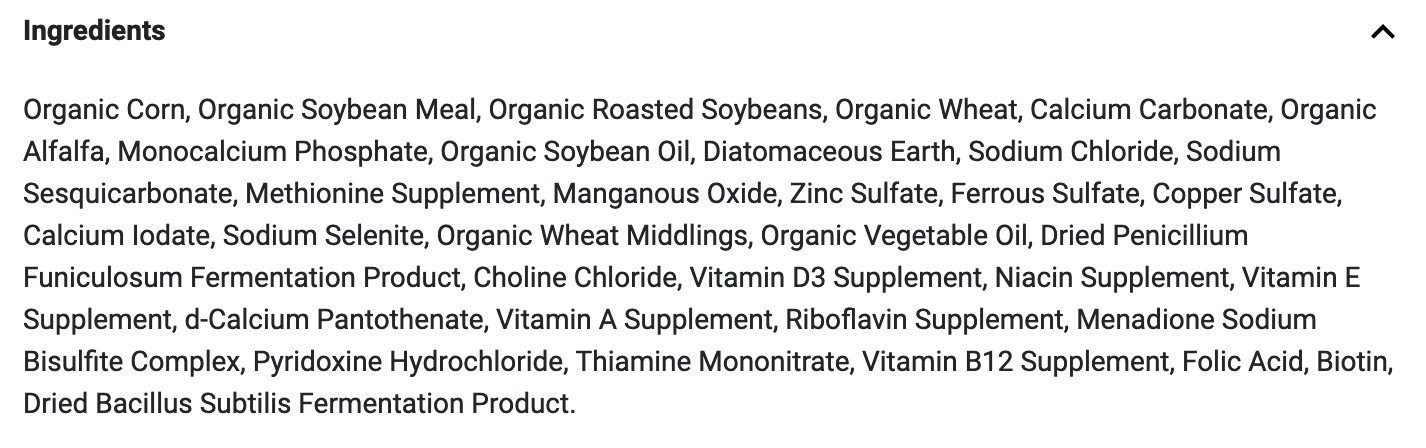
Here’s the list of ingredients from Scratch and Peck-
Organic Wheat, Organic Barley, Organic Peas, Organic Flaxseed Meal, Ground Limestone, Fish Meal, Organic Sunflower Oil, Black Soldier Fly Larvae Meal, Organic Dehydrated Kelp Meal, Essential Oils, Vitamin and Mineral Premix. Ingredients may vary – please review each bag’s label.
The cheaper organic layer pellet feed (so it’s cooked most of the nutrition out), has fillers like Choline Chloride, which is an important component to cell membrane formation, and found naturally in the environment- though when it’s chemically produced in a lab on industrial scale, the whole “naturally found in nature” explanation holds little water. Industrially produced material is high input demand for a factory, energy to run it, manpower to oversee, and the mines providing the chemicals to make something. Then the industrial chemicals are put into all sorts of other industrial products- like commercial layer feed- even organic ones. Many parts of this feed are subsidized, and the more petrochemicals used, the cheaper the outcome- but that too is changing fast. Down the rabbit hole we go- main point still being, cheaper at a high cost somewhere else. Products that have long lists of inputs leave us with a web of chemical plants, mines, truck, train, and plane transport that will leave your head spinning, but the price it right!
Scratch and Peck is a Washington State company that sources all its ingredients from verified farmers in North America. They were the first non-GMO Organic Certified USDA feed company, and I’ll pay a little extra for certified quality, also, to support local businesses. This is worth the price, and it keeps me balanced in my own limitations of scope and scale. There are still mines and extraction economy involved, and ultimately not having livestock at all would be ideal- if the environment had it’s ecology intact and a thriving wildlife system within. I can hope elk one day might come up the ridge, and they are close, but as long as grid property systems exist, migrating species won’t have a chance. Humanity has boxed out wildlife with similar grid demarcations, and it’s through all this data measurement that we arrange algorithms of solution to problems we created. Again, our actions, our choices make or break restoration of these complicated natural systems that we have yet to fold ourselves back into successfully.
Every little step we can take in our lives towards less consumption is a step in the right direction. Knowing where you are stepping off from to start is key. Think about transportation first- it’s the most impactful action each of us takes if we’re using a car. Do you drive every day? If so, can you plan to share the ride with others- especially work or school carpools? Do you practice reduced packaging? Small steps, but for those wishing to make a greater impact, have fewer children. It’s really helpful to recognize limitations, especially finite ones like clean air, soil, and water. These are abstract terms that boil down to groceries, health, and what comes out of your tap at home. It’s hard to grasp things like palm oil and your coffee or coke and the water table of Mexico, but it’s happening all around us in our insulated middle to upper income households. I mean households where there are multiple vehicles, pets, entertainment systems, high speed internet, and a well stocked pantry. If you can check all those boxes, you’re in that upper consumption market- especially if you live suburban.
EEC Forest Stewardship checks all the boxes, but some of the pantry comes from in house, and meat, which is a high carbon footprint under industrial agricultural management. On a small farm with minimal inputs, we’re still supplying a low carbon option marketed to the people who could use more carbon offsets. Ultimately this farm is also moving towards reforestation and habitat maximization, rather than agricultural perpetuation. It’s why forest stewardship remains the focus of this land, using restorative agriculture to quicken the land’s fertility. The good news is farms can stay financially viable using restorative ag, and it works best in smaller acreages of operation, which suits the limitations of EEC.

Micro can become macro when enough plots are participating. Again, city dwellers without land are still offering a huge offset by living urban and concentrating impact. There are other risks to clumping up, and COVID showed us one of those nightmare scenarios. But the risks are less overall if you are agreeing to live in civil society– which does offer a certain level of protection and survival success. We can all say yes to modern medicine, well, most of us. Healthcare is becoming a needless nightmare as well. When we start reflecting on quality of life, especially after a recent pandemic in which our fragile systems, like healthcare, came to light for so many, it helps to recognize the importance of strong community connection hand in hand with ecologically based development planning around the natural structures which are already in place and working without human inputs. When we learn, or at least acknowledge the levels of complexity it really takes to sustain life, perhaps we can understand the impossibility of constant quality while fulfilling quantity. Demand does not mean supply is available, and in nature- which we are still bound to, even with all our technology and inventiveness, a failure in one aspect of the system is manageable, but our planetary environment is currently hemorrhaging. Our best action now is preparing as best we can, while living in the moment.
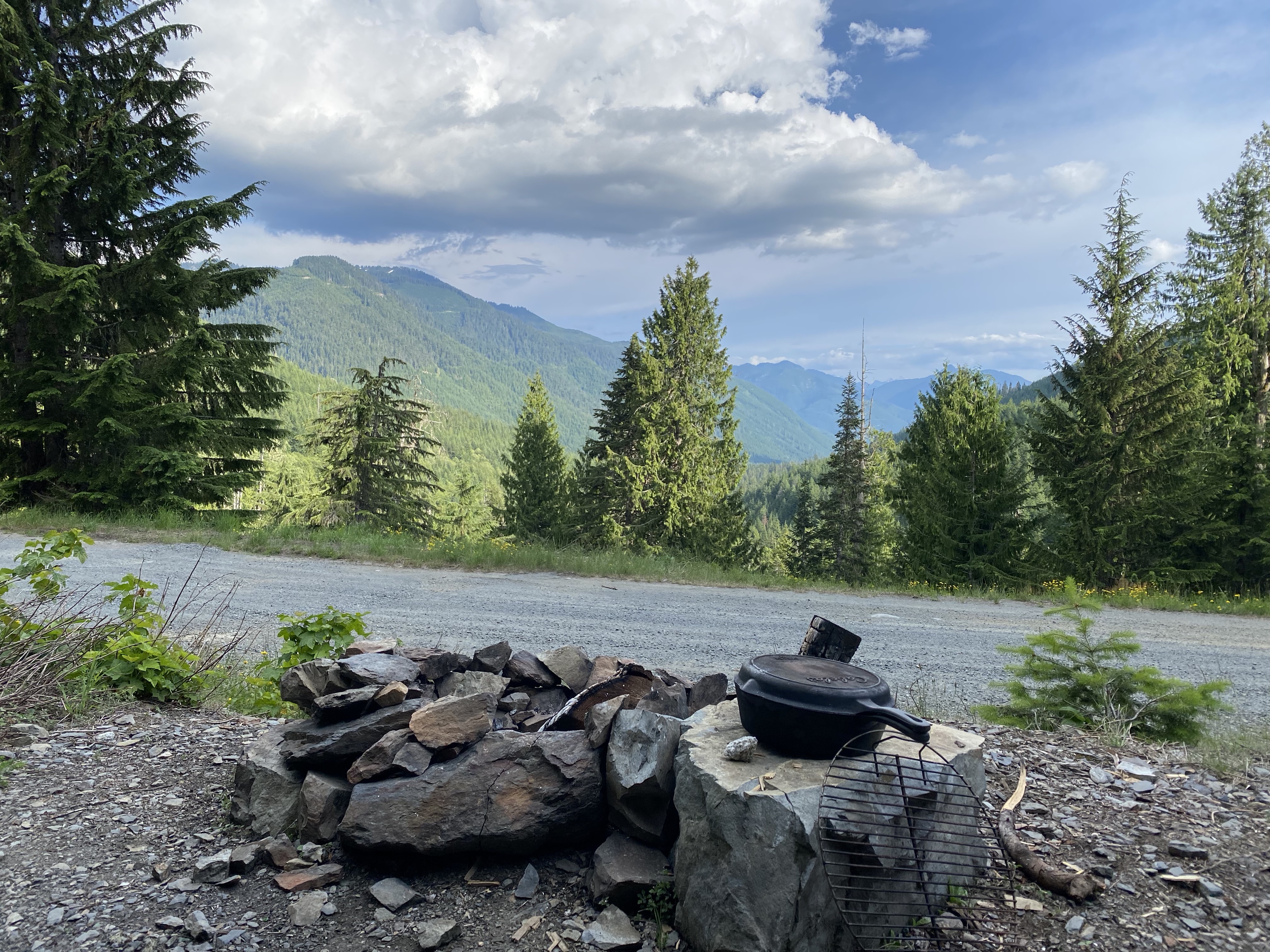
Flying is another huge footprint in carbon emissions, so most of our vacation time is a low emissions state lands visit with spectacular views, open air accommodations, and an outdoor kitchen to die for. In less than an hour drive from the land at EEC, we can find ourselves alone in the wilderness on a grand adventure in hiking, camping, and appreciating our greater backyard. We live here because of the unbelievable ecological diversity found within Washington State. It’s our main destination, which helps with avoiding plane travel, but I still fly to see family, and that swings my personal footprint towards the higher end of consumption. Just two flights- you usually have return ticket, is about 1000kg of CO2, which can be understood better in this graph about 1kg CO2 equivalences. This is more CO2 then many people in the world use in a year, so I am more consumptive, along with anyone else participating in the military industrial complex. Offsetting is great, and it’s a start to at least do some basic calculations to quantify your footprint.

 EEC Forest Stewardship