Trail cam Spring 2022

Eye to eye with the locals of EEC Forest Stewardship
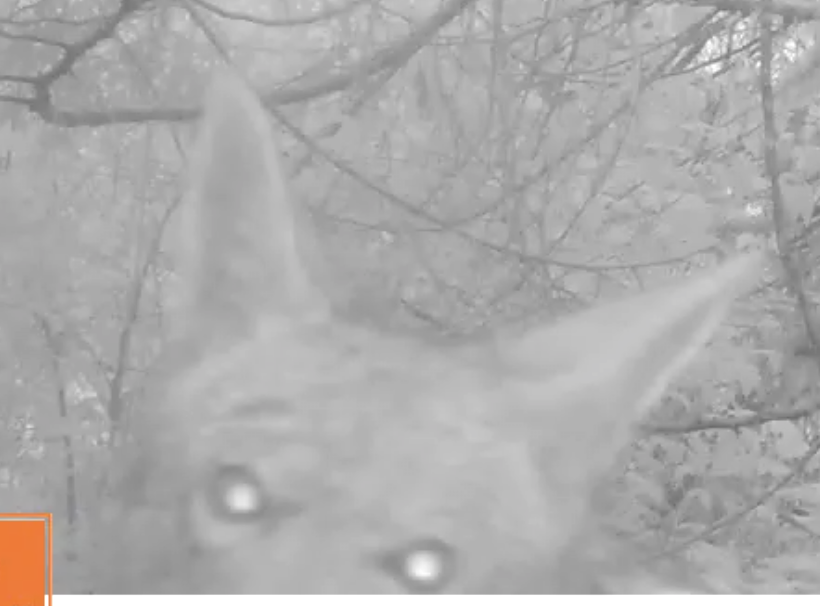
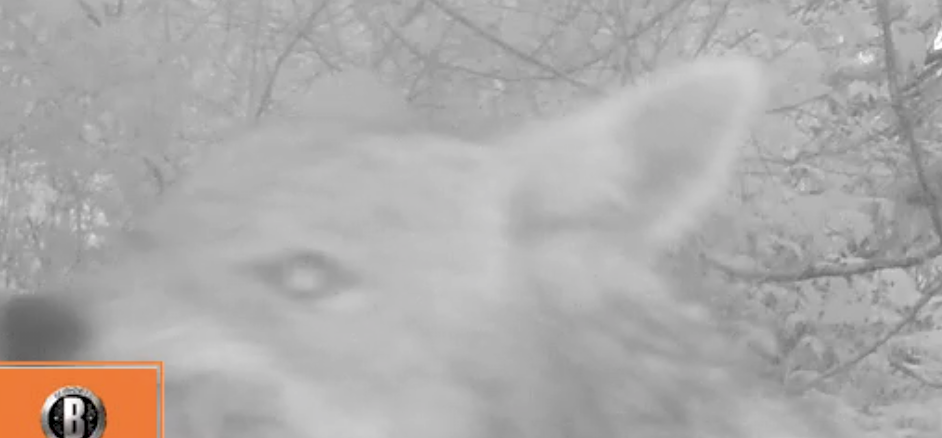
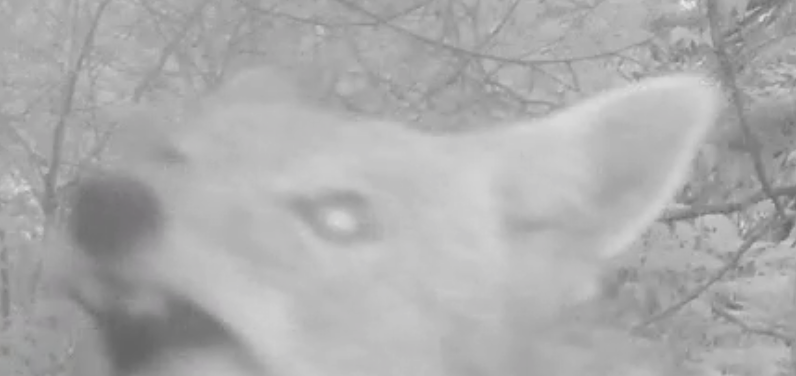
There are two Spring stars of the wildlife corridor trail cam at EEC. Weiss Creek is a thriving wilder space- returning to native nature, the original time capsule of human existence and recognition of surrounding life. Too deep? Well, here’s coyote with haunted holler and bone cracking smile. He/she/it/they/them have been cruising this territory for a long time, and we’re glad to see them from a distance. In the past, these jackals of the west have killed sheep from my flock, and might again still. That’s part of the living covenant between us as predator animals and adaptive opportunists. My most lasting solution to preventing predation is the introduction of our Kangal Livestock Guardian Dog, Gill.
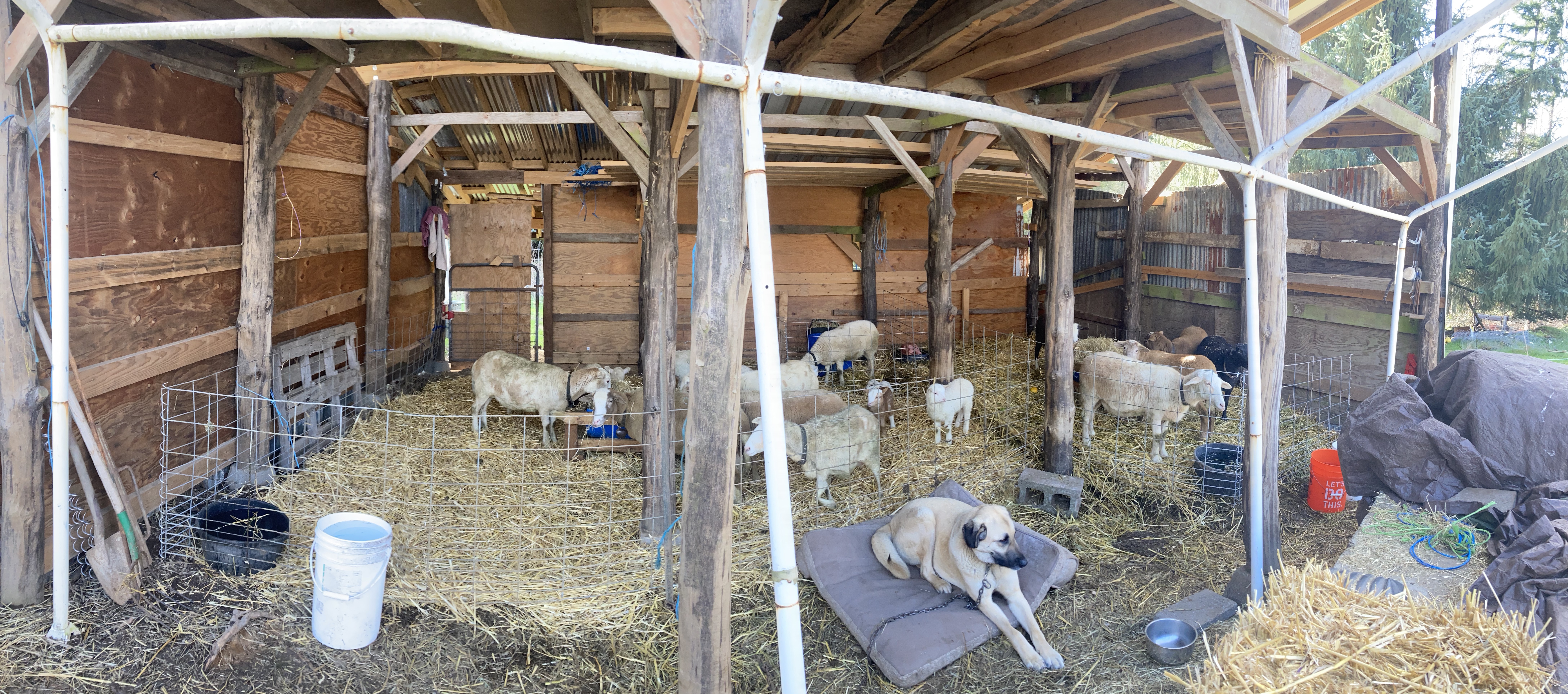
Gill with his flock

We’ve had no losses since this K9 sheep specialist teamed up with EEC. He’s thriving in his work and the Katahdins trust him. Coyotes who experience Gill’s alert weariness and territorial presence shy away to safer ground. Our trail cam footage is far from the barn, several acres away in the wildlife corridor of the property. Here we support and appreciate the wildness, making space with plans to keep restoring and growing habitat until this land’s ultimate conservation as native forest. Long after Gill’s tenure, and many generations of sheep have come and gone, this land will be coyote’s domain, and hopefully, by then, elk, bears, and even wolves if we give them space. What a wonder it would be to see the great temperate rain-forests, and all they posses in rich diversity of life abundance, returning to this place, their home.
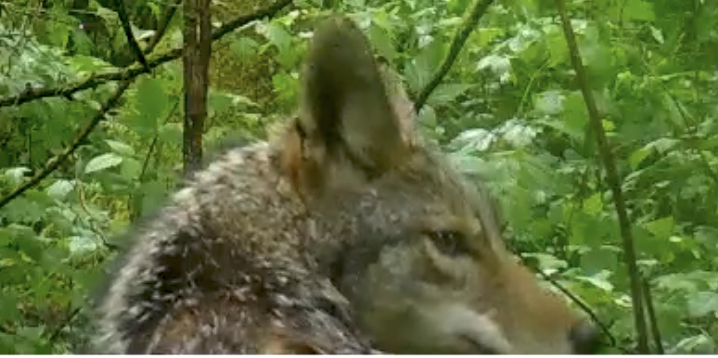
Near the trail cams we sometimes place leftover bones and scrap from animal processing, in small amounts, to focus encounter potential. This is always in the wildlife corridor, so as not to offer any land where sheep are or will be grazing as a meal spot. It prevents scent and territory cross over, and it’s working in our modest 10 acre system. Coyote is the most frequent visitor to the area, at least weekly, sometimes every few days if there are bones to pick at. And the scraps are gone fast. This animal is cousin to the wolf, but much more singular in appearance, sometimes as a pair, but rarely a pack in this area. I’ve heard the cackle of howling group antics nearby, but our cameras have never filmed a pack on this land- yet.

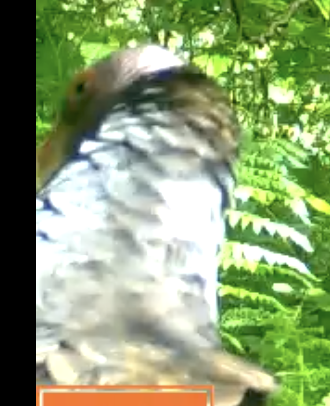
Heading up as our second star of the season, just arriving from a winter over The Cascades or further down the coast in California, our seasonal scavenger expert and forest picker upper of the best kind- TV!
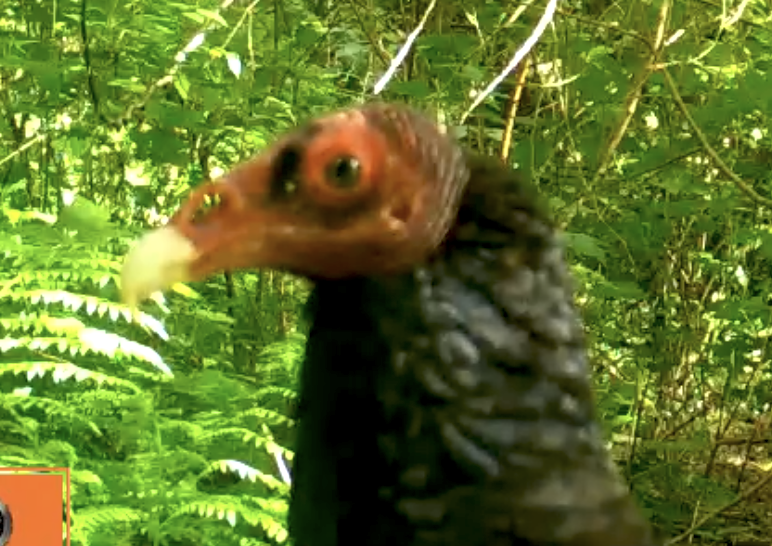
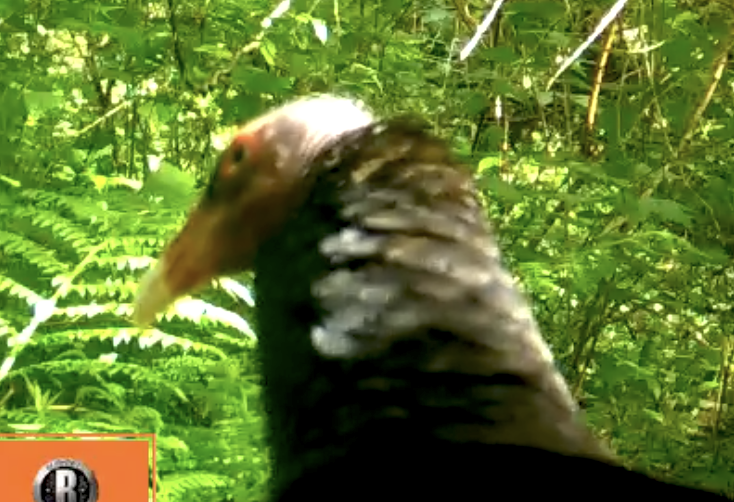
It/He/They/She/Them are so handsome/dapper/depraved?- no really, these iridescent black feathered folks are playing the best role in nature- clean up crew. They are bold brilliant beings on a mission to find and devour bacterial dangers before bad outbreaks related to rotting flesh occur. The neck feather boas on this bird are shear genius in lay and color. If you catch a gimps of them during flight, you’ll see silver tips on the under wing. Bald head bloody wrinkle fest face might be hideous in high fashion, but it’s all the rage in cleanliness. This animal has one main tool for its job, a beak, made to deconstruct corpus putrefactio. These birds also sport a pair of goggles in a protective lens which covers the eyes during a messy meal. I was lucky to catch this optical shift, how cool.
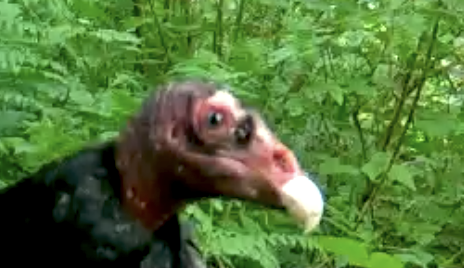
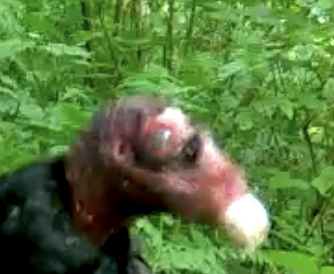
Turkey Vultures had a bad wrap in colonial culture, much like coyote. Ranchers were known to put poison in a dead cow to kill scavengers like these two important ecological players. The TVs are protected now, and most people get what they do any why they need to be respecter in their cleanup role. Coyote, because they will kill a live animal, are still given a lot of shade. The attitude towards predator animals, who are also important workers in the environmental web we all share, will only change when we start reflecting on why mankind feels so threatened.

Opening Up The Panhandle

We’re tilling up some new agricultural restoration space at EEC Forest Stewardship. Our panhandle has been the sight of continual mowing for thirty years. It’s about a quarter acre of some of the best soil on our land. This growing zone is being renewed with a propagation of fresh plantings. Using mostly native species, we’re setting a hedge for added value in vertical vegetation. The plan includes low growing species to prevent any unwanted entanglement with power lines across the road. New introduced plantings include “cranberry tree” Viburnum opulus, which is a rarity in the wild these days. It will be the main species in our hedge, and quite the wildlife attraction, so animals will get a boost of food and shelter. Our other two minor hedge species are a purple snow-berry and yarrow. There’s also a hint of red currant, comfery, and Gaillardia pulchella. In addition to planted species, we broadcasted three different seed mixes for PNW wildflowers. This nearly 300 foot long space will be a pollinator strip for the neighborhood.

We had planned a few more years of sheep grazing as the main agricultural practice for the strip, but we saw an opportunity to take out the sod, removing any need to graze, and are now restoring the land for ecological enhancement and diversity. The south neighbor will have a native plant natural fence to enjoy, north neighbor will receive an attractive boarder hedge set well back from the road. Our selected species can survive well on their own, with little human input, and we’re creating more good wildlife habitat and ventricle vegetation to enhance the landscape biodiversity, water conservation, and so much more.

Most local soil has quite a bit of glacial till, making it rocky and difficult to farm. But this particular strip stretched into what was a shallow lake left after the glaciers retreated further north. There is an abundance of good tilth for growing things, and the older trees left as standards a lifetime ago, testify soil health and water abundance- fertile land. There are a couple of places where water pooled in some tractor compression marks my neighbor left after an unexpected exploration of the freshly tilled soil. It’s a helpful sight map to plant species that can handle occasional standing water during atmospheric river events. The clay count is high in this soil, due in part to years of compression from vehicles driving over it and mowing, which prevented much needed thatch building better soil over time. The clay holds water, but introducing more vegetation and diversification within the soil will create better draw of moisture into the ground, replenishing our groundwater systems drinkable water.

Mulching will be key in keeping up with this initial setting of new growth. Grass will creep back in, but hopefully, once the newly planted vegetation establishes, the change in micro climates will keep grass out of the hedge, and managed with occasional road side trim with the weed wacker or scythe. We’ll move the sheep along it once or twice a year for a good cut of the hedge, and prune annually as needed. Pollinators and other insects are already utilizing the new environment, EEC will maintain it, and mother nature should do the rest.

Silent Hive

Today, I went to check on the hive and add fresh sugar syrup. Yes, even with all the flowers out at the peak of spring, honey bees don’t get enough food on their own, and must be supplemented with hundreds of pounds of sugar each year. Even with the extra food, hive raiding happens- this is when one hive of bees comes to another hive and steals food. My bees were known for being very gentle, so much so that I could handle frames bare handed. I really love these gals, and it’s painful to share that the hive has gone silent. There is a very large pile of dead bees in the front of the hive, and a few still struggle to fight off what’s left of an invading colony from some where nearby. I’m crying as I write this, because bees, like people, when there are not enough resources, go to predate upon others to survive. It was a two day all out war, and I had to stand back and watch as my friends fought to the death to defend their home. I know, these are small insects, and I’ve taken a powerful hose to many yellow jacket and wasp colonies in the past- though only those directly in the path of established human habitation here at EEC, but this animal behavior has been hard to comprehend.

Bee colonies do come into conflict, like any living system overlapping another, there is often conflict and struggle for survival. There can be ultimate collaboration, and many living things cohabit together quite successfully, as long as resources remain abundant. In this instance, my hive was left open- quite literally, when the hive cover hatch was not put on tight. Our spring has been wet, and I often crack the lid of the hive to help ventilation. In this case, the hive was left vulnerable, and a neighboring hive, stressed by the cold, damp spring, found an easy food source in the open hive top. It was a hard lesson to learn, and the home colony has sustained heavy losses for my error. That’s one of the hardest lessons in agriculture- that sometimes, humans fail and it costs in lives. Yes, little lives, hundreds- if not thousands of them.

Look closely at the two different strains of bees- my bees are lighter- being of Italian or Russian stock. The invaders are darker, and probably Caucasian or Carolina stock. That’s a very broad guess based purely on color. My hive was a wild caught swarm from Spring 2021. It’s been such a gentle little hive of bees, and quite resilient, having avoided mite infestation thus far. These ladies made it through the winter, and in other blogs, I’ve talked about their early March pollen harvesting, which is a good sign of stability in the hive. I’m still feeding these bees, and will continue to do so through the warmer months. It’s controversial to me in many ways, because it means these animals are not self sufficient at all, and need a high level of care to survive in this cool, damp climate. In the moment I thought the bees had all died, I really decided not to try bees again. It’s hard to support a system that is dependent on major outside inputs that, no matter how many pollination plants are established, will still rely on sugar to survive.

We had a great fruit blossom season, so the bees got a great boost in fresh food earlier in the Spring, now, as our weather remains unusually cool and damp- hey, I’m not complaining- but for bees, this setback in the weather is truly damaging. Where the flowers were out and thriving in April/May, June has seen a drop in overall floral activity due to cold weather delay, spanning about two weeks now. My roses went from beautiful red blossoms, to shrived brown bud bust. My Iris has laid her heads down in the mud, and even the weed flowers are holding back for the sun. This is where the sugar syrup saves the colony from starvation, and it’s part of why the robbers showed up. Desperate times call for desperate measures. Nature can be a rough struggle to survive.

With all the dead bees out front, and no sound of buzzing inside, I was sure the colony was dead. In tears, I called my bee mentor, who, in her wisdom, asked me if I’d actually opened the hive to look inside. I was struck by this simple prompt, yet hesitant to go look, fearing a seen of more carnage within. But my mentor was insistent, pointing out the hive was still my responsibility. Reluctantly, I walked to the hive without a suit on, and began taking off the covers and feeder to peek inside. Sure enough, as I pulled off the inner lid, an agitated bee flew up in my face with a warning. She was still protecting the colony, ready to face down this large threat alone. It was a thrill to see the spirit of this little insect taking off, and I gently side stepped the buzzing bravery to look in. Sure enough, a crowd of shaken bees huddled in the brood super below, buzzing softly at the disruption. I quickly took this video and gave thanks for the bees that lived.

It was such a joy to see the bees still active in the hive. What a roller-coaster of emotion. Still, the hive is not out of the woods, and really never will be. At this stage in honey bee existence, this species is facing slow, but continual collapse. Bee keeping is expensive, heart breaking, and void of much honey- that’s right. Unless you have a lot of hives, you’ll not harvest enough honey to make ends meet. EEC Forest Stewardship is not keeping bees for honey. We might take a single frame this year for personal enjoyment and special gifts, but we’re clear that the bees need all the wild food they can collect. Us taking any of that wild honey puts additional stress on our small colony, so we hold back for the sake of the bees. Instead, we’re focused on planting more perennial pollination species to strengthen the food options for our bees, and all the other important pollinators of our region- from bumble bees to mason bees, there are many native species of pollinators already on the landscape and trying to survive. All the flowers help.

Bee keeping is not for the faint of heart, and even EEC may loose its hive yet in all the struggles. But today, June 15th, our hive is alive, and trying to thrive. We’ll keep tending the colony as best we can, and wait to split this system into more hives for another year. These hard working gals have taught me so much about resiliency, determination, and adaptation, I am so grateful for the relationship with these powerful insects of sweet honey and plant productivity. They remain a special indicator on this landscape, letting me know I need more pollinator plants, prompting more diverse plantings and better seasonal transitions from one type of pollination crop to another throughout the warmer seasons. We’ll also buy another 100lbs of sugar for extra support in feeding our small, but potent wonders.