
This year, fall 2020, I harvested another black-tail deer from the land here at EEC Forest Stewardship. It was a wonderful gift from the land, and part of the stewardship practice here at EEC. For many, hunting is a very controversial subject, and I’ve talked about it a few times in this blog, so forgive me if I’m repeating myself to some readers. I am a passionate and ethical hunter, also a hunter education instructor here in Washington. My love of harvesting my own food has compelled me to hunt, and share this invaluable legacy with others to preserve access to the privilege of harvesting wild food.
Many other countries have no access to public land, or enough habitat to allow hunting. Here in America, hunting is conservation- all tags, licenses, gear (including camouflage clothing and ammunition) gives a percentage to conservation of land for public assess. The land bought with this money is public for all, not just hunters, and thousands of acres have been put into public domain through hunting. Wildlife biologists who study these public lands are funded by hunting. It’s how legal limits of each species, where they can and cannot be hunted, and general health monitoring of the ecosystem takes place. Hunters fund more wildlife studies on public land, than any other institution in this country.
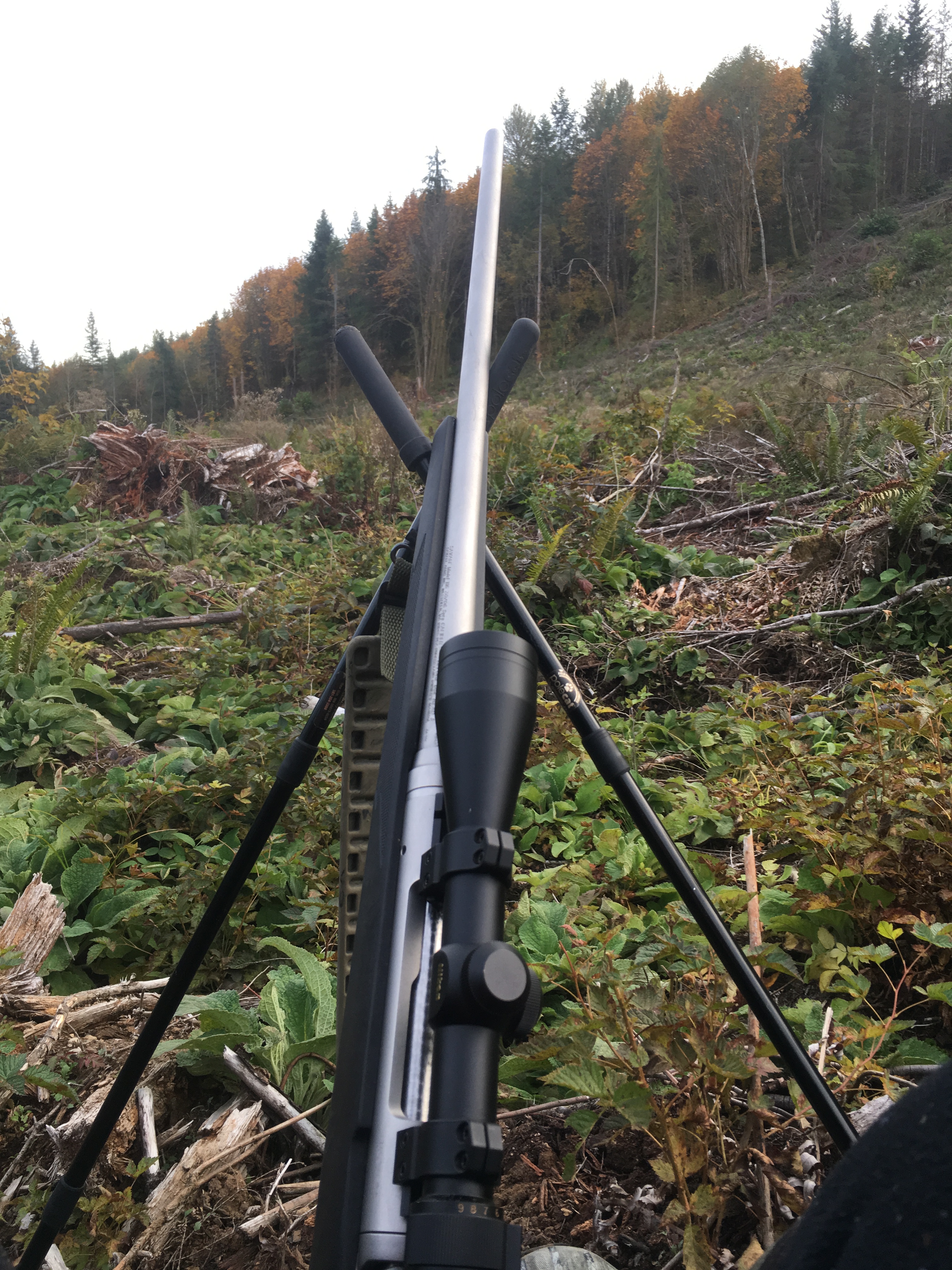
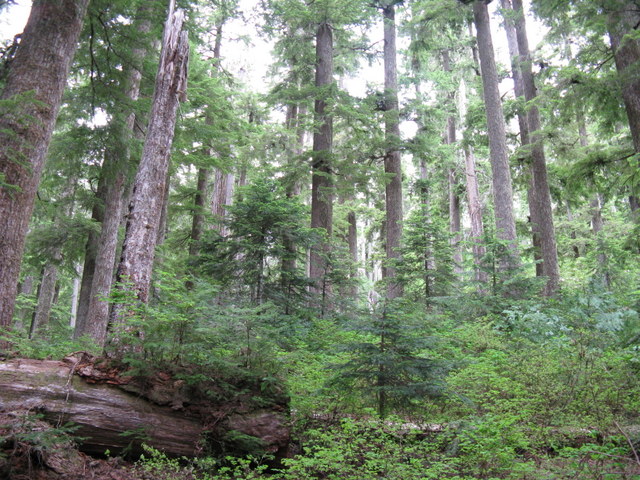
Hunters have eyes in the woods, and observe wilderness first hand through scouting and siting during the hunt season. I hunt mostly in a recreational forest that is also an active logging facility. 100,000 acres spread across several miles directly east of EEC. Animals that roam there are linked to our forest, so what’s happening at the neighboring forest will have direct impact on EEC Forest Stewardship. When I’m scouting the clear-cuts, I am aware of how many there are, where they were made, and how the wildlife is reacting to the change in habitat. I see the streams nearby, and check to see they have a good buffer of trees still in place. Observing other indicator species, like salamanders and the croaking of Pacific Green Tree frogs lets me know the wetlands are intact. Bobcat returning to her den in a slash pile shows me the loggers did leave behind shelter for the wildlife. I would not see all this if i was not out hunting in these woods. It’s part of my greater stewardship of place.
When I set intention to eat something from the wild, I want to know that it is clean food. One might think, wild=clean, but this is no longer the case. Hunters back in New England will know what I’m talking about- there an horrific wasting disease is making the resident white tail deer population sick and mangy. The meat is diseased, and not recommended for human consumption. Hoof and mouth is also haunting wild animal populations, and more infection will come as domestic cattle continue to range unimpeaded into public lands where they infect wild deer and elk populations. This cross contamination might one day completely infect all wild populations, leading to mass killings- like the COVID infected mink. Harvesting wild game allows me to check the health of our resident deer population. I can look at the animal, his organs, and the amount of fat on his body to see that he is a healthy deer. So greataful for this good food, and all the nutrition it will give us this winter.
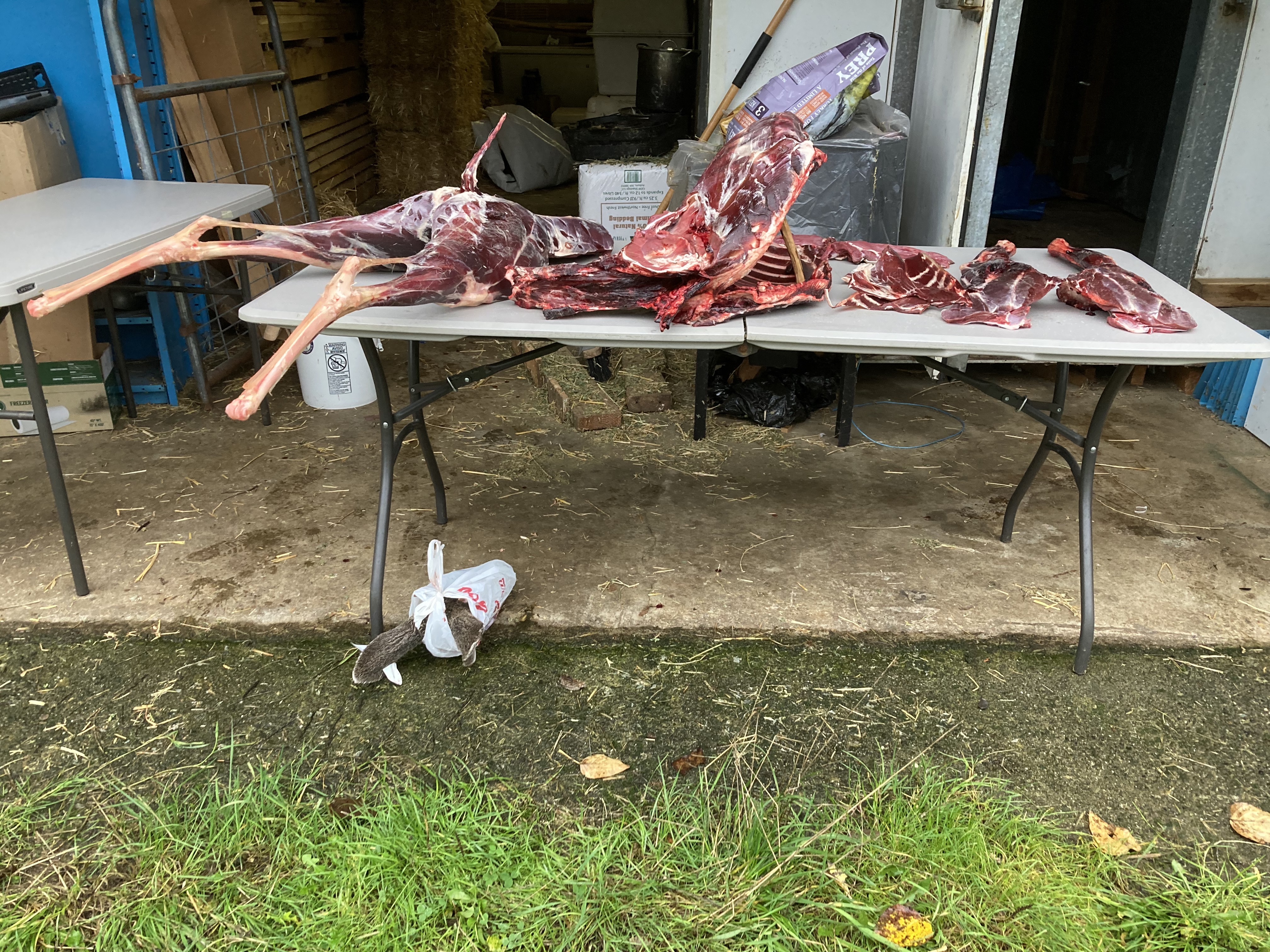
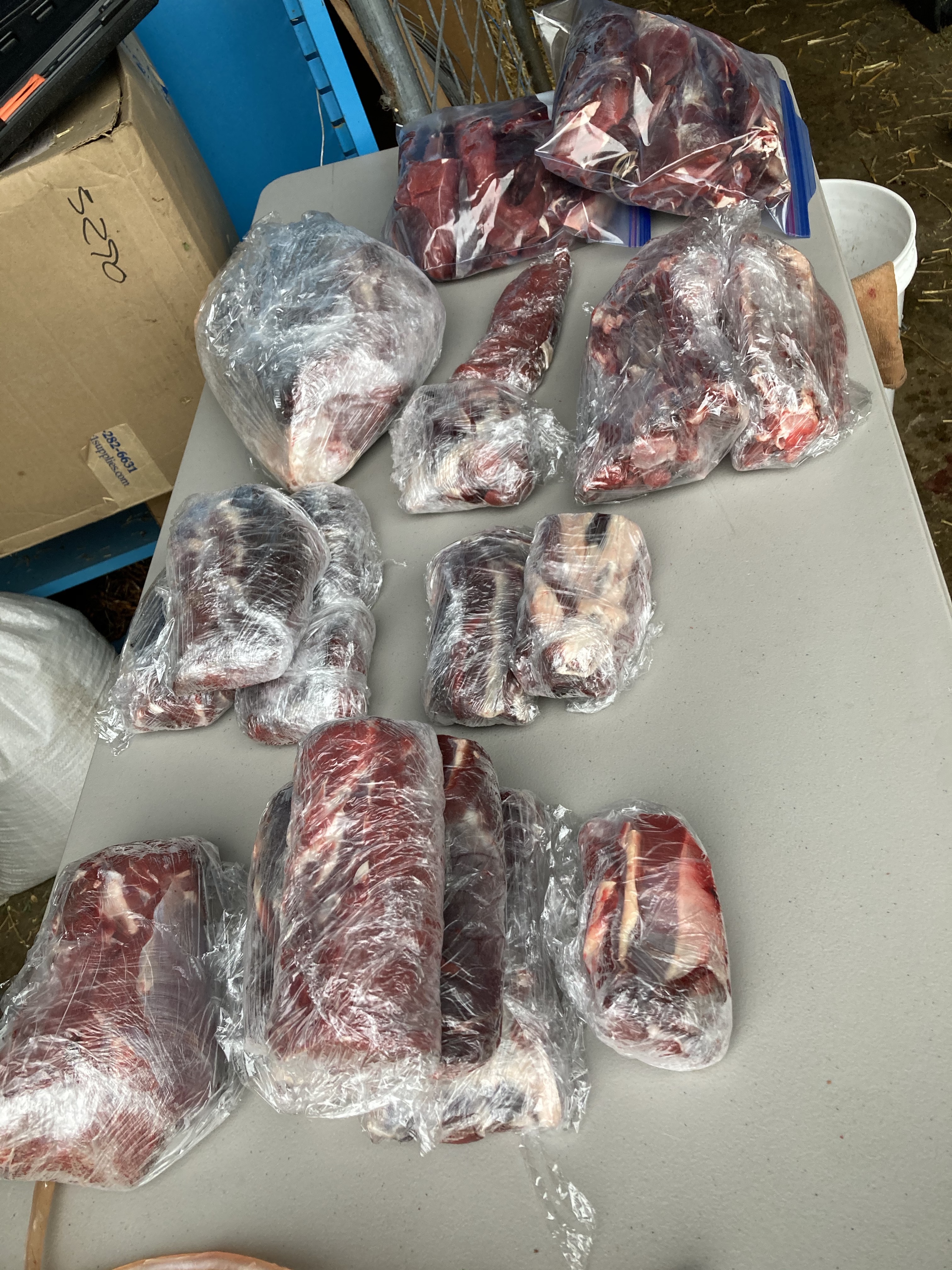
After harvesting the animal, I age the carcass in our walk in cooler for a few weeks before butchering. The amount of food from one animal is more than enough for me and my partner to share through the next year. Between that and our livestock, we don’t have to buy any commercial meat. That keeps our money out of industrial fast food feed lots. It also reinforces my direct connection to my food, from birth to death- even this deer was eating off the land which I tend, and enjoying all the rich biodiversity planted at EEC Forest Stewardship. In return, the deer feeds me, and I again plant more food and restore more habitat for the deer. It’s a restoration cycle which benefits all life.
Not all hunters respect the privilege of hunting, or tend good relationship with the land. But I do, and I greatly appreciate the practice, and recognize that it could be taken away if we as hunters do not show respect and good stewardship to place. The numbers of hunters in the field continues to drop over time, and this will lead to a loss of presence in our wild lands, lands that will instead be developed in the interest of other natural resources, like fossil fuels. In hunter education, new students are taught the concepts of carrying capacity, habitat restoration, and ethics of hunting to improve habitat and wildlife populations. Conservation is hunting, and by harvesting wild animals on the landscape, we weave ourselves into nature.

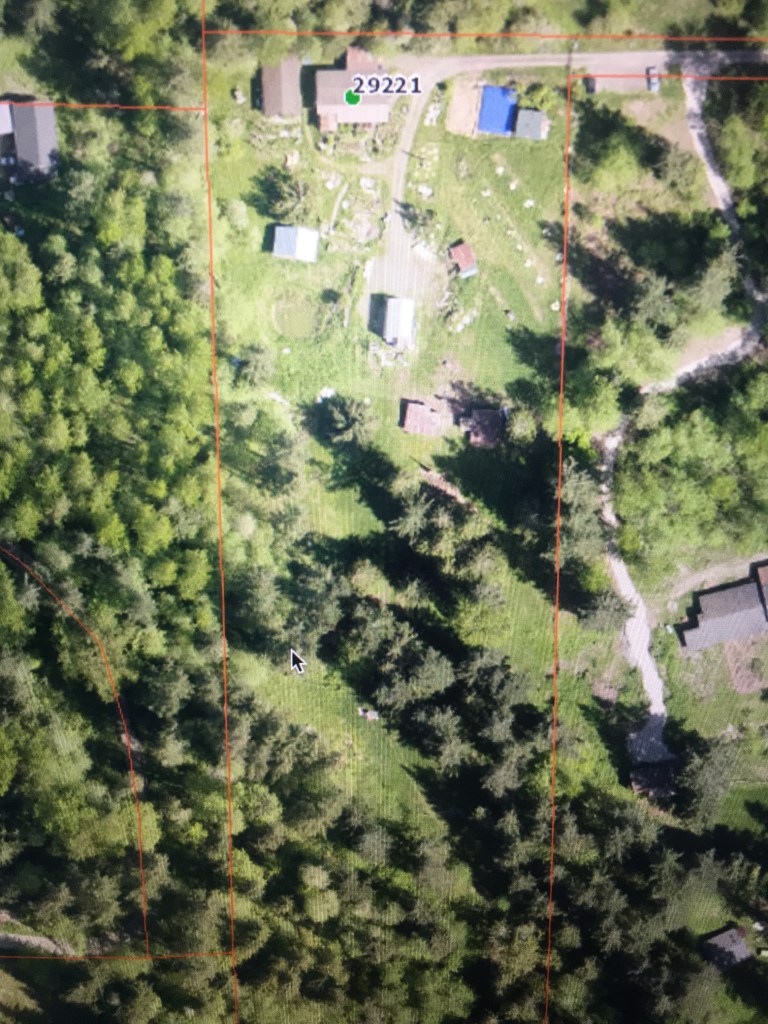
 EEC Forest Stewardship