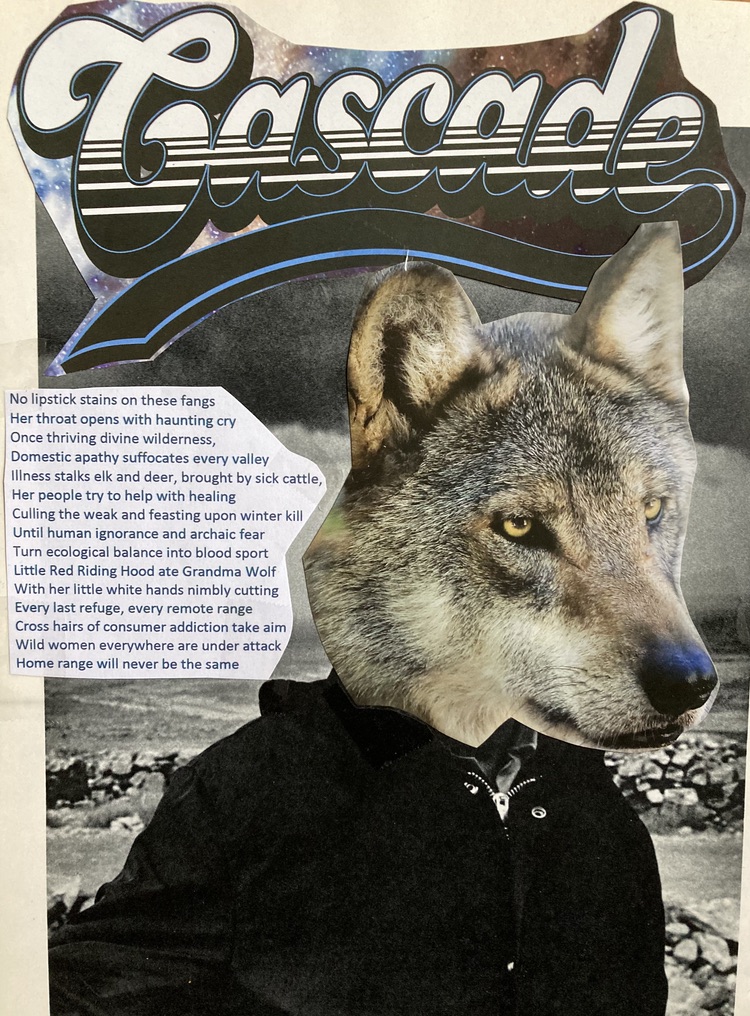
Ethnology

Is it impossible to avoid personification? In living the human existence, we want to understand through relating. The revulsion of nature as cruel and violent has been a tide slow in turning, due mostly in part, I think, to its often fatal effect on man kind when he is at its mercy. Though we are still very much at the mercy of Mother Nature, humanity has spent a few hundred years living in a state of colonization. Eurocentric views of world domination have included the decimation of the natural world for the greater good of human existence. It’s an old narrative that man has dominion over The Earth- and should profit from its eternal bounty, as some higher power ordained. I think we missed the part about stewarding for all The Earth, for its collective greater good, not just ours.

As humans with big brains always questioning (when given the privilege), we’ve begun to turn back towards Nature for answers. Though in this modern light, she has been IMAXed into a different kind of submission, one in which we view her remotely from our screens. She is “captured” in high definition, bright color, and exciting action. The natural world is entertainment, and for those wishing to study it- yes, this is about Ethology- there’s a heck of a show. Unfortunately, we’re people first, no matter how close we come to living wild with other species.

A famous Ethnologist I’ve been reading about recently is Joe Hutto, famous for his book, Illumination in The Flatwoods, A Season with Wild Turkey– which was made into a PBS special “Living as a Wild Turkey”. What I appreciate about this man’s approaches, is his continual reflection of how humans are separate from wildness- from our struggle with good and evil, as Hutto puts it- “We humans betray the moment in ways animals never do,” he says. “We live so much in the past, or in the future, and forget to be in the moment. Animals can’t do that if they want to survive.” This sums up my belief about people grasping for rewilding, we would have to devolve our thinking, back to primal fight or flight, to be in the moment.

Would you be ready to give up civility for being wild? Could we even comprehend that as an option? For those privileged to walk in the two worlds, yes, for those not able to choose, no. In this age of COVID-19, so much of our civility has been stripped bare, poverty continues to stalk like hungry wolves through our streets, and the ability for man to look his fellow man in the eye has slipped. Those who are intimate with death can attest to the leaving of civility in the act of survival. Yet in many branches of the animal kingdom, social animals do sacrifice for one another to keep the whole alive. We struggle with this concept related to true wildness, and I think we sometimes puzzle over nurture vs. nature, as though the two were at odds (which they sometimes are). Perhaps it could be said, that by delving into the untamed living world, we get a glimpse of what original instructions look like.
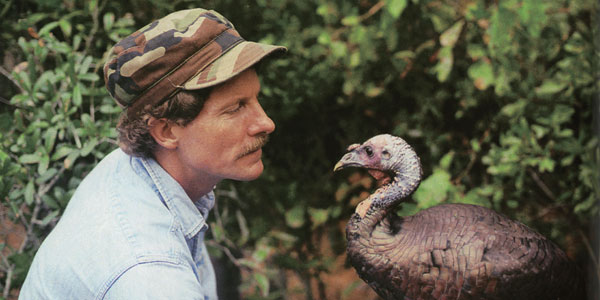
Joe with Turkey Boy

As Dr. Hutto learned, Turkeys are born with everything they need to know, and act on it at once through being. Humans struggle to find this “prime directive”, and I think this formation of ethical choice has quite upstaged survival for the security of civility. At the end of Joe Hutto’s story with his flock, one male turkey he has gone so far as to name, “Turkey Boy”, suddenly turns on the naturalist, intent on what Joe hypothesizes is ultimate male territorial aggression- it was going to be him or the bird. As humans, we’ve made a sort of social agreement not to kill each other in the streets over who owns them, though some populations, right here in The USA, act out fatal aggressive territorial displays in drive by shootings or vicious lynchings. One might argue that these actions are more out of desperation than instinct. Perhaps causalities to domestication and wealth accumulation. It is on the alter of money that we now must pray to keep our heads afloat. What folly this has all become in our search for humanity.

Wildness takes us away from the complications of being civil. It acts as a baseline for survival, almost comforting us in knowing we do not have to worry about predators and the scarcity of food- or does it? I ask how many people are living in an elevated primal state, even in tech driven cities, like Seattle, near this forest farm. There is a great struggle with homelessness, and the inclusion of people who have become estranged from civility, by choice or not. What of mental illness? Addiction? Abuse? These are not such common struggles in nature, but constant for humankind. Can it simply be summed up as our curse in being always in the past or future, never present? Perhaps, but in being human, are we not given the enlightenment to see ourselves- beyond simply fight or flight? What I do know as a person, is that even with civilization, wildness cannot be separated from us, nor can we fully survive without it. For a life without clean water, air, shelter, food, without each other to support in times of need, would fail to survive.
Evergreen State

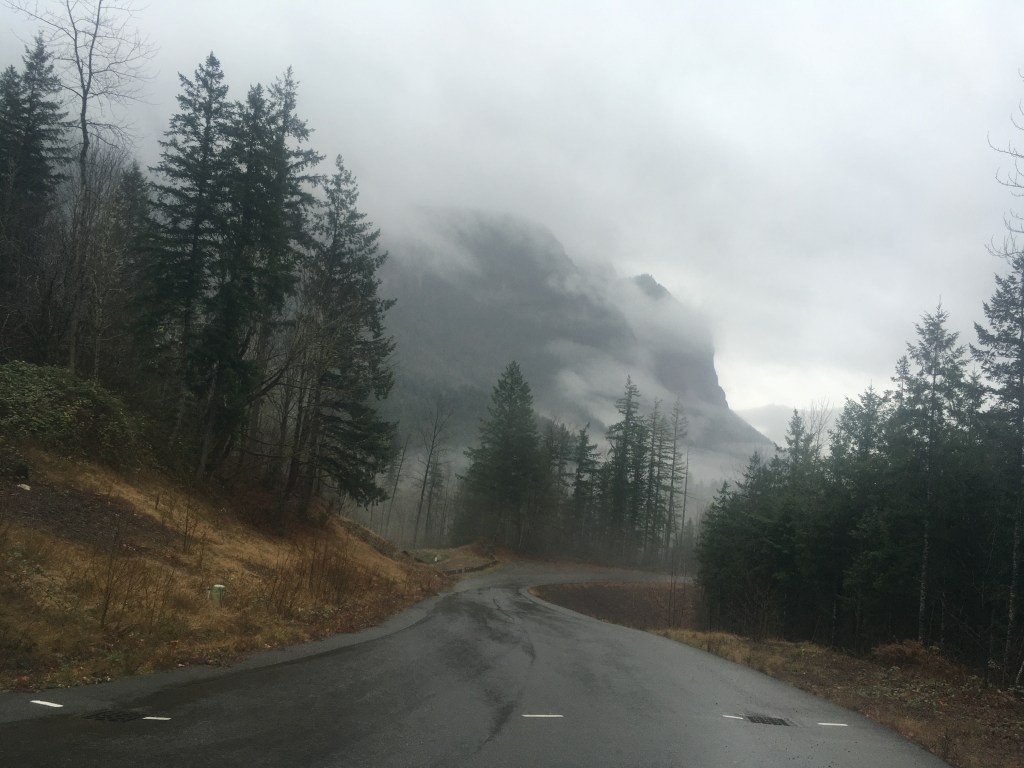
Mt. Si from the east

Yes folks, it’s winter- but here in Western Washington, spring seems to begin. This is part of that secret world we west slope dwellers prefer everyone else outside The Pacific Northwest didn’t know- we’re a truly temperate climate! The end of fall brought temperatures maintaining the 20s for about a week, but the freeze quickly thawed, and now it’s a balmy 47 with light rain and grey skies. That’s a heavenly winter season norm, and the grass will keep growing.

As a farmer, I thrive in wet warm temperatures, though such cultivation comforts come with other struggles, like mold and hoof rot. Muck is a constant companion in the barn yard. One of my house plants just showcased a strange mold growing on the surface of the potted soil. I’ve cranked up the wood stove, not to keep us warm, so much as dry in this rain-forest.

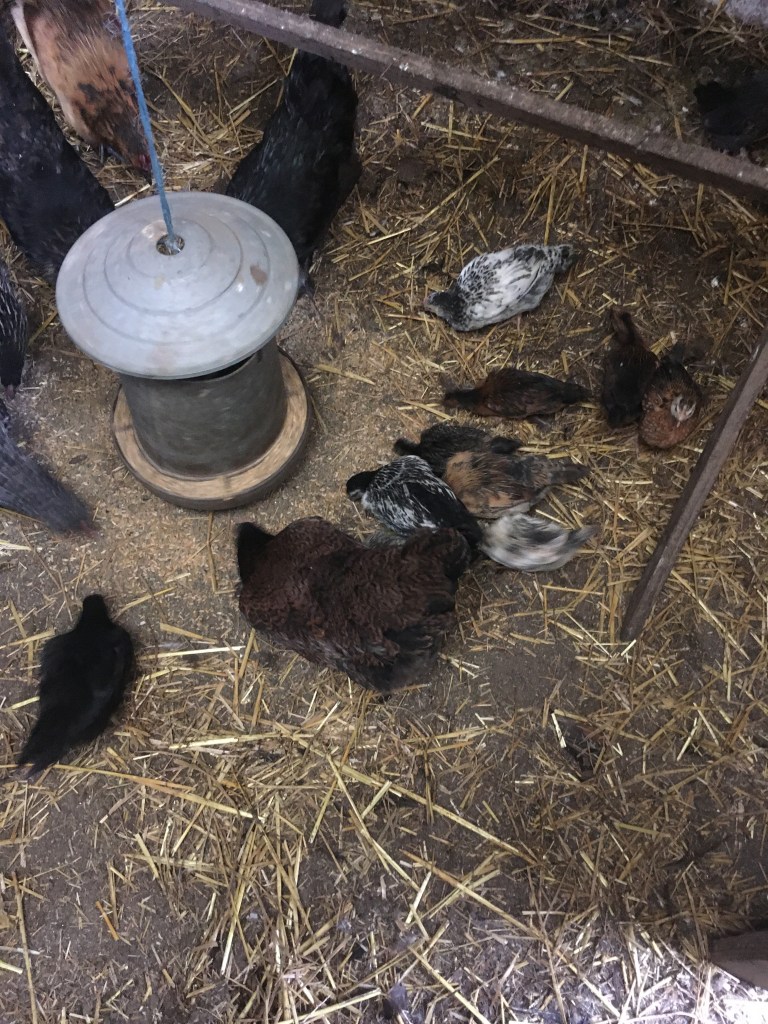
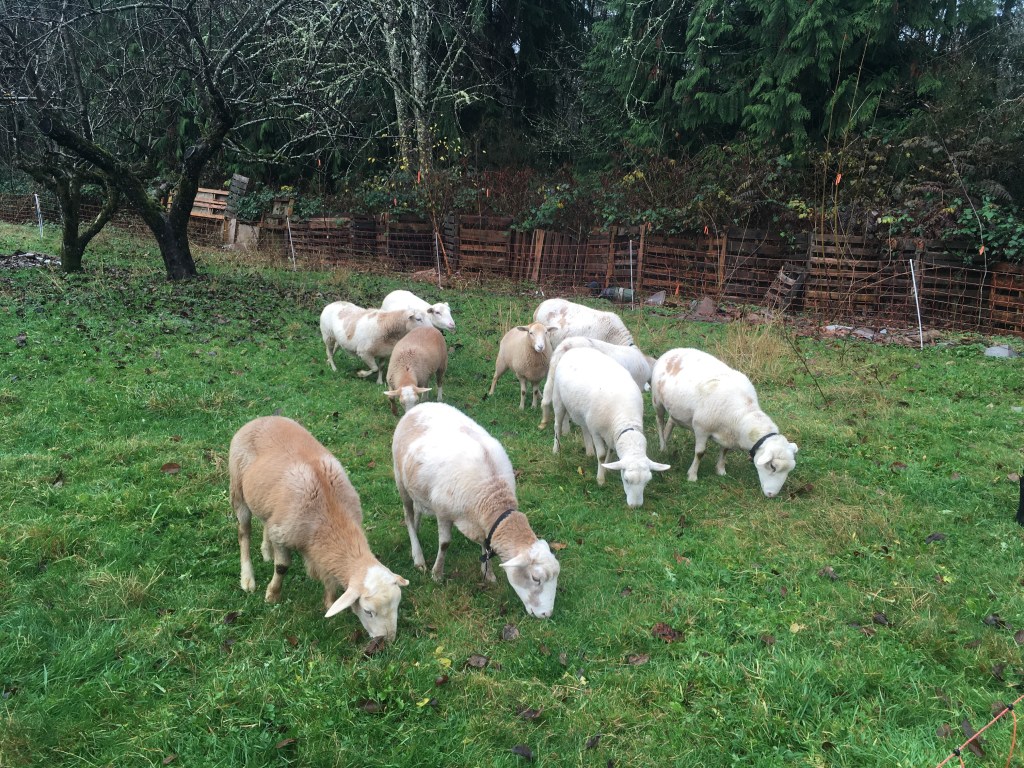
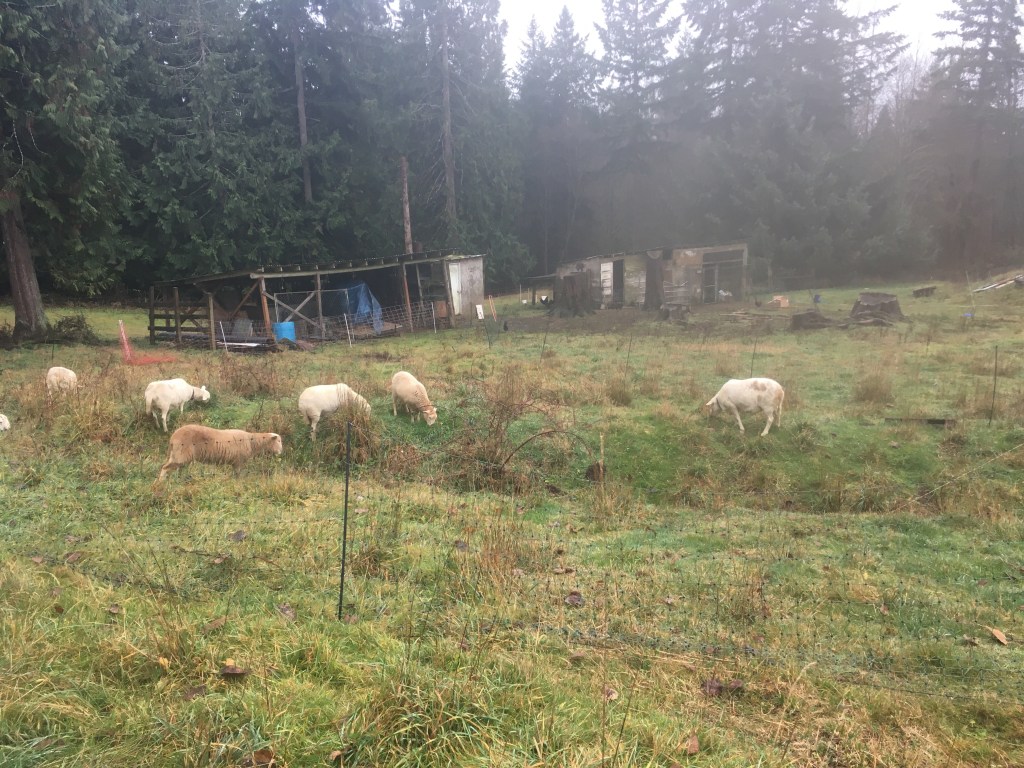
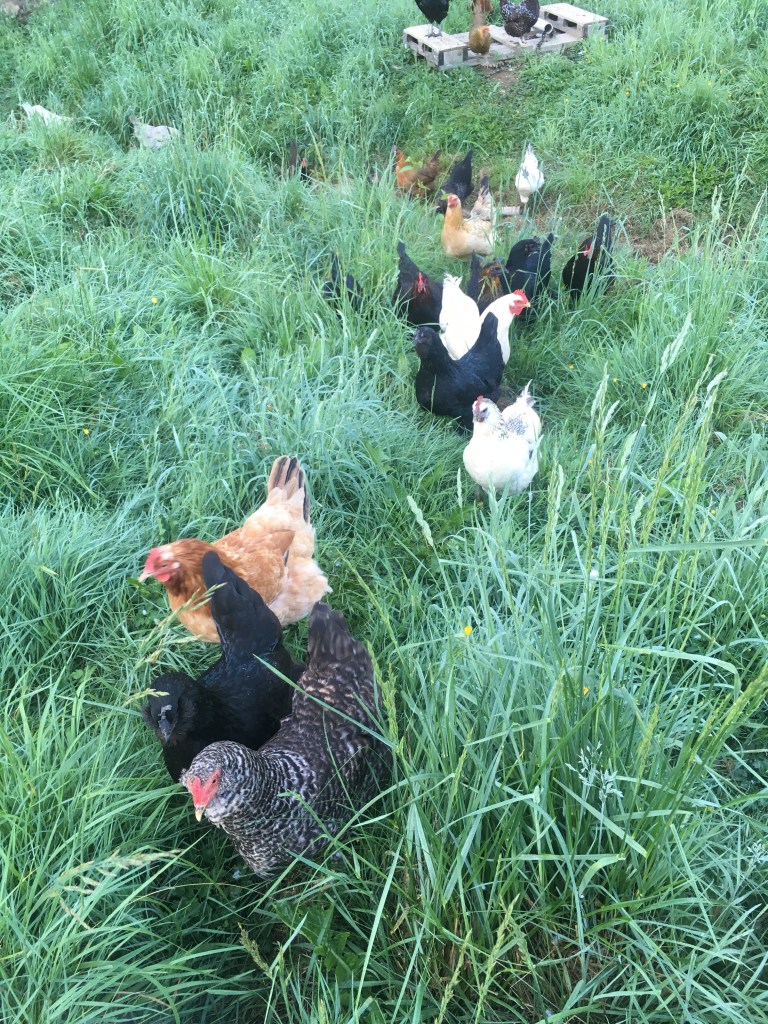
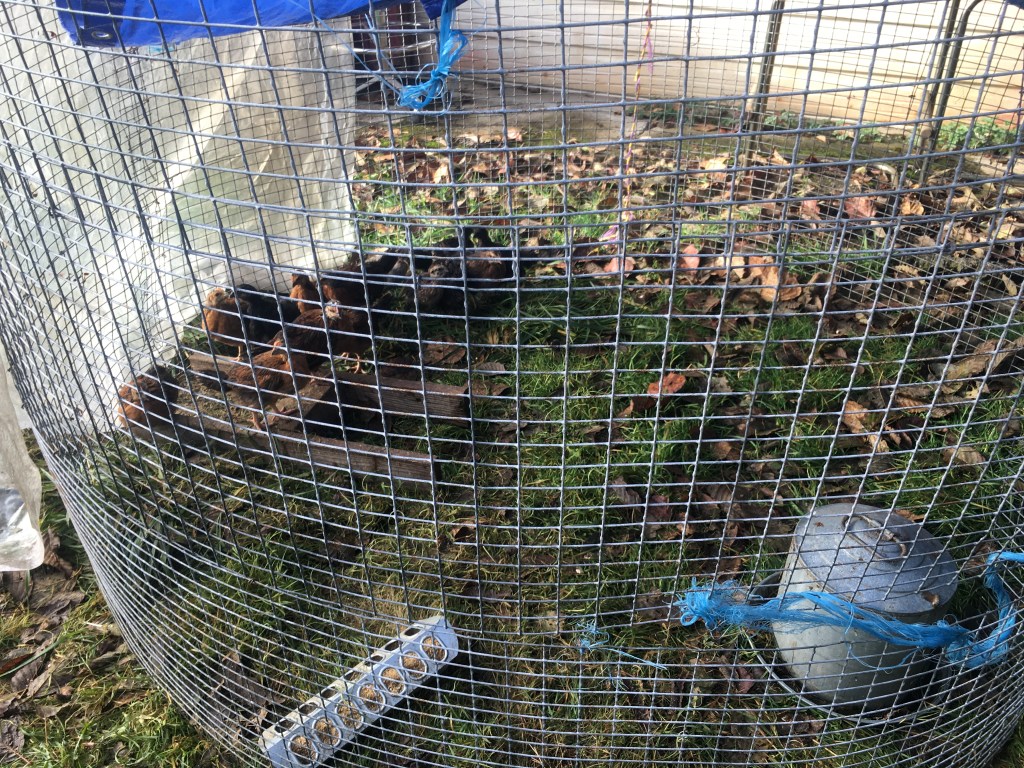
This year, I hatched an experiment of winter chicks, which have thrived quite well in our crisp fall days. I’ve been impressed with their hardiness, and the subsequent bulk they have gained with forage and organic starter feed. Last week, part of the young flock was moved into the coop with our layer hens. Their free range diet across the landscape includes grass, herbs, insects, and other microscopic creatures which enrich the birds’ eggs. The pasture is still green, even after heavy frosts, which began on the last day of September this year (2019). Our sheep just had two sunny days grazing, in early December. In New England, The Rocky Mountains, and central Great Plains, winters are brutal, often windy and well below freezing. Here in Western Washington, being outside in a cotton long sleeve t-shirt and jeans at the start of winter is a real treat- not to mention a lack of pesky frost-bite, frozen water buckets, and snow.

Winter does signal a slowing down in production. Our hens are laying at about 40% normal rate, so we’re averaging 1/2 dz. each day. With the introduction of more layers, we hope to operate in future at a dz. each day in winter, for neighborhood orders, and we’ll sell our warm month production to Cascadia Cooperative Farms. The sheep keep eating, putting weight on, and are hopefully also growing lambs in their bellies. It’s amazing to me that during winter, most animals in the grazing world are gestating next year’s offspring. They have great fresh food, and additional alfalfa hay in the barn on colder or wetter evenings.

Both my goats and sheep are expected to produce a “crop” of young, and need lots of good hay, pasture time, and other minerals to develop healthy babies. Evergreen pasture helps a lot with keeping pregnant stock fed, but supplements are still necessary- including trace minerals like iron, copper, and iodine. Western Washington soil is low in these important inputs, so a “range block” sits in each stall of my barn for both sheep and goats. Note- sheep cannot have copper, where as goats can’t live without it, so the mineral blocks of each animal should be matched appropriately. A soil sample from your pasture sent in for analysis will tell you what you’re short on, and that can change from field to field so take many samples if you can.

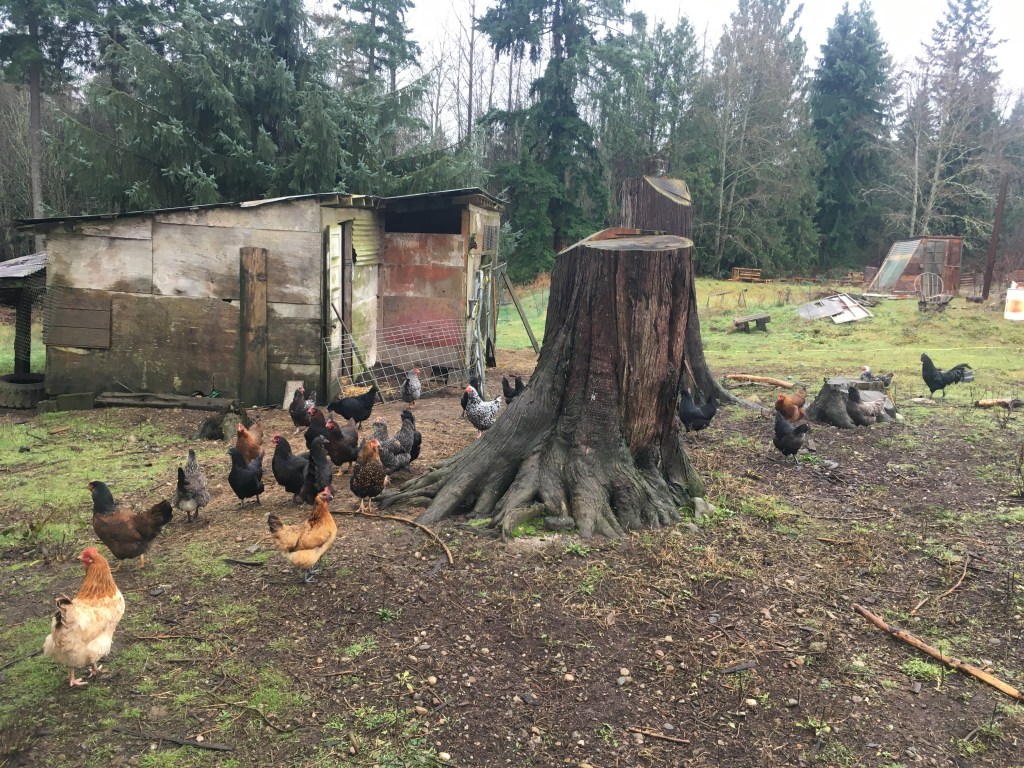
Fighting muck in temperate climate is never done. Anyone with livestock in wet weather can tell you about how hard it is to keep the ground from eroding into a mud pit. Some of the ways we cope at EEC Forest Stewardship include resting pastures by fencing them off. This is important, especially in winter, and will pay back in spades once the ground is solid again in warmer months. Managing stock around the barnyard is crucial to preventing much buildup. I use hog fencing to direct animals along corridors from the barn to pasture space, making sure to rotate access fequently to prevent degradation. Right now the coop space looks wretched, but that’s due mostly in part to the cedar grove that was recently harvested. Cedars don’t let other under-story plants establish easily, and even after a spring and fall seeding, we’re still waiting for more breakdown of the tree resins in the soil. The picture above shows that bald spot by the stumps.

Some farms have what they call “sacrifice space” where animals are confined to a smaller paddock to save the greater pasture space beyond. I’ve put my sheep in a smaller pen space this winter, but it’s still managed to keep grass on the ground. I put the sheep in their stalls frequently in winter to prevent erosion in the paddock. I’ve also got enough pasture space to accommodate the sheep, even in winter. Sheep are far less destructive on the soil compared to horses or cattle. It’s food for thought when you are thinking about stock in wet spaces. The larger the animal the heavier the impact on the land. Small stock are light footed, and can move over wet ground without sinking in. In this evergreen environment, smaller is better. I’ve already written about horse impacts on the land in an earlier article, but I will reiterate- western Washington is NOT a horse friendly environment for most of the year.

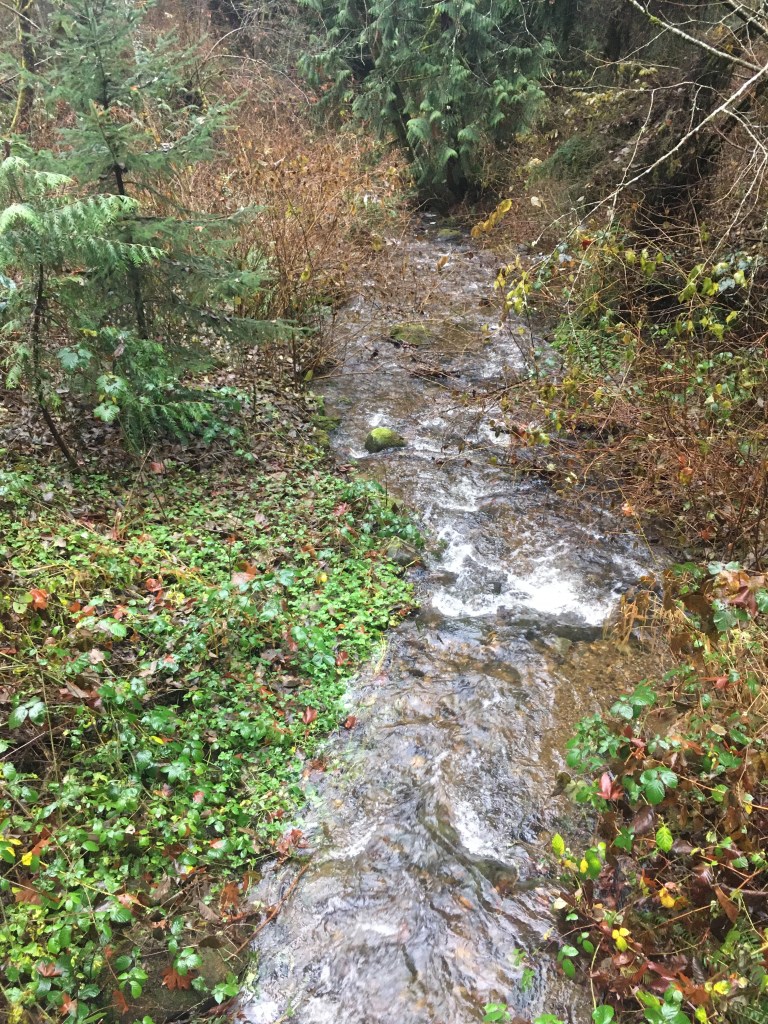
Another important aspect of having a temperate winter is all the water. Landscapes in Western Washington change dramatically in winter. While there is little snow in the lowlands, frequent flooding and swamped ground abound. A pasture which serves beautifully in summer can turn into a standing lake through the wet winter months. Lazy brooks turn into raging streams, and dirt roads become wallows. Access to certain parts of the farm in winter are blocked off, and will not be solid again till summer. If you own land in the area, take time to study the seasonal changes, mapping wet spots in winter so you don’t end up planting them with intolerant species. Take careful planning in structure placement, choosing the high ground whenever possible.

Where there is no ice, there is mold, and it will spread into your home if you don’t keep the environment dry. My truck sat for a week this winter while I was on a trip. When I got home I discovered a wet blanket had been left in the dog kennel, inviting mildew and the smell of molding cotton in my vehicle. I’m sill blasting the hot air every time I drive around, and the smell is almost gone. Know that temperate wet weather is a thriving environment for pathogens, fungus, and decomposition- and it shows up where you least want it, from leaf mold in the garden, to thrush in livestock’s hooves. Bugs also manage to stay alive and active through the winter here, so keep the compost covered and mind your greenhouse overwintered vegetation. Slugs do go dormant, but scale, flies, and gnats live on, and will infest where they can.

With all the struggles facing us here in Western Washington, I would still pick here above all other places I’ve lived in The US as home. It’s amazing to spend a late December day happily romping on a beach with the pup. I can gaze far off into the distance and see the snow covered peaks of the peninsula and feel such gratitude for our Pacific temperate zone. The Puget Sound Lowland remains green and vibrant, with many winter flowers blooming right along the cost. Even here in the hills, Hazel catkins are coming on, and blackberry buds sprout from entangled briar patches across the landscape. The rain keeps coming, but it brings warmer temperatures, moisture to the soil and good drinks for all the large trees, wetlands, and the fauna within. What a magical place to live and grow!

Adding Inputs (soil)

How many of us are tuned into soil? Oh, another lecture on soil? Any farmers in the audience are shaking their heads and clicking back over to comedic news stories or, more likely, USDA paperwork. But for those of you willing to take a moment, this article tries to spell out soil fertility additive basics and how they translate into holistic management at EEC Forest Stewardship. Anyone tending soil can learn from this experience, and I hope to continue updating as the stewardship continues.

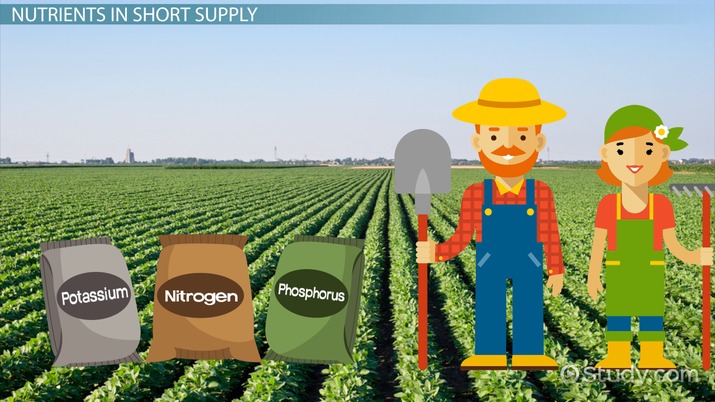
Our focus will orbit around organic inputs (fertilizers) to the soil, which raise fertility (production) in the topsoil for long term ecological (crop) viability. The three big conventional inputs are Potassium (P), Nitrogen (N), and Phosphorus (K). They are very important to condition high production style growing, where you take much from the land and remove the physical matter out of the soil for consumption. The harvest takes away water and nutrients needed for further soil productivity. This is why NKP is pushed so hard on large farming operations- get the nutrients back into the soil fast for more production. But there’s so much more to the soil than these three inputs.

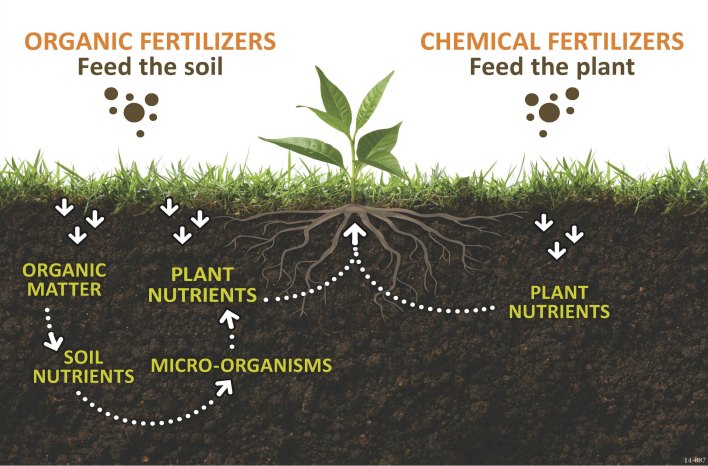
Pure chemical fertilizers support the plant growth, but not the larger soil ecology, or surrounding environment for long term abundance. It’s a quick fix to condition a field with lime to balance out Ph, or spray liquefied aged manure across the tilled soil to rebuild nitrogen, but these mass coverings often leech out of the bare soil when it rains, spilling off into our water systems where they cause large algae blooms which kill life in waterways; ultimately causing toxicity in us. To retain fertility in soil, you need a lot of other inputs to cultivate long term productivity.

When I walk bottom land fields that have seen nothing but till and plant methods of mass cropping, I see a severe lack of organic matter and micro-organisms in the soil. Tilling the soil to “mix in” fertilizers and churn up soil to prevent compaction has real unintended consequences, which industrial agriculture is still grappling with. Turning soil over interrupts the delicate network of living organisms in the soil. When that live culture dies, the soil dies too. Without that important network, any inputs added will have minimal effect, because the living biome within the soil is what collects, stores, and transmits fertilizer to the plant. Tilling also causes severe evaporation, because all the dampness in the soil is brought to the surface, where it is exposed to UV (which also sterilizes soil), and evaporation takes what life was left in the soil. The list of why tilling is bad goes on and on, but we’ll keep focused on inputs. More on tillage here.

Fertilizers work for short term profit, but the soil its self continues to die, and more and more fertilizer must be added in to keep up with the degradation of the land. Eventually, no commercial add ins work, and a field will then usually be abandoned to cattle as marginal pasture. Or worse, sold for development, lost to any future agricultural production to feed us. It should also be understood that the majority of farmland in The US grows commodity crops- soy, wheat, and corn. This sustains the additive rich box food (googling this blew my mind!) you see so much of in stores now, as well as feed for livestock, and most often, industrial products like ethanol.

Modern farming has come a long way in understanding the care of farm land, but we’re still throwing things at the soil without understanding its place in cultivating stable environment for production. Mono-crop agriculture still forces soil’s maximum output. There is no fast way to replace good fertile topsoil once it’s dead. The organic material and microbiome cannot thrive in constantly tilled soil. Even with cover crops, the soil is dying across the world, turning to desert in more extreme cases. Instead of trying to address large commodity farming practices, I’d like to focus on small agricultural operations where diversity and restoration are possible.

Here at EEC Forest Stewardship, we take fertility seriously, and fold it into a greater health vocabulary for our environment, going beyond mere production as the standard. Non-chemical is a number one priority, and our land does not receive any commercial fertilizer inputs. Instead, the land follows as closely to nature’s already implemented process as possible. Animal systems are a big part of our restoration plan. At EEC, we recognize that what we feed our animals it what’s going into our soil. So we use only organic whole grains and no-spray or organic hays (all within state). The overall health of my stock reflects the health of the land.

Even with abundance, there is still a gap in sustenance, which is filled by inputs like grain and kitchen scraps. We occasionally receive free organic bread from a gleaner friend. What is a gleaner? Without going too far off track, gleaners were once in fields after harvest gathering any dropped kernels of corn or damaged stalks of wheat left by the farmer. Today, there are still gleaners in fields, but in more urban and suburban developments, grocery stores replace farms, and yet there is still much to glean in good food. Two local organic bakeries in Seattle give their day old bred to the gleaning organizations, which then disperse free surplus into the greater community.

My friend takes the not fit for people bread leftovers for my animals- what a deal! I in tern also take her compost from the gleaning, which is all organic food fit to break down into soil with other amendments like manure, straw, and cardboard. These inputs are what I would consider the best kinds of fertilizer. Handling larger amounts of food waste is not easy, and I don’t suggest this system to backyard suburban homesteaders. However, if you have acreage, and animal systems already in place, large scale composting should already be a part of your routine. In suburban homesteads, your own kitchen waste should be enough, combined with garden/grass clippings, leaves, and cardboard.

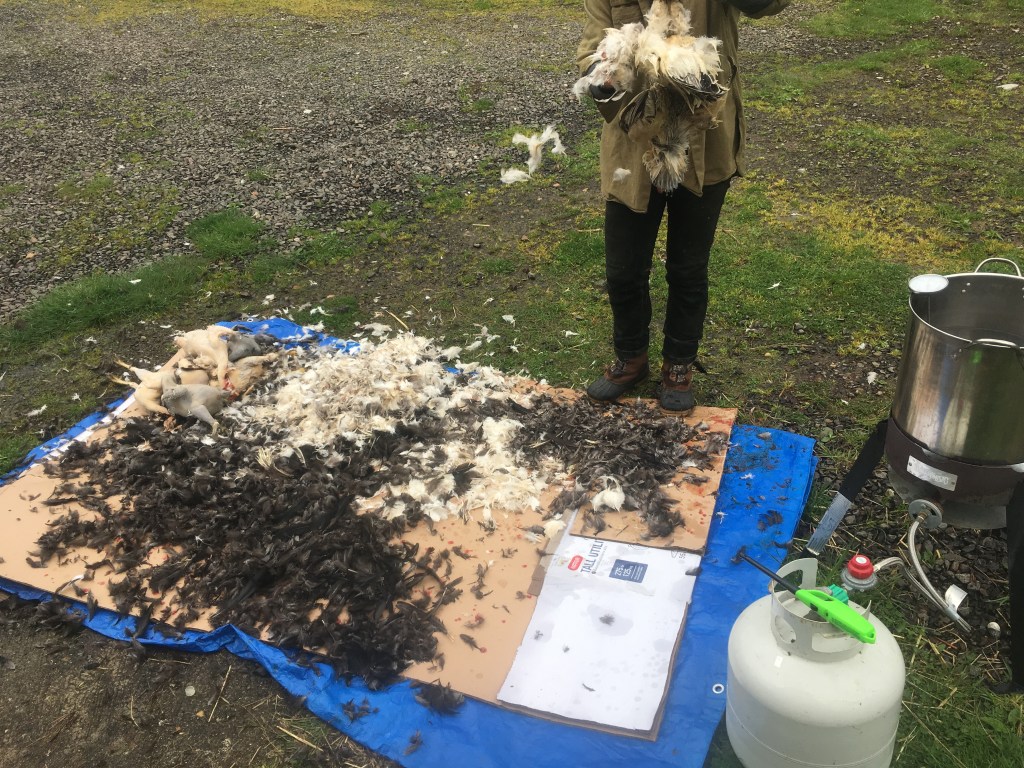
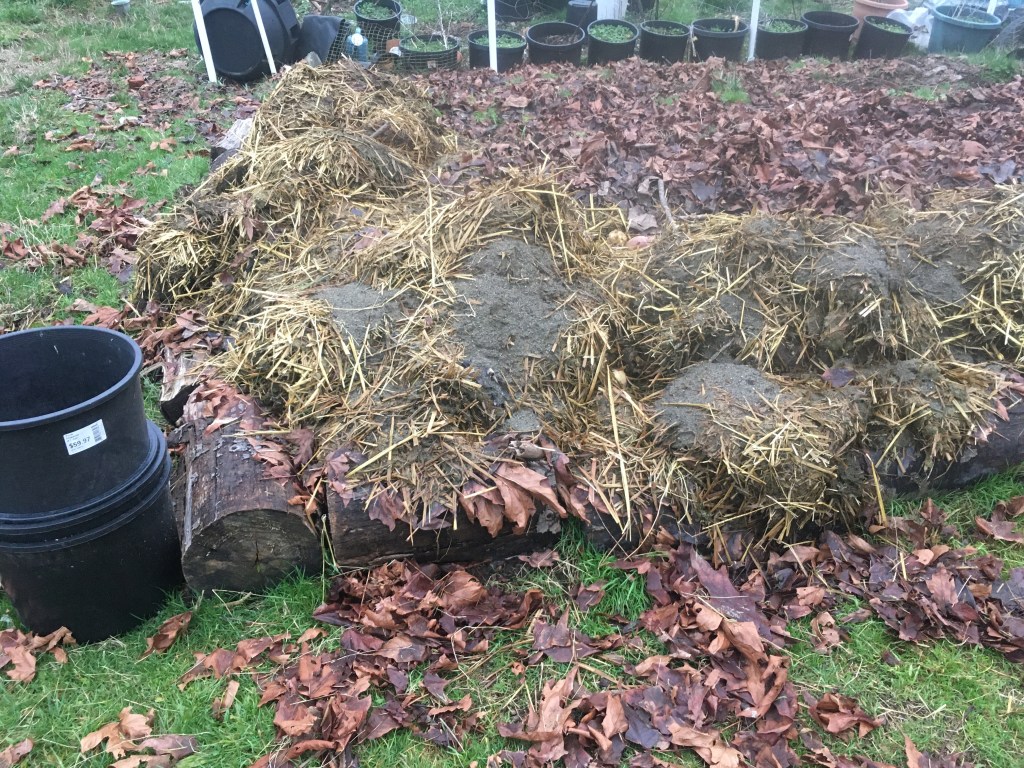
More organic options to build up garden and land fertility include coffee grounds for added acidity- I put mine on roses and blueberry bushes. Feather and bone are great too, though blood can be challenging to collect and distribute evenly into the soil. I’ll put the coagulated blood from slaughtering into the compost bin. Feathers I collect when I pluck at slaughter are usually add to the compost bucket, though sometimes I mix with leaves and spread right onto the surface of pasture or gardens in late fall. Chickens also help by molting their feathers, usually in the fall, and drop them all over the landscape as they forage. There are also a lot of feathers mixed in with coop bedding, which is piled to form new planting beds in our zone one areas of the land.

Utilizing animals to spread nutrients across the landscape is a great way to thoroughly inoculate soil with needed inputs like calcium and phosphorus. Look at what this amazing grain packs for the bird, much of which ends up coming out the other end onto the land. I’d say there is a perfect amount of most inputs soil needs for continued production. By investing in this full spectrum feed, though it’s a “huge” expense, when I add up the total cost of all the other inputs, time, and energy to condition the soil, the savings are obvious. Yet farmers I work with continue to claim the organic full spectrum feed is too costly, and they would rather buy the cheaper conventional grain.

These same farmers then have to go buy costly inputs for their soil and run tractors with costly attachments to till these expensive conditioners in, also disrupting the delicate ecology of soil microbes. What a nightmare. EEC Forest Stewardship does not own a tractor, has no tilled pasture, and yet, we manage a healthy stock of animals on ever improving forage and grazing on small acreage adding only a quality organic feed and local hay/straw. The proof is also in the pudding, and our soil tests reinforce the productivity, showing that our only low count nutrients in the soil is magnesium. However, too much causes compaction, and introduces rampant weed growth. However, the natural Ph of our soil demands occasional lime inputs, so by selecting dolomite lime, our soil receives the additional magnesium. Again, the soil profile was determined through a lab test of soil samples taken from different locations throughout the EEC Forest Stewardship property.

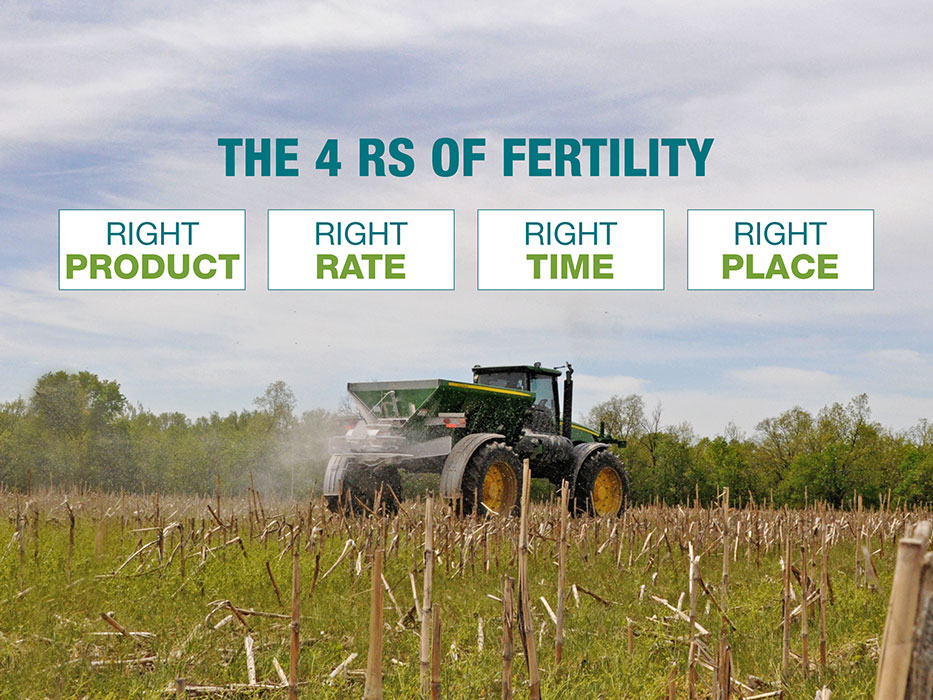
In taking the time to trace the inputs going into your soil, you can determine fertility short falls and know exactly what additions might be needed to cultivate better pasture, gardens, and forests. At EEC, we hope that the forests can eventually support themselves, with plenty of canopy protection and good nutrients shared through a complex ecosystem. In the areas of heavier cultivation, we must continue to manually input additives to keep the chemical balance of the soil productive. By keeping these higher input systems small, input demand remains easy to manga by hand, without tractors, heavy bags of expensive fertilizer, and the danger of runoff into our water systems. These practices keep our soil alive and productive, while remaining affordable and organic. This is the advantage of holistic management.